United Kingdom · Wales
Where to Stay in Cardiff, Wales
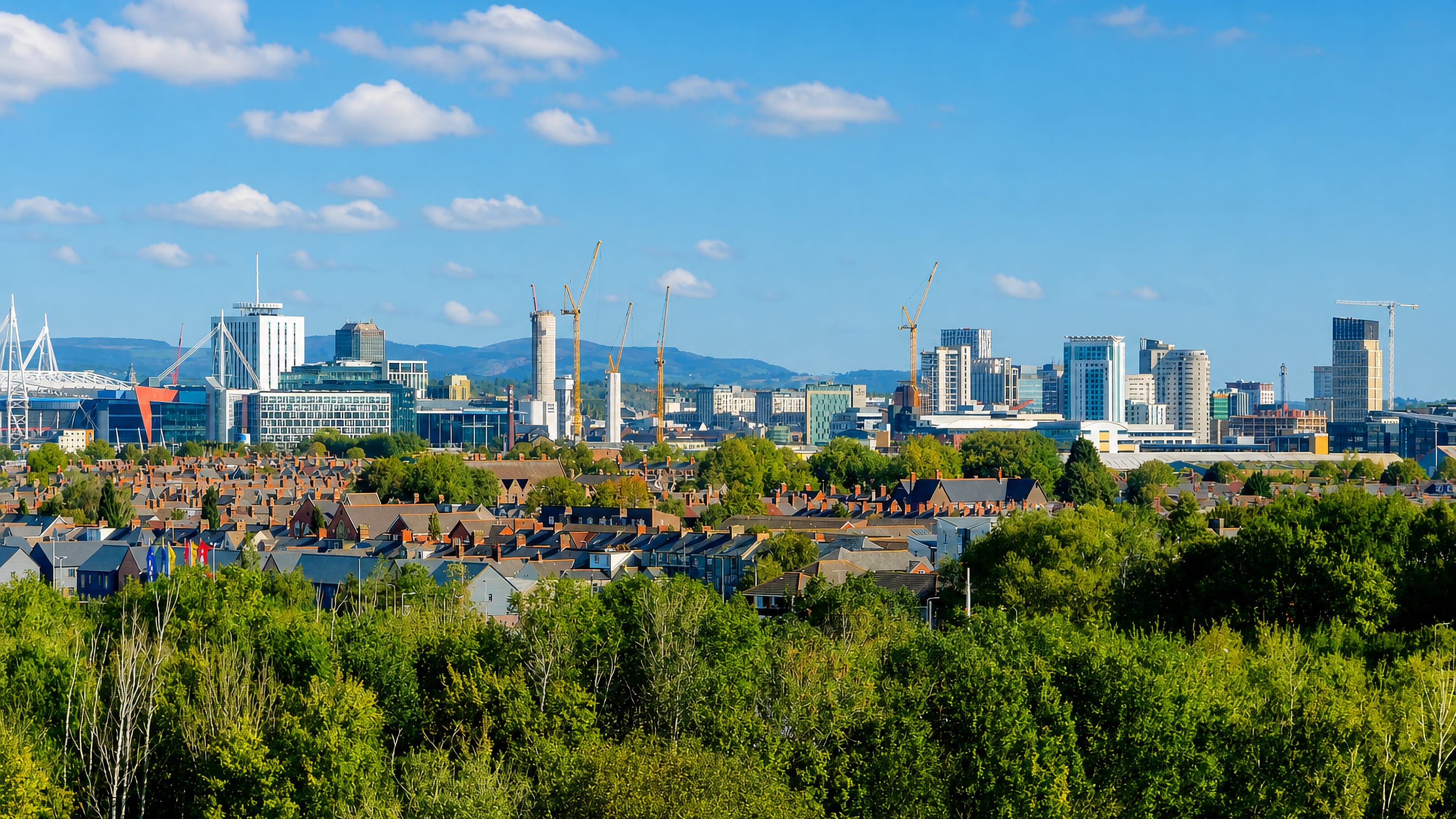
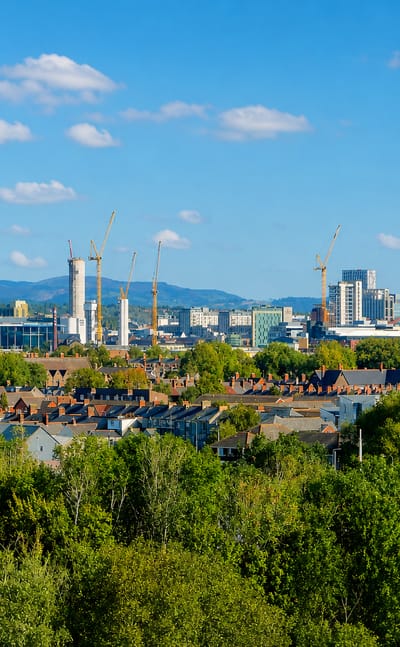
Cardiff Castle stands at the heart of Cardiff, the capital of Wales, a former coal port in the southeast of the country known as Caerdydd in Welsh.
Hotel links are affiliate links: booking through them may earn us a commission, at no extra cost to you. It never affects how places are ranked. How this works


Where to stay in Cardiff
One neighbourhood here has its own guide — here's what it is best for.
 CardiffUnited Kingdom
Llandaff
Llandaff, recorded also as Llandaf, holds the Bishop's Palace and the Llandaff Archdeacons Castle within Cardiff.Where to stay →Hotel links are affiliate links: booking through them may earn us a commission, at no extra cost to you. It never affects how places are ranked. How this works
Find hotels in Cardiff
Direct booking searches for these neighbourhoods.
City centre
Cardiff Castle and the National Museum Cardiff sit within the civic core, ringed by parks and shopping arcades.Find hotels in City centrethe reworked coal docks and waterfrontCardiff Bay
The Norwegian Church and Techniquest stand on the old harbour, with the Museum of Cardiff nearby.Find hotels in Cardiff BayHotel links are affiliate links: booking through them may earn us a commission, at no extra cost to you. It never affects how places are ranked. How this works
Things to do in Cardiff
Ranked by global recognition; descriptions from Wikidata (CC0).
Museums & Galleries
1- National Museum Cardiff Heritage
Churches & Religious Sites
8- Cardiff Metropolitan Cathedral Heritage
- Norwegian Church Heritage
- St Mary's Church, Cardiff Heritage
- Tabernacle Welsh Baptist Chapel Heritage
- St German's Church Heritage
Show 3 more →
- St Peter's Church Heritage
- St Margaret's Church Heritage
- St Paul's Church Heritage
Castles & Historic Sites
3- Cardiff Castle Heritage
- Bishop's Palace Heritage
- Wales Genocide Memorial
Stadiums & Sports
3- SWALEC Stadium
- Ice Arena Wales
- Cardiff International Sports Stadium
Landmarks & Notable Places
3- St Andrew, Llandaff Heritage
- 19 High Street, Llandaff Heritage
- St Cross, Llandaff Heritage
worth knowingacross 5 categories in Cardiff
About Cardiff
What is Cardiff known for?
Cardiff is known as the capital and largest city of Wales, grown from a small town into a great port when coal mining spread through the region. Cardiff Castle marks its centre, and the National Museum Cardiff holds the nation's collections. Down at the old docks the Norwegian Church recalls the days of the coal trade, and the SWALEC Stadium carries the city's name in cricket.
The port made the city. Cardiff serves as the capital of Wales in the southeast of the country.
What are the main landmarks in Cardiff?
Cardiff's landmarks run from Cardiff Castle in the centre to the old docks at the water. The National Museum Cardiff and the Museum of Cardiff hold the city's collections, while the Cardiff Metropolitan Cathedral rises among its churches. Down on the waterfront stand the Norwegian Church and Techniquest, relics and reinventions of the coal port.
St John's church marks the medieval town. History layers them.
What is the history of Cardiff?
Cardiff began around a Norman castle raised in 1081, and Cardiff Castle still stands on that ground at the centre of the city. For centuries it was only a small town, the county town of the historic county of Glamorgan, gathered below its walls. Everything changed when coal mining spread through the valleys to the north, and Cardiff grew into one of the world's great coal ports, its docks crowded with ships loading Welsh coal for the world.
Coal made it. The Norwegian Church by the water dates from those seafaring years of the busy harbour. The wealth of the coal trade built the civic centre, and the National Museum Cardiff rose among its white stone buildings.
Cardiff was ranked a city in 1905 and proclaimed the capital of Wales in 1955. When the coal trade faded, the old docks fell quiet and were later reworked into the waterfront of Cardiff Bay. The Museum of Cardiff keeps that long story.
Where the coal ships once crowded the docks, the water now fronts a quarter of galleries and cafes. The castle still holds the centre. Cardiff remains the capital of Wales.
Where is Cardiff?
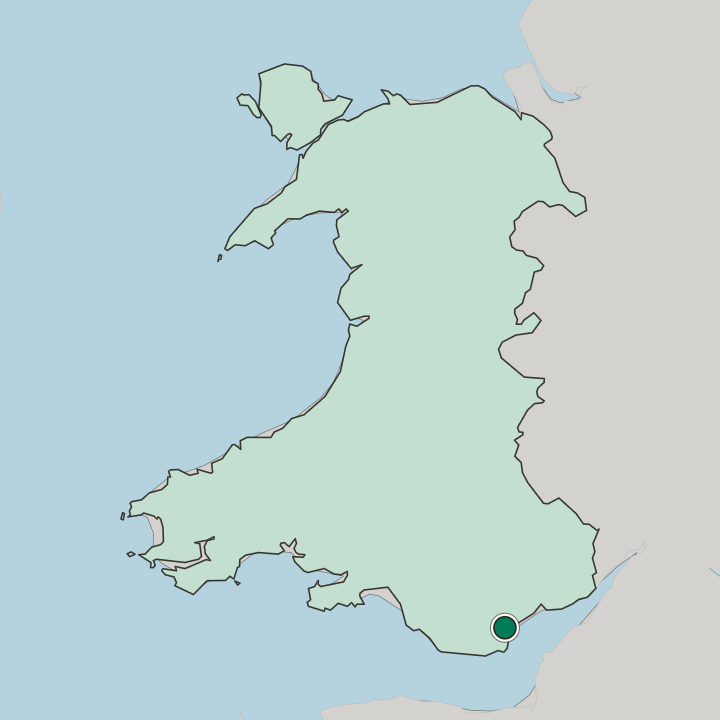
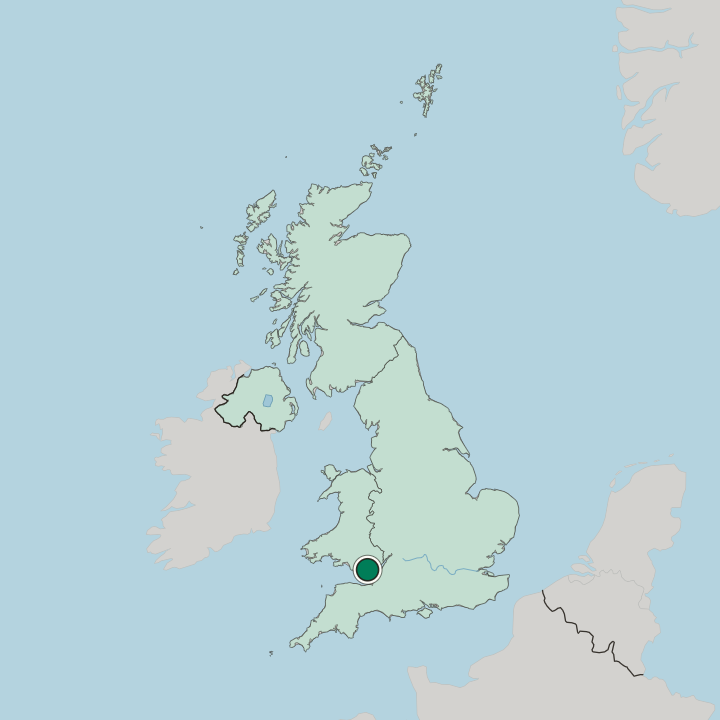
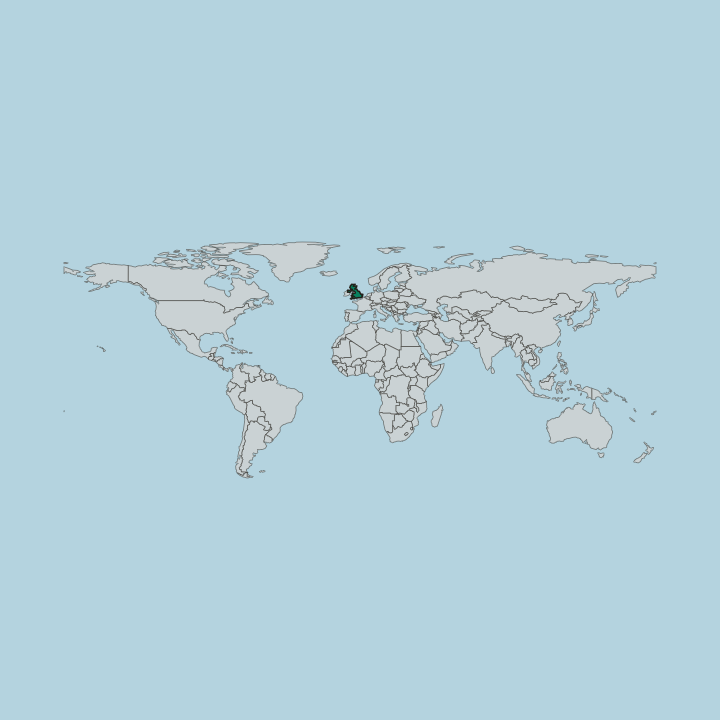
Cardiff lies in the southeast of Wales, a low-lying city on the coast where the land meets the sea. The old docks of Cardiff Bay open to the water at its southern edge, while the valleys that fed its coal trade rise to the north. Flat ground carries the centre.
The sea lies close by. Cardiff Castle marks the middle of the built-up core, and beyond it the city spreads across the historic county of Glamorgan toward the hills inland.
What is the climate of Cardiff?
Cardiff has a mild, wet climate shaped by the Atlantic weather that reaches the southeast coast of Wales. Rain falls through much of the year, carried in on westerly winds off the sea and against the valleys to the north. Grey skies are frequent.
Summers stay mild and are the best time to visit, while winters run cool and damp rather than harsh along the coast. Snow is uncommon in the low city, though it settles on the hills inland.
How do you get to Cardiff?
Cardiff is the transport hub of southeast Wales, tied into the main rail and motorway routes into the country. Trains run in from London, Bristol, and across Wales, and the central station sits close to the city core near Cardiff Castle. The motorway passes just north of the centre.
From the station the castle and the arcades lie a short walk away. The old port drew these routes long ago.
Common questions
What is the best area to stay in Cardiff?
City centre: the castle, museum and arcades on foot. Cardiff Bay: the reworked coal docks and waterfront.
Good for
More cities in Wales
Updated October 2026