United Kingdom · Wales
Where to Stay in Swansea, Wales
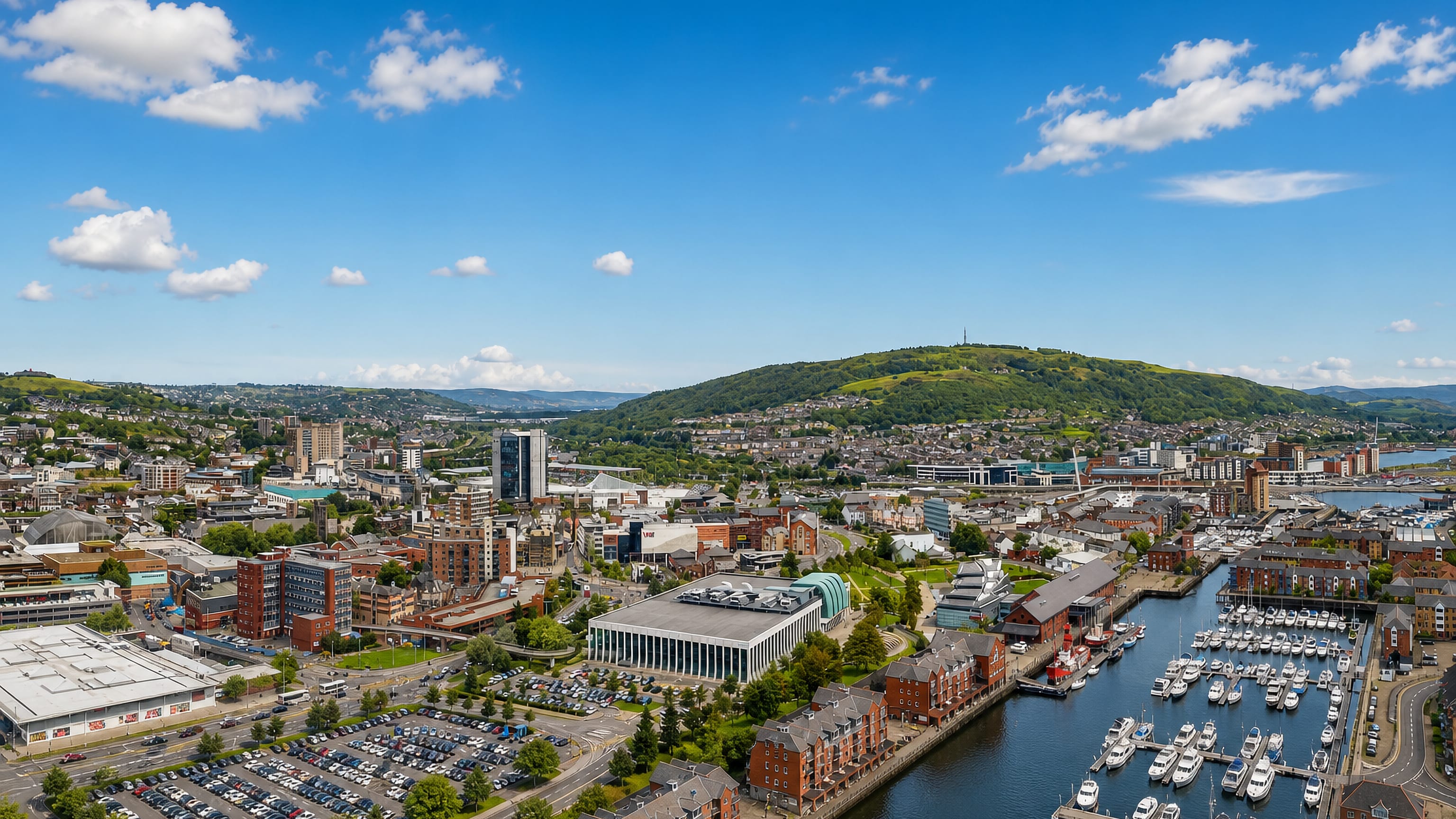
Swansea curves around its bay on the Gower Peninsula in Wales, a port city known for Swansea Castle and the National Waterfront Museum.
Hotel links are affiliate links: booking through them may earn us a commission, at no extra cost to you. It never affects how places are ranked. How this works


Where to stay in Swansea
Each area has its own feel; here's who each one suits.

 SwanseaUnited Kingdom
Brynmill
Brynmill is a suburb of Swansea holding the Egypt Centre, the Swansea Jack Memorial and Christ Church, the Garrison Church of Swansea.Brynmill → SwanseaUnited Kingdom
Townhill
Townhill is a district of Swansea whose named fixtures are St Jude's Church and the house at No 5, Cwmdonkin Drive.Townhill → SwanseaUnited Kingdom
St Thomas
St Thomas is a district of Swansea across the River Tawe from the city centre, with Plantasia, the Norwegian Church and The Tramshed nearby.St Thomas →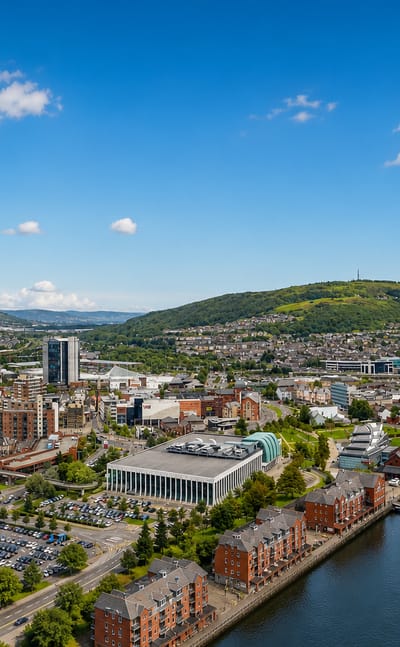 SwanseaUnited Kingdom
Cwmdu
Cwmdu, or Cwm-du, is a Swansea district along Middle Road, with St Joseph's Cathedral and Siloh Welsh Congregational Chapel among its churches.Cwmdu →SwanseaUnited KingdomCockett
Cockett is a Swansea district served by Cockett railway station, with Forest Hall, Capel Bethlehem and the Carmarthen Road War Memorial.Cockett →SwanseaUnited KingdomSketty
Sketty, or Sgeti, is a Swansea district built around Singleton Park, with Sketty Hall and the Wales National Pool inside it.Sketty → SwanseaUnited Kingdom
Blackpill
Blackpill is a suburban corner of Swansea on the shore of Swansea Bay, roughly three miles southwest of the Welsh city centre.Blackpill →SwanseaUnited KingdomCefn-hengoed
Hilltop ground near Bon-y-maen holds Cefn-hengoed, a suburban district of the City and County of Swansea in Wales.Cefn-hengoed →SwanseaUnited KingdomBon-y-maen
Bon-y-maen, or Bôn-y-maen, is a community inside Swansea holding the Swansea Bus Museum, Morfa Bridge and the chapel of Capel Salem.Bon-y-maen →Hotel links are affiliate links: booking through them may earn us a commission, at no extra cost to you. It never affects how places are ranked. How this works
Things to do in Swansea
Ranked by global recognition; descriptions from Wikidata (CC0).
Museums & Galleries
3- Glynn Vivian Art Gallery Heritage
- National Waterfront Museum
- Swansea Museum
Churches & Religious Sites
8- St Joseph's Cathedral Heritage
- St Andrew's English Calvinistic Methodist Chapel Heritage
- St Mary's Church, Swansea Heritage
- Norwegian Church, Swansea Heritage
- Siloh Welsh Congregational Chapel Heritage
Show 3 more →
- St Jude's Church Heritage
- St Paul's Church Heritage
- Church of Saint Thomas Heritage
Castles & Historic Sites
3- Swansea Castle Heritage
- Crymlyn Bog Second World War Barrage Balloon Site Heritage
- Original Swansea Castle Heritage
Stadiums & Sports
2- St. Helen's Rugby and Cricket Ground
- Wales National Pool
Landmarks & Notable Places
8- Clyne Castle Heritage
- Singleton Abbey Heritage
- Sketty Hall Heritage
- No 5, Cwmdonkin Drive (E Side) Heritage
- Brynau Heritage
Show 3 more →
- Ffynone Villa, Walter Road (S Side) Heritage
- Former smelter sheds at Upper Bank Works Heritage
- No.5 Somerset Place Heritage
worth knowingacross 5 categories in Swansea
About Swansea
Swansea is known for its bay.
What is Swansea known for?
Long sands run along Swansea Bay, and the Gower Peninsula behind them was named the first Area of Outstanding Natural Beauty in the whole of the United Kingdom. The waterfront holds the National Waterfront Museum and the ruins of Swansea Castle. Dylan Thomas was born here, at No 5, Cwmdonkin Drive, and the Glynn Vivian Art Gallery keeps the city's collection.
The Swansea Museum is the oldest in Wales.
What are the main landmarks in Swansea?
Swansea's landmarks gather at the water. Swansea Castle stands in ruin over the old town, near the National Waterfront Museum and the Swansea Museum on the marina. The Glynn Vivian Art Gallery holds the fine-art collection, while St Joseph's Cathedral and St Mary's Church mark the ecclesiastical core of a city that grew rich on copper.
The Norwegian Church recalls the timber trade of the docks. No 5, Cwmdonkin Drive preserves the birthplace of Dylan Thomas.
What is the history of Swansea?
Swansea grew from a Norman stronghold above the mouth of the bay. Swansea Castle was raised in the twelfth century. The place had a Norse name before that, carried by the sailors who worked this coast.
For centuries it lived by the sea. Fishing and small trade held the town together on the western shore of Wales. Copper turned Swansea into an industrial power.
Smelting works lined the river valley behind the docks, and the port shipped metal across the world, drawing in trade that built the Norwegian Church and the grand civic rooms of the centre. The Swansea Museum, the oldest in Wales, opened in that prosperous age, and the Glynn Vivian Art Gallery followed. Dylan Thomas was born at No 5, Cwmdonkin Drive as the copper era faded.
The docks later became the marina and the National Waterfront Museum, turning the working harbour into the face the city shows the bay.
Where is Swansea?
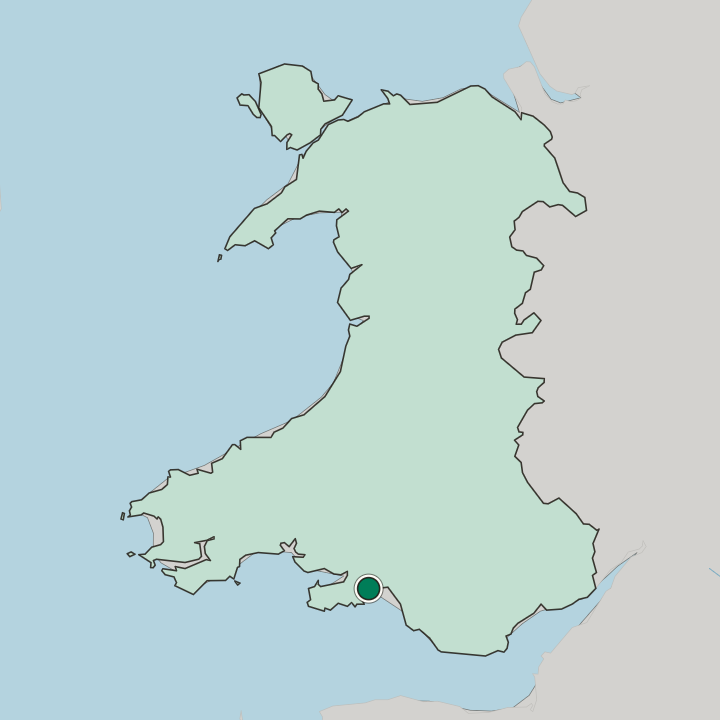
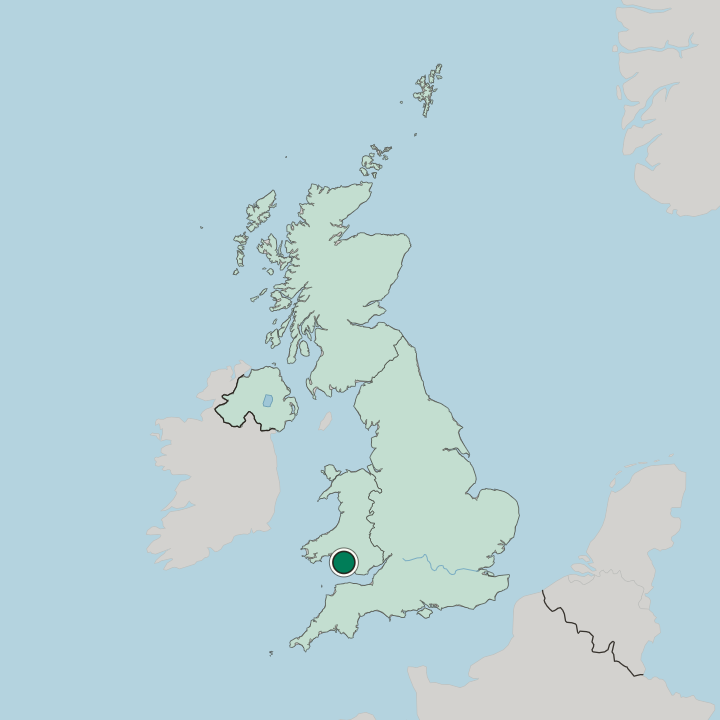
Swansea sits on Swansea Bay, at the eastern edge of the Gower Peninsula in Wales. The city curves around the water. Docks and marina crowd the river mouth while the seafront runs west toward Mumbles, and behind it the ground rises steeply where Cwmdonkin climbs the hill above the centre.
West lies the Gower. Its cliffs and sand made the peninsula the first Area of Outstanding Natural Beauty in the United Kingdom.
What is the climate of Swansea?
Swansea has the mild, wet climate of the Welsh coast. Winters are cool and rarely freeze, kept gentle by the sea that fills Swansea Bay. Summers stay temperate.
Rain is frequent, borne in from the Atlantic over the Gower Peninsula, and the exposed seafront takes the wind that the bay funnels ashore. Snow is rare on this stretch of Wales.
How do you get to Swansea?
Swansea is reached by rail and by the M4 that runs the length of south Wales. Trains join the main line east, with the station a short walk from Swansea Castle and the centre of the city. The motorway carries the road traffic.
Roads run west from the bay onto the Gower Peninsula, and the seafront links the marina to Mumbles along the curve of Swansea Bay.
Good for
More cities in Wales
Updated October 2026