United Kingdom
Wales, United Kingdom — Towns & Travel Guide
Wales is a mountainous country of the United Kingdom, filling the west of Great Britain, with its own Celtic language and a long sea coast.
Hotel links are affiliate links: booking through them may earn us a commission, at no extra cost to you. It never affects how places are ranked. How this works


Towns & cities in Wales
Pick a town or city — each links to where to stay.
 United Kingdom
Cardiff
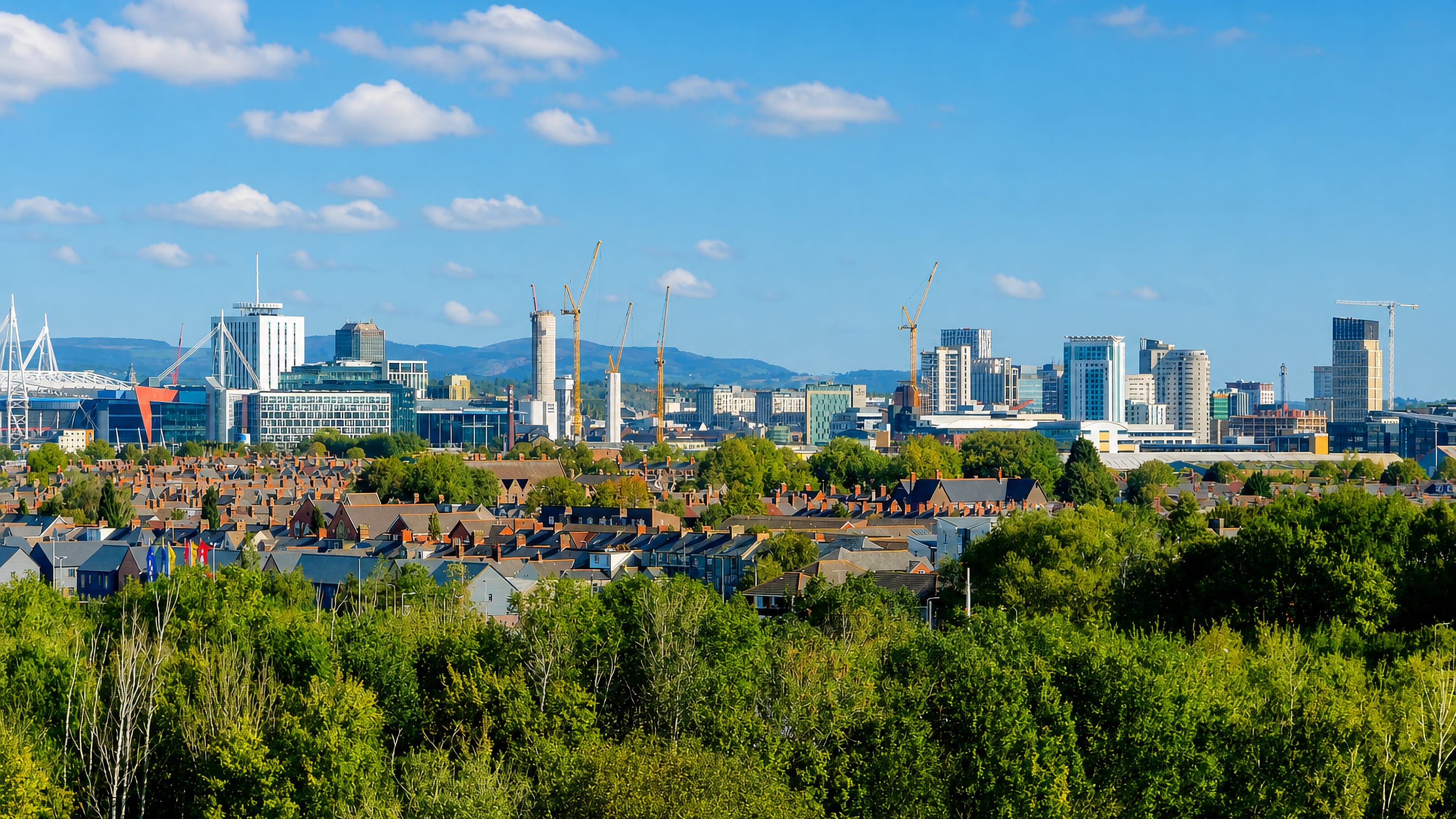
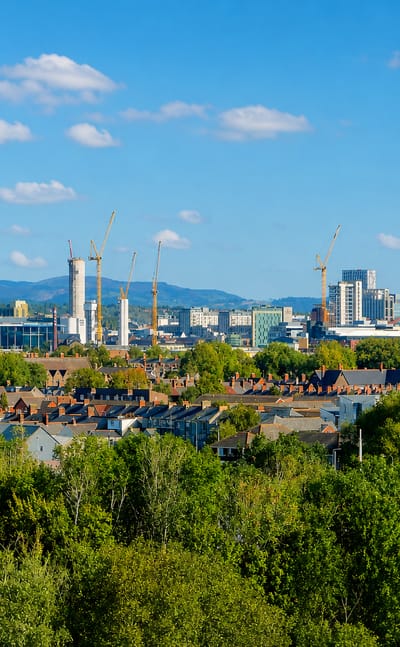
Cardiff Castle stands at the heart of Cardiff, the capital of Wales, a former coal port in the southeast of the country known as Caerdydd in Welsh.Where to stay →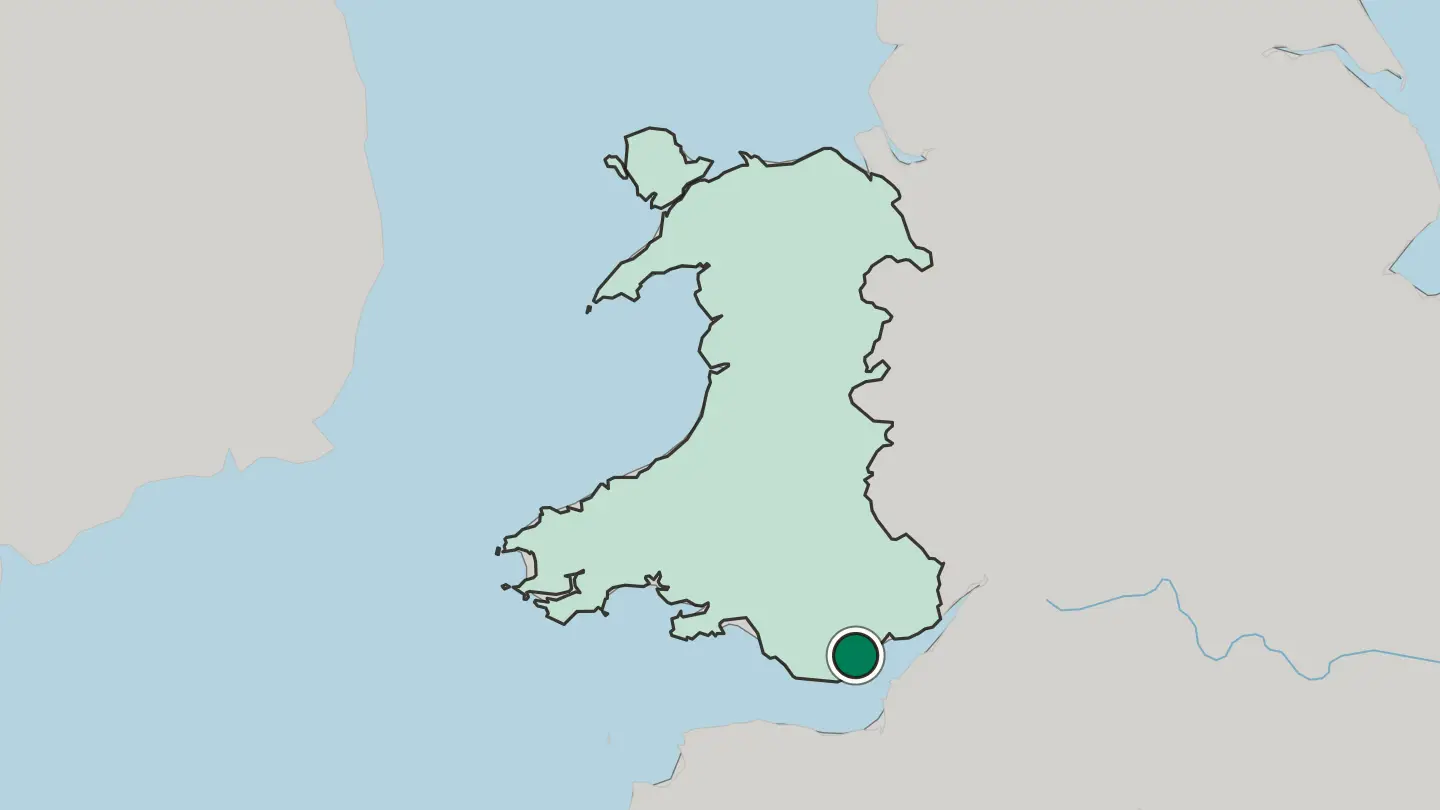
 United Kingdom
Swansea
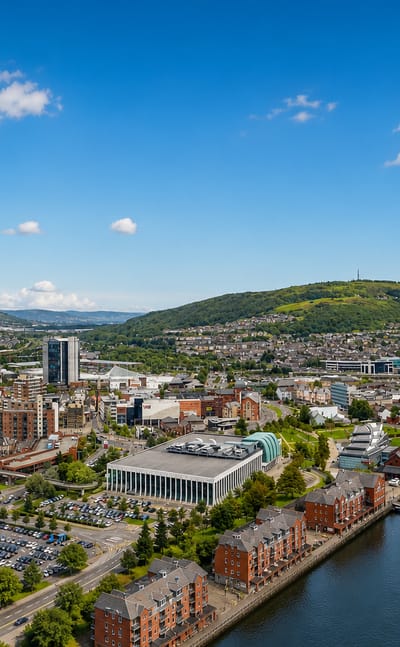
Swansea curves around its bay on the Gower Peninsula in Wales, a port city known for Swansea Castle and the National Waterfront Museum.Where to stay →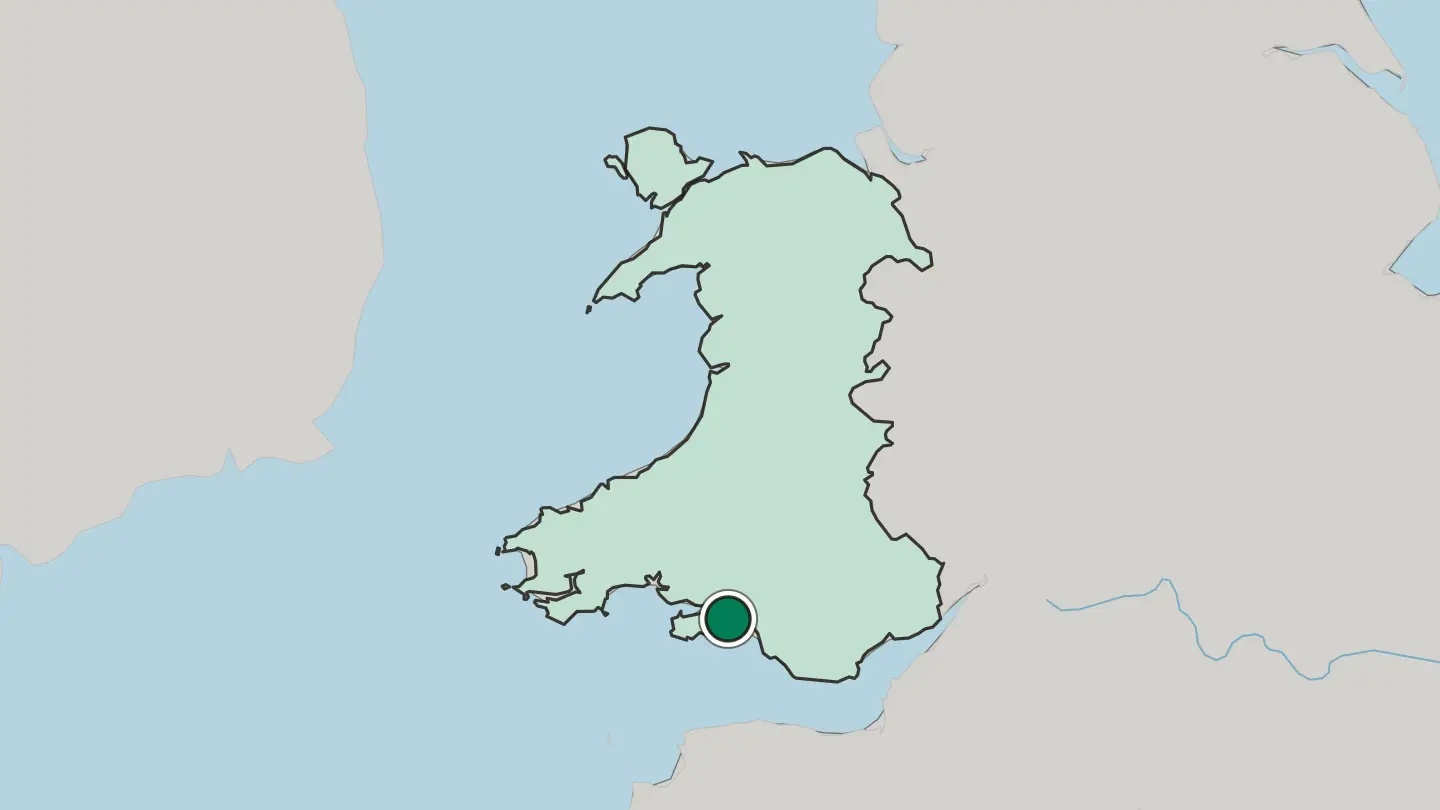
 United Kingdom
Newport
Newport is a city on the River Usk in southeast Wales, known for its great transporter bridge and the Roman legionary fortress of Caerleon nearby.Where to stay →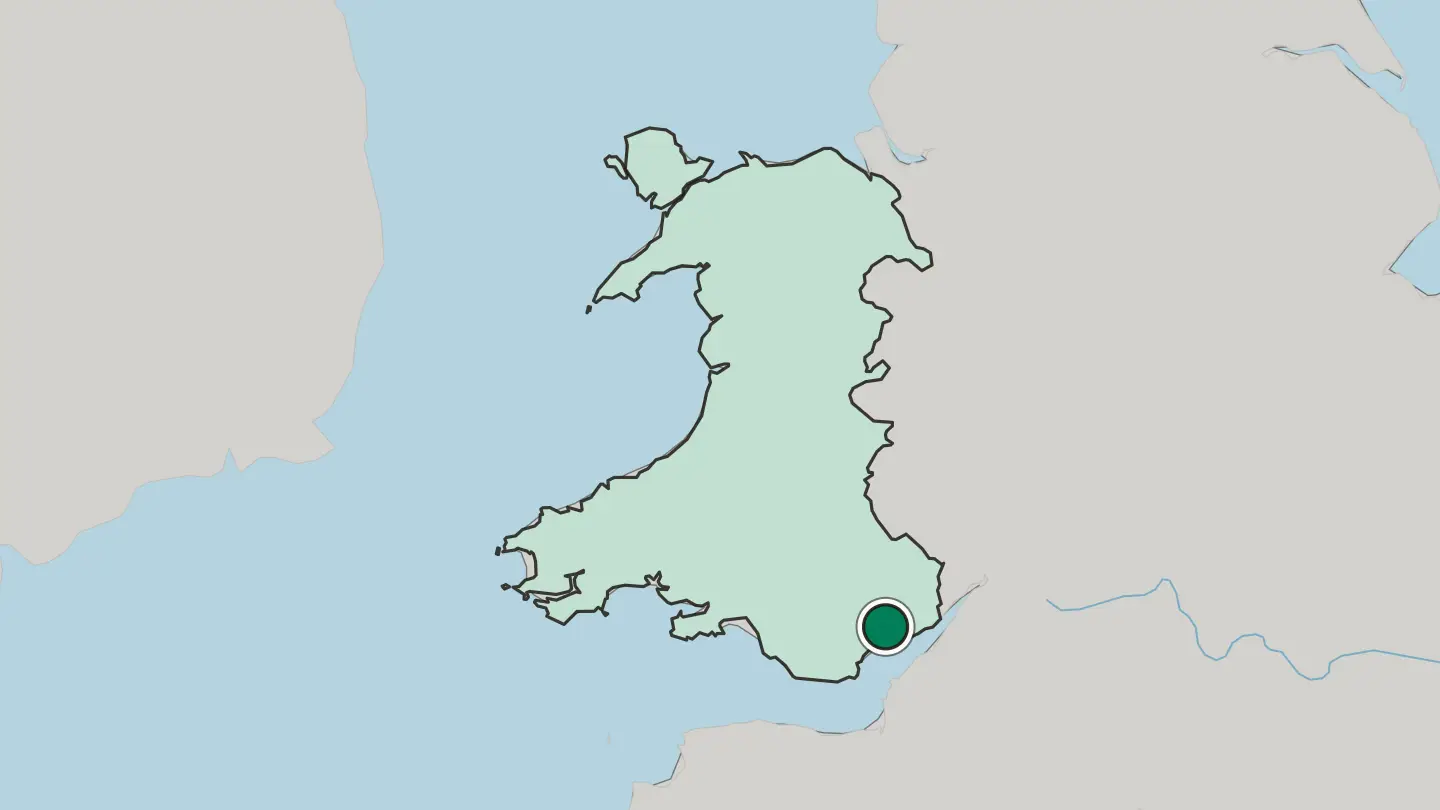 United Kingdom
Wrexham
Wrexham lies between the Welsh mountains and the lower Dee Valley in Wales, a city known for Wrexham Cathedral and the Football Museum of Wales.Where to stay →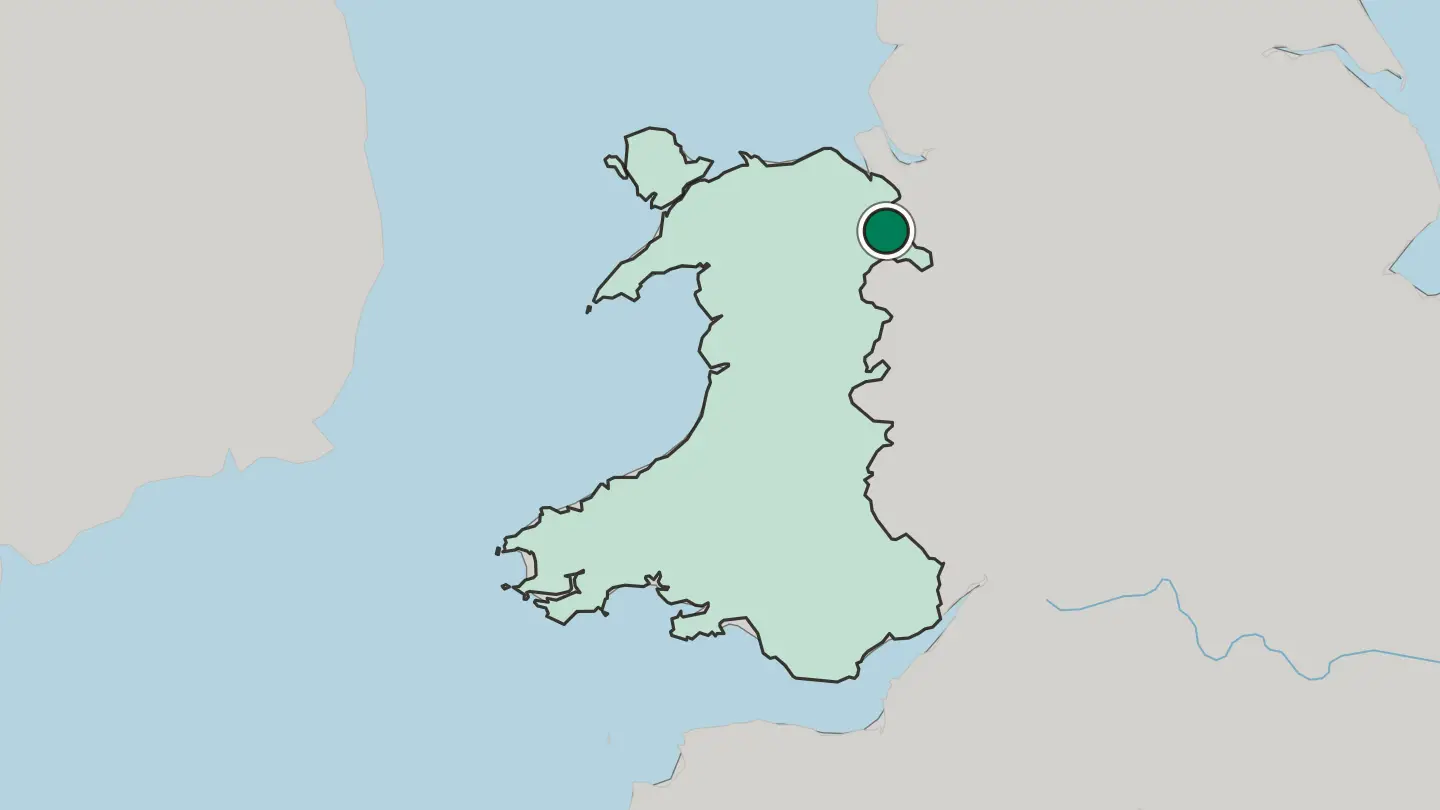 United Kingdom
Barry
Barry is a seaside town in the Vale of Glamorgan, on the north coast of the Bristol Channel. Barry Island holds the beaches.Where to stay →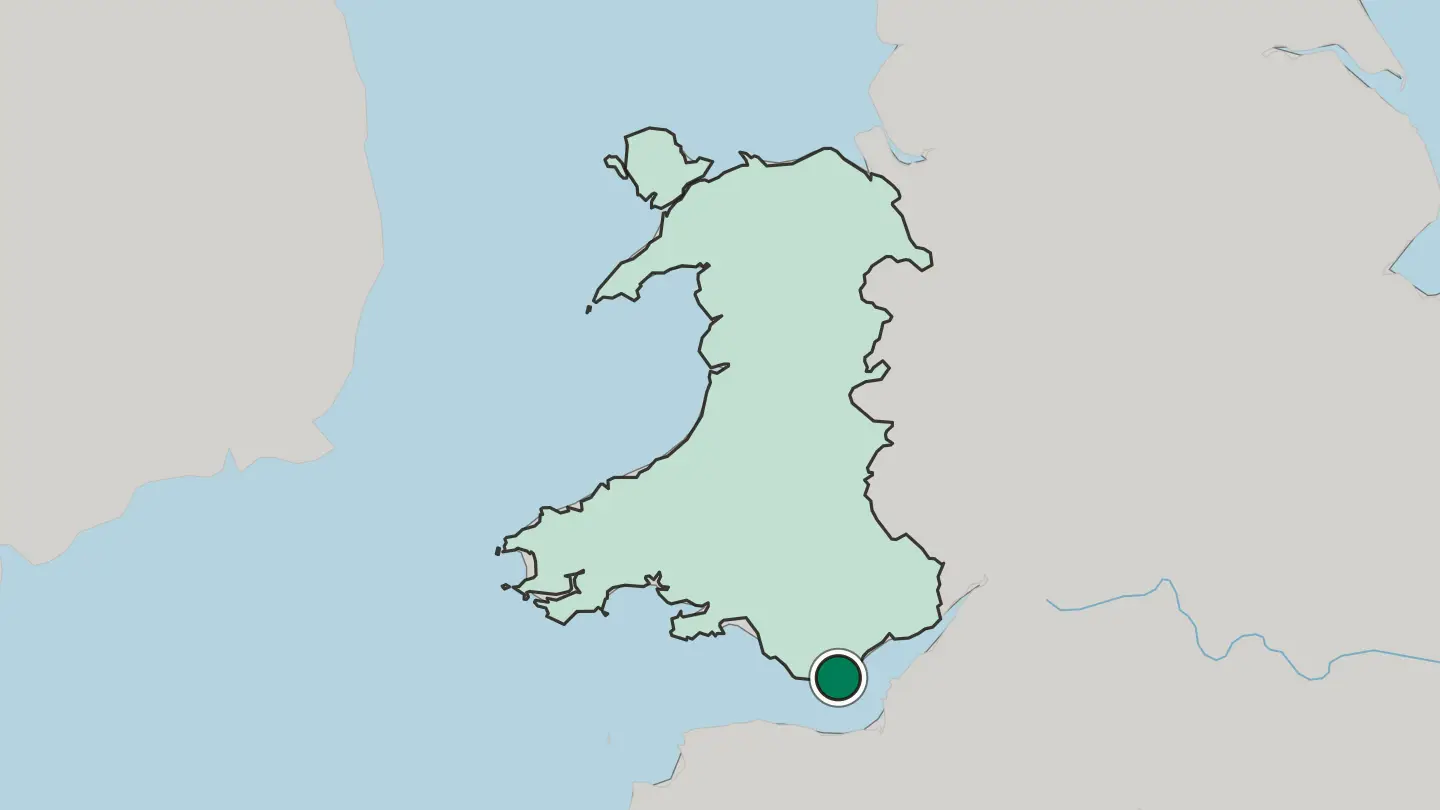
Hotel links are affiliate links: booking through them may earn us a commission, at no extra cost to you. It never affects how places are ranked. How this works
About Wales
Wales draws travellers to high ground and old stone.
What is Wales known for?
The mountains rise in the north, where Snowdon crowns the peaks of Eryri, and three national parks guard the wildest country. Castles are everywhere. Edward I ringed the north with fortresses at Caernarfon and Conwy, among the finest medieval strongholds anywhere in Europe.
The coast runs for hundreds of miles around cliffs, dunes, and surf beaches, most of it walkable. Cardiff anchors the south as capital and largest city, while the Welsh language survives on road signs, in song, and in daily speech alongside English.
Where is Wales?
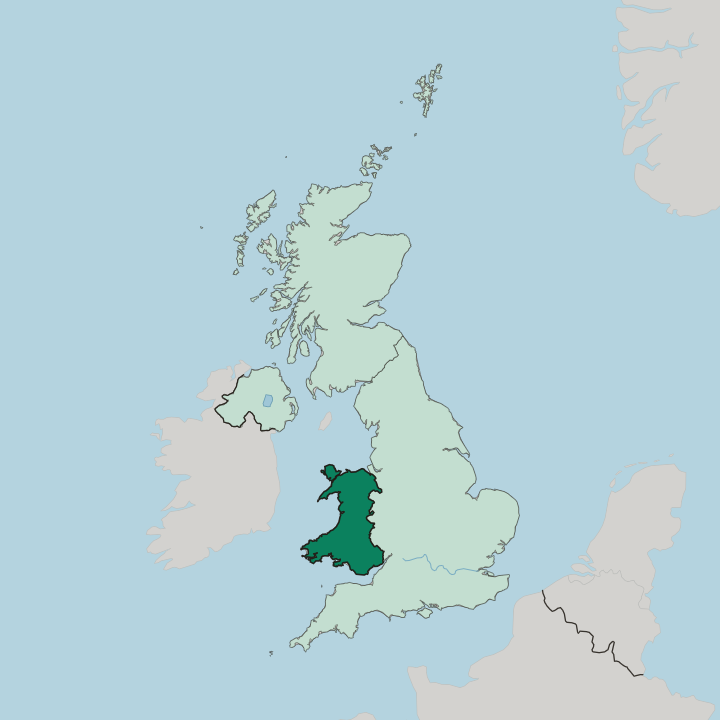
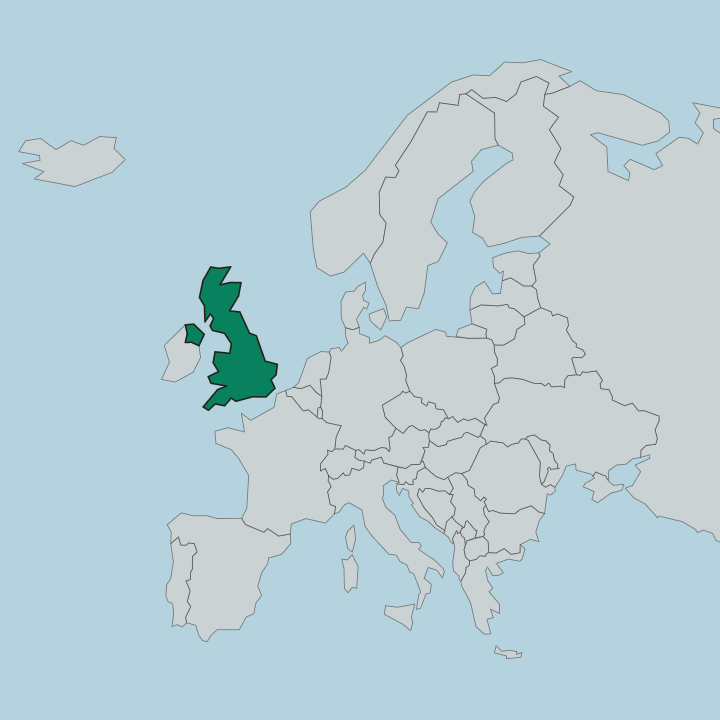
Wales fills the western side of the island of Great Britain, one of the four countries of the United Kingdom. England lies along its eastern border, the only land frontier it has. Water wraps the rest. The Irish Sea runs along the north and much of the west, the Bristol Channel closes the south, and the Celtic Sea opens to the south-west.
Anglesey sits off the north-west corner, joined to the mainland by bridges, and the ferry port of Holyhead looks across toward Ireland. From the Severn crossing in the south to the mountains of the north, the country measures only a few hours' drive, yet its coast bends and doubles back for well over a thousand miles. Mountains define the interior.
The highest ground rises in the north, in Eryri, where Snowdon stands as the tallest summit in the country. The Cambrian Mountains form a long upland spine down the centre, and the sandstone ridges of the Brecon Beacons rise again in the south. Three national parks protect the wildest of this country, and rivers born in the Welsh hills, among them the Severn and the Wye, run east into England.
Little of Wales sits far from either a mountain or the sea.
What is Wales like?
Two languages share the country. Welsh, one of the oldest living tongues in Europe, stands on every road sign beside English, and it carries its own television, schooling, and daily conversation across the north and west. Wales calls itself the land of song.
Male voice choirs grew out of the chapels and the coal valleys, the harp is treated as the national instrument, and each summer the Eisteddfod gathers poets and singers to compete in Welsh. That festival traces back centuries. Music runs through the rugby too, where crowds at Cardiff sing the anthem, Hen Wlad Fy Nhadau, before a match.
Symbols are worn openly. The daffodil and the leek both stand for Wales, the red dragon flies on the flag, and Saint David, the patron saint, gives the country its national day at the start of March. Older identity survives in stone and in industry.
The coal of the Rhondda and the slate of Blaenau Ffestiniog built tight valley communities whose chapels, brass bands, and choirs long outlived the mines and quarries themselves. Pride here is quiet but deep.
What is the history of Wales?
Wales took shape as a nation after the Romans left, around the year 500, its people the heirs of the older Britons. Independence held for centuries in the mountains. Edward I of England completed his conquest in 1283 and ringed the north with castles to hold it.
Owain Glyndŵr rose against English rule in 1400 and called a Welsh parliament at Machynlleth, though the revolt failed. Union with England followed. The Laws in Wales Acts of 1535 and 1542 folded the country into the Kingdom of England.
Coal and slate later made it an industrial heartland, and in 1999 devolution returned a parliament, the Senedd, to Cardiff.
What is the climate of Wales?
Wales has a maritime climate, mild and changeable, with weather blown in off the Atlantic. Wet weather is a near-constant across Wales. The mountains catch the worst of it, and Eryri counts among the wettest ground in Britain, while the coast and the southern lowlands stay milder and drier.
Winters are cool rather than harsh, summers warm rather than hot, and no spell of weather tends to hold for long. Cloud and shower are simply part of the deal.
How do you get to Wales?
Most visitors reach Wales overland from England. Trains from London Paddington run west to Cardiff in about two hours, and the M4 crosses the Severn bridges into the south. Cardiff Airport, near the capital, handles the country's scheduled flights, though many travellers still fly into the larger English airports first.
From Ireland, ferries dock at Holyhead on Anglesey and at the Pembrokeshire ports in the south-west. Getting around inside is easiest by car.
Common questions
What is the best area to stay in Wales?
Cardiff: an easy introduction to Wales. Eryri (Snowdonia): mountains and hiking in the north. Pembrokeshire Coast: the south-west coast path. The Gower: surf beaches near Swansea. Brecon Beacons (Bannau Brycheiniog): moorland walking in mid Wales.
Good for
More regions in United Kingdom
Updated September 2026