Ghana
Volta Region, Ghana — Towns & Travel Guide
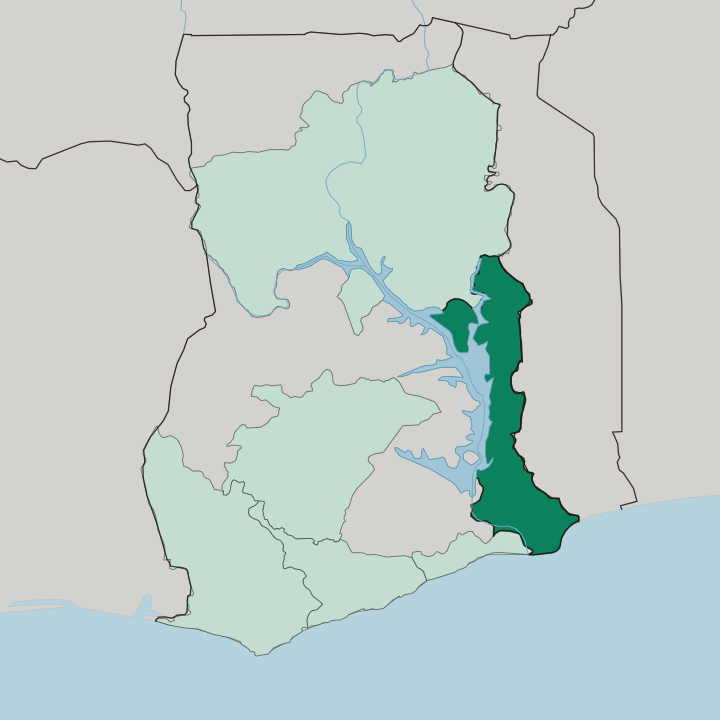
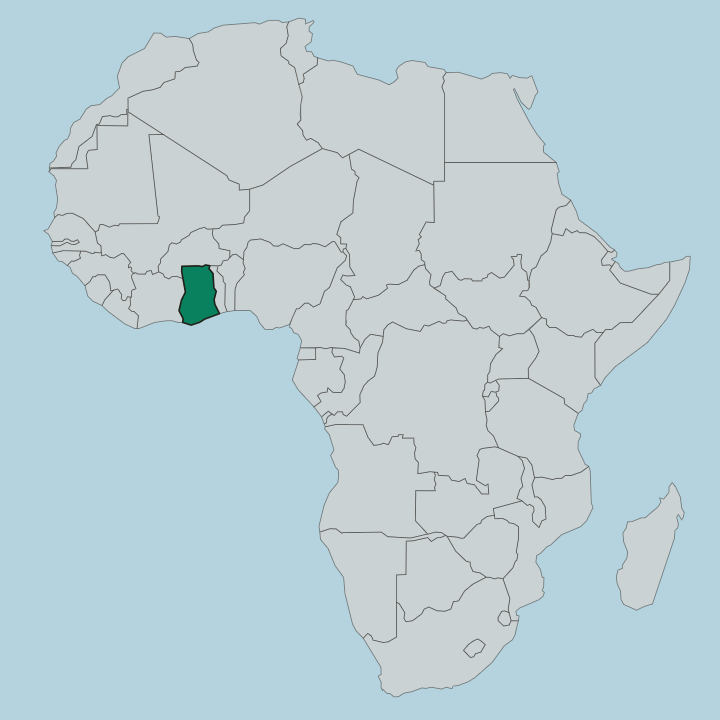
Ho is the capital of the Volta Region, in the eastern part of Ghana, with Keta, Hohoe and Aflao among its towns.
Hotel links are affiliate links: booking through them may earn us a commission, at no extra cost to you. It never affects how places are ranked. How this works


Towns & cities in Volta Region
One town here has its own guide — it links to where to stay.

 Ghana
Ghana
Ho
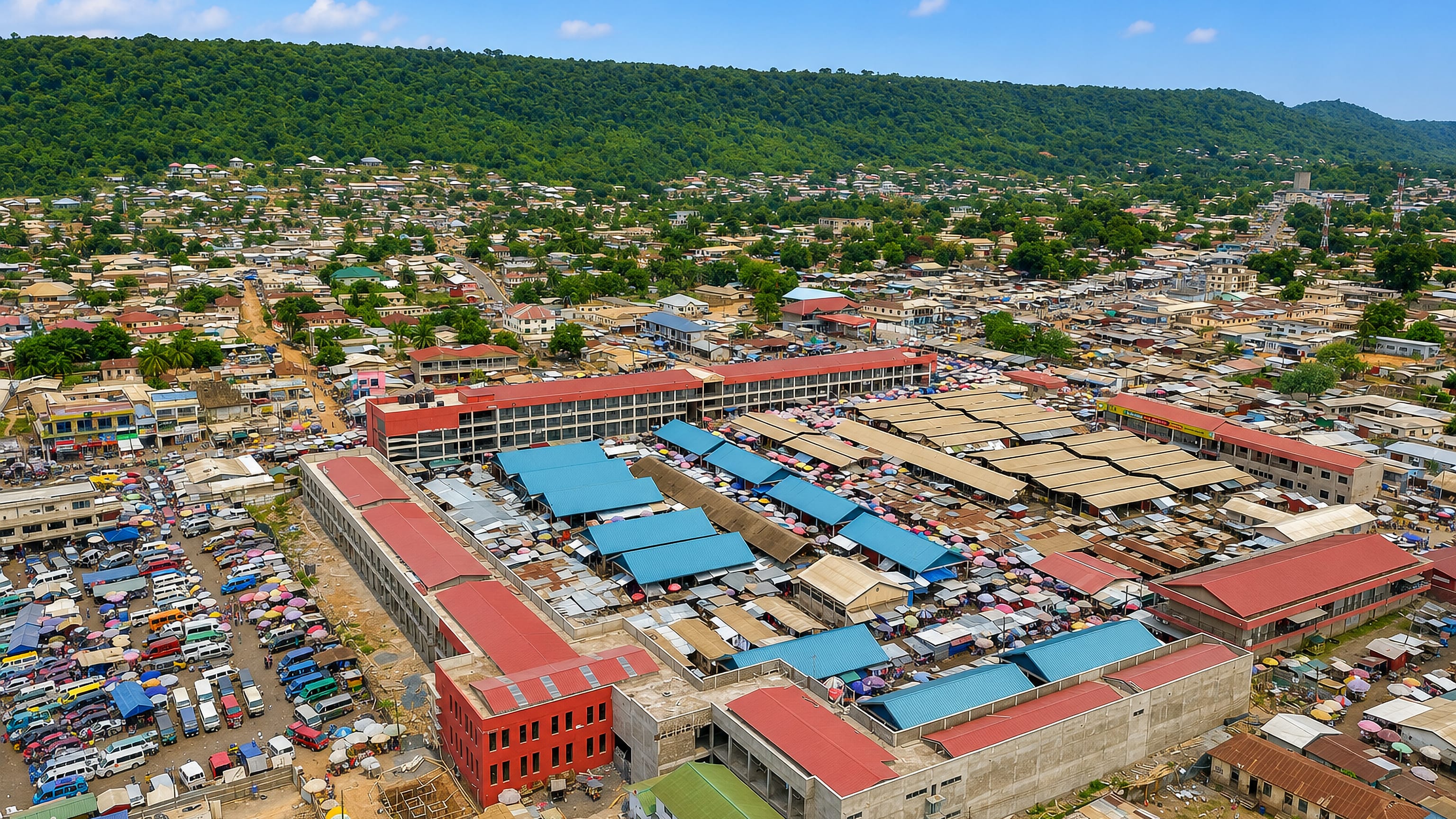
Ho is the capital of Ghana's Volta Region, a town between Mount Adaklu and the Togo Atakora Range, close to the Republic of Togo.Where to stay →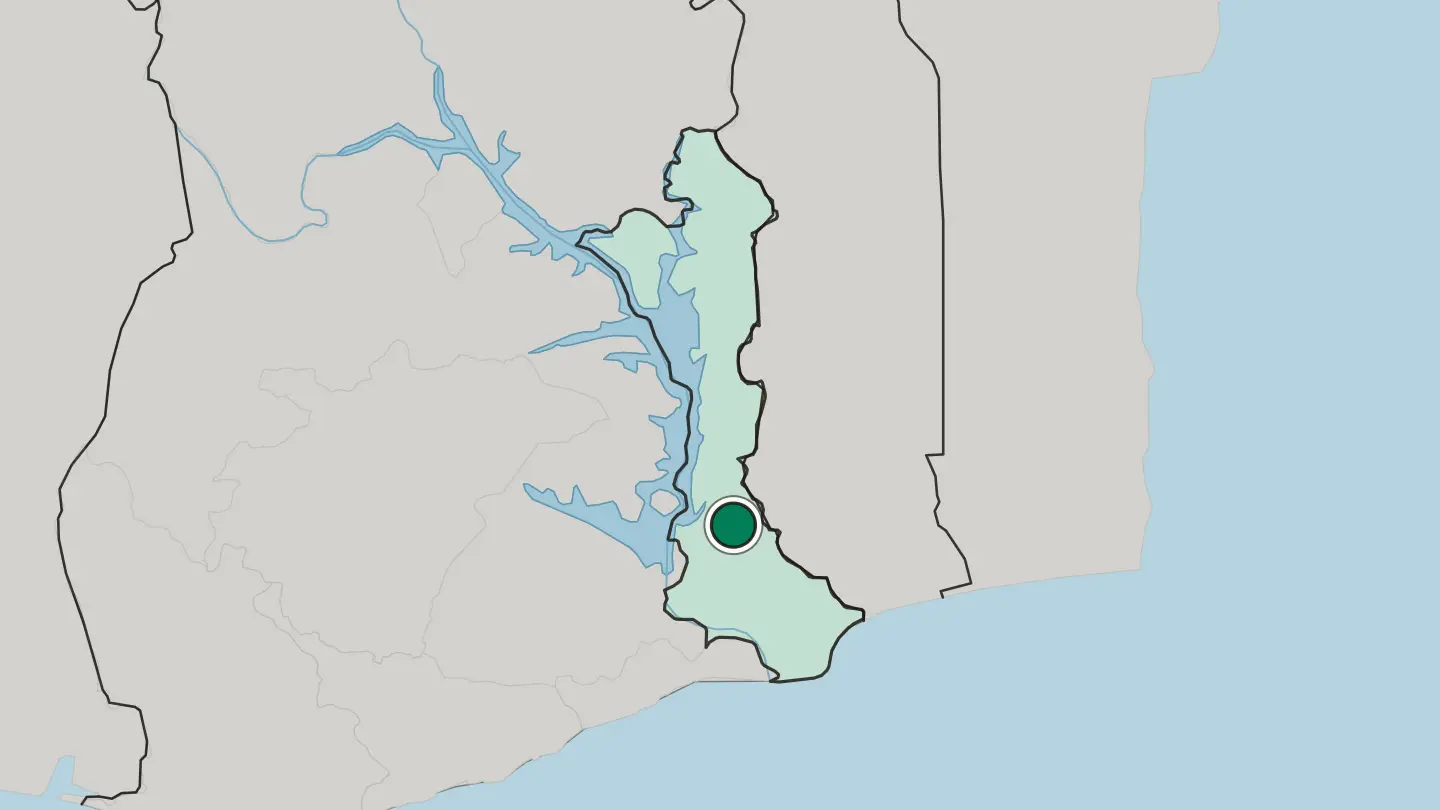
Hotel links are affiliate links: booking through them may earn us a commission, at no extra cost to you. It never affects how places are ranked. How this works
About Volta Region
Many languages share the region.
What is Volta Region known for?
The Volta Region is multi-ethnic and multilingual, with Ewe, Guan, Ga-Adangme, Akan and Hausa groups among those living inside its eighteen administrative districts. Ho runs the administration. The regional capital sits among a string of named towns that includes Anloga, Keta, Hohoe, Aflao, Sogakope, Akatsi, Juapong and Denu, each with its own place in the region's pattern of settlement.
The Volta Basin, dominated by Lake Volta, carries the same name.
Where is Volta Region?
The Volta Region occupies the eastern part of Ghana. Eighteen administrative districts divide it, and the named towns inside those districts, Anloga, Keta, Hohoe, Aflao, Sogakope, Akatsi, Juapong and Denu, give the region a spread of centres rather than a single dominant one. Ho carries the capital's role.
The city holds the regional administration, and it does so alongside a set of towns substantial enough to be named in their own right rather than folded into the capital's shadow. Water names the whole thing. The Volta Basin, a region of Ghana dominated by Lake Volta, shares the name, and that lake, the world's largest man-made body of water, is what the word Volta calls to mind.
Ghana's tropics cover the region. The Volta Region falls in the tropical band of the northern hemisphere, so the year works in wet and dry stretches rather than in four temperate seasons, which is the frame every other detail sits inside. Settlement follows the districts.
Juapong, Akatsi and Sogakope sit among the towns spread between the capital at Ho and the wider boundary, and each anchors its own part of the map. An older list ran longer. Before the Oti Region was created, the Guan peoples of the Volta Region included the Lolobi, Likpe, Akpafu, Akyode, Buem, Nyagbo, Avatime and Nkonya.
What is Volta Region like?
Several peoples share the region. The Volta Region is multi-ethnic and multilingual, and the groups named within it include the Ewe, the Guan, Ga-Adangme, Akan people and Hausa alongside other minority groups. English handles the official side.
Administration, signage and dealings with visitors run in it across the eighteen districts, which gives a traveller one common medium in a region where several languages are spoken daily. The Guan list is long. Lolobi, Likpe, Akpafu, Akyode, Buem, Nyagbo, Avatime and Nkonya were all counted among the Guan peoples of the region before the Oti Region was created, which gives some sense of how finely the map divides.
Towns carry the region's public life. Ho holds the administration, while Anloga, Keta, Hohoe, Aflao, Sogakope, Akatsi, Juapong and Denu each function as centres in their own right, which spreads civic life across the Volta Region instead of concentrating it in one place. The lake supplies the name.
Lake Volta, the largest man-made lake in the world, dominates the Volta Basin, and the word carried into the region's title connects it to that body of water rather than to any single town. Eighteen districts hold it together. That administrative frame is what turns a multilingual, multi-ethnic stretch of the eastern part of Ghana into a single named region, and it is the structure a visitor moves through whether or not they notice it.
What is the history of Volta Region?
The region's makeup was once broader. Before the Oti Region was created, the Guan peoples of the Volta Region included the Lolobi, Likpe, Akpafu, Akyode, Buem, Nyagbo, Avatime and Nkonya. Ho has held the capital's role.
The region's administrative business is conducted from there, and the eighteen districts that make up the Volta Region are organised around that one seat. Ewe, Guan, Ga-Adangme, Akan and Hausa have all been named among its peoples.
What is the climate of Volta Region?
Lake Volta sets the local terms. The Volta Basin that the region shares its name with is dominated by that lake, and a body of water on that scale is the kind of feature that shapes conditions around it through the wet and dry stretches of the tropical year. Tropical rhythm does the rest.
The Volta Region lies in the tropical band of the northern hemisphere, which means the wet and dry division replaces the four-season pattern, and eighteen districts spread over that ground do not all feel it at once.
How do you get to Volta Region?
Most journeys start at Ho. The capital of the Volta Region is where administrative and practical business concentrates, and Hohoe, Akatsi, Sogakope and Juapong are among the names a route out of the capital will pass. Eighteen districts spread the traffic.
The Volta Region carries eighteen districts and a long list of named towns, so arriving means choosing which of Anloga, Keta, Aflao or Denu the trip is aimed at as much as choosing when to travel.
Common questions
What is the best area to stay in Volta Region?
Ho: Ho for the Volta Region's administration and the run out to Hohoe. Keta: Keta and the Anloga side of the Volta Region.
Good for
More regions in Ghana
Updated September 2026