Greece · Thessaly
Where to Stay in Tríkala, Thessaly
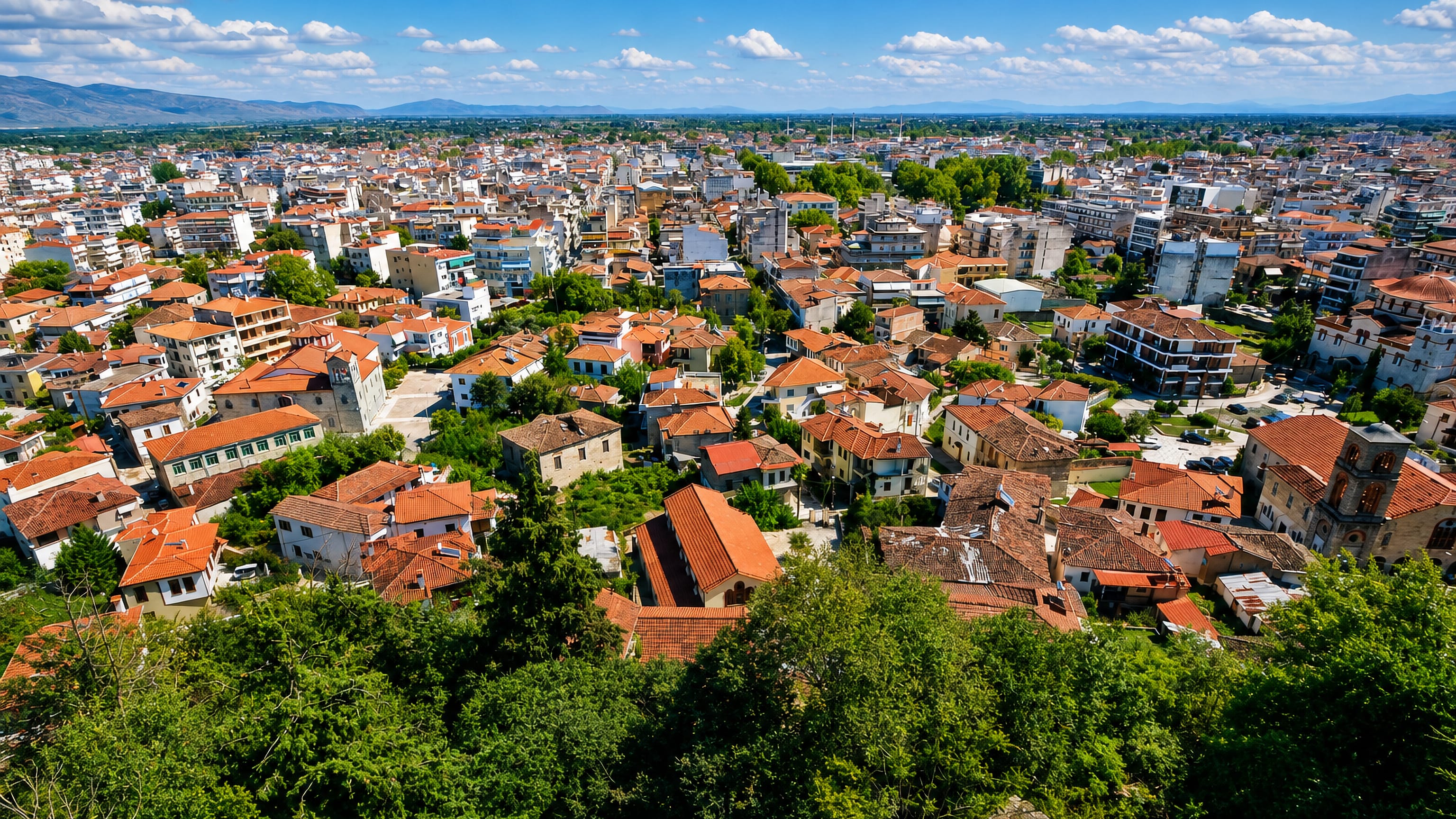
Trikala is a city of the Thessalian plain in central Greece, on the Lithaios below an old fortress, the ancient Trikka where Asclepius was born.
Hotel links are affiliate links: booking through them may earn us a commission, at no extra cost to you. It never affects how places are ranked. How this works


Where to stay in Tríkala
Where visitors usually base themselves, and why.
Where you stay in Trikala turns on the river or the old town. The streets along the Lithaios keep the squares, the shops, and the cafés within a walk, and staying by the river suits anyone here for the city. The river runs past the doors.
Bridges cross to the squares. Up toward the fortress and Varousi, the town gives way to old houses, walls, and the wooded hill. A room below the castle trades the river for the tiled Ottoman houses, the clock tower, and the views over the plain.
Old lanes climb the slope. Stay by the river for the cafés, or up the hill for the old town. The centre lies a short way down.
Find hotels in Tríkala
Direct booking searches for these neighbourhoods.
The riverside
Along the Lithaios in the centreFind hotels in The riversideStays wanting the old town and castleVarousi and the fortress
Up the hill among the Ottoman housesFind hotels in Varousi and the fortressHotel links are affiliate links: booking through them may earn us a commission, at no extra cost to you. It never affects how places are ranked. How this works
Things to do in Tríkala
Ranked by global recognition; descriptions from Wikidata (CC0).
Museums & Galleries
1- Archaeological Collection of Trikala
Churches & Religious Sites
3- Church of Agios Konstantinos, Trikala
- Church of Agia Episkepsi, Trikala
- Church of Panagia Faneromeni, Trikala
Stadiums & Sports
1- Municipal Trikala Indoor Gymnasium
worth knowingacross 3 categories in Tríkala
About Tríkala
Trikala is the river city of the plain.
What is Tríkala known for?
On the Lithaios where it runs down from the Pindus into the Thessalian plain, it was the ancient Trikka, the reputed birthplace of Asclepius the healer, and it keeps a Byzantine fortress on the hill above the town, the old Varousi quarter of Ottoman houses below it, a domed mosque of the age of the Turks, and the rock monasteries of Meteora in the country to the north. The river runs through the centre. The plain spreads wide around.
What are the main landmarks in Tríkala?
The old fortress crowns the hill above Trikala. The Byzantine castle with its clock tower, rebuilt through Byzantine and Ottoman days, looks down over the town, the emblem of the city, above the river. An old quarter climbs below.
The Varousi district of tiled Ottoman houses winds up to the walls, while the domed Osman Shah mosque, the Lithaios bridges, and the rock monasteries of Meteora mark the country around Trikala.
What is the history of Tríkala?
Trikala was the ancient Trikka of the healers. A Greek city stood here in the days of Homer, holy to Asclepius the god of medicine, who was said to be born on this spot, and its temple was counted the oldest healing shrine of the Greeks. Healers worked here.
Pilgrims came to the sanctuary of Asclepius to be cured, and the fame of Trikka as a place of medicine spread through the ancient world. The Byzantines and the Turks ruled it after. A fortress rose on the hill in Byzantine days, and under the Ottomans the town gained mosques and a quarter of tiled houses climbing to the castle, a market town of the Thessalian plain.
Greece won it back in time. When Thessaly joined the Greek kingdom in the nineteenth century, Trikala grew as a farming city of the plain, keeping its fortress, its old quarter, and its river bridges. The old castle still holds the hill.
Trikala keeps its fortress and its river on the plain of Thessaly.
Where is Tríkala?
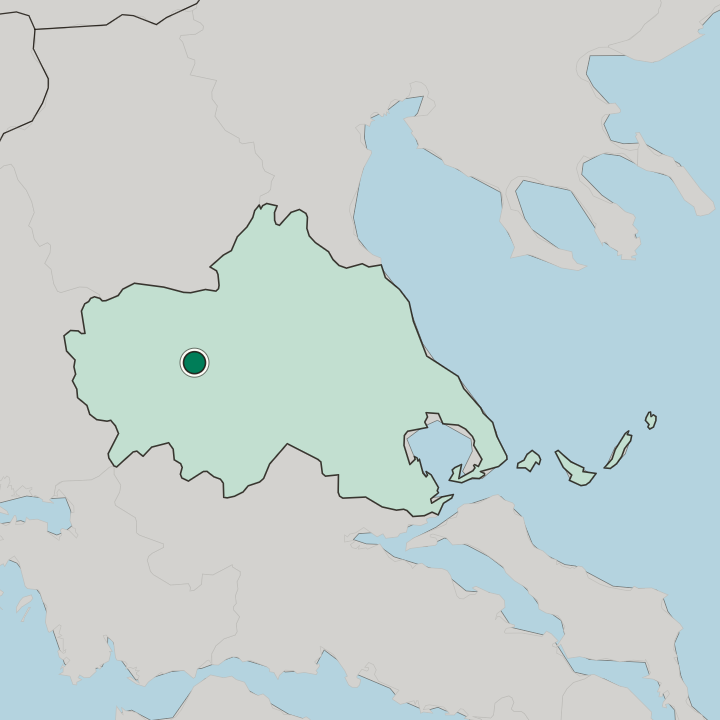
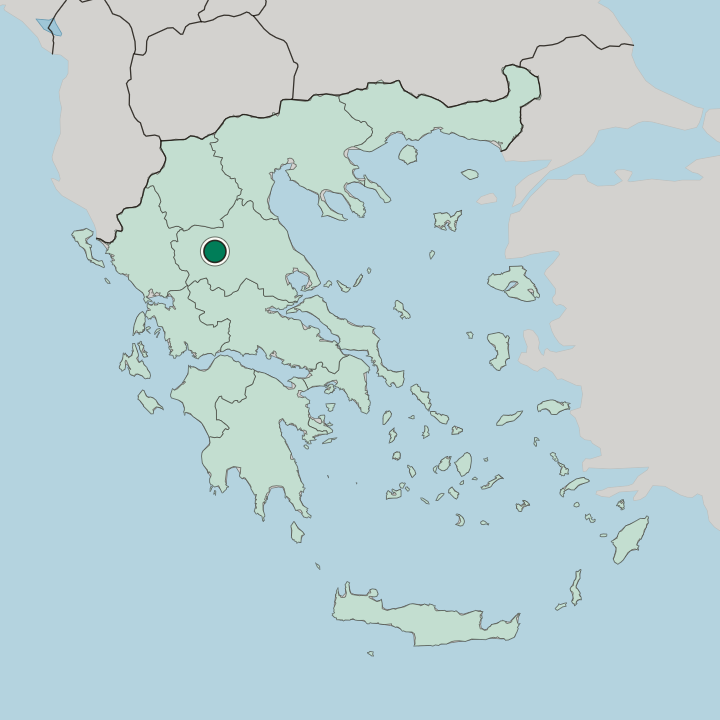
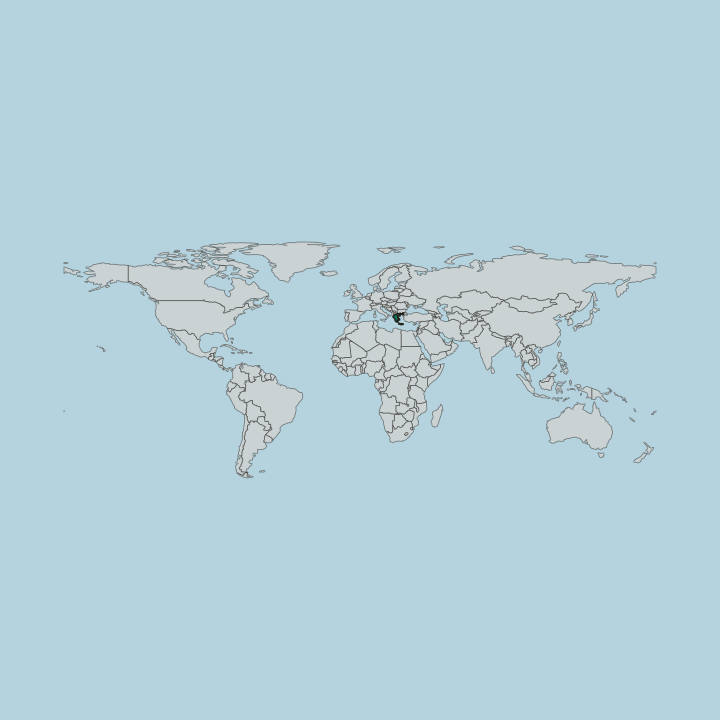
Trikala lies in the west of the Thessalian plain in central Greece, on the Lithaios river below the Pindus mountains. The city sits where the river comes down from the western ranges onto the great flat plain of Thessaly, with wheat and cotton fields spreading east and the wall of the Pindus rising to the west. The plain runs flat to the east.
Mountains close the western sky.
What is the climate of Tríkala?
Trikala has a hot-summer Mediterranean climate. Hot dry summers and cool wet winters cross the plain, shut in from the sea by the mountains, with strong summer heat and some frost and snow in winter. The plain bakes in the summer.
Mist settles in the winter.
How do you get to Tríkala?
Trikala lies in western Thessaly, on the plain between Larissa and the mountains. Trains and roads run to it across the plain from Larissa and Kalabaka, and the highway climbs west into the Pindus. Roads run out to Meteora.
Larissa lies east over the plain.
Common questions
What is the best area to stay in Tríkala?
The riverside: Visitors here for the squares, cafés, and shops. Varousi and the fortress: Stays wanting the old town and castle.
Good for
More cities in Thessaly
Updated September 2026