Greece · Thessaly
Where to Stay in Volos, Thessaly
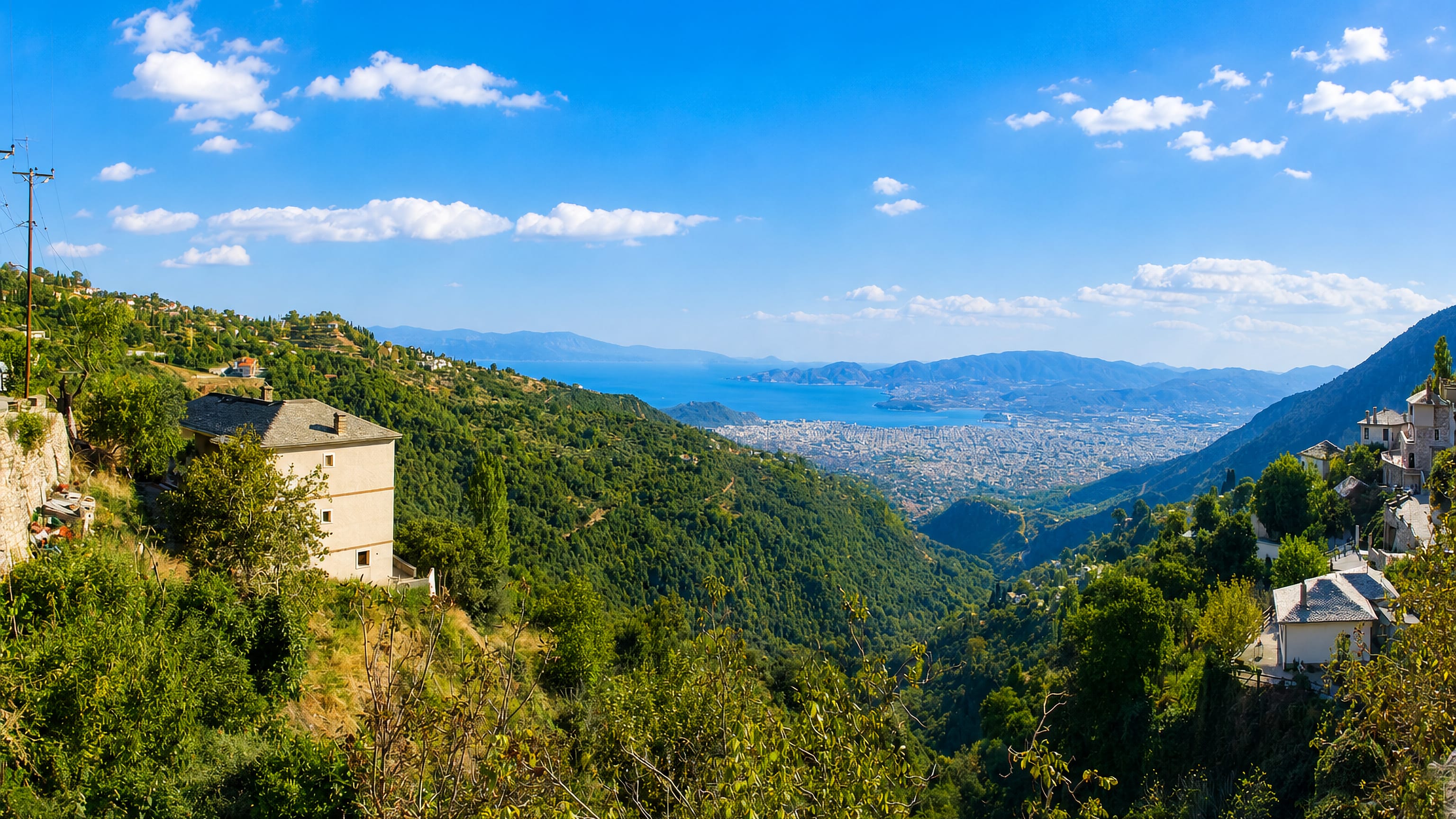
Fishing boats and freighters share the quays at Volos, a port city below Mount Pelion in Thessaly, known for its harbour and seaside tsipouradika.
Hotel links are affiliate links: booking through them may earn us a commission, at no extra cost to you. It never affects how places are ranked. How this works


Where to stay in Volos
Where visitors usually base themselves, and why.
Where to stay in Volos runs along the water, because the whole city faces its gulf and the seafront is where life gathers. The main promenade below the Metropolitan Cathedral of Saint Nicholas is the postcard base, a long paved waterfront lined with the tsipouradika that pour ouzo with plates of small fish, and rooms here put the harbour, the ferry quay, and the evening stroll at the door. Step a few blocks inland and the centre reaches the Archaeological Museum of Volos and the pedestrian shopping streets, still an easy walk from the sea.
The old industrial quarter of Palaia is the character-rich counterweight. Its restored warehouses hold the Rooftile and Brickworks Museum N. & S. Tsalapatas and sit below the Castle of Palaia, where the earliest settlement stood, a short walk west of the modern centre. Travellers heading up the mountain often prefer a base near the ferry and bus links for onward runs to Mount Pelion and the Sporades.
Nothing here sits far apart. The seafront core is flat and walkable from end to end, so the real choice is between the promenade, the old quarter, and the transit edge toward the islands.
Find hotels in Volos
Direct booking searches for these neighbourhoods.
The seafront promenade below the cathedral
The paved waterfront below the Metropolitan Cathedral of Saint Nicholas lines up the ouzo-and-fish tsipouradika, the harbour, and the evening stroll.Find hotels in The seafront promenade below the cathedraltravellers wanting restored warehouses and the castle abovePalaia, the old brickworks quarter
Palaia's converted warehouses hold the Rooftile and Brickworks Museum N. & S. Tsalapatas below the Castle of Palaia, where the first settlement stood.Find hotels in Palaia, the old brickworks quartervisitors bound for the Sporades or the mountain villagesThe ferry and bus links toward Pelion
A base near the quay and bus station shortens the run up Mount Pelion and out to the Sporades islands.Find hotels in The ferry and bus links toward PelionHotel links are affiliate links: booking through them may earn us a commission, at no extra cost to you. It never affects how places are ranked. How this works
Things to do in Volos
Ranked by global recognition; descriptions from Wikidata (CC0).
Museums & Galleries
3- Rooftile and Brickworks Museum N. & S. Tsalapatas Heritage
- Theofilos Museum of Anakasia Heritage
- Archaeological museum of Volos
Churches & Religious Sites
2- Metropolitan cathedral of Saint Nicholas, Volos
- Church of Agios Konstantinos, Volos
Castles & Historic Sites
3- Castle of Palaia, Volos Heritage
- Archaeological site at Goritsa hill Heritage
- Athena statue in Volos Heritage
Stadiums & Sports
3- Αθλητικό Κέντρο Νέας Ιωνίας Βόλου «Όλγα Βασδέκη»
- Nea Ionia Volos Sports Hall
- Klisto Gimnastirio Volos
worth knowingacross 4 categories in Volos
About Volos
What is Volos known for?
Volos is a coastal port city in Thessaly and the capital of the Magnesia regional unit, the region's only outlet to the sea. Its harbour is the working heart of the place. An industrial city with a large port, it is best known as the base for boats to the Sporades islands and the mountain villages of Mount Pelion, and travellers passing through find the Archaeological Museum of Volos, the seafront cathedral, and the ouzo-and-mezze tradition of its waterfront tsipouradika.
What are the main landmarks in Volos?
The main landmarks in Volos ring its waterfront and the slopes just behind it. The Archaeological Museum of Volos holds the finds of the Thessalian coast, while the Metropolitan Cathedral of Saint Nicholas marks the seafront centre. Industry left its own museums here.
The Rooftile and Brickworks Museum N. & S. Tsalapatas and the Thessaly Railway Museum recall the port's working age, and above the town the Castle of Palaia and the Archaeological site at Goritsa hill look down over the gulf.
What is the history of Volos?
The history of Volos runs from prehistory to heavy industry on the same stretch of coast. Long before the modern town, the neighbouring mounds of the Thessalian shore held some of the earliest farming settlements in Greece, and the hilltop of Goritsa carried a fortified ancient city whose ruins survive as the Archaeological site at Goritsa hill. The medieval town clustered under the Castle of Palaia.
That old walled settlement guarded the head of the gulf for centuries before the harbour below it grew. Modern Volos rose with its port. As the only sea outlet of the Thessalian plain, it drew shipping, railways, and factories, and the tile and brick works of the Tsalapatas family stood among the largest, now preserved as the Rooftile and Brickworks Museum N. & S. Tsalapatas.
Refugees arriving from Asia Minor swelled the city and founded the quarter of Nea Ionia, deepening its industrial character. The Thessaly Railway Museum records the lines that tied the port to the plain, and the Archaeological Museum of Volos gathers the finds of all those layers, from the first farmers to the shipping age.
Where is Volos?
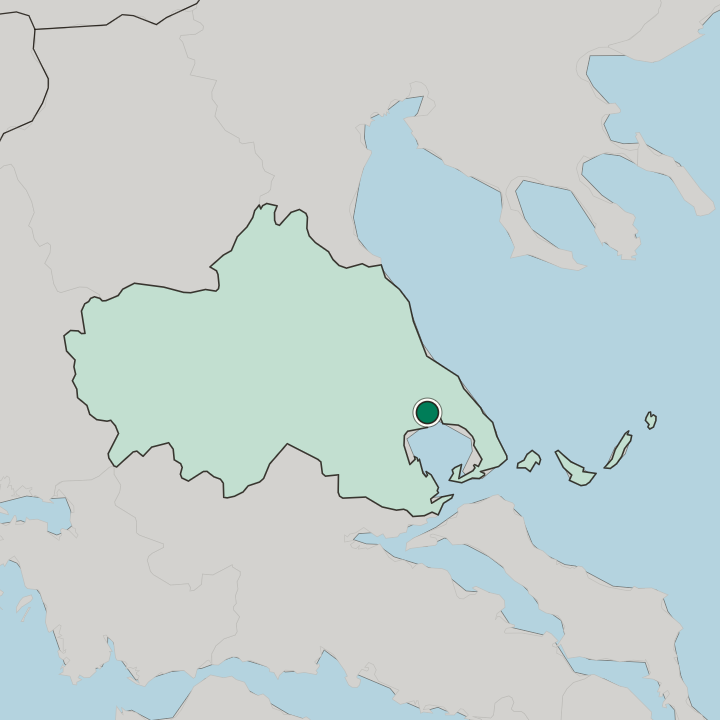
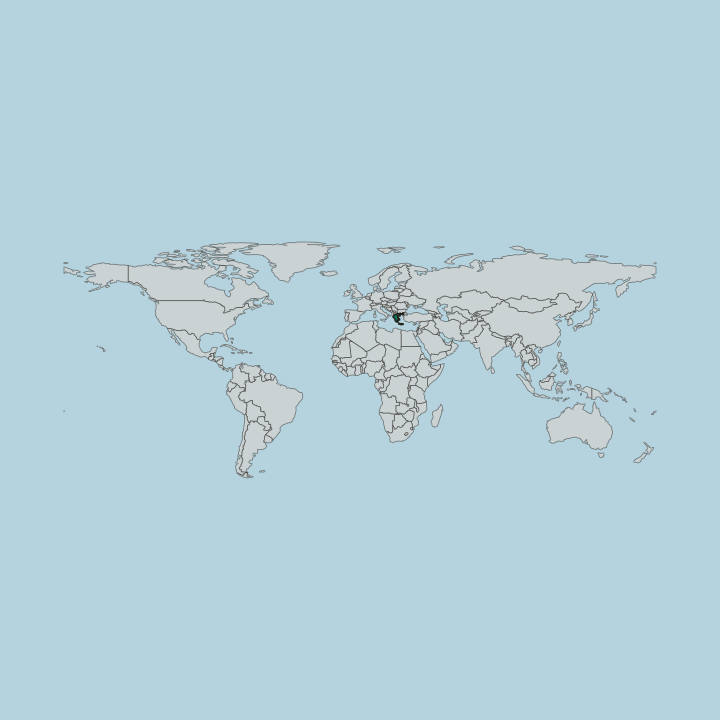
Volos lies at the head of its gulf on the coast of Thessaly, the only outlet to the sea from the region's inland plain. The city curves along the waterfront below the wooded slopes of Mount Pelion, which rise steeply behind the town toward the mountain villages. The gulf shelters the port.
Ringed by high ground on the landward side and opening to the Aegean through a narrow neck, this sheltered setting has long made Volos the natural harbour of the Thessalian coast.
What is the climate of Volos?
Volos has a Mediterranean climate softened by the sea and shaded on its landward side by Mount Pelion. Summer comes hot and dry. The gulf keeps the coast a little cooler and more humid than the baking interior of the Thessalian plain, and sea breezes ease the worst of the midsummer heat along the waterfront.
Winters are mild and wetter, with rain more common than frost at sea level. Spring and autumn stay warm and suit the ferries out to the islands.
How do you get to Volos?
Volos sits midway on the mainland between Athens and Thessaloníki, reached by road, rail, and sea. A spur off the main north-south line brings trains in from Lárisa on the Thessalian plain, and the motorway links the port to both cities in a few hours by road. The harbour is the real gateway.
From its quays ferries and hydrofoils run out to the Sporades islands, and buses climb from the same seafront up into the villages of Mount Pelion.
Common questions
What is the best area to stay in Volos?
The seafront promenade below the cathedral: first-timers who want the tsipouradika and the ferry quay at the door. Palaia, the old brickworks quarter: travellers wanting restored warehouses and the castle above. The ferry and bus links toward Pelion: visitors bound for the Sporades or the mountain villages.
Good for
More cities in Thessaly
Updated September 2026