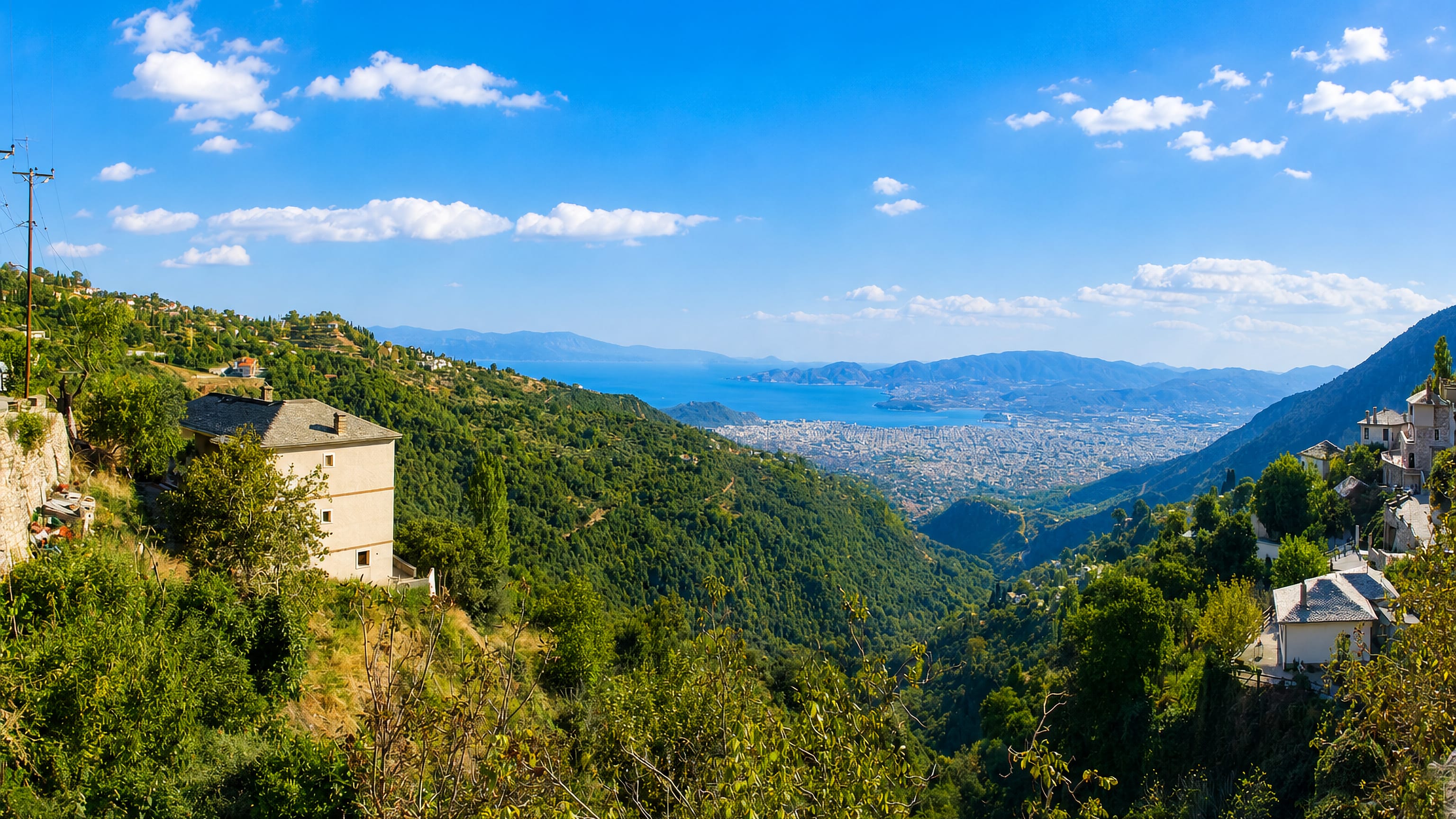
Greece
Thessaly, Greece — Towns & Travel Guide
Thessaly is the wide grain plain of central Greece, ringed by mountains and crowned by the monasteries of Meteora.
Hotel links are affiliate links: booking through them may earn us a commission, at no extra cost to you. It never affects how places are ranked. How this works


Towns & cities in Thessaly
Pick a town or city — each links to where to stay.
 Greece
Lárisa
Frourio Hill rises over the Pineios in Lárisa, capital of Thessaly, a farming and university city known for its ancient theatre and lively cafes.Where to stay →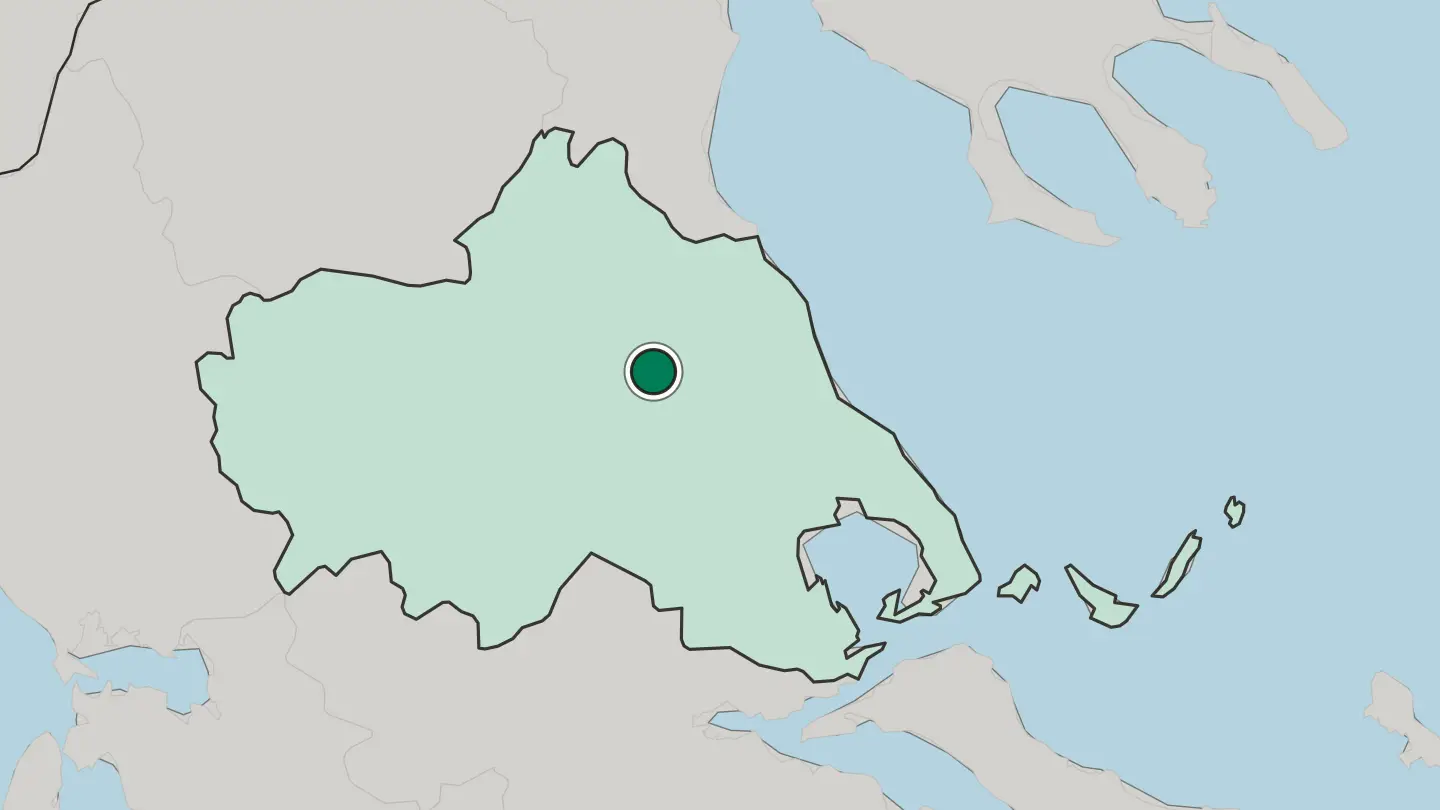
 Greece
Volos
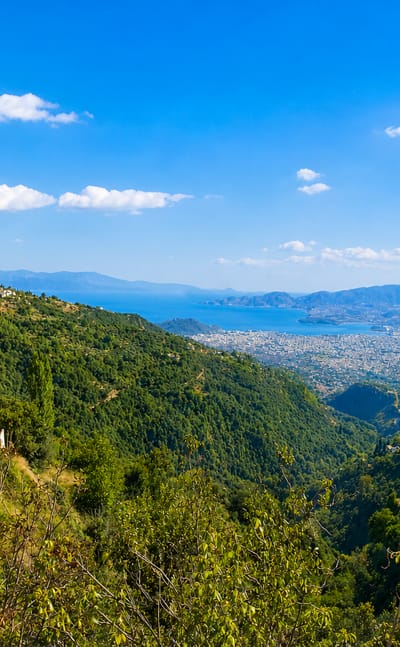
Fishing boats and freighters share the quays at Volos, a port city below Mount Pelion in Thessaly, known for its harbour and seaside tsipouradika.Where to stay →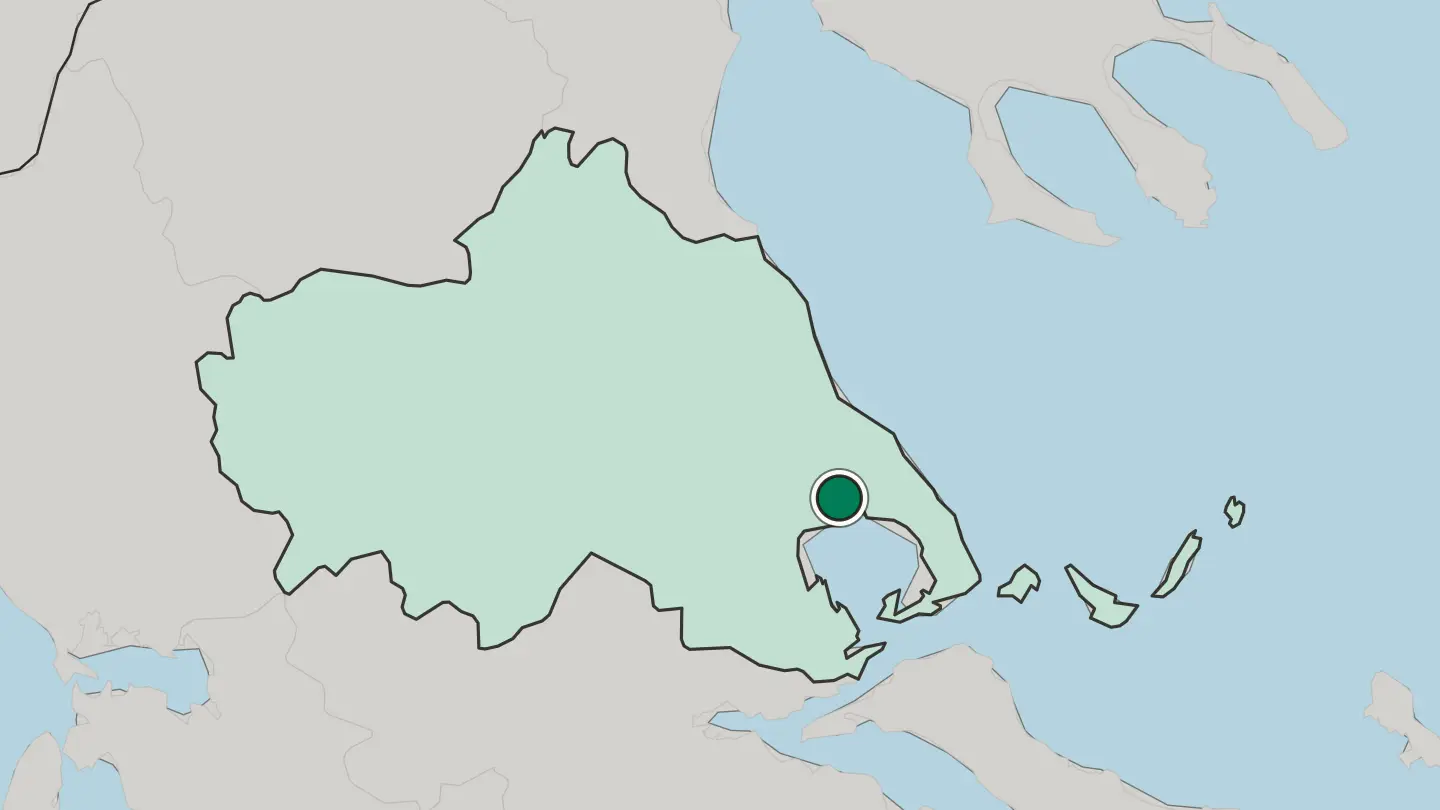
 Greece
Tríkala
Trikala is a city of the Thessalian plain in central Greece, on the Lithaios below an old fortress, the ancient Trikka where Asclepius was born.Where to stay →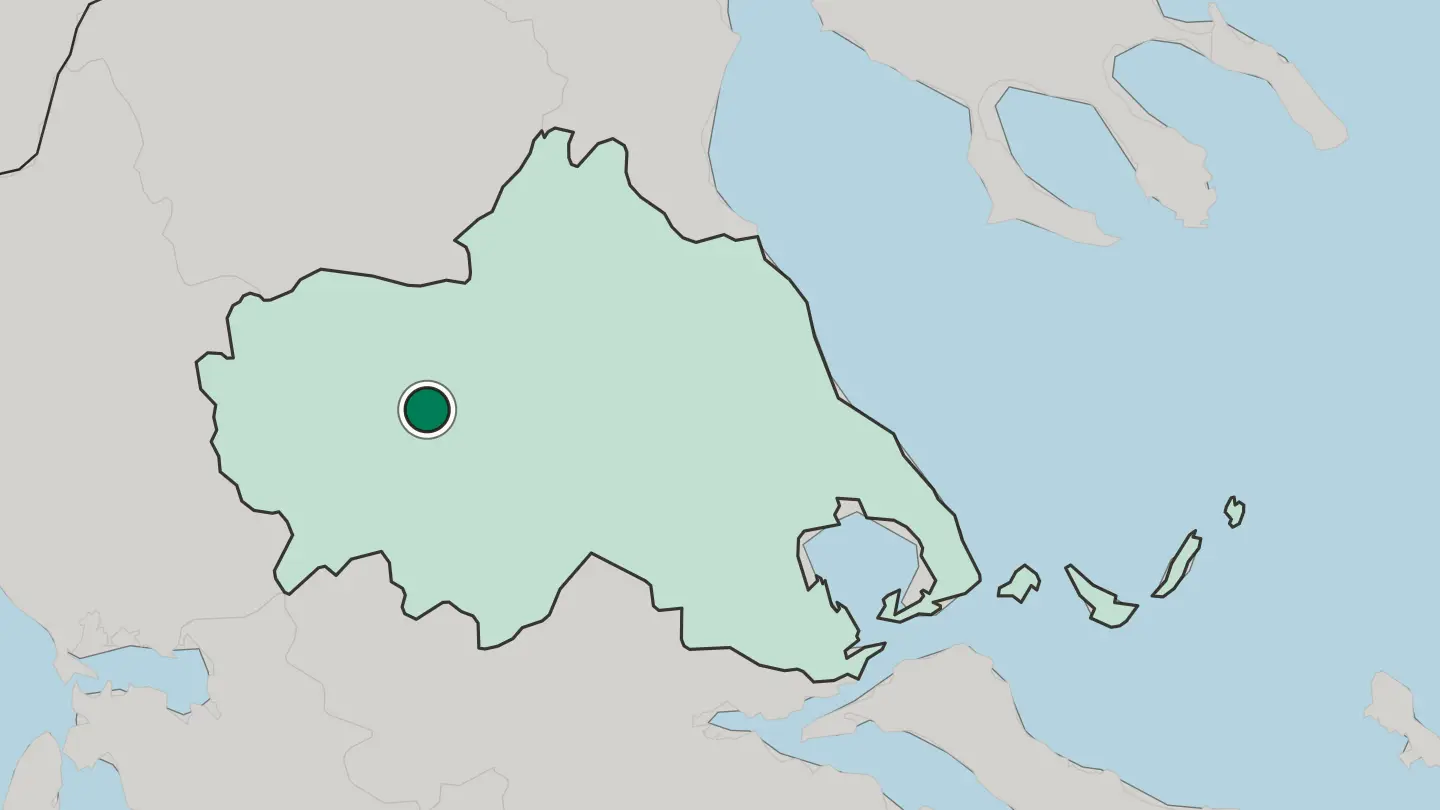
Hotel links are affiliate links: booking through them may earn us a commission, at no extra cost to you. It never affects how places are ranked. How this works
About Thessaly
Two images define Thessaly.
What is Thessaly known for?
One is the flat central plain, the second-largest lowland in Greece and the country's chief grain and cattle ground. The other is Meteora, where six working Eastern Orthodox monasteries sit on grey sandstone pillars that rise straight out of the fields near Kalabaka. Around the rim stand the mountains that framed Greek myth: Mount Olympus in the north, the seat of the gods, and the wooded Pelion peninsula curling into the Aegean Sea above the port of Volos.
Where is Thessaly?
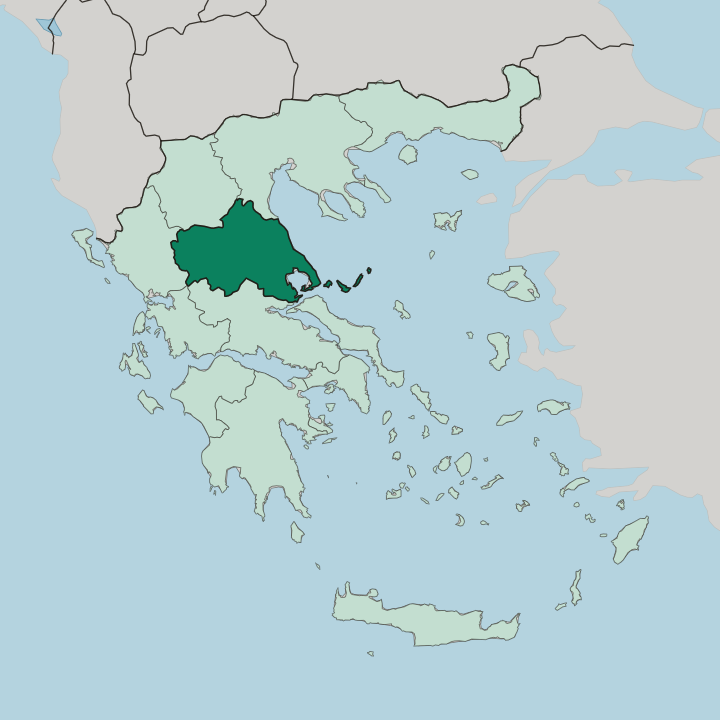
Thessaly fills the middle of the Greek mainland, a broad basin of farmland closed in on almost every side by mountains. The plain is the flat heart of it. It spreads across the lowlands around Larissa and Trikala and drains toward the Aegean Sea in the east, and its alluvial soils make it the richest arable ground in the country.
The Pindus range walls it off from Epirus in the west, and the great massifs of Olympus, Ossa and Pelion close the northern and eastern edges. Water ties the whole basin together. The Pineios gathers the streams of the plain and cuts eastward to the sea through the narrow Vale of Tempe, the gorge between Olympus and Ossa that has carried the road north since antiquity.
Meteora stands at the plain's north-west corner, where the last of the flat land meets the foothills of the Pindus. Volos anchors the south-east on the Pagasetic Gulf, sheltered behind the hook of the Pelion peninsula. Nowhere here is far from a mountain wall.
The ring of high ground is what makes Thessaly one clear place rather than an open stretch of the mainland.
What is Thessaly like?
Thessaly feels rooted in its land and its faith. This is farming country, and the rhythm of the plain still shapes it: fields of wheat and cotton, herds of sheep, and market towns that trade in what the soil gives. The horse belongs to that story too, for the ancient Thessalians were famous cavalrymen, and the flat expanse that fed their squadrons is the same ground the region still farms.
Faith is the other thread. The monasteries of Meteora were built from the fourteenth century by monks who hauled themselves up the rock pillars in nets, and six of them still hold the daily Orthodox office above Kalabaka. In the mountain villages of Pelion the culture turns to stone-flagged squares, plane-tree shade and the distilled spirit tsipouro, poured with plates of meze in the Volos tavernas.
Greek is the everyday language across the region. Larissa, a university city, carries the modern face of the plain, its cafés and student life a counterweight to the old stone above the fields.
What is the history of Thessaly?
Homer knew this land as Aeolia before it took the name of the Thessalians, the tribe that seized the plain around the close of the second millennium BC. Horse-owning families ruled it. Ancient Thessaly was prized above all for its cavalry, until Philip II of Macedon brought it under his crown in 353 BC.
The Ottomans held the region from the late fourteenth century, and Larissa served as a seat of their rule for almost five hundred years. Thessaly passed to the modern Greek state in 1881, ceded under the Convention of Constantinople. The plain has fed armies and empires in turn.
What is the climate of Thessaly?
The ring of mountains gives Thessaly a more continental climate than the Greek coast. Summers on the plain are hot and dry, and Larissa ranks among the warmest cities in the country, with July afternoons that climb well past the shade of comfort. Winters turn genuinely cold for Greece.
Frost and occasional snow settle over the fields around Trikala and the peaks above. Rain is sparse and falls mostly in late autumn and winter, which is why summer irrigation matters so much to the grain. The high ground keeps the sea breezes out.
How do you get to Thessaly?
Nearly everyone arrives in Thessaly by road or rail. The main railway line and the motorway between Athens and Thessaloniki both run straight through the plain, and Larissa is the region's InterCity rail junction, with an express branch toward Kalabaka for Meteora. Volos has the region's own airport at Nea Anchialos, though its flights are mainly seasonal charters.
Ferries leave Volos for the Sporades islands across the Aegean Sea. From Athens it is a drive of a few hours north.
Common questions
What is the best area to stay in Thessaly?
Kalabaka: reaching the Meteora monasteries. Volos: the Pelion coast and island ferries. Larissa: arriving by train. Trikala: a quieter plain-city stay near Meteora.
Good for
More regions in Greece
Updated September 2026