Croatia
Split-Dalmatia County, Croatia — Towns & Travel Guide
Split-Dalmatia County is the central Dalmatian county of Croatia, a long stretch of coast and islands centred on the city of Split.
Hotel links are affiliate links: booking through them may earn us a commission, at no extra cost to you. It never affects how places are ranked. How this works


Towns & cities in Split-Dalmatia County
One town here has its own guide — it links to where to stay.
 Croatia
Split
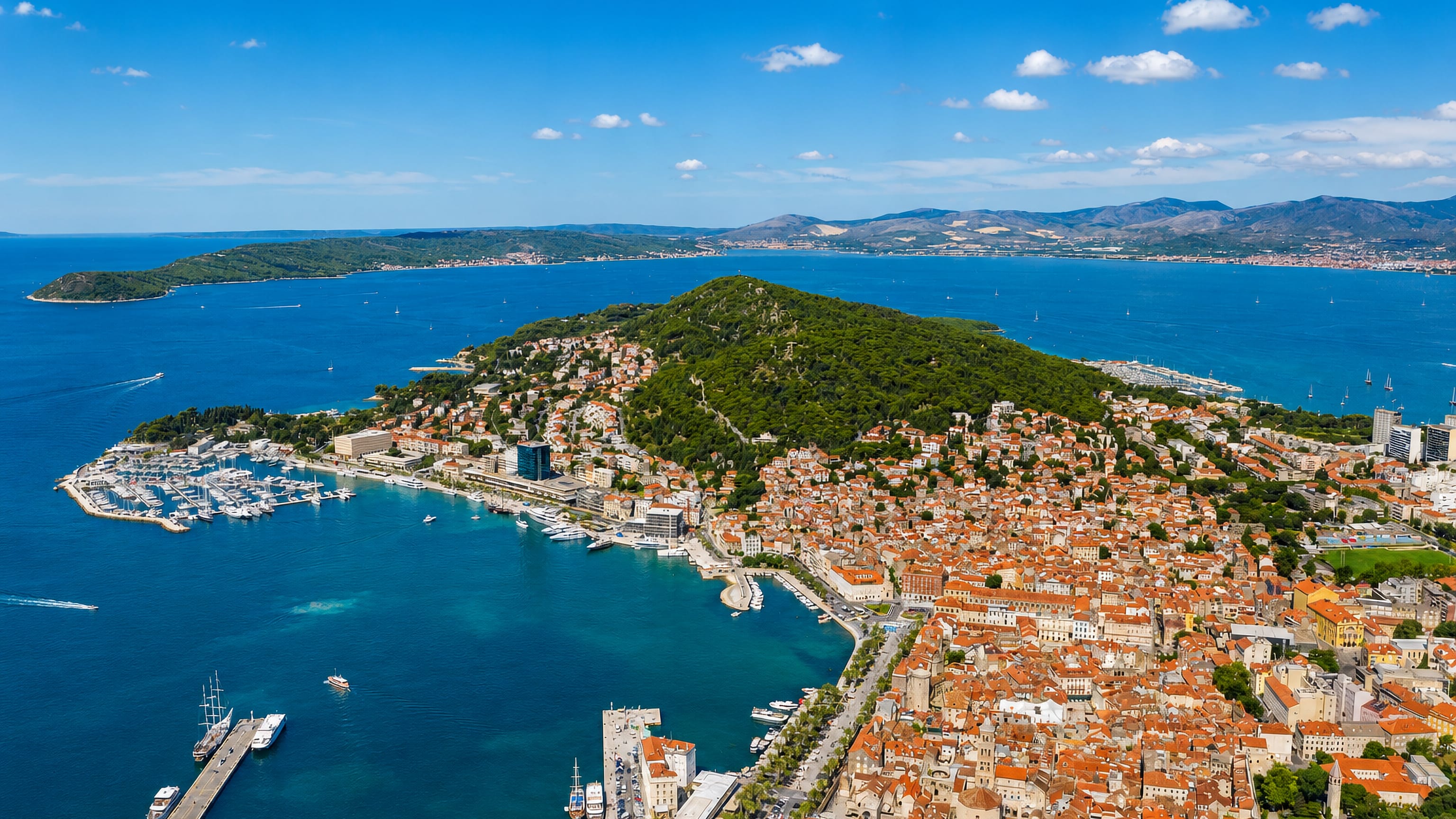
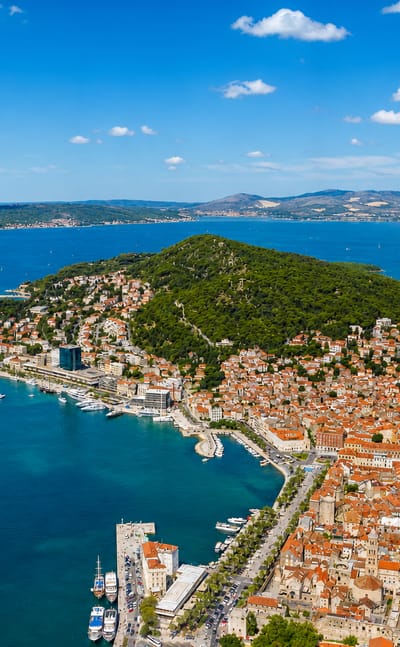
Split is a city on the central Dalmatian coast of Croatia, built in and around the Roman walls of Diocletian's Palace.Where to stay →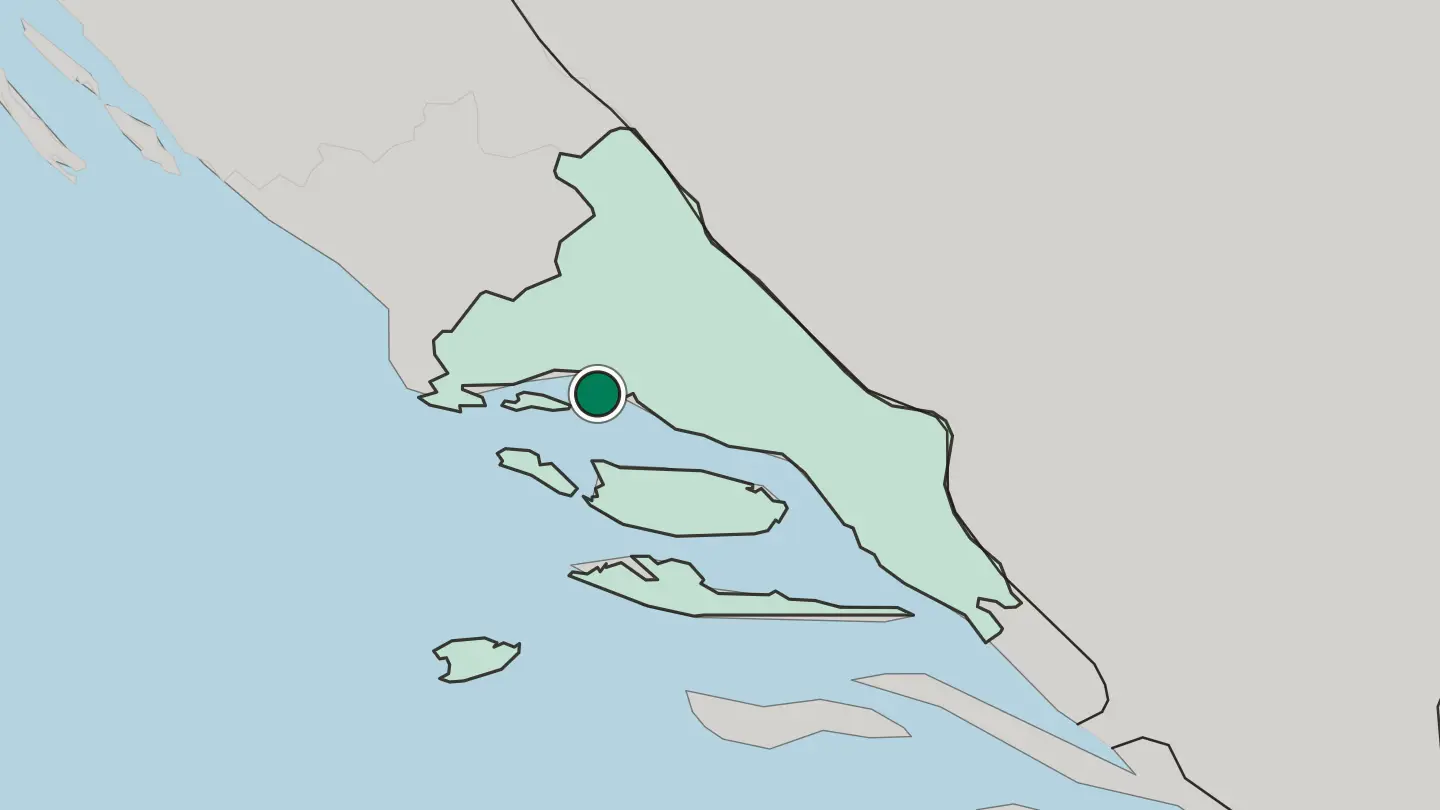
Hotel links are affiliate links: booking through them may earn us a commission, at no extra cost to you. It never affects how places are ranked. How this works
About Split-Dalmatia County
Split-Dalmatia County is known for the Dalmatian coast.
What is Split-Dalmatia County known for?
Its long shoreline and scatter of islands front the sea in central Dalmatia, drawing travellers to Split and out to the ferries and beaches beyond. Split anchors it all. The administrative centre and largest city of the county, it is the hub that the whole coast routes through, while the hinterland climbs inland behind the shore.
Sea and stone define the region.
Where is Split-Dalmatia County?
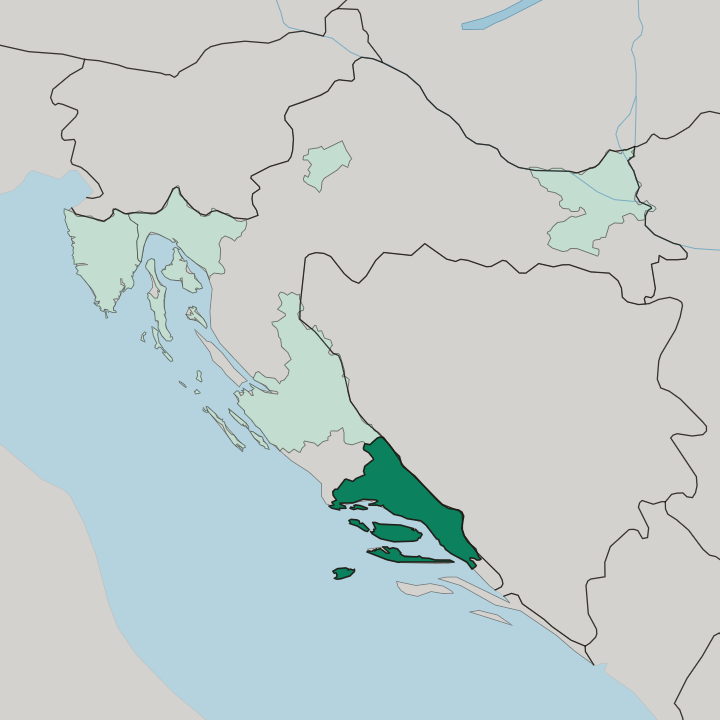
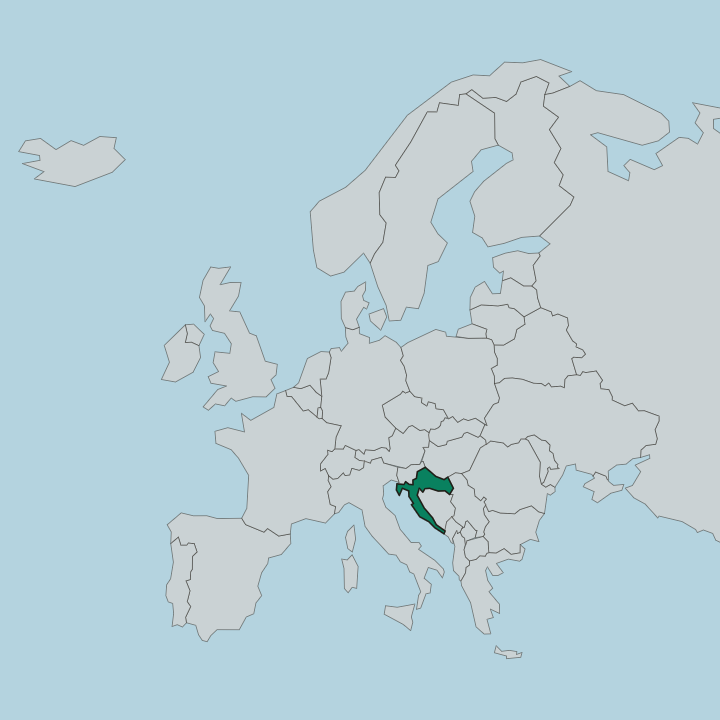
Split-Dalmatia County runs along the central Dalmatian coast of Croatia. It is a long, narrow county, far larger at sea than on land, its maritime area spreading across a scatter of islands well beyond the mainland shore. The coast does the work.
A thin strip of shore carries most of the towns, while inland the ground climbs steeply into the Dalmatian hinterland. Split sits at the centre. The administrative centre and largest city of the county, it faces the sea roughly midway along the Dalmatian coast, with the islands offshore and the hinterland rising at its back.
This is central Dalmatia. It sits between the northern reaches of the Croatian coast and the far south, a middle stretch of shore and island that looks out to the open sea. Istria County lies further up the coast to the north.
The county reaches far out to sea. Its islands stretch across the water beyond the mainland, giving Split-Dalmatia County more sea than solid ground within its borders. Split ties the pieces together.
From the city the coast runs both ways, north and south, and the ferries fan out to the islands that make up so much of the county.
What is Split-Dalmatia County like?
Split-Dalmatia County lives by the sea. Its culture is Dalmatian and coastal, built around Split, the fishing and ferry towns of the shore, and the slower rhythm of the islands offshore. The sea sets the pace.
Summers fill the coast with festivals and visitors, while the fishing boats, ferries, and stone harbour towns keep the older Dalmatian character underneath. Croatian is the shared language. Inland, the hinterland keeps a different, quieter life, farming the hills and valleys behind the shore rather than facing the water.
Two worlds share one county. Split holds the county's cultural life, its markets, and its stages, the largest city where the coast and the hinterland of central Dalmatia come together. It speaks for Dalmatia.
The county's identity is Dalmatian first and Croatian second. Life here follows the coast, the ferries, and the season, with the summer months drawing crowds to Split and out across the islands before the quiet returns. The stone towns hold it all.
From the harbour of Split to the smallest island village, the same Dalmatian coast shapes how the county lives and eats.
What is the history of Split-Dalmatia County?
Split-Dalmatia County is built around an old coast. The county, called Splitsko-dalmatinska županija in Croatian, takes its name and shape from Split and the central Dalmatian coast, a shoreline settled and traded along for a very long time before the modern county was drawn. Split has always led it.
As the administrative centre of central Dalmatia, the city gathered the coast and its islands into one county within Croatia, joining the mainland shore to the scattered island communities offshore. The sea made the county.
What is the climate of Split-Dalmatia County?
Split-Dalmatia County has a Mediterranean climate. The Dalmatian coast keeps hot, dry summers and mild winters, the warm sea holding the chill off the shore and the islands well into the cooler months. Summers are long here.
Inland, the hinterland runs hotter by day and cooler at night, a harsher, more continental edge behind the gentle coast of central Dalmatia. The coast stays mild.
How do you get to Split-Dalmatia County?
Split-Dalmatia County is reached through Split. The largest city and administrative centre carries the county's main airport, its ferry port, and the coastal roads, the point where most arrivals begin before spreading along the shore. Ferries take it from there.
Boats run out from Split to the islands offshore, while roads climb inland over the hinterland toward the rest of Croatia and the capital at Zagreb. The coast is the way in.
Common questions
What is the best area to stay in Split-Dalmatia County?
Split: ferries, transport, and city life. The Dalmatian islands: slow stays on the water. The Dalmatian hinterland: quiet inland nights.
Good for
More regions in Croatia
Updated September 2026