India · State of Andhra Pradesh
Where to Stay in Kurnool, State of Andhra Pradesh
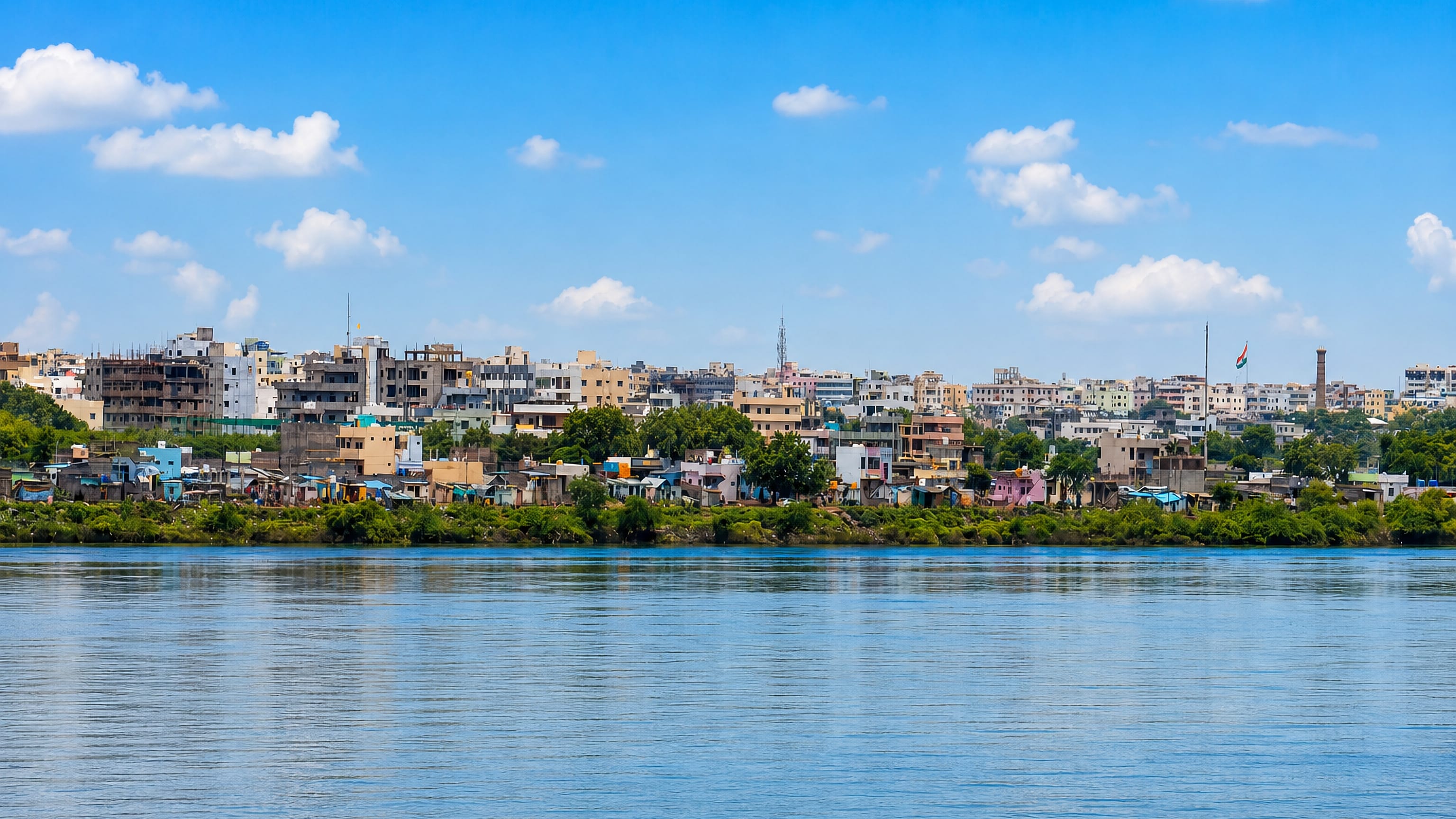
Kurnool stands on the banks of the Tungabhadra in Rayalaseema, its 16th-century Konda Reddy Fort marking where the modern city began.
Hotel links are affiliate links: booking through them may earn us a commission, at no extra cost to you. It never affects how places are ranked. How this works


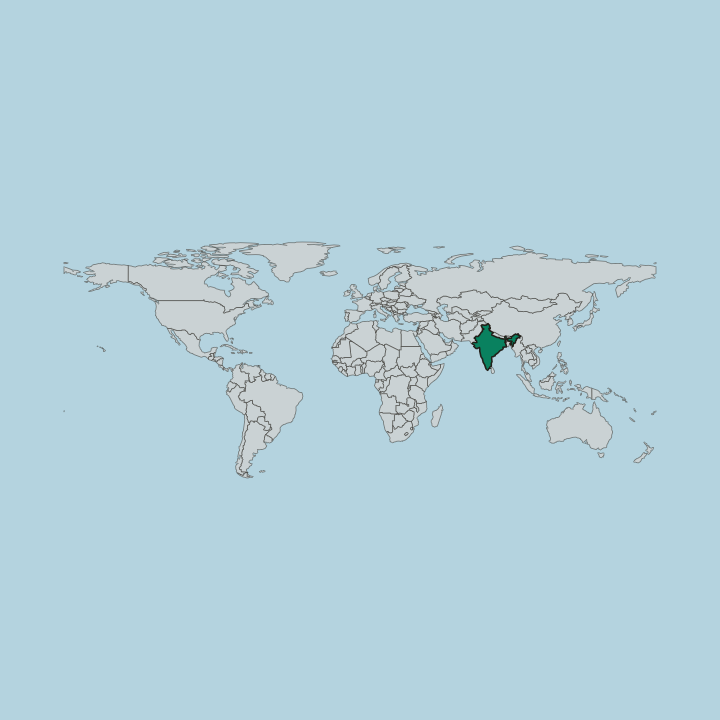
Where to stay in Kurnool
Where visitors usually base themselves, and why.
Stays here sort themselves around the Konda Reddy Fort. Rooms in the old core sit within a walk of the fort and the district offices, and that compactness matters in a city where the interesting ground is small and the sprawl beyond it is not. Lodging concentrates in that quarter.
Travellers who want the Tungabhadra within reach take the streets that run down toward the water, where the river gives the city its one open prospect and the evening air moves. Away from the fort the pattern changes. The outer roads carry the through traffic of Rayalaseema, and a room out there buys space and easy parking at the cost of every walk into the old core becoming a ride.
That trade suits drivers. Anyone crossing Andhra Pradesh on the long roads and stopping one night will find the outskirts simpler, while a stay built around the fort, the river bank and the district's diamond country belongs nearer the middle. Monsoon timing matters more than most.
The rains that wash the barren land also swell the Tungabhadra and make the outer approaches heavier going, so a wet-season stay works better near the old core than out on the district roads. You want the old core for a first visit.
Find hotels in Kurnool
Direct booking searches for these neighbourhoods.
The Konda Reddy Fort quarter
The Konda Reddy Fort and the Kurnool district offices fall inside one walkFind hotels in The Konda Reddy Fort quarterEvenings on the Tungabhadra bankDown toward the Tungabhadra
Streets falling toward the river, which gives Kurnool its one open prospect. Few places to stay nearby — book ahead.Find hotels in Down toward the TungabhadraOne-night halts for drivers crossing RayalaseemaThe outer Rayalaseema roads
Space and parking where the through roads pass KurnoolFind hotels in The outer Rayalaseema roadsHotel links are affiliate links: booking through them may earn us a commission, at no extra cost to you. It never affects how places are ranked. How this works
About Kurnool
Diamonds turn up in the dirt.
What is Kurnool known for?
After the monsoon rains strip the top layers from the barren land around Kurnool, stones surface for anyone patient enough to look, and the search has kept its hold on the district for a long time. The Konda Reddy Fort dates from the 16th century. Kurnool served as the capital of Andhra State between 1953 and 1956, and it still heads Kurnool district.
What are the main landmarks in Kurnool?
Konda Reddy Fort is the landmark that matters. Raised in the 16th century, it gave modern Kurnool its starting point, and the walls still stand as the one built thing in the city that everything else is dated against. The Tungabhadra supplies the rest.
Its banks carry the city's open ground, and past the last streets the barren land where diamonds surface after the rains runs out toward the wider Rayalaseema country.
What is the history of Kurnool?
People held this ground long before the fort. The area around the Tungabhadra has been inhabited for thousands of years, but the city that carries the name Kurnool begins in the 16th century, when the Konda Reddy Fort went up and gave the settlement a centre it had lacked. The fort dated it.
Everything the modern city claims about its own age runs back to those walls, and the district has kept the reckoning ever since. A short spell as a capital followed. Kurnool held the seat of Andhra State from 1953 until 1956, a brief tenure that left the city with an administrative weight out of proportion to its size and with the habit of governing a wide stretch of country.
The seat moved on. Kurnool district remained, and the city kept its headquarters role along with the title it still answers to, the Gateway of Rayalaseema. Diamonds shaped a second story.
Long before and long after the fort, the barren land of the district gave up stones once the monsoon had stripped the soil, and that has drawn searchers to Kurnool as steadily as any of its offices. The rains still do it.
Where is Kurnool?
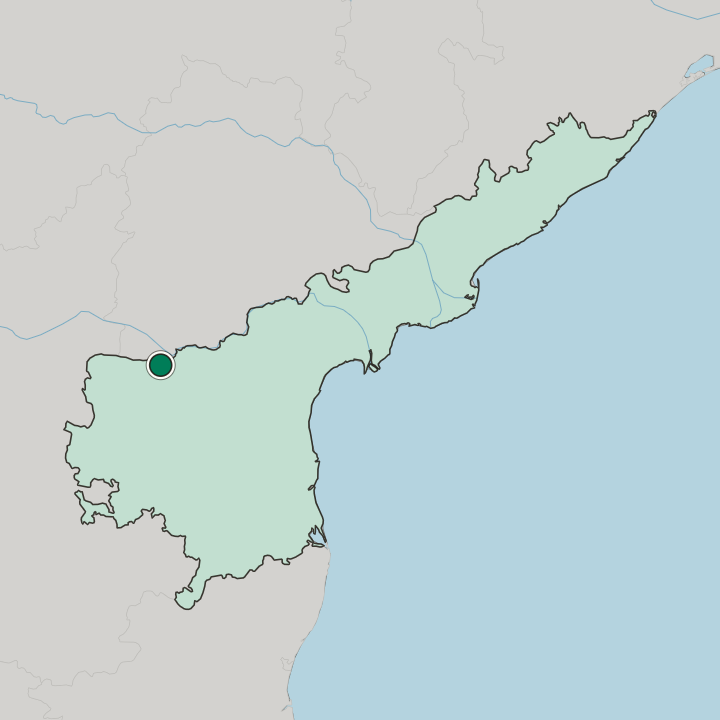
The Tungabhadra sets the plan. Kurnool sits on the river's banks in Rayalaseema, and the land beyond the built edge runs out bare and open, its top layers thin enough that the monsoon shifts them and leaves diamonds behind. Tropical heat governs the year.
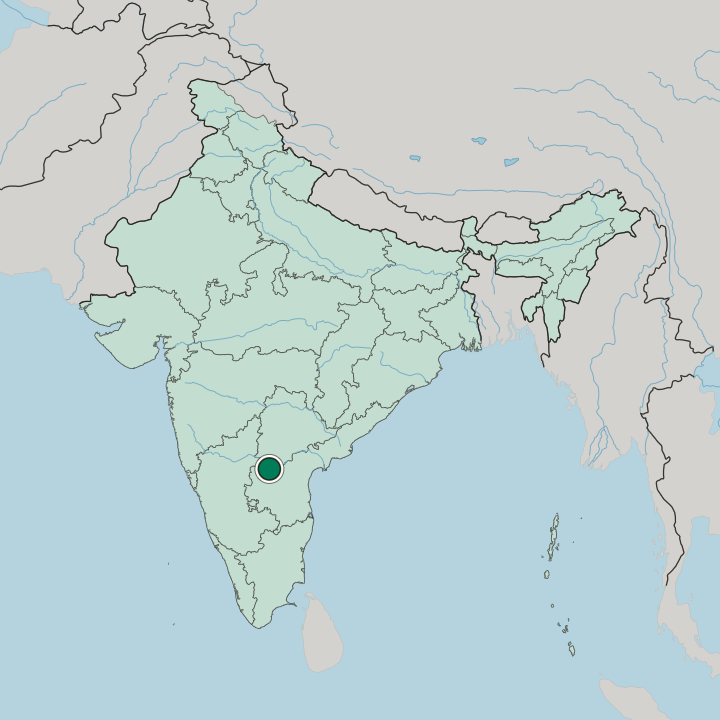
Andhra Pradesh reaches away past the district on every side, and Kurnool district takes in a wide share of that country.
What is the climate of Kurnool?
The monsoon runs the year. Its rains break the long tropical heat over Rayalaseema, wash the top soil off the barren land around Kurnool, and lift the Tungabhadra from a low channel to a full one within weeks. Before they come the ground bakes.
Between the rains the river drops back, dust settles on the roads out of the city, and the barren land hardens until the next storms arrive.
How do you get to Kurnool?
Overland is how people come. Kurnool earned the name Gateway of Rayalaseema because the routes crossing Andhra Pradesh funnel through it, and most arrivals reach the city overland rather than by any other means. The Tungabhadra is crossed on the way in.
Traffic bound deeper into Rayalaseema passes the old core, so a driver aiming for the Konda Reddy Fort should turn off before the through lanes carry them past it.
Common questions
What is the best area to stay in Kurnool?
The Konda Reddy Fort quarter: First visits built around the 16th-century fort. Down toward the Tungabhadra: Evenings on the Tungabhadra bank. The outer Rayalaseema roads: One-night halts for drivers crossing Rayalaseema.
More cities in State of Andhra Pradesh
Updated September 2026