India · State of Andhra Pradesh
Where to Stay in Vijayawada, State of Andhra Pradesh
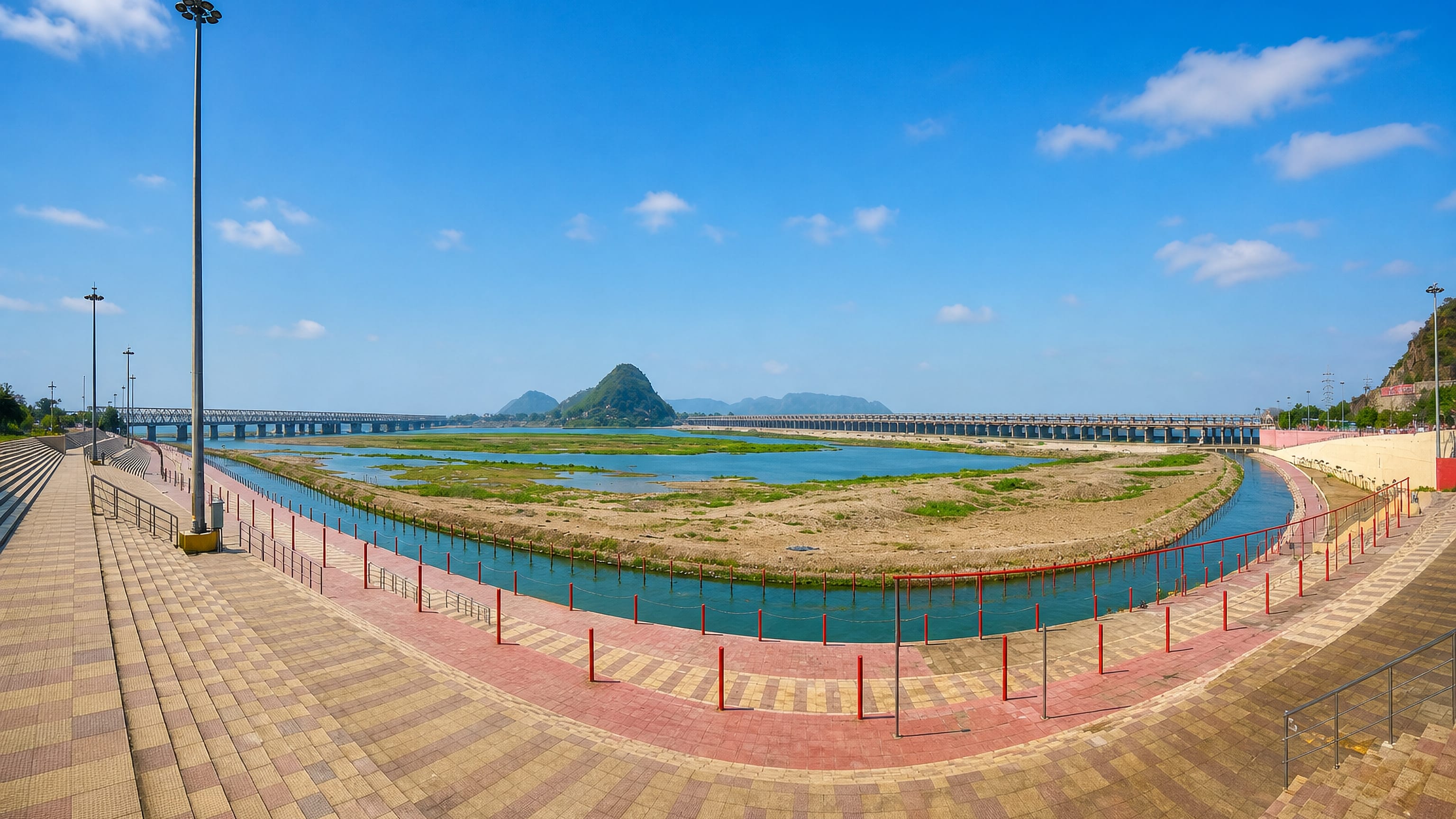
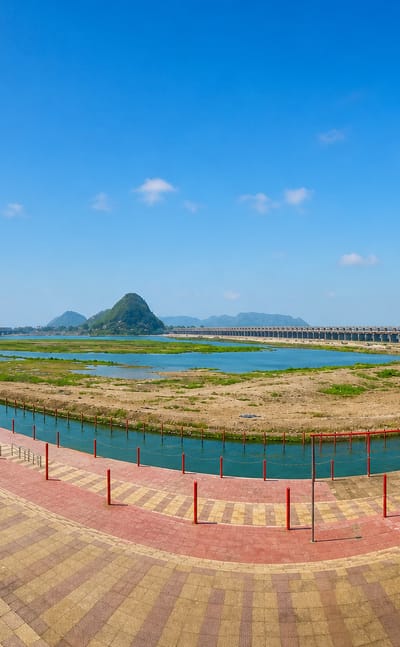
Vijayawada is a river city of Andhra Pradesh in India, known for the Mogalarajapuram Caves and the Victoria Jubilee Museum.
Hotel links are affiliate links: booking through them may earn us a commission, at no extra cost to you. It never affects how places are ranked. How this works


Where to stay in Vijayawada
One neighbourhood here has its own guide — here's what it is best for.
 VijayawadaIndia
Rāmavarappādu
Rāmavarappādu is a residential hub in the east-central part of Vijayawada, within NTR district in the Indian state of Andhra Pradesh.Where to stay →Hotel links are affiliate links: booking through them may earn us a commission, at no extra cost to you. It never affects how places are ranked. How this works
Find hotels in Vijayawada
Direct booking searches for these neighbourhoods.
Commercial core
the trading heart of Vijayawada holds the Victoria Jubilee Museum, the Mogalarajapuram Caves, and the market streets that make the city a crossroads of Andhra PradeshFind hotels in Commercial corethe pilgrimage slope of the Gunadala Mary Matha ShrineShrine hills
the framing hills around the Gunadala Mary Matha Shrine, the Akkanna Madanna caves, and the Kiratharjuna Pillar give a calmer, spread-out base on the edge of VijayawadaFind hotels in Shrine hillsHotel links are affiliate links: booking through them may earn us a commission, at no extra cost to you. It never affects how places are ranked. How this works
About Vijayawada
What is Vijayawada known for?
Vijayawada is known as a commercial and rock-cut heritage city in the eastern part of Andhra Pradesh within India. Its oldest draws are its cave temples, the Mogalarajapuram Caves and the Akkanna Madanna caves, hewn from the low hills that rise across the city. Faith and craft mark the place.
The Gunadala Mary Matha Shrine and the Victoria Jubilee Museum add pilgrimage and collection to a city long known as a crossroads of Andhra Pradesh.
What are the main landmarks in Vijayawada?
Vijayawada sets its landmarks between the commercial core and the framing hills. The Mogalarajapuram Caves and the Akkanna Madanna caves cut into the rock, while the Victoria Jubilee Museum holds the collections and the Gunadala Mary Matha Shrine crowns a slope above the city. Old stone marks the ground.
The Kiratharjuna Pillar, the Mallesvarasvami temple inscribed pillar and slab, and the pillars in the ruined mandapam in Jammidoddi survive from earlier temples, and the DRMC Indoor Stadium adds a modern venue to the same city of Andhra Pradesh.
What is the history of Vijayawada?
Vijayawada carries a deep history of rock-cut temples in the eastern part of Andhra Pradesh within India. Its oldest monuments are the cave shrines carved into the hills, the Mogalarajapuram Caves and the Akkanna Madanna caves, hewn in stone by early dynasties that ruled the region and left their gods cut into the living rock. The hills held the faith.
Around them the temples raised the Kiratharjuna Pillar and the Mallesvarasvami temple inscribed pillar and slab, works that record the sculptors and rulers of the medieval city. Later centuries added their own layers to the ground. The pillars in the ruined mandapam in Jammidoddi stand from a temple long fallen, while the Gunadala Mary Matha Shrine marks the arrival of a Christian pilgrimage tradition on the slopes above the town.
Collection came in time. The Victoria Jubilee Museum gathered the antiquities of the district under one roof, so the history of Vijayawada runs from cave temple to museum across the long story of Andhra Pradesh.
Where is Vijayawada?
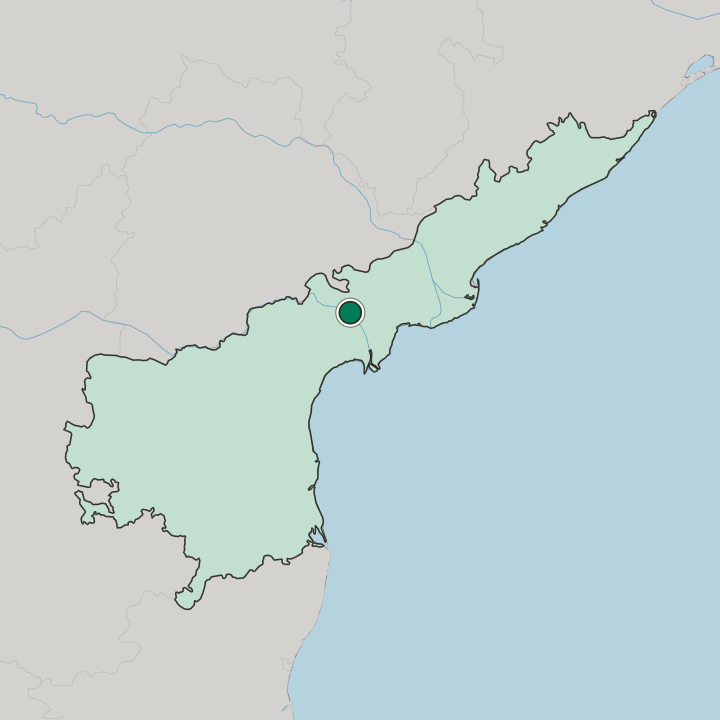
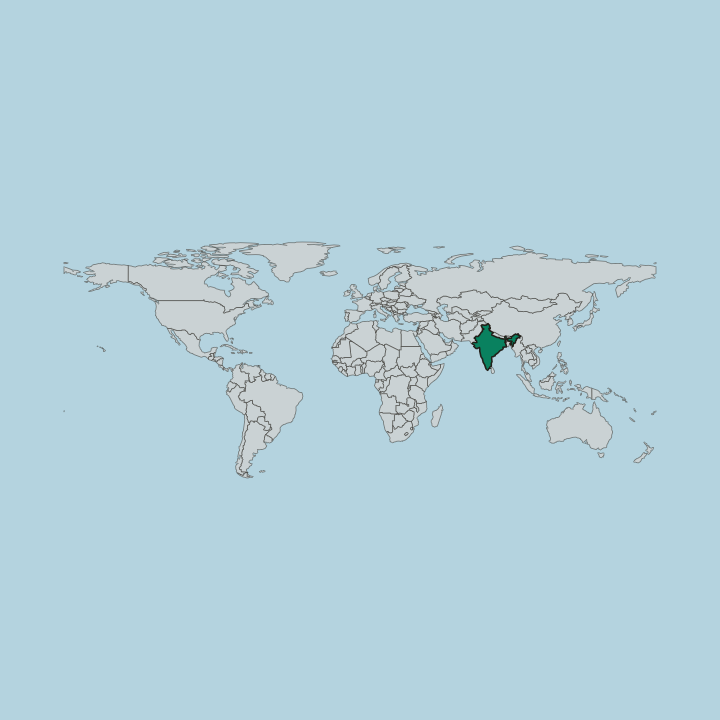
Vijayawada lies in the eastern part of Andhra Pradesh within India, on low ground ringed by rocky hills. The land is tropical and warm, and the outcrops that rise around the city hold the cave shrines of the Mogalarajapuram Caves. Hills frame the plain.
From the flat commercial streets the terrain climbs quickly to the ridges above, giving Vijayawada its mix of dense river-town core and rock-cut heritage across Andhra Pradesh.
What is the climate of Vijayawada?
Vijayawada has a tropical climate marked by a hot dry stretch and a wet monsoon rather than by cold. Heat runs high for much of the year. The monsoon brings rain to Andhra Pradesh across the middle and later months, greening the hills around the Mogalarajapuram Caves, before the dry season returns warm and bright over the city.
Even after dark the heat holds.
How do you get to Vijayawada?
Vijayawada is a major road and rail junction in Andhra Pradesh and a well-connected point within India. Trains converge on the city from every direction, one of the busiest rail hubs of the region. Highways meet here too.
Road and rail lines cross near the commercial core, so most travellers reach the Victoria Jubilee Museum and the Mogalarajapuram Caves after arriving by rail and continuing through the streets of Vijayawada.
Common questions
What is the best area to stay in Vijayawada?
Commercial core: the markets and the Victoria Jubilee Museum of central Vijayawada. Shrine hills: the pilgrimage slope of the Gunadala Mary Matha Shrine.
Good for
More cities in State of Andhra Pradesh
Updated September 2026