India
State of Andhra Pradesh, India — Towns & Travel Guide
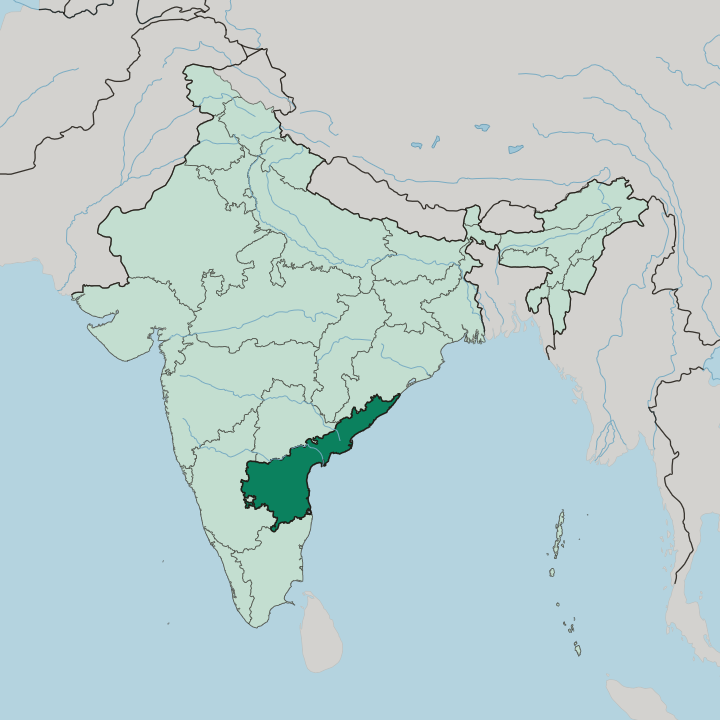
Andhra Pradesh runs down India's southeastern coast, from the Godavari and Krishna deltas on the Bay of Bengal to the Eastern Ghats inland.
Hotel links are affiliate links: booking through them may earn us a commission, at no extra cost to you. It never affects how places are ranked. How this works


Towns & cities in State of Andhra Pradesh
Pick a town or city — each links to where to stay.
 India
India
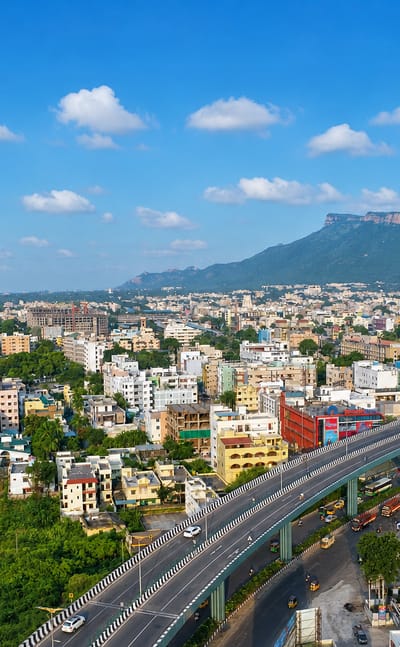
Vijayawada
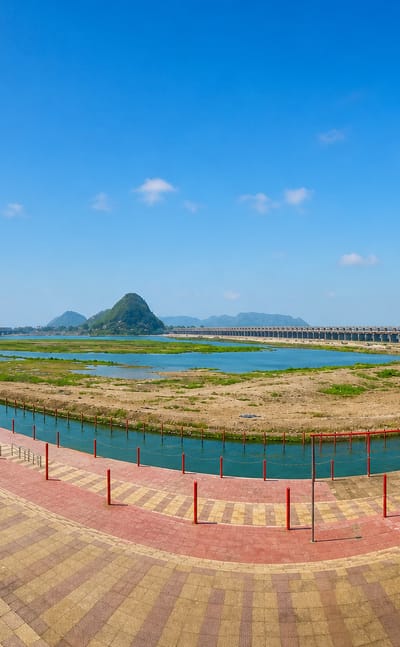
Vijayawada is a river city of Andhra Pradesh in India, known for the Mogalarajapuram Caves and the Victoria Jubilee Museum.Where to stay →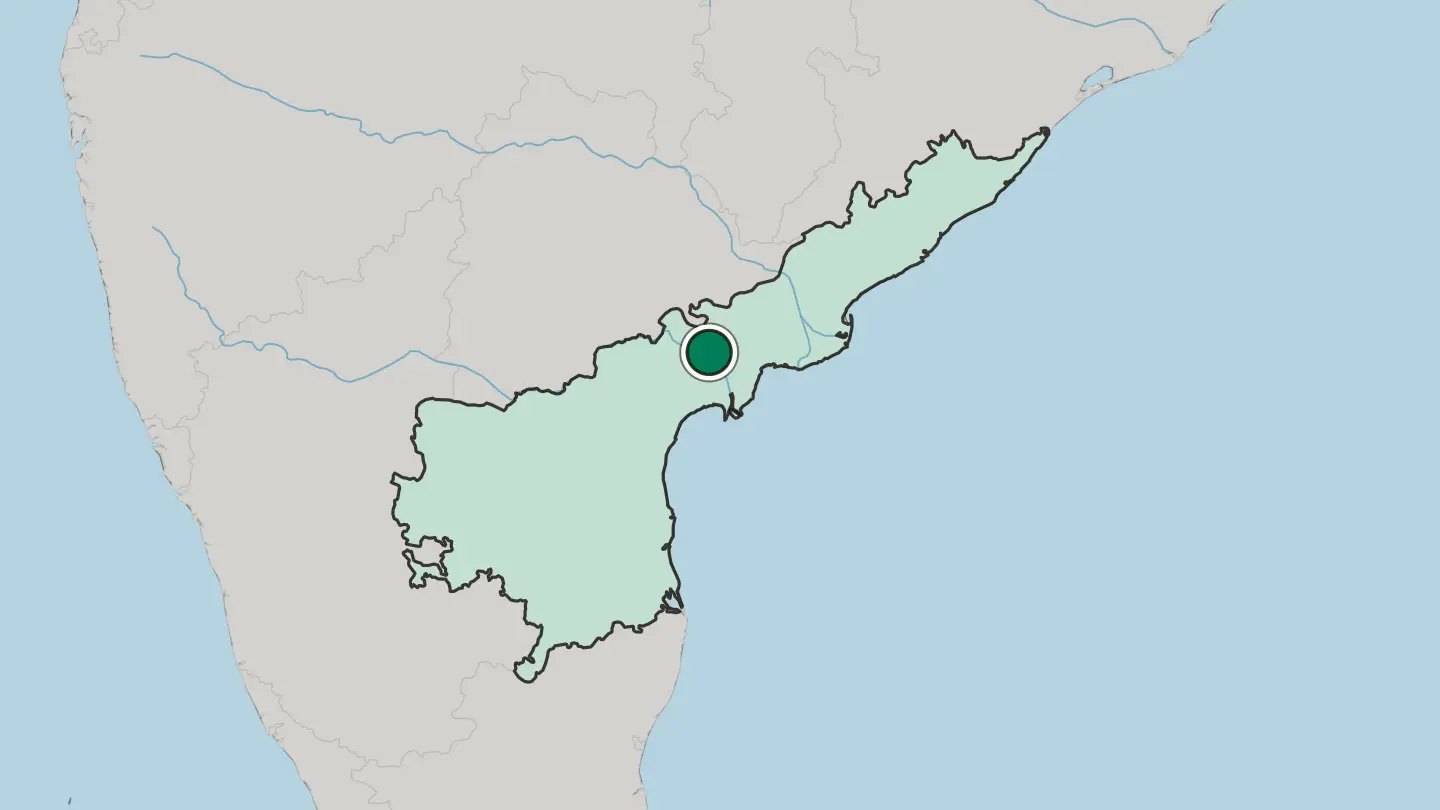
 India
India
Visakhapatnam
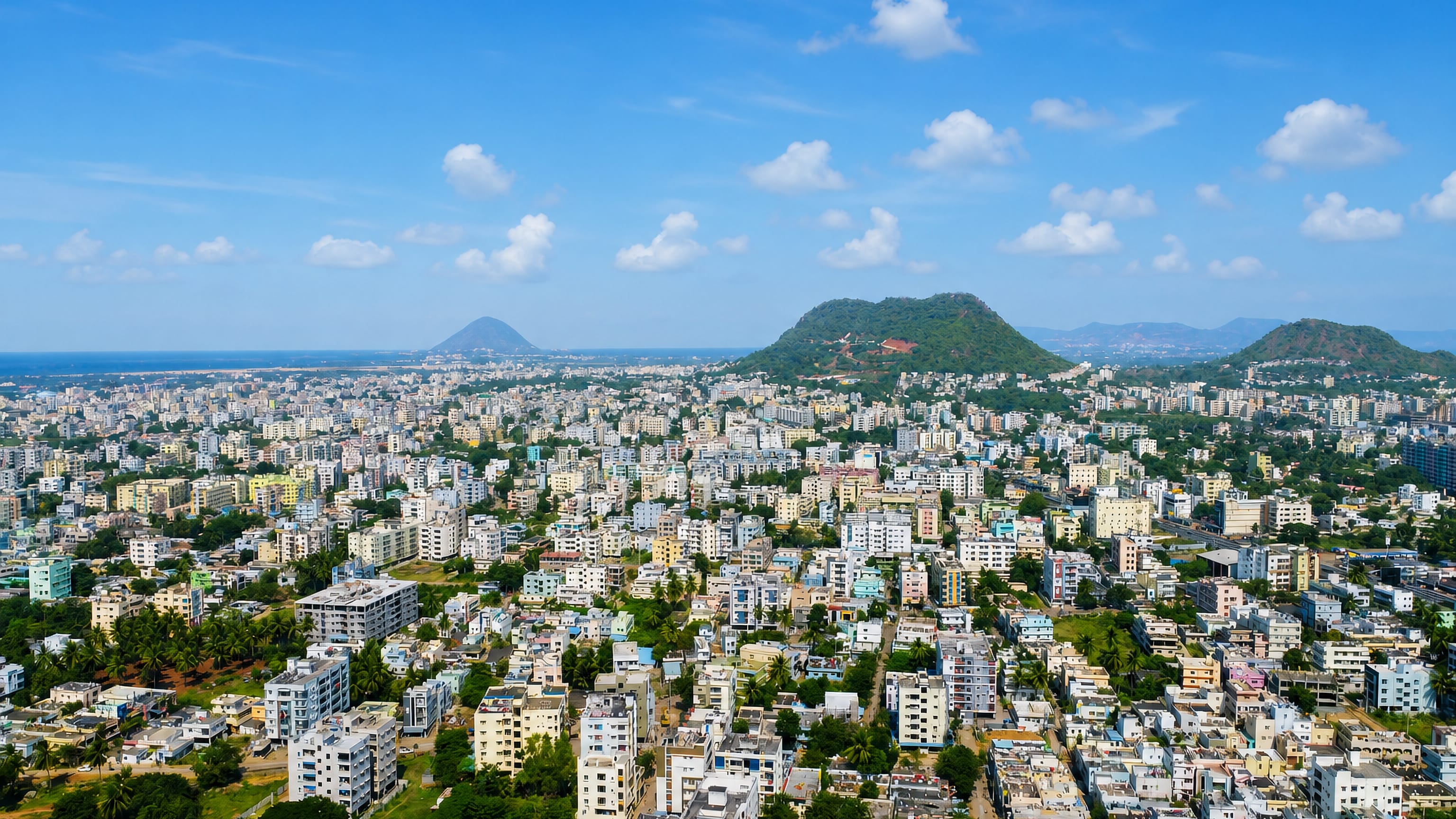
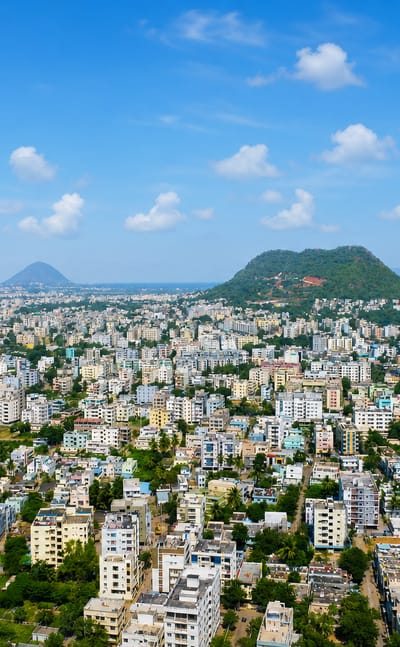
Ships crowd the harbour at Visakhapatnam, a coastal city between the Eastern Ghats and the Bay of Bengal in Andhra Pradesh, known as Vizag.Where to stay →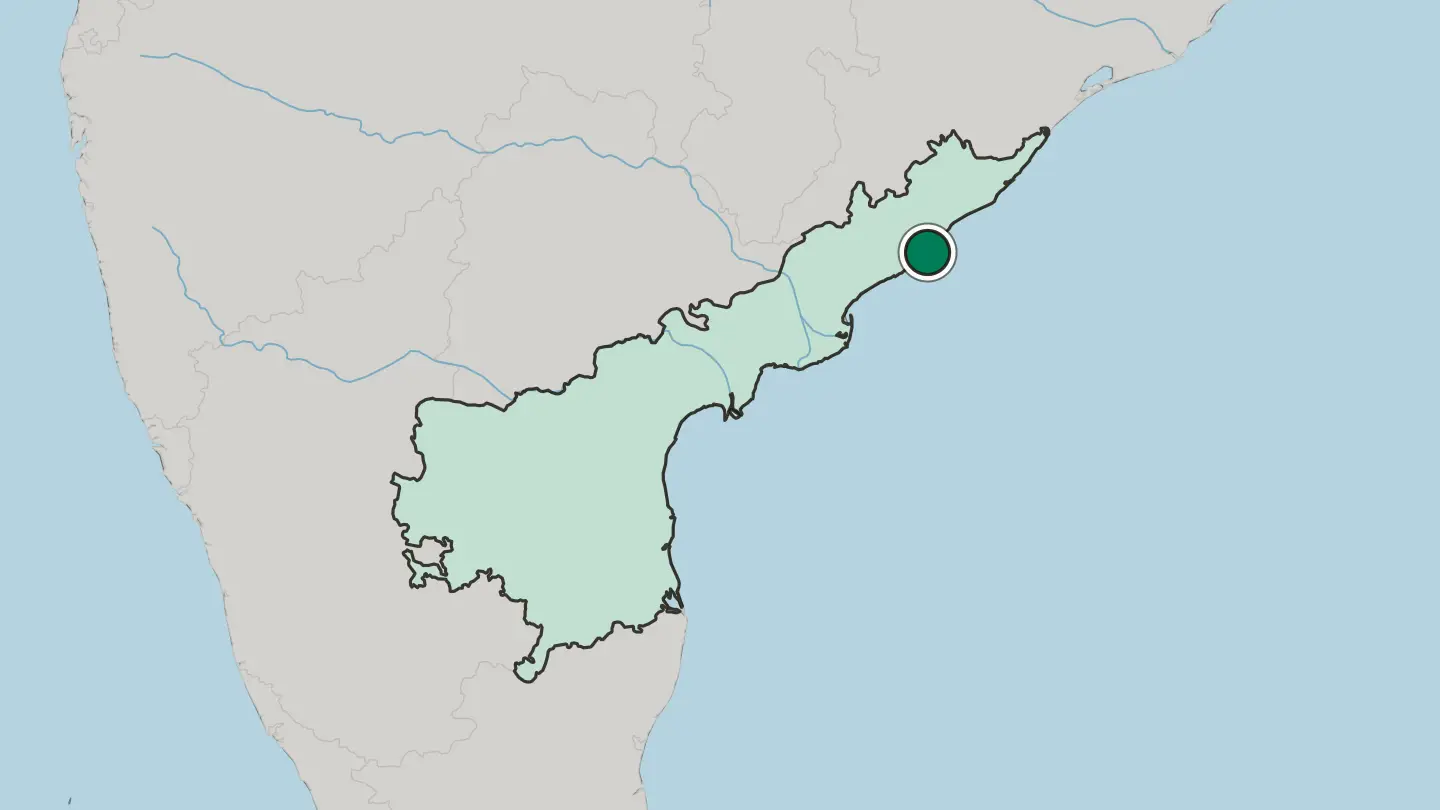 India
India
Guntur
Guntur, once Garthapuri, is the headquarters of Guntur district in Andhra Pradesh and a trade hub for chili, cotton and tobacco.Where to stay →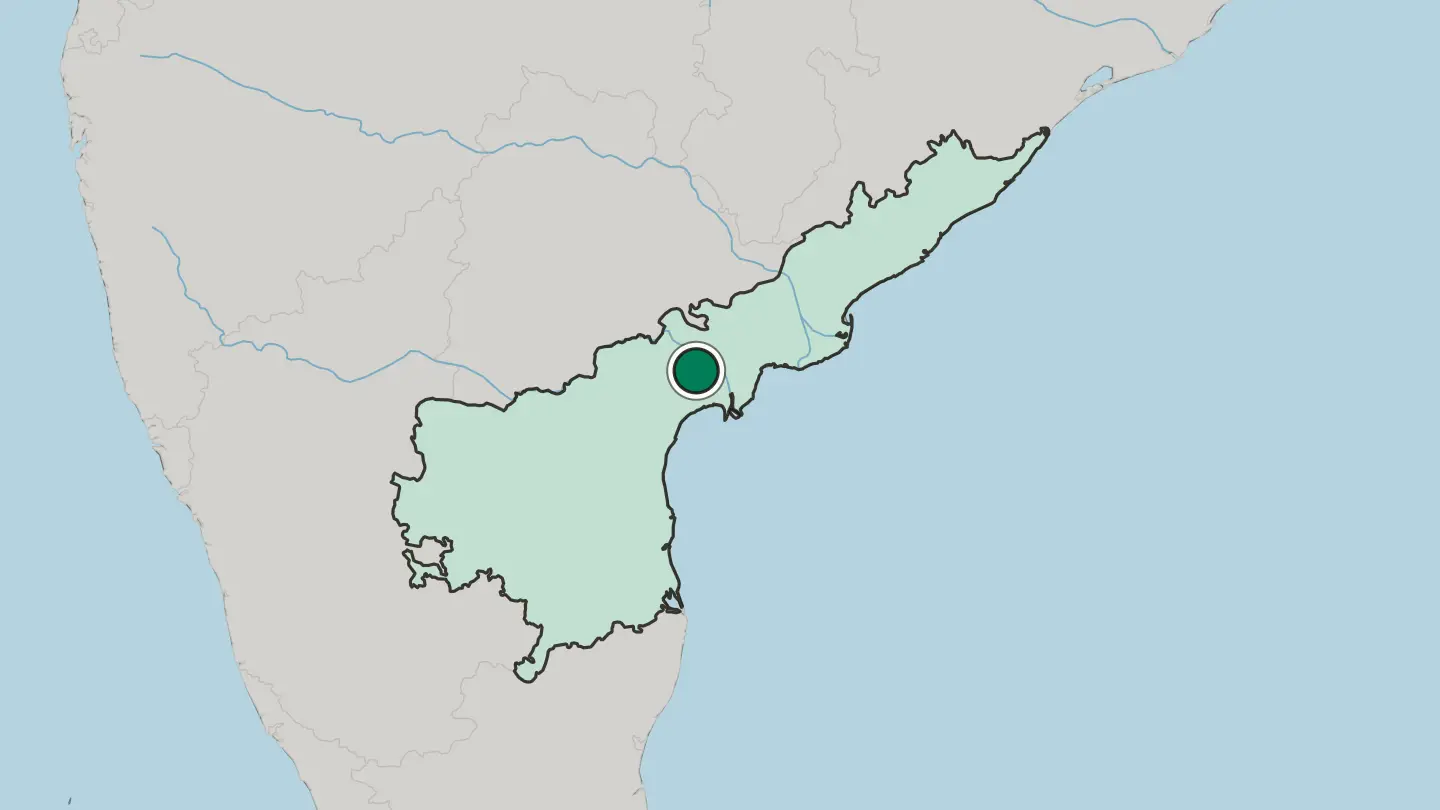 India
India
Nellore
Nellore, also spelt Nelluru, sits on the banks of the Penna River in Andhra Pradesh, a district seat about 170 km north of Chennai.Where to stay →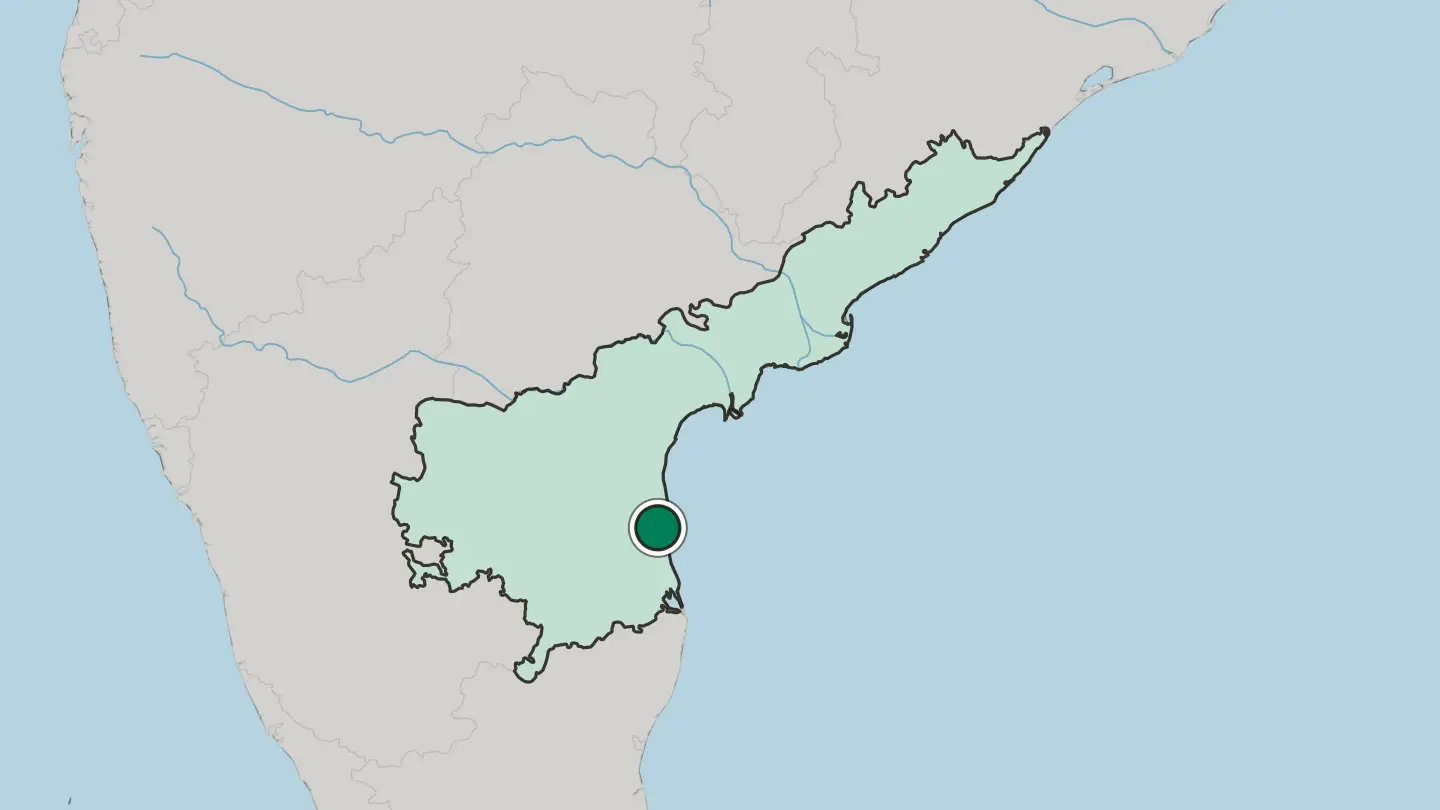
 India
India
Kurnool
Kurnool stands on the banks of the Tungabhadra in Rayalaseema, its 16th-century Konda Reddy Fort marking where the modern city began.Where to stay →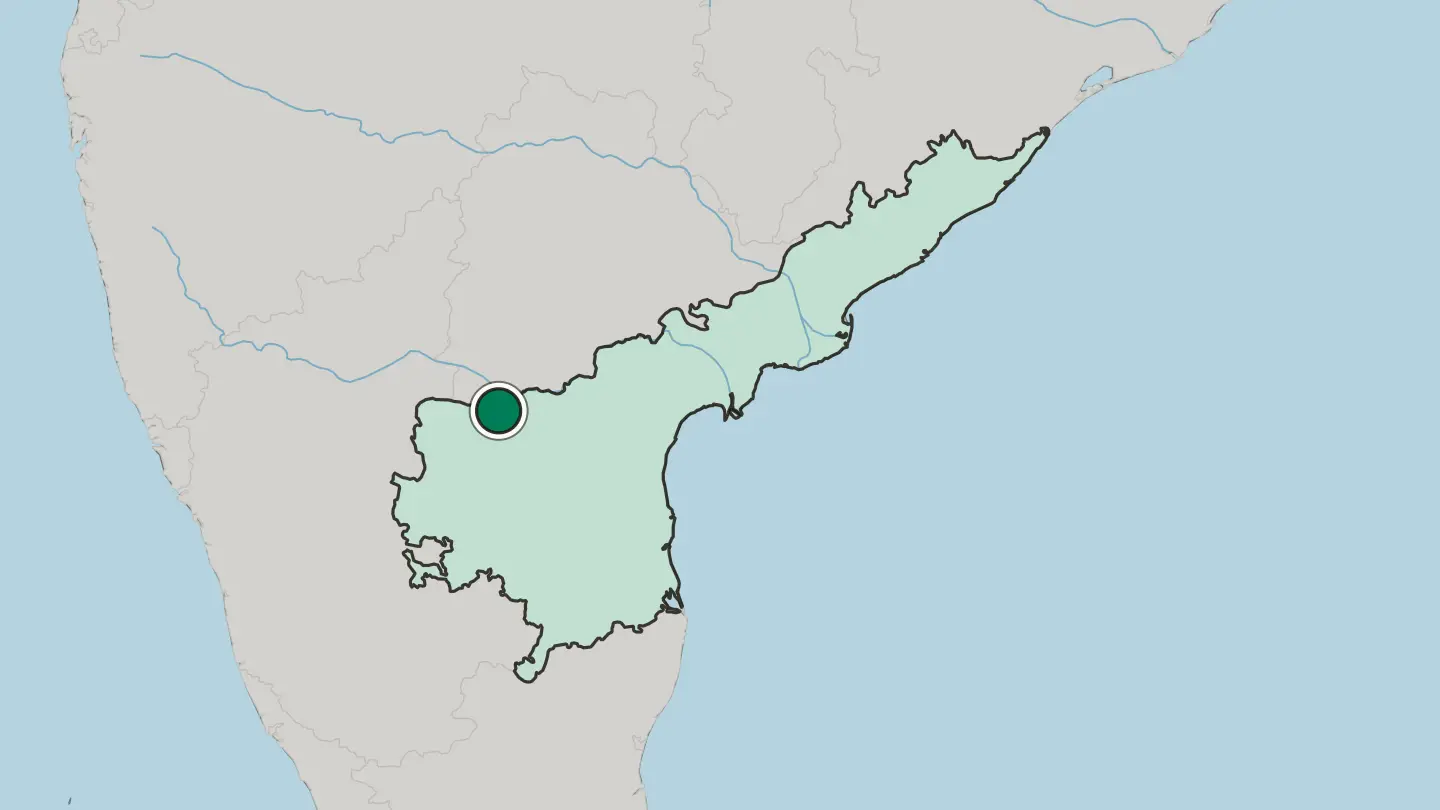
 India
India
Kākināda
Kākināda is a port city on the Bay of Bengal, laid out across the Godavari Delta of Andhra Pradesh and known for its ordered plan.Where to stay →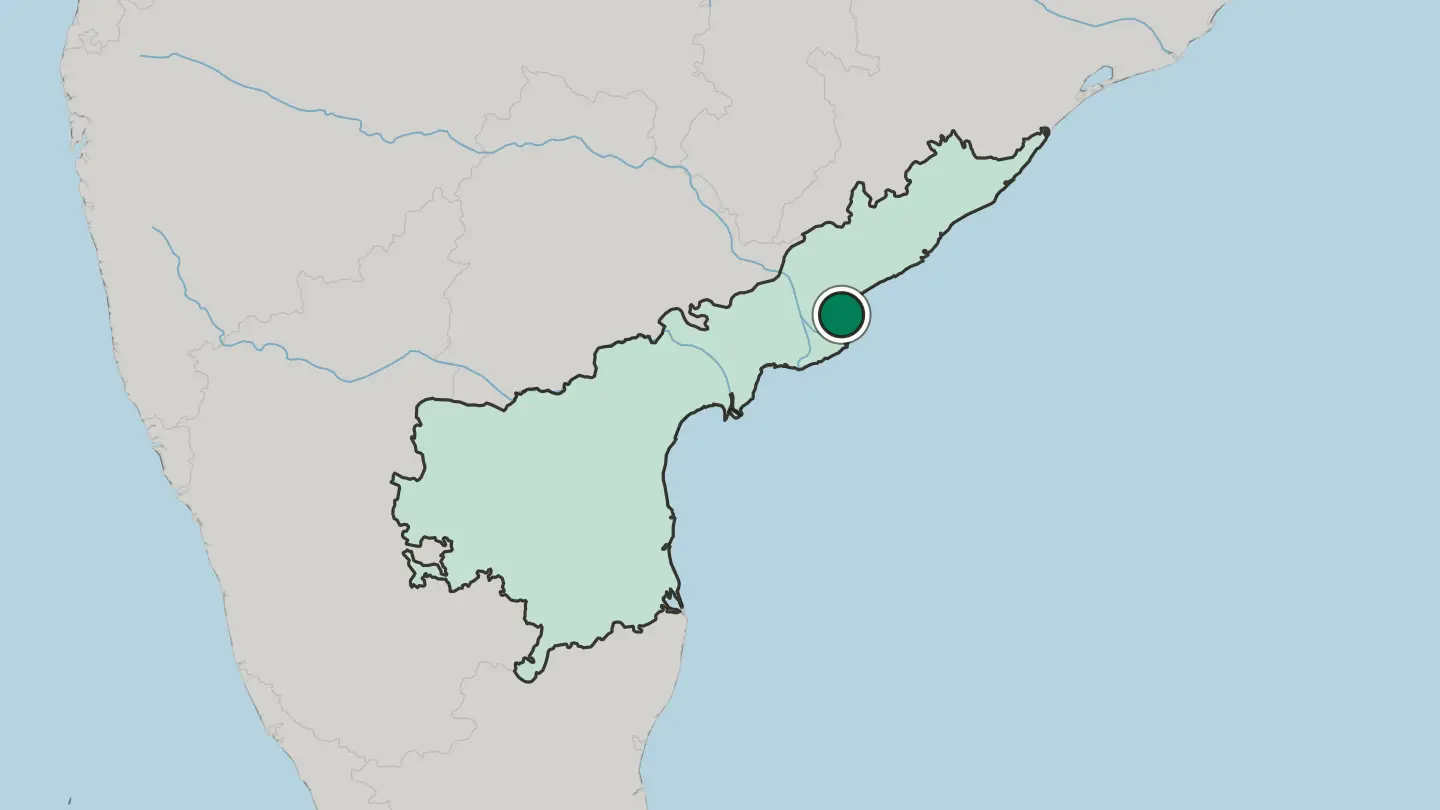
 India
India
Rajamahendravaram
Rajamahendravaram, also called Rajahmundry, is the seat of East Godavari district and the cultural capital of Andhra Pradesh.Where to stay →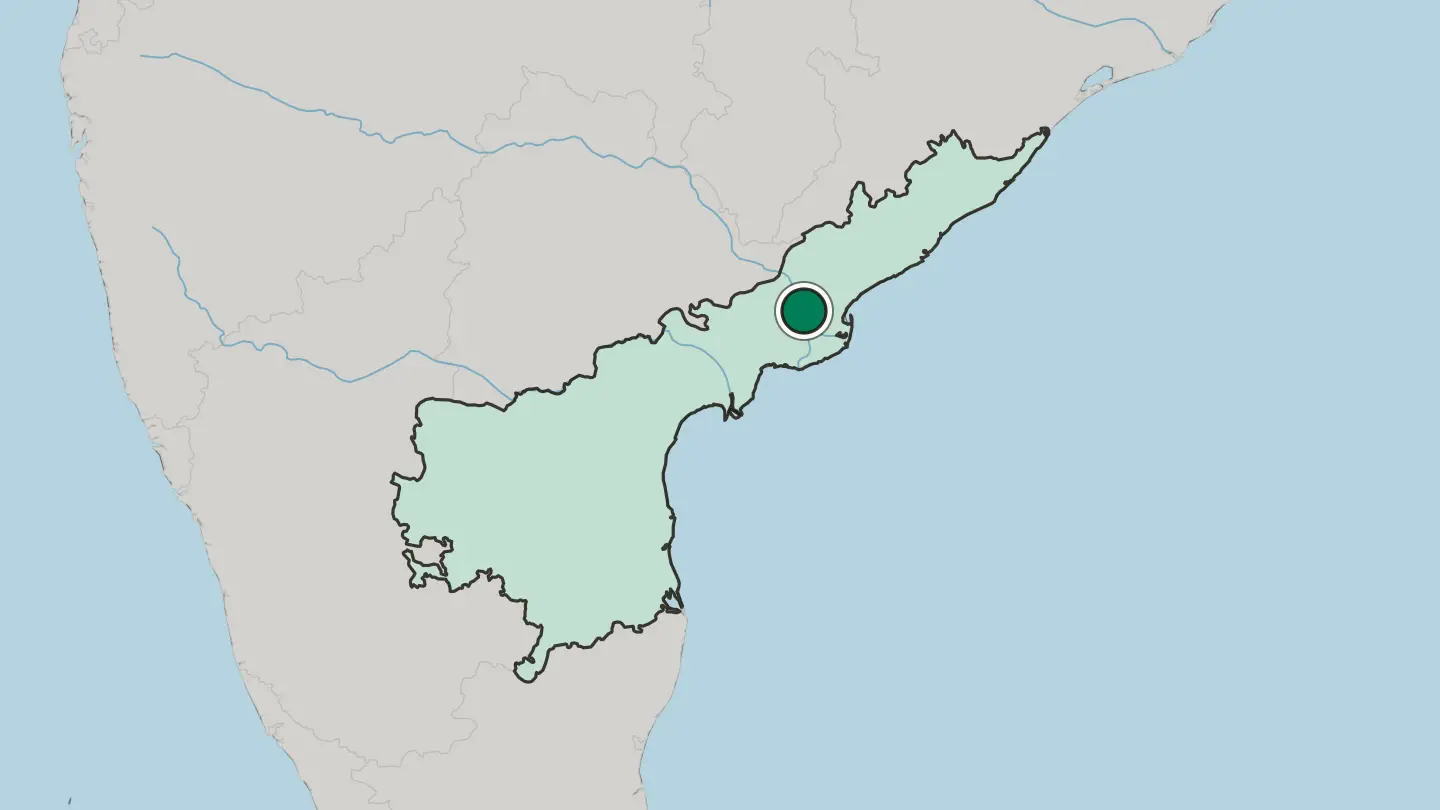 India
India
Kadapa
Kadapa, also called Cuddapah, stands in the Rayalaseema country of Andhra Pradesh, enclosed on three sides by the Nallamala and Palkonda Hills.Where to stay →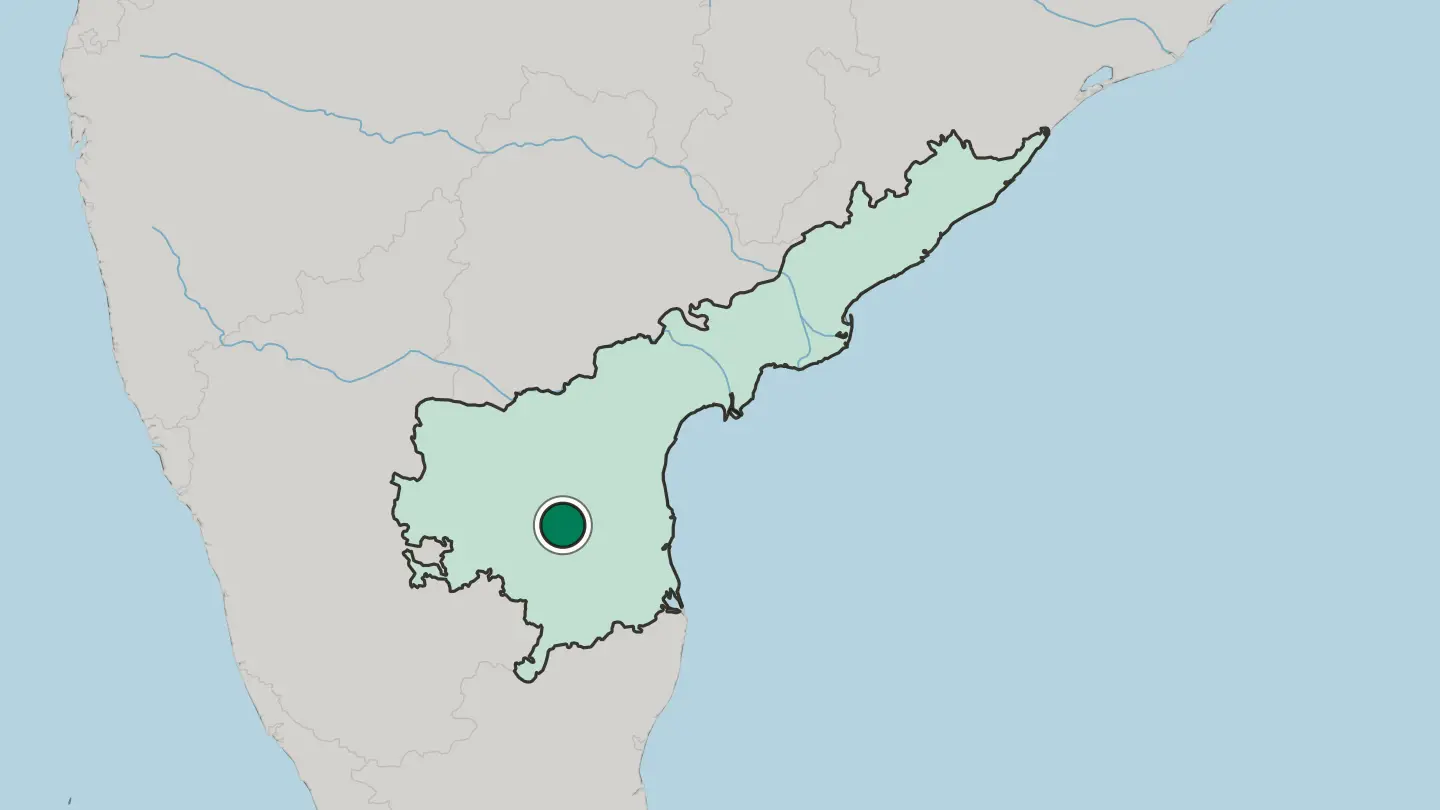
All towns & cities (35)
 India
India
Tirupati
The Sri Venkateswara Temple crowns the Tirumala hills above Tirupati, a pilgrimage city in Andhra Pradesh devoted to Vishnu.Where to stay →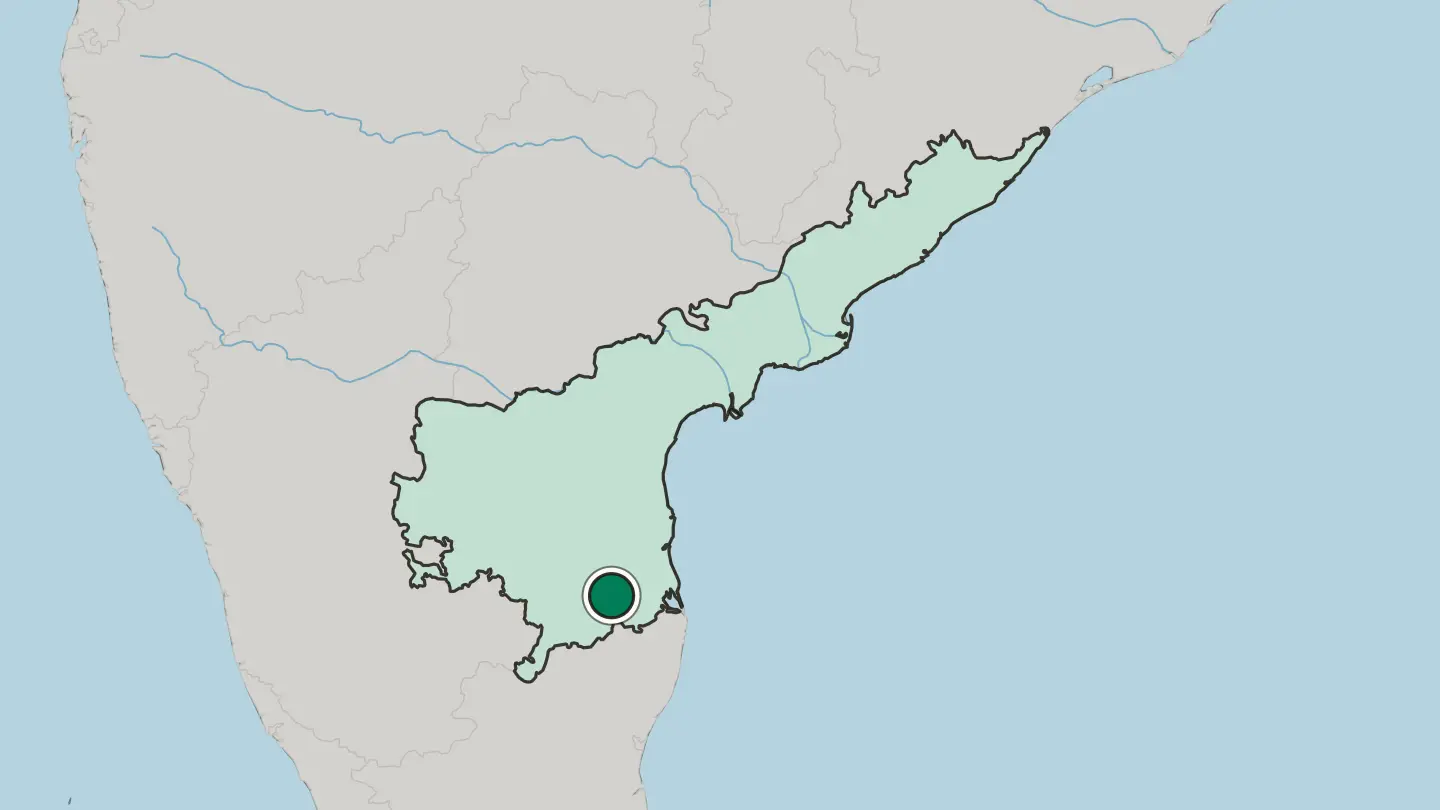 India
India
Anantapur
Anantapur, officially Ananthapuramu, is the seat of Anantapur district in Andhra Pradesh and stands on National Highway 44.Where to stay →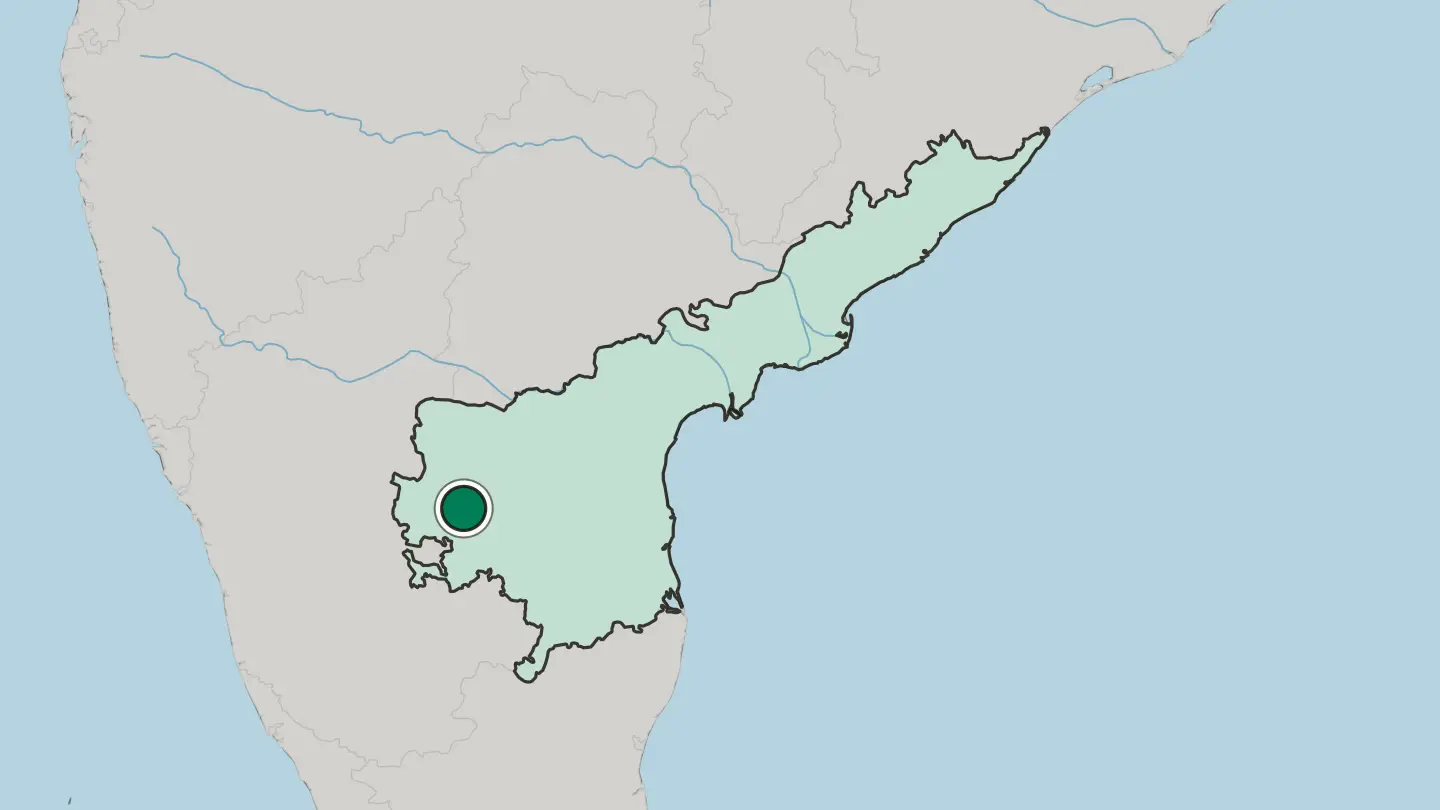
 India
India
Vizianagaram
Vizianagaram stands in the Eastern Ghats of Andhra Pradesh, inland from the Bay of Bengal and long the seat of the Pusapati rulers.Where to stay →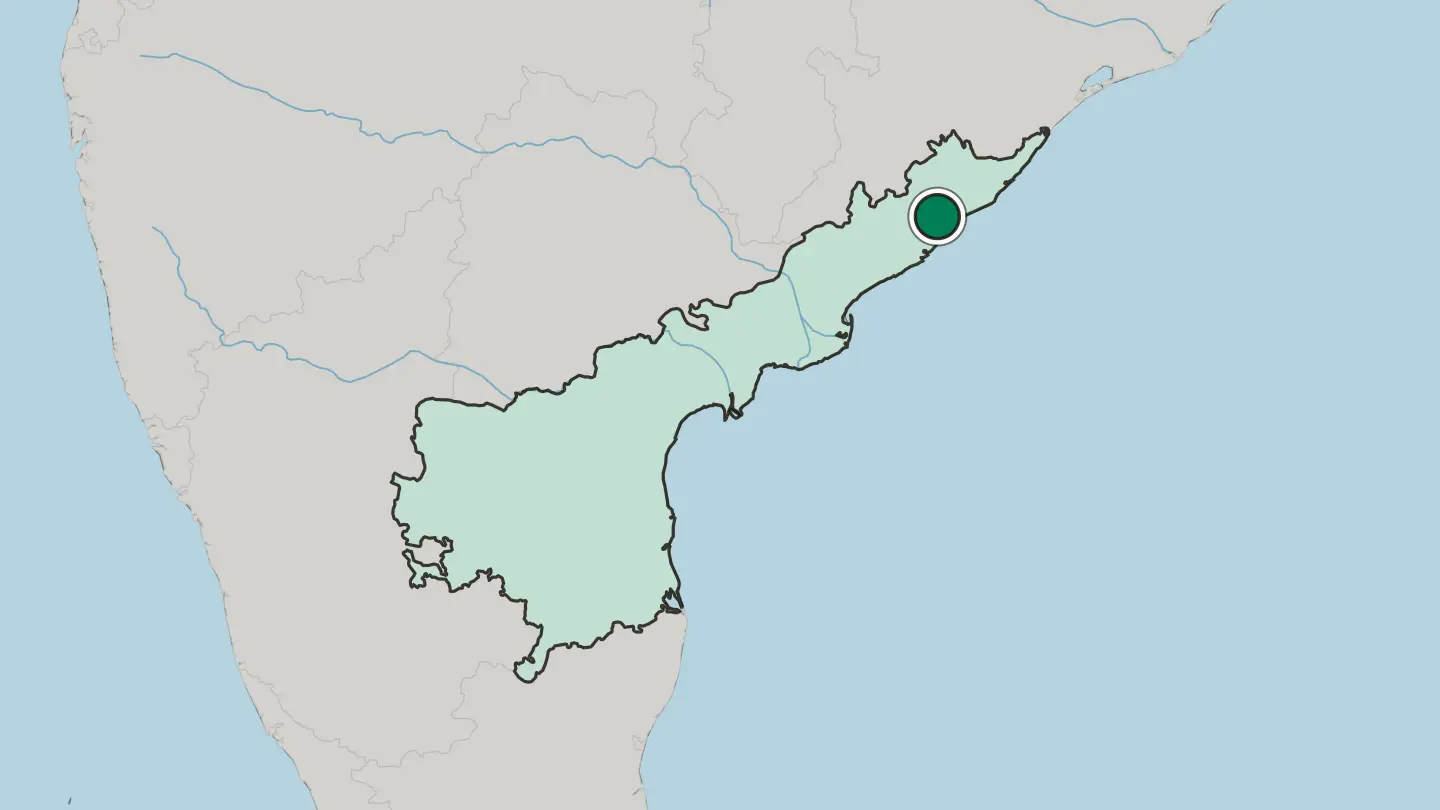
 India
India
Eluru
Eluru, once Ellore and earlier Helapuri, stands on the Tammileru River as the headquarters of Eluru district in Andhra Pradesh.Where to stay →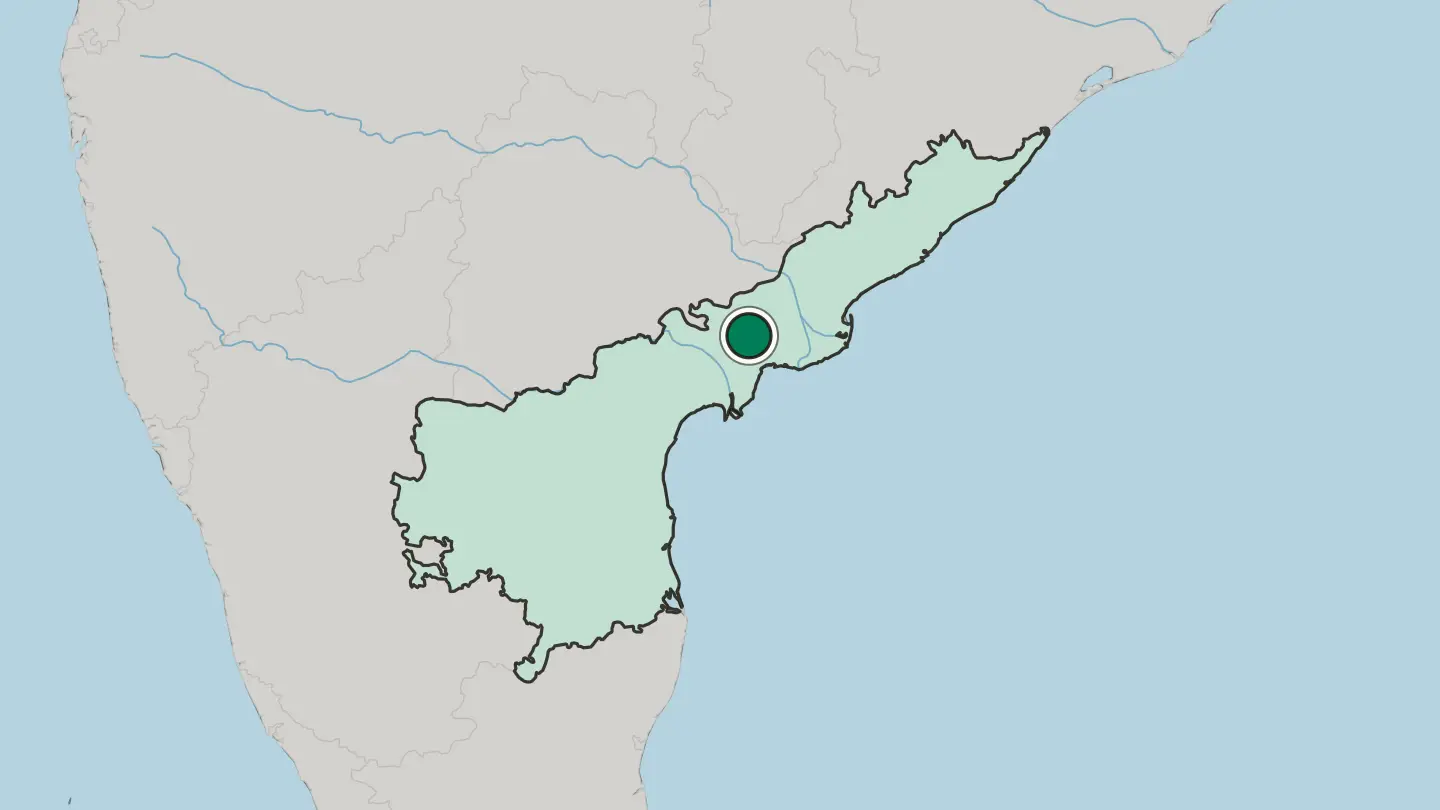 India
India
Nandyāl
Nandyāl is the administrative headquarters of Nandyal district in the Rayalaseema region of Andhra Pradesh, ringed by the Nallamala and Erramala ranges.Where to stay →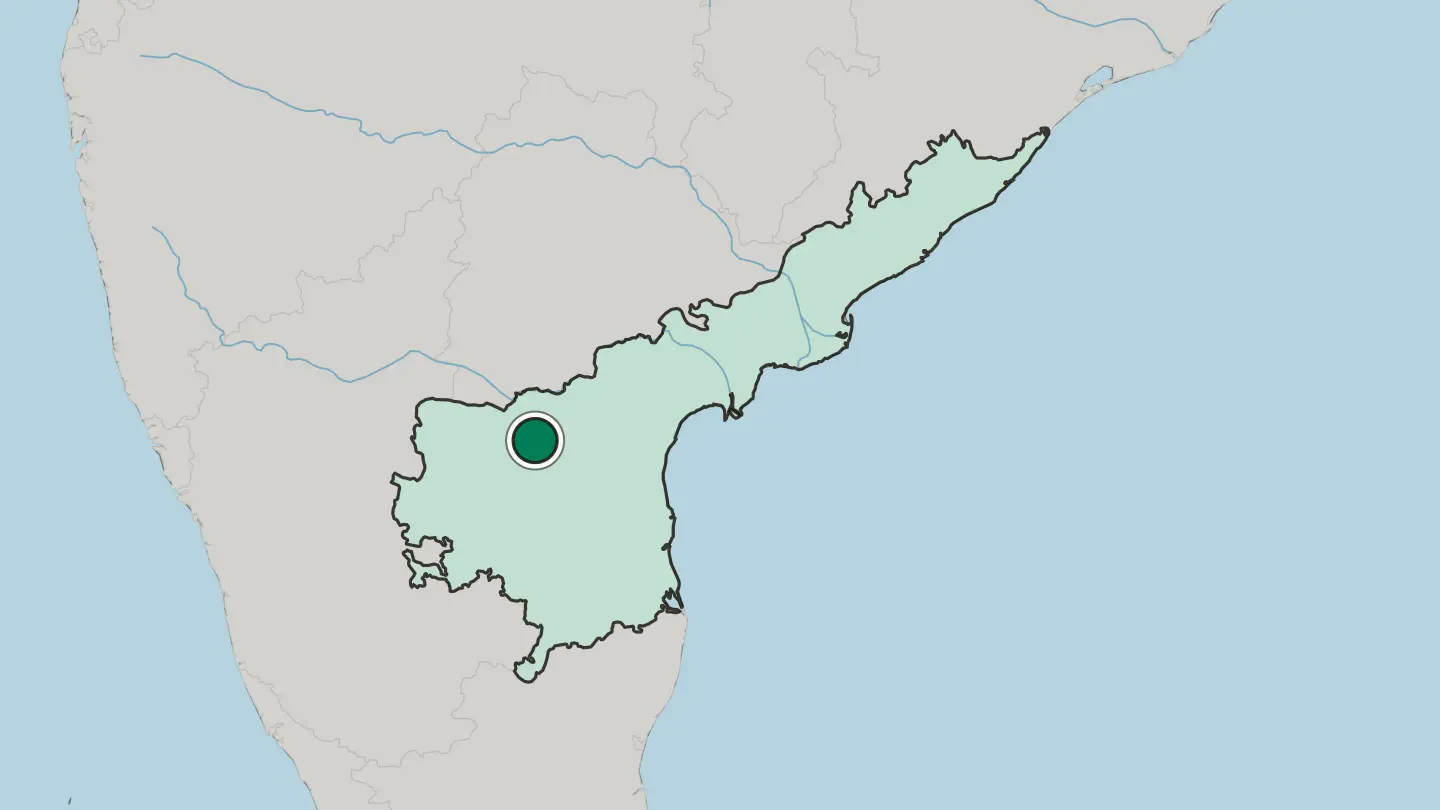
 India
India
Ongole
Ongole, natively Ongolu, is the headquarters of Prakasam district in Andhra Pradesh, and the town whose name a breed of oxen carries.Where to stay →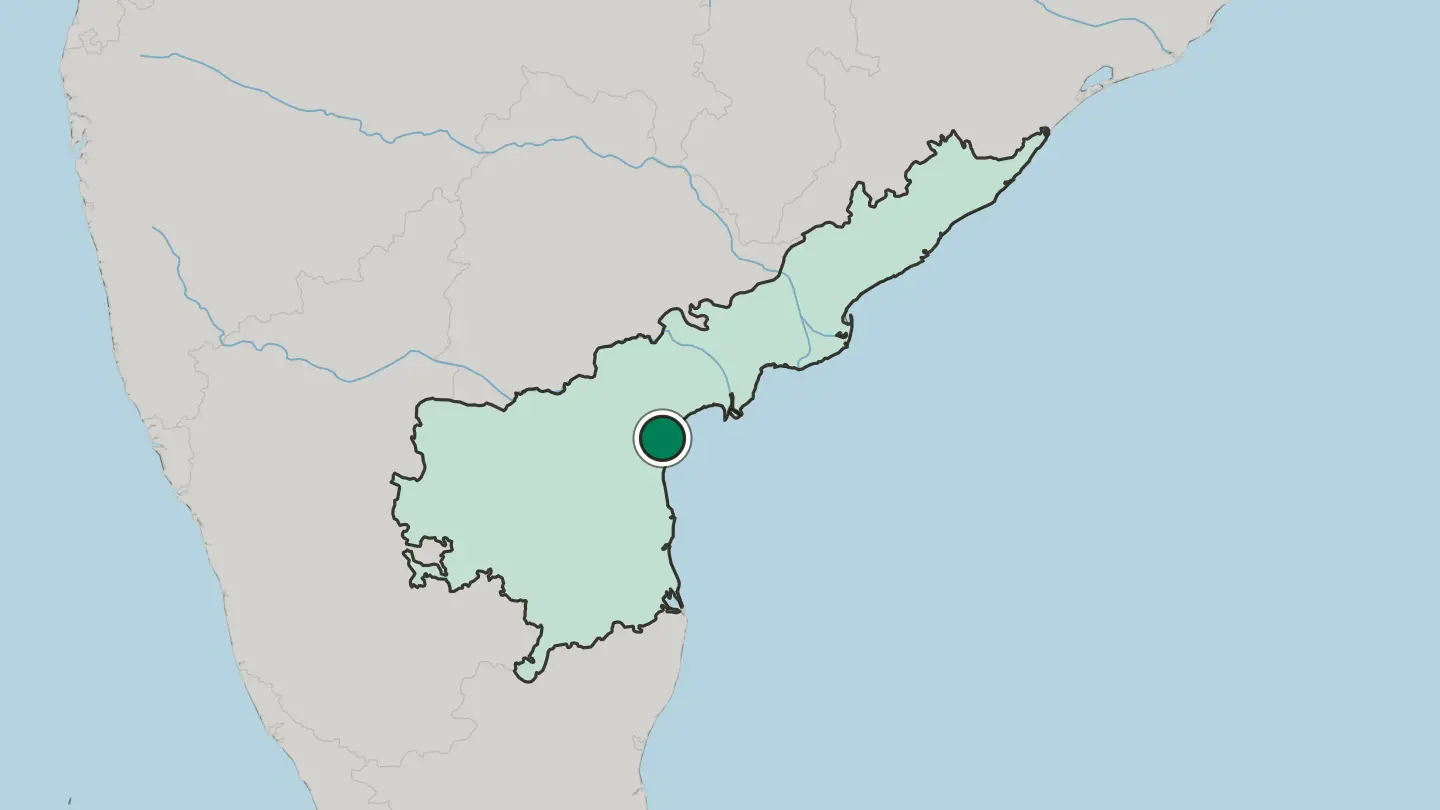 India
India
Machilīpatnam
Machilīpatnam, also called Masulipatnam or Bandar, is an ancient port town on the coast of Krishna district in Andhra Pradesh.Where to stay →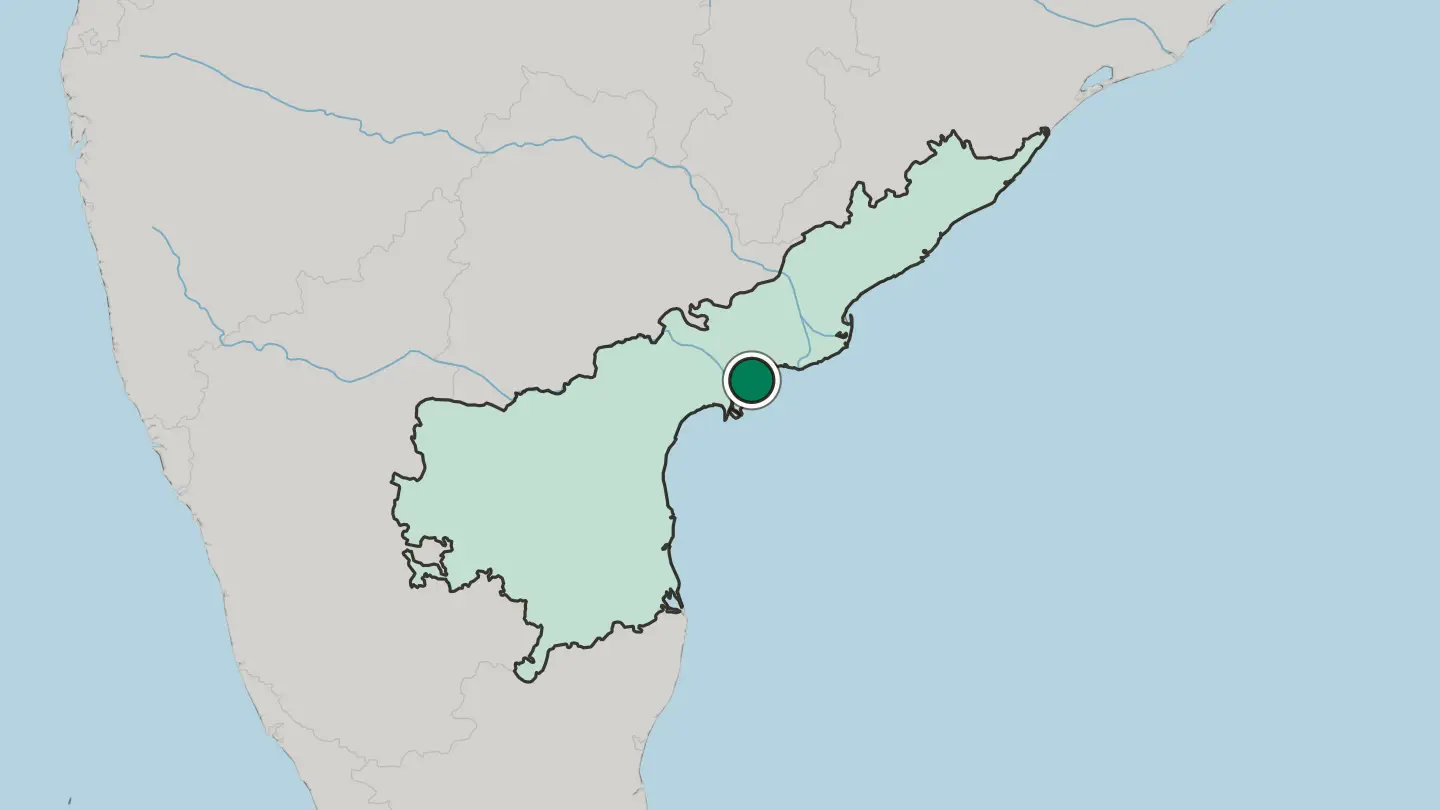 India
India
Adoni
Adoni, also written Adavani, is a Kurnool district municipality in Andhra Pradesh and headquarters of its two mandals.Where to stay →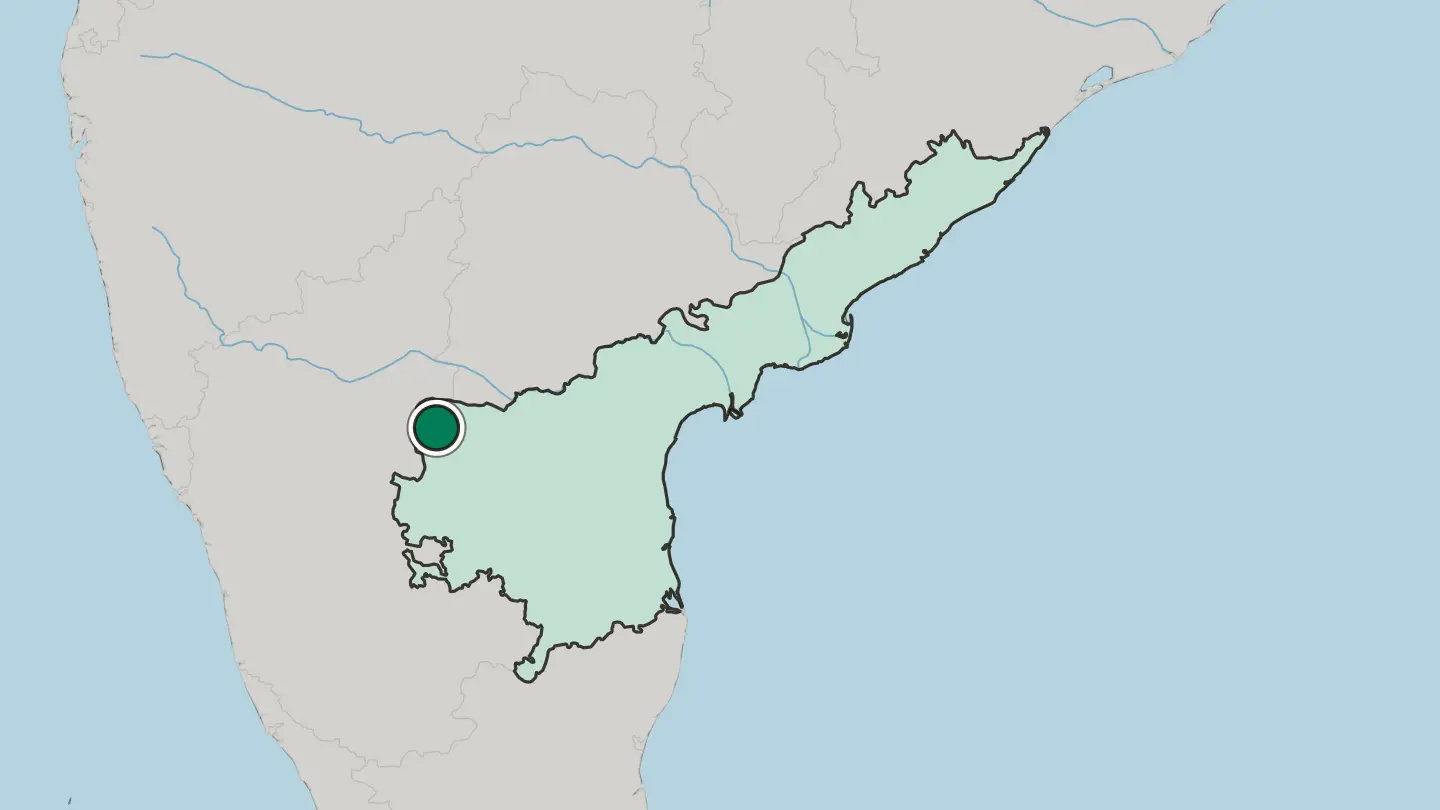
 India
India
Madanapalle
Madanapalle is the seat of Annamayya district, a Rayalaseema town on the undulating Deccan Plateau of Andhra Pradesh.Where to stay →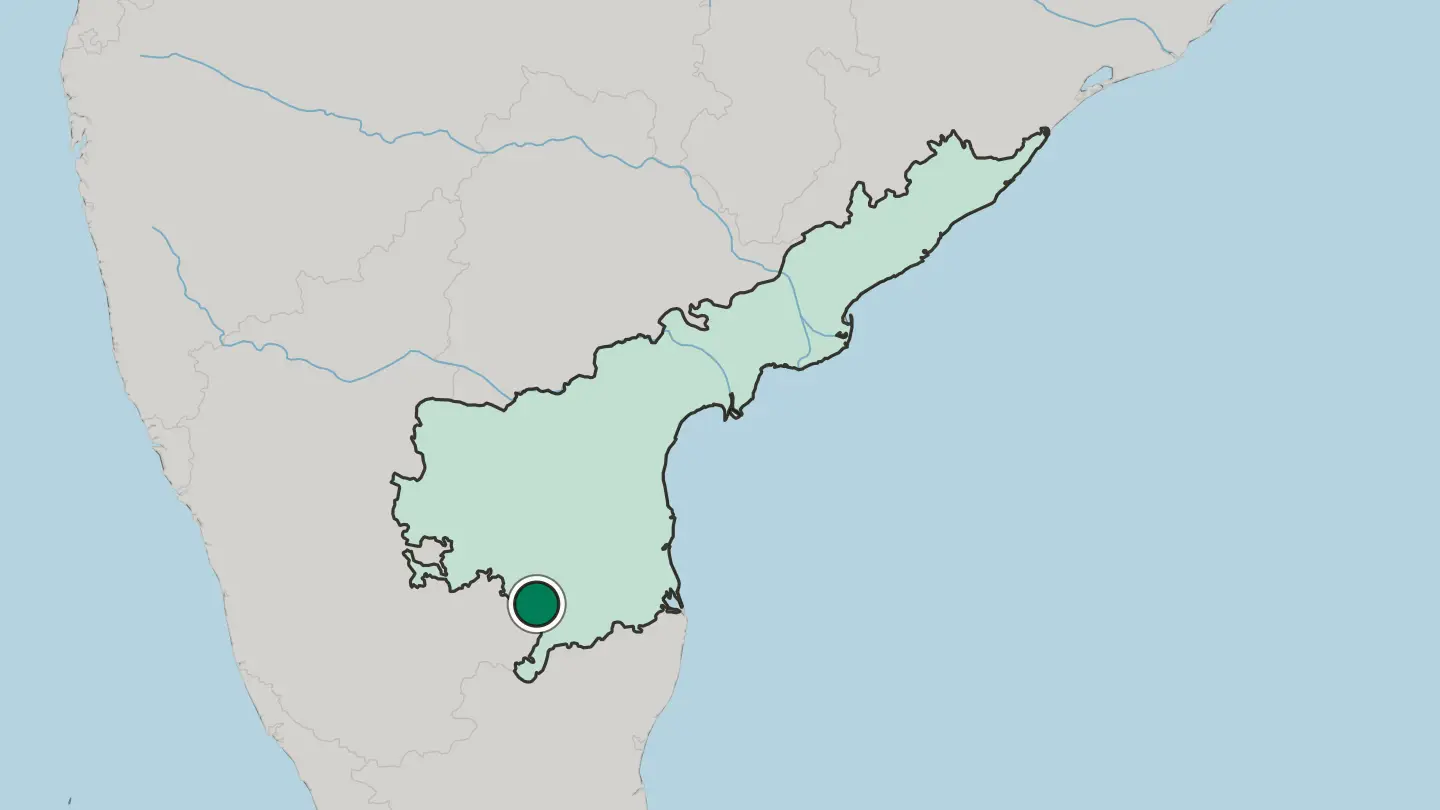 India
India
Thenali
Thenali, the Andhra Paris of Guntur district, is a canal town and railway junction known for its art, culture, and drama.Where to stay →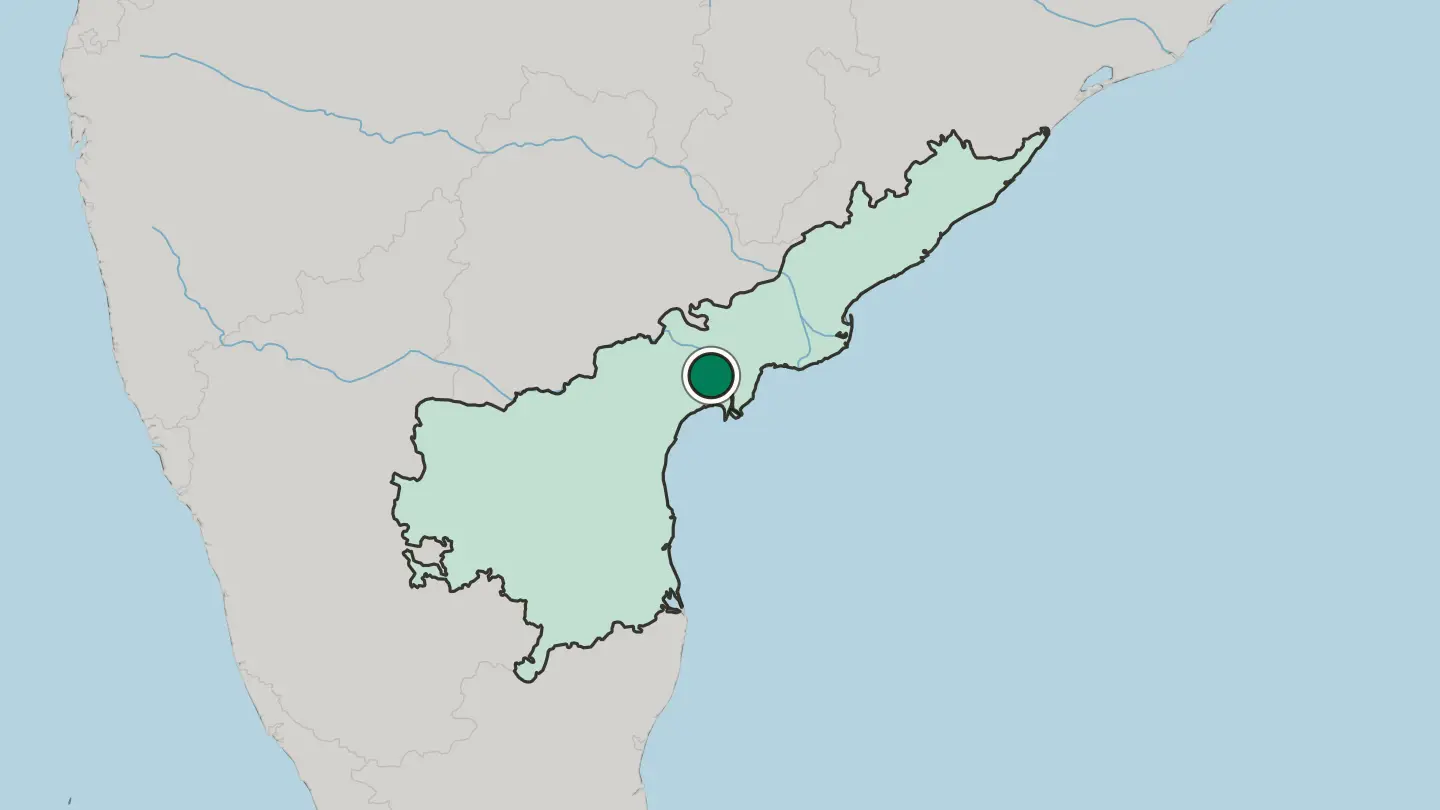 India
India
Chittoor
Chittoor is the headquarters of Chittoor district in Andhra Pradesh, a city that lends its name to the mandal and revenue division around it.Where to stay →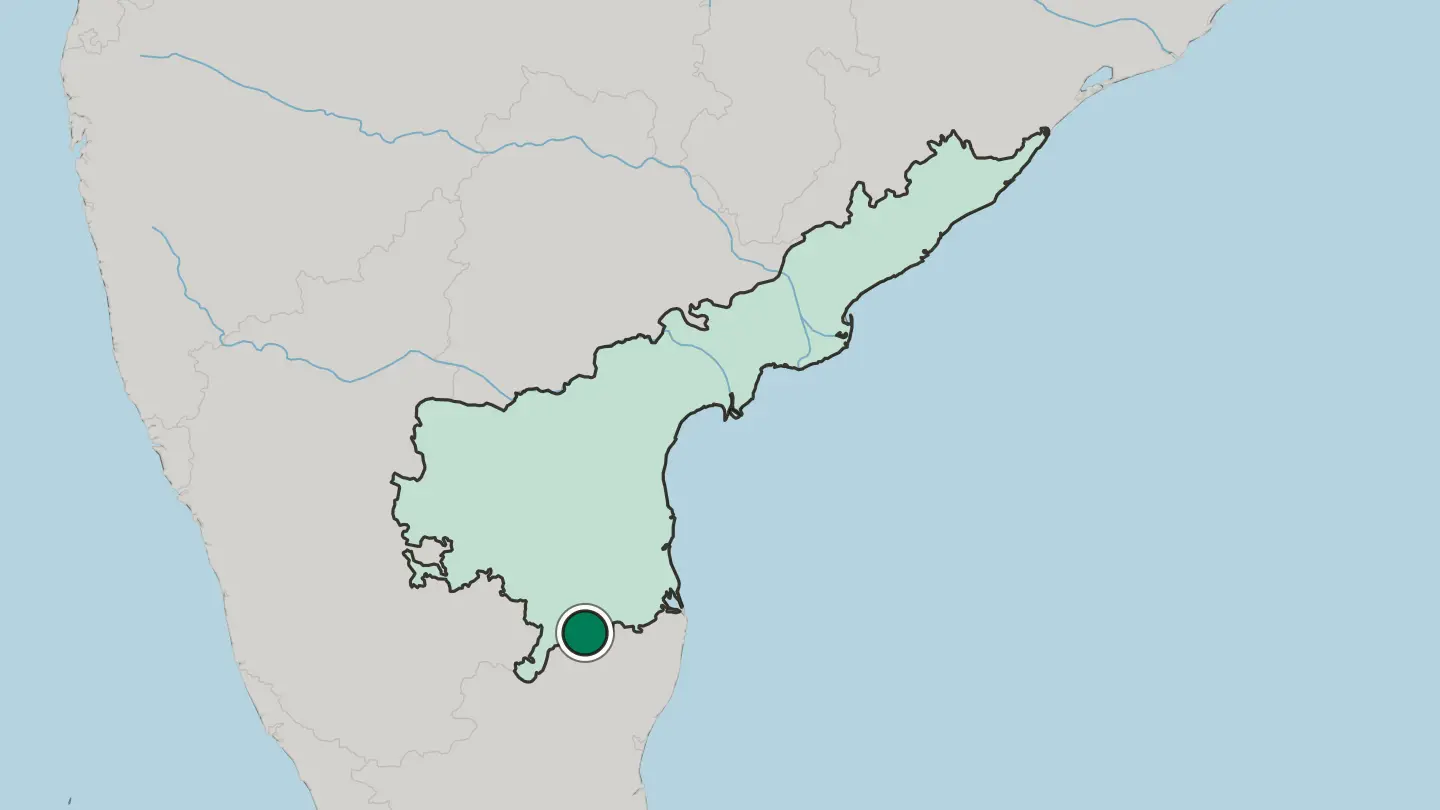 India
India
Hindupur
Hindupur, also written Hindupuram, is the largest city in Sri Sathya Sai district, close to the Andhra-Karnataka border in Andhra Pradesh.Where to stay →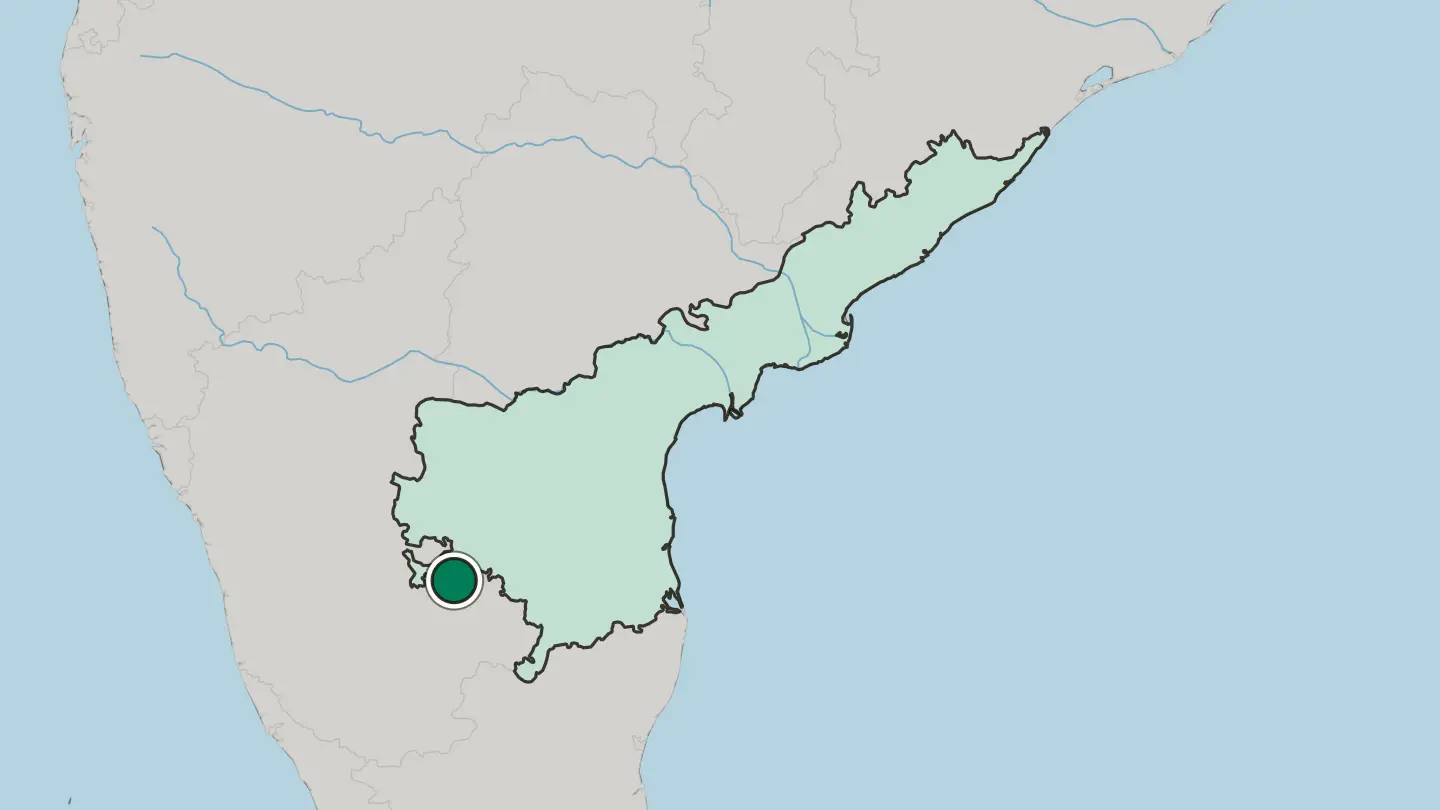 India
India
Srikakulam
Srikakulam, Chicacole in colonial times, heads Srikakulam district in Andhra Pradesh and the ring of Buddhist sites around it.Where to stay →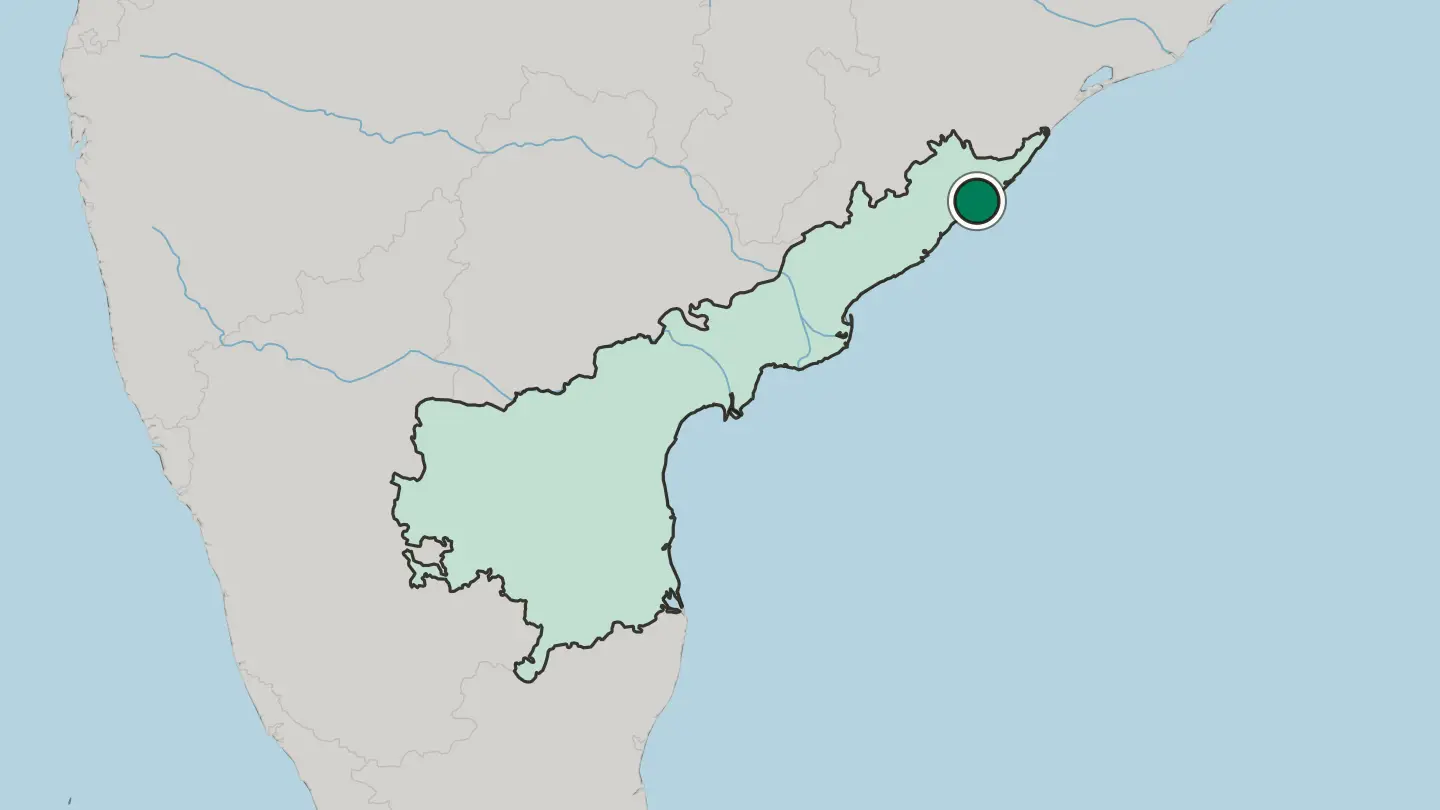 India
India
Dharmavaram
Dharmavaram is a weaving town in Sri Sathya Sai district, Andhra Pradesh, whose handloom silk sarees carry its name well past the state.Where to stay →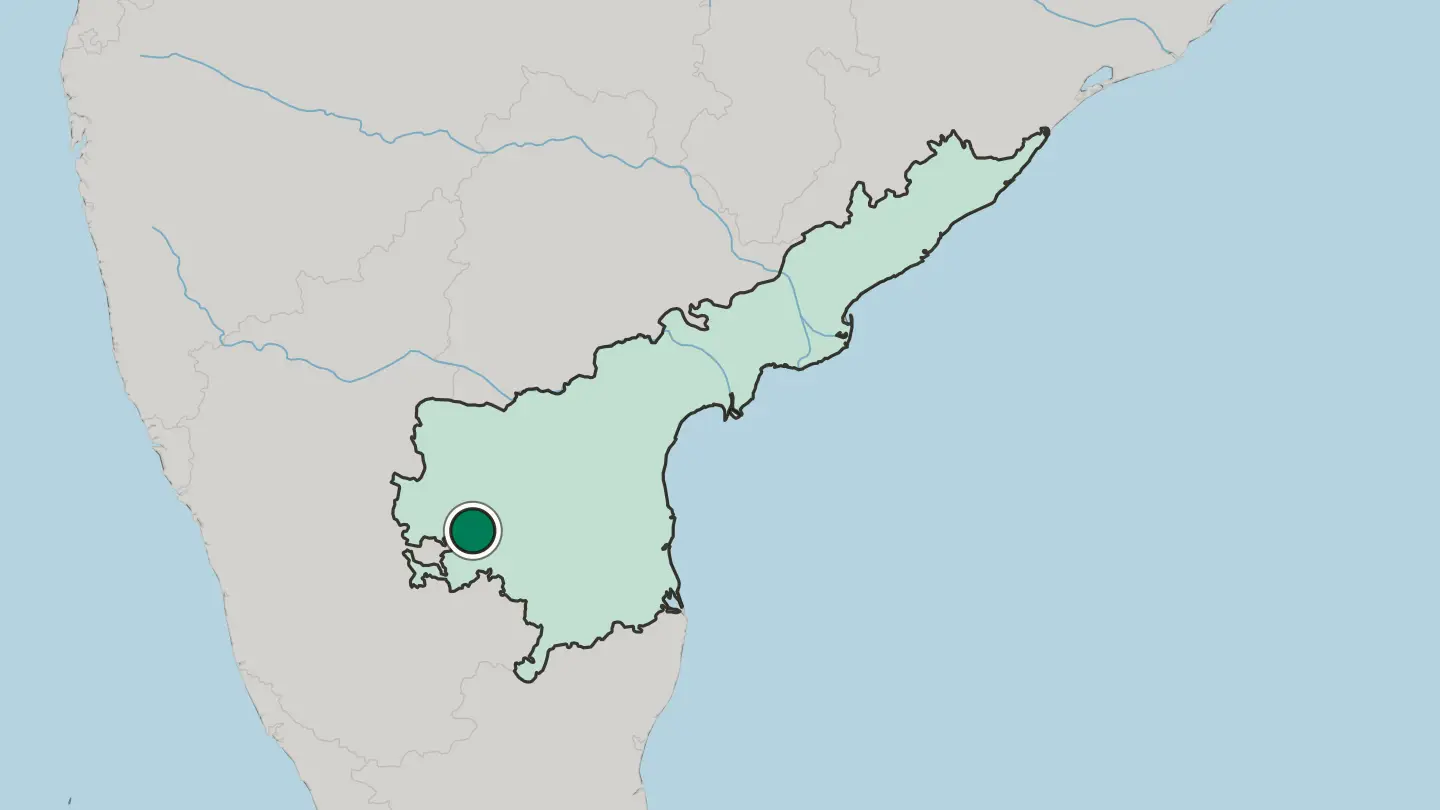
 India
India
Narasaraopet
Narasaraopet, headquarters of Palnadu District in Andhra Pradesh, is a municipality and court town holding the holy site of Kotappakonda.Where to stay →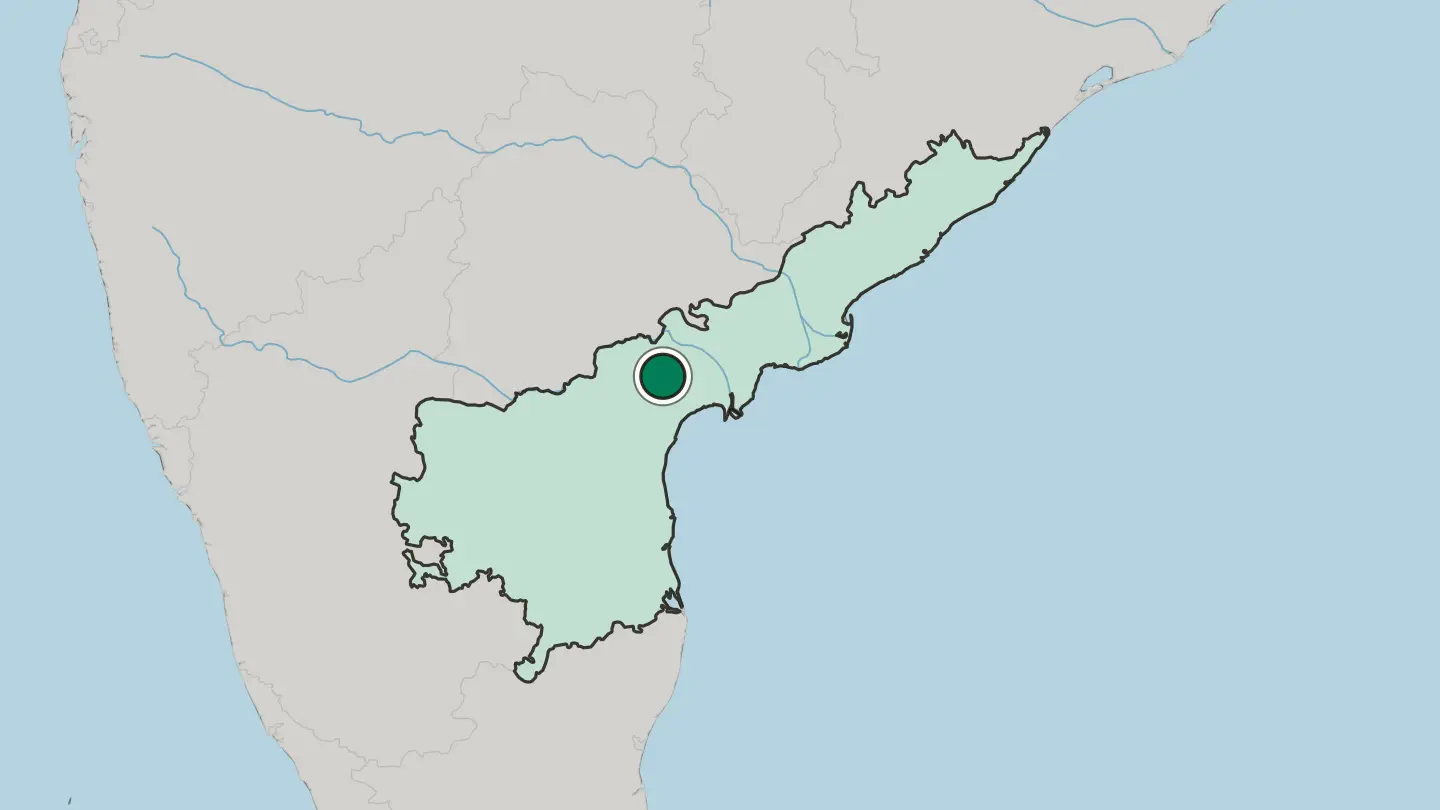 India
India
Tadepalligudem
Tadepalligudem, the judicial headquarter of West Godavari, is a Selection Grade municipality and one of the district's largest towns.Where to stay →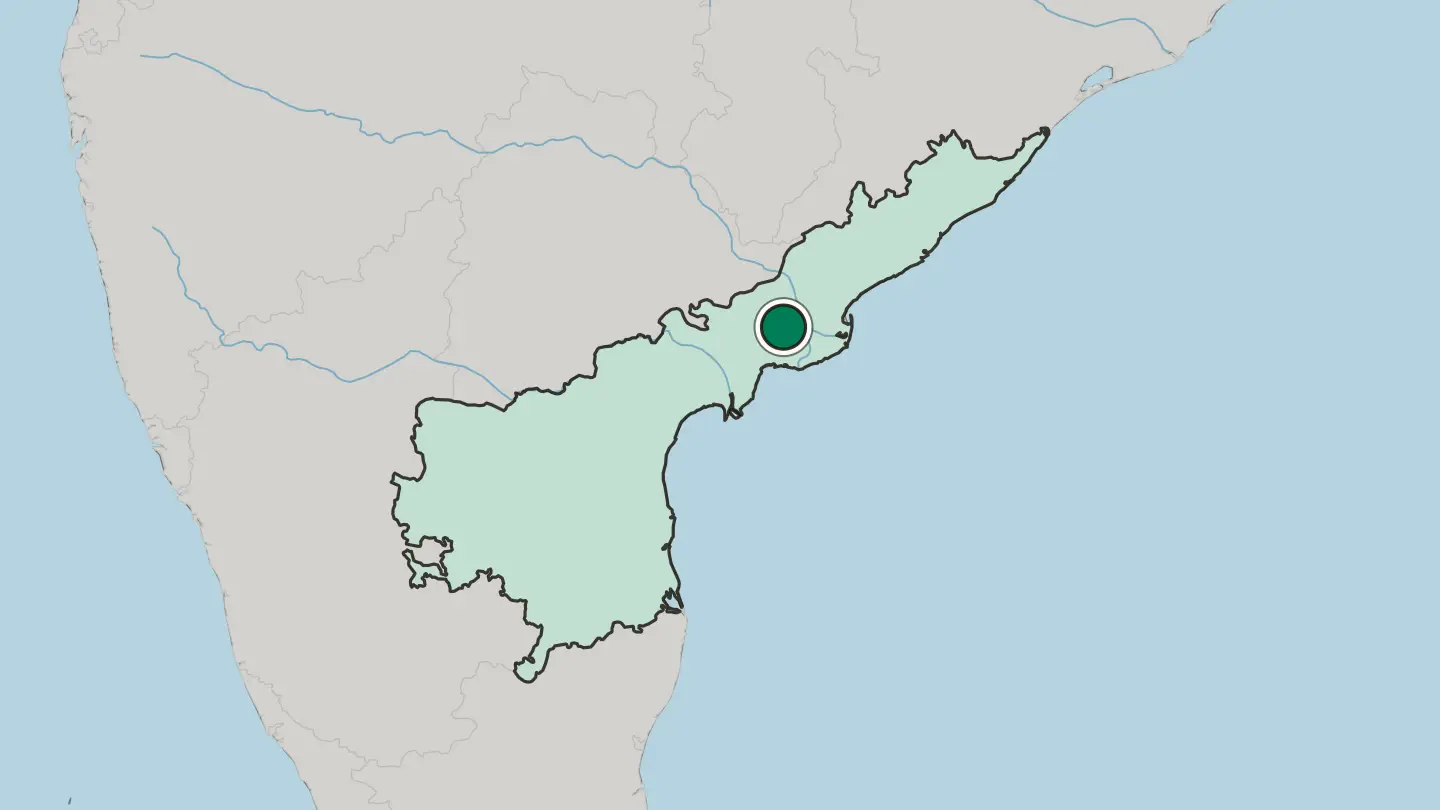
 India
India
Mangalagiri
Mangalagiri is one of the two cities of Guntur district, Andhra Pradesh, joined with Tadepalli in 2021 and standing on National Highway 16.Where to stay →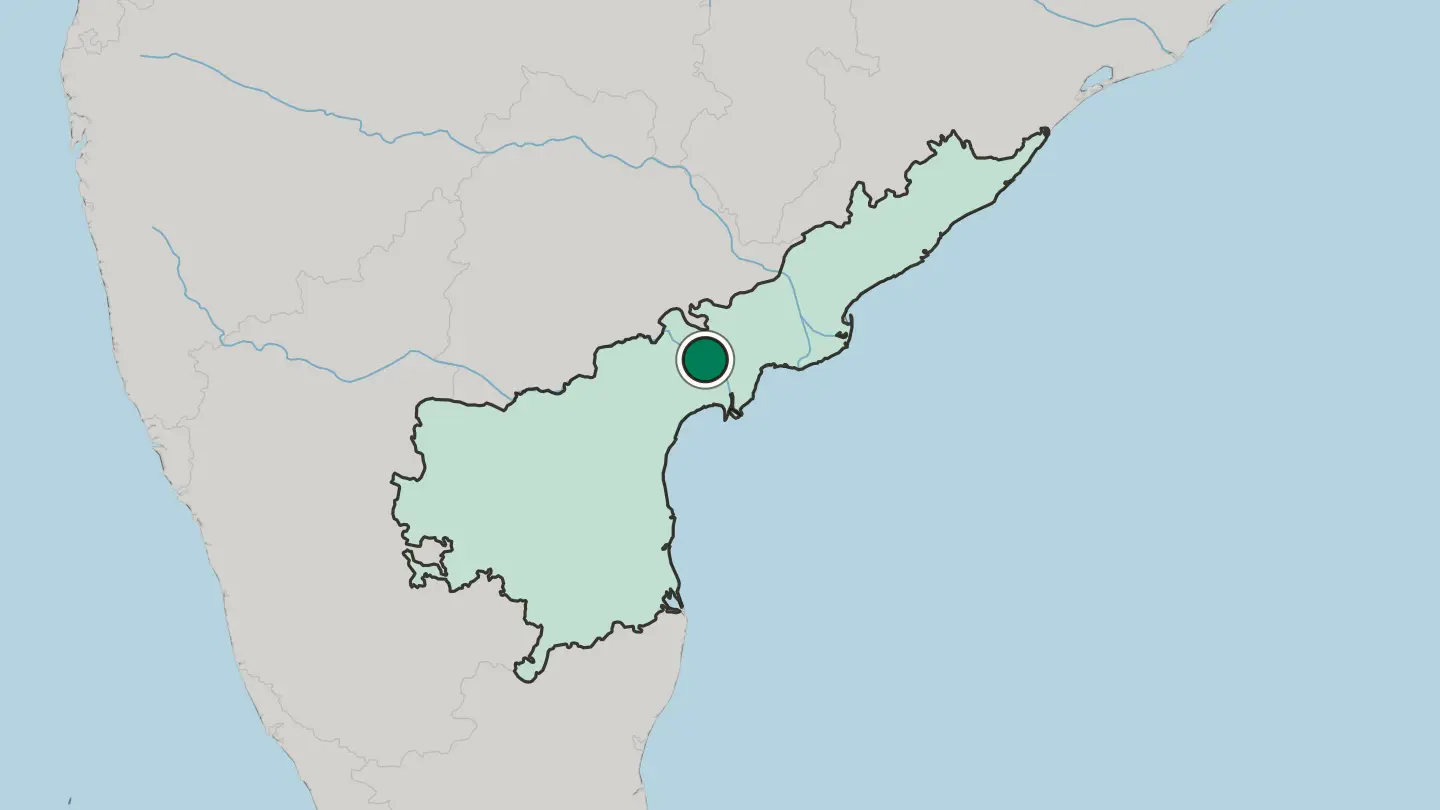
 India
India
Amaravati
Amaravati is the capital of Andhra Pradesh, set on the right bank of the Krishna River near the ancient site of Amaravathi, and founded in 2015.Where to stay →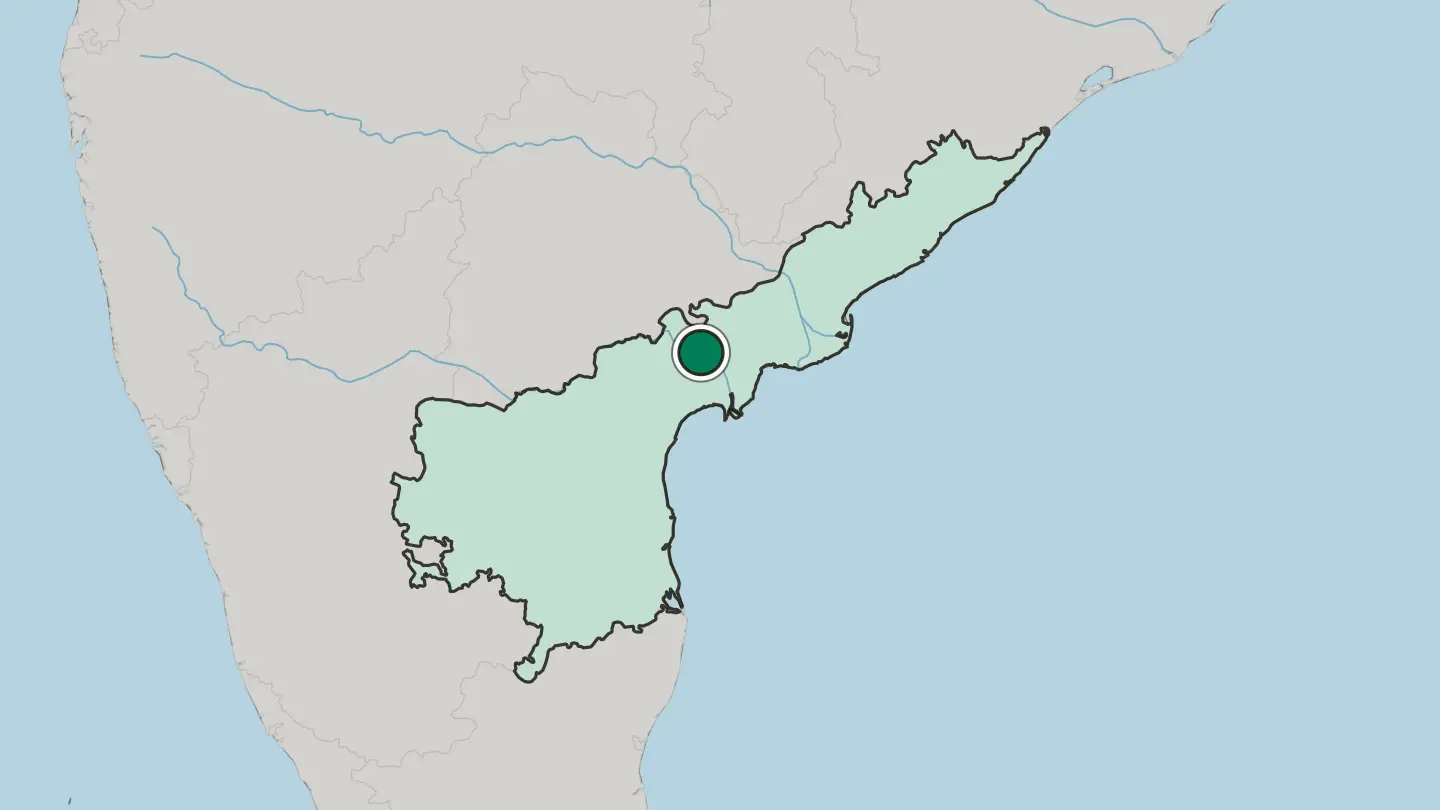
 India
India
Chīrāla
Chīrāla is a coastal city in Bāpatla district, Andhra Pradesh, a municipality that serves as headquarters of Chīrāla mandal and its revenue division.Where to stay →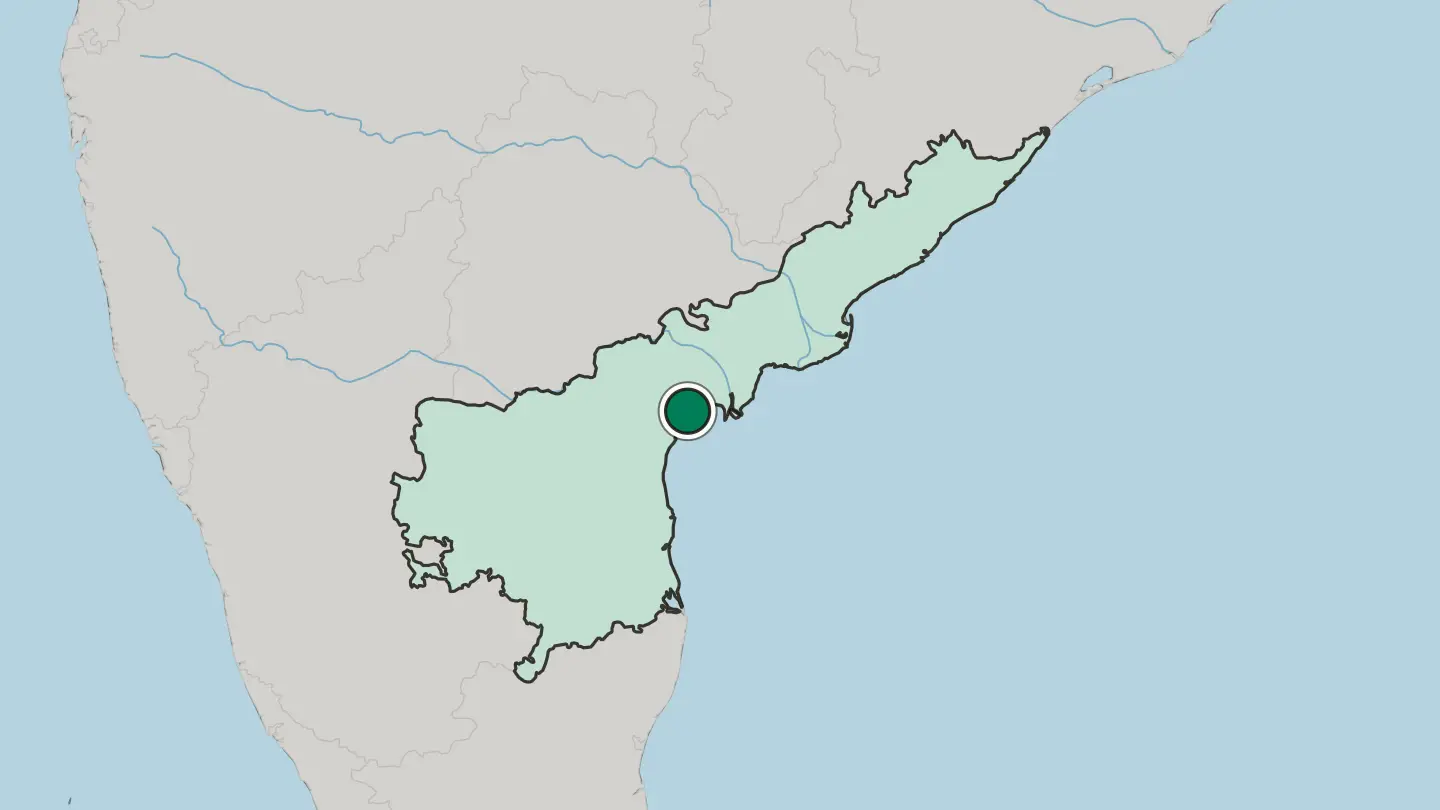 India
India
Rayachoti
Rayachoti, one of the oldest towns of Andhra Pradesh, headed Annamayya district and remains the seat of its own revenue division.Where to stay →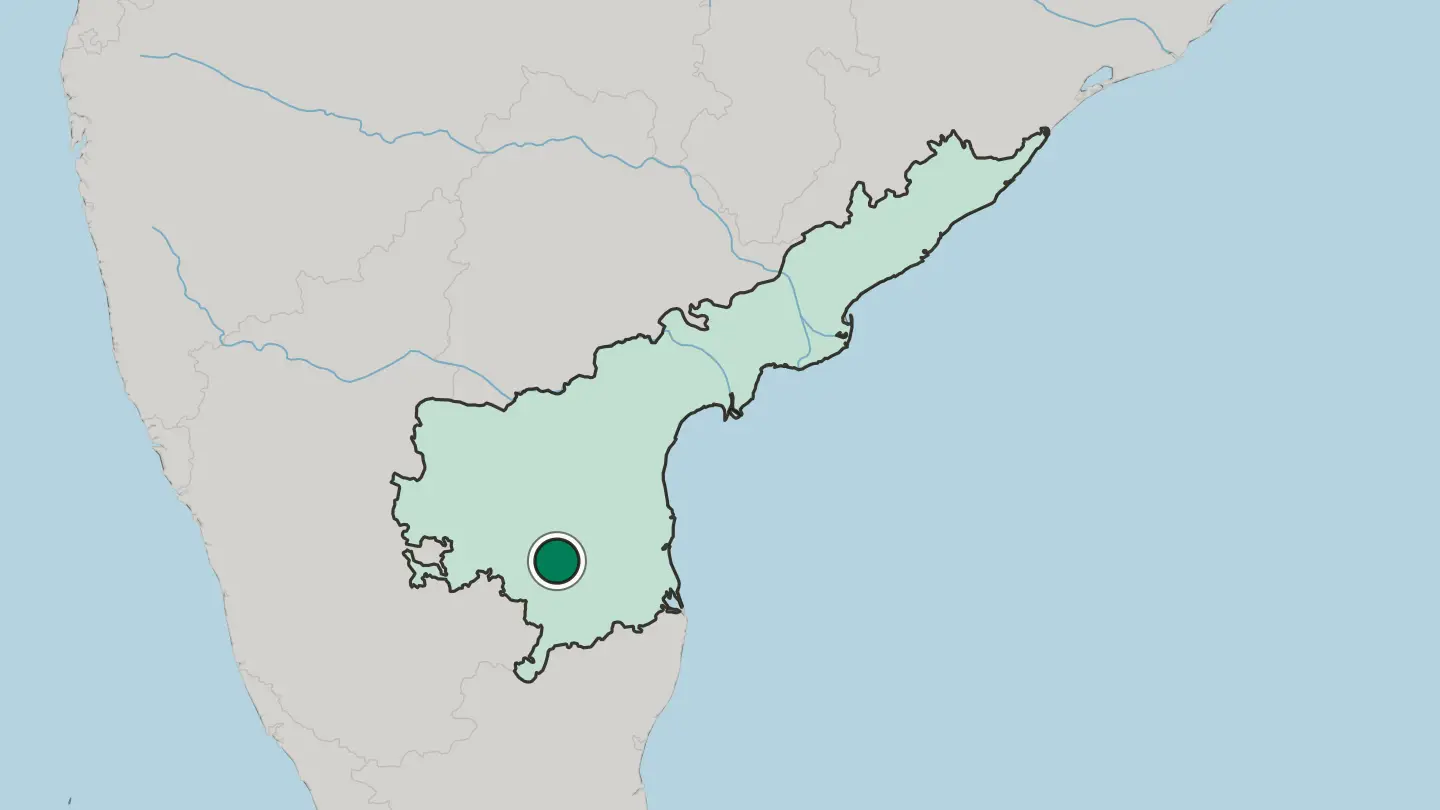 India
India
Kadiri
Kadiri is a city in Sri Sathya Sai District, Andhra Pradesh, known for its jasmine and saffron and for the Sri Lakshmi Narasimhaswamy Temple.Where to stay →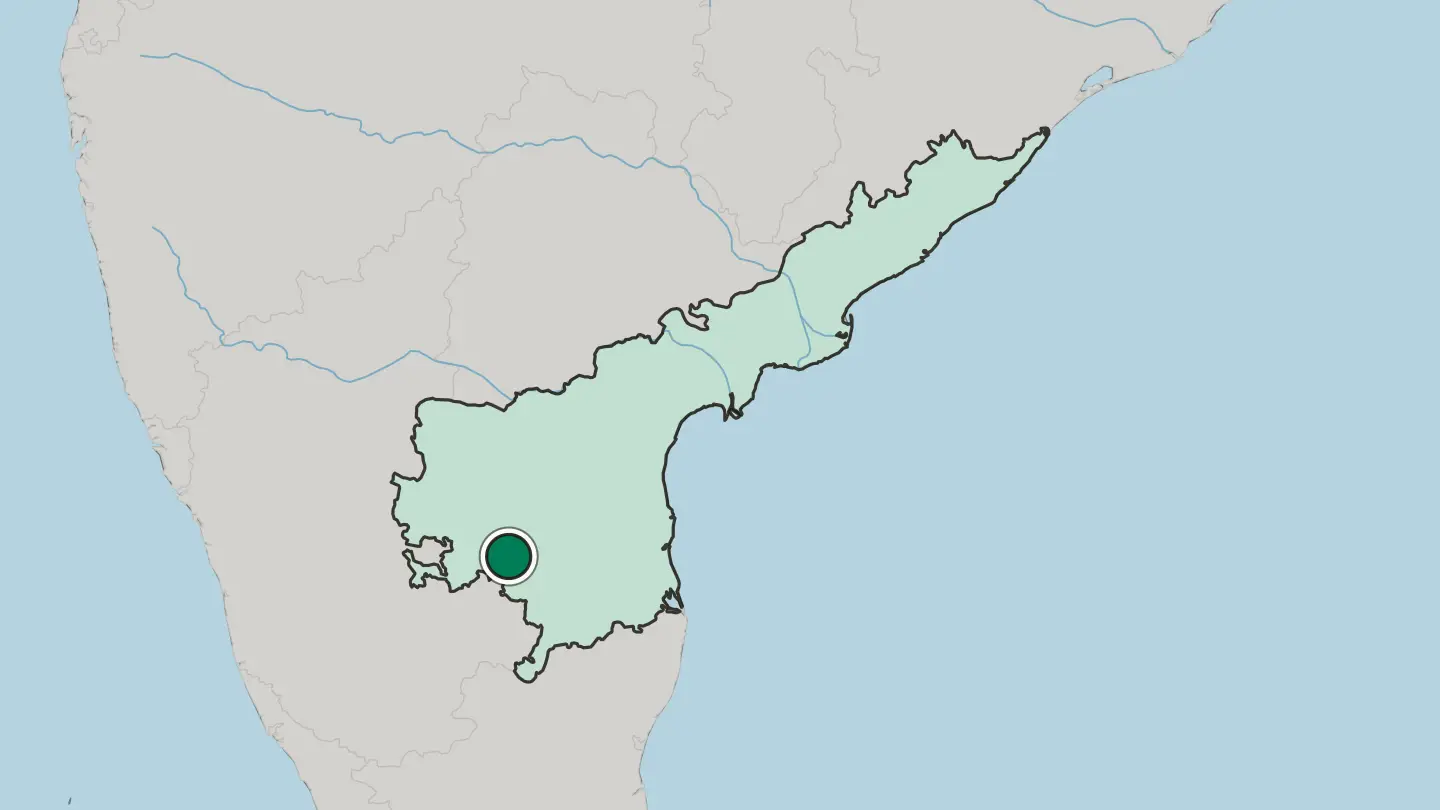 India
India
Palakollu
Palakollu, headquarters of Palakollu Mandal in West Godavari district, is a Coastal Andhra town known above all for Ksheerarama.Where to stay →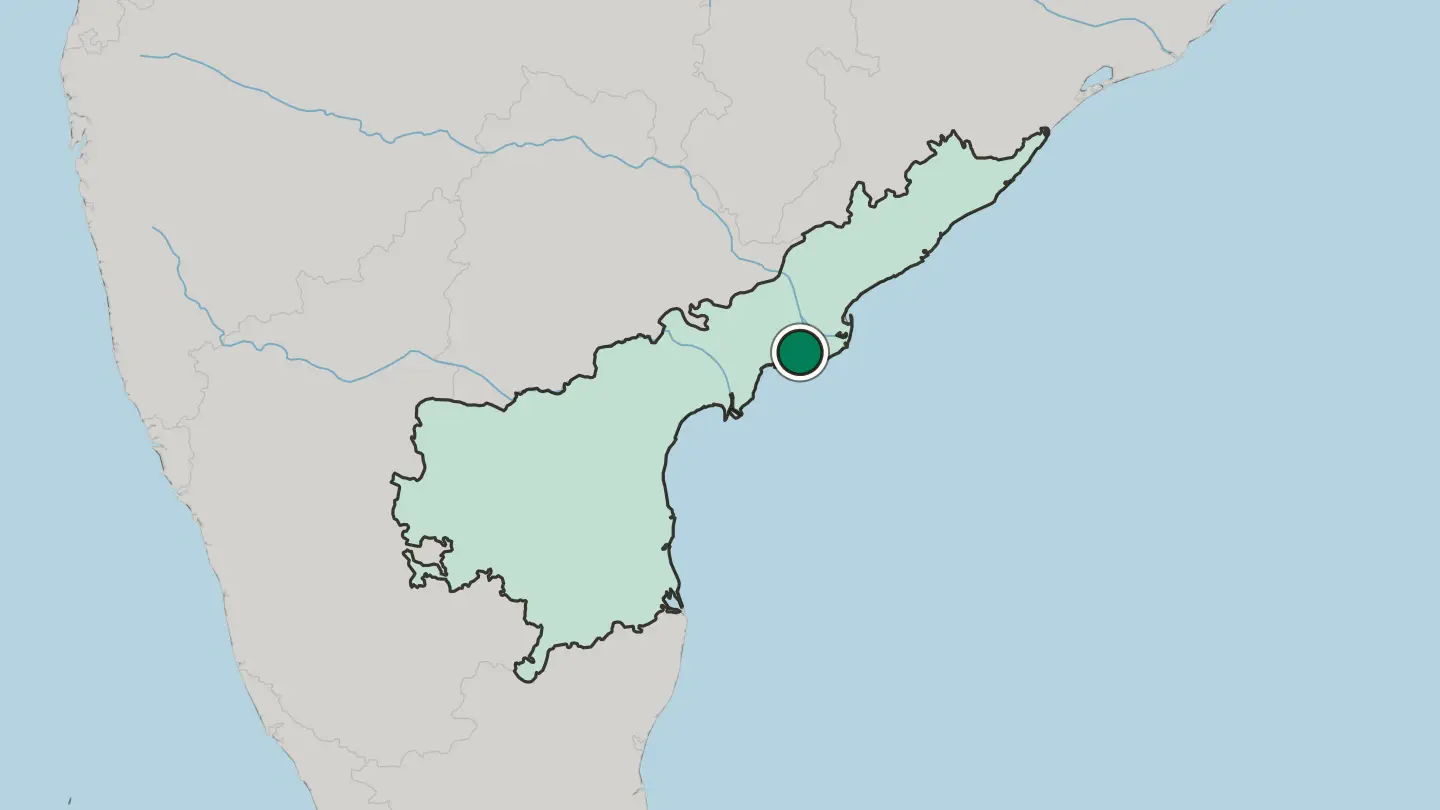
 India
India
Srikalahasti
Srikalahasti is a pilgrimage town on the River Swarnamukhi in Tirupati district, built around a temple linked with Rahu and Ketu.Where to stay →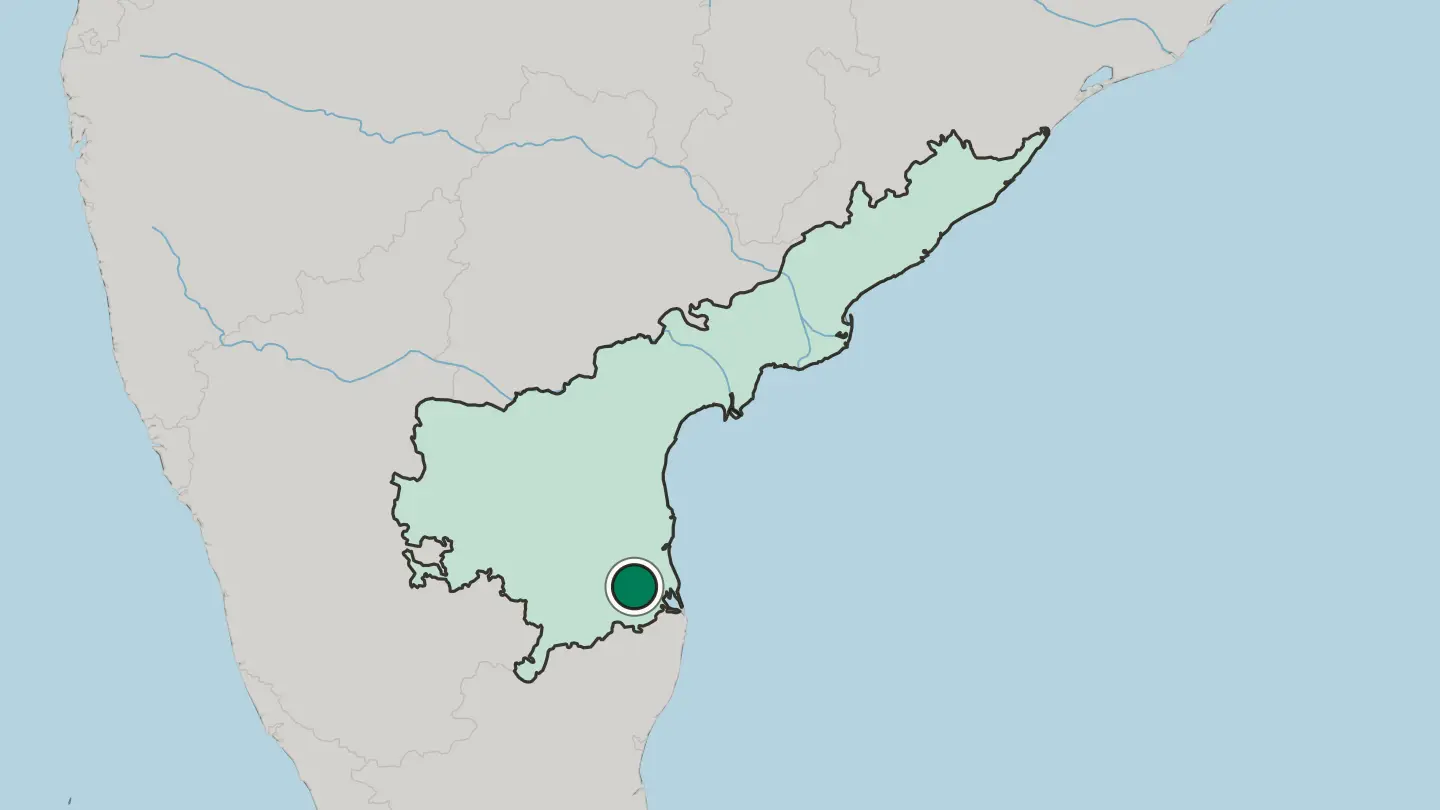 India
India
Bāpatla
Bāpatla is a municipality and the headquarters of Bāpatla district in Andhra Pradesh, with Chīrāla, the nearest town, some 17 km away.Where to stay →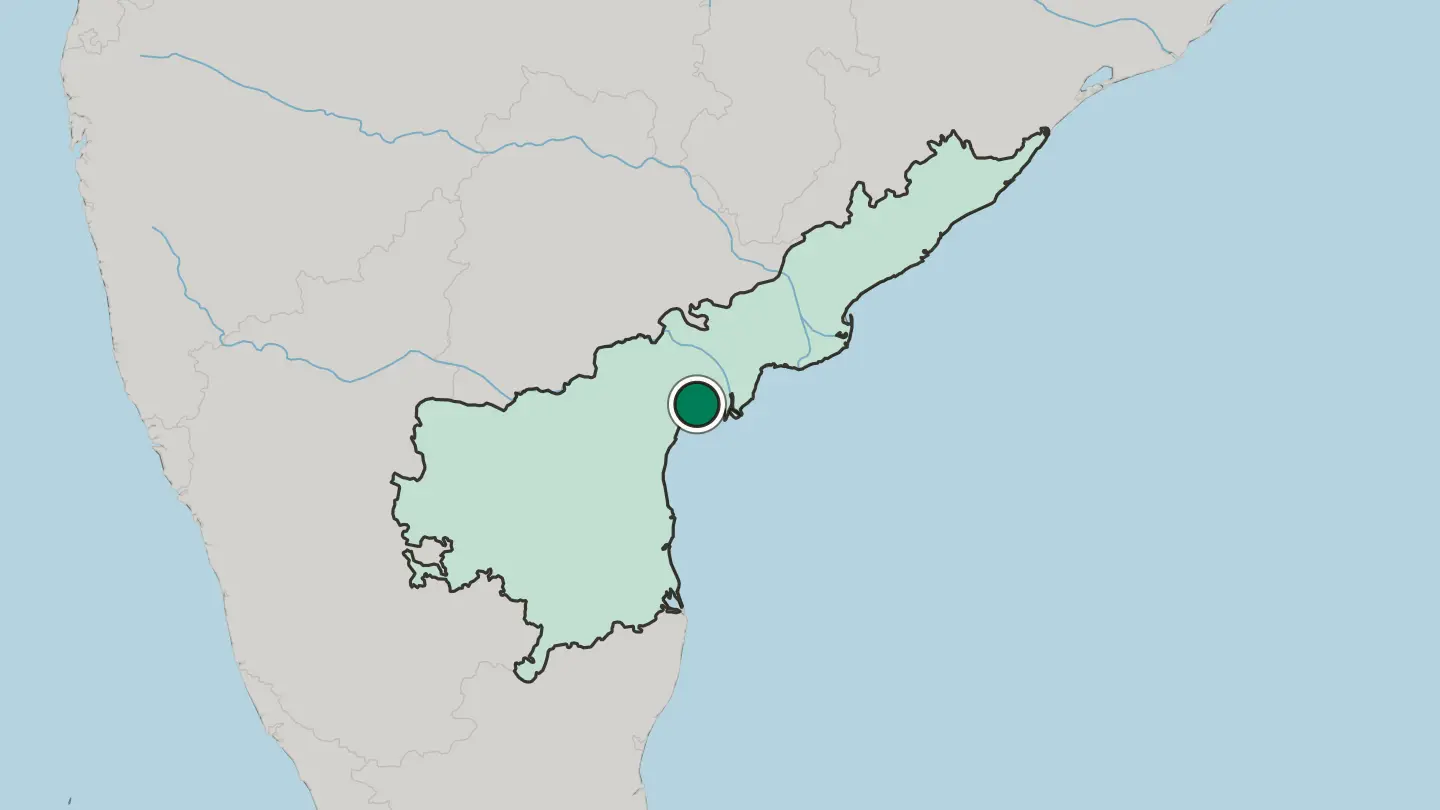 India
India
Yanam
Yanam is a small enclave of Puducherry ringed by Andhra Pradesh, a former French holding where Telugu and French habits still mix.Where to stay →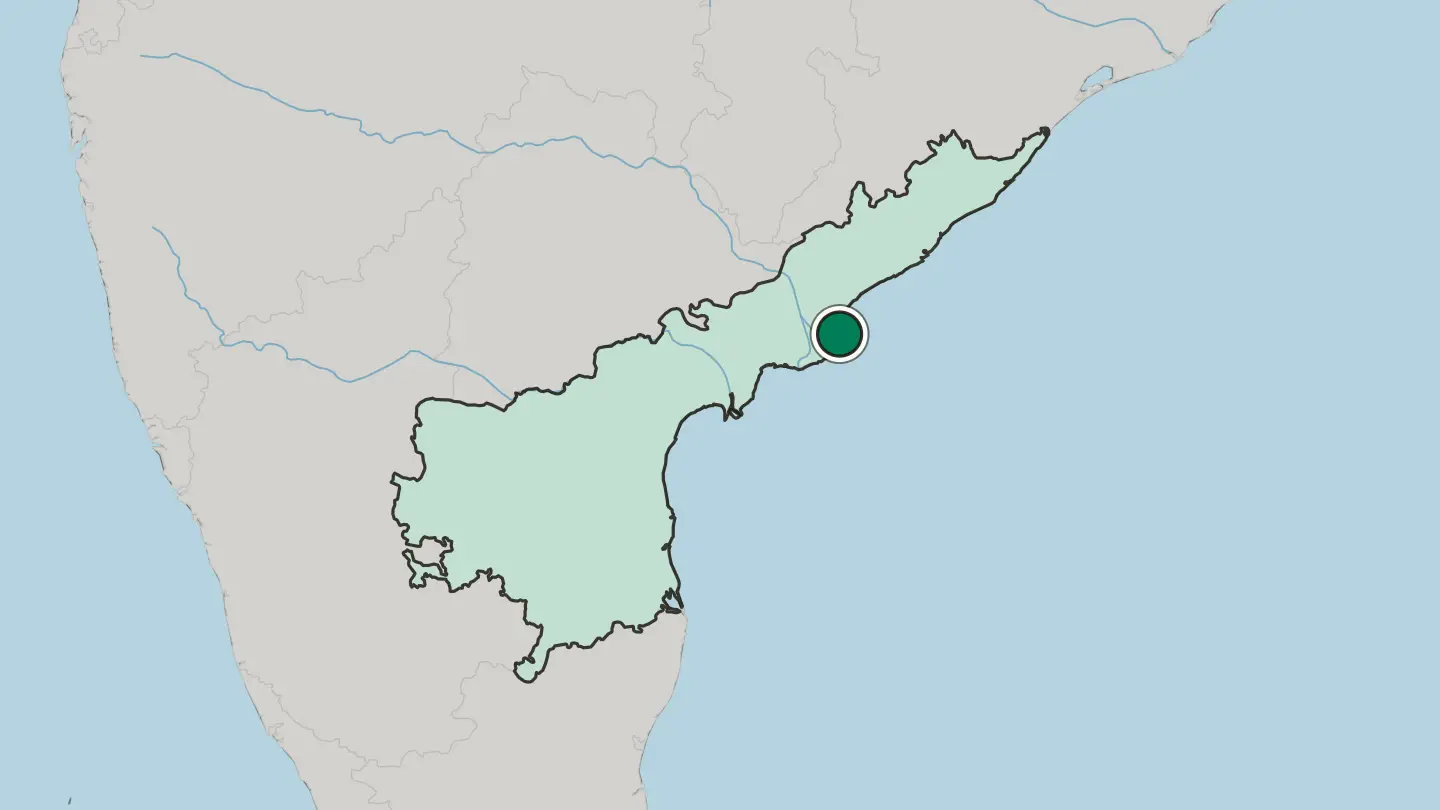 India
India
Pithāpuram
Pithāpuram is a pilgrimage town in the Kakinada district of Andhra Pradesh, and one of the oldest places the state can name.Where to stay →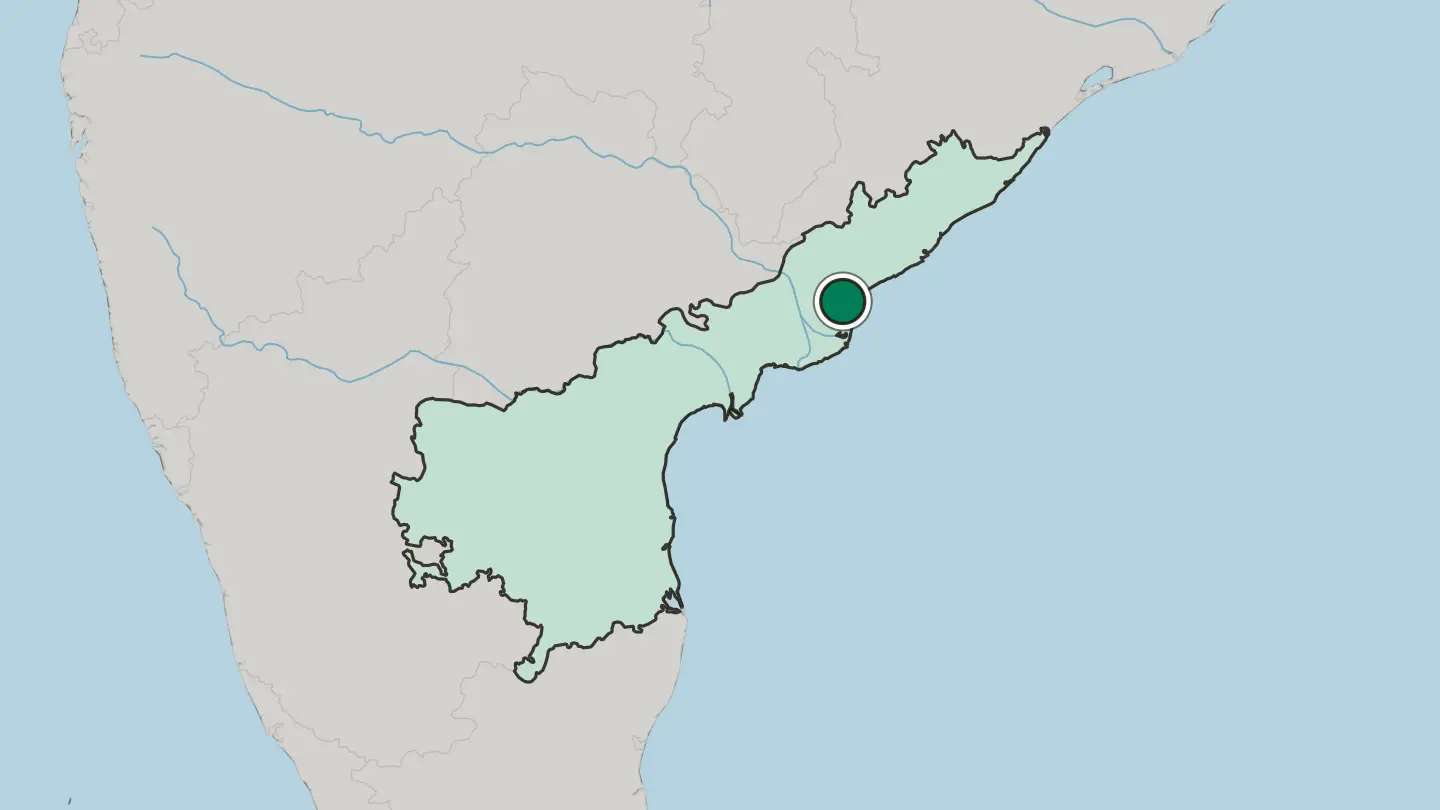
 India
India
Amalāpuram
Amalāpuram is the largest town and headquarters of Konaseema district in Andhra Pradesh, within the delta country that gives Konaseema its name.Where to stay →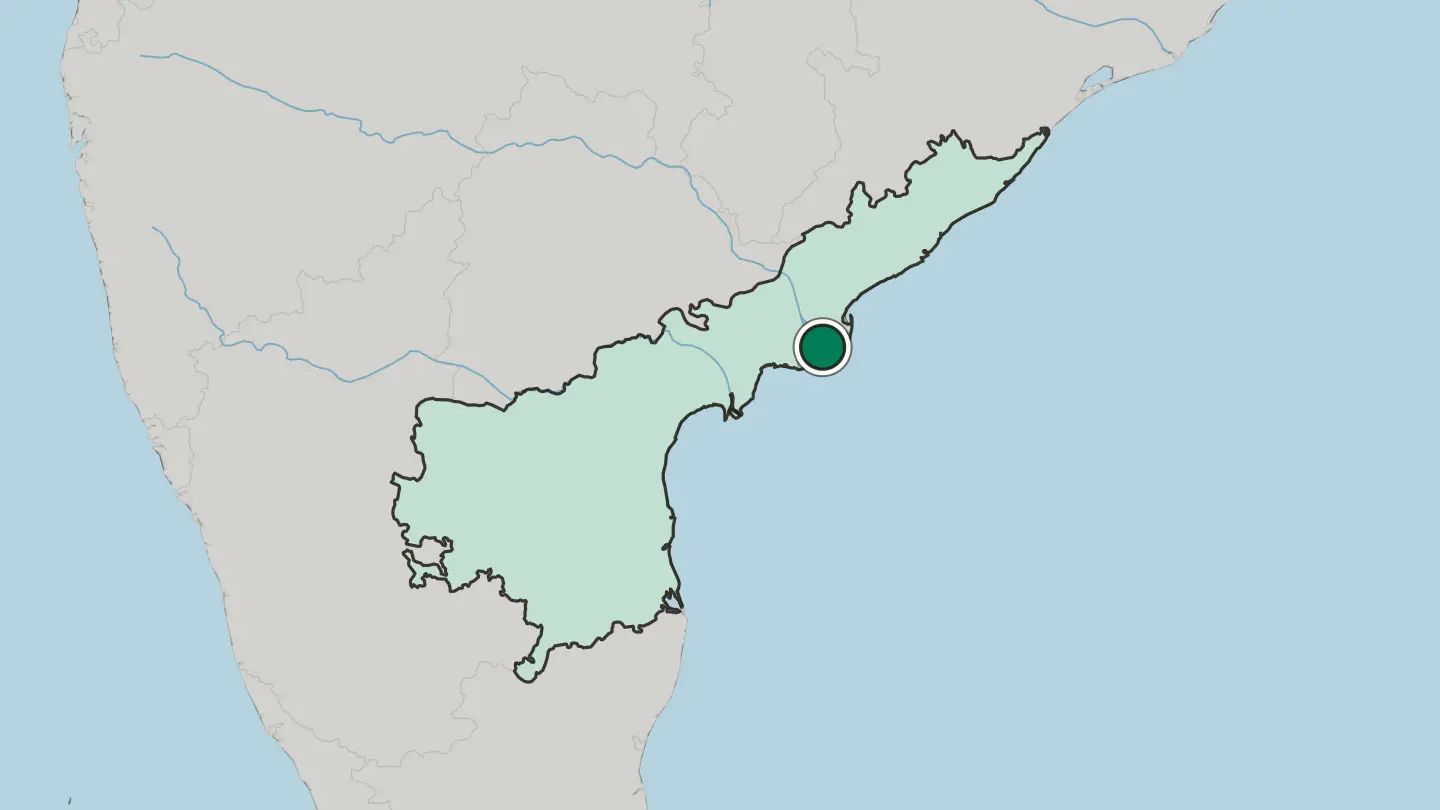
Hotel links are affiliate links: booking through them may earn us a commission, at no extra cost to you. It never affects how places are ranked. How this works
About State of Andhra Pradesh
Two great rivers define this state.
What is State of Andhra Pradesh known for?
The Godavari and the Krishna spill out of the Eastern Ghats and fan into wide alluvial deltas, feeding one of the most productive farming belts in southern India. Along the Bay of Bengal sits Visakhapatnam, the largest city and a working port hemmed between the hills and the sea. Inland, pilgrims climb the Tirumala hills above Tirupati to the Venkateswara temple, among the busiest Hindu shrines anywhere.
Telugu is the language of it all.
Where is State of Andhra Pradesh?
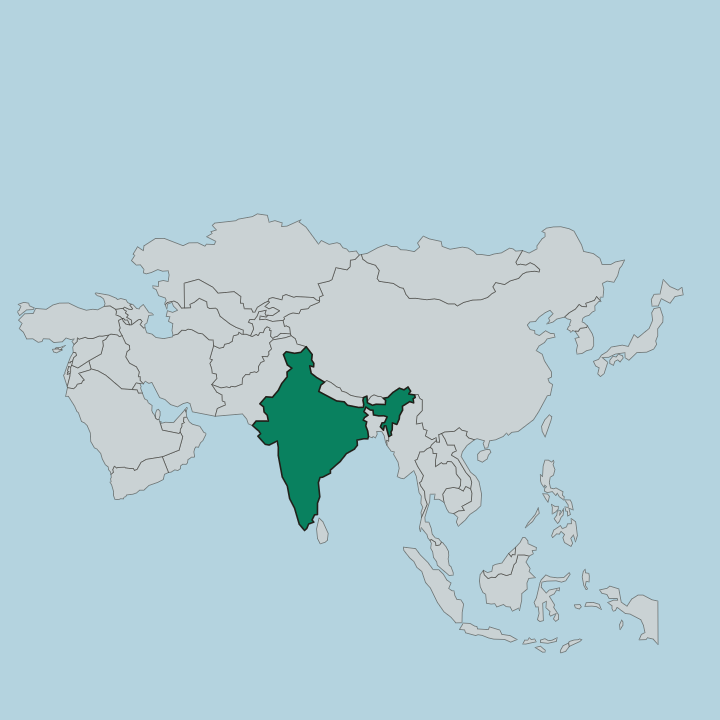
Andhra Pradesh lies on the southeastern coast of India, its long eastern edge tracing the Bay of Bengal. The state falls into three bands running roughly parallel to that shore. Nearest the sea is a fertile coastal plain, broadest where the Godavari and the Krishna break out of the highlands and build their deltas across the alluvium.
Behind the plain rise the Eastern Ghats, a broken chain of forested ranges that separates the shore from the interior. Beyond the Ghats, in the southwest, spreads the drier upland of Rayalaseema. The coastline is long.
It runs for hundreds of kilometres, the second-longest of any Indian state, and along it the two big rivers empty into the Bay of Bengal after crossing the plain. Odisha borders the state to the northeast, and Telangana sits inland to the northwest, carved out of the same Telugu-speaking country in 2014. Tamil Nadu lies to the south and Karnataka to the west, wrapping the Rayalaseema plateau.
Visakhapatnam holds the northern coast, Vijayawada commands the Krishna delta at the centre, and Tirupati stands near the southern hills. The rivers and the Ghats set the shape of everything.
What is State of Andhra Pradesh like?
Telugu binds the state together, the tongue of the Andhra people who have lived along these rivers since antiquity. The very word may descend from an old name for the Godavari. From the village of Kuchipudi, in the Krishna delta, comes the classical dance that carries the village's name and stands as the state's own.
Its steps and its stories are Telugu to the core. The Amaravati school of Buddhist sculpture rose on the banks of the Krishna centuries ago and sent its style across South and Southeast Asia. Food here runs hot and sour.
Cooks lean on chillies and tamarind, and the Guntur chilli gives Andhra cooking a bite known across India. The Banganapalle mango and the sweet Tirupati laddu both carry protected geographical status, tied by law to the soil that makes them. Faith shapes the calendar most of all.
Pilgrims climb in their millions to the Venkateswara temple above Tirupati, while the Kanaka Durga temple looks down on Vijayawada from a hill beside the Krishna. Old and devout, the culture is stitched to the land it grew from.
What is the history of State of Andhra Pradesh?
The Andhra people are old, and their power once ran wide: the Satavahana dynasty ruled much of the Deccan from bases like Amaravati on the Krishna nearly two thousand years ago. The modern state was born of language. In 1952 Potti Sreeramulu fasted to death demanding a Telugu-speaking state, and Andhra State was cut from the old Madras Presidency the next year.
On the first of November 1956 it merged with the Telugu districts of Hyderabad State to form Andhra Pradesh, the first Indian state drawn on linguistic lines. Telangana split away again in 2014, and a new capital began to rise at Amaravati.
What is the climate of State of Andhra Pradesh?
The climate is tropical. For much of the year the coast stays hot and humid, and rain waits on the southwest monsoon that sweeps in from June into September. Those months green the deltas and fill the rivers.
The Bay of Bengal turns dangerous in October and November, when cyclones spin up over the warm water and drive ashore across the low coastal plain. The Eastern Ghats break that heat. High in the northern hills, Lambasingi sees a chill unusual for this stretch of India.
Winter is the kind season.
How do you get to State of Andhra Pradesh?
Most long-haul arrivals fly. Visakhapatnam carries the busiest airport on the coast, with Vijayawada and Tirupati handling their own flights for the delta and the pilgrim south. The state sits astride the main rail and road corridor that runs down India's eastern seaboard, so trains from Chennai and the north stop through Vijayawada and the delta towns.
Visakhapatnam is also a deep-water port on the Bay of Bengal. Once inside, road and rail thread the coastal plain and climb west into the Eastern Ghats.
Common questions
What is the best area to stay in State of Andhra Pradesh?
Visakhapatnam: the coast and the largest city. Vijayawada: the Krishna delta and Amaravati. Tirupati: the Tirumala temple pilgrimage. Araku Valley: the Eastern Ghats hill country.
Good for
More regions in India
Updated September 2026