India · State of Mahārāshtra
Where to Stay in Ambājogāi, State of Mahārāshtra
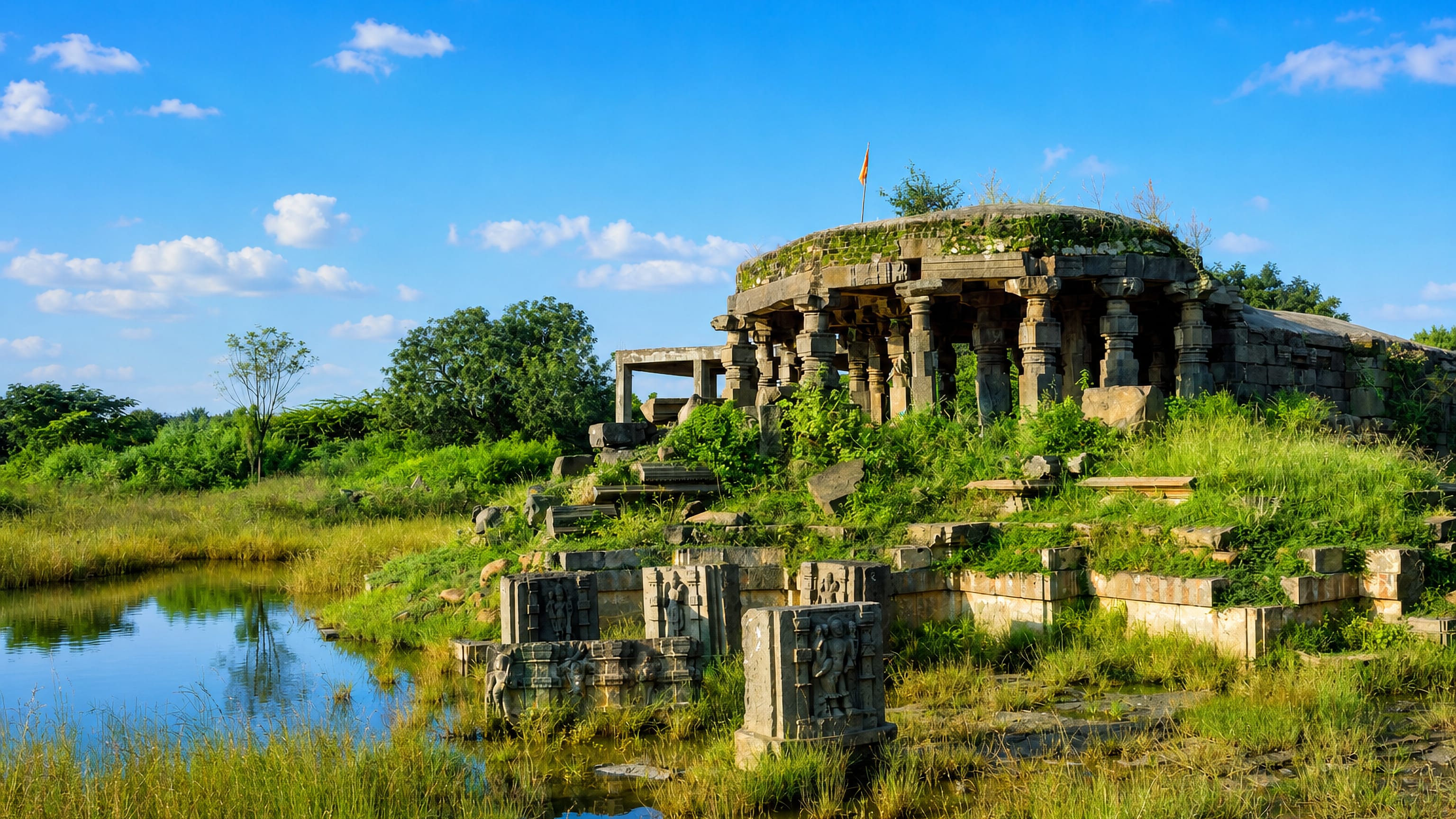
Ambājogāi, the cultural capital of Marathwada in Beed district, keeps the Kholeshwar Temple, the Shivleni Caves and the memory of Mukundraj.
Hotel links are affiliate links: booking through them may earn us a commission, at no extra cost to you. It never affects how places are ranked. How this works


Where to stay in Ambājogāi
Where visitors usually base themselves, and why.
The Kholeshwar Temple and the Shivleni Caves are the two fixed points a visitor to Ambājogāi is likely to organise a stay around. Rooms are a modest proposition. This is a tehsil town in Beed district rather than a city of the coast, so the choice is between the streets near the temple and the ordinary quarters that serve local business.
Marathwada distances do the rest. Ambajogai sits inland in that region, and anyone arriving has usually crossed a good deal of it, which argues for one base and day trips out rather than a night in each town. The temple side suits sightseeing.
Staying near the Kholeshwar Temple puts the tower beside it at the doorstep, and that pairing is the most concentrated piece of the built heritage of Ambājogāi. If you have come for Mukundraj and Dasopant, the memorial monuments matter more than the view from a window. Neither side offers many rooms.
Beed district keeps its lodging simple, and a traveller who needs range in that respect will do better treating Ambajogai as a stop inside Marathwada than as a base for a long stay.
Find hotels in Ambājogāi
Direct booking searches for these neighbourhoods.
Kholeshwar Temple quarter
The Kholeshwar Temple and its neighbouring tower are the most concentrated pair of monuments in the town. Lodging is scarce in this area; reserve in advance.Find hotels in Kholeshwar Temple quarterMarathwada travel with the Mukundraj monuments on the doorstepAmbājogāi tehsil centre
The working streets of the tehsil seat hold the memorials to Mukundraj and Dasopant along with the local trade.Find hotels in Ambājogāi tehsil centreHotel links are affiliate links: booking through them may earn us a commission, at no extra cost to you. It never affects how places are ranked. How this works
About Ambājogāi
The reputation is literary.
What is Ambājogāi known for?
Ambājogāi is regarded as the cultural capital of Marathwada, and monuments in the town honour Mukundraj, the Marathi poet who wrote Viveksindu, the first work of Marathi literature. Dasopant is remembered alongside him. The Shivleni Caves and the Kholeshwar Temple give that reputation a physical form, which is unusual for a town whose claim rests mainly on writing.
What are the main landmarks in Ambājogāi?
Three things stand out. Kholeshwar Temple is the principal monument, with a tower recorded immediately beside it, and the pairing is what most descriptions of Ambājogāi lead with. The Shivleni Caves come next.
Monuments honouring Mukundraj, author of Viveksindu, and Dasopant complete the set, and they are the reason the town is called the cultural capital of Marathwada rather than simply an old place in Beed district.
What is the history of Ambājogāi?
Literature dates this town. Mukundraj, the Marathi poet honoured here, wrote Viveksindu, and that work is recorded as the first in Marathi literature, which puts Ambājogāi at the start of a written language rather than at the edge of one. Dasopant belongs to the same tradition.
Monuments to both stand in the town, and it is on that pair of names, more than on any ruler or battle, that the standing of Ambajogai in Marathwada rests. Stone carries the older layer. The Shivleni Caves and the Kholeshwar Temple, with the tower beside it, are the physical record, and they give the town a heritage in stone alongside the one it holds in writing.
Administration came to sit here too. Ambājogāi functions as a city and a tehsil within Beed district, which gives the cultural capital of Marathwada an ordinary working role in the government of Mahārāshtra. Both roles still hold.
The title of cultural capital is the one that travels, and it is carried by the caves, the temple and the memory of Mukundraj together rather than by any single one of them.
Where is Ambājogāi?
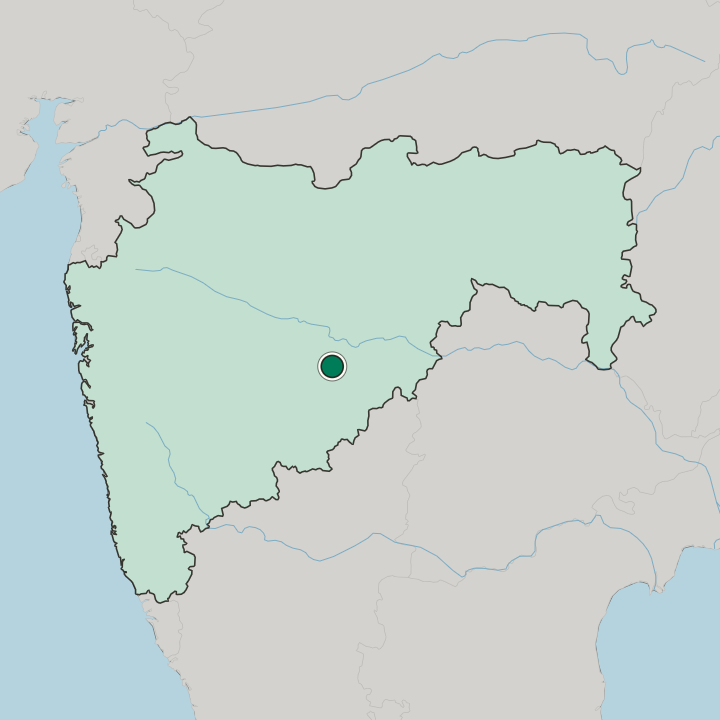
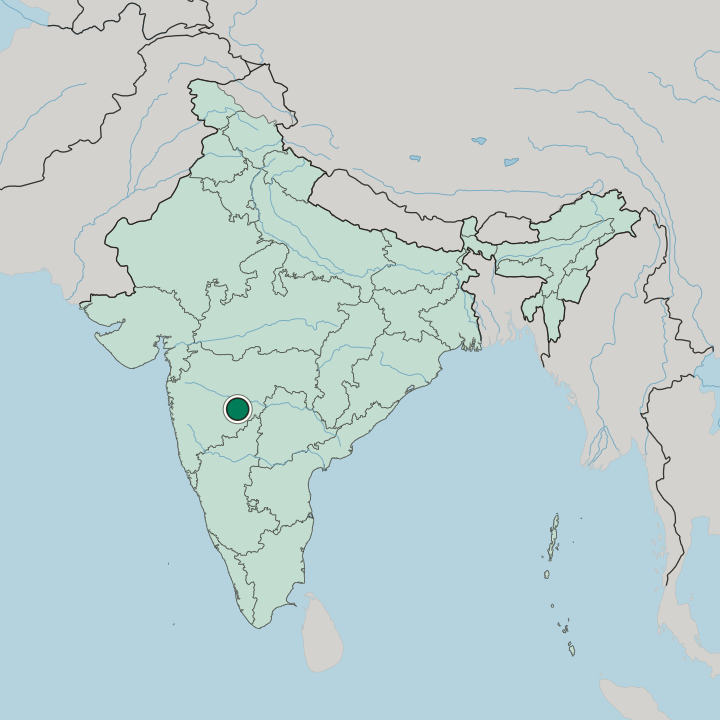
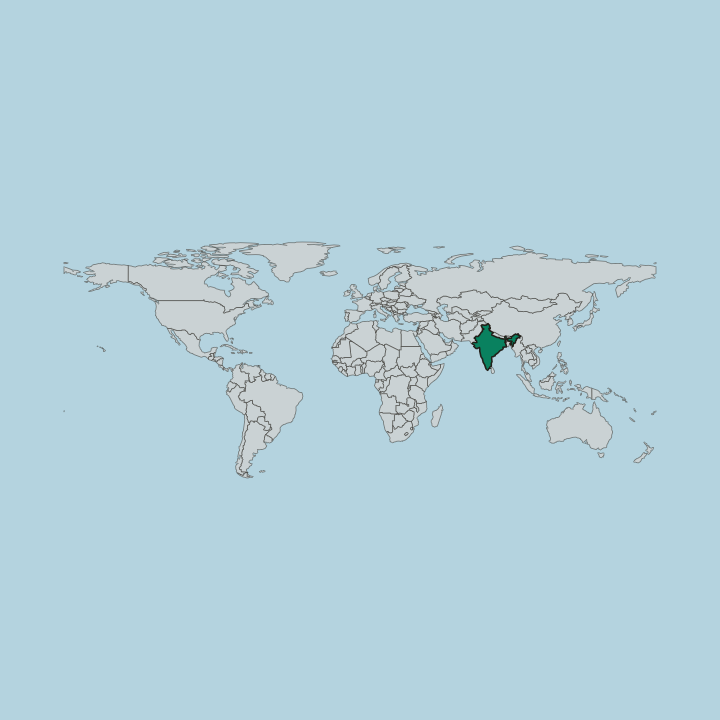
Marathwada is the frame. Ambājogāi lies in Beed district, within the Marathwada region of Mahārāshtra, which places it in the interior of the state rather than on any coast. The country around is tropical.
Kholeshwar Temple, the tower beside it and the Shivleni Caves all sit within the same tehsil, so the geography that matters to a visitor is measured in streets rather than in the distances of Beed district.
What is the climate of Ambājogāi?
Distance from the sea tells. Ambajogai sits in the Marathwada interior of Mahārāshtra, which gives it the tropical heat of the region without the moderation a coast provides, and that shows most in the middle of the day. The caves stay cooler.
A circuit of the Kholeshwar Temple and the Shivleni Caves is more comfortable early, and the stone of both holds the night air longer than the open streets of Ambājogāi do.
How do you get to Ambājogāi?
Tarmac is the only way into Ambājogāi. Ambājogāi lies in Beed district, well inside Marathwada, so an approach means crossing the interior of Mahārāshtra rather than turning off a coastal route. The town is also a tehsil seat.
That administrative role means the roads of Beed district converge on Ambajogai for reasons that have nothing to do with the Kholeshwar Temple, and visitors use the same approaches as local business does.
Common questions
What is the best area to stay in Ambājogāi?
Kholeshwar Temple quarter: Heritage visits pairing the temple with the tower standing beside it. Ambājogāi tehsil centre: Marathwada travel with the Mukundraj monuments on the doorstep.
More cities in State of Mahārāshtra
Updated October 2026