India · State of Mahārāshtra
Where to Stay in Jalgaon, State of Mahārāshtra
Jalgaon, the largest city in Khandesh, is a district headquarters on the Girna river in Mahārāshtra, known for bananas, cotton and gold.
Hotel links are affiliate links: booking through them may earn us a commission, at no extra cost to you. It never affects how places are ranked. How this works


Where to stay in Jalgaon
Where visitors usually base themselves, and why.
Three anchors split the city. Gandhi Teerth, the Girna river and Asian Highway 53 stand far enough apart that a bed in Jalgaon is usually chosen for whichever one the trip is about, and the choice is worth making before arrival. Gandhi Teerth comes first.
It is the one landmark the record names for the largest city in Khandesh, and rooms within reach of it suit anyone whose reason for stopping is that building rather than the trade. Khandesh has no larger place to fall back on. The river gives the second address.
The Girna river runs through the western part of the city, and rooms out that way trade the traffic of a district headquarters for ground that stays quieter after dark. Asian Highway 53 is the third. It runs through Jalgaon, and the Ajanta Caves lie about 76 kilometres off, so drivers who intend to reach the caves early tend to take a room near the road and leave the centre alone.
Business travel here follows bananas, cotton and gold rather than sightseeing, and the record names only Gandhi Teerth as a visitor stop. Jalgaon district spreads well beyond the roughly 68 square kilometres of the city itself.
Find hotels in Jalgaon
Direct booking searches for these neighbourhoods.
Around Gandhi Teerth
Gandhi Teerth is the single named landmark in Jalgaon, and staying within reach of it spares a crossing of the roughly 68 square kilometres the city coversFind hotels in Around Gandhi TeerthQuieter ground along the Girna riverThe Girna river side
The Girna river runs through the western part of Jalgaon, and rooms along it sit away from the market traffic that a district headquarters drawsFind hotels in The Girna river sideDrivers breaking the run to the Ajanta CavesAlong Asian Highway 53
Asian Highway 53 passes through Jalgaon and the Ajanta Caves lie about 76 kilometres off, so a room by the road suits anyone using the largest city in Khandesh as the overnight stopFind hotels in Along Asian Highway 53Hotel links are affiliate links: booking through them may earn us a commission, at no extra cost to you. It never affects how places are ranked. How this works
About Jalgaon
Bananas set the reputation.
What is Jalgaon known for?
Farmers around the city grow roughly two-thirds of Mahārāshtra's banana crop, and the trade is heavy enough that Jalgaon carries the nickname Banana city of India in ordinary speech. Gold is the second trade. Cotton and the industries built on it make a third, and the works around them are part of why this is the largest city in Khandesh.
Gandhi Teerth stands apart from all of it.
What are the main landmarks in Jalgaon?
Gandhi Teerth is the one named landmark. It stands in Jalgaon and carries the visitor traffic that a larger set of monuments would share elsewhere, which is unusual for the largest city in Khandesh. The Ajanta Caves are the bigger draw in the area, about 76 kilometres off, and most itineraries treat the city as the base rather than the destination.
The Girna river runs through the western part of the city. Beyond that, the city works for a living.
What is the history of Jalgaon?
A founding date was never written down. Jalgaon appears in the record as a city of Khandesh, the sub-region it now leads, and as the administrative headquarters of the district that carries its own name. Water shaped that outcome before administration did.
The Girna river runs through the western part of the city, and the farmland along it carries the banana crop that accounts for roughly two-thirds of Mahārāshtra's production. Cotton and gold trade alongside it. Administration arrived with the district.
Jalgaon serves as the administrative headquarters of Jalgaon district, and that role has held the city at the top of Khandesh rather than any single monument or dynasty. Gandhi Teerth is the one landmark named for the city, and a museum and a research institute are the only institutions the record counts beside it. The rest is down to the highway.
Asian Highway 53 runs through Jalgaon, and the Ajanta Caves lie about 76 kilometres off, so the city works as the stopping point on the way to them. One nickname outlasts all of that. Banana city of India is how the country knows Jalgaon, and the crop has carried the name further than any building in Khandesh has.
Where is Jalgaon?
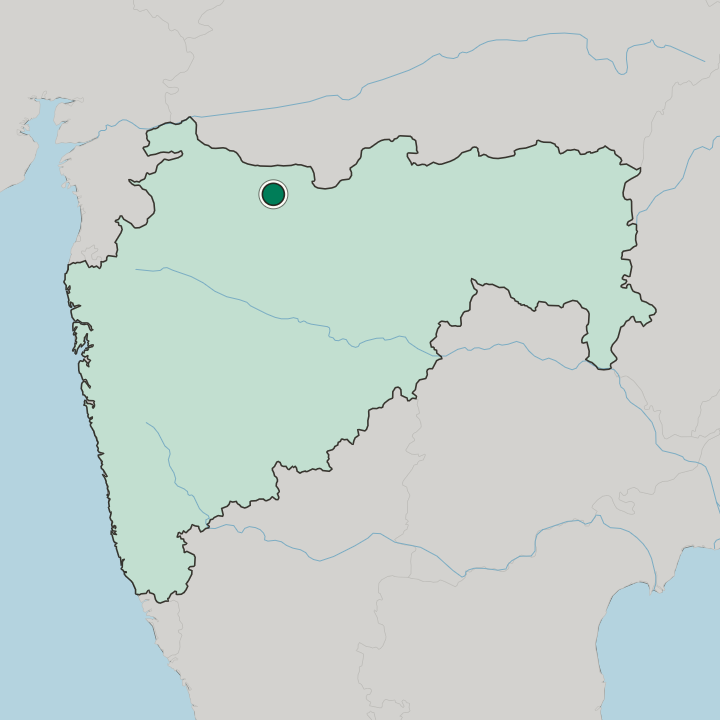
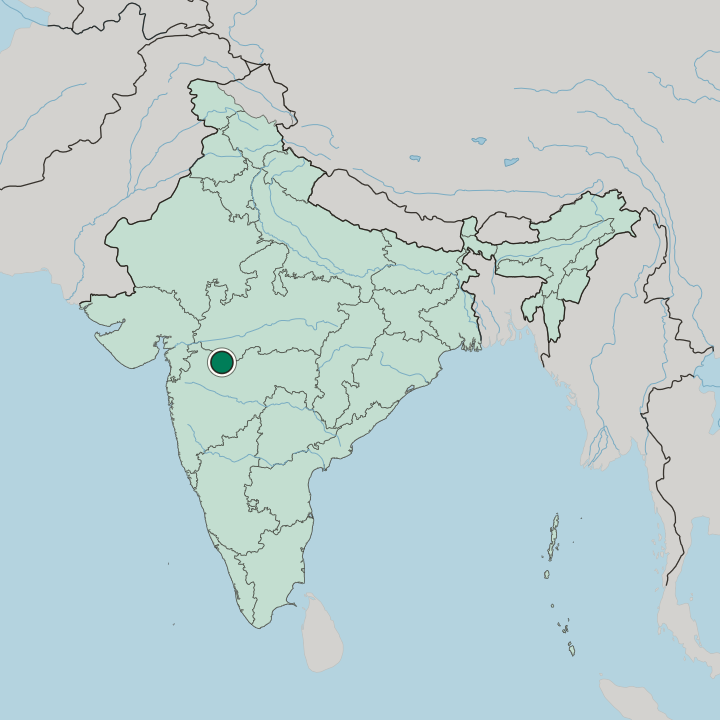
The Girna river runs through the western part of the city. Jalgaon covers roughly 68 square kilometres of Khandesh and works as the headquarters of Jalgaon district, which spreads across the farmland that supplies its banana trade. Asian Highway 53 crosses it.
The Ajanta Caves lie about 76 kilometres away, outside the city but within the day's reach of anyone based here.
What is the climate of Jalgaon?
Rain sets the year here, not the thermometer. Jalgaon sits in the tropical band, so the calendar that matters to the banana and cotton farms of Jalgaon district turns on rain arriving and rain stopping rather than on any swing between a warm season and a cold one. The Girna river shows it first.
Its level through the western part of the city marks the change well before the fields around Khandesh do.
How do you get to Jalgaon?
Asian Highway 53 does most of the work. It runs through Jalgaon, and road arrivals split between business at the district headquarters and travellers heading for the Ajanta Caves about 76 kilometres off. Khandesh sends its traffic here.
Jalgaon is the largest city in the sub-region and the seat of Jalgaon district, so the routes that serve the surrounding farmland and its banana trade meet in one place before they scatter again.
Common questions
What is the best area to stay in Jalgaon?
Around Gandhi Teerth: The one landmark Jalgaon has on record. The Girna river side: Quieter ground along the Girna river. Along Asian Highway 53: Drivers breaking the run to the Ajanta Caves.
More cities in State of Mahārāshtra
Updated October 2026