India · State of Rājasthān
Where to Stay in Ajmer, State of Rājasthān
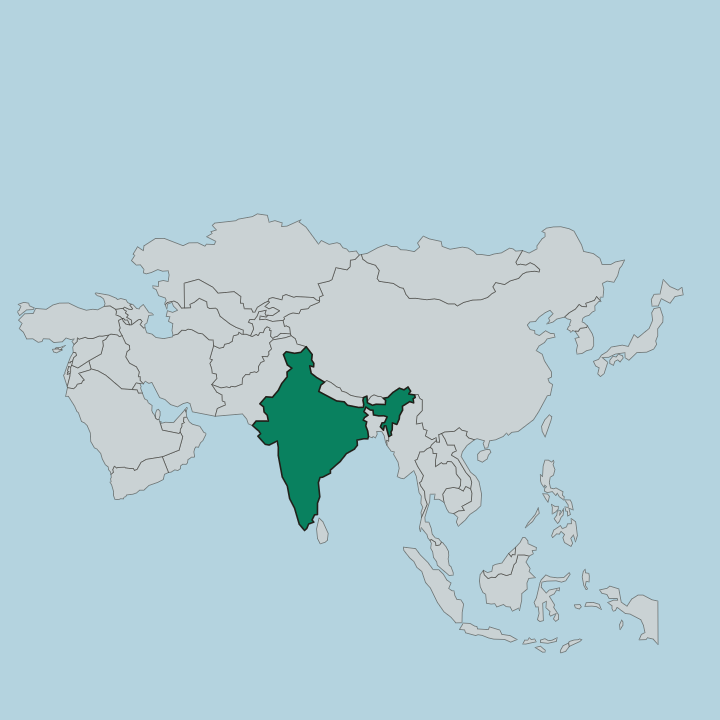
Ajmer is a city of Rajasthan in western India, ringed by the Aravalli hills, revered for its great Sufi shrine and the sacred lake of Pushkar nearby.
Hotel links are affiliate links: booking through them may earn us a commission, at no extra cost to you. It never affects how places are ranked. How this works


Where to stay in Ajmer
Where visitors usually base themselves, and why.
Where you stay in Ajmer turns on the shrine or the lake. The lanes around the dargah keep the shrine, the bazaars, and the old mosque within a walk, and staying downtown suits anyone here for the pilgrimage. The crowds fill the narrow lanes.
Song drifts from the shrine. Out toward Ana Sagar and Pushkar, the town gives way to the lakeside gardens, the ridge road, and the temple town over the hills. A room by the lake trades the lanes for the still water, the garden pavilions, and the road to Pushkar.
The hills rise dry around. Stay downtown for the shrine, or by the lake for the quiet. The holy city sits in its Aravalli valley.
Find hotels in Ajmer
Direct booking searches for these neighbourhoods.
The shrine quarter
Around the dargahFind hotels in The shrine quarterStays wanting the lake and temple townAna Sagar and Pushkar
By the lake and over the ridgeFind hotels in Ana Sagar and PushkarHotel links are affiliate links: booking through them may earn us a commission, at no extra cost to you. It never affects how places are ranked. How this works
About Ajmer
Ajmer is the Sufi pilgrim city of Rajasthan.
What is Ajmer known for?
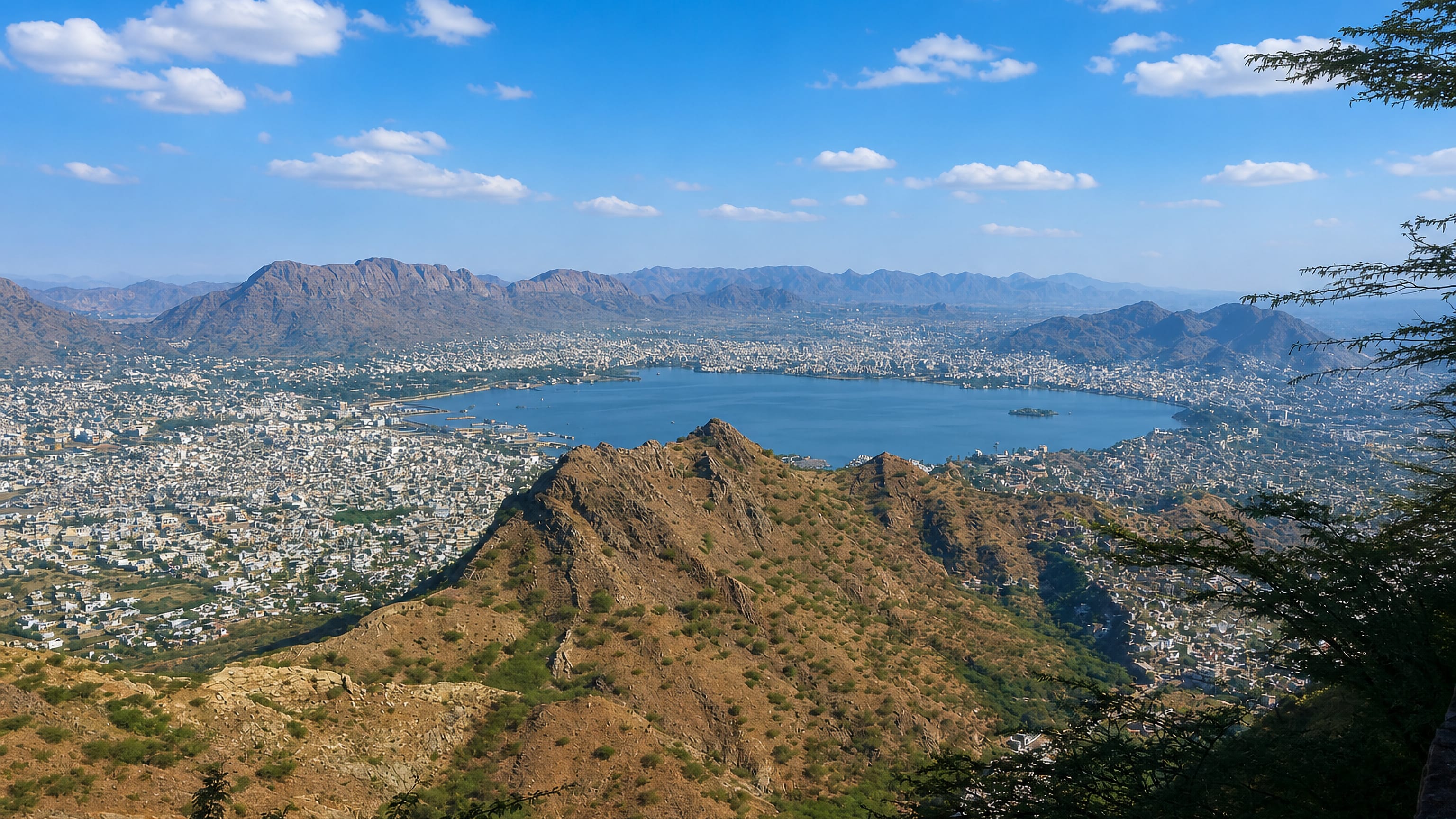
In a valley of the Aravalli hills in western India, it grew around the shrine of a great saint, and it keeps the dargah of Moinuddin Chishti that draws pilgrims of every faith, the sacred lake and Brahma temple of Pushkar nearby, the old lake of Ana Sagar below the hills, and the hilltop fort of Taragarh above the town. The dry hills ring the valley. Pilgrims throng the shrine lanes.
What are the main landmarks in Ajmer?
The dargah of Moinuddin Chishti is the pride of Ajmer. The marble shrine of the great Sufi saint, wrapped in the crowds and song of the faithful, is the emblem of the city, downtown. A lake lies below the hills.
The old Ana Sagar spreads at the foot of the town, while the Adhai Din mosque, the Taragarh fort, and the temples of Pushkar mark the country around Ajmer.
What is the history of Ajmer?
Ajmer rose around a Sufi saint. In the twelfth century the Chauhan kings built a fort in the valley, but the city's fame came from a holy man. The saint drew all India to Ajmer.
Moinuddin Chishti, the great Sufi teacher, lived and died here, and his tomb became the holiest Sufi shrine in the land, sought by Muslim and Hindu alike. Kings and pilgrims made the city great. The Mughals came often to the shrine, and Akbar built a fort and walked to Ajmer on pilgrimage, while over the hills the sacred lake of Pushkar drew Hindu pilgrims to its ghats.
The faiths shared the valley. Muslim shrine and Hindu lake lay a few miles apart, and Ajmer grew as a city of pilgrimage for all, keeping its dargah, its lake, and its fort. The pilgrims still fill the lanes.
Ajmer keeps its holy valley in the Aravallis.
Where is Ajmer?
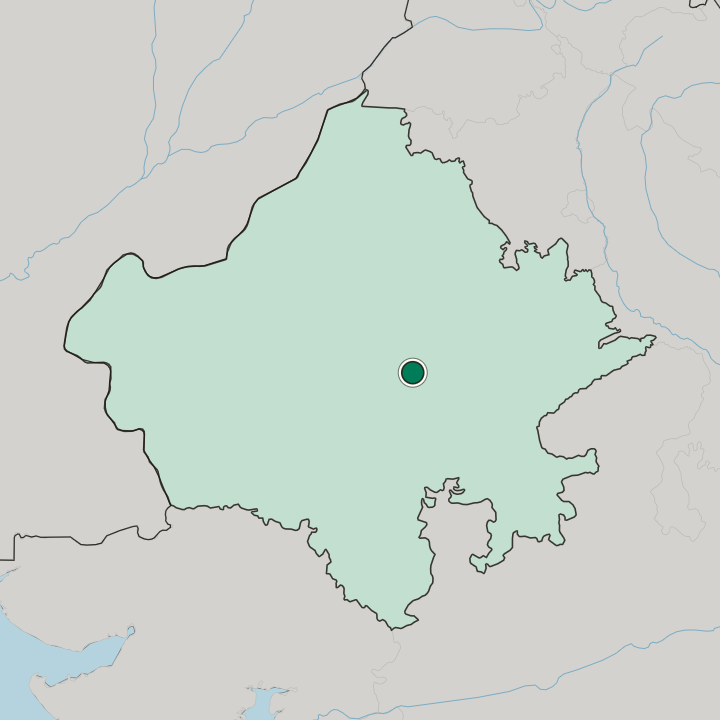
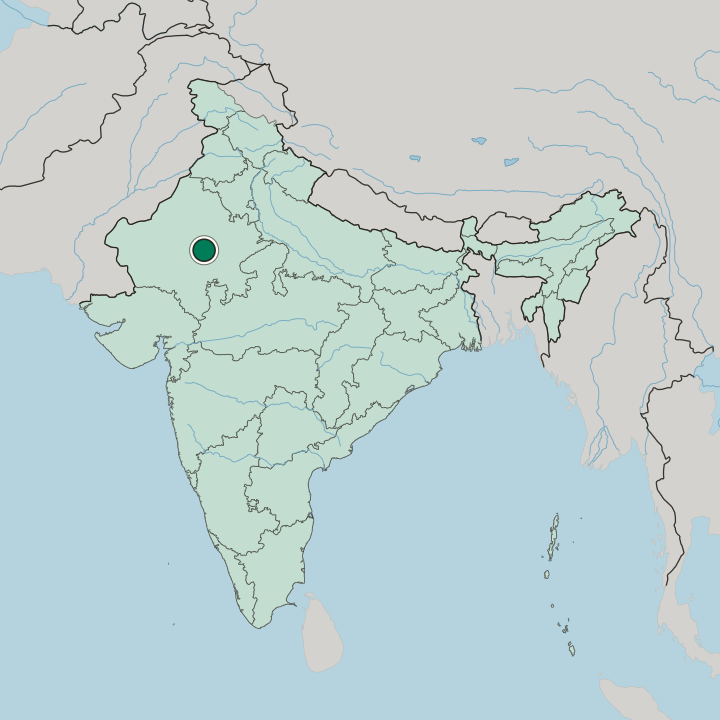
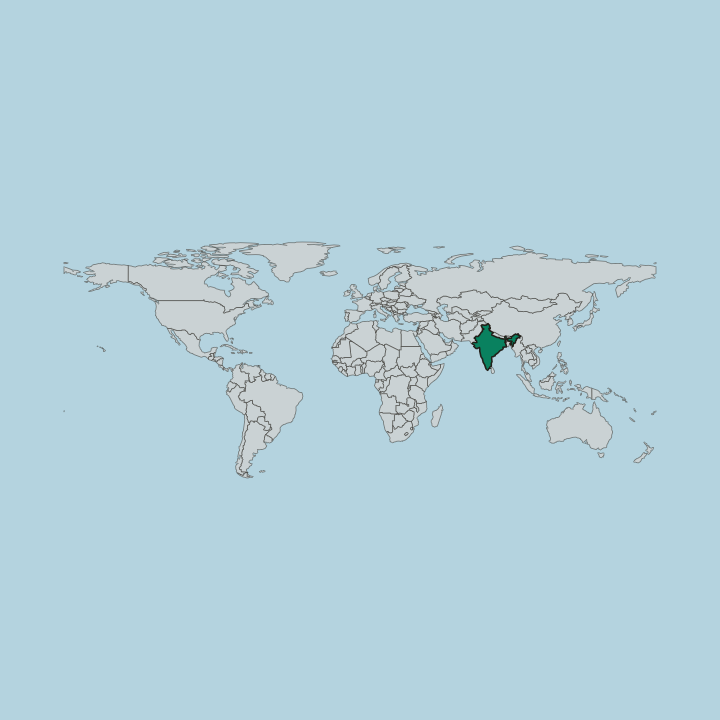
Ajmer lies in the center of Rajasthan in western India, in a valley of the Aravalli hills. The city sits around the Ana Sagar lake in a bowl of dry bare hills, on the edge of the great Thar desert, with the Aravallis rising around the town and Pushkar over the ridge to the northwest. Bare hills wall the town.
The lake shines in the valley.
What is the climate of Ajmer?
Ajmer sits under desert weather: searing heat and very little rain. Blazing summers and mild winters cross the hills, with fierce heat before the monsoon and warm dry days in the winter. The summer scorches the hills.
Winter days stay mild and clear.
How do you get to Ajmer?
Ajmer lies in central Rajasthan in western India, on the road and rail from Jaipur. Trains and the highway run to it down from Jaipur, and roads climb over the ridge to Pushkar. The faithful crowd the lanes.
Jaipur lies northeast up the line.
Common questions
What is the best area to stay in Ajmer?
The shrine quarter: Pilgrims here for the dargah. Ana Sagar and Pushkar: Stays wanting the lake and temple town.
Good for
More cities in State of Rājasthān
Updated September 2026