India · State of Rājasthān
Where to Stay in Jodhpur, State of Rājasthān
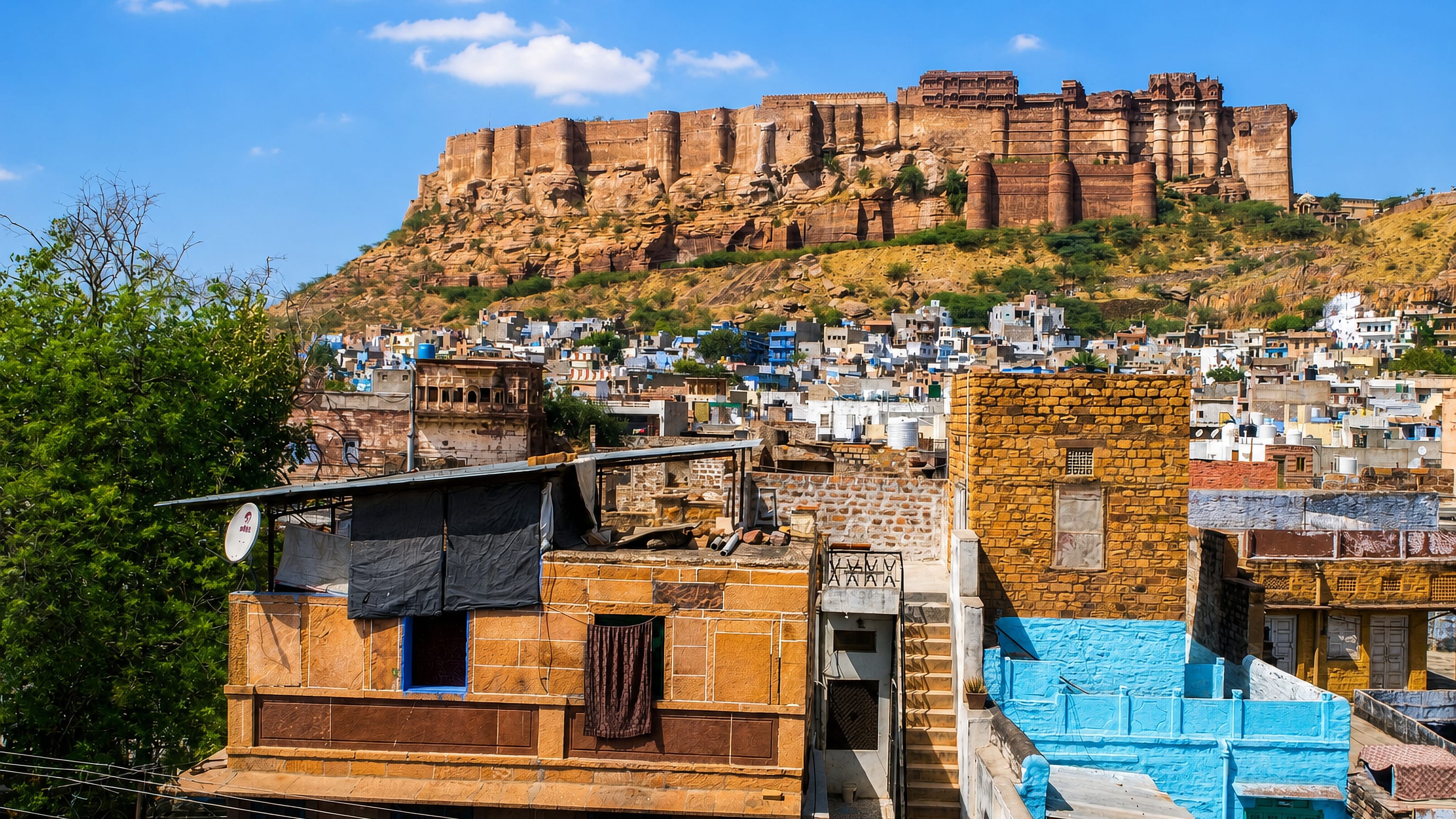
Mehrangarh Fort rises on its cliff above Jodhpur, a walled city on the edge of the Thar desert in north-western Rajasthan.
Hotel links are affiliate links: booking through them may earn us a commission, at no extra cost to you. It never affects how places are ranked. How this works


Where to stay in Jodhpur
Where visitors usually base themselves, and why.
Jodhpur splits between the blue-washed old town below Mehrangarh Fort and the broader modern city spreading toward the Thar desert. Stay in the walled old town, in the tangle of indigo lanes beneath the fort, and you sleep among havelis, rooftop cafes, and the shortest climb to the ramparts. This heart of Marwar suits travellers who want the fort at dawn.
Rooms here look straight up at the walls of Mehrangarh Fort. Farther out, the newer districts near Jaswant Thada and the Sardar Government Museum trade the crowded lanes for gardens, wider roads, and quieter nights in north-western Rajasthan. It is calmer here.
These areas suit travellers who want space and easy transport, with the Machia Biological Park and the desert edge within reach for a day out. Choose the blue old town for the fort and the bazaars. Choose the modern city for gardens, museums, and a still night away from the busy heart of Jodhpur.
Find hotels in Jodhpur
Direct booking searches for these neighbourhoods.
Blue old town
Indigo havelis and rooftop cafes crowd the lanes directly below the ramparts of Mehrangarh Fort in the heart of Marwar.Find hotels in Blue old townQuiet nights and easy transportModern garden districts
Wide roads near Jaswant Thada and the Sardar Government Museum reach out toward the Machia Biological Park and the desert edge.Find hotels in Modern garden districtsHotel links are affiliate links: booking through them may earn us a commission, at no extra cost to you. It never affects how places are ranked. How this works
About Jodhpur
What is Jodhpur known for?
Jodhpur is known for Mehrangarh Fort and its blue-painted old town on the edge of the Thar desert. It is called the Sun City. Sunlight falls on it almost every day of the year, and the great fort of the Rathore rulers looks down over the walled lanes of north-western Rajasthan from a sheer rock.
Marwar once ruled from here. Travellers come for the fort, the desert light, and the memorial marble of Jaswant Thada.
What are the main landmarks in Jodhpur?
Jodhpur's landmarks crown a cliff and its surrounding lanes. Mehrangarh Fort dominates the skyline, one of the largest hill forts in north-western Rajasthan, and the white marble Jaswant Thada stands as a royal memorial just below it. The Sardar Government Museum keeps regional collections, while the Machia Biological Park guards desert wildlife on the Thar edge.
The blue town spreads beneath the walls.
What is the history of Jodhpur?
Jodhpur was founded in 1459 by Rao Jodha, a Rajput chief of the Rathore clan, as the new capital of the Kingdom of Marwar. The rock came first. He raised Mehrangarh Fort on a sheer outcrop above the plain, and the walled city grew around its base at the edge of the Thar desert, guarding the trade routes that crossed north-western Rajasthan.
The Rathore rulers held it for centuries. Marwar remained a princely state under the Rathore line, and monuments like the marble Jaswant Thada mark the memory of its later rulers. The kingdom acceded to the Indian union in 1947, and in 1949 the princely state merged into the state of Rajasthan.
Trade, warfare, and royal patronage shaped the blue town below the fort. The desert always framed it. From Rao Jodha's rock the modern city of Jodhpur spread outward across the sands of Marwar.
Where is Jodhpur?
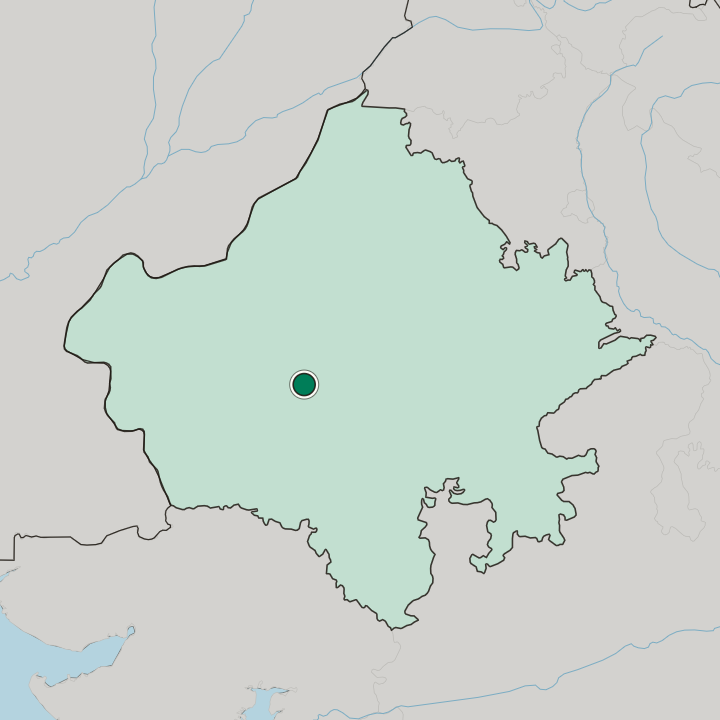
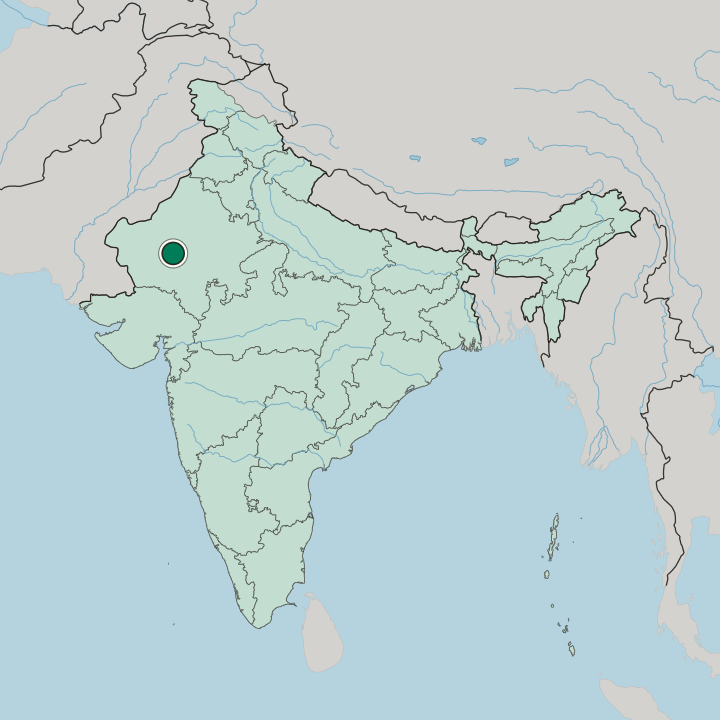
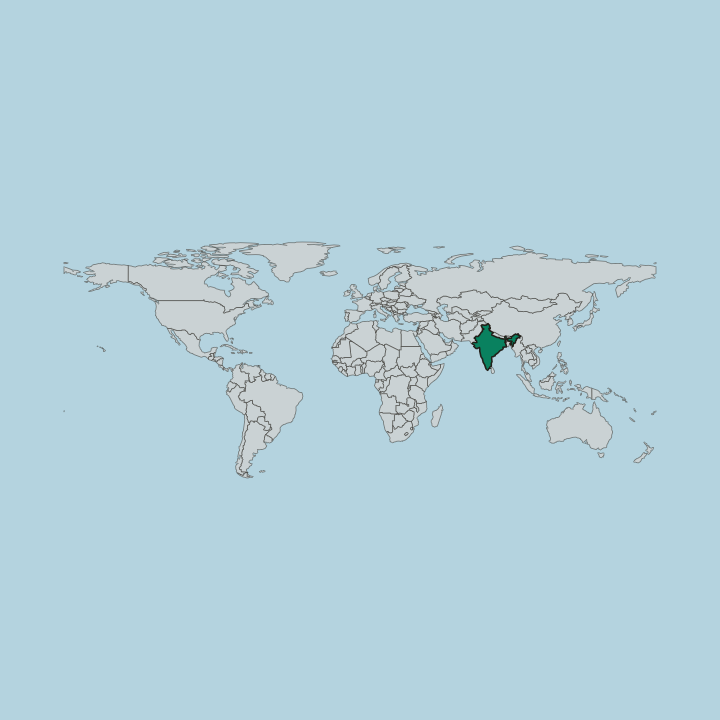
Jodhpur sits on the eastern edge of the Thar desert in north-western Rajasthan, on a dry rocky plain. A high sandstone outcrop breaks the flat land. Mehrangarh Fort crowns that rock, and the blue old town clusters at its foot, while the modern city spreads across the arid ground toward the open desert of Marwar.
Little water reaches this country. The desert defines the horizon.
What is the climate of Jodhpur?
Jodhpur has a hot, dry desert climate, earning it the name Sun City. Summers are fierce and arid. A brief monsoon then brings the year's scant rain to the edge of the Thar desert, before clear, mild weather settles over north-western Rajasthan through the short winter.
The sun shines almost every day.
How do you get to Jodhpur?
Jodhpur is reached by air, rail, and road across north-western Rajasthan. Its airport serves domestic routes. Trains link the city to Jaipur and the wider country, and desert highways run out across the Thar toward the border towns of Marwar.
Roads fan out from the old walled centre in every direction.
Common questions
What is the best area to stay in Jodhpur?
Blue old town: Travellers who want the fort at dawn. Modern garden districts: Quiet nights and easy transport.
Good for
More cities in State of Rājasthān
Updated September 2026