India
State of Rājasthān, India — Towns & Travel Guide
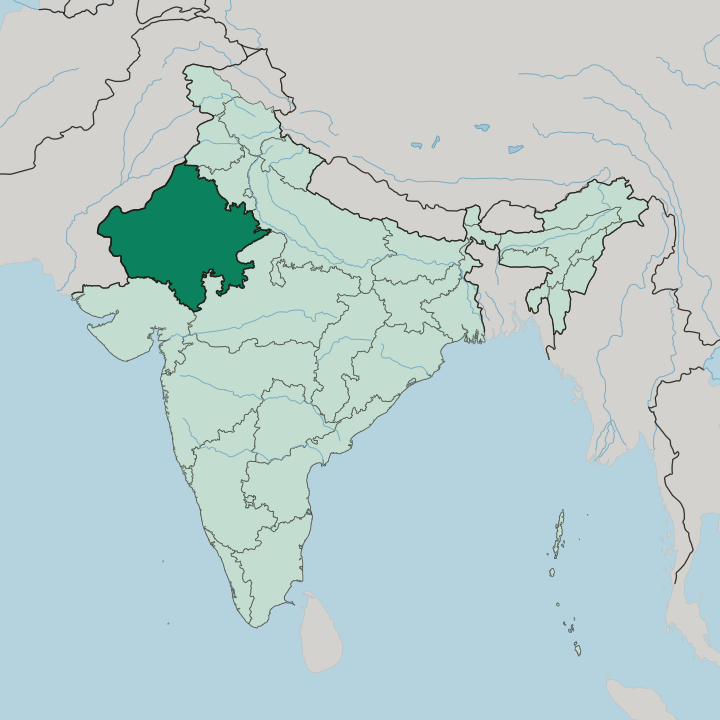
Rajasthan is India's largest state, spread across the Thar Desert and the Aravalli hills in the country's north-west.
Hotel links are affiliate links: booking through them may earn us a commission, at no extra cost to you. It never affects how places are ranked. How this works


Towns & cities in State of Rājasthān
Pick a town or city — each links to where to stay.
 India
India
Jaipur
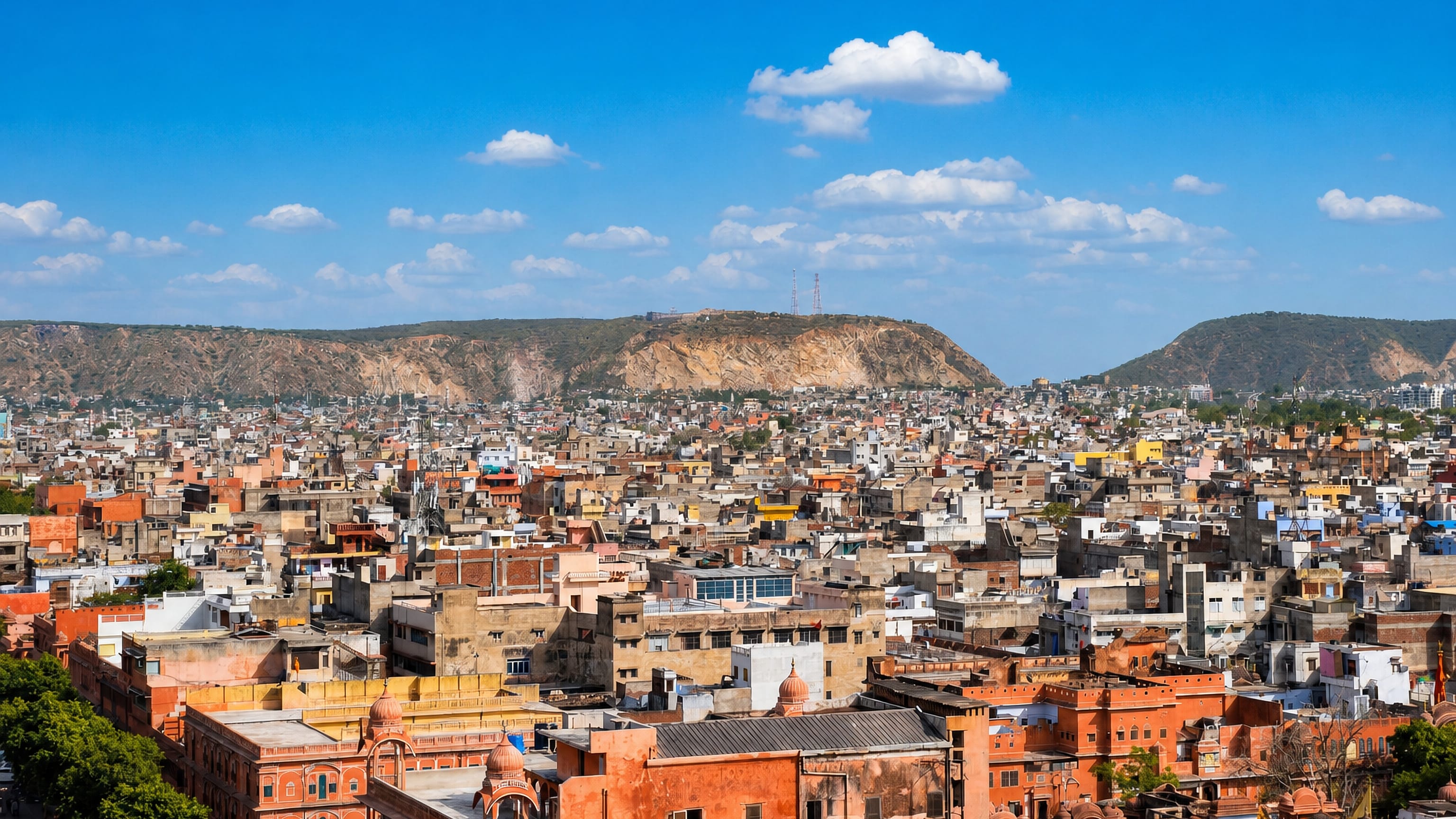
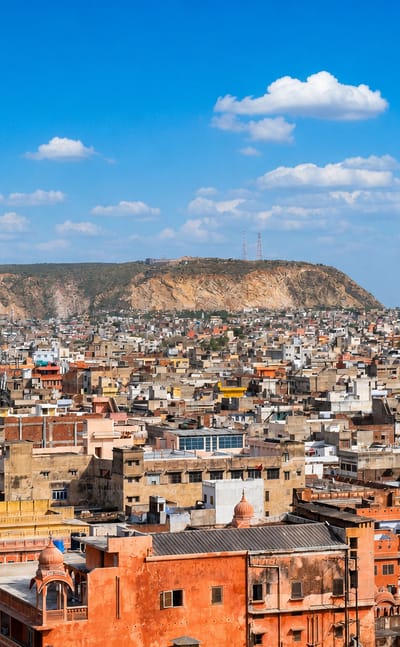
Pink sandstone façades and a planned grid set the tone in Jaipur, the capital of the State of Rājasthān, laid out around the City Palace from 1727.Where to stay →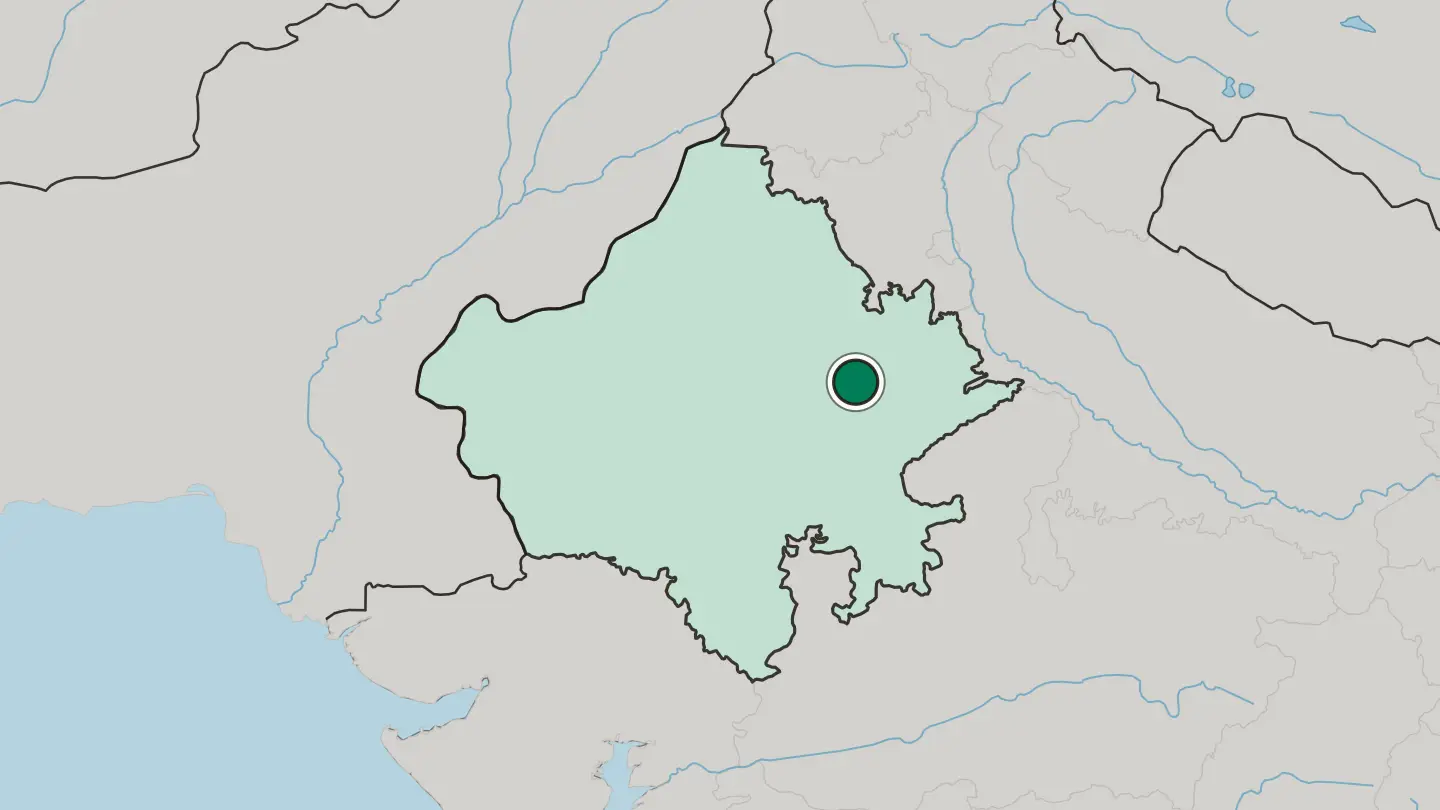
 India
India
Jodhpur
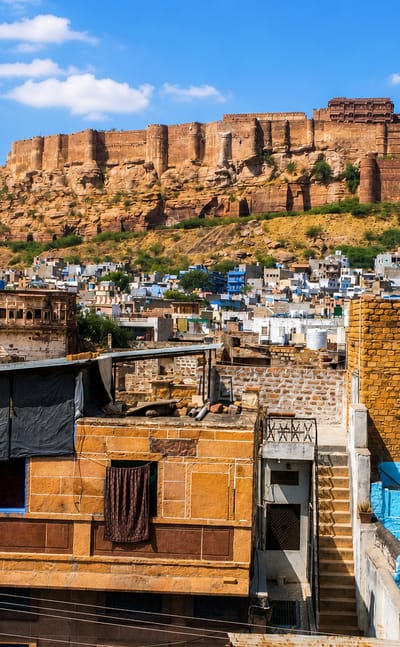
Mehrangarh Fort rises on its cliff above Jodhpur, a walled city on the edge of the Thar desert in north-western Rajasthan.Where to stay →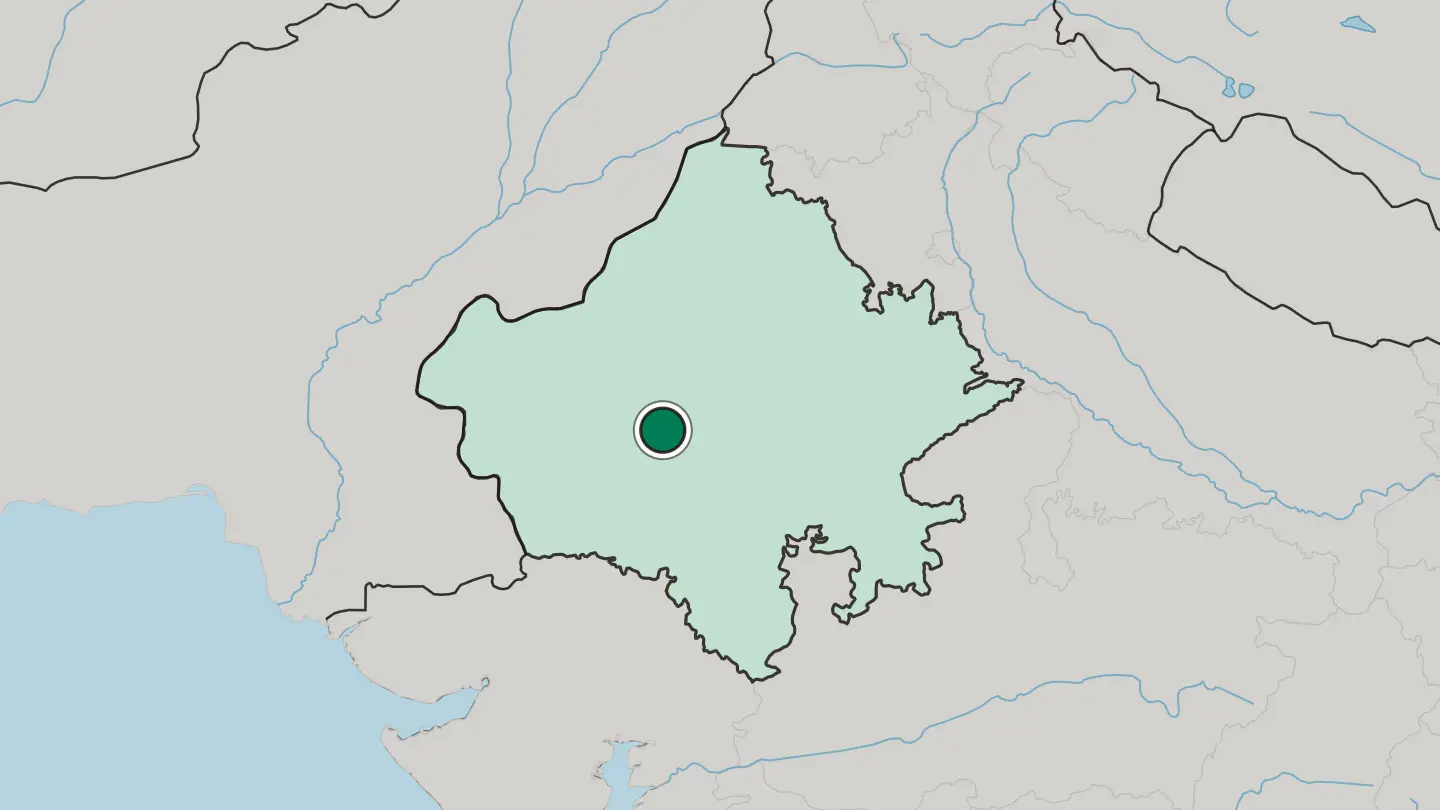
 India
India
Kota
Kota is a city of southern Rajasthan in India, an old Rajput capital on the Chambal river, now known across the land as its city of coaching.Where to stay →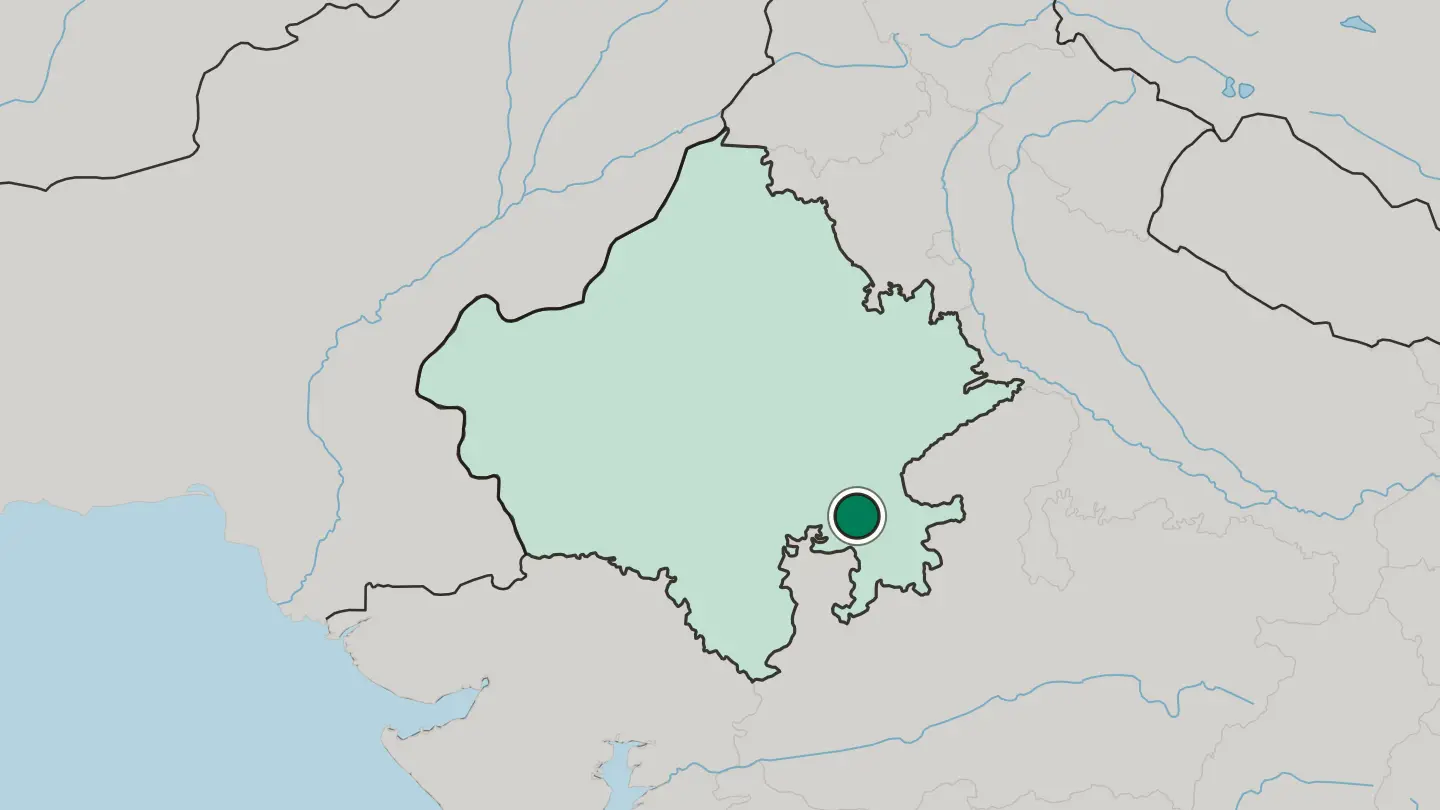
 India
India
Bikaner
Bikaner is a city of northwest Rajasthan in India, a desert town of the Thar, famed for its unconquered fort, its camel country, and its temple of rats.Where to stay →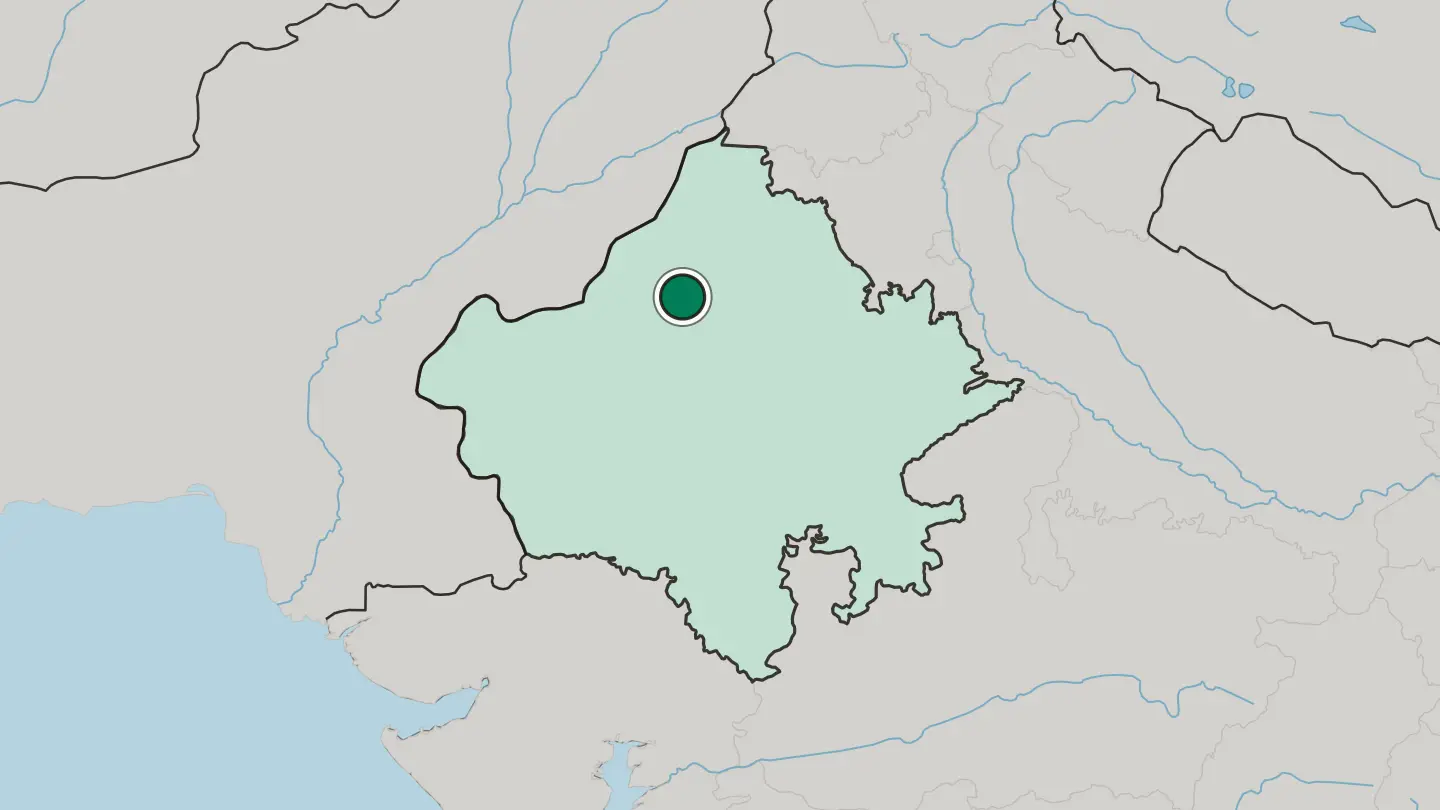
 India
India
Ajmer
Ajmer is a city of Rajasthan in western India, ringed by the Aravalli hills, revered for its great Sufi shrine and the sacred lake of Pushkar nearby.Where to stay →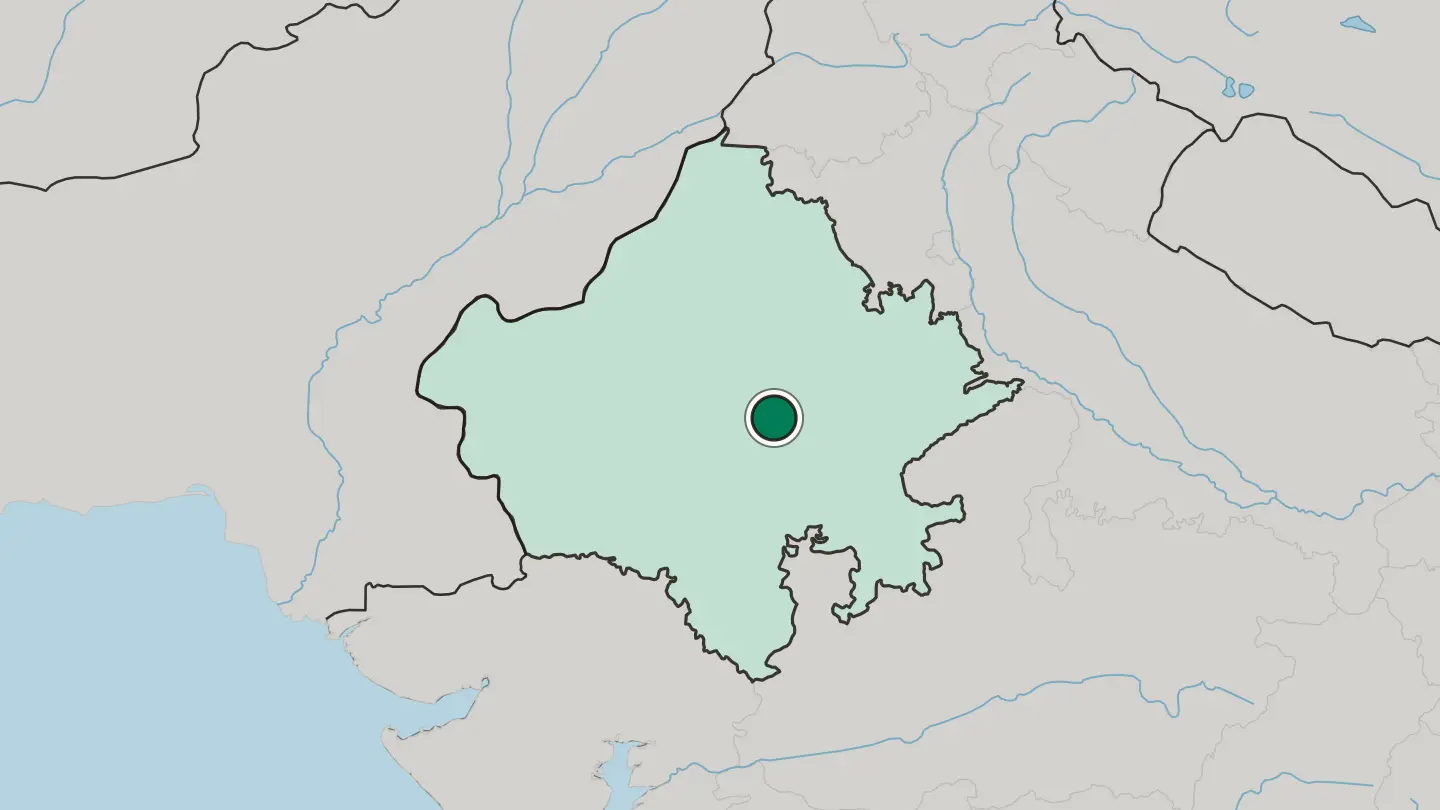
 India
India
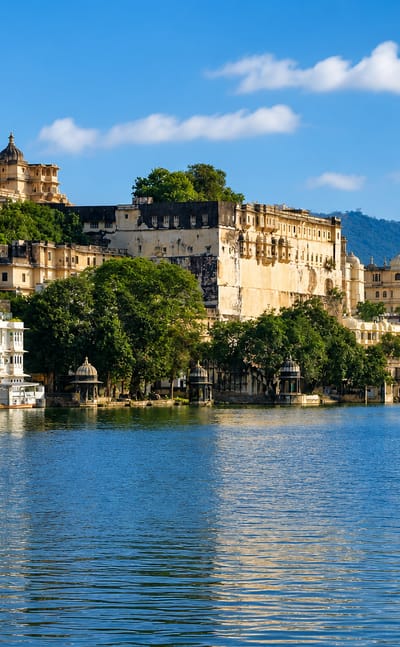
Udaipur
Palaces mirror in the still water at Udaipur, a lake-ringed city in north-western Rajasthan and the old capital of Mewar.Where to stay →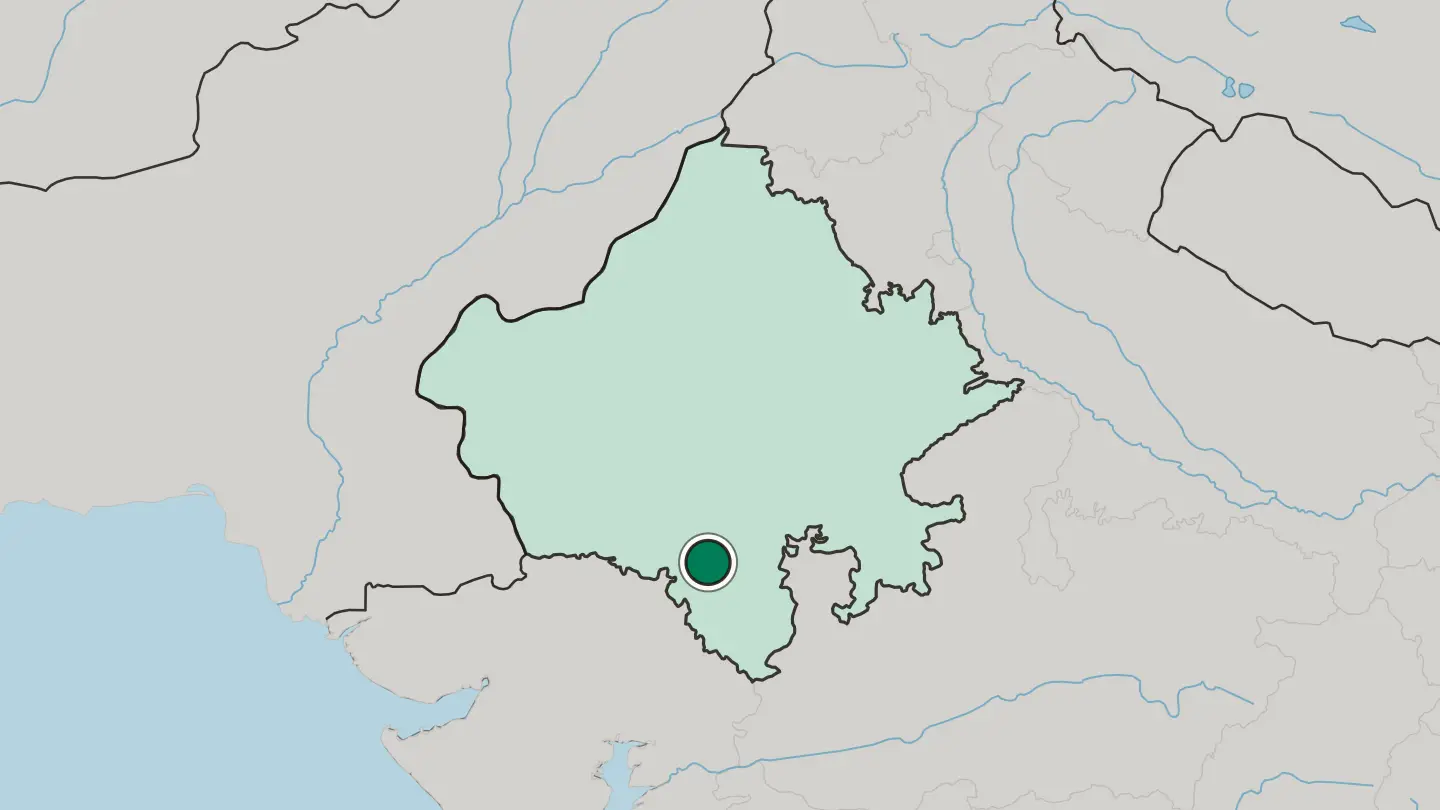 India
India
Bhilwara
Bhilwara is the administrative headquarters of Bhilwara district in the Mewar region of Rajasthan, a city known for its textile trade.Where to stay →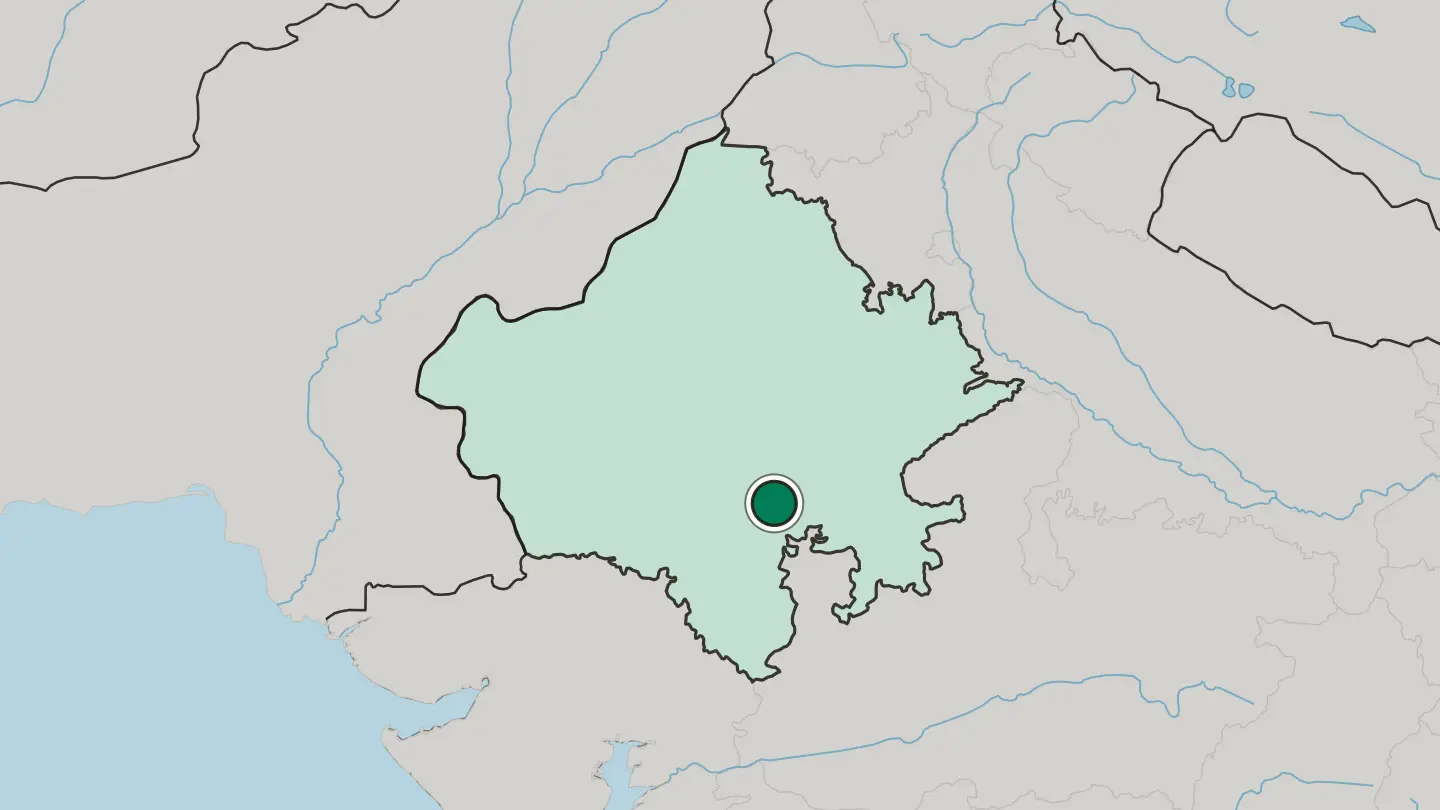
 India
India
Alwar
Alwar is a city of northeast Rajasthan in India, set in the Aravalli hills, known for its hilltop fort, its palace, and the tigers of Sariska nearby.Where to stay →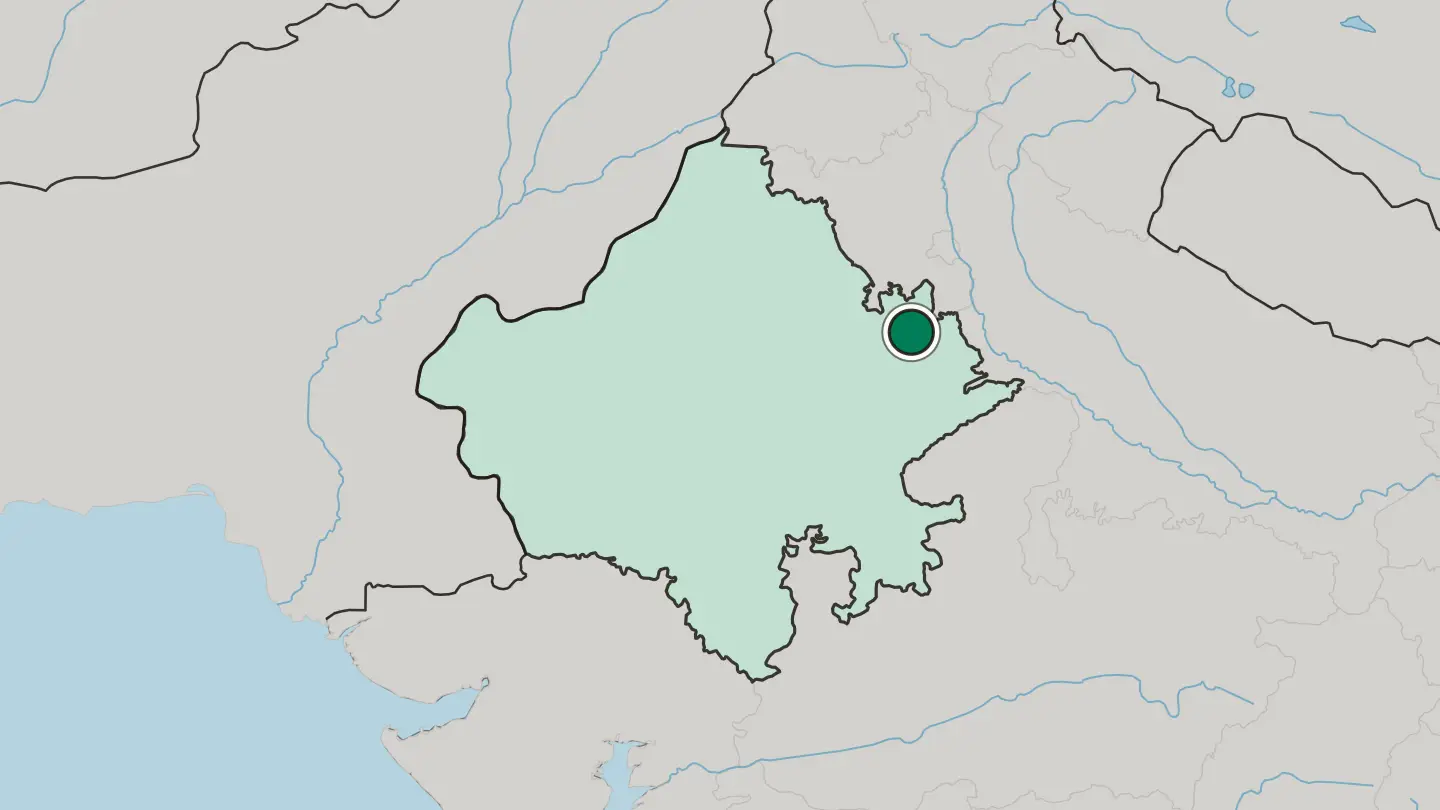
All towns & cities (38)
 India
India
Bharatpur
Bharatpur is a city in Rajasthan known for the Keoladeo Bird Sanctuary and for the walls of the Lohagarh Fort at its core.Where to stay →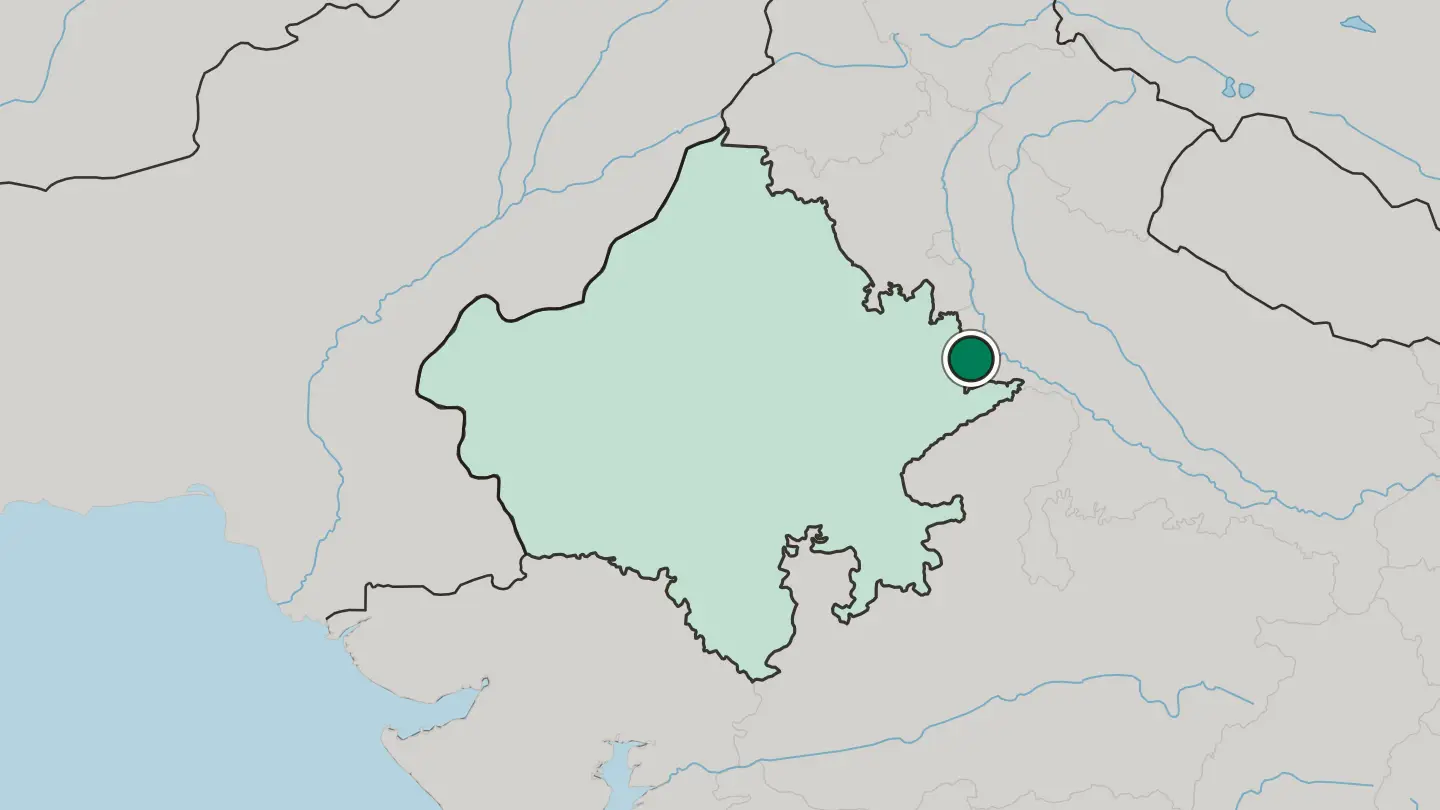 India
India
Sīkar
Sīkar, the largest city of the Shekhawati region and head of Sīkar district, is known for its coaching institutes and the byname Mini Kota.Where to stay →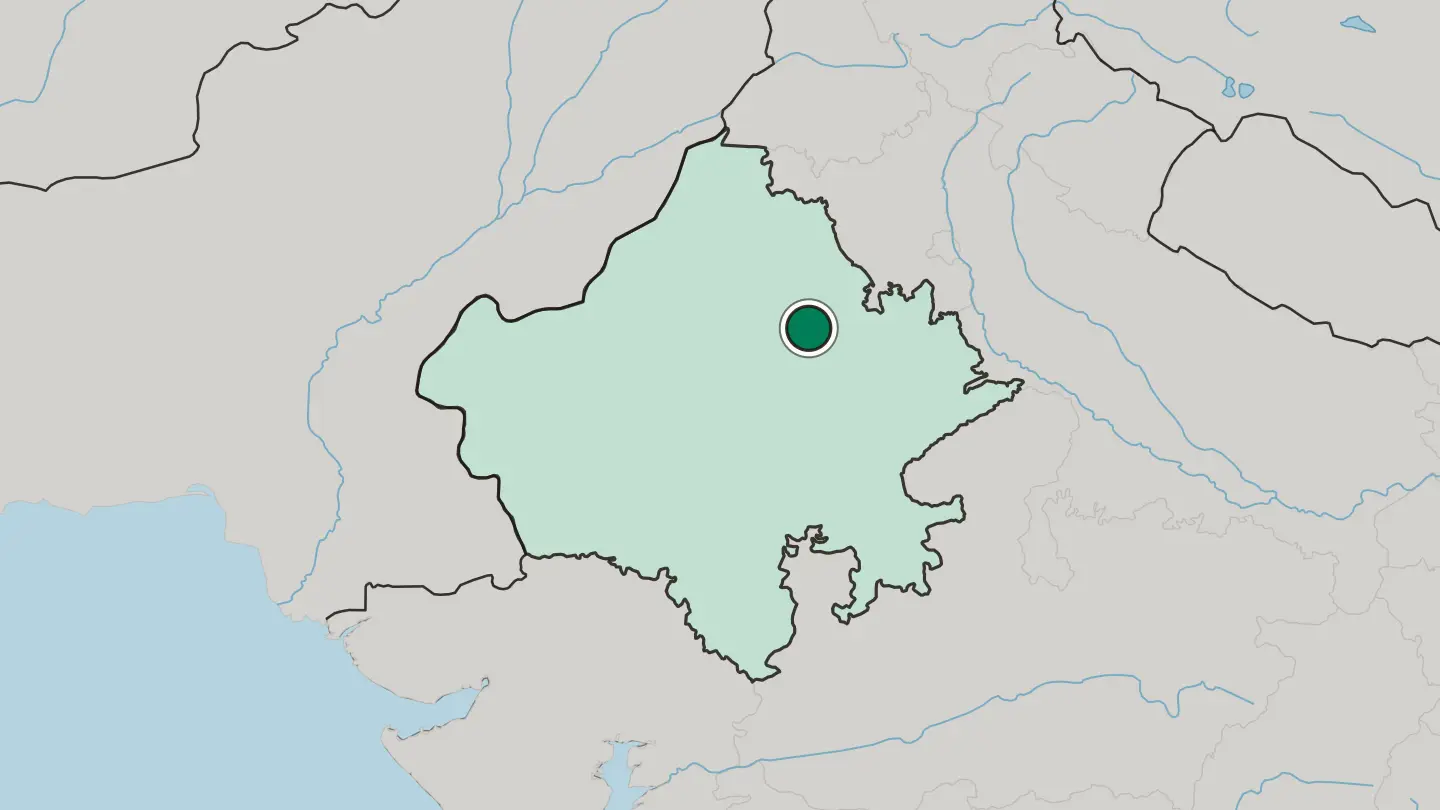 India
India
Sri Ganganagar
Sri Ganganagar, founded by Maharaja Ganga Singh of Bikaner State, owes its fields to the Gang Canal and heads its own district in Rājasthān.Where to stay →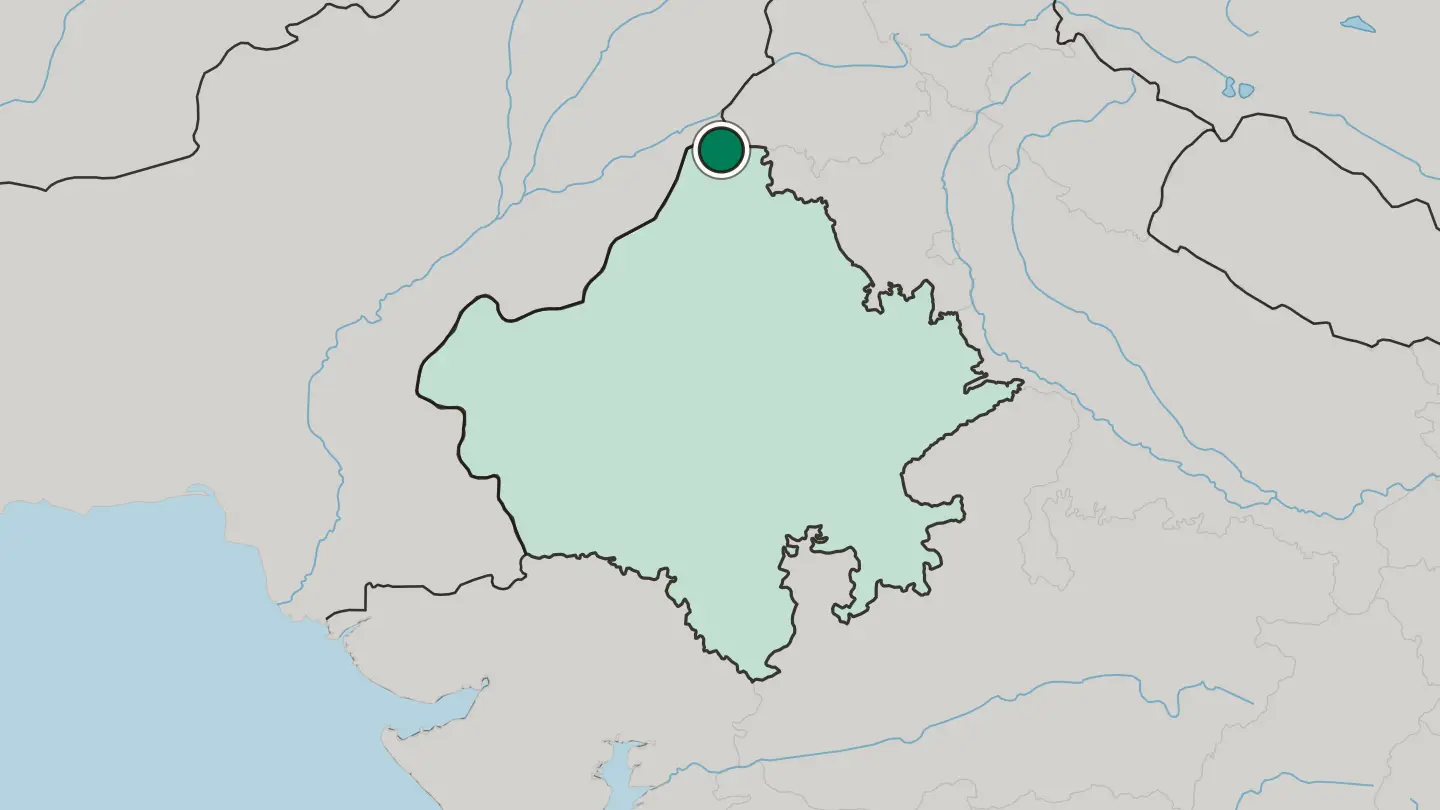 India
India
Pāli
Pāli, headquarters of Pāli district in Rājasthān, sits on the Bandi river south-east of Jodhpur and goes by the name The Industrial City.Where to stay →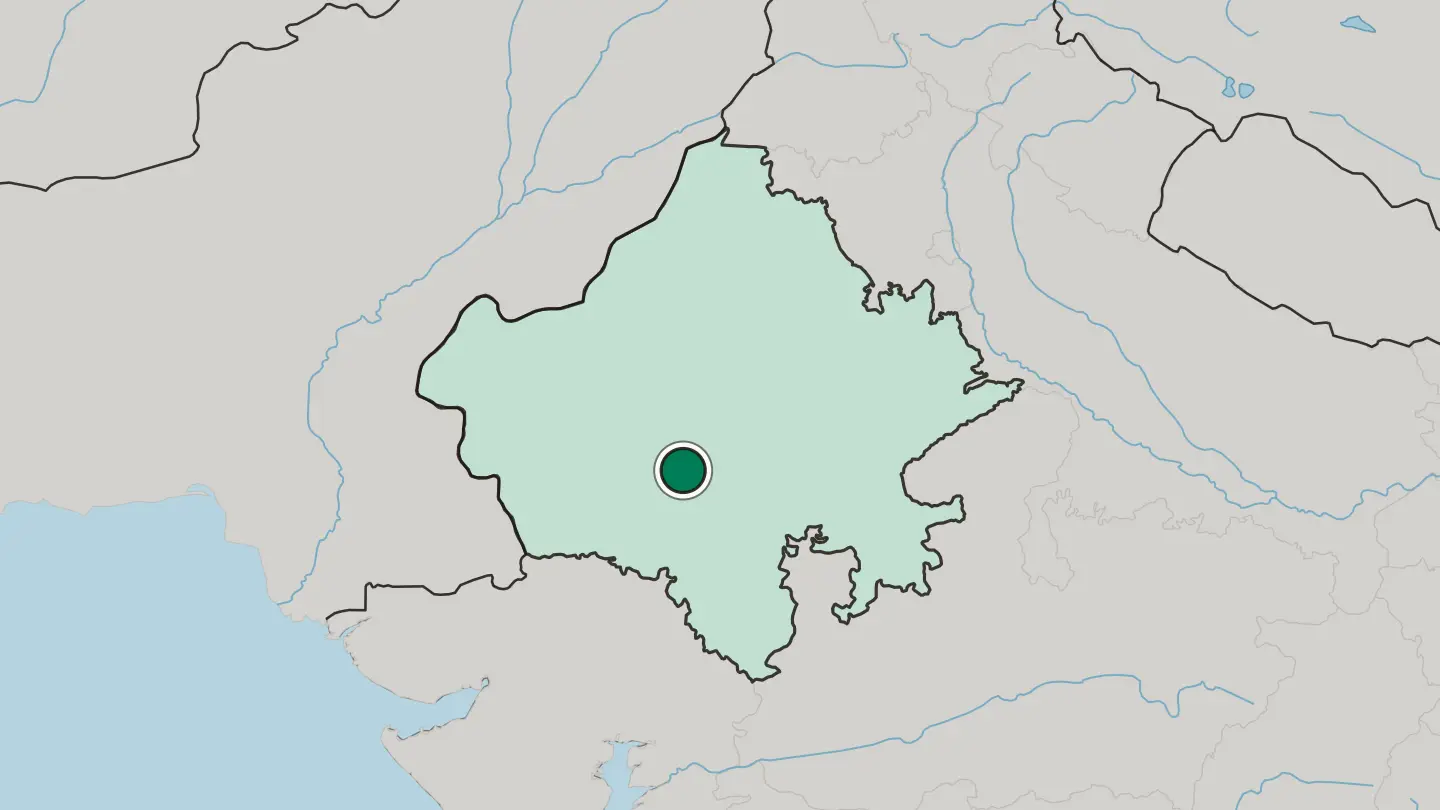 India
India
Sūjāngarh
Sūjāngarh is a temple town in the Shekhawati region of Churu District, Rajasthan, holding a second Tirupati Balaji Temple after the one at Tirumala.Where to stay →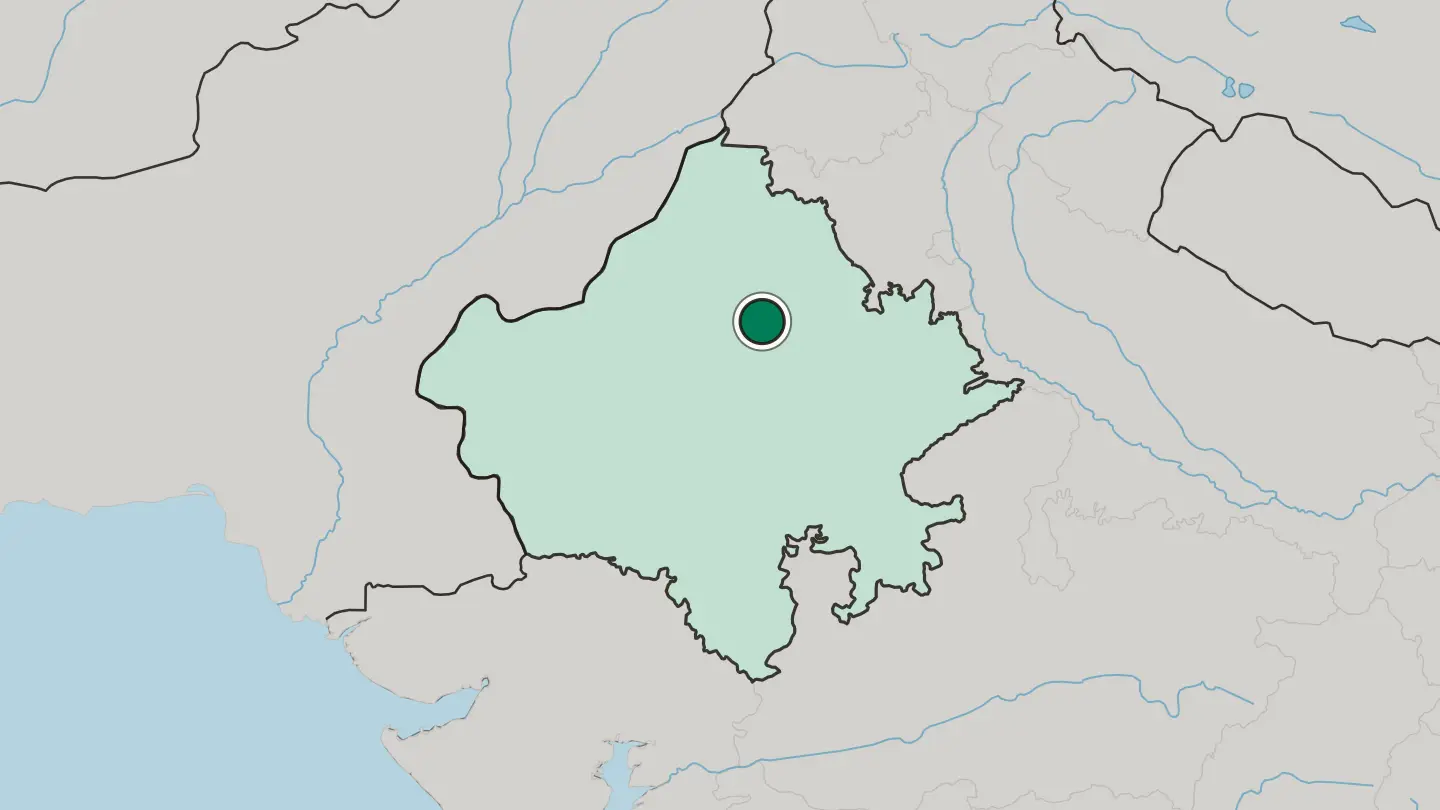 India
India
Tonk
Tonk, the City of Nawabs, sits near the right bank of the Banas River and heads Tonk District in Rajasthan, its founding recorded in 1818.Where to stay →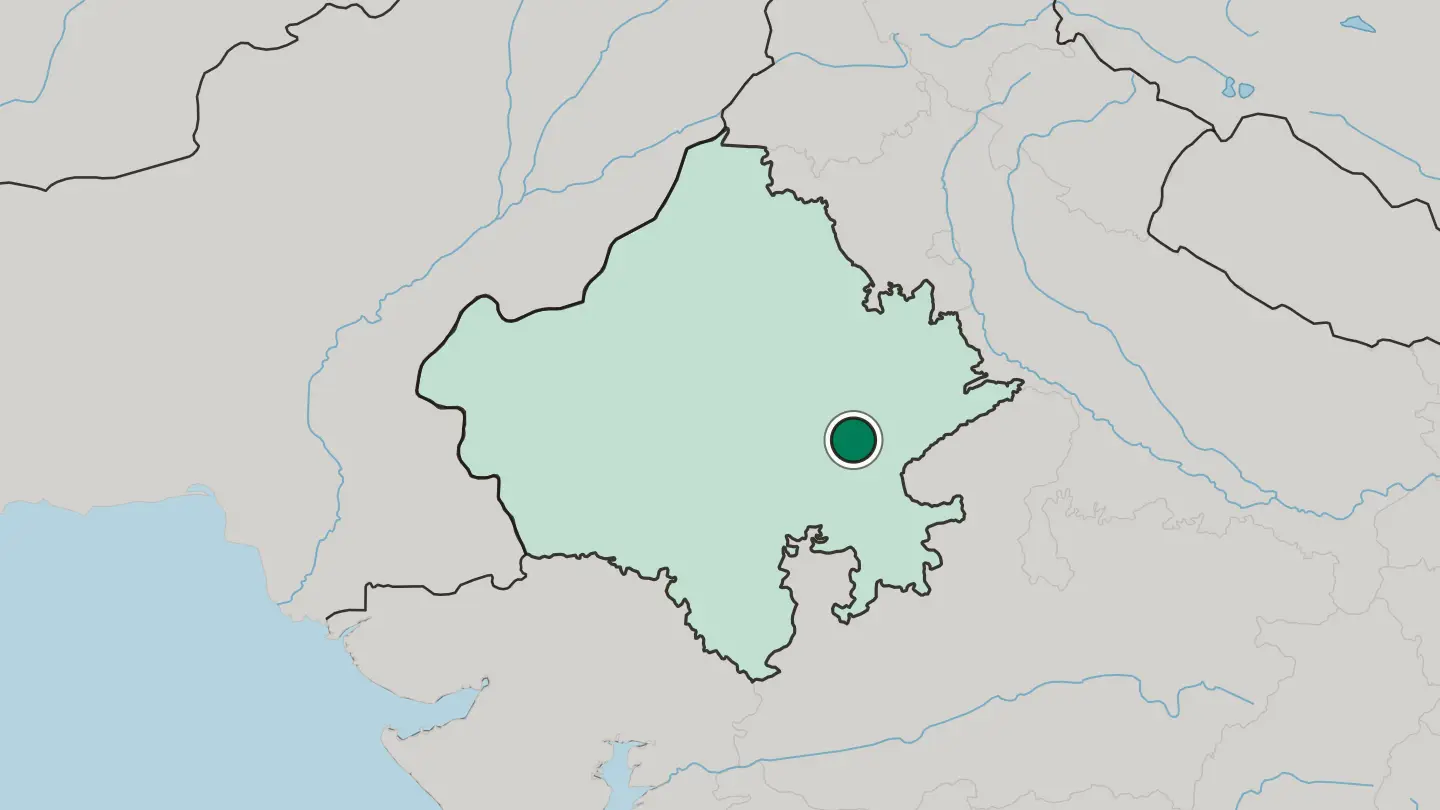 India
India
Hanumāngarh
Hanumāngarh stands on the banks of the Ghaggar in Rājasthān, a district headquarters once called Bhatner and still holding Bhatner Fort.Where to stay →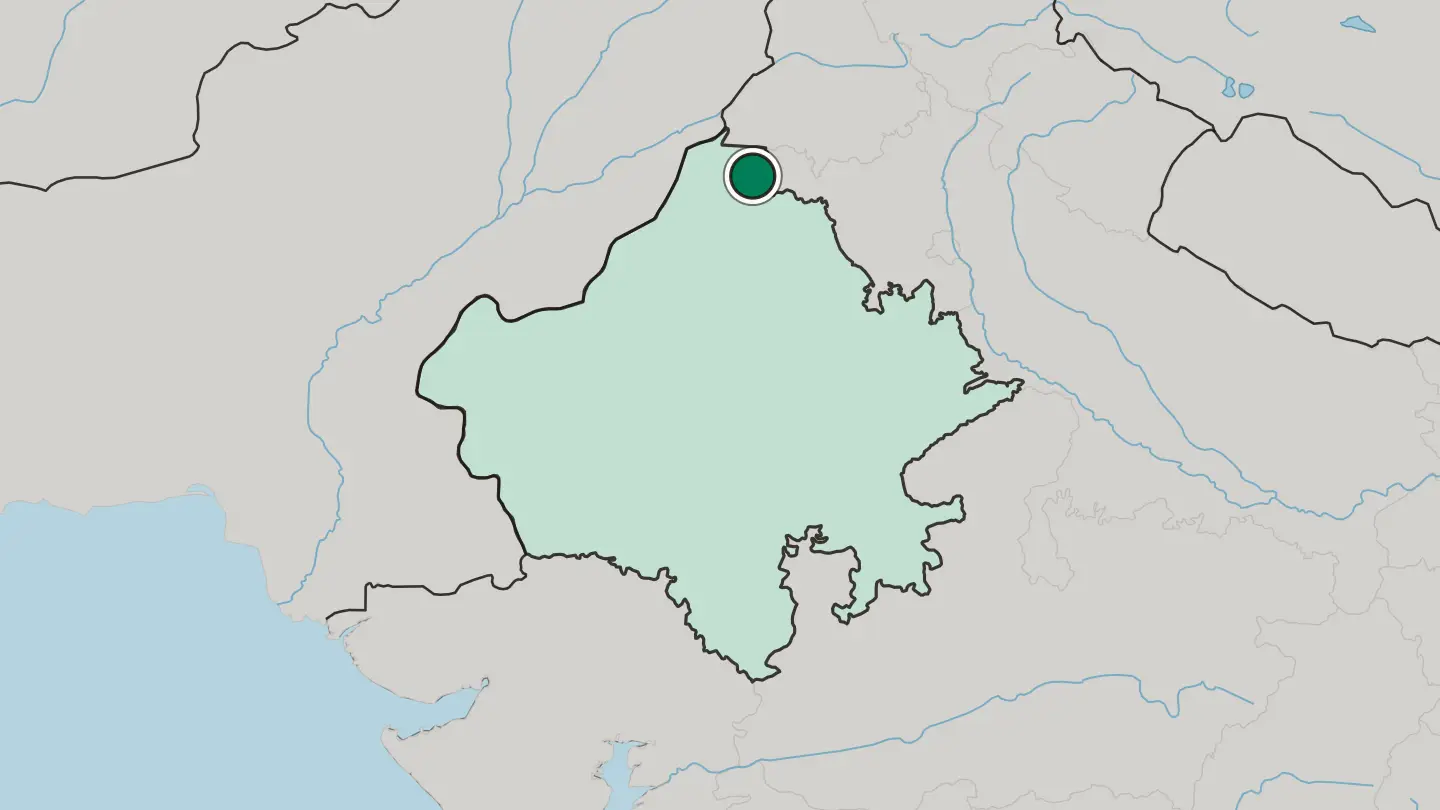 India
India
Kishangarh
Kishangarh, historic capital of Kishangarh State, is a municipal council near Ajmer in central Rājasthān, founded in 1611 by Kishan Singh.Where to stay →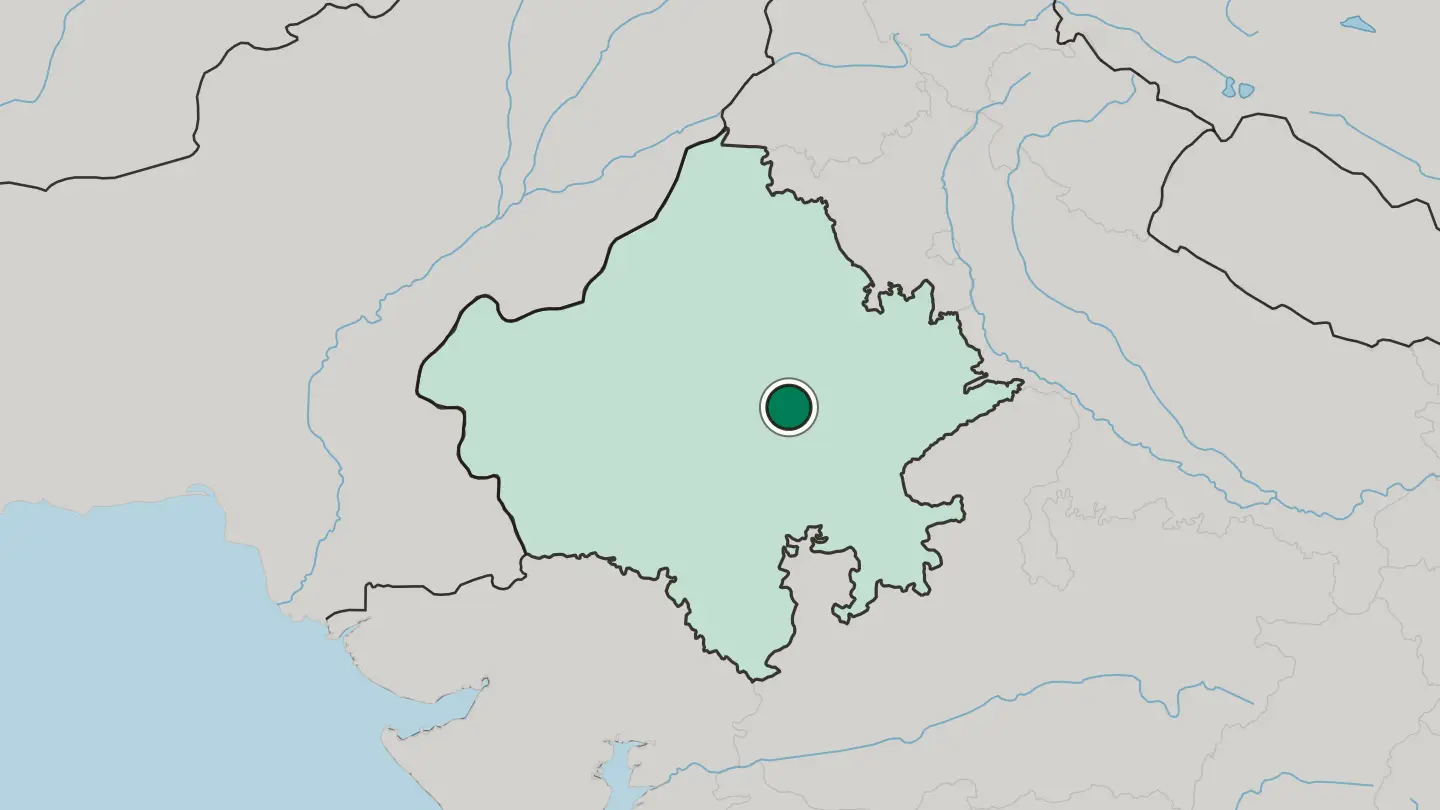 India
India
Beāwar
Beāwar dates from 1836 and was the financial capital of Ajmer-Merwara, standing amidst the Aravali hills of Rājasthān as a cement city.Where to stay →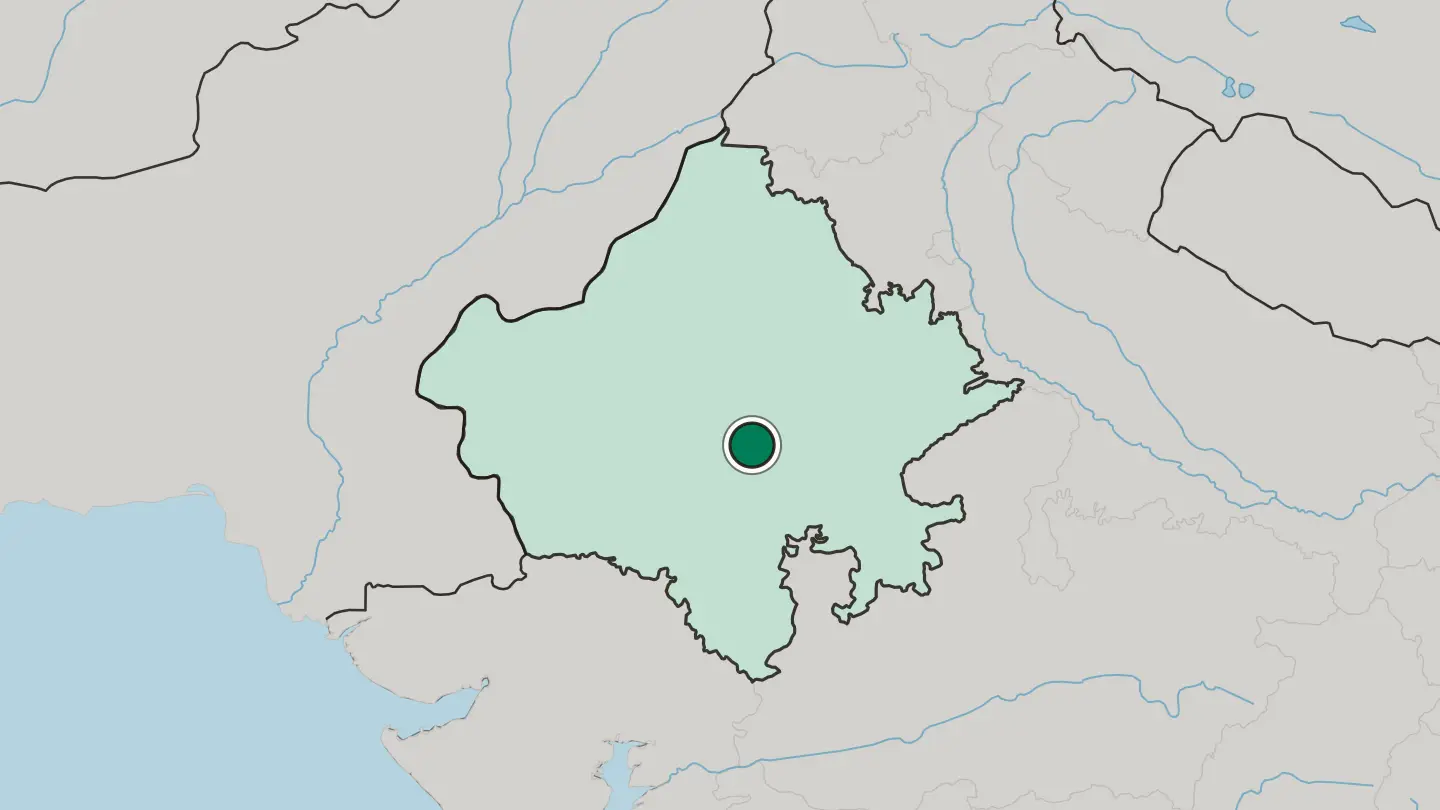
 India
India
Dhaulpur
Dhaulpur stands on the left bank of the Chambal in northeastern Rājasthān, a district headquarters established as Dhavalpuri in 1004.Where to stay →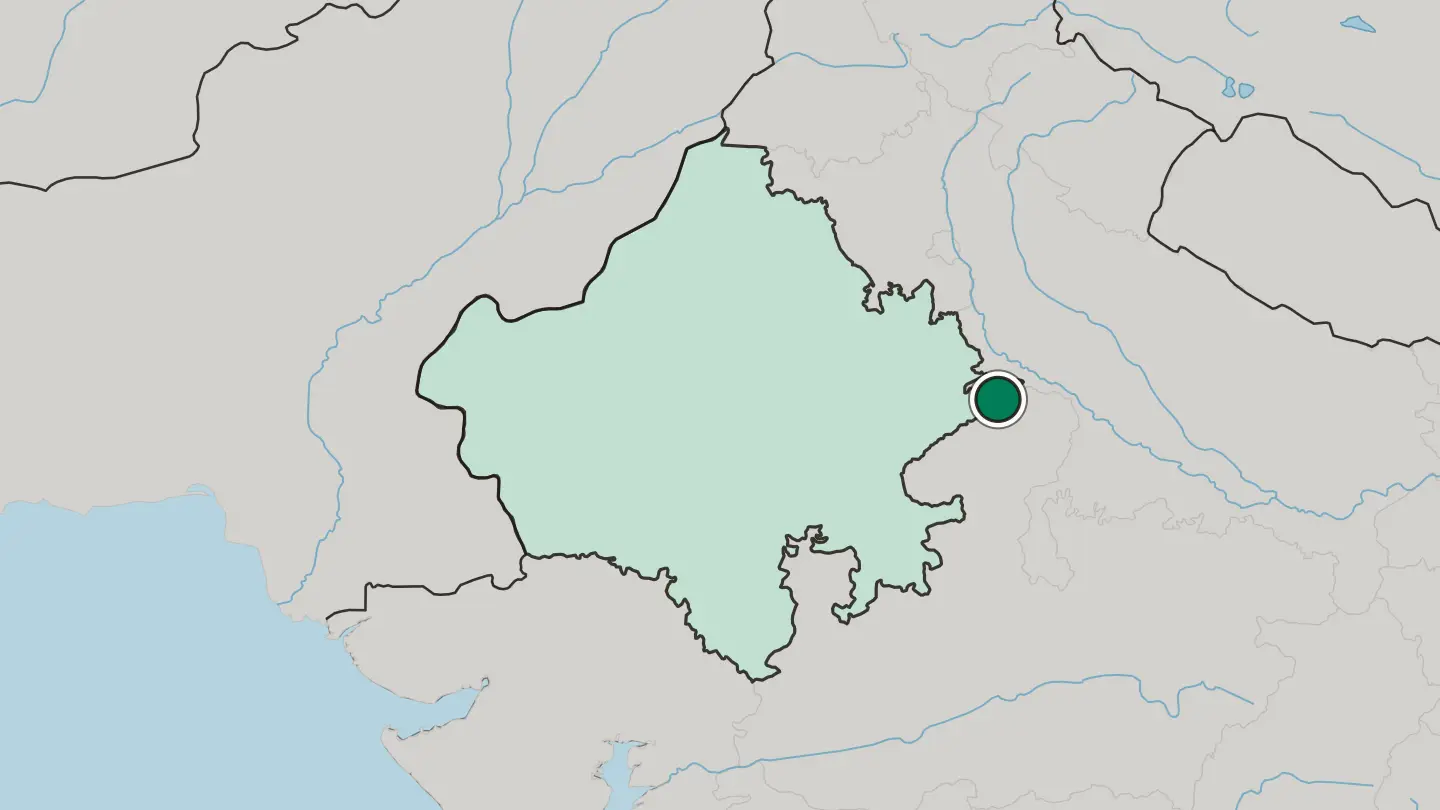
 India
India
Sawai Madhopur
Sawai Madhopur, founded in 1763, heads its own district in the Bharatpur division of Rājasthān and keeps the Shilpgram among its landmarks.Where to stay →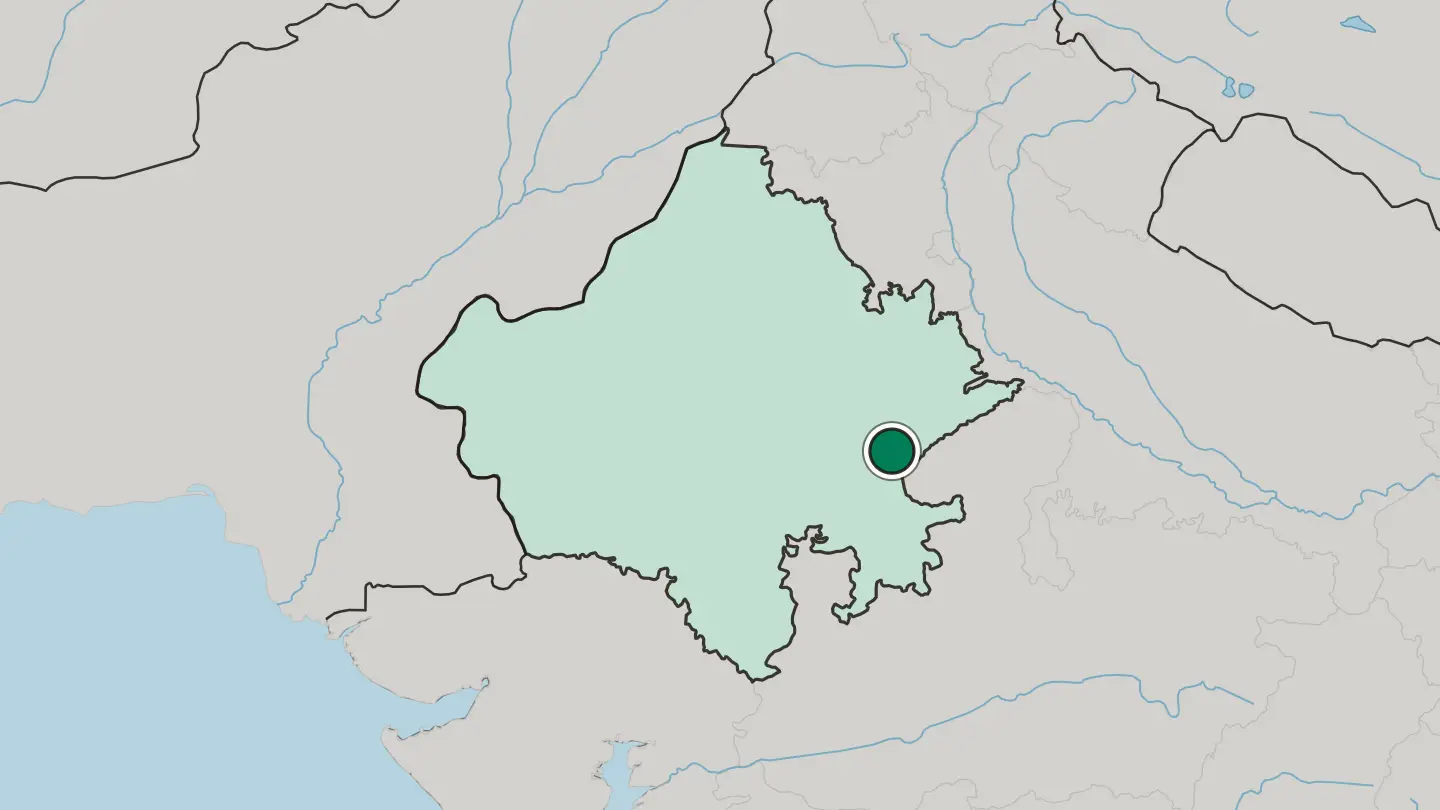
 India
India
Chūru
Chūru stands on the Thar Desert's edge in the Sekhawati region of Rājasthān, a town of frescoed havelis and shifting dunes.Where to stay →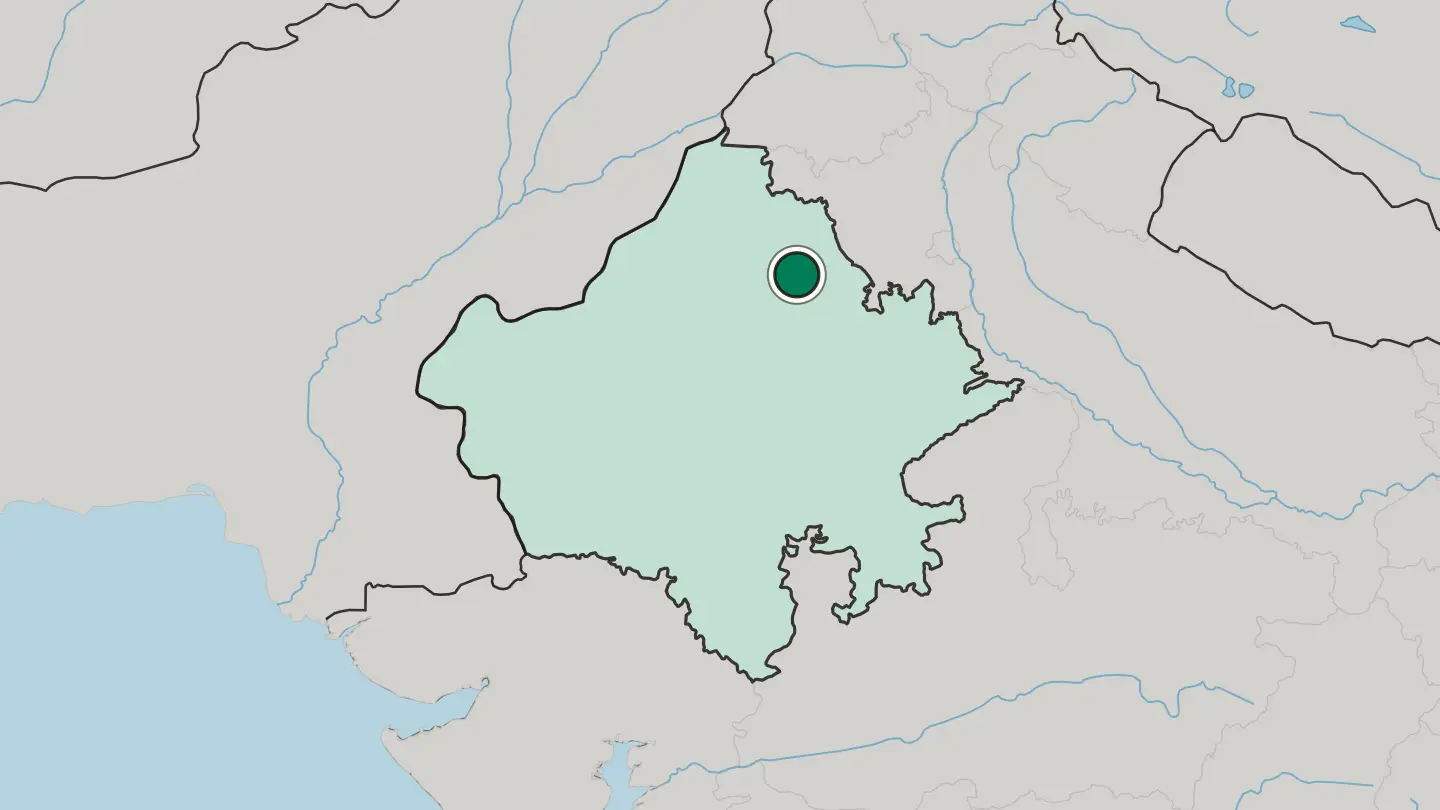 India
India
Gangāpur
Gangāpur, set down as Gangapur City, is a municipal council of Sawai Madhopur district in the eastern part of Rājasthān, dating from 1757.Where to stay →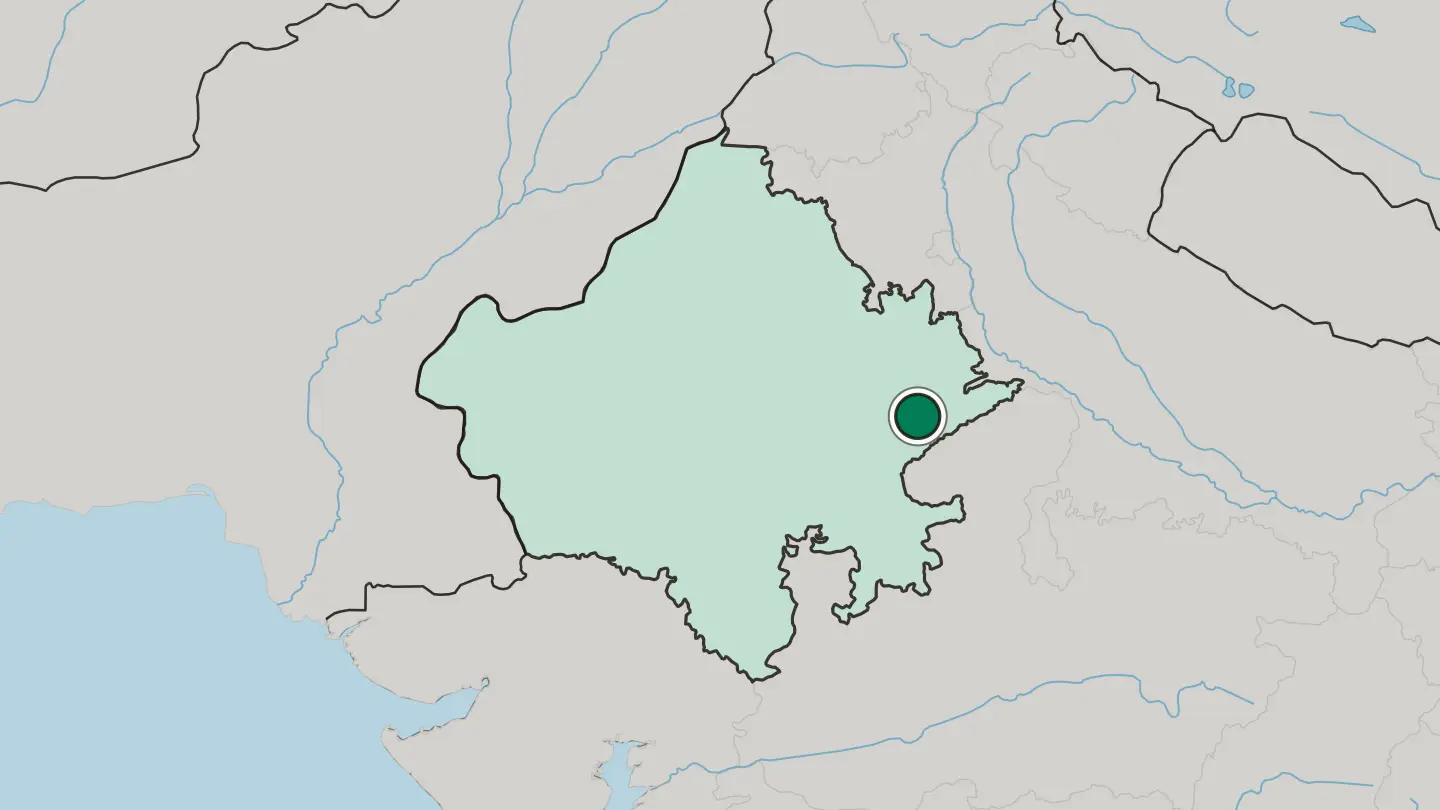 India
India
Jhunjhunūn
Jhunjhunūn is the biggest city of the Shekhawati region and the seat of Jhunjhunu district, a municipal council in Rājasthān, India.Where to stay →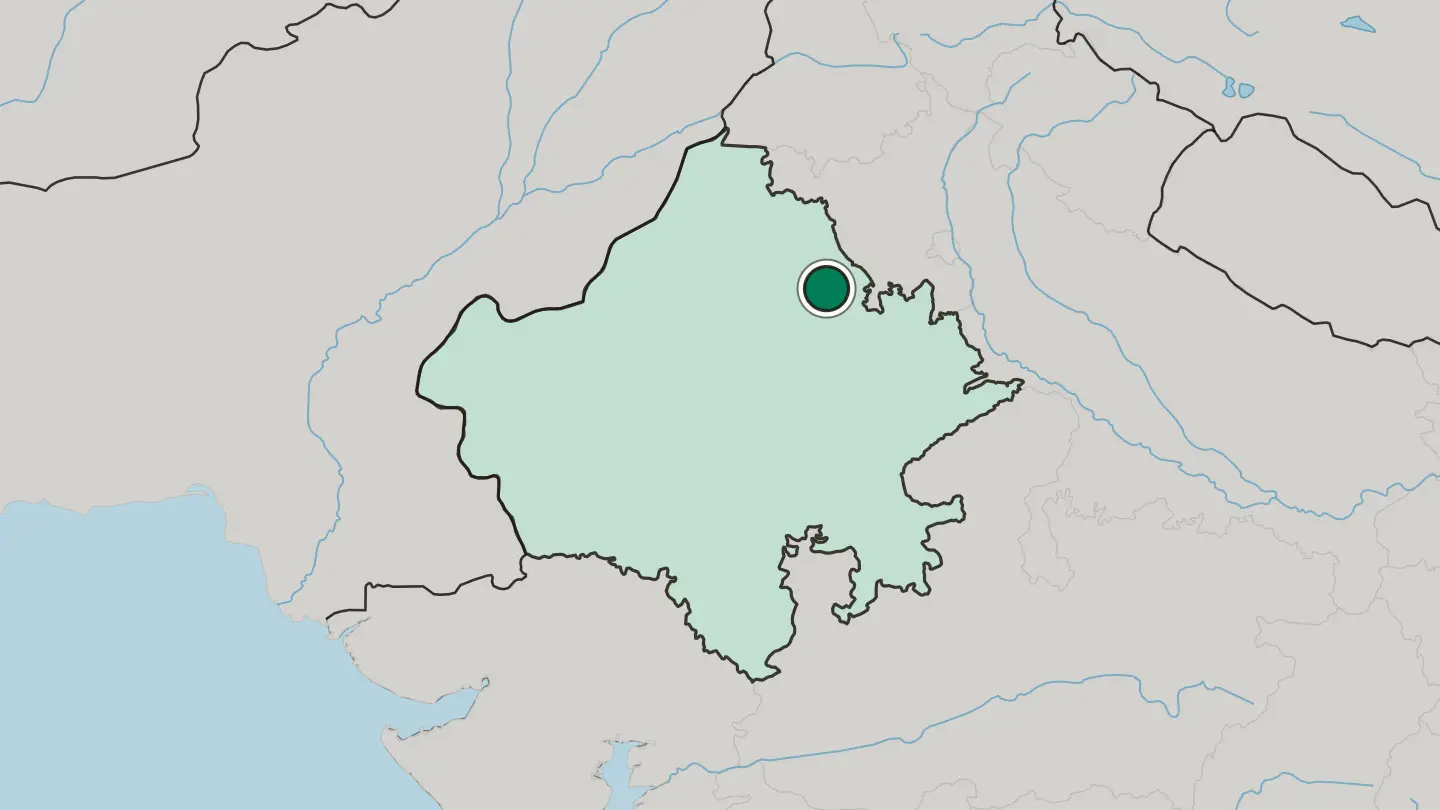
 India
India
Chittorgarh
Chittorgarh is a city of southern Rajasthan in India, crowned by a vast hill fort, the old Rajput capital of Mewar and a byword for its valor.Where to stay →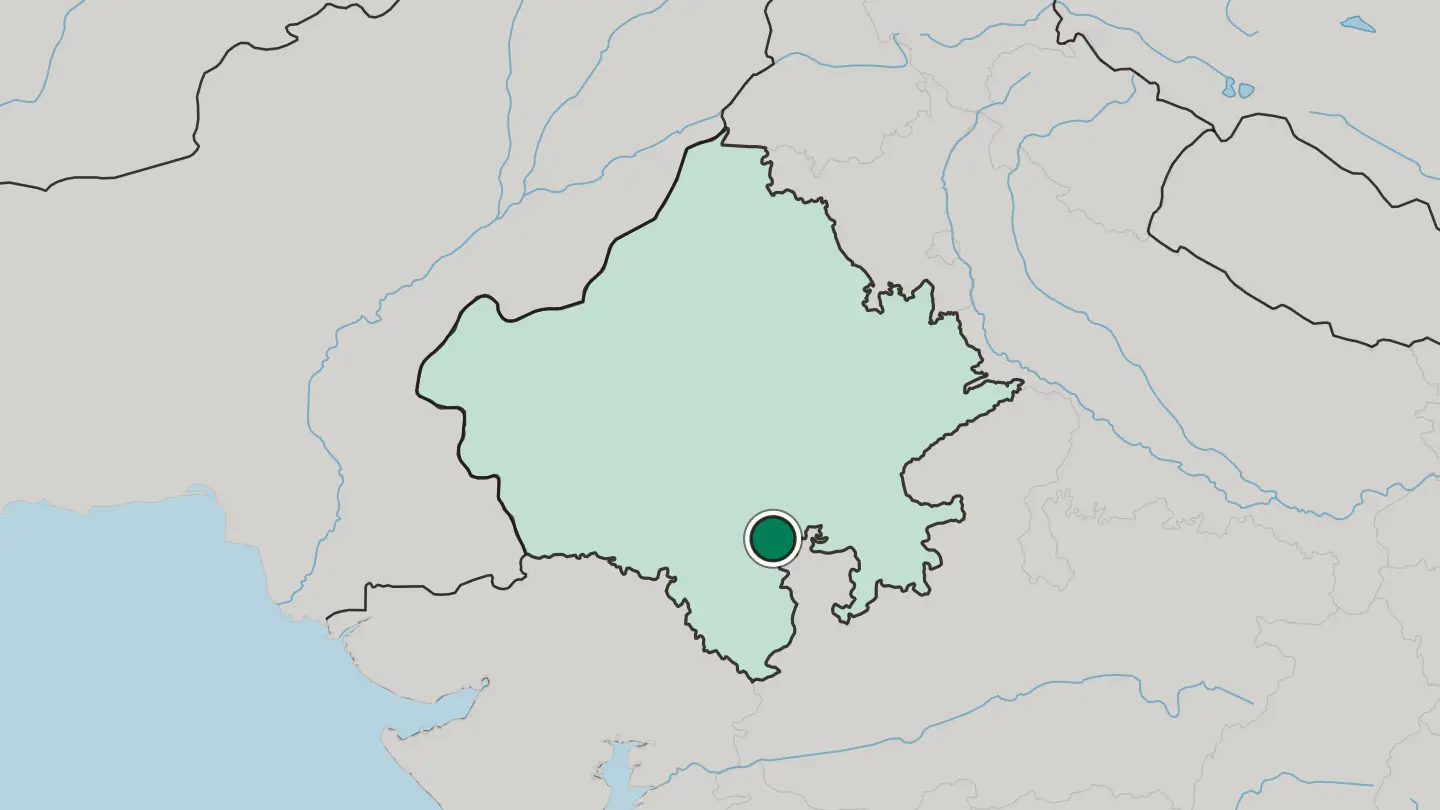 India
India
Nāgaur
Nāgaur, the seat of Nāgaur District in Rājasthān, stands midway between Jodhpur and Bikaner and is known for its spices and its mithai.Where to stay →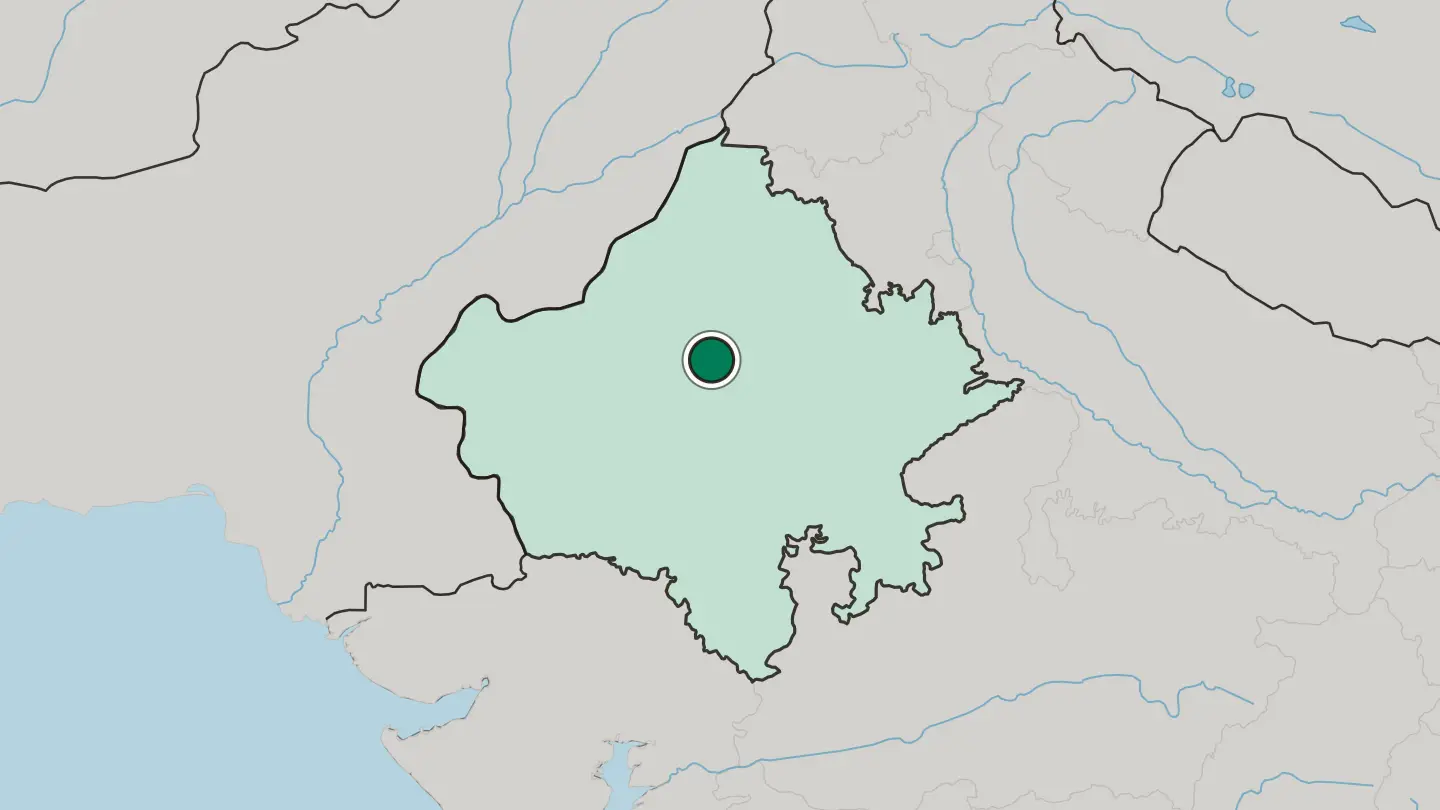
 India
India
Bhiwadi
Bhiwadi is a planned industrial city in Rajasthan on the Haryana border, inside the National Capital Region of Delhi.Where to stay →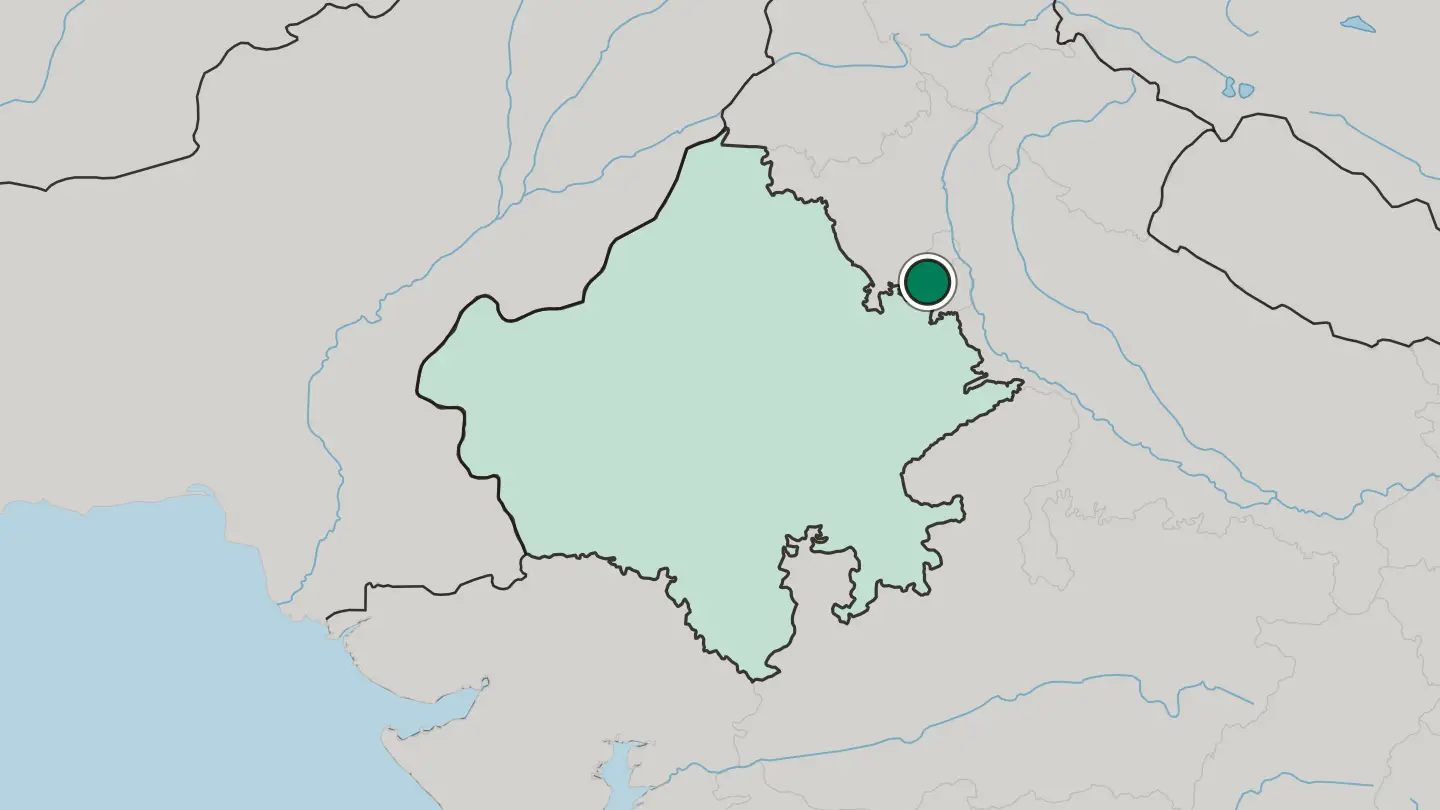
 India
India
Būndi
Būndi sits in the Hadoti region of Rājasthān, beneath Taragarh fort, its lanes threaded with more than 50 sunken stepwells.Where to stay →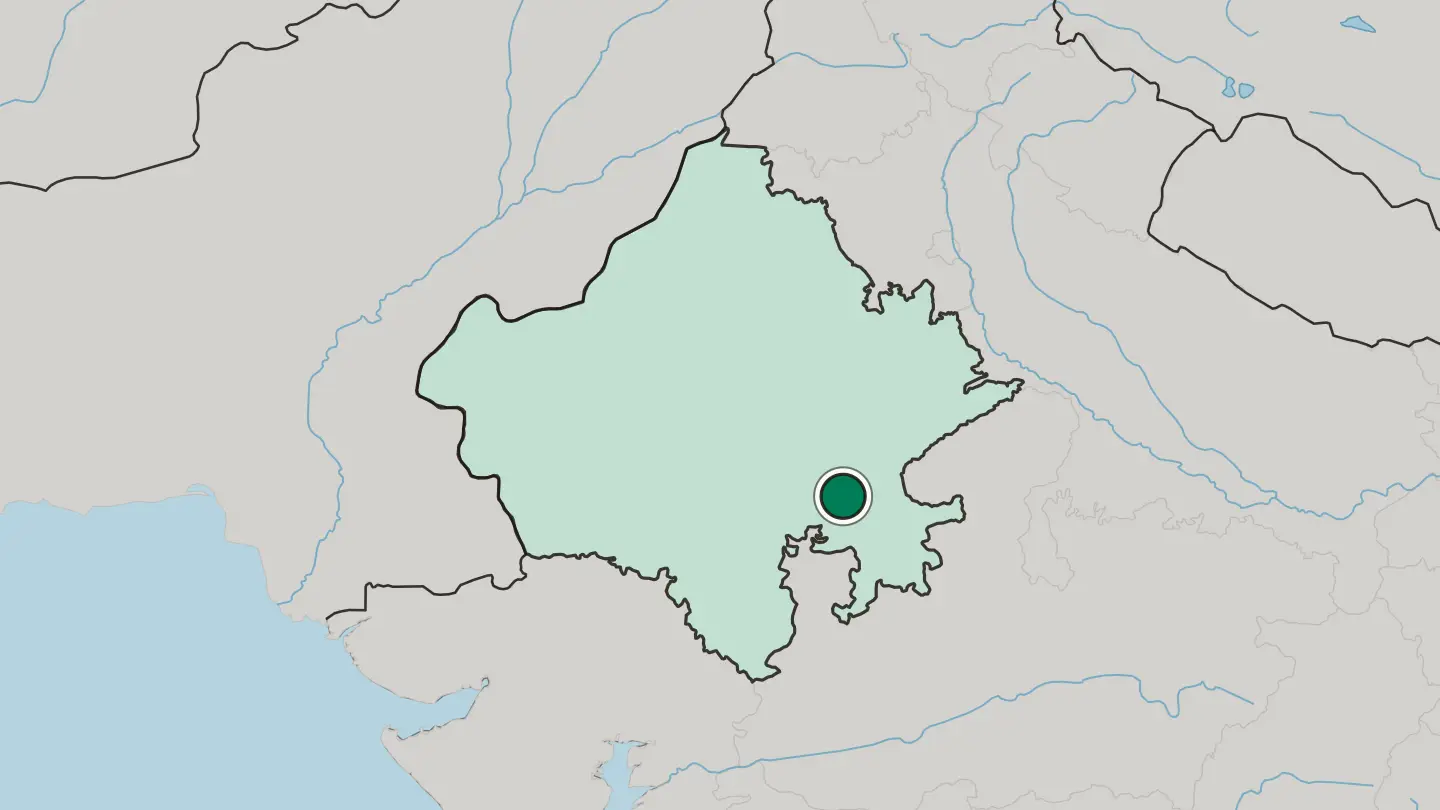 India
India
Bānswāra
Bānswāra is a city in Bānswāra district, Rajasthan, its name traced to a king called Bansiya Bhil.Where to stay →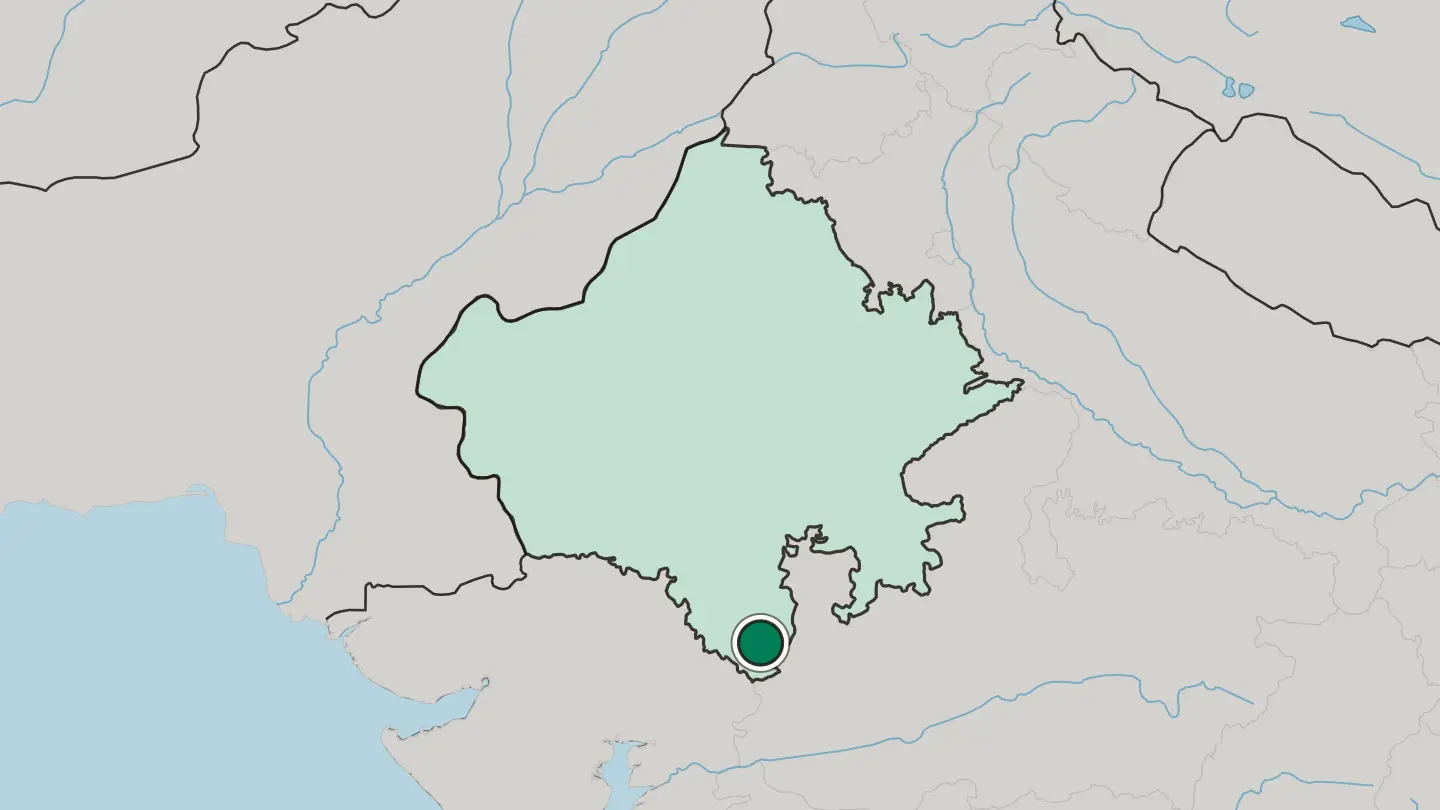 India
India
Bārmer
Bārmer is a municipal council town in western Rājasthān, headquarters of both Bārmer district and the Bārmer tehsil that surrounds it.Where to stay →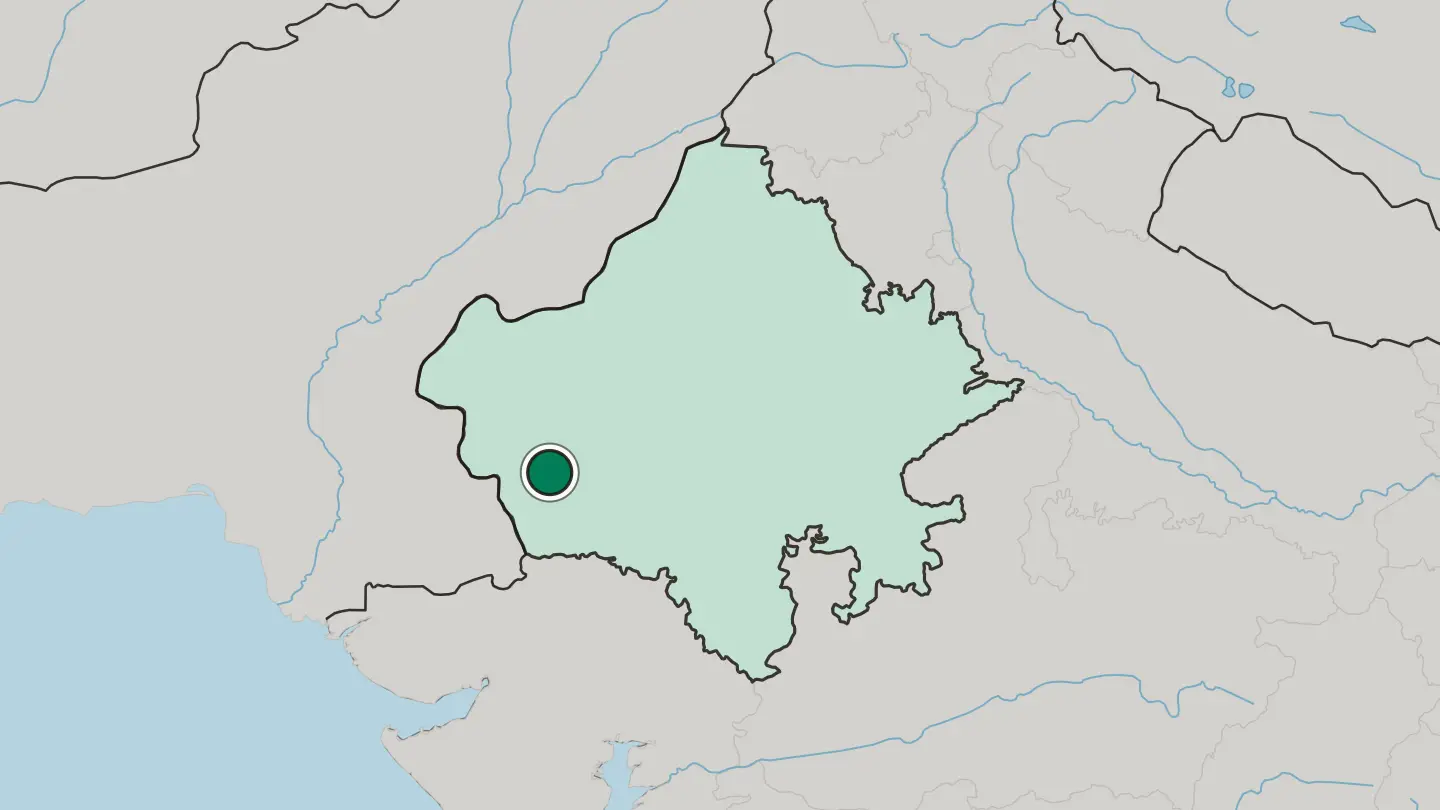 India
India
Makrāna
Makrāna is a marble town in Didwana-Kuchaman district, Rajasthan, whose quarries supplied the stone and the stonemasons for the Taj Mahal.Where to stay →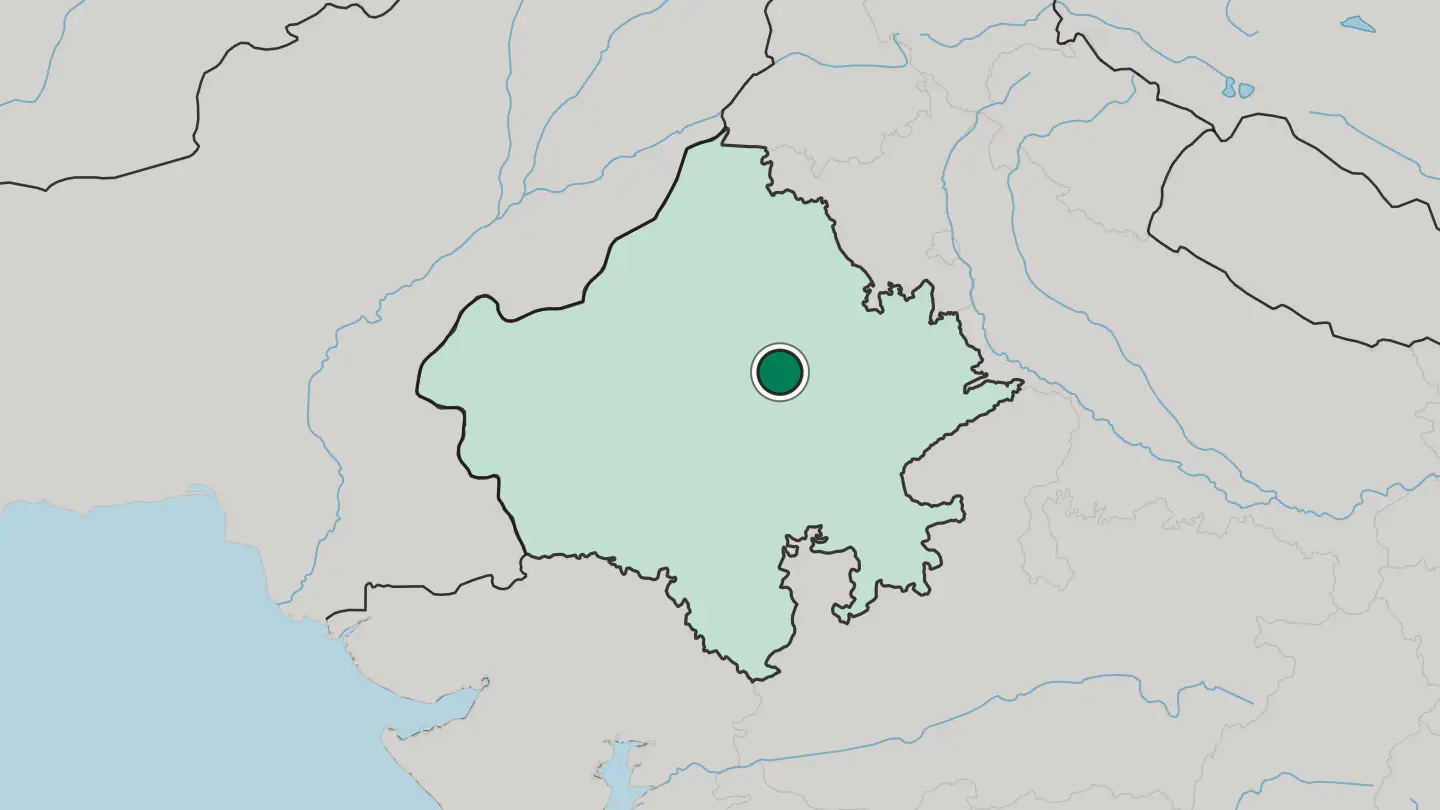 India
India
Dausa
Dausa is a city on the Jaipur-Agra National Highway in Rājasthān, headquarters of Dausa district and a common halt between Jaipur and Agra.Where to stay →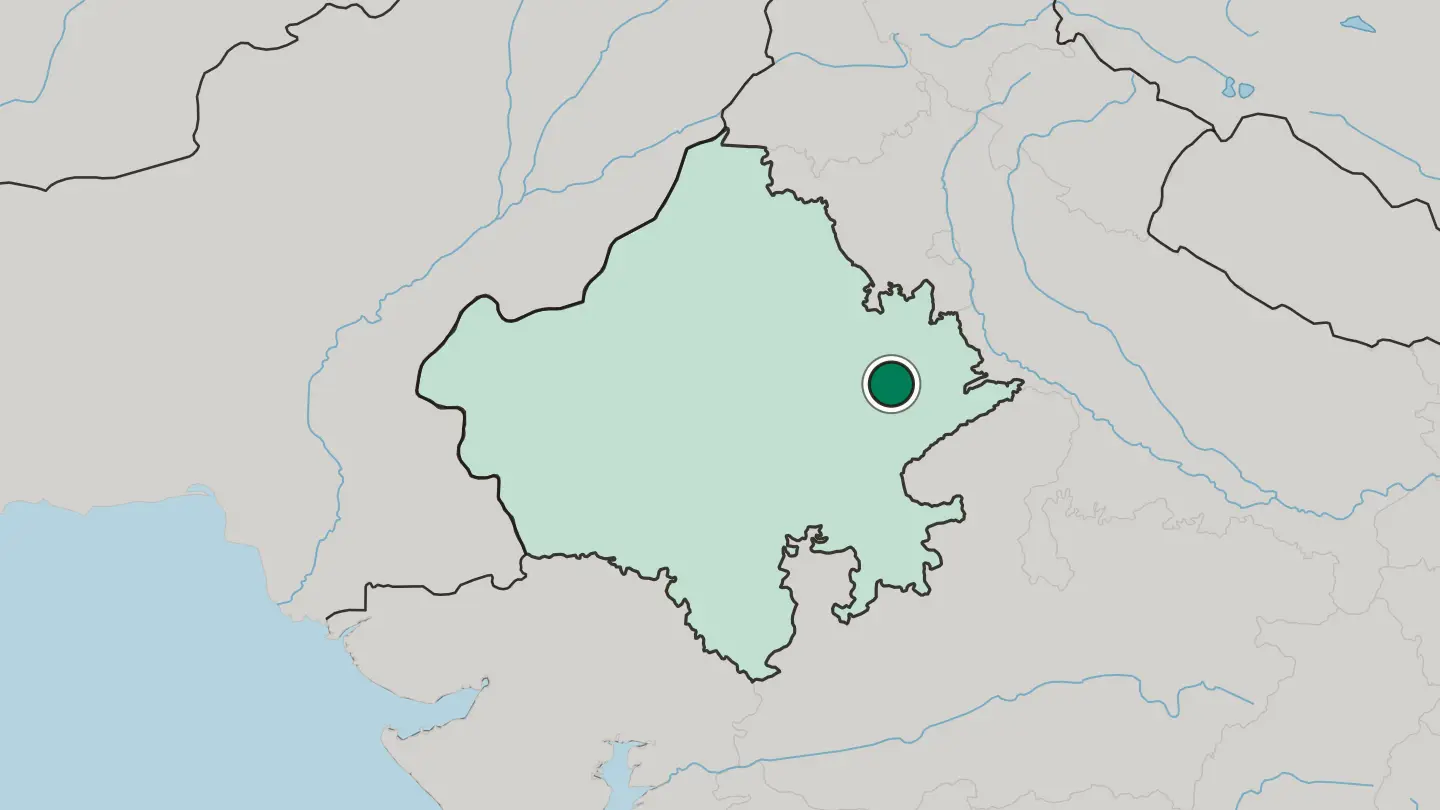 India
India
Karauli
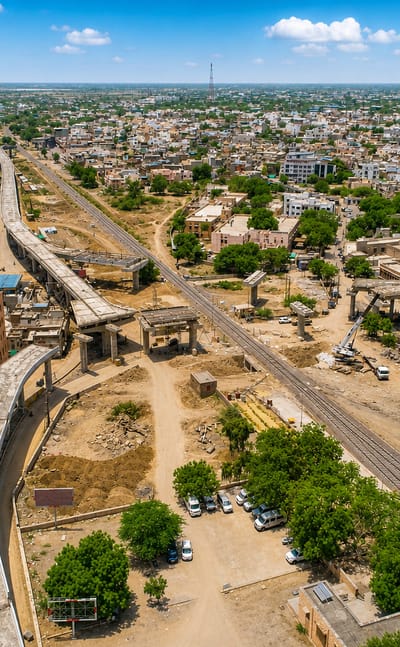
Karauli is a city in the Indian state of Rajasthan, once called Kalyanpuri, a former princely capital and the seat of Karauli District.Where to stay →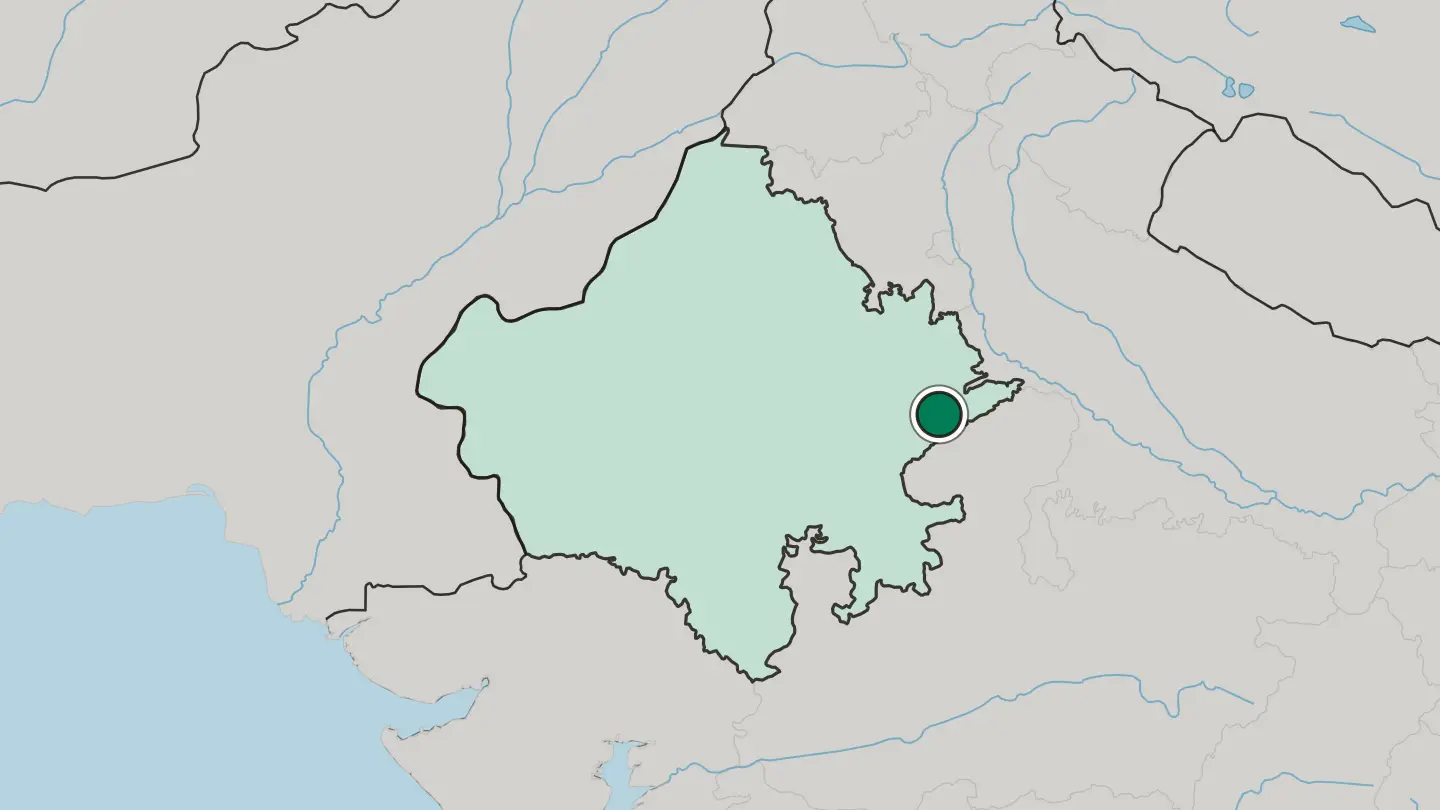
 India
India
Balotra
Balotra is a textile city on the Luni River in Rajasthan, India, seat of Balotra district and long known as Vastra Nagari, the cloth town.Where to stay →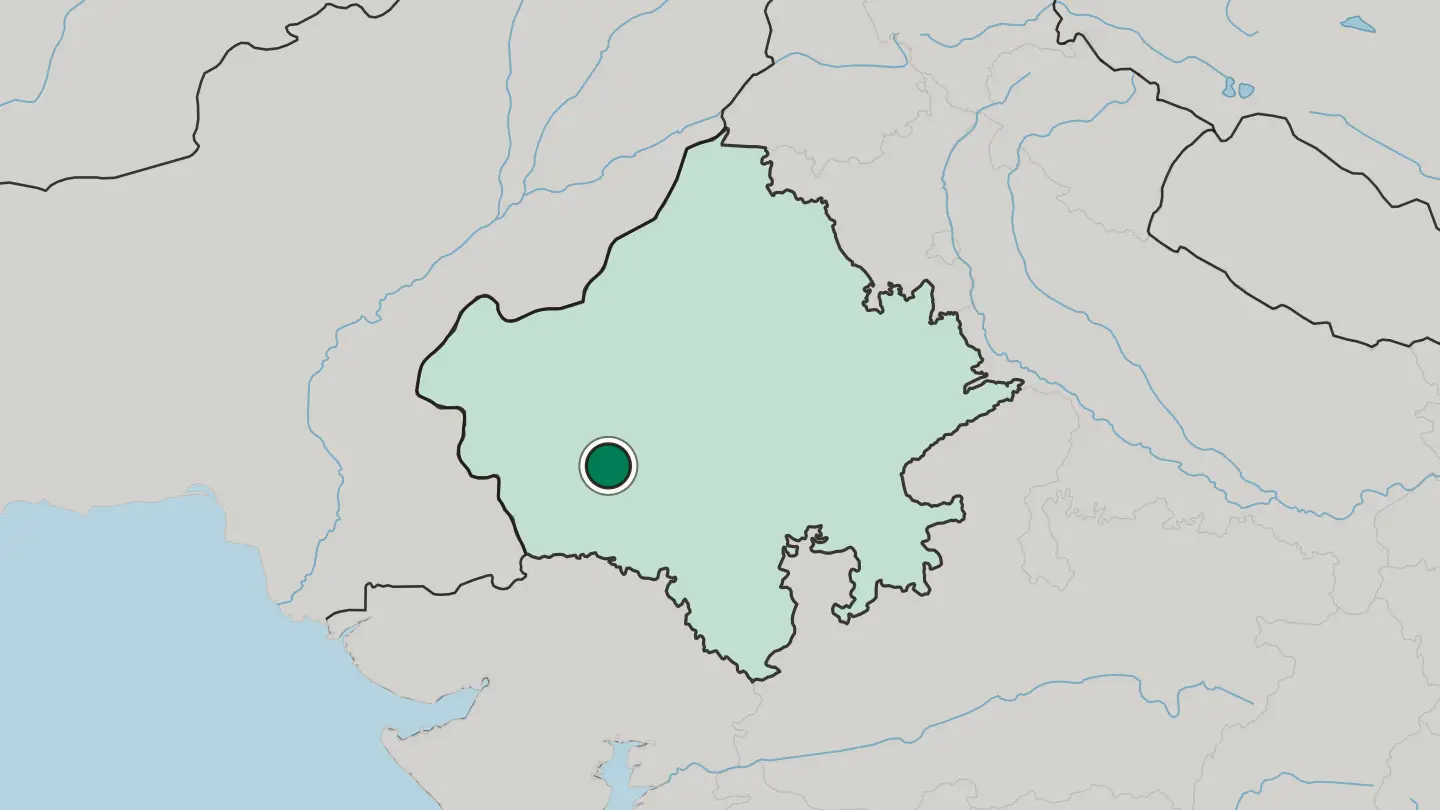 India
India
Suratgarh
Suratgarh, a cotton and grain town founded by Maharaja Surat Singh, is the largest of the seven tehsils in Sri Ganganagar district, Rajasthan.Where to stay →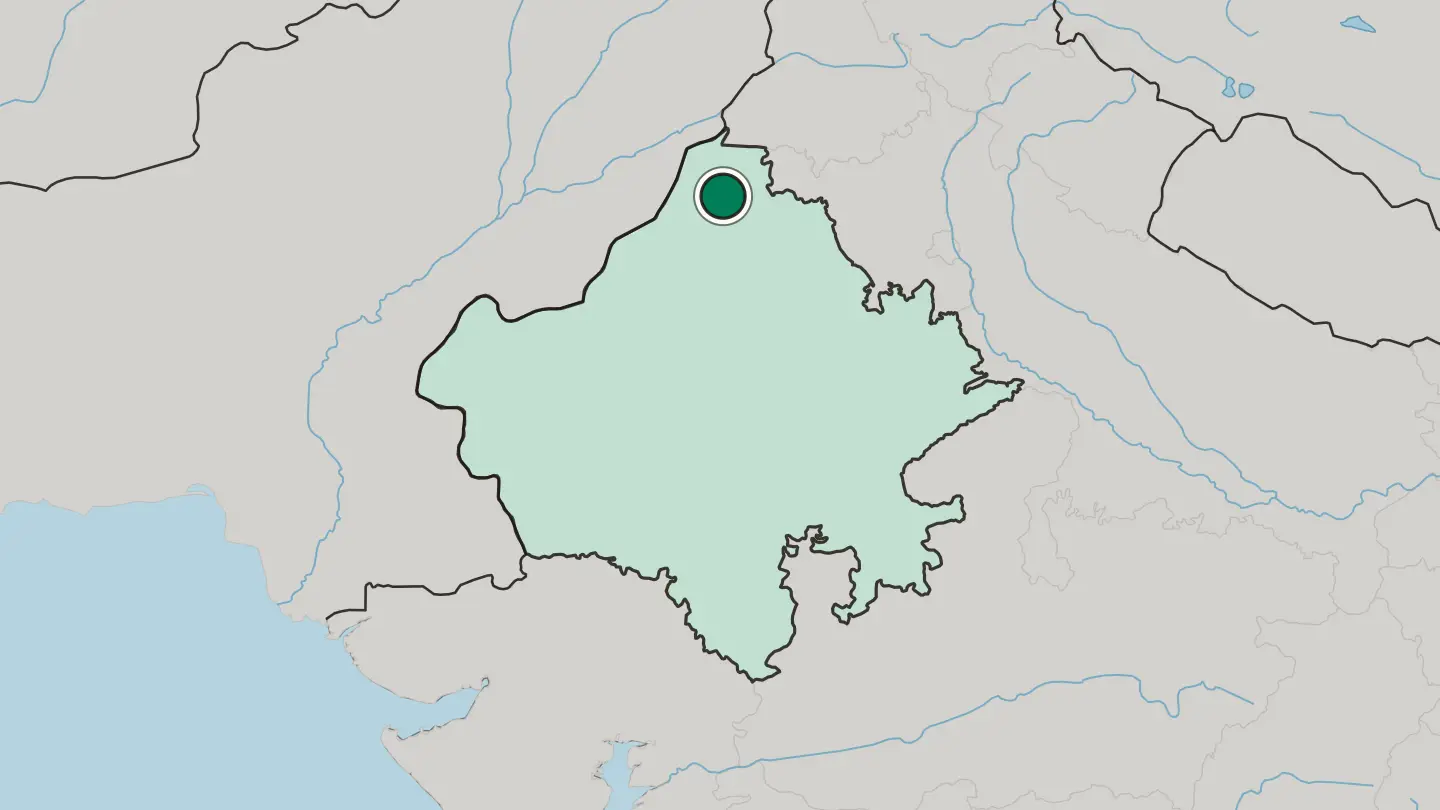
 India
India
Jaisalmer
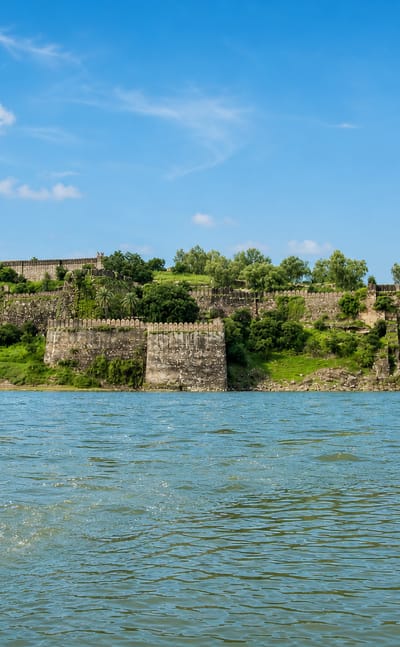
Jaisalmer is the Golden City of the Thar Desert in western Rajasthan, crowned by a great sandstone fort.Where to stay →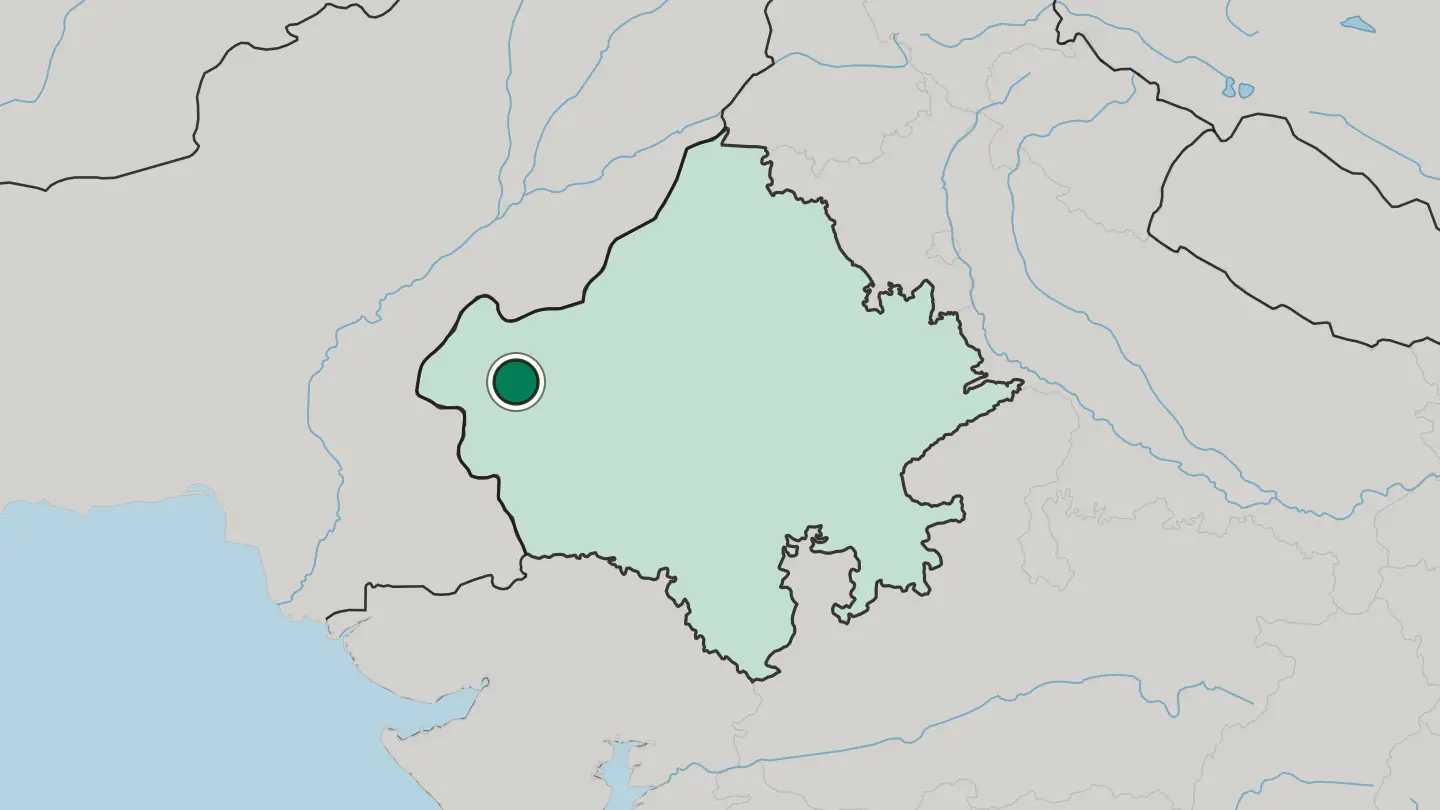
 India
India
Jhālāwār
Jhālāwār is the headquarters of Jhalawar district in south-eastern Rajasthan, India, a Jhala Rajput capital in the Hadoti country once called Brijnagar.Where to stay →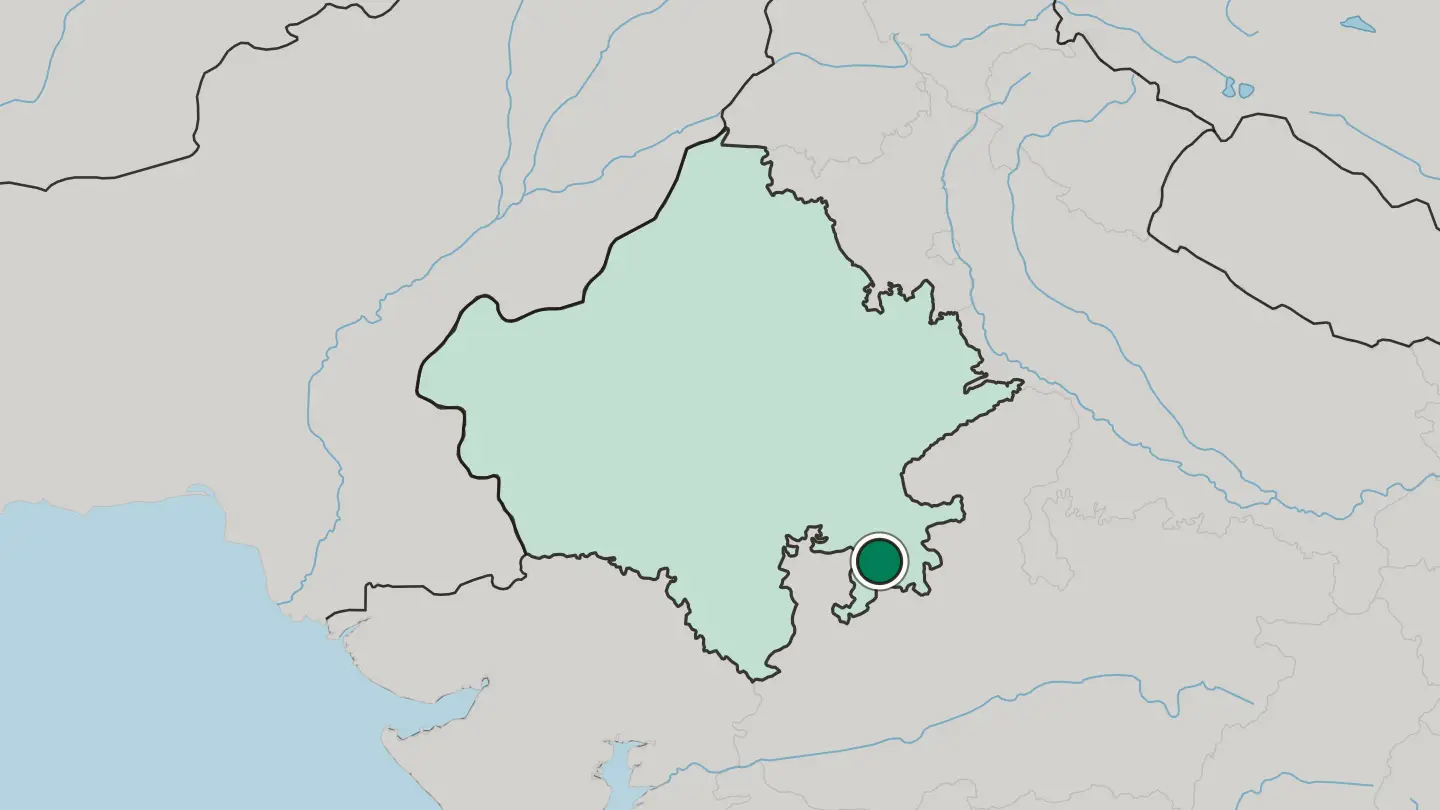
 India
India
Kuchāman
Kuchāman, written Kuchaman City in the record, is a tehsil of Didwana-Kuchaman district, some 42 kilometres south-east of Didwana.Where to stay →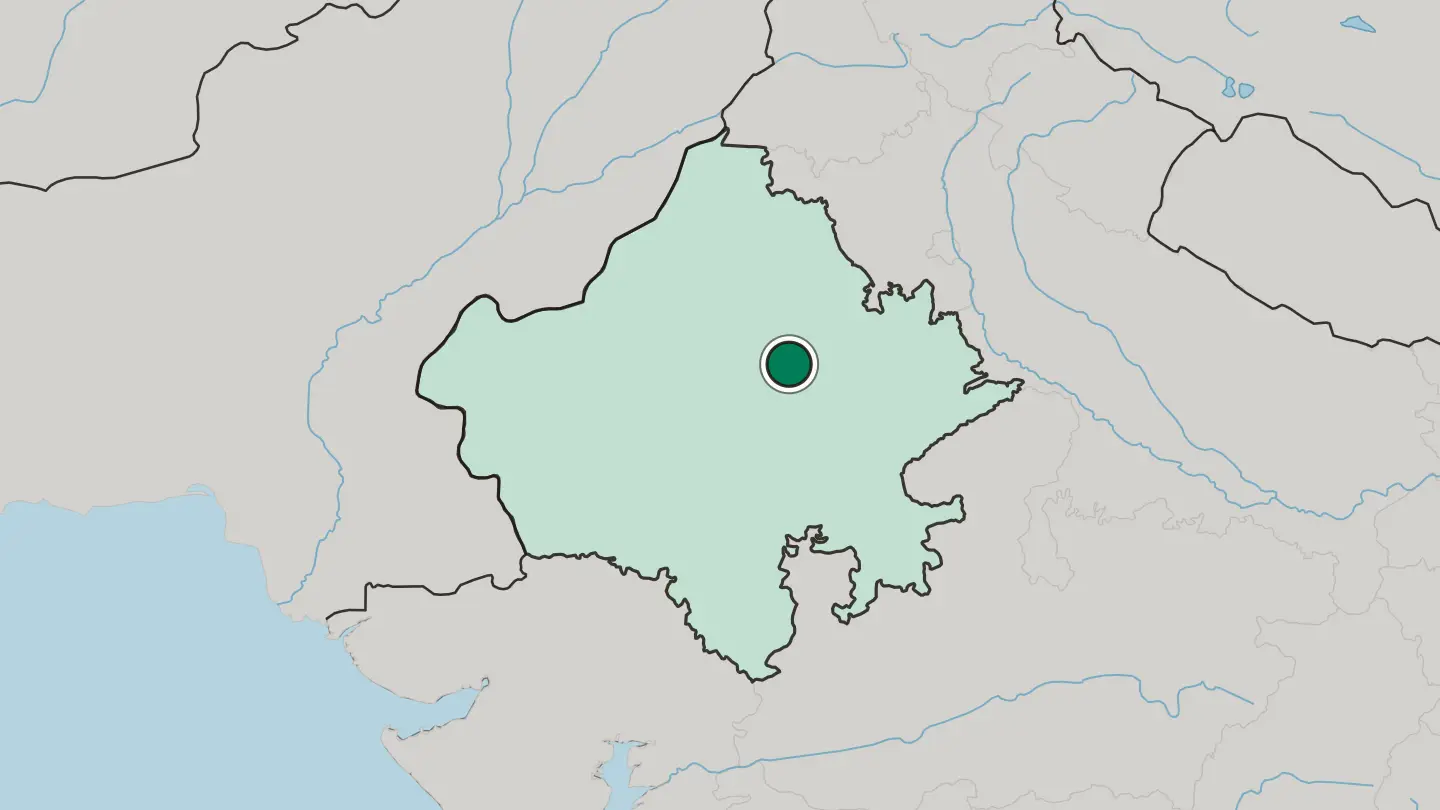 India
India
Jalor
Jalor is the headquarters of Jalore District in western Rajasthan, India, a granite town below the fort on Songir, the Golden Mount.Where to stay →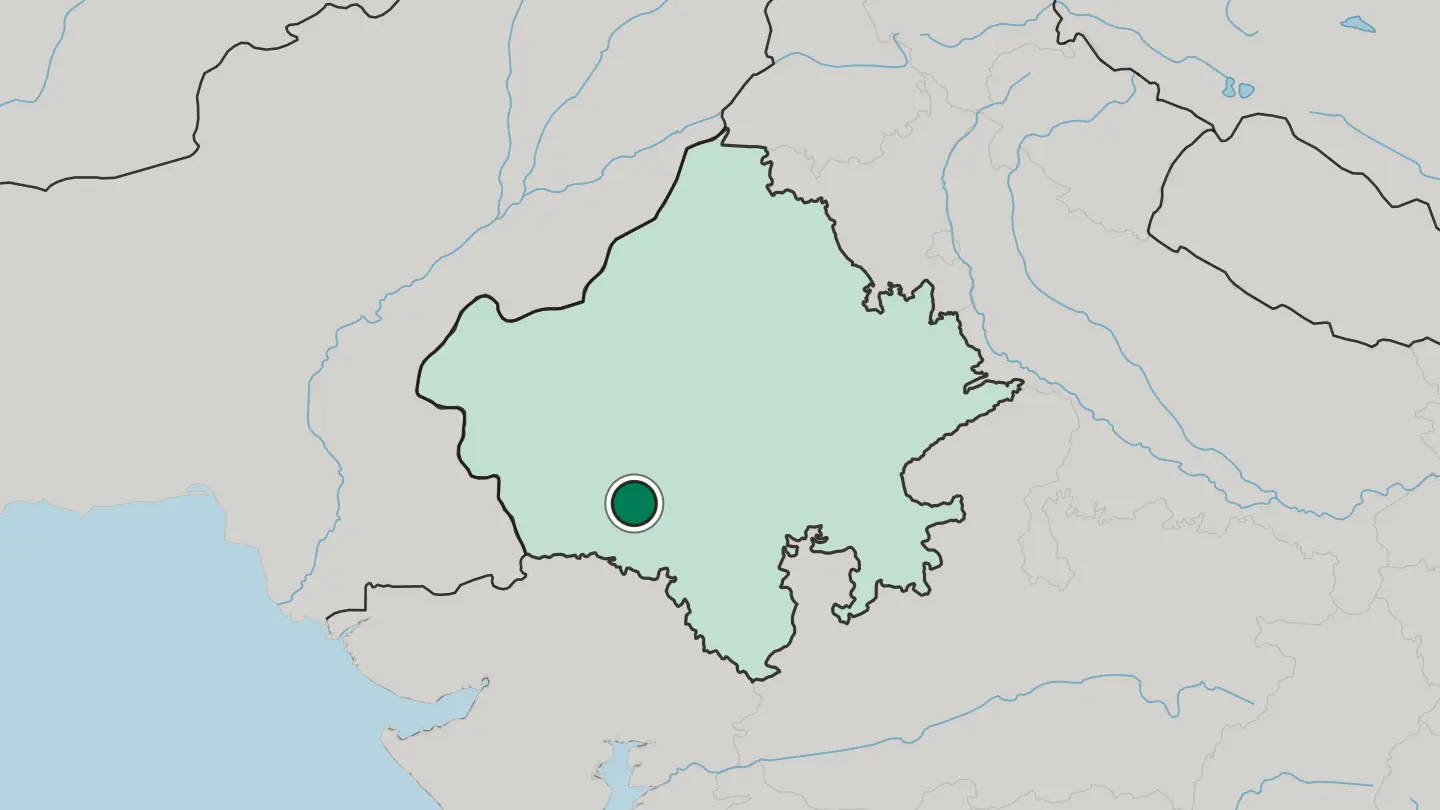 India
India
Dīdwāna
Dīdwāna stands above the Didwana Salt Lake in Rājasthān, headquarters of the Didwana-Kuchaman district and long called the lion gateway of Marwar.Where to stay →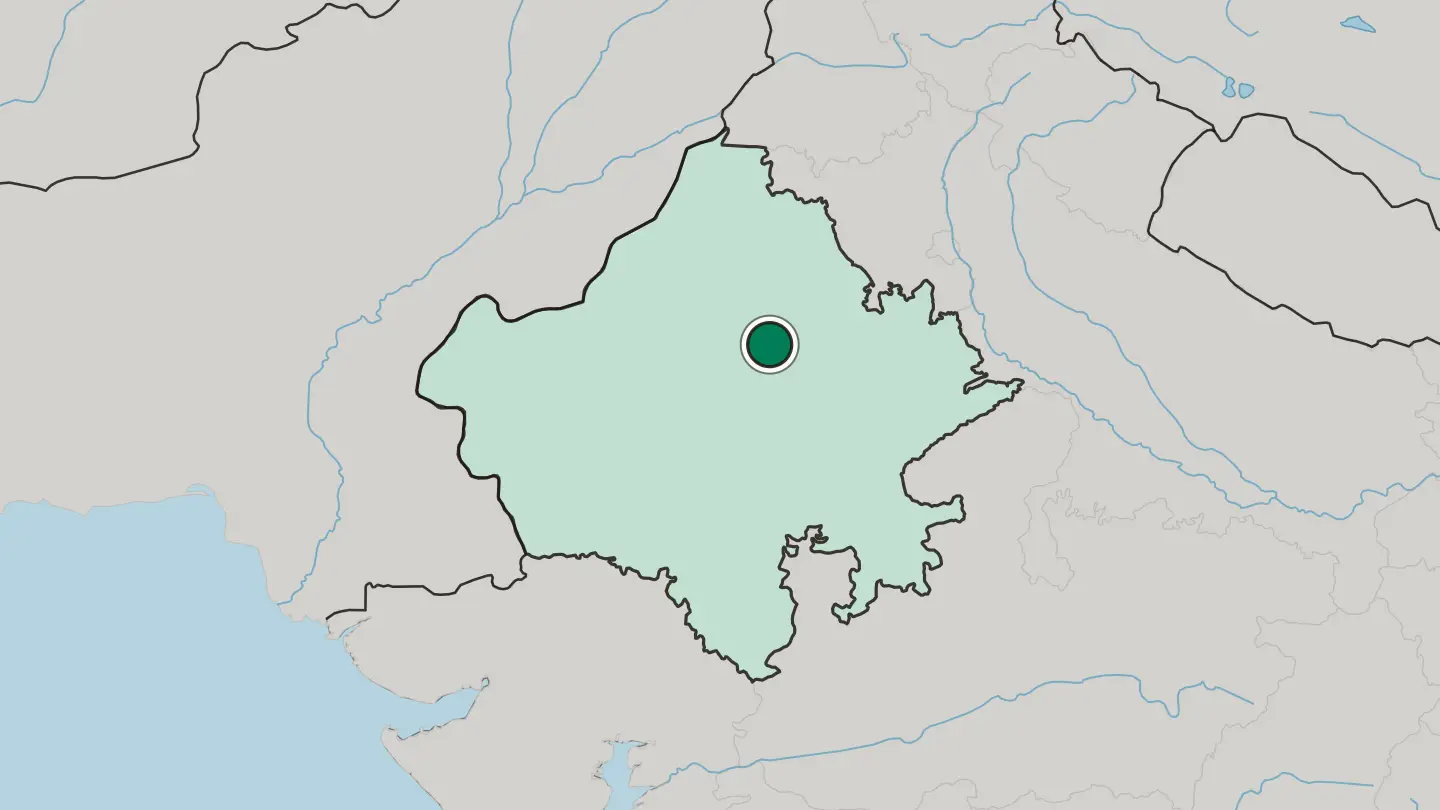
Hotel links are affiliate links: booking through them may earn us a commission, at no extra cost to you. It never affects how places are ranked. How this works
About State of Rājasthān
Forts and desert.
What is State of Rājasthān known for?
Rajasthan is the land of the old Rajput kingdoms, and their walled cities still anchor the map. Jaipur, the capital, wears a coat of terracotta-pink plaster that gives it the name the Pink City. Jodhpur sits under the ramparts of Mehrangarh with its old quarter washed in indigo blue, while Udaipur gathers around the water of Lake Pichola.
Far to the west, the sandstone town of Jaisalmer rises straight out of the Thar Desert.
Where is State of Rājasthān?
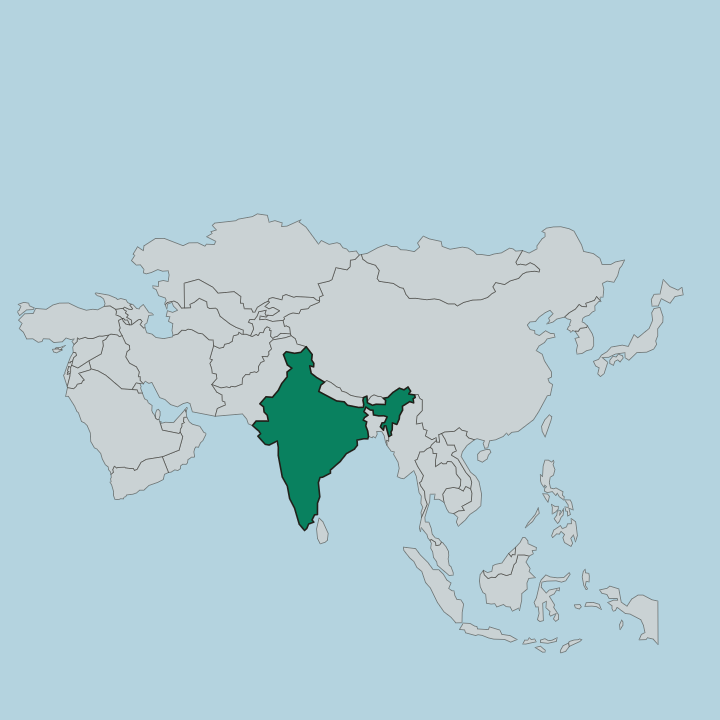
Rajasthan fills the north-west corner of India, the largest of the country's states by area. Two great features define it. The Thar Desert, the Great Indian Desert, covers well over half the state and spreads across the western districts toward the border with Pakistan, whose provinces of Punjab and Sindh lie just beyond.
Cutting diagonally across the state is the Aravalli Range, one of the oldest mountain systems on earth, running more than 850 kilometres from the south-west up toward the north-east. That ridge is the great divide. About three-fifths of Rajasthan lies dry and sandy to its north-west, while the south and east, in its rain-shadow lee, are greener and better watered.
Guru Shikhar, the highest point, rises above the hill station of Mount Abu in the far south. The land tilts down from those hills toward the desert. Jaipur, the capital, sits in the eastern half where the Aravallis break into low ranges.
Water is the scarce thing here, and the whole shape of settlement follows it, clinging to the hills and the few rivers rather than the open sand.
What is State of Rājasthān like?
Rajasthan carries the memory of its warrior clans in almost everything it makes. The Rajput courts left forts, palaces, and step-wells, and they left a taste for colour that survives in the block-printed cloth, the mirror-work, and the lacquered bangles sold in the bazaars. Music and dance grew up around those courts.
Folk singers of the desert villages still perform the ballads that once entertained the maharajas, and the whirling ghoomar and kalbelia dances belong to the same living tradition. The common speech is Rajasthani, a cluster of related dialects spread across the state, though Hindi is understood everywhere. Faith runs through daily life.
The great pilgrimage of Pushkar draws crowds to its lake and its rare temple to Brahma, and the same fair fills the sands with thousands of camels and traders each year. Food leans on what the dry land allows. Lentils, millet, and dried vegetables carry the desert kitchen, and the fiery mutton laal maas cooked in Jodhpur or the dal-baati-churma eaten across the state show how much can be made from little.
Hospitality is close to a code here. Guests are treated as an honour, a habit born in a land where the next well was always far off.
What is the history of State of Rājasthān?
The name Rajasthan means the land of kings, and for centuries the region was a patchwork of Rajput princely states rather than one country. Mewar around Udaipur, Marwar around Jodhpur, and the state of Jaipur each guarded their own forts and fought their own wars, sometimes against the Mughal emperors and sometimes as their allies. The British later ruled the whole through the princes as the Rajputana Agency.
All of that ended at independence. Between 1949 and 1950 the two dozen princely states were merged into a single state of the Indian union, and Rajasthan took its present shape, with Jaipur as its capital.
What is the climate of State of Rājasthān?
Rajasthan runs hot and dry through most of the year. Summers from April to June are punishing, and the western sands around Jaisalmer can climb into the high forties on the worst days, which is why almost no one visits then. A brief south-west monsoon brings what little rain there is between July and September, heavier over the Aravalli hills than out on the open desert.
Then the good season arrives. Winter from October to February is cool and clear by day, though desert nights near Bikaner can drop close to freezing.
How do you get to State of Rājasthān?
Most travellers fly into Jaipur, whose international airport is the busiest doorway to the state and an easy start to the desert circuit. Many arrive overland instead, on the fast train from Delhi that reaches Jaipur in a few hours. Rail is the real workhorse here.
A dense network of lines threads the state together, linking Jaipur with Jodhpur, Udaipur, and the far desert town of Jaisalmer, and the overnight sleepers cover the long empty stretches while you sleep. Roads fill the gaps to the villages.
Common questions
What is the best area to stay in State of Rājasthān?
Jaipur: a first taste of Rajasthan. Udaipur: lakeside palace evenings. Jodhpur: the blue city under Mehrangarh. Jaisalmer: sleeping out in the Thar Desert.
Good for
More regions in India
Updated September 2026