India · State of Rājasthān
Where to Stay in Jaipur, State of Rājasthān
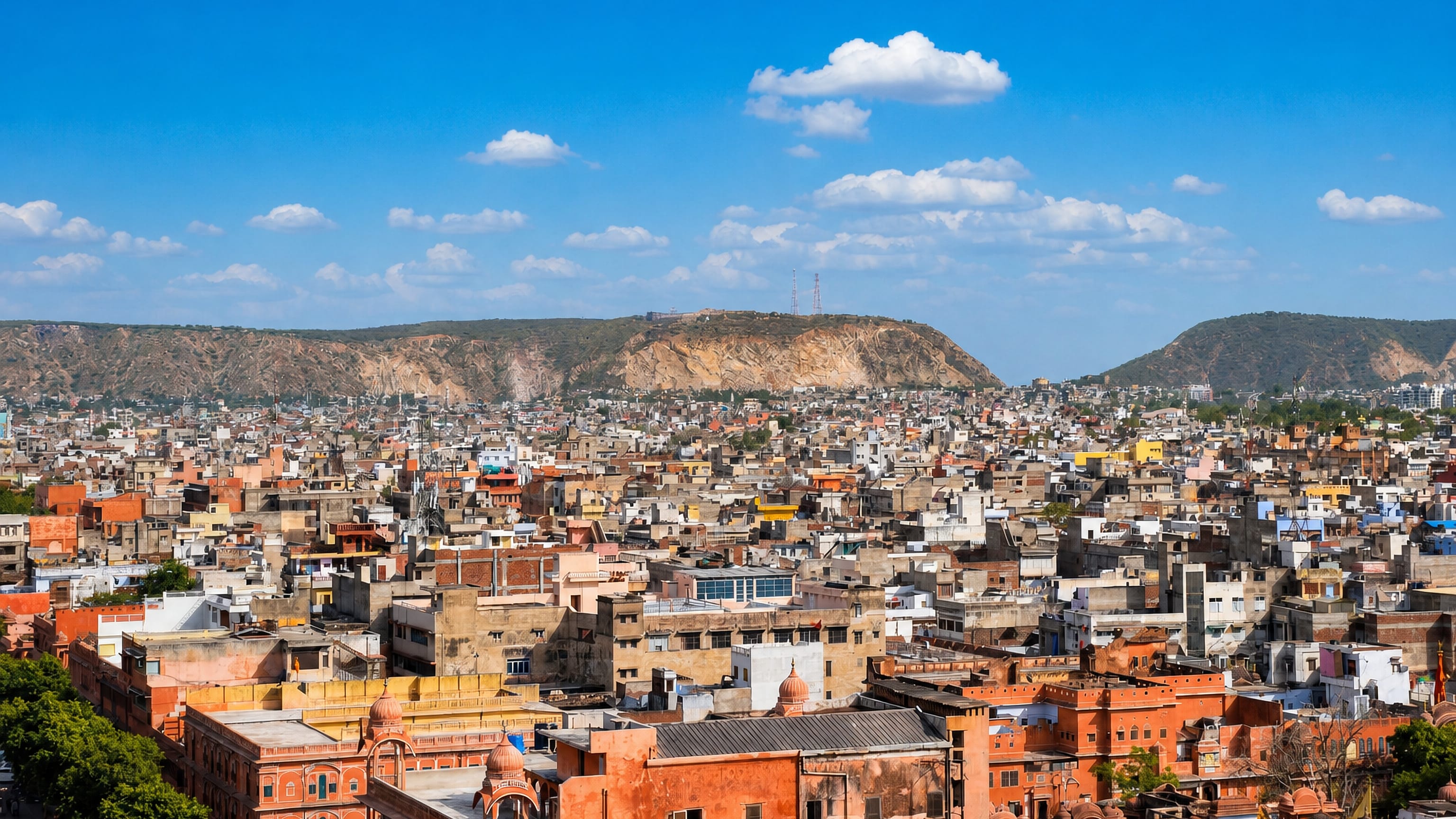
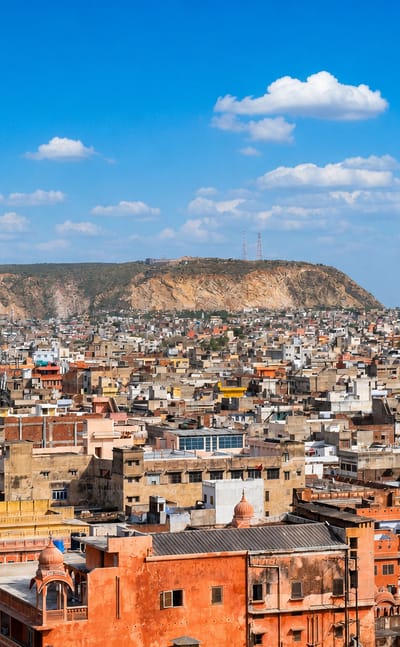
Pink sandstone façades and a planned grid set the tone in Jaipur, the capital of the State of Rājasthān, laid out around the City Palace from 1727.
Hotel links are affiliate links: booking through them may earn us a commission, at no extra cost to you. It never affects how places are ranked. How this works


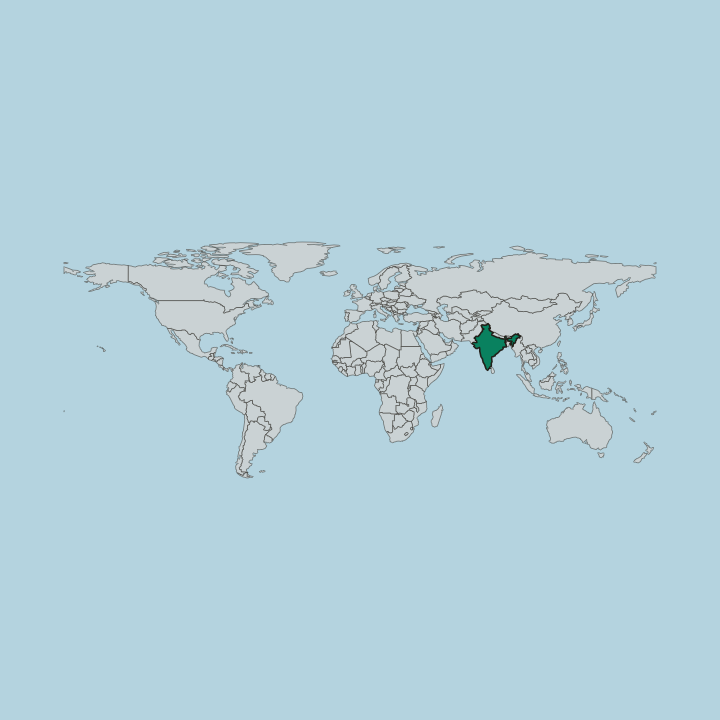
Where to stay in Jaipur
Not every neighbourhood fits every trip — here's what each one is good for.
 JaipurIndia
Pratap Nagar Jaipur
Pratap Nagar is one of the largest residential areas of Jaipur, spread south of the city centre along NH 12 in the State of Rājasthān.Where to stay →JaipurIndiaBhankrota
Highway traffic runs past the college gates on Ajmer Road at Bhankrota, a residential locality on the western edge of Jaipur, in Rājasthān.Where to stay →JaipurIndiaRenwal
Seven patwar circles answer to Renwal, a revenue village on SH 12 in Phagi tehsil, 33 km south of Jaipur in Rajasthan.Where to stay →JaipurIndiaChauru
Chauru is a revenue village 13 km west of Phagi that heads eight patwar circles, sitting in Jaipur district rather than Jaipur city.Where to stay →JaipurIndiaNimera, Phagi
Nimera is a village and land revenue circle of Phagi tehsil, Jaipur district, on the SH 12 ten kilometres south of Phagi and just short of the Tonk line.Where to stay →JaipurIndiaAnand Lok
Kalwar Road runs west out of Jaipur to Anand Lok, a colony of surveyed house plots that Ansal API laid down four kilometres beyond Sushant City.Where to stay →Hotel links are affiliate links: booking through them may earn us a commission, at no extra cost to you. It never affects how places are ranked. How this works
Find hotels in Jaipur
Direct booking searches for these neighbourhoods.
The walled old grid
Planned pink-sandstone grid around the City Palace, walking distance to the Isar lat and the market streetsFind hotels in The walled old gridCalmer stays near the Sawai Man Singh Town HallThe Albert Hall belt
Spread-out newer belt beside the Albert Hall Museum and the Sawai Man Singh Town Hall, roomier than the wallsFind hotels in The Albert Hall beltFamilies near the Jaipur ZooThe outer Rājasthān districts
Modern outer belt of the State of Rājasthān reaching the Amrapali Museum and the Jaipur Zoo groundsFind hotels in The outer Rājasthān districtsHotel links are affiliate links: booking through them may earn us a commission, at no extra cost to you. It never affects how places are ranked. How this works
Things to do in Jaipur
Ranked by global recognition; descriptions from Wikidata (CC0).
Museums & Galleries
3- Albert Hall Museum Heritage
- Sawai Man Singh Town Hall Heritage
- City Palace
Landmarks & Notable Places
1- Isar lat Heritage
worth knowingacross 2 categories in Jaipur
About Jaipur
What is Jaipur known for?
Jaipur is known for its planned old city, its royal architecture, and its museums. The City Palace sits at the heart of the historic grid, the seat around which the town was laid out. Its museums are a draw.
The Albert Hall Museum anchors the civic collections, the Amrapali Museum showcases jewellery and craft, and the Jaipur Zoo and the ornate Isar lat round out the sights of this Rājasthān capital.
What are the main landmarks in Jaipur?
The main landmarks in Jaipur centre on the palace and the museums. The City Palace is the royal complex at the heart of the planned grid. Nearby, the Isar lat tower rises over the old streets.
The Albert Hall Museum stands in its garden setting as the flagship civic collection, while the Amrapali Museum and the Sawai Man Singh Town Hall add to the civic and cultural roster of the walled town.
What is the history of Jaipur?
Jaipur was founded in 1727 as a planned royal capital. The city was laid out on a formal grid from the outset, a rare piece of deliberate urban design for its age, and the City Palace was raised at its centre as the seat of rule. Design came first.
The regular streets, the walls, and the palace complex all belong to that founding scheme, and the pink-sandstone façades that colour the old town followed as the settlement matured. As the principal city of the State of Rājasthān, Jaipur accumulated the institutions of a court and later a modern capital. The Albert Hall Museum rose to house civic collections, the Sawai Man Singh Town Hall served the city's administration, and the ornamental Isar lat tower marked the skyline of the walled grid.
Each addition layered onto the original 1727 plan without erasing it. That planned geometry still orders the streets of Rājasthān's capital, from the palace core out to its newer districts.
Where is Jaipur?
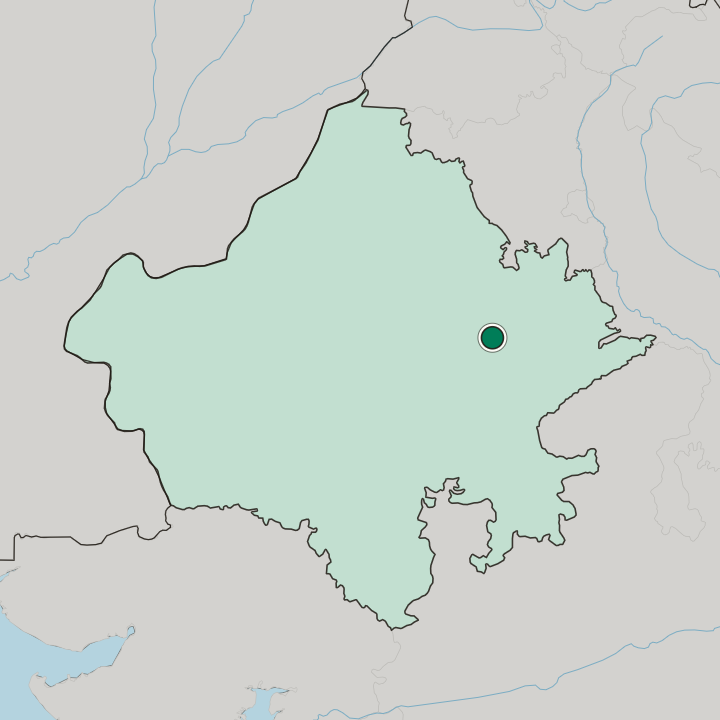
Jaipur sits inland on the semi-arid plains of the State of Rājasthān, ringed by low hills. The setting is dry. Its subtropical, near-desert position gives the city hot summers and a thin annual rainfall, and the surrounding rocky ridges frame the planned grid on the plain below.
The old walled town clusters tightly around the City Palace, while newer districts spread across the open ground beyond the hills.
What is the climate of Jaipur?
Jaipur has a hot, semi-arid subtropical climate. Summers are long and fierce on the dry plain, and the heat builds intensely before the rains. A short monsoon brings most of the year's modest rainfall.
Winters turn cool and dry, giving the near-desert setting of the State of Rājasthān a wide daily and seasonal temperature swing that sets it apart from the humid coasts.
How do you get to Jaipur?
Reaching Jaipur means arriving at the capital of the State of Rājasthān. Rail and road link it well. Highways run across the plains to other cities of the region, trains serve the main corridor, and air links reach the wider network with onward transfers into the walled centre.
Once here, the planned old grid around the City Palace is compact enough to cross on foot or by short local rides.
Common questions
What is the best area to stay in Jaipur?
The walled old grid: First-timers wanting the City Palace at their doorstep. The Albert Hall belt: Calmer stays near the Sawai Man Singh Town Hall. The outer Rājasthān districts: Families near the Jaipur Zoo.
Good for
More cities in State of Rājasthān
Updated September 2026