India · State of Rājasthān
Where to Stay in Beāwar, State of Rājasthān
Beāwar dates from 1836 and was the financial capital of Ajmer-Merwara, standing amidst the Aravali hills of Rājasthān as a cement city.
Hotel links are affiliate links: booking through them may earn us a commission, at no extra cost to you. It never affects how places are ranked. How this works


Where to stay in Beāwar
How the choice of base plays out on the ground.
Industry books most of the beds. Beāwar runs on cement, machine tools and mineral-based plants, so the rooms in the city are filled largely by people whose business is with those works rather than by anyone touring the Aravali hills. The centre suits that.
A stay in the old trading core puts the market streets that once handled raw cotton within reach, and it is the part of Beāwar with the longest continuous history behind it. Ajmer is the obvious alternative. That city lies 70 kilometres away, close enough for a base there to cover Beāwar within a single day's driving. Jaipur is a different proposition.
Beāwar lies 184 kilometres south-west of the state capital, which is too far to commute for a working day but reasonable if a trip through Rājasthān starts and ends in Jaipur. The hills give the setting. The city stands amidst the Aravali hills, and that setting is the one thing a stay in Beāwar offers beyond the works and the trading streets.
Beāwar District supplies the rest. The district named after the city takes in the country around it, so anyone whose business runs wider than the plants will spend more time on the road than in whichever quarter the room happens to be.
Find hotels in Beāwar
Direct booking searches for these neighbourhoods.
Beāwar trading core
The core that grew around the cotton presses and the Krishna cotton mills is the oldest part of Beāwar, and it keeps the market trade within walking reach.Find hotels in Beāwar trading coreappointments at the cement and machine-tool works of Beāwar DistrictIndustrial edge
Rooms towards the plants suit business with Shree Cement and the mineral-based units that give Beāwar District its output.Find hotels in Industrial edgecovering Beāwar from a larger base 70 kilometres offAjmer
Ajmer lies close enough to reach Beāwar inside a working day, which suits anyone who would rather not sleep beside the cement works.Find hotels in AjmerHotel links are affiliate links: booking through them may earn us a commission, at no extra cost to you. It never affects how places are ranked. How this works
About Beāwar
Cement is the headline.
What is Beāwar known for?
Beāwar is the largest cement producer in the north of the country, and Shree Cement is based in the city, which puts heavy industry at the centre of what the place is known for. Cotton came first. The city was a major trading centre for raw cotton, working through cotton presses and the Krishna cotton mills long before the mineral and machine-tool plants of Beāwar District took over.
What are the main landmarks in Beāwar?
Beāwar's record names no monument. What Beāwar carries instead is industrial fabric: the cotton presses and the Krishna cotton mills that once handled the raw cotton trade, and the cement and machine-tool works that replaced them. The Aravali hills frame it.
Beāwar stands amidst that range, which gives the city the only natural feature the record fixes about its surroundings within Beāwar District.
What is the history of Beāwar?
The city dates from 1836. Beāwar took shape in that year and served as the financial capital of Ajmer-Merwara, a state of Rajputana, which is the earliest role the record gives it. Cotton built the place.
The city grew into a major centre for trade in raw cotton, with cotton presses and the Krishna cotton mills at the centre of that business. Then the trade changed hands. Cotton gave way to industry, and the works that came after it turned Beāwar into a manufacturing city rather than a market one, running mineral-based units alongside machine tools and pre-stressed concrete pipes.
Textiles and wooden furniture came with them. Cement outgrew all of it. Beāwar became the largest cement producer in the north of the country, and Shree Cement is based in the city, which is the fact that carries the name furthest.
The district followed the city. Beāwar District was named for it, so the administrative unit inside Rājasthān now carries the name of a settlement that dates from 1836. Ajmer-Merwara is gone from the map.
What remains of that arrangement is the standing Beāwar built while it handled the money of Rajputana, and the industrial base that grew on top of it.
Where is Beāwar?
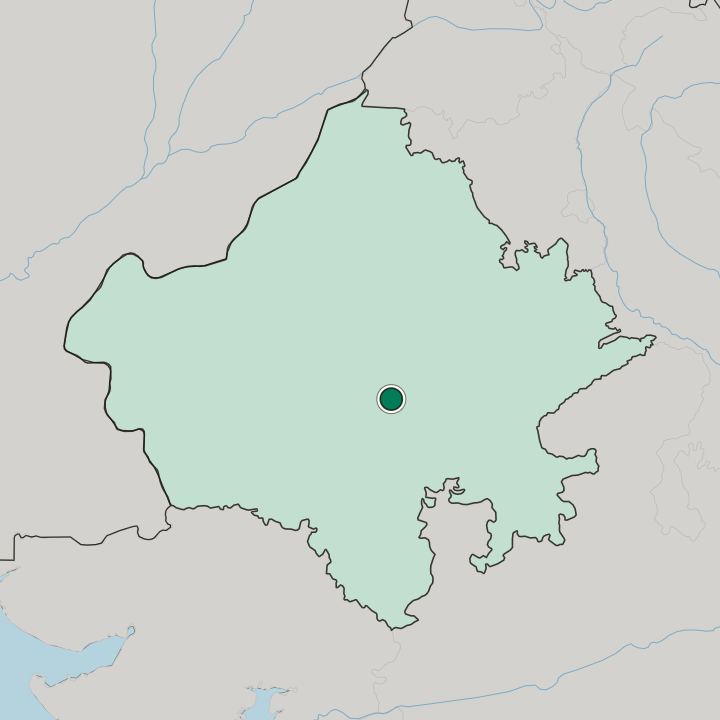
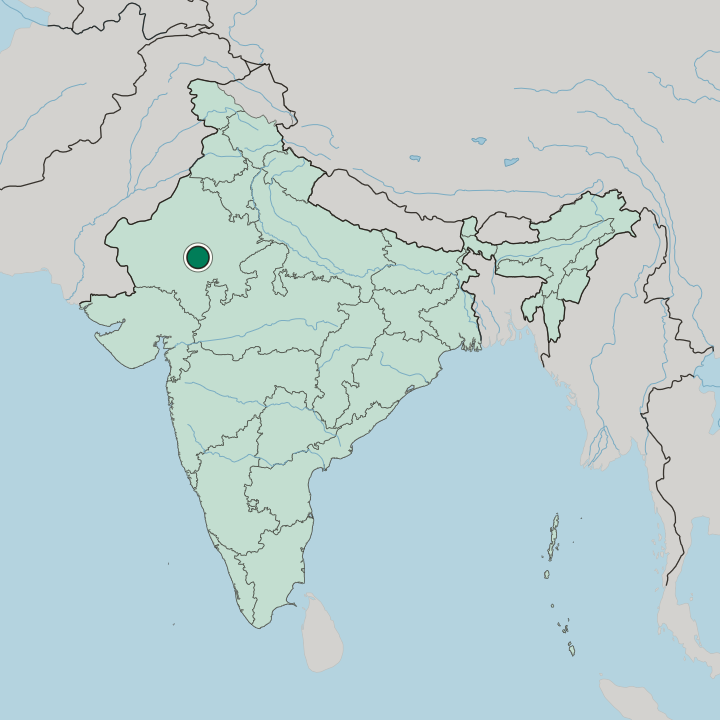
The Aravali hills surround it. Beāwar stands amidst that range in Beāwar District, 70 kilometres from Ajmer and 184 kilometres south-west of the state capital, Jaipur. Rājasthān holds the whole of it.
The State of Rājasthān contains both the city and its district, and the ground lies in the subtropical band north of the equator, which is what shapes the working year across this part of India.
What is the climate of Beāwar?
The Aravali hills set the tone. Beāwar sits amidst them in the subtropical band north of the equator, so the year runs hot for a long stretch and cooler for a shorter one rather than through four temperate seasons. Ajmer shares the pattern.
The same conditions hold 70 kilometres away, and out to Jaipur as well, so timing a run through this part of Rājasthān is a question of the hot months rather than of anything specific to Beāwar District.
How do you get to Beāwar?
Ajmer is the near approach. Beāwar lies 70 kilometres from it, which makes that city the practical staging point for anyone coming into Beāwar District by road. Jaipur is the longer run.
The state capital sits 184 kilometres off, with Beāwar lying south-west of it, so a journey from Jaipur is a full drive through the Aravali hills rather than a short hop.
Common questions
What is the best area to stay in Beāwar?
Beāwar trading core: the old raw-cotton market streets at the heart of the city. Industrial edge: appointments at the cement and machine-tool works of Beāwar District. Ajmer: covering Beāwar from a larger base 70 kilometres off.
More cities in State of Rājasthān
Updated September 2026