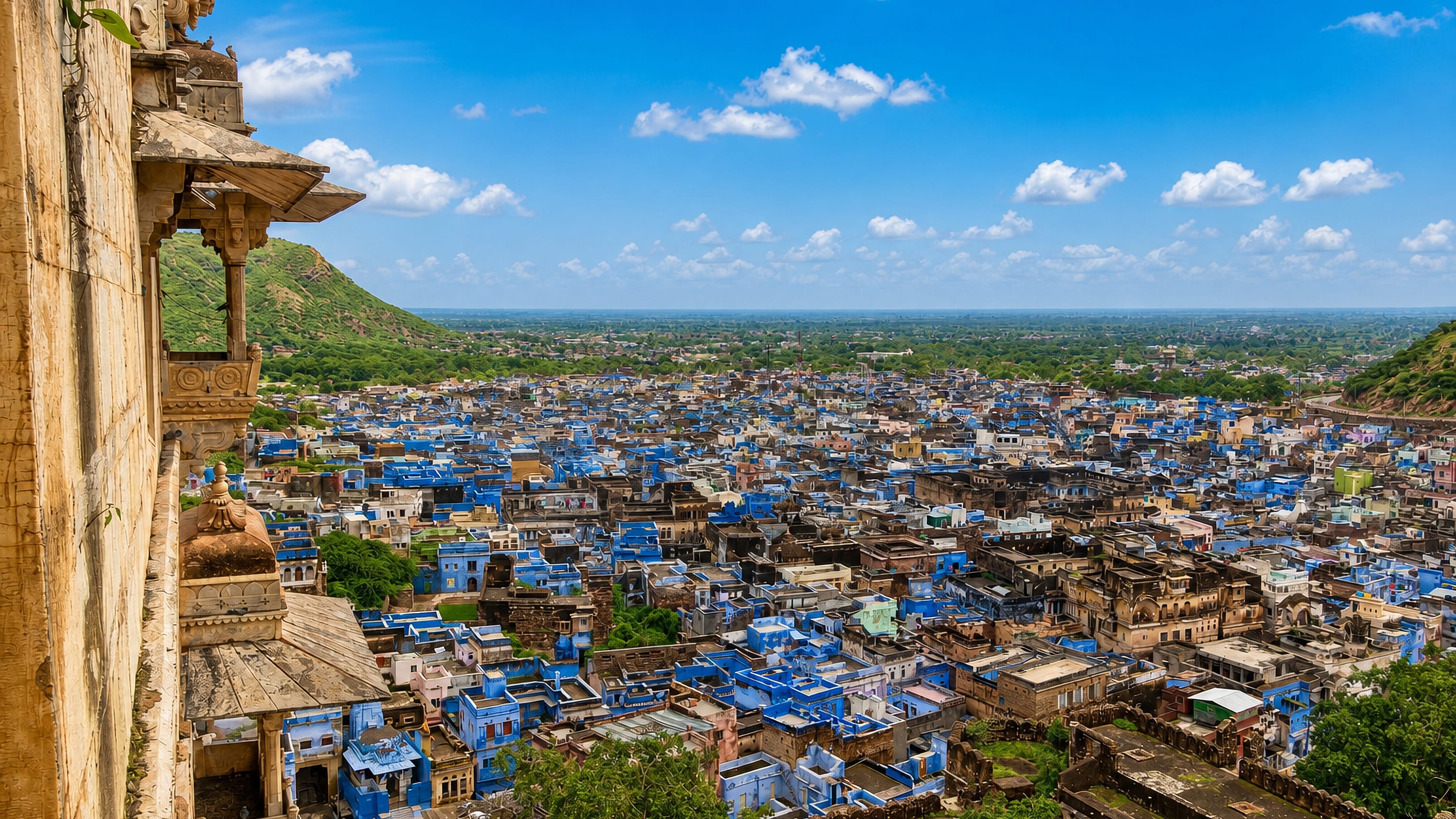
India · State of Rājasthān
Where to Stay in Būndi, State of Rājasthān
Būndi sits in the Hadoti region of Rājasthān, beneath Taragarh fort, its lanes threaded with more than 50 sunken stepwells.
Hotel links are affiliate links: booking through them may earn us a commission, at no extra cost to you. It never affects how places are ranked. How this works


Where to stay in Būndi
How the choice of base plays out on the ground.
Būndi is small enough that the choice is about elevation, not distance. The lanes under Garh Palace put the painted chambers of the Hardoti School within a few minutes' walk, and they are the densest part of the old town for food and for the ordinary business of a place people actually live in. Noise comes with that.
Rooms nearer Raniji ki Baori trade some of it for the quieter end, where the stepwell's tiers drop below street level and the smaller baoris are scattered close by. Higher again, the ground under Taragarh fort suits an early start: the climb to the ramparts begins there, and the ridge takes the light before anything below it does. Bed stock is thin across all three.
Būndi is not a large town, and the supply of rooms reflects that, so a fixed date in the cooler months is worth settling early rather than late. If you want the fort and the baoris on foot and nothing else on the itinerary, the old town below Garh Palace covers both without a vehicle. Everything else is a short walk.
Distances here are measured in lanes rather than kilometres, and the two ends of the built-up area sit closer together than the fort's silhouette from below would suggest.
Find hotels in Būndi
Direct booking searches for these neighbourhoods.
Below Garh Palace
Garh Palace and its Hardoti School wall paintings stand directly above the lanes, which hold most of Būndi's food and daily trade. Few places to stay nearby — book ahead.Find hotels in Below Garh Palacewalking the sunken baoris one after anotherAround Raniji ki Baori
Raniji ki Baori drops its tiers a few streets away, and the smaller stepwells of Būndi are scattered through the quarter around it. Rooms are few around here — worth securing early.Find hotels in Around Raniji ki Baorian early climb onto the Taragarh rampartsUnder Taragarh
The path up to Taragarh fort starts at this end, and the ridge above catches light well before the Hadoti country below it. Lodging is scarce in this area; reserve in advance.Find hotels in Under TaragarhHotel links are affiliate links: booking through them may earn us a commission, at no extra cost to you. It never affects how places are ranked. How this works
About Būndi
Būndi is stepwell country.
What is Būndi known for?
More than 50 sunken baoris drop in stone flights below street level, and they supplied the town with clean water for centuries before any mains plumbing arrived. Raniji ki Baori is the grandest. Above the rooftops Taragarh fort holds the ridge, while inside Garh Palace the wall paintings of the Hardoti School cover chamber after chamber in worked pigment.
What are the main landmarks in Būndi?
Three things carry Būndi. Taragarh fort sits on the ridge and is visible from most of the town below, a long walled presence rather than a single building. Garh Palace holds the wall paintings of the Hardoti School, worked directly onto plaster across its chambers.
Raniji ki Baori goes the other way, down. Its stepped tiers descend to standing water, the finest of more than 50 baoris cut into the ground here.
What is the history of Būndi?
No founding date is recorded here. What Būndi has instead is fabric: Taragarh fort on the height, Garh Palace beneath it, and a floor of stone stepwells threaded through the lanes, each of which says something about who held the place and what they were willing to spend on it. The fort takes the height, the standard answer of its age to the problem of defending what lies below.
Garh Palace follows the same logic downhill. Its walls carry the painting of the Hardoti School, a body of work made for patrons, in a place with patrons to make it for. The stepwells are the longer story.
More than 50 of them were sunk before mains plumbing reached the town, which means that for most of Būndi's existence the daily work of water was public, architectural, and visible to everyone who used it. Raniji ki Baori is the one people go to see. Its flights of steps run down in tiers to the standing water at the bottom, carved on every level, built by someone with the means and the reason to make a water source into a monument.
Modern mains ended the need. The wells stayed, and so did the habit of treating them as the town's real centre of gravity rather than as plumbing that outlived its use.
Where is Būndi?
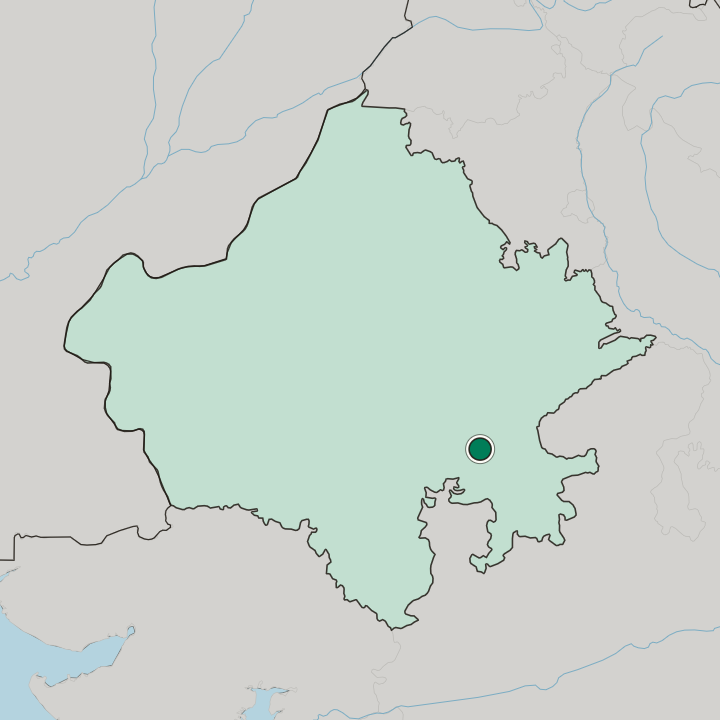
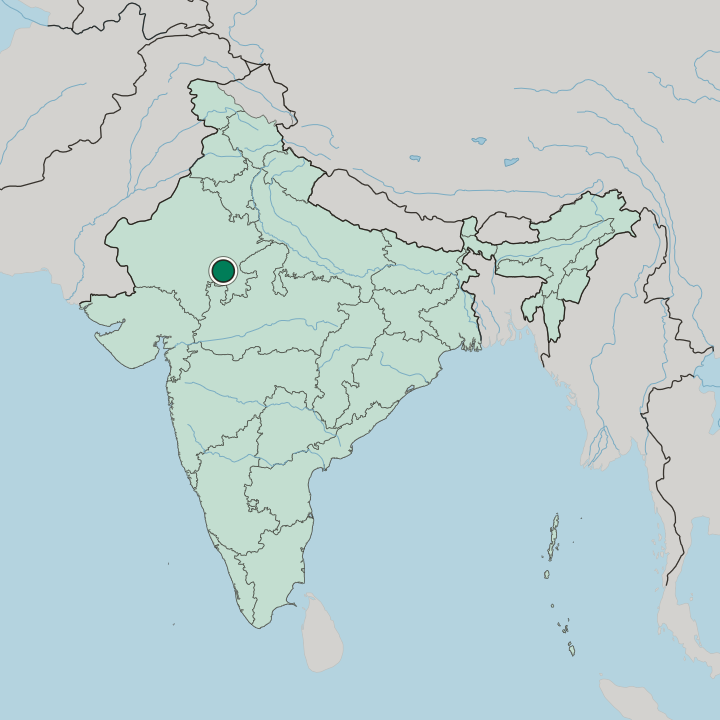
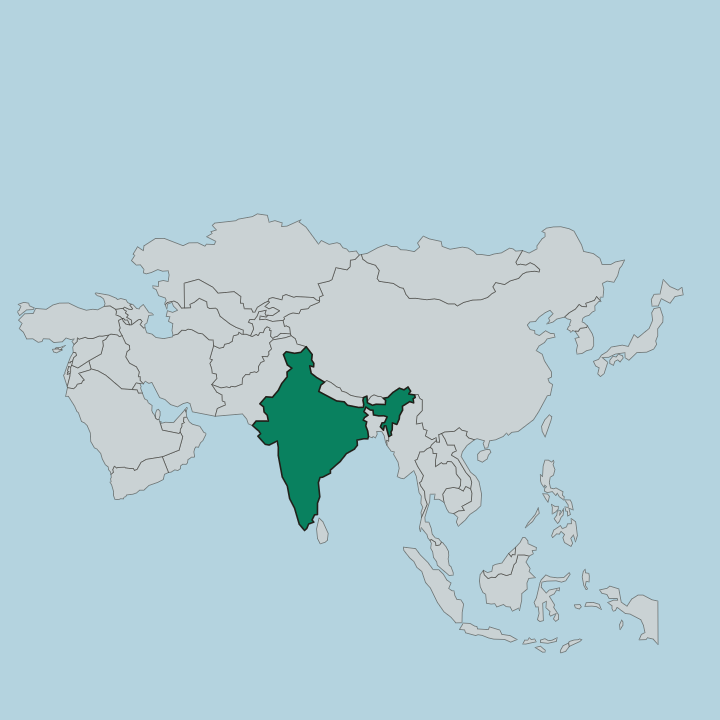
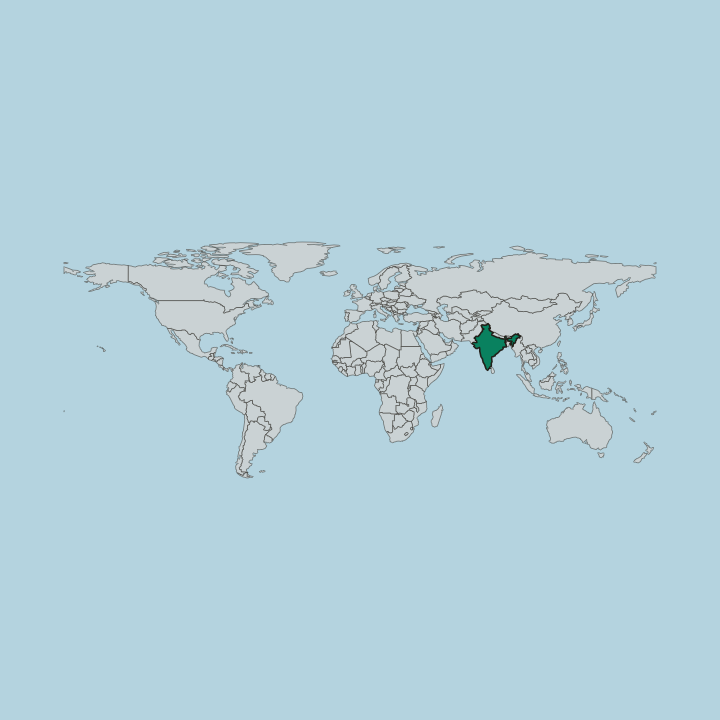
Hills close in around the old town. Būndi lies within the Hadoti region of Rājasthān, a state of India, and the ground behind the built-up lanes climbs steeply enough to carry Taragarh fort on the height that overlooks every rooftop below. That rise governs the plan.
Streets step and turn rather than run straight, and more than 50 baoris were sunk deep into the rock because water here had to be reached rather than merely drawn.
What is the climate of Būndi?
Būndi sits in the subtropical belt, north of the equator. Long heat and a cooler spell divide the year, and the town's answer is written into the ground: more than 50 baoris sunk in stone flights, holding clean water where the surface would not keep it. Raniji ki Baori is the deepest read of that.
Shade governs the day. Deep lanes below, and the open ridge of Taragarh fort above, mark the two extremes of it.
How do you get to Būndi?
Arrivals read the ridge first. Taragarh fort shows above the roofline well before the streets resolve, which is the practical landmark for anyone coming in across the Hadoti country of Rājasthān by road. Under the ridge the old quarter is small.
Būndi's lanes were laid for foot traffic and for the short walk from one baori to the next, so the final stage of any arrival happens on foot regardless of how the first stage was made.
Common questions
What is the best area to stay in Būndi?
Below Garh Palace: waking up under the Hardoti School painted chambers. Around Raniji ki Baori: walking the sunken baoris one after another. Under Taragarh: an early climb onto the Taragarh ramparts.
Good for
More cities in State of Rājasthān
Updated September 2026