India · State of Rājasthān
Where to Stay in Chūru, State of Rājasthān
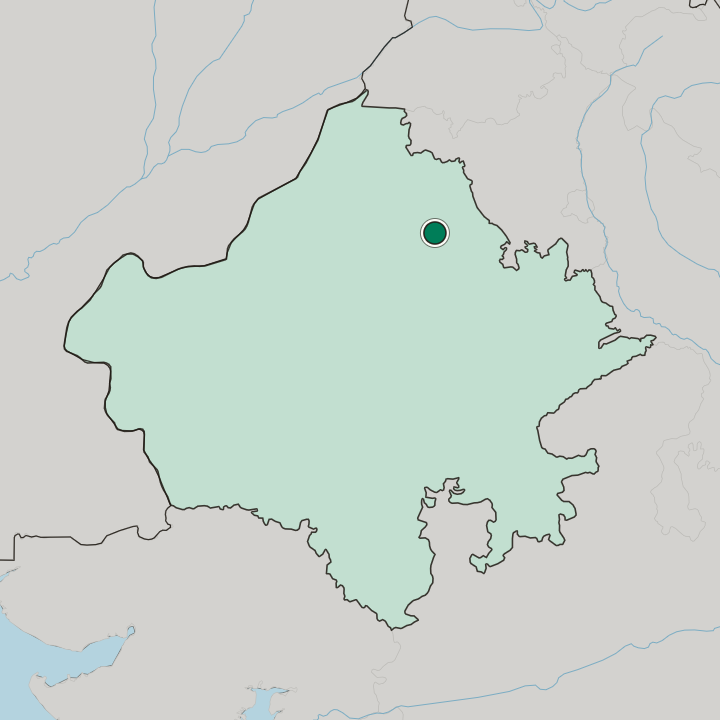
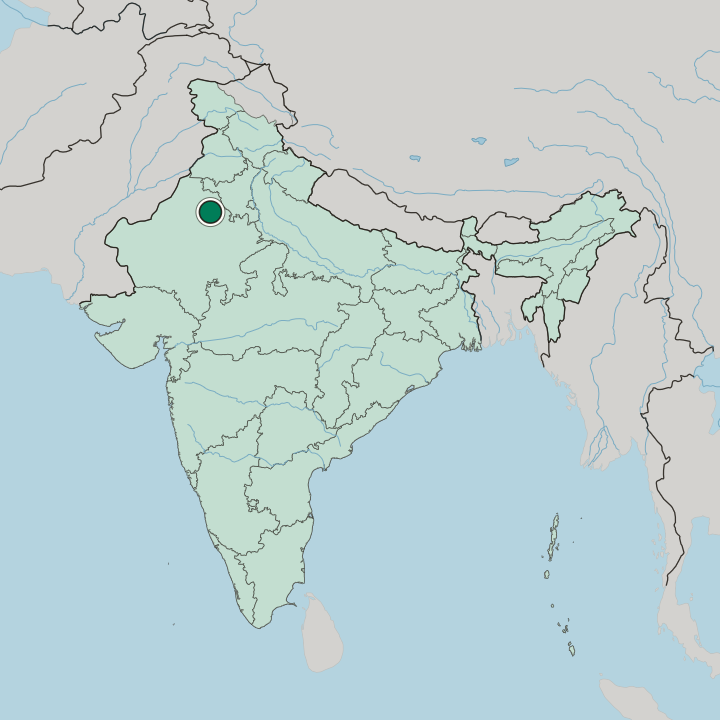
Chūru stands on the Thar Desert's edge in the Sekhawati region of Rājasthān, a town of frescoed havelis and shifting dunes.
Hotel links are affiliate links: booking through them may earn us a commission, at no extra cost to you. It never affects how places are ranked. How this works


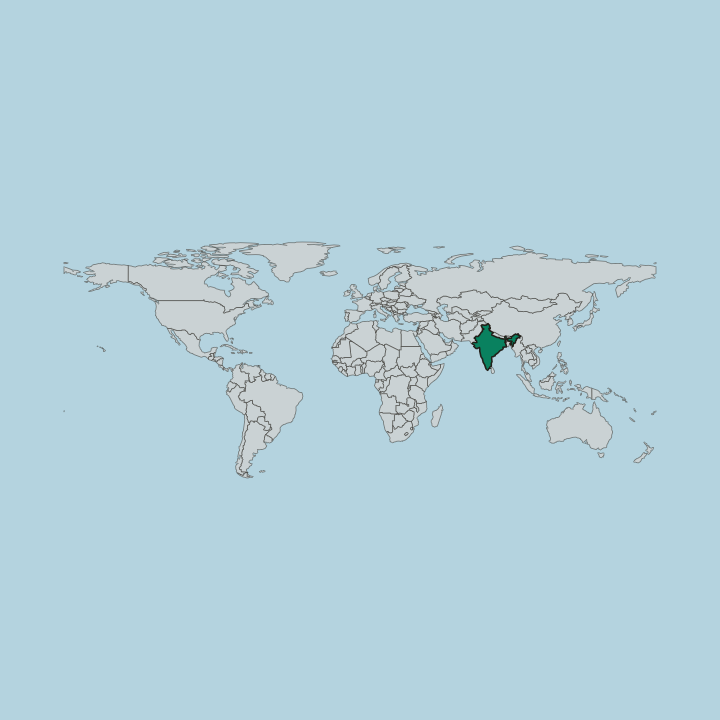
Where to stay in Chūru
How the choice of base plays out on the ground.
Chūru's core does most of the work. The fort at the centre is the fixed point, and rooms near it put the frescoed lanes, the chhatris and the older havelis within a walk of ten minutes or so, which is the whole practical argument for staying in the middle of a town this size. Painted walls are the reason to be here.
Kanhaiya Lal Bagla Ki Haweli and Surana Haweli sit close to one another, and a bed among them means the frescoes can be looked at twice, in morning light and again late, rather than once in passing. Two other choices make sense for particular trips. The junction station on the Bikaner line suits a late arrival, since the walk from platform to room is short and the desert dark makes anything further feel longer than it is.
Beyond the last streets, the shifting dunes of the Thar Desert start, and the seat of the Nath sect of Sadhus lies out that way as well; if you want the dunes at first light, that edge of Chūru saves an hour. Beds are limited everywhere in town. Book early for the cool months.
Find hotels in Chūru
Direct booking searches for these neighbourhoods.
Around the fort
The fort at the middle of Chūru puts the frescoed lanes and the chhatris inside a ten-minute walk. Rooms are few around here — worth securing early.Find hotels in Around the fortseeing Kanhaiya Lal Bagla Ki Haweli and Surana Haweli in two different lightsThe haveli lanes
Kanhaiya Lal Bagla Ki Haweli and Surana Haweli stand a short block apart among the painted merchant streets. Rooms are few around here — worth securing early.Find hotels in The haveli lanesa late arrival on the Bikaner lineBy the junction station
Chūru's junction station on the line to Bikaner keeps the walk from platform to room short after dark. Rooms are few around here — worth securing early.Find hotels in By the junction stationreaching the shifting Thar dunes at first lightThe dune edge
The shifting dunes of the Thar Desert begin past the last streets, with the Nath sect seat on the same side of Chūru. Few places to stay nearby — book ahead.Find hotels in The dune edgeHotel links are affiliate links: booking through them may earn us a commission, at no extra cost to you. It never affects how places are ranked. How this works
About Chūru
Frescoes and sand.
What is Chūru known for?
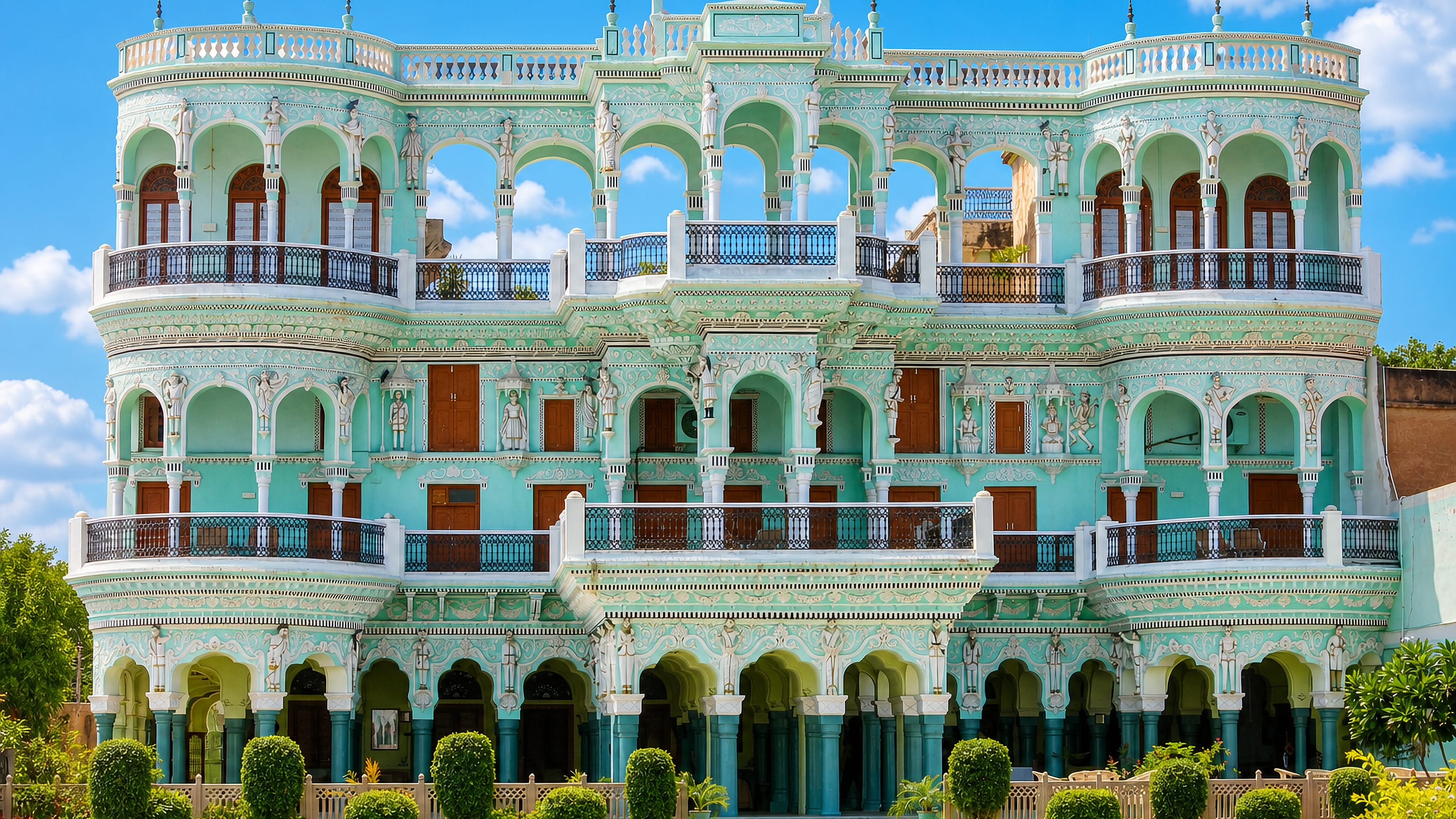
Chūru's havelis carry painted walls inside and out, Kanhaiya Lal Bagla Ki Haweli and Surana Haweli among them, the latter pierced by hundreds of small windows that give the front its lattice of shade. Chhatris stand about the town as well. Beyond the last streets the shifting dunes of the Thar Desert begin, which is the reason Chūru reads as a desert town rather than a Sekhawati one, however much its painted merchant houses argue the other way.
What are the main landmarks in Chūru?
Chūru's landmark stock is domestic. Kanhaiya Lal Bagla Ki Haweli and Surana Haweli are merchant houses first and monuments second, their frescoes running across facades and inner courts, the Surana front pierced by hundreds of small windows. Chhatris stand around the town, fine ones.
At the centre is the fort, about 500 years old. Outside the built-up edge lies a seat of the Nath sect of Sadhus, where life-size marble statues of the deities stand around a place set aside for prayer.
What is the history of Chūru?
A fort holds the centre. It has stood about 500 years, which makes the rest of Chūru a set of answers to the question of what grows around a defended point in desert country. Merchants supplied that answer.
The havelis they built, Kanhaiya Lal Bagla Ki Haweli, Surana Haweli, and the others along the older lanes, are trading houses with money spent on their surfaces, frescoed inside and out, and the Surana front alone carries hundreds of small windows. Wealth on a desert edge has to come from moving goods rather than growing them. Rail and road later did the same work under different names.
Chūru became a junction on the line running to Bikaner, and National Highway 52 passes through on its way between Sangrur and Ankola, so the town kept its position as a place goods and people change direction. Administration followed. Chūru is the headquarters of Churu District, which is the modern form of the same centrality the fort once held by other means.
Outside the built-up edge, a seat of the Nath sect of Sadhus keeps a longer and quieter thread going, its life-size marble statues of the deities set around a place for prayer that owes nothing to trade routes at all.
Where is Chūru?
Sand sets the terms here. Chūru lies in the Thar Desert within the Sekhawati region of Rājasthān, close enough to the shifting dunes that desert ground is a matter of a short walk rather than a day's drive. The land gives little.
Water, shade and the thick painted walls of the havelis all answer the same problem, and the fort that stands at the centre of town has been answering a different one for about 500 years in this corner of India.
What is the climate of Chūru?
The Thar Desert writes Chūru's weather, and a town set among shifting dunes gets the full swing of it: hard heat through the long dry months, sharp cold on winter nights, and very little between. Shade is architecture here. The havelis turn thick walls outward and open inward, and Surana Haweli's hundreds of small windows do the same job by breaking light into pieces rather than admitting it whole.
Dust rides the wind. Chhatris and fort walls alike carry it.
How do you get to Chūru?
Chūru is a junction station on the railway line running to Bikaner, which is the arrival most visitors make. Road works too. National Highway 52 passes through the town on its long run between Sangrur and Ankola, and that is the route that puts the Thar Desert on both sides of the windscreen for the last stretch in.
Chūru's fort and its frescoed havelis stand close enough together that the last part of any journey is walked.
Common questions
What is the best area to stay in Chūru?
Around the fort: walking out from the 500-year-old fort at Chūru's centre. The haveli lanes: seeing Kanhaiya Lal Bagla Ki Haweli and Surana Haweli in two different lights. By the junction station: a late arrival on the Bikaner line. The dune edge: reaching the shifting Thar dunes at first light.
More cities in State of Rājasthān
Updated September 2026