Iran · West Azerbaijan Province
Where to Stay in Orūmīyeh, West Azerbaijan Province
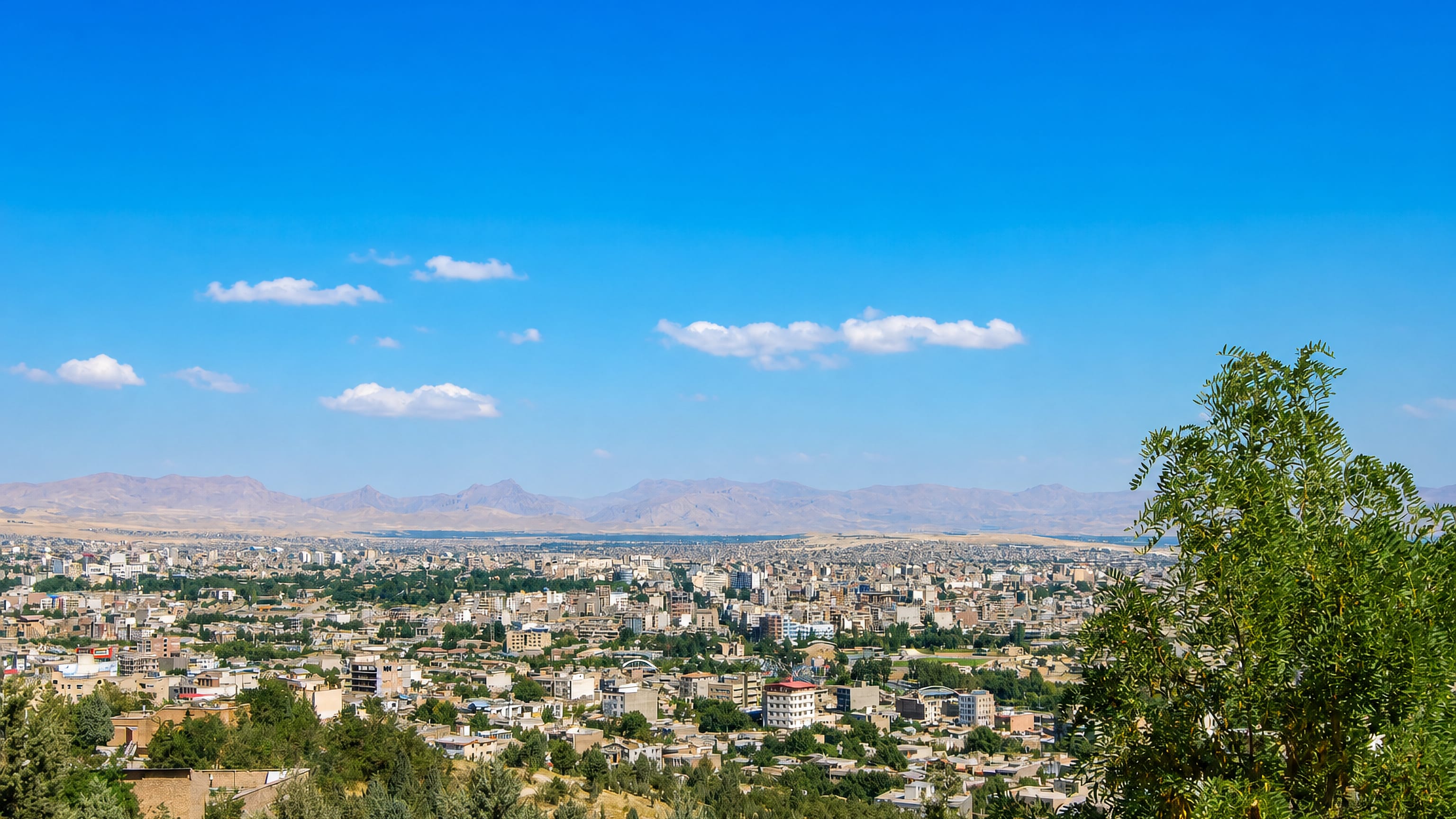
Brick minarets and church towers rise together in Orūmīyeh, the capital of West Azerbaijan Province near Lake Urmia, known for the Jameh Mosque of Urmia.
Find your area →


Where to stay in Orūmīyeh
Where the beds are, and what that means for the visit.
Orūmīyeh centres on the old quarters around the Jameh Mosque of Urmia, where the covered bazaar and the tighter lanes hold the merchant town. Rooms in this core put the Sardar Mosque and the Urmia museum within an easy walk. The old bazaar quarters make the easiest first stay.
West of the centre, the streets near St. Mary's Cathedral and the Saint Mary Assyrian Church carry the Assyrian churches and quieter residential blocks, better if you want calm evenings within reach of the monuments rather than the bazaar crowds. Toward the edge of the city, the newer avenues run out. The plain beyond slopes toward Lake Urmia.
Staying there trades the historic streets for wider roads and easier access to the lake shore and the routes west. It rewards travellers driving through the province or making an early start for the water. Look also to the Seh Gonbad Tower district, where the brick tomb-tower marks one of the older corners of town.
Things to do in Orūmīyeh
Ranked by global recognition; descriptions from Wikidata (CC0).
Museums & Galleries
1- Urmia museum
Churches & Religious Sites
4- Saint Mary Assyrian Church Heritage
- Jameh Mosque of Urmia Heritage
- Menareh Mosque Heritage
- Sardar Mosque Heritage
Castles & Historic Sites
8- Seh Gonbad Tower Heritage
- St. John Church, Gavelan Heritage
- Noh Pelleh Ice House Heritage
- Urmia Police Mansion Heritage
- 22 Bahman School Heritage
Show 3 more →
- مناره مسجد امام شافعی Heritage
- پل قلعه جوق Heritage
- شهرداری اورمیه Heritage
Landmarks & Notable Places
2- Dizaj Siavash House Heritage
- خانه مجیدی افشار Heritage
worth knowingacross 4 categories in Orūmīyeh
About Orūmīyeh
What is Orūmīyeh known for?
Orūmīyeh is known for the long coexistence of its mosques and its Assyrian churches, a mixed heritage written across the streets and quarters of the city beside the lake. Two faiths built here. The Jameh Mosque of Urmia and the Sardar Mosque hold the Muslim quarters, while the Saint Mary Assyrian Church and St. Mary's Cathedral seat one of the oldest Christian communities in the region.
The Urmia museum keeps the finds. They trace both threads across the plain.
What are the main landmarks in Orūmīyeh?
Orūmīyeh sets its monuments across faiths and centuries. The Jameh Mosque of Urmia, the Sardar Mosque and the Menareh Mosque hold the Islamic heart, while the brick Seh Gonbad Tower marks a medieval tomb. The Assyrian churches, St. Mary's Cathedral, the Saint Mary Assyrian Church and St. John Church, Gavelan, anchor the Christian quarters, while the Urmia museum and the older Noh Pelleh Ice House round out the built record of the plain.
What is the history of Orūmīyeh?
Orūmīyeh sits on one of the long-settled plains of the region beside Lake Urmia, its name and its town carried from antiquity through the Islamic centuries. The city held a place on the routes crossing West Azerbaijan Province toward the western borderlands. Commerce along the caravan routes built it.
Merchants raised the covered bazaar and the mosques that still centre the old quarters, among them the Jameh Mosque of Urmia and the Sardar Mosque, while the brick Seh Gonbad Tower survives from an earlier medieval age. A distinct Assyrian Christian community gave the city a second thread. Their churches, St. Mary's Cathedral and the Saint Mary Assyrian Church, stood alongside the mosques for generations and mark Orūmīyeh as one of the historic seats of the faith in the region.
Ice houses such as the Noh Pelleh Ice House and public baths recall the daily life of the older town on the plain. The finds of that long occupation are gathered in the Urmia museum. Layer on layer, the plain kept its people.
Where is Orūmīyeh?
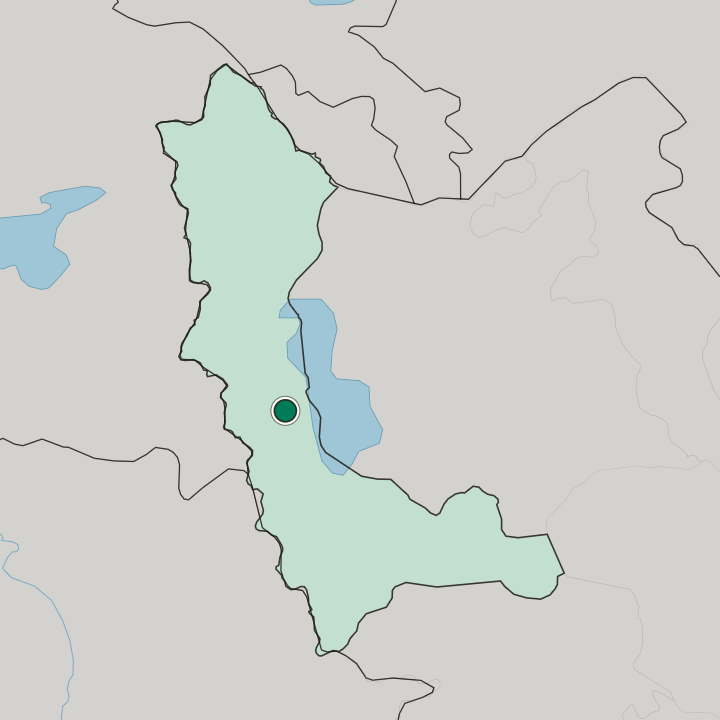
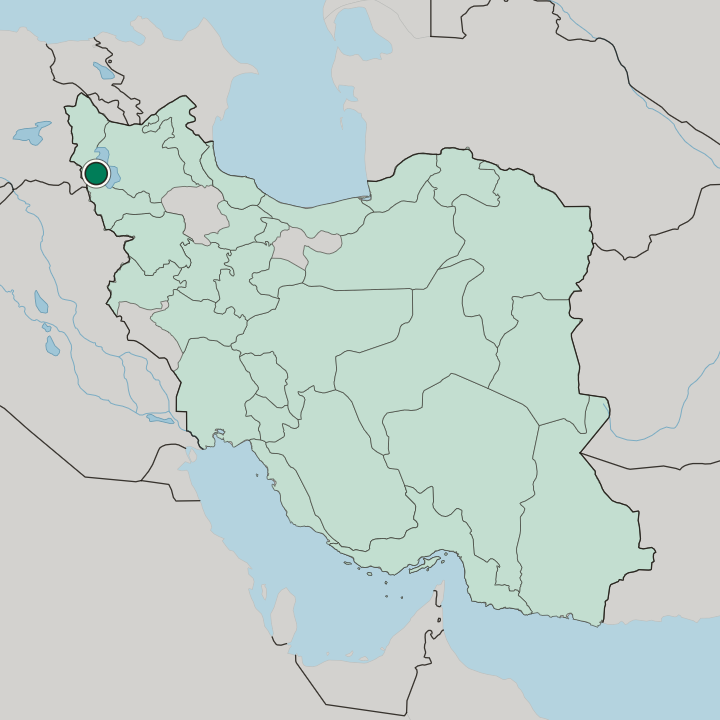
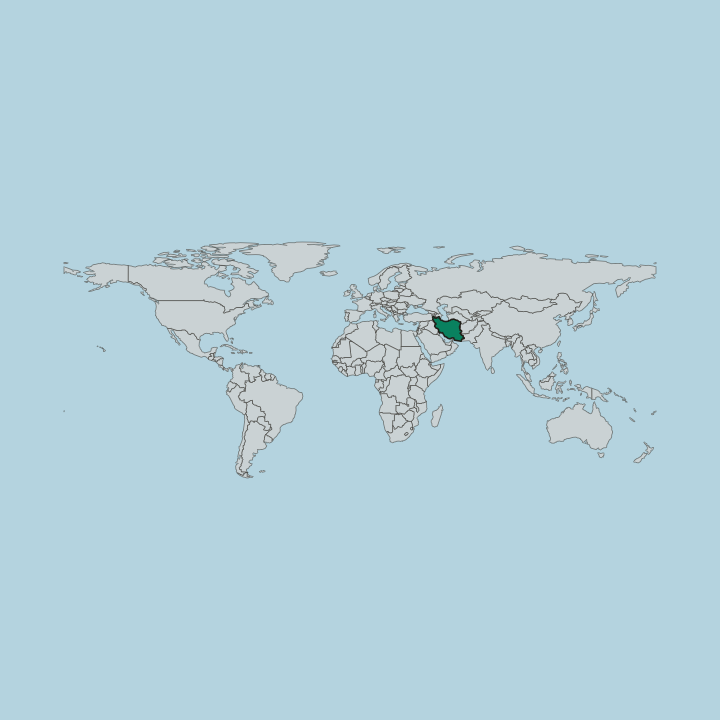
Orūmīyeh stands on a broad plain that slopes down toward the western shore of Lake Urmia, the great salt lake that gives the city its name. It is the capital of West Azerbaijan Province, ringed by the highlands that separate the plain from the western frontier. Streams from those hills water the orchards around the town.
The lake sets the horizon to the east.
What is the climate of Orūmīyeh?
Orūmīyeh has a cold semi-arid climate tempered by its plain beside Lake Urmia. Winters bring hard frost and snow off the surrounding highlands. Summers are warm and dry, cooled a little by the elevation of the basin.
Spring and autumn stay short and mild, the seasons when the orchards on the plain come into leaf and fruit before the dry heat sets in.
How do you get to Orūmīyeh?
Orūmīyeh sits at the hub of the roads crossing West Azerbaijan Province, linking the plain to the wider network by the shore of Lake Urmia. An airport serves the provincial capital with domestic flights. Bus lines run to the larger regional cities from the central terminal.
The lake and the surrounding highlands shape the routes in and out of the town.
Good for
More cities in West Azerbaijan Province
Updated September 2026