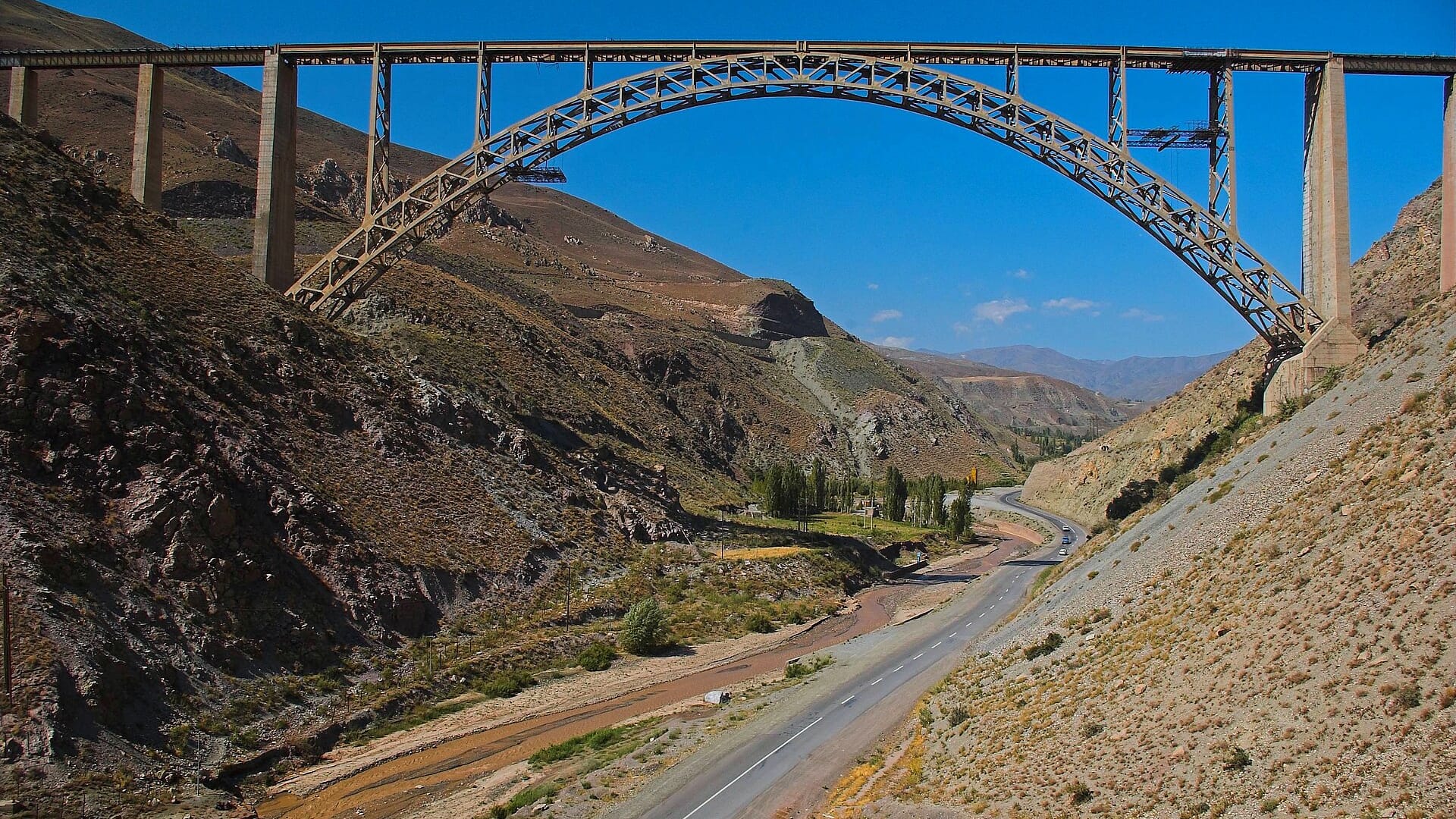
Iran · West Azerbaijan Province
Where to Stay in Khūy, West Azerbaijan Province
Khoy is a city of the far northwest of Iran near the Turkish border, the City of Sunflowers, held to hold the tomb of Shams of Tabriz, the master of Rumi.
Find your area →


Where to stay in Khūy
How the choice of base plays out on the ground.
Where you stay in Khoy turns on the old town or the plain. The streets around the minaret keep the mosques, the bazaar, and the shrine within a walk, and staying downtown suits anyone here for the old city. The old minaret rises over the streets.
Bazaar lanes fill the centre. Out toward the fields and the hills, the town gives way to sunflower fields, orchards, and the mountain slopes. A room out of town trades the streets for the golden fields, the honey villages, and the mountain views.
The plain runs green to the peaks. Stay downtown for the shrine, or out for the fields. From the sunflower fields it is only a short run back into Khoy.
Things to do in Khūy
Ranked by global recognition; descriptions from Wikidata (CC0).
Churches & Religious Sites
5- Saint Sarkis Church Heritage
- Seyyed al-Shohada Mosque (Khoy) Heritage
- Sheikh Mosque Heritage
- Mulla Hassan Mosque Heritage
- Zahabiyeh Mosque Heritage
Castles & Historic Sites
2- Hakimeh High School Heritage
- مناره شمس تبریزی دینبلی Heritage
Landmarks & Notable Places
2- ساختمان شهرداری خوی Heritage
- Kabiri House Heritage
worth knowingacross 3 categories in Khūy
About Khūy
Khoy is the sunflower city of the northwest.
What is Khūy known for?
On a green plain ringed by mountains near the Turkish border, it grew as an old caravan town on the Silk Road, and it keeps a tall old minaret marking the tomb held to be that of Shams of Tabriz, the fields of sunflowers that give the town its name, the honey and grapes of the plain, and old mosques and bazaars in its heart. The plain runs green and flat. The mountains ring it round.
What are the main landmarks in Khūy?
The old minaret of Shams stands at the heart of Khoy. The tall brick tower, studded with the horns of rams and marking the tomb held to be that of Shams of Tabriz, rises among the streets, the emblem of the city, above the town. Old mosques stand nearby.
The domed Sheikh mosque and the old bazaar hold the centre of the town, while the sunflower fields, the honey villages, and the ringing mountains mark the country around Khoy.
What is the history of Khūy?
Khoy was an old town on the road to Anatolia. On the highland route between Iran and the west, it grew as a caravan town of the Silk Road, a walled market where traders rested on the way to and from the Ottoman lands. The town knew war and trade.
On the frontier the town was fought over between Persia and its neighbours, and it kept strong walls and gates against the armies that passed. A great mystic is said to rest here. The wandering teacher Shams of Tabriz, the friend and master who set the poet Rumi alight, is held by many to have died at Khoy, and a tall old minaret marks the place of his tomb.
The plain grew green and gold. Around the town the fields brought forth sunflowers, grapes, and honey, and Khoy became known as the city of sunflowers, keeping its shrine, its bazaar, and its old mosques on the highland plain. The old minaret still stands.
Khoy keeps its shrine and its sunflowers in the northwest.
Where is Khūy?
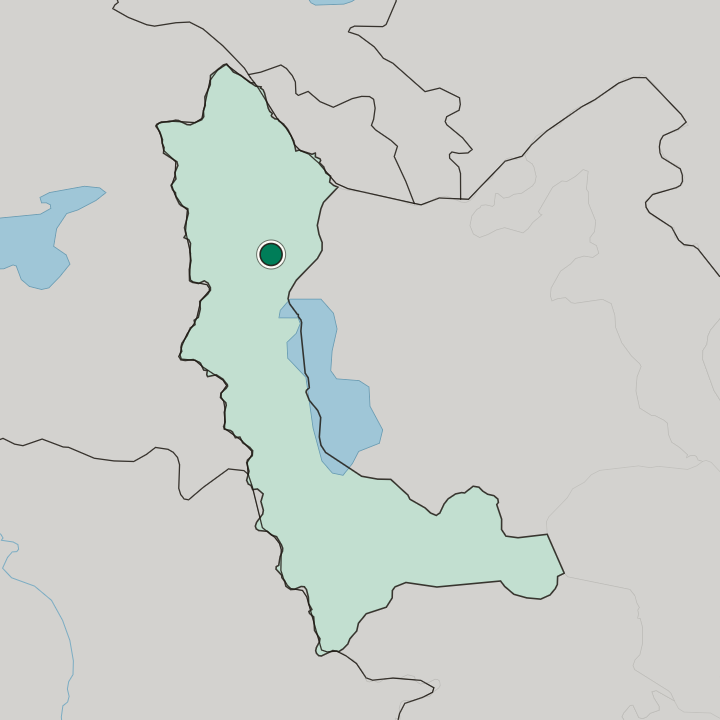
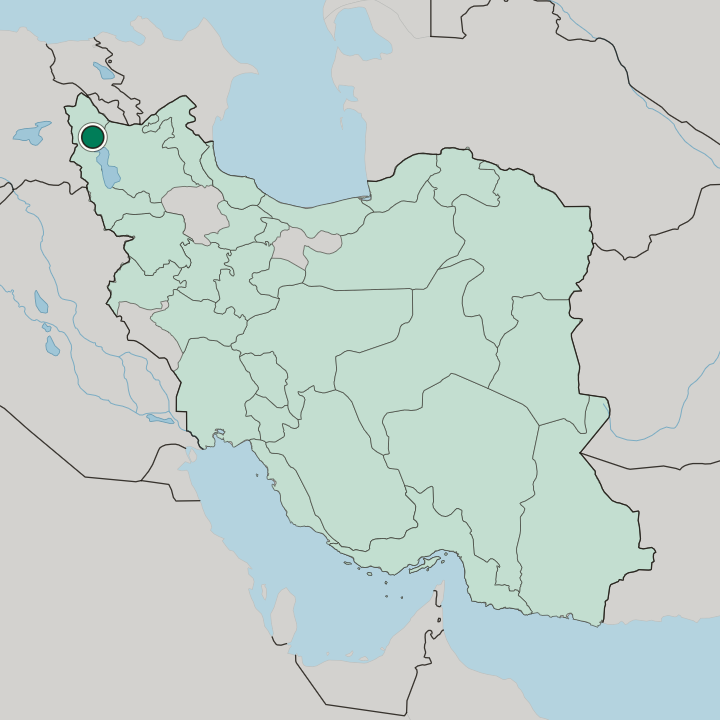
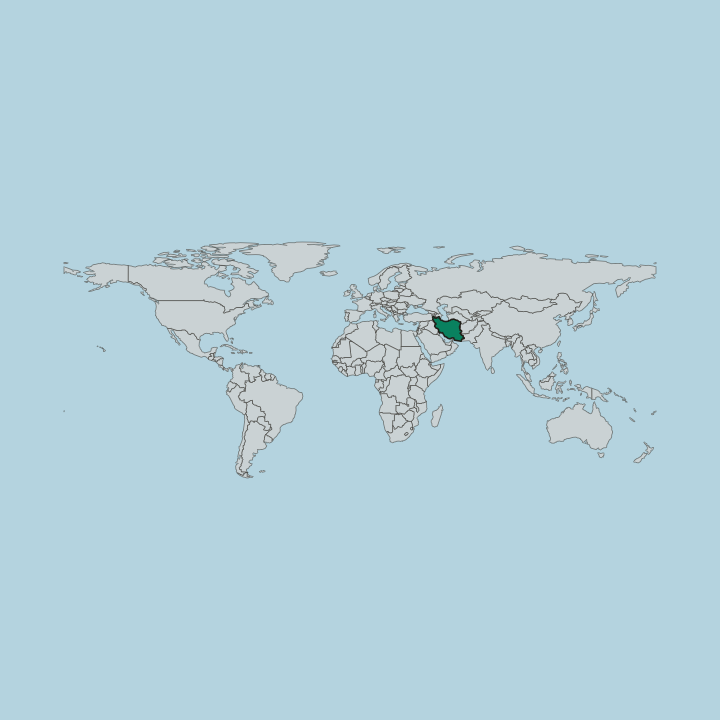
Khoy lies in the far northwest of Iran, on a high plain near the borders of Turkey. The city sits in a fertile green basin ringed by bare mountains, watered by streams from the hills, in the highland corner near the borders of Iran and Turkey on the old road to Anatolia. Green fields fill the basin.
Bare peaks close the plain.
What is the climate of Khūy?
Khoy has a cold, dry highland climate. Warm summers and cold snowy winters cross the high plain, with strong summer sun and deep snow and frost in the long winter. The summer ripens the sunflowers.
Snow lies on the winter plain.
How do you get to Khūy?
Khoy lies in the far northwest, on the road between Tabriz and the Turkish border. Roads and buses run to it over the passes from Tabriz and up from Lake Urmia, and roads run on to the Turkish frontier. Lanes ring the old minaret.
Tabriz lies southeast over the hills.
Good for
More cities in West Azerbaijan Province
Updated September 2026