Iceland
Höfuðborgarsvæði, Iceland — Towns & Travel Guide
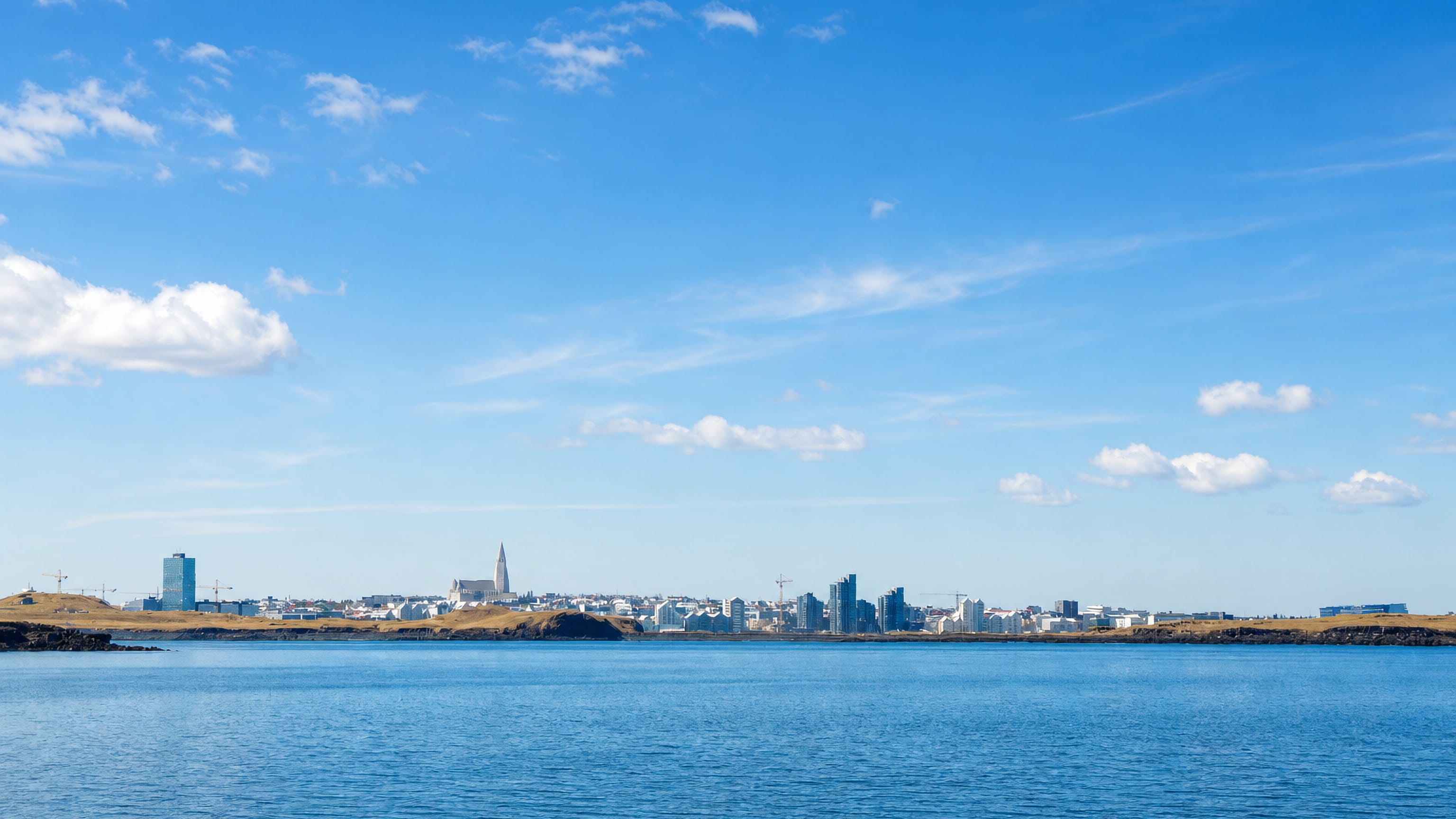
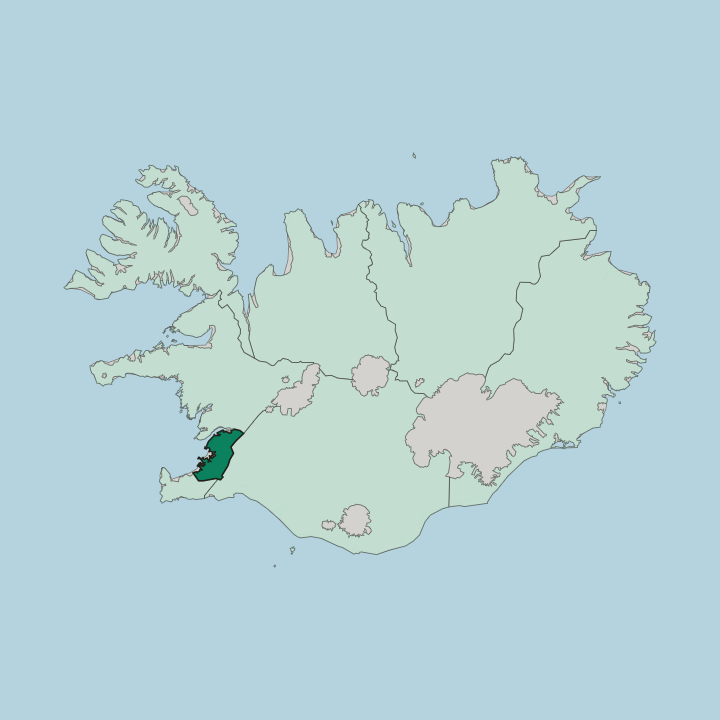
Höfuðborgarsvæði is the capital region of south-western Iceland, gathering Reykjavík, Kópavogur and Hafnarfjörður around Faxaflói bay.
Hotel links are affiliate links: booking through them may earn us a commission, at no extra cost to you. It never affects how places are ranked. How this works


Towns & cities in Höfuðborgarsvæði
Pick a town or city — each links to where to stay.
 Iceland
Reykjavík
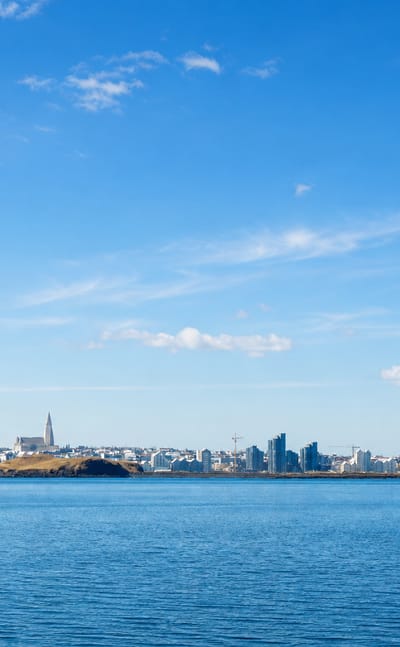
Reykjavík is the capital of Iceland, the world's northernmost capital, set on the Faxaflói bay shore.Where to stay →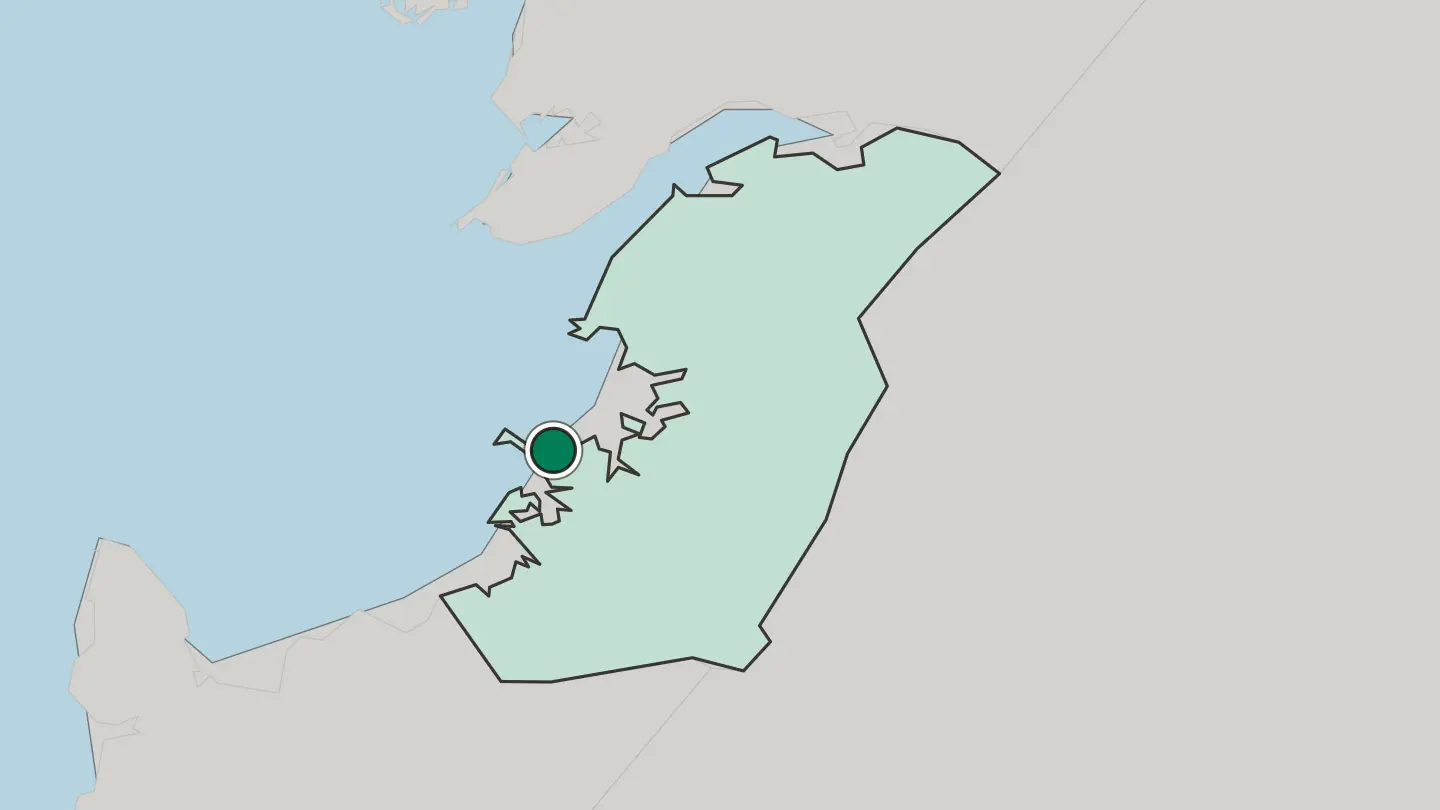
 Iceland
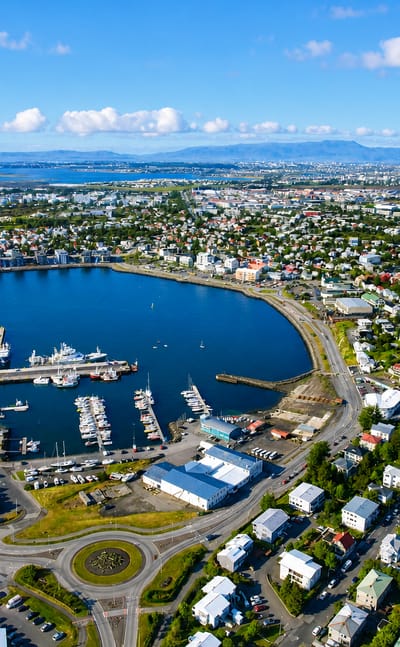
Kópavogur
Kópavogur is Iceland's second-largest municipality, spread across bays and low ridges just south of Reykjavík on Faxaflói.Where to stay →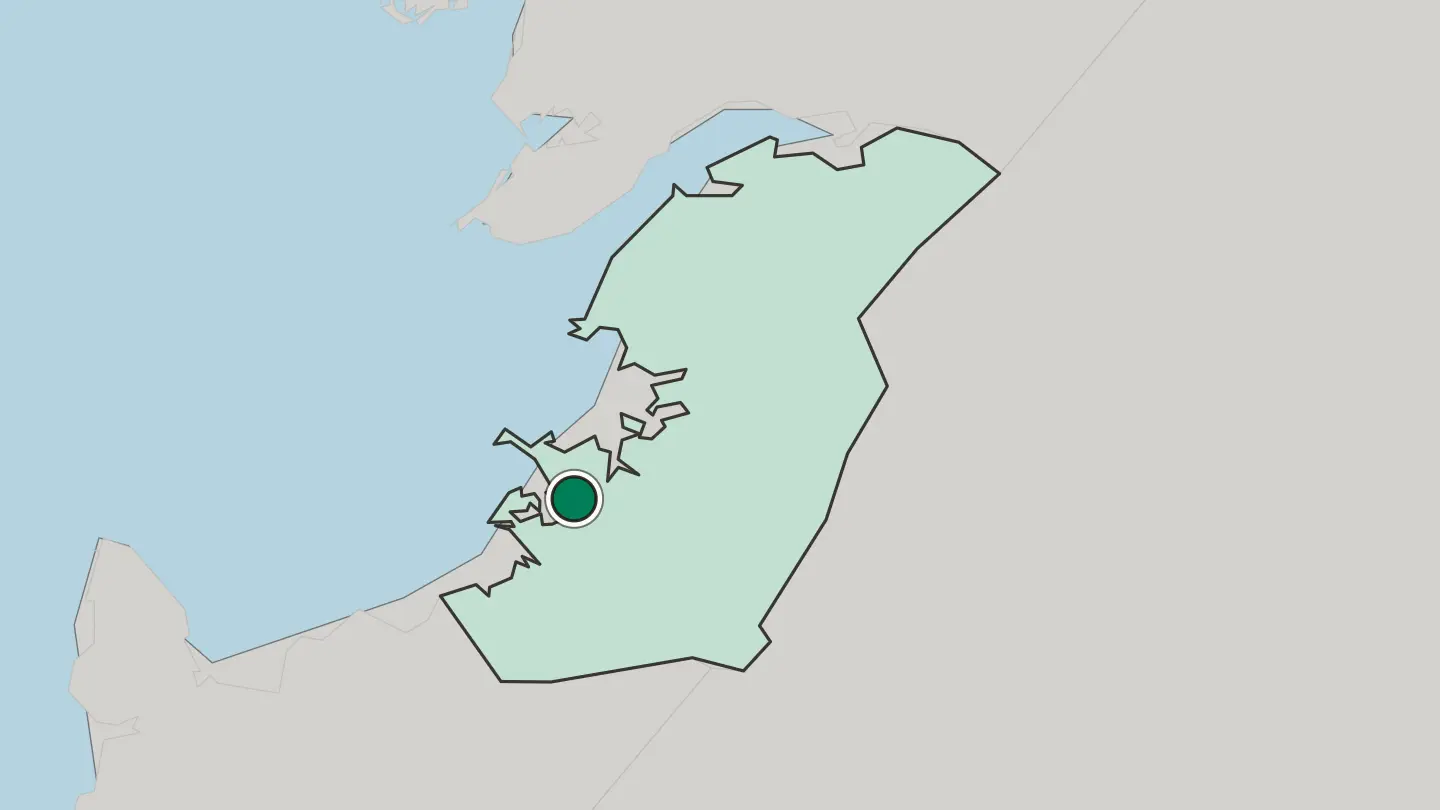
 Iceland
Hafnarfjörður
Hafnarfjörður is a harbour town on a lava shore in south-western Iceland, the southern municipality of the Höfuðborgarsvæði region.Where to stay →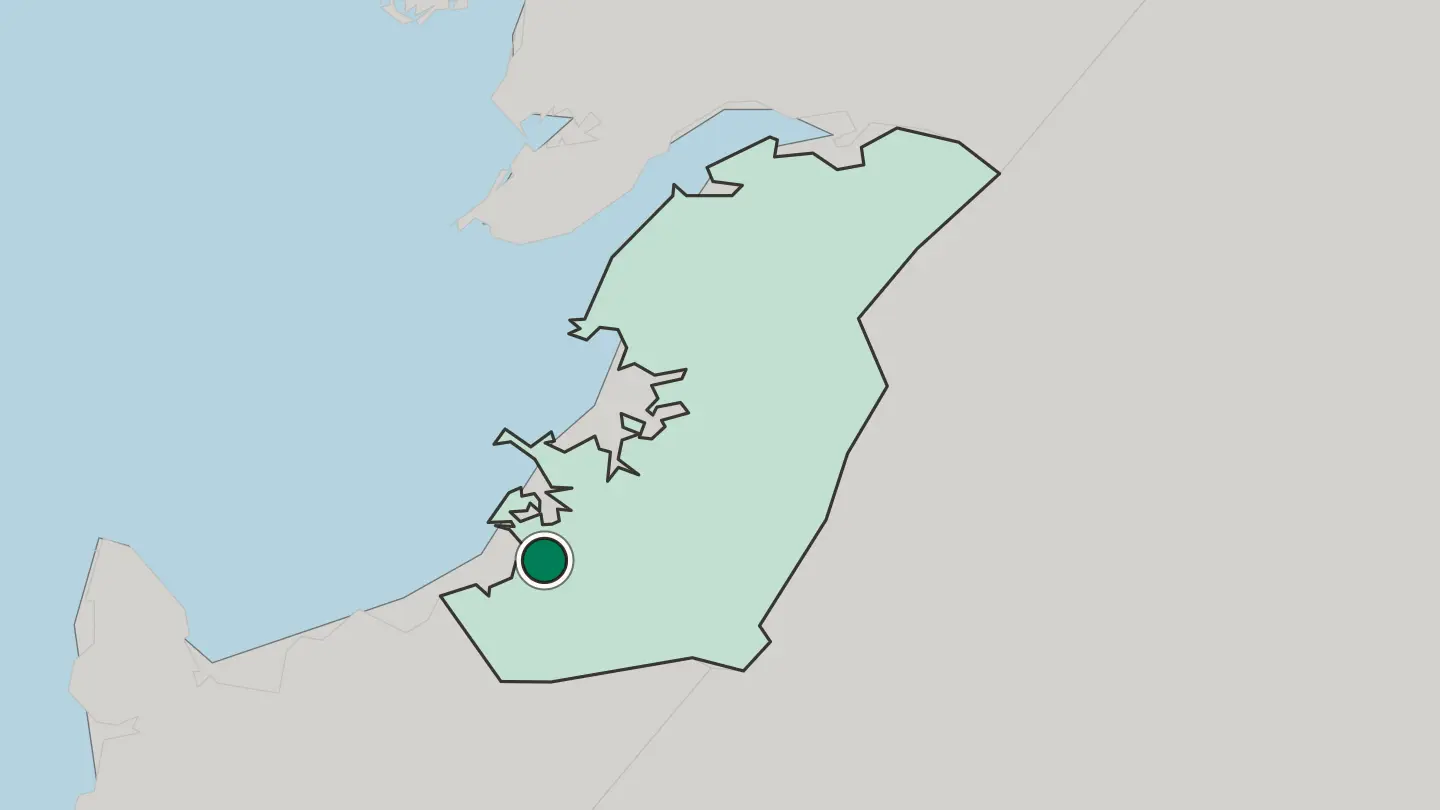
Hotel links are affiliate links: booking through them may earn us a commission, at no extra cost to you. It never affects how places are ranked. How this works
About Höfuðborgarsvæði
This is where Iceland gathers.
What is Höfuðborgarsvæði known for?
Höfuðborgarsvæði holds the great majority of the country's people, its parliament, its airports for onward travel and its largest working harbours, and most travellers pass through it first. Reykjavík anchors the cultural side, with theatres, museums and the music halls that draw visitors inland and abroad. Kópavogur and Hafnarfjörður add the malls, sports halls and quiet residential streets that keep daily life running.
Esja watches from across the water.
Where is Höfuðborgarsvæði?
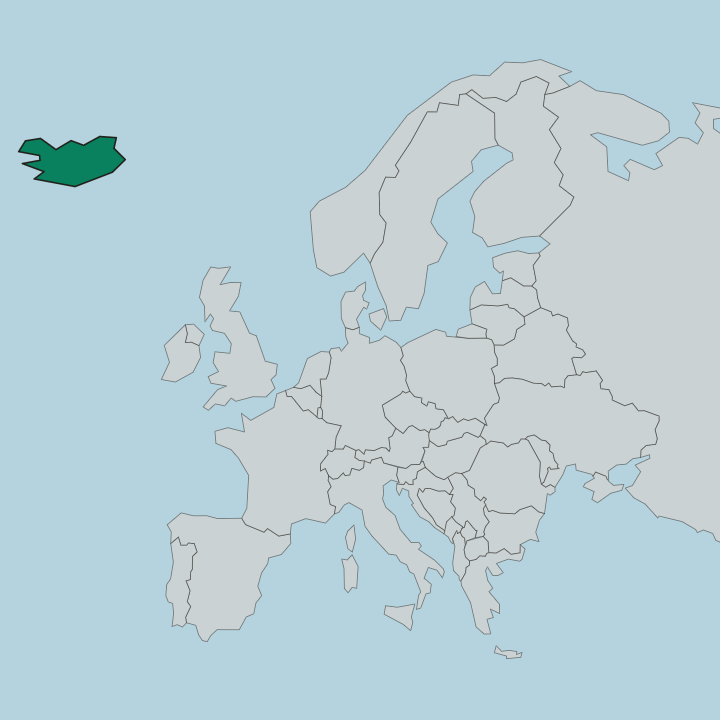
The region wraps the inner shore of Faxaflói bay, in south-western Iceland, where peninsulas and shallow inlets break the coast into a string of harbours and headlands. Reykjavík occupies the central spits of land, with Kópavogur tucked along the bays to its south and Hafnarfjörður set on a lava field where an old eruption once reached the sea. Everything in Höfuðborgarsvæði bends toward the water.
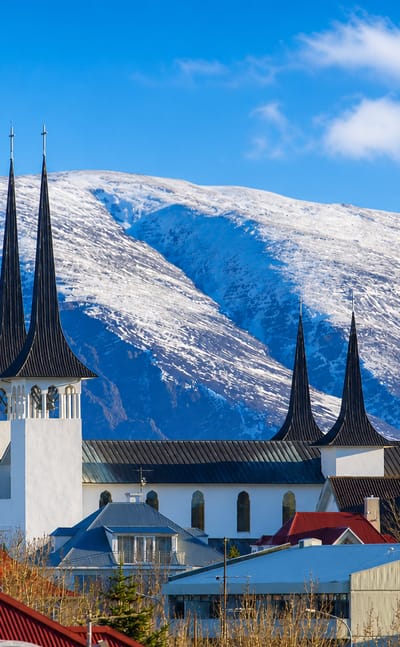
Across the bay rises Esja, the long basalt ridge that frames almost every view north from the built-up shore, catching the first and last light of the day. The ground underfoot tells of fire as much as water, because young lava flows, low ridges and geothermal fields lie close beneath the streets and feed the hot water that warms nearly every building. Inland the land climbs toward the heath and the mountains that ring the bay.
Short rivers and tidal flats edge the settlements, and the open Atlantic lies just beyond the bay's mouth. It is a compact, sea-bound corner of a much larger, emptier island.
What is Höfuðborgarsvæði like?
Culture in Höfuðborgarsvæði runs through Reykjavík and spills out to its neighbours. The downtown carries the country's main theatres, art museums and concert hall, and the literary tradition that gave Iceland its sagas still shapes how the place reads and writes about itself. Music matters here.
Bands and festivals built in the small downtown venues have carried the region's name far past the bay, and the long winter nights push social life indoors and onto the stage. Pools are the other shared room. Nearly every neighbourhood across Reykjavík, Kópavogur and Hafnarfjörður keeps a geothermal swimming pool open year-round, and the hot pots beside them work as the everyday meeting place that a town square does elsewhere.
Food has shifted from salted and dried preserving toward harbour-fresh fish and lamb cooked plainly and well. Design, knitwear and a strong café habit fill the streets between. The result is a small population behaving like a much larger city.
What is the history of Höfuðborgarsvæði?
Settlement began on these shores. Norse settlers are said to have made Reykjavík the first foothold on the island, and the bay's sheltered harbours kept it a fishing and trading point for centuries. The town grew slowly under Danish rule, then quickly once home rule and independence drew government, schooling and trade to the capital.
Kópavogur and Hafnarfjörður filled in around it as the working harbours and suburbs of a spreading metropolitan shore, and the wartime years brought airfields and roads that locked the region into its modern shape.
What is the climate of Höfuðborgarsvæði?
The bay keeps the edges off. Faxaflói and the Atlantic give Höfuðborgarsvæði a cool maritime climate where summers stay mild and grey-bright while winters hover near freezing rather than plunging the way the interior does. Wind and fast-changing weather are the constant, sweeping in off the water with rain, sun and squalls within a single afternoon.
Snow comes and goes through the dark months, and the long swing between near-endless summer light and deep winter darkness shapes the rhythm of every day under Esja.
How do you get to Höfuðborgarsvæði?
Almost everyone arrives by air. The international airport on the Suðurnes peninsula to the south-west feeds a fast road into the region, while the smaller Reykjavík airport handles flights within Iceland and to nearby islands. Ferries and cruise ships dock at the capital's harbours through the warmer half of the year.
On the ground, buses link Reykjavík, Kópavogur and Hafnarfjörður, and a hired car opens the bay's shore and the country beyond.
Common questions
What is the best area to stay in Höfuðborgarsvæði?
Reykjavík city centre: first-timers chasing nightlife and museums on foot. Kópavogur: families wanting malls and quiet streets. Hafnarfjörður: travellers after a working-harbour base.
Good for
More regions in Iceland
Updated September 2026