Iceland
Suðurland, Iceland — Towns & Travel Guide
Suðurland is the waterfall-and-glacier region of southern Iceland, fronting the North Atlantic Ocean.
Hotel links are affiliate links: booking through them may earn us a commission, at no extra cost to you. It never affects how places are ranked. How this works


Towns & cities in Suðurland
One town here has its own guide — it links to where to stay.
 Iceland
Selfoss
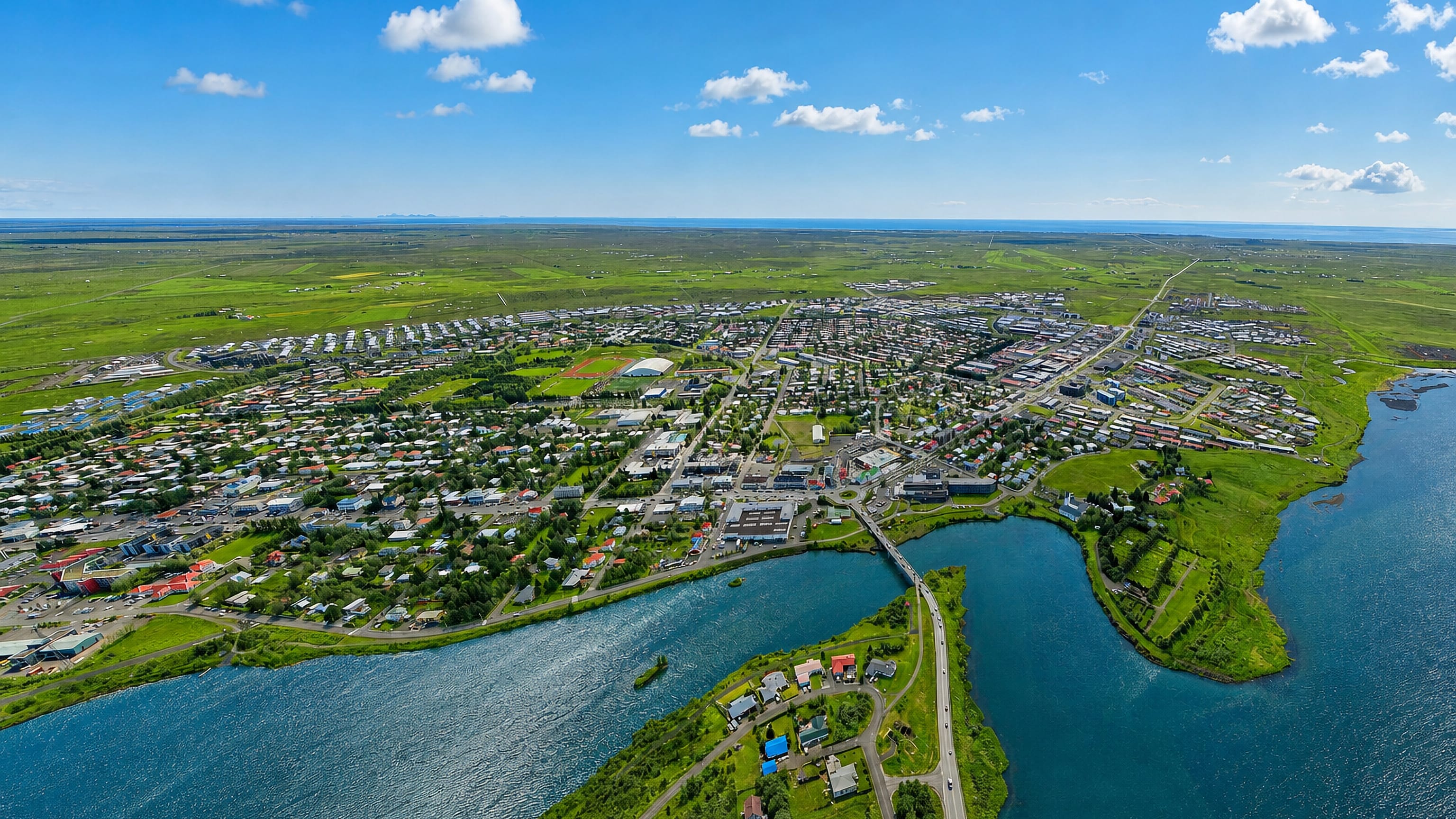
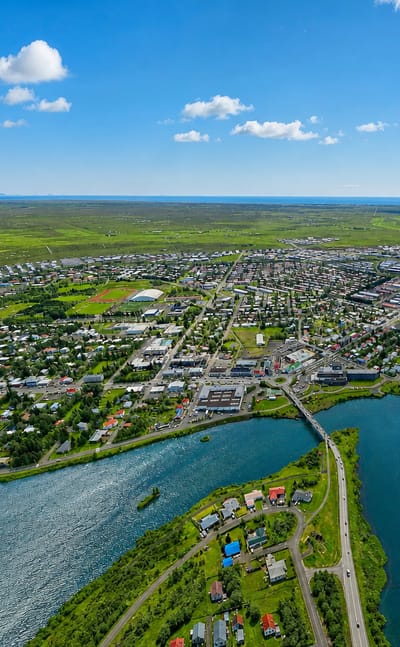
Selfoss is the largest town in southern Iceland, set on the Ölfusá river in Suðurland east of Reykjavík.Where to stay →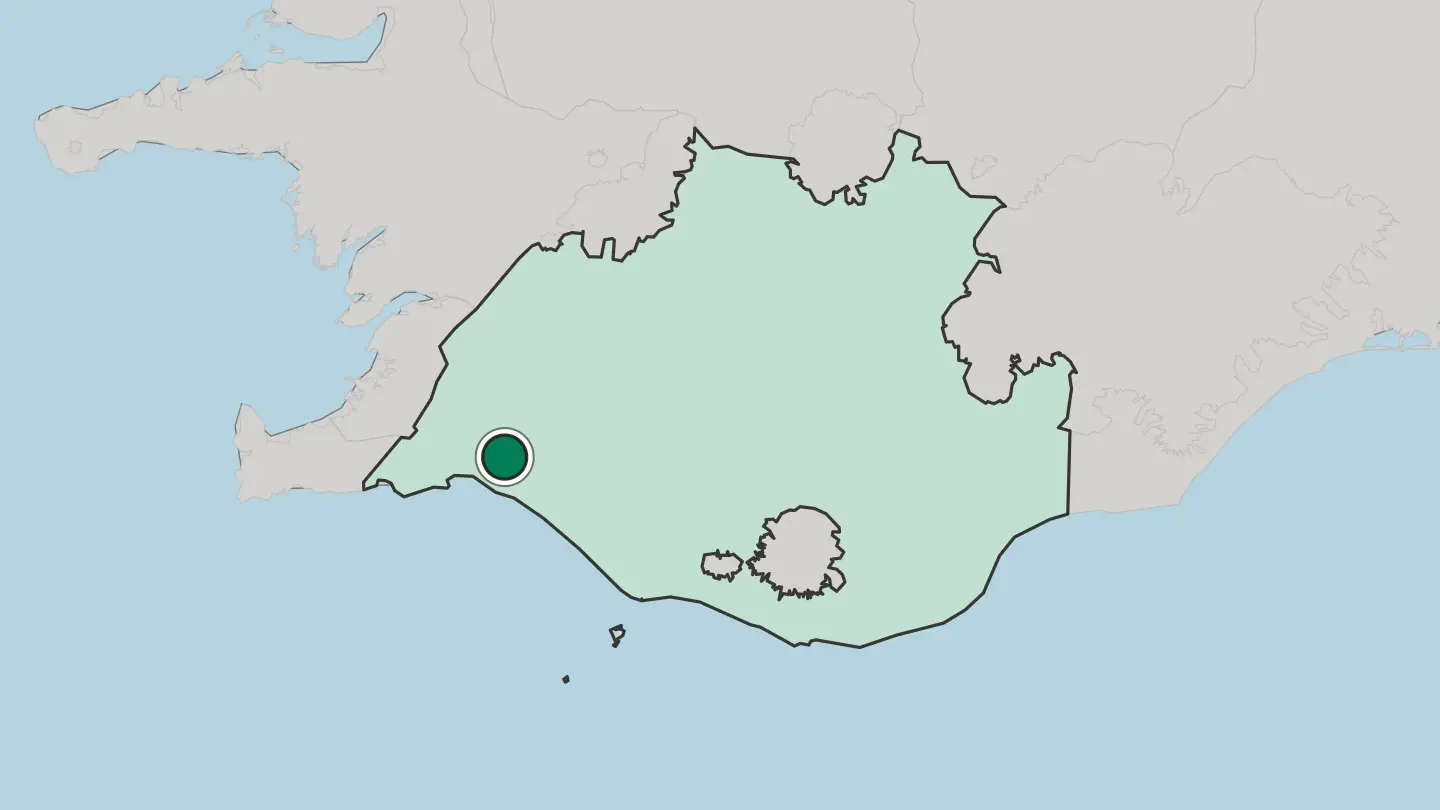
Hotel links are affiliate links: booking through them may earn us a commission, at no extra cost to you. It never affects how places are ranked. How this works
About Suðurland
Glaciers and falling water define Suðurland.
What is Suðurland known for?
Big rivers spill off the ice and braid across flat coastal plains before reaching the North Atlantic Ocean. The eastern reaches sit under Vatnajökull, the ice cap whose meltwater feeds nearly every river here, and much of that ground belongs to Vatnajökull National Park, the largest national park in Iceland. Selfoss anchors the region.
Travellers come for the geology.
Where is Suðurland?
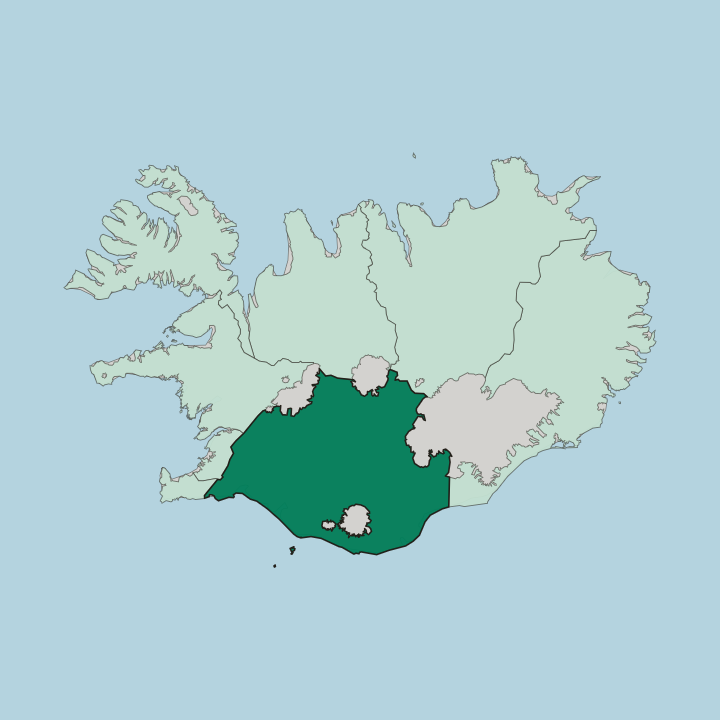
Suðurland runs along the southern edge of Iceland, a long coastal band facing the North Atlantic Ocean. Ice rules the east. The glacier Vatnajökull caps that end of the region, and the water systems linked to it pour out in every direction, sending big rivers down toward the sea.
Where those rivers slow on the flats, they spread into broad flood plains that line much of the southern coast. The glacier and the ground around it form Vatnajökull National Park, the largest national park in Iceland. Waterfalls drop where the highlands break toward the lowlands.
Selfoss sits in the gentler western part, on the plain rather than the ice, and most of the region's farmland and roads gather there. Drive east and the land turns harder, emptier, and far closer to the cold weight of the glaciers.
What is Suðurland like?
Suðurland reads first as a place of land and weather, not crowds. Farms work the western plains. The medieval past runs deep here, and the old sagas and church sites of southern Iceland still shape how the region tells its own story.
Most daily life concentrates around Selfoss, the largest town, where services, schools, and trade gather for the farms and hamlets spread across the lowlands. Icelandic is the everyday language. Out east, where Vatnajökull looms over thin settlement, communities are small and far apart, and the rhythm of life bends to the ice, the rivers, and the long swing of the seasons.
People here measure distance in driving hours. The region wears its history quietly rather than on display.
What is the history of Suðurland?
Suðurland carries a long medieval history. Settlement here reaches back to the early centuries of Iceland, and the region's church sites and saga-era farms tie the southern coast to the island's founding stories. Selfoss is comparatively young, a town that grew up around river crossings and farm trade on the western plain.
The east stayed thinly peopled, hemmed in by Vatnajökull and the rivers running off it. Land shaped who could live where.
What is the climate of Suðurland?
The North Atlantic Ocean governs the weather across Suðurland. Air off the water keeps winters from biting as hard as the inland highlands, but it also drives wind and heavy rain onto the southern coast, and that rain is exactly what keeps the rivers and waterfalls so full year-round. Skies change fast.
The eastern reaches under Vatnajökull run colder and rawer, chilled by the ice cap looming above the lowlands.
How do you get to Suðurland?
Most visitors reach Suðurland by road from the west, where the ring route runs out from the capital area into the lowlands around Selfoss. A car is essential. The coastal highway then threads east along the southern coast, past waterfalls and glacier rivers, toward Vatnajökull and the far edge of Vatnajökull National Park.
Distances are long and fuel stops grow scarce the deeper east you drive.
Common questions
What is the best area to stay in Suðurland?
Selfoss and the western lowlands: Short hops to the western falls with shops and fuel on hand in Selfoss. The eastern coast under Vatnajökull: Waking up beside the ice and the glacier rivers of Vatnajökull National Park.
Good for
More regions in Iceland
Updated September 2026