Italy · Piemonte
Where to Stay in Cuneo, Piemonte
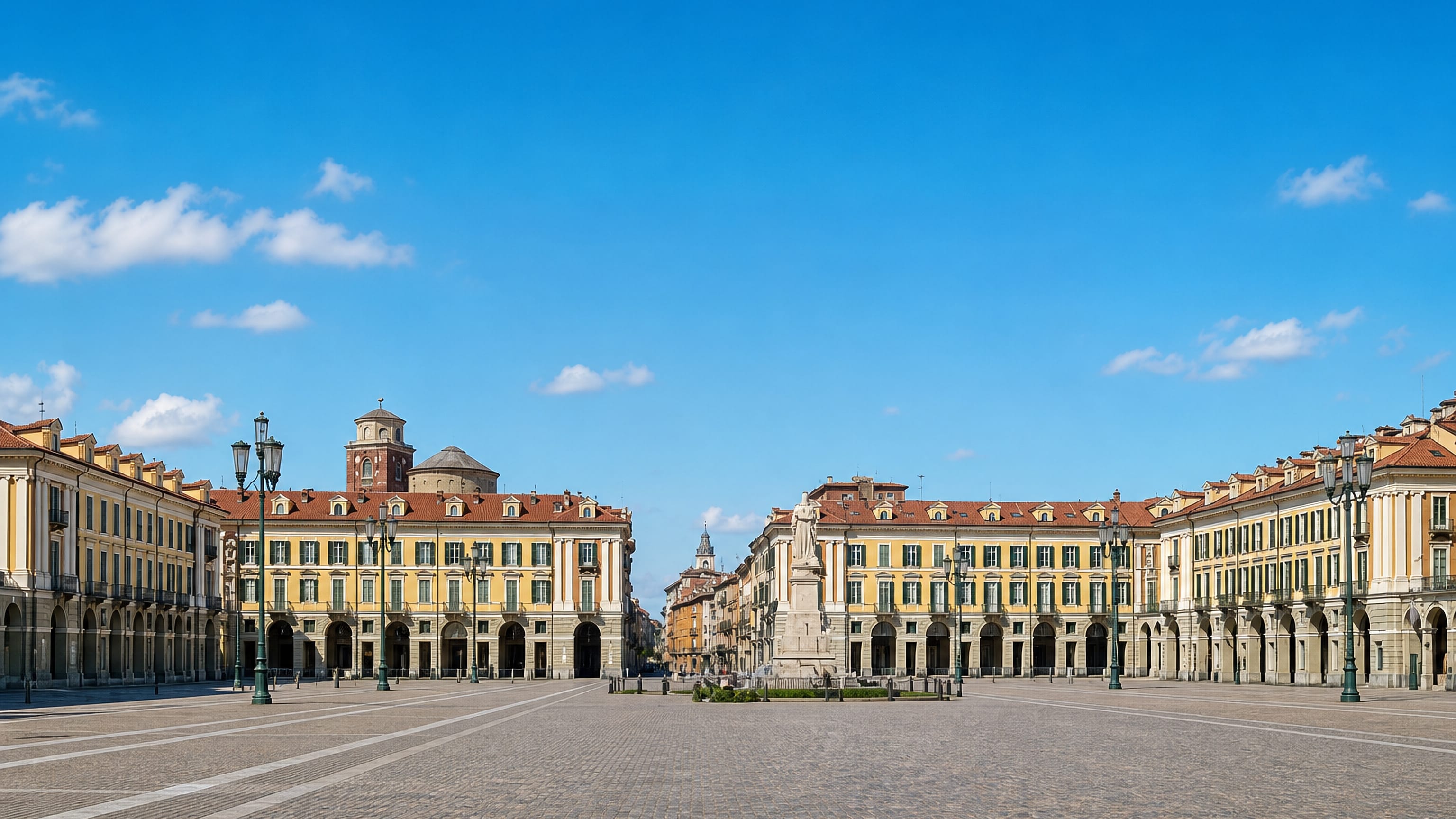
Cuneo heads its own province. Arcaded streets run out from the Torre Civica through a Piemonte town of 119 square kilometres.
Hotel links are affiliate links: booking through them may earn us a commission, at no extra cost to you. It never affects how places are ranked. How this works


Where to stay in Cuneo
The practical side of choosing where to sleep.
Rooms cluster near the Torre Civica. A bed on that side of the arcaded centre leaves the cathedral of St. Mary, the Monumental Complex of San Francesco and the Museo civico di Cuneo inside a single walk, which covers most of what Cuneo asks a visitor to see. The San Sebastiano Diocesan Museum and the chiesa di Santa Croce stand within the same few streets.
The Province of Cuneo takes its name and its seat from the town, so the institutions that come with that sit close to the museums rather than off in a separate quarter. Inside the arcades, everything is a short walk. Outside the core, the comune spreads over 119 square kilometres, and a room in San Rocco Castagnaretta or out by villa Tornaforte trades walking distance for space and parking.
The Palasport di San Rocco Castagnaretta fixes that quarter on the map. Pilgrim traffic runs elsewhere. The Santuario della Madonna della Riva draws its own arrivals, and the Chiesa del Sacro Cuore di Gesù and Chiesa di Sant'Ambrogio give the outer parishes their landmarks, so a stay judged only by the arcades misses much of what the municipality actually holds.
Museo ferroviario sits on that same outward side. Anyone booking wide should expect a drive.
Find hotels in Cuneo
Direct booking searches for these neighbourhoods.
Around the Torre Civica
The Torre Civica stands over the arcades that link the Monumental Complex of San Francesco, the Museo civico di Cuneo and the chiesa di Santa Croce in one walkFind hotels in Around the Torre Civicadrivers wanting space on the outward side of the comuneSan Rocco Castagnaretta
The Palasport di San Rocco Castagnaretta anchors this quarter, and villa Tornaforte lies in the same spread of municipal ground beyond the arcades. Beds are limited here, so book early.Find hotels in San Rocco Castagnarettaarrivals following the sanctuary rather than the museum listBy the Santuario della Madonna della Riva
The Santuario della Madonna della Riva brings its own visitors to an edge of Cuneo that the San Sebastiano Diocesan Museum and the centre never see. Beds are limited here, so book early.Find hotels in By the Santuario della Madonna della Rivaquieter parish streets within reach of the Museo ferroviarioNear the Chiesa di Sant'Ambrogio
The Chiesa di Sant'Ambrogio and the Chiesa del Sacro Cuore di Gesù give this outer part of Cuneo its landmarks, with the Museo ferroviario close by. Beds are limited here, so book early.Find hotels in Near the Chiesa di Sant'AmbrogioHotel links are affiliate links: booking through them may earn us a commission, at no extra cost to you. It never affects how places are ranked. How this works
Things to do in Cuneo
Ranked by global recognition; descriptions from Wikidata (CC0).
Museums & Galleries
4- Monumental Complex of San Francesco Heritage
- Museo Casa Galimberti Heritage
- Museo civico di Cuneo Heritage
- Museo ferroviario Heritage
Churches & Religious Sites
4- cathedral of St. Mary Heritage
- chiesa di Santa Croce Heritage
- Santuario della Madonna della Riva Heritage
- chiesa di Sant'Antonio da Padova Heritage
Stadiums & Sports
1- Palasport di San Rocco Castagnaretta
worth knowingacross 3 categories in Cuneo
About Cuneo
Resistance history sits close to the surface.
What is Cuneo known for?
Cuneo is remembered as a bastion of the Italian Resistenza, the movement that set itself against Nazi Germany and the Italian Social Republic, and the Museo Casa Galimberti carries that period into the town's museum list. Collections do the rest. The Museo civico di Cuneo and the Monumental Complex of San Francesco hold the civic side, and the San Sebastiano Diocesan Museum answers them from the church side.
What are the main landmarks in Cuneo?
The Torre Civica is the marker to look for. Below it the arcades run past the cathedral of St. Mary and the chiesa di Santa Croce, both of which stand inside the compact grid that holds nearly every name Cuneo lists. The Monumental Complex of San Francesco and the San Sebastiano Diocesan Museum give the centre its two heaviest institutions, while the Museo Casa Galimberti and the Museo civico di Cuneo add the civic side.
Smaller names fill in. Chiesa di Sant'Ambrogio, the Santuario della Madonna della Riva and the Museo ferroviario sit further out.
What is the history of Cuneo?
Nothing in the record fixes when Cuneo began. The oldest fixed points are its churches and its tower, and the chiesa di Santa Croce, the Chiesa di Sant'Ambrogio and the Torre Civica carry names that predate any modern account of the town. Records begin with the province.
Cuneo gives the Province of Cuneo its name and its seat, and that province ranks fourth among Italian provinces by area, which puts a great deal of country under a town of this scale. Piemonte is the wider frame. The Monumental Complex of San Francesco is the kind of building that outlasts such shifts, and the arcades still organise the centre around it.
The twentieth century left the sharpest mark. Cuneo is remembered as a bastion of the Italian Resistenza, the movement that opposed Nazi Germany and the Italian Social Republic. That record is kept in public.
The Museo Casa Galimberti holds it indoors, while the memoriale Caduti del Lavoro and the memoriale Sergio Zucco stand outside as separate commemorations, each with a dedication of its own. The San Sebastiano Diocesan Museum tracks the older ecclesiastical line through the same centuries.
Where is Cuneo?
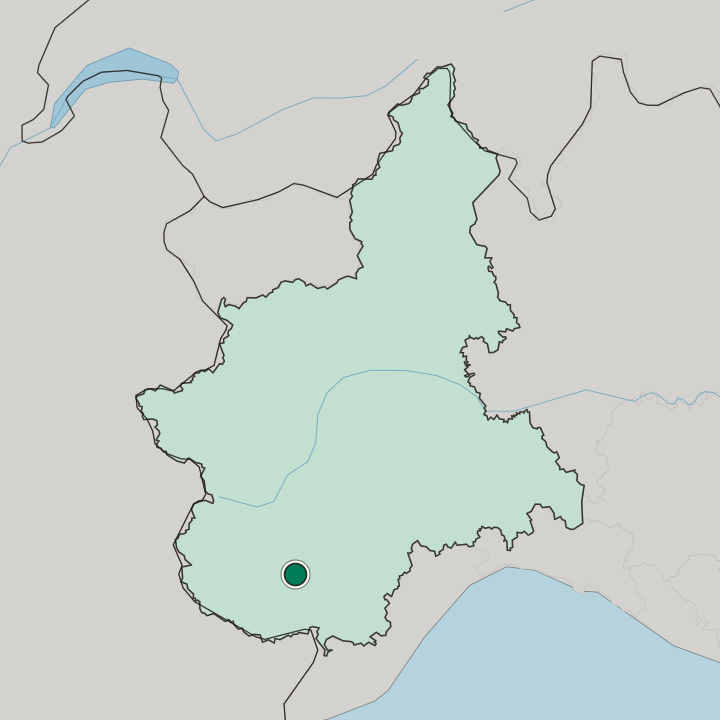
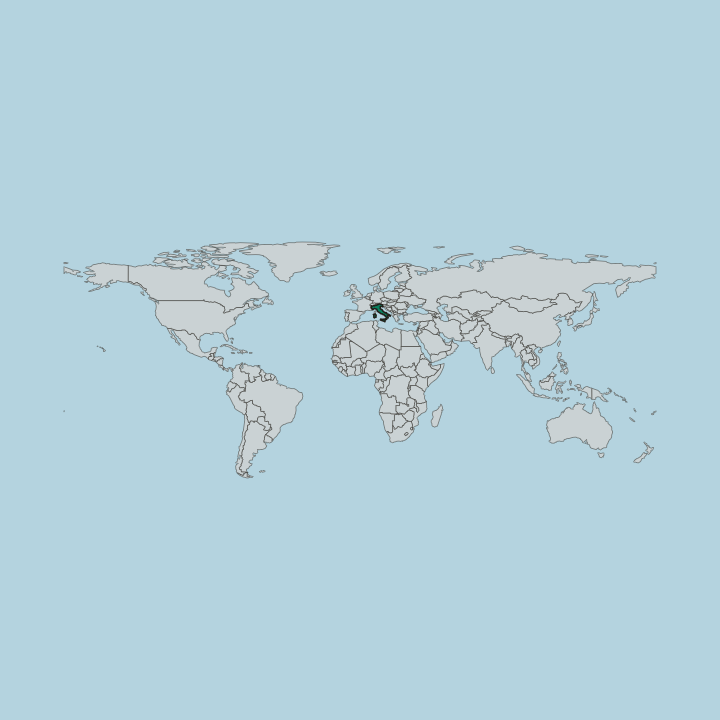
Cuneo covers 119 square kilometres. That is a large comune for a town of this scale, and the built-up part stays compact while the rest runs out into the farmland of the Province of Cuneo. Piemonte frames it all.
The arcaded centre, marked by the Torre Civica, sits at one end of that spread, and outlying ground such as San Rocco Castagnaretta and the land around villa Tornaforte belongs to the same municipality.
What is the climate of Cuneo?
The temperate band sets the terms. Seasons swing rather than hold, and the arcades of the centre earn their keep in both directions, giving shade through the warm months and cover when the weather turns. Stone stays cool.
The cathedral of St. Mary, the chiesa di Santa Croce and the Monumental Complex of San Francesco hold steadier air than the streets outside them.
How do you get to Cuneo?
Arrivals aim for the arcaded centre. The Torre Civica is the easiest fix on it, and the cathedral of St. Mary, the Museo civico di Cuneo and the San Sebastiano Diocesan Museum all stand within a few minutes' walk of that point. Cuneo works as a base for day trips into the Province of Cuneo and back the same evening.
The comune is wide. Anything at San Rocco Castagnaretta, villa Tornaforte or the Santuario della Madonna della Riva needs transport rather than a walk, and the Museo ferroviario sits on that outer side too.
Common questions
What is the best area to stay in Cuneo?
Around the Torre Civica: a first stay inside the arcaded core of Cuneo. San Rocco Castagnaretta: drivers wanting space on the outward side of the comune. By the Santuario della Madonna della Riva: arrivals following the sanctuary rather than the museum list. Near the Chiesa di Sant'Ambrogio: quieter parish streets within reach of the Museo ferroviario.
Good for
More cities in Piemonte
Updated October 2026