Italy
Piemonte, Italy — Towns & Travel Guide
Piemonte lies at the foot of the Alps in northwest Italy, where the Po rises below Monviso and Turin holds the plain.
Hotel links are affiliate links: booking through them may earn us a commission, at no extra cost to you. It never affects how places are ranked. How this works


Towns & cities in Piemonte
Pick a town or city — each links to where to stay.

 Italy
Italy
Turin
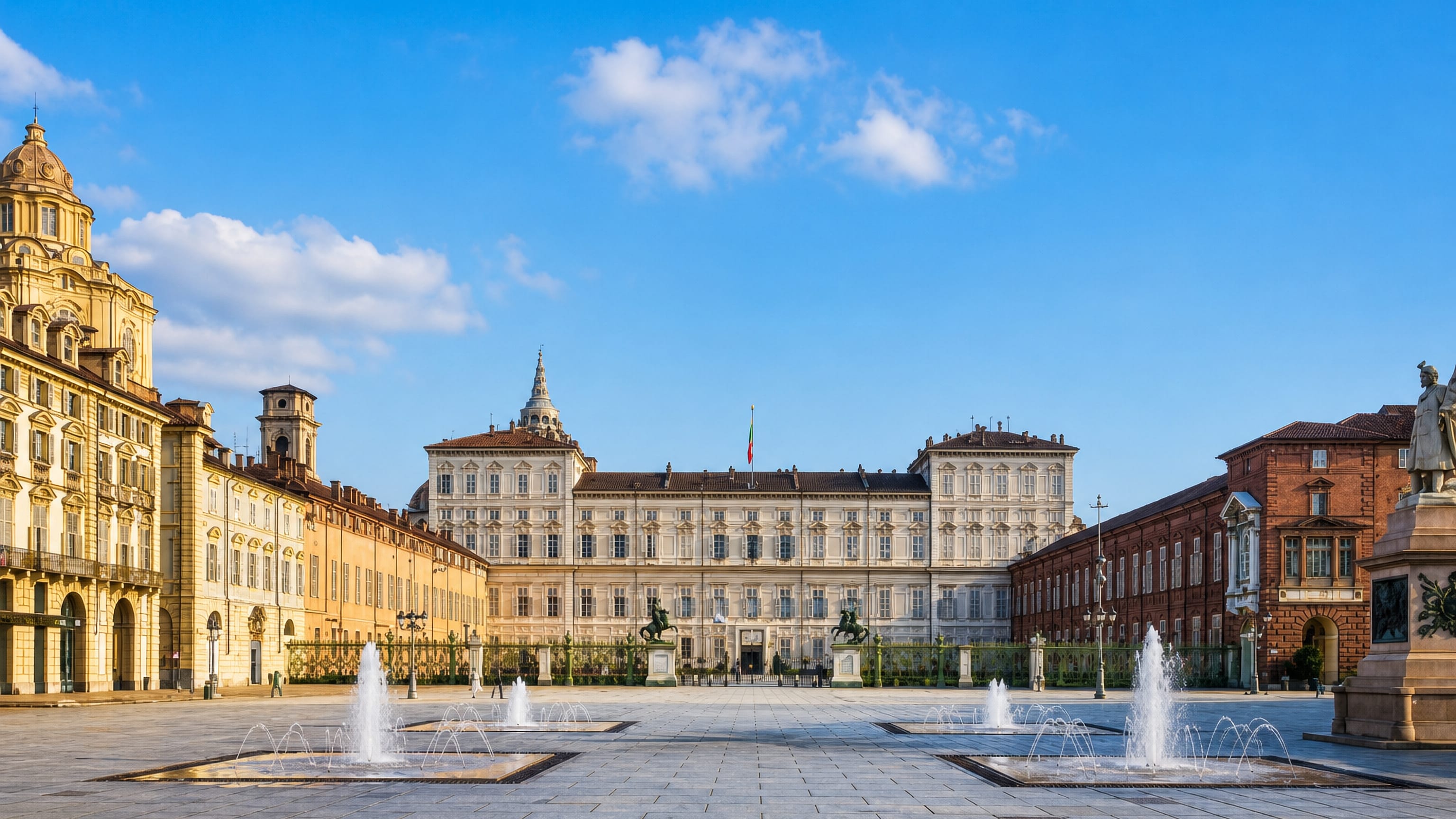
Baroque arcades and the Alps frame Turin, the Piemonte capital on the Po, known for the Mole Antonelliana and the Museo Egizio.Where to stay →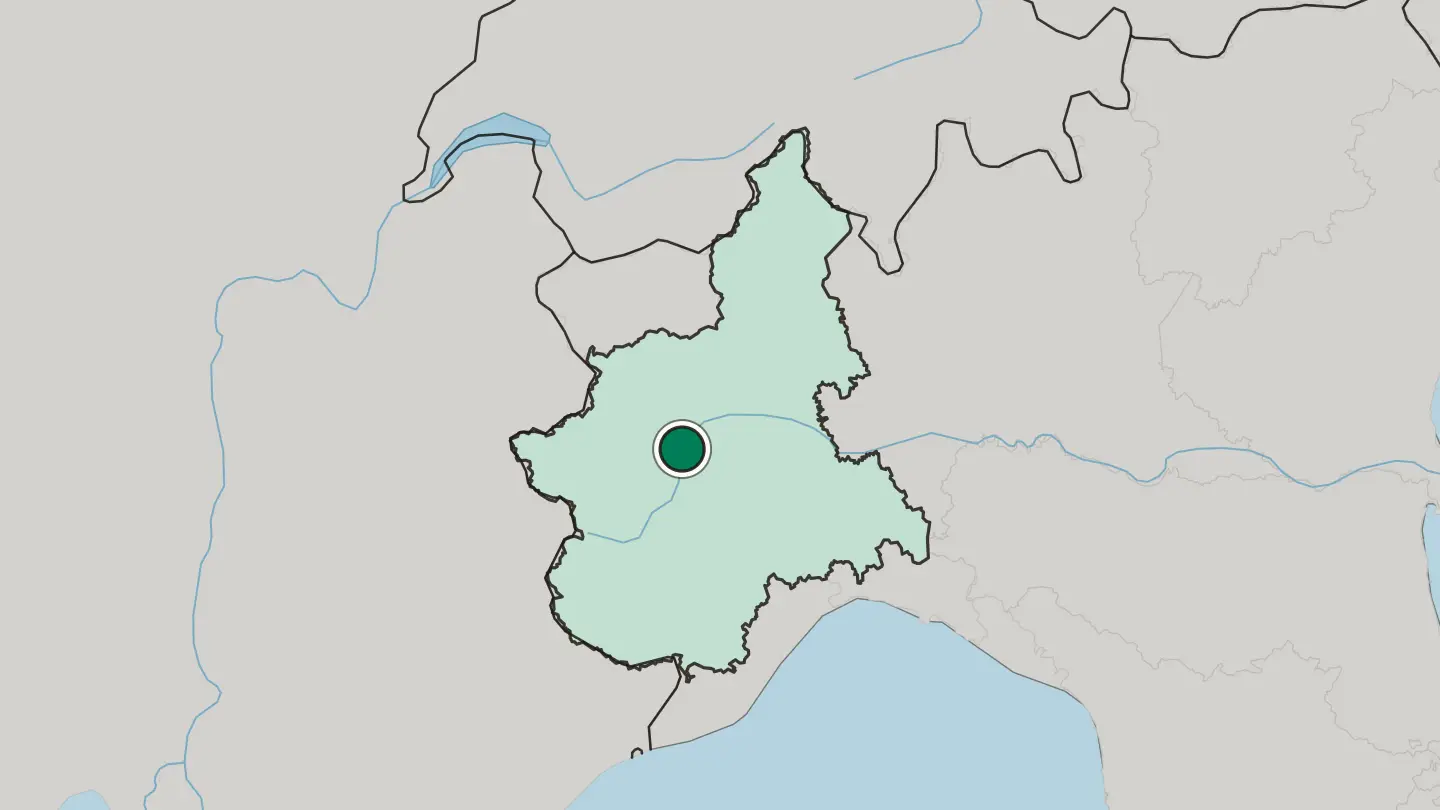
 Italy
Italy
Novara
Novara is Piemonte's second city after Turin, where the Basilica of San Gaudenzio rises over a provincial capital west of Milan.Where to stay →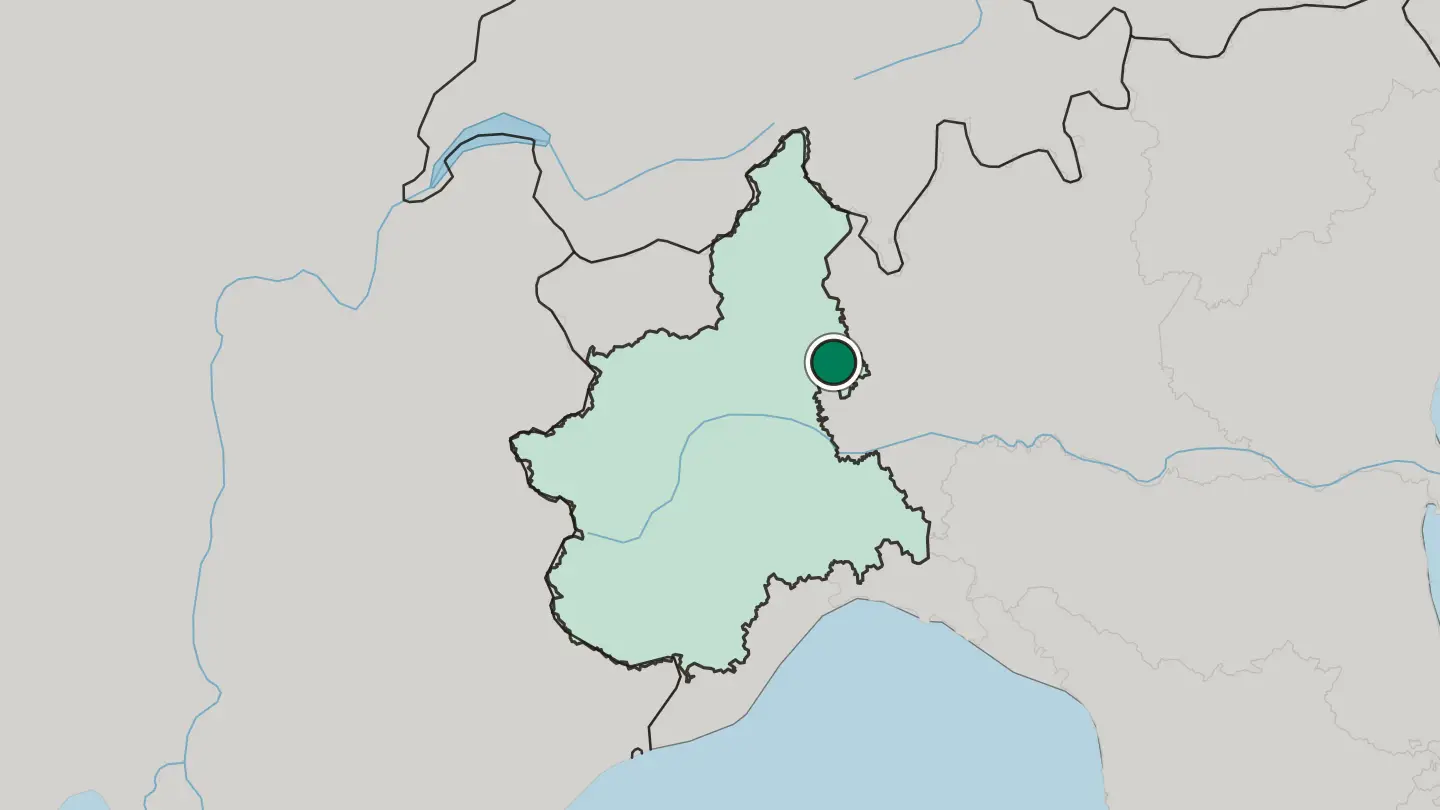
 Italy
Italy
Alessandria
Alessandria is the capital of its province in Piedmont, a city of churches, civic museums and the hat trade that carries the Borsalino name.Where to stay →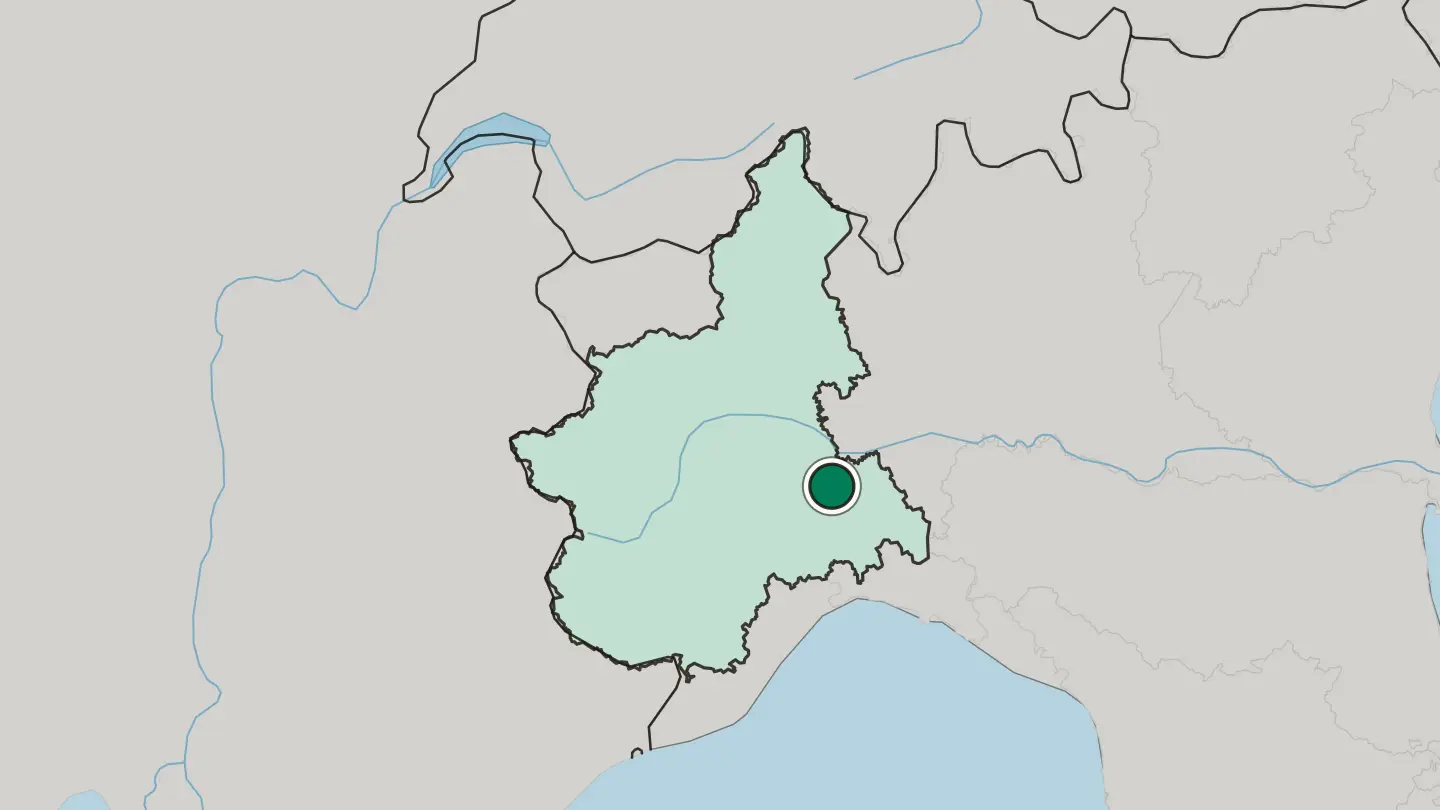 Italy
Italy
Asti
Asti is the wine capital of Piedmont's Tanaro plain, a town of medieval towers, palazzi and the name behind Moscato d'Asti.Where to stay →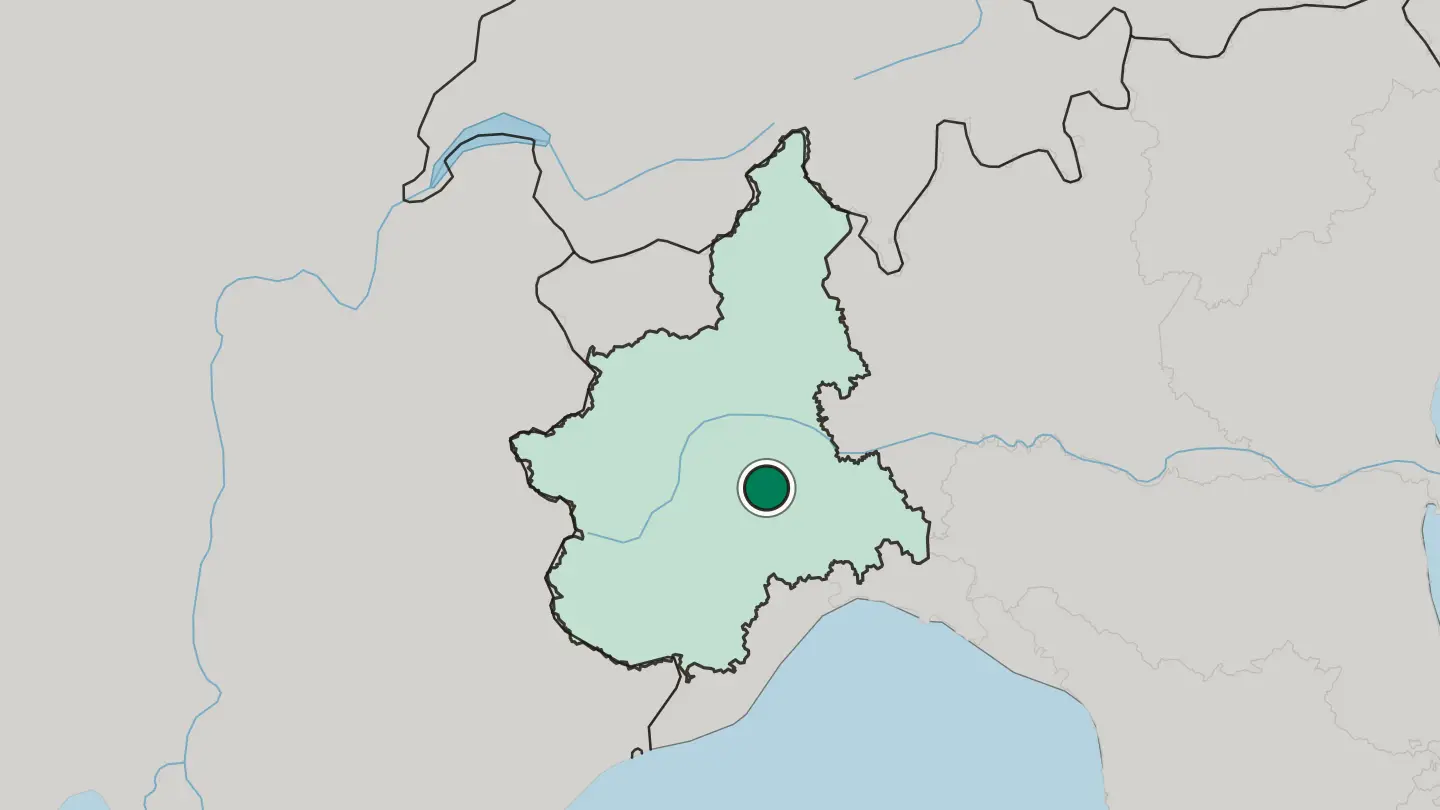 Italy
Italy
Moncalieri
Moncalieri dates from 1228. The town climbs a hill just south of Turin, with the Castle of Moncalieri above a comune of 47 square kilometres.Where to stay →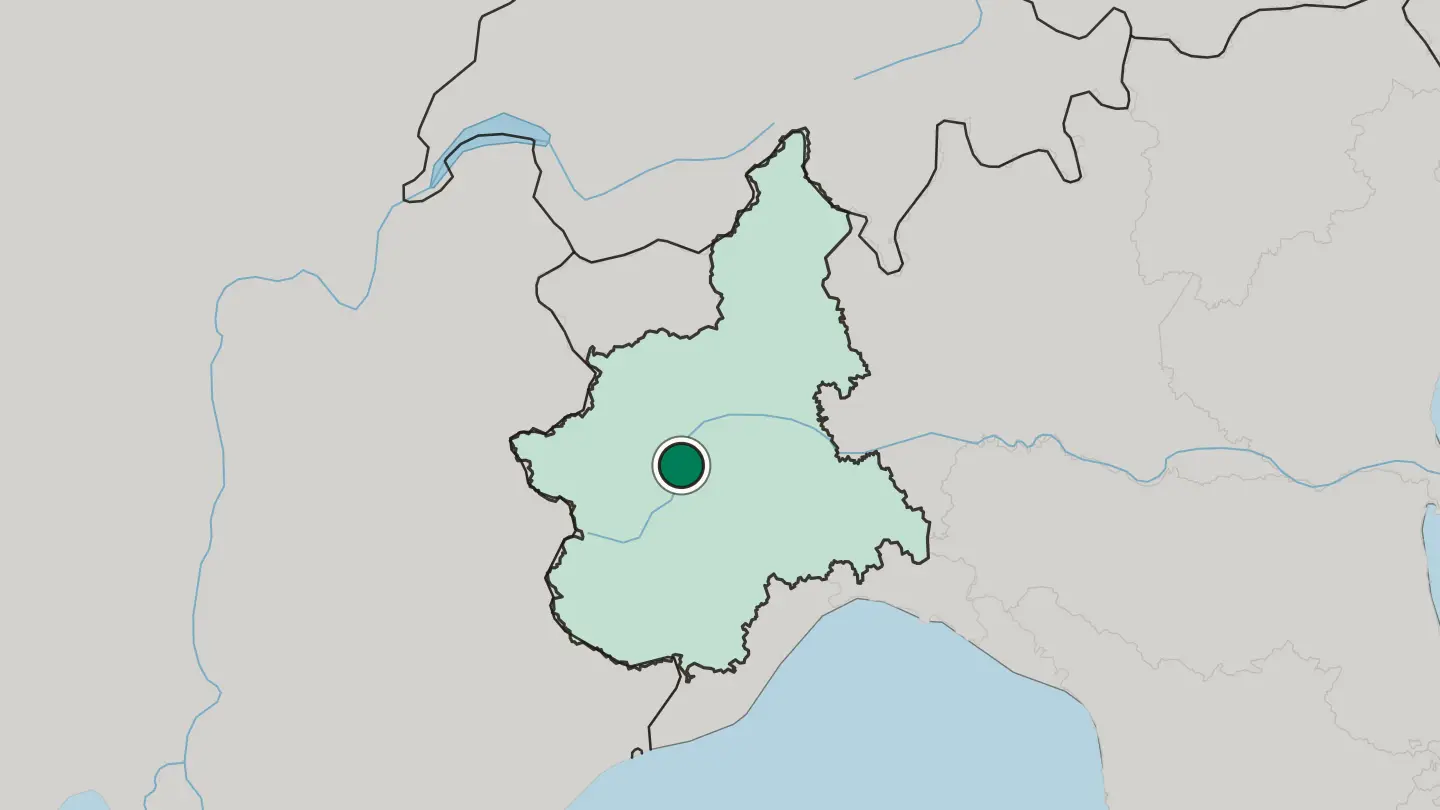
 Italy
Italy
Cuneo
Cuneo heads its own province. Arcaded streets run out from the Torre Civica through a Piemonte town of 119 square kilometres.Where to stay →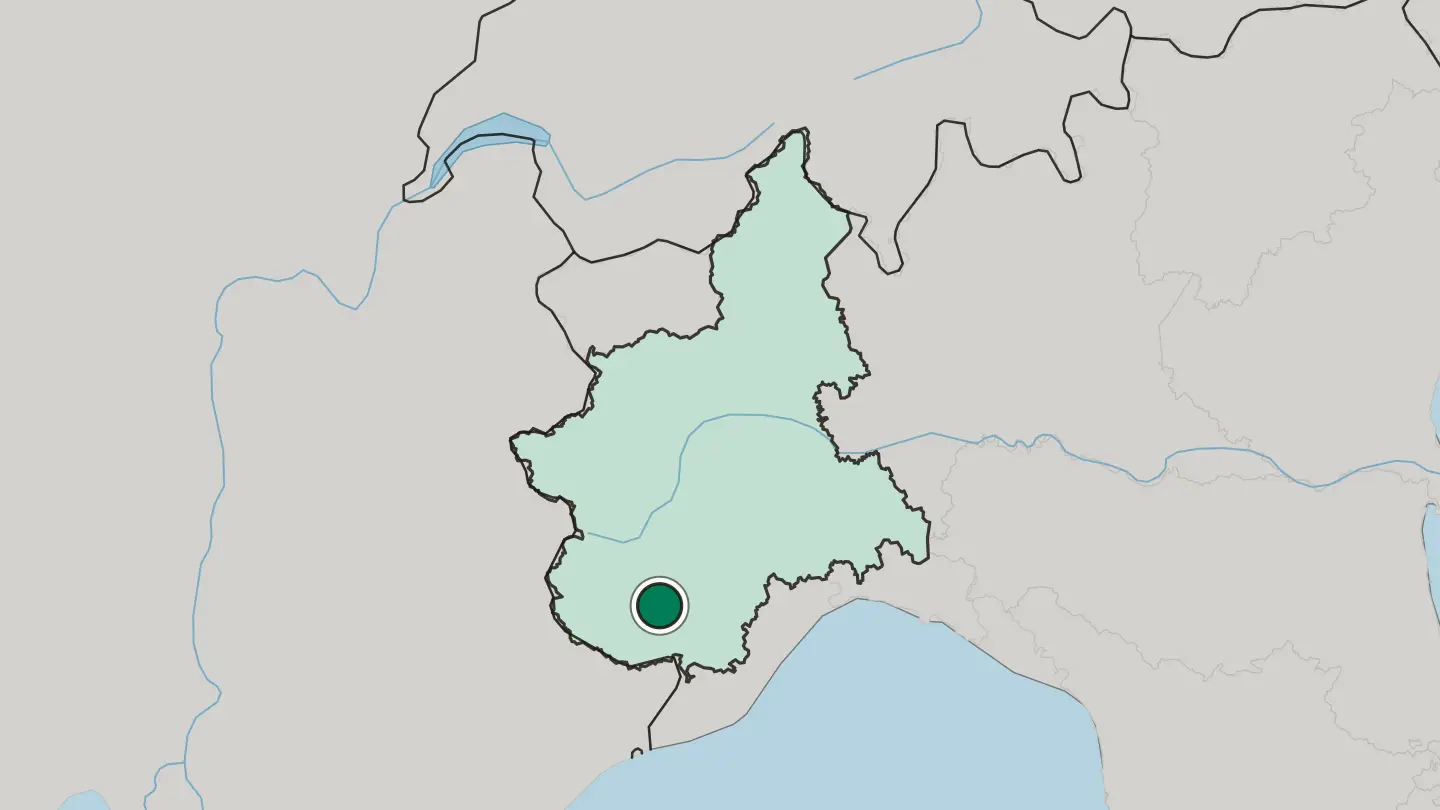 Italy
Italy
Collegno
Collegno is a comune on the western edge of Turin, where the Dora Riparia leaves the Val di Susa, known for its Certosa and the Villaggio Leumann.Where to stay →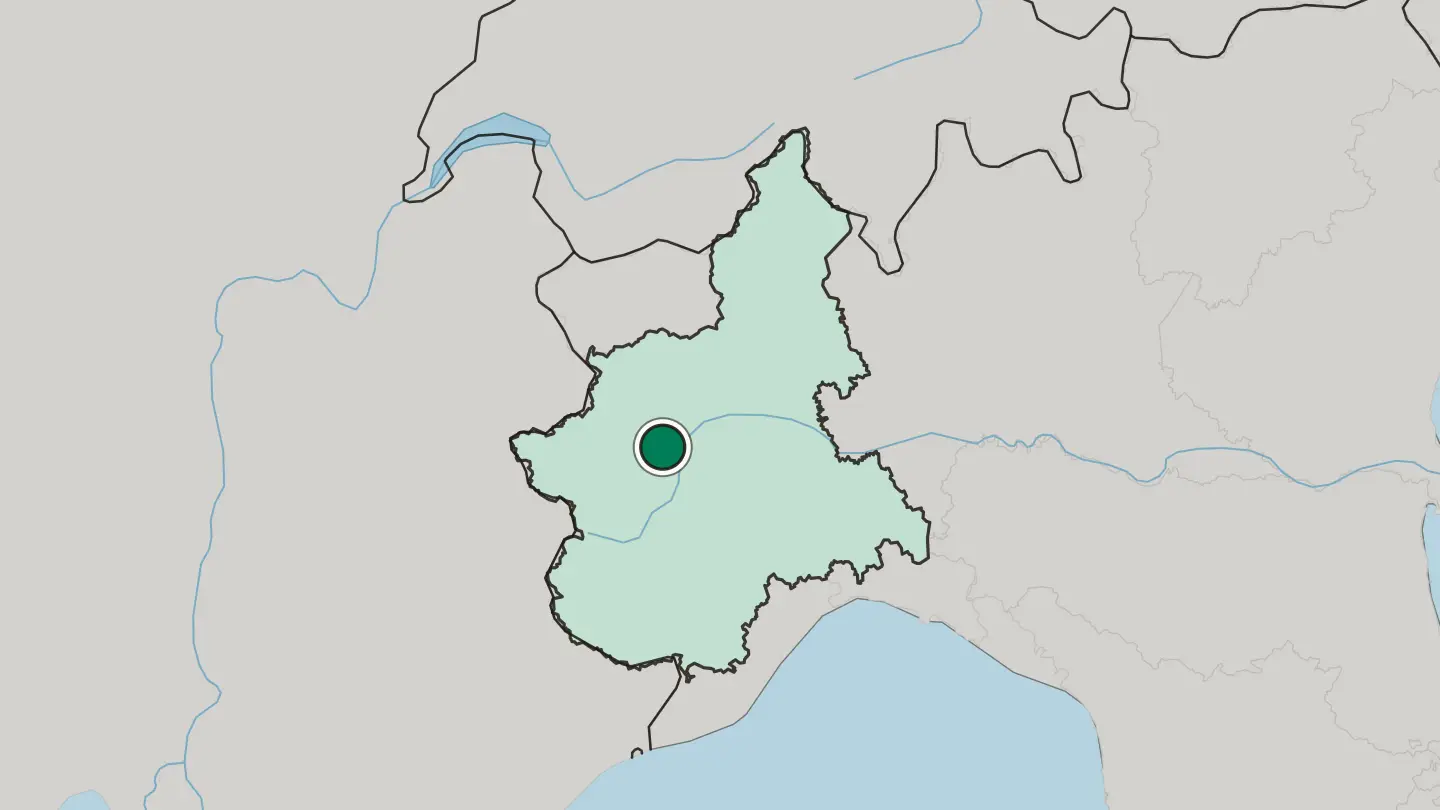
Hotel links are affiliate links: booking through them may earn us a commission, at no extra cost to you. It never affects how places are ranked. How this works
About Piemonte
The name says it plainly: the foot of the mountains.
What is Piemonte known for?
The Alps wrap Piemonte on three sides, and the plain they enclose is Italy's great rice country and one of its finest wine regions, worked for centuries. Turin hosted the Winter Olympics in 2006. The capital gives the region its arcaded, Baroque centre and its old coffee-house habit.
South of the city the Langhe hills produce Barolo and Barbaresco from Nebbiolo grapes, in vineyards that carry a UNESCO listing. Food is the other draw.
Where is Piemonte?
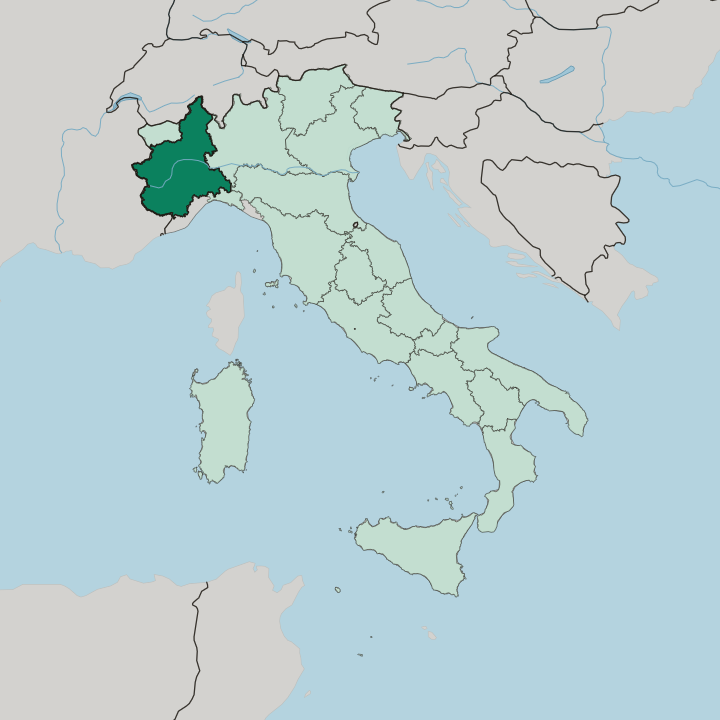
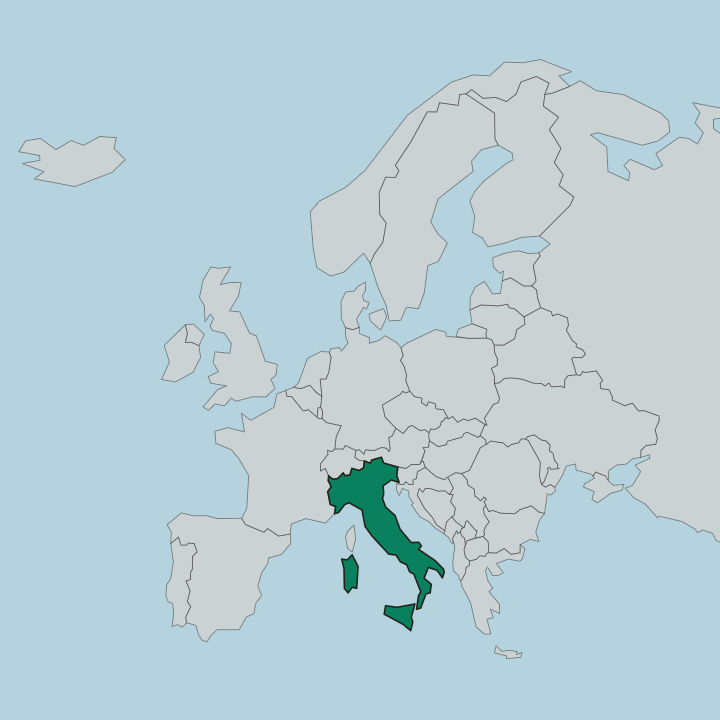
Piemonte fills the northwest corner of Italy, where the peninsula narrows toward France and Switzerland. The Alps close it in. They rise along the western and northern edges, a wall that runs from Monviso in the west round to Monte Rosa in the north, the second-highest summit in the whole range.
Below that wall the land flattens into the western end of the Po valley, the broad plain that carries Italy's longest river east toward the Adriatic. The Po itself begins here, at a spring called Pian del Re under the face of Monviso, and gathers its first Alpine tributaries before it ever reaches Turin. Five Italian neighbours and two countries ring the region.
France lies over the western passes and Switzerland over the northern peaks, while the Aosta Valley tucks into the northwest angle where the highest mountains stand. To the east are Lombardy and, at the southeastern corner, Emilia-Romagna. Liguria and its coast lie just over the southern hills, close enough that the Ligurian Sea moderates the vineyards of the Langhe.
Lake Maggiore and Lake Orta sit in the northern foothills, the last soft ground before the Alps take over.
What is Piemonte like?
Piemonte carries itself with a certain formality, and Turin sets the tone. The House of Savoy ruled from the city for centuries, and their taste built the arcaded avenues, the royal palaces, and the coffee-house culture that still runs through it. Cioccolato and vermouth were both refined here.
The city's cafés turned out gianduiotto, the hazelnut chocolate, and the bitter aperitivo that spread across Italy from Turin's counters. Away from the capital the culture is agricultural and unhurried. It is the culture of the table.
Piemonte gave Italy the Slow Food movement, born in the town of Bra in the Langhe, and the region's autumn is built around the white truffle of Alba and the harvest of Nebbiolo and Barbera. The everyday language is Italian, though an older Piedmontese dialect still colours the valleys and the market towns. Feasts follow the seasons closely.
Bagna càuda in the cold months, agnolotti del plin folded by hand, and the boiled meats of the plain all belong to a cooking that treats the fog and the frost as ingredients rather than hardships.
What is the history of Piemonte?
Piemonte was the seat of the House of Savoy, who moved their capital to Turin in 1563 and ruled from it for three centuries. The dynasty made the region the engine of Italian unification. Under the Kingdom of Sardinia, with Turin as its capital and Count Cavour as its minister, Piemonte drew the northern states together and proclaimed the Kingdom of Italy in 1861.
Turin then served as the first Italian capital until 1865, when the seat moved to Florence. The modern region dates only to 1970. Its statecraft is far older.
What is the climate of Piemonte?
Piemonte has a continental climate, shaped by the ring of mountains that hold the weather in. Winters are cold and damp on the plain, and the Po valley is where the region's fog settles longest, hanging grey over Turin and the fields for days at a stretch. Summers turn hot and muggy down on the flat, though the Langhe hills and the shores of Lake Maggiore stay a shade cooler and clearer.
The Alps take the snow. Spring and autumn are the kindest seasons, and autumn is when the vineyards and the truffle woods come into their own.
How do you get to Piemonte?
Most visitors arrive through Turin. The city's Caselle airport sits just northwest of the centre and takes flights from across Europe, while Milan's larger Malpensa lies within reach to the east and feeds Piemonte by direct train and bus. Rail is the easy way in.
The high-speed line links Turin with Milan in under an hour, and onward trains from France cross the western Alps through the Fréjus tunnel. Inside the region, rail and road fan out from Turin to the wine hills of the Langhe and up to Lake Maggiore.
Common questions
What is the best area to stay in Piemonte?
Turin: a first visit and the Baroque centre. The Langhe and Roero: vineyards and truffle-town nights. Lake Maggiore: lakeside stays and the Borromean islands.
Good for
More regions in Italy
Updated October 2026