Italy · Veneto · Venice
Rialto, Venice — Area Guide & Where to Stay
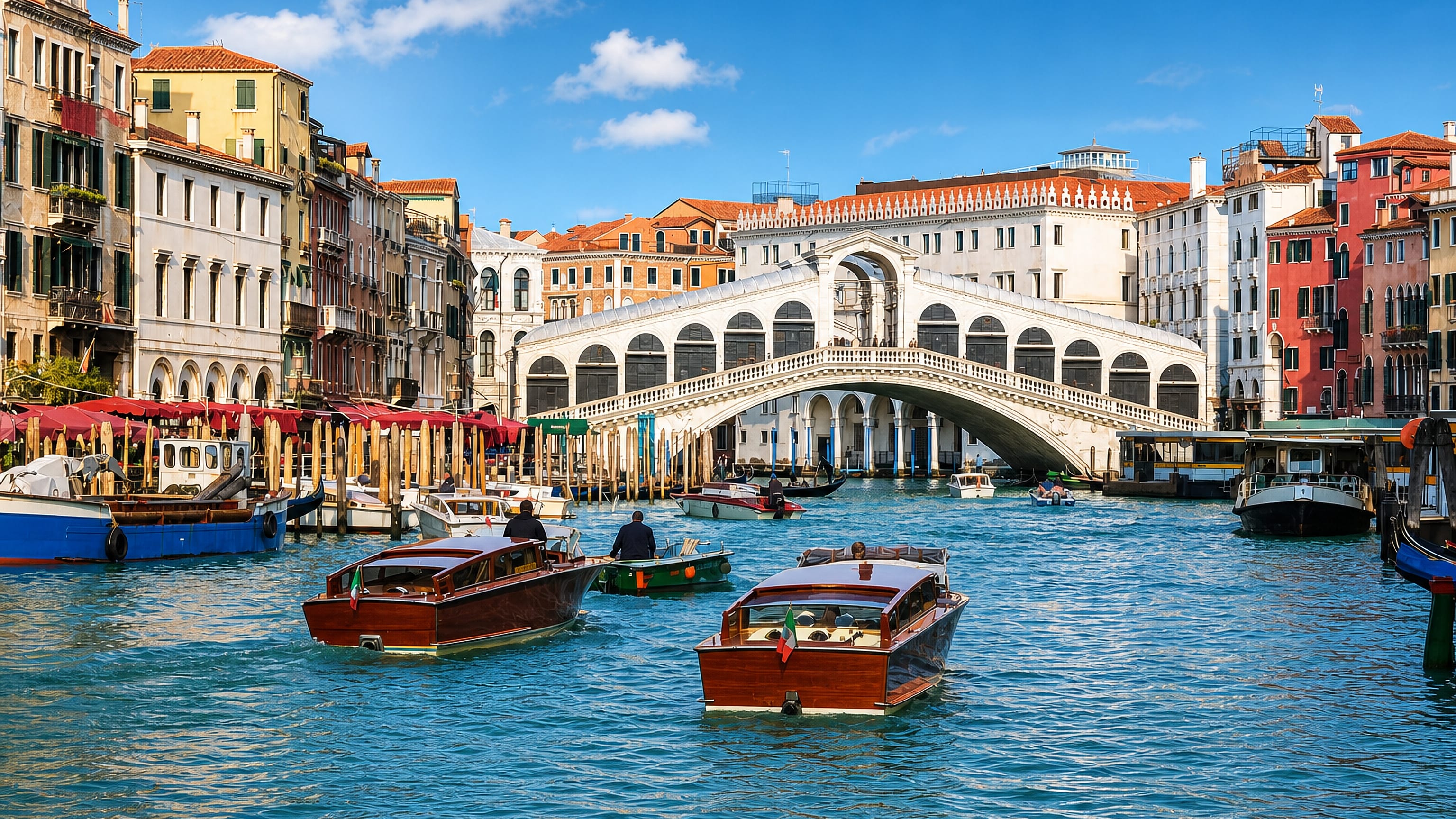
Rialto is the commercial heart of Venice, part of the sestiere of San Polo on the west bank of the Grand Canal. The Rialto Bridge crosses to San Marco.
Hotel links are affiliate links: booking through them may earn us a commission, at no extra cost to you. It never affects how places are ranked. How this works



Where to stay in Rialto
The practical side of choosing where to sleep.
Staying at Rialto puts a visitor at the crossing point of Venice, within a short walk of both the San Polo churches and, over the Rialto Bridge, St Mark's Basilica and the Doge's Palace. Days here begin loud. The produce and fish markets set up along the Grand Canal at dawn.
The area suits sightseeing above quiet: it is one of the busiest parts of the city, and the crowds thin only after the day-trippers leave. Rooms cluster around the vaporetto landing and the bridge approaches, so transport by water is easy. For calmer nights, the lanes deeper into San Polo or the Cannaregio quarter offer a step back from the throng.
Things to do in and around Venice
Ranked by global recognition; descriptions from Wikidata (CC0).
Museums & Galleries
4- Gallerie dell'Accademia Heritage
- Museo Correr Heritage
- Ca' Rezzonico Heritage
- Ca' Pesaro Heritage
Churches & Religious Sites
3- St Mark's Basilica Heritage
- Church of San Giorgio Maggiore Heritage
- Santi Giovanni e Paolo Heritage
Castles & Historic Sites
1- Doge's Palace Heritage
worth knowingacross 3 categories in and around Venice
About Rialto
What are the main landmarks in Rialto?
San Giacomo di Rialto is the district's own church, opening onto the market square. The rest lie a short walk off. Along the Grand Canal stand several of the city's great houses: Ca' d'Oro on the Cannaregio bank, with Ca' Pesaro and the Fondaco dei Turchi a short way upstream.
Cross the Rialto Bridge and San Marco opens up, with St Mark's Basilica, the Doge's Palace, and St Mark's Clocktower gathered around the piazza, and the Museo Correr along its arcades. Deeper into San Polo stands the Scuola Grande di San Rocco, while the Gallerie dell'Accademia and the Peggy Guggenheim Collection lie across the water in Dorsoduro.
What is the history of Rialto?
The name Rialto comes from rivoalto, the high bank that stayed above the lagoon's tides, and it was among the first parts of Venice to be settled. Trade gathered here early. Merchants, money-changers, and shipping agents made the district the commercial engine of the republic, and the markets that fed the city grew up beside them.
A crossing over the Grand Canal existed here in timber long before the stone Rialto Bridge was raised in its place. San Giacomo di Rialto, beside the market, is by tradition counted the oldest church in the city.
Where is Rialto?
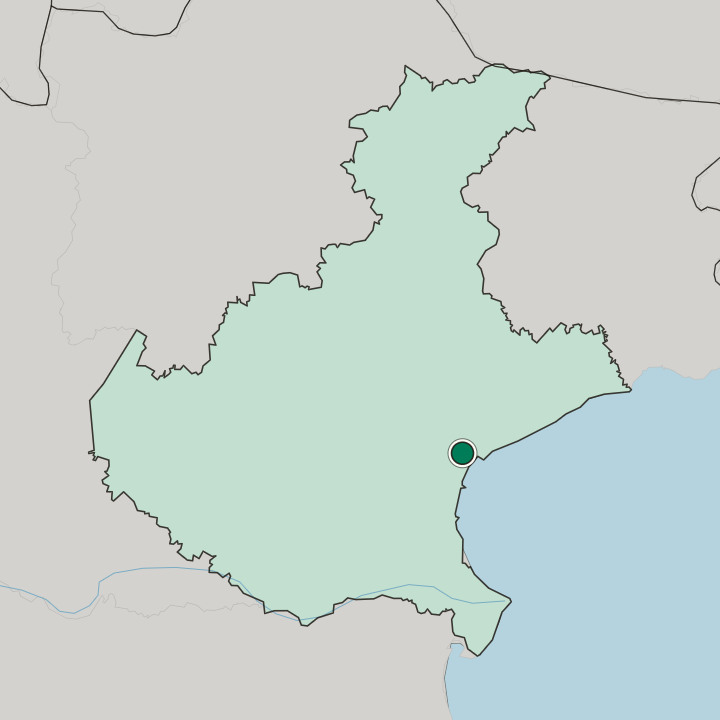
The district sits at the midpoint of the Grand Canal, close to the geographic centre of Venice. The Rialto Bridge is its hinge. Its stone span carries foot traffic from the market quays across to San Marco on the far bank, while the narrow calli of San Polo run behind the stalls.
Cannaregio lies across the water, with Ca' d'Oro facing the district from that shore.
Good for
More areas in Venice
Updated October 2026