Italy · Veneto
Where to Stay in Venice, Veneto
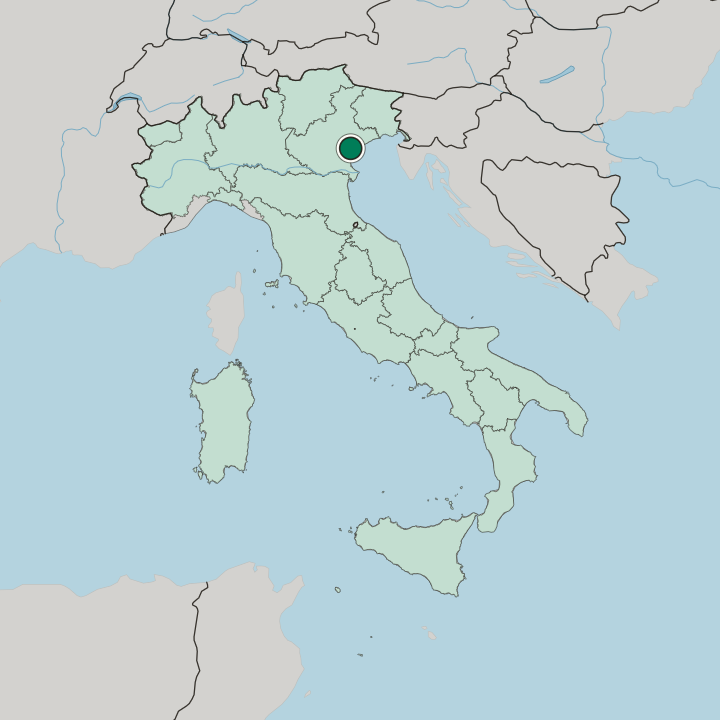
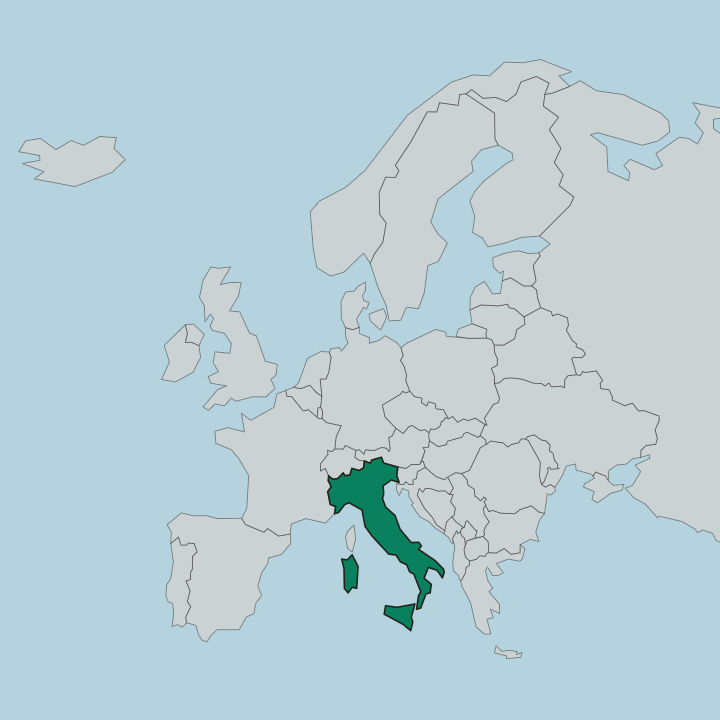
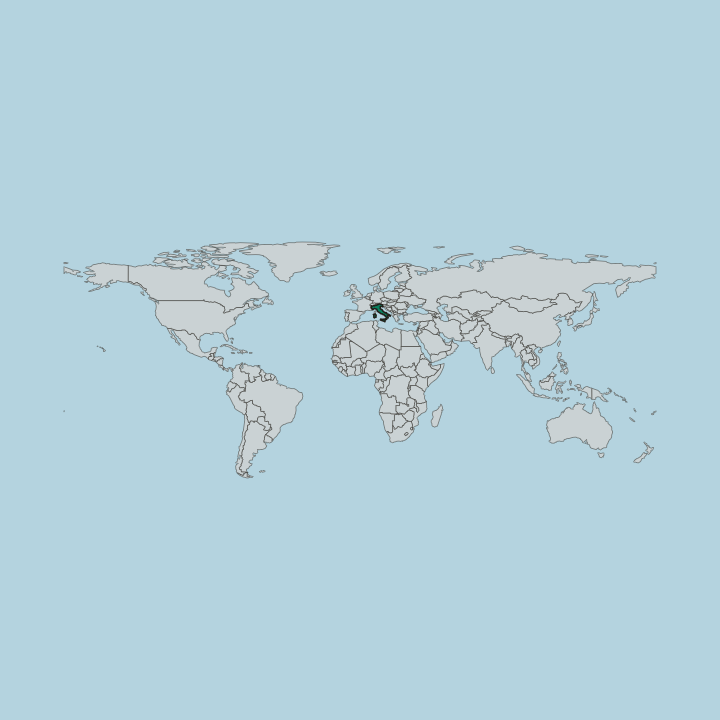
Venice is a lagoon city in northeastern Italy, built across 126 islands threaded by canals and crossed by the Grand Canal at its centre.
Hotel links are affiliate links: booking through them may earn us a commission, at no extra cost to you. It never affects how places are ranked. How this works


Where to stay in Venice
The right area depends on your trip — here's what each neighbourhood is best for.

 VeniceItalyBest if you want the major monuments a short walk away and accept the busiest, costliest part of the city in return.
San Marco
The sestiere wraps around Piazza San Marco, the Doge's Palace and the Rialto Bridge, with water-bus stops on the Grand Canal at the door.San Marco → VeniceItalyBest if you want a quieter, residential base with cafes used by locals and an easy walk to the railway approach.
Cannaregio
Long canal-side fondamenta run north from the rail approach past Santa Maria dei Miracoli, well back from the crowds around San Marco.Cannaregio → VeniceItalyBest if you want green space and a calmer evening, still within walking reach of the San Marco sights.
Castello
The largest sestiere stretches east past Santi Giovanni e Paolo and San Francesco della Vigna toward the public gardens at the city edge.Castello → VeniceItalyBest if you want galleries on the doorstep and evening views across the water to San Giorgio Maggiore.
Dorsoduro
The art quarter runs along the south bank of the Grand Canal, taking in the Gallerie dell'Accademia, Ca' Rezzonico and the Peggy Guggenheim Collection.Dorsoduro → VeniceItaly
San Polo
San Polo is the smallest of Venice's six sestieri, a knot of lanes in the bend of the Grand Canal. Rialto market and the Frari rise over it.Where to stay → VeniceItaly
Rialto
Rialto is the commercial heart of Venice, part of the sestiere of San Polo on the west bank of the Grand Canal. The Rialto Bridge crosses to San Marco.Where to stay → VeniceItaly
Venetian Ghetto
The Venetian Ghetto is the island quarter in Cannaregio, Venice, where the Republic forced its Jews to live from 1516. The word ghetto came from here.Where to stay → VeniceItaly
Santa Croce
Santa Croce is the northwestern sestiere of Venice, first from the mainland, with Piazzale Roma at its edge and Ca' Pesaro on the Grand Canal. Cars stop.Where to stay →Hotel links are affiliate links: booking through them may earn us a commission, at no extra cost to you. It never affects how places are ranked. How this works
Things to do in Venice
Ranked by global recognition; descriptions from Wikidata (CC0).
Museums & Galleries
7- Gallerie dell'Accademia Heritage
- Museo Correr Heritage
- Ca' Rezzonico Heritage
- Ca' Pesaro Heritage
- Palazzo Grimani di Santa Maria Formosa Heritage
Show 2 more →
- Murano Glass Museum Heritage
- Museo Archeologico Nazionale, Venice Heritage
Churches & Religious Sites
3- St Mark's Basilica Heritage
- Church of San Giorgio Maggiore Heritage
- Santi Giovanni e Paolo Heritage
Castles & Historic Sites
2- Doge's Palace Heritage
- Palazzo Contarini del Bovolo
worth knowingacross 3 categories in Venice
About Venice
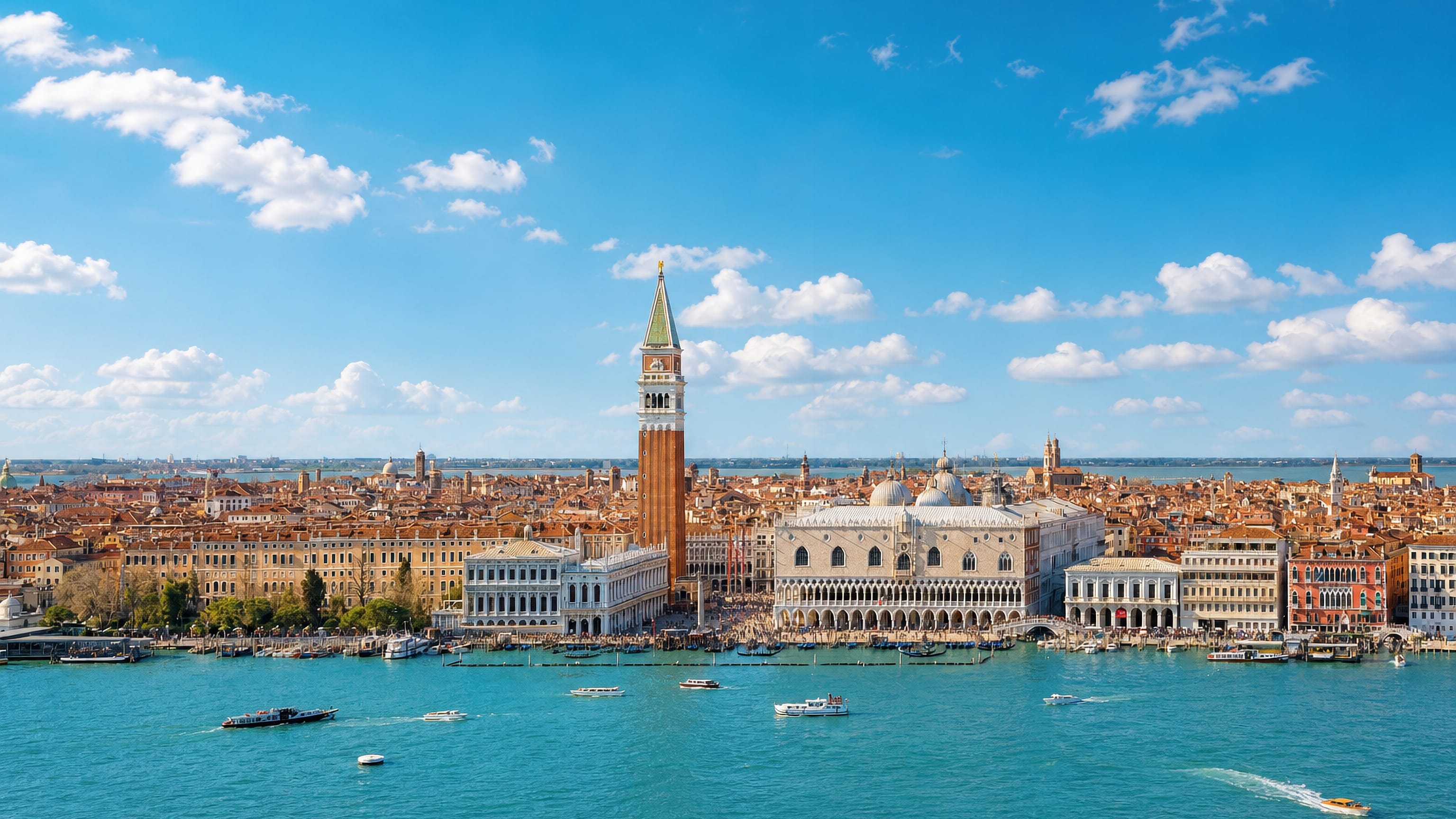
Venice draws its fame from water.
What is Venice known for?
The city occupies a lagoon, and the Grand Canal forms its main thoroughfare, a broad waterway lined with palaces that boats and water-buses work as the principal route through the centre. Piazza San Marco gathers crowds before its arcades and bell tower. The composer Antonio Vivaldi was born in the city, and the world's first international film festival was founded here in 1932.
Gondolas still ply the narrow side canals.
What are the main landmarks in Venice?
Stone and water frame every view. St Mark's Basilica crowns the main square with Byzantine domes and gold mosaics, while the Doge's Palace beside it once housed the Republic's government and links to its old prison by the Bridge of Sighs. The Rialto Bridge arches over the Grand Canal at the old market.
Across the basin, San Giorgio Maggiore raises a white Palladian front above the lagoon. Paintings fill the Scuola Grande di San Rocco, and the Museo Correr and Palazzo Grassi hold further collections near the water.
What is the history of Venice?
Venice grew on a cluster of lagoon islands. For centuries it governed itself as an independent republic, and the shape the city took in that age has altered remarkably little, so that its lanes and canals look much as they did some 600 years ago. Decline followed its heyday.
The Republic's power eventually faded, yet the fabric of palaces, churches and bridges survived intact across the water. Boats replaced carriages, and the canals became the streets. Over 126 islands, some 472 bridges still link one bank of the centre to the next.
Beyond its stones, the city produced musicians and writers whose names still carry. The composers Tomaso Albinoni and Antonio Vivaldi were born here, as were the poets and opera librettists Apostolo Zeno and Carlo Goldoni, who wrote for the stage. Music still fills its churches.
The world's first international film festival was founded here in 1932, drawing the world's cinema to the lagoon. Venice and its lagoon together form a UNESCO World Heritage Site, and the weight of visitors on so fragile a place has become its sharpest modern strain.
Where is Venice?
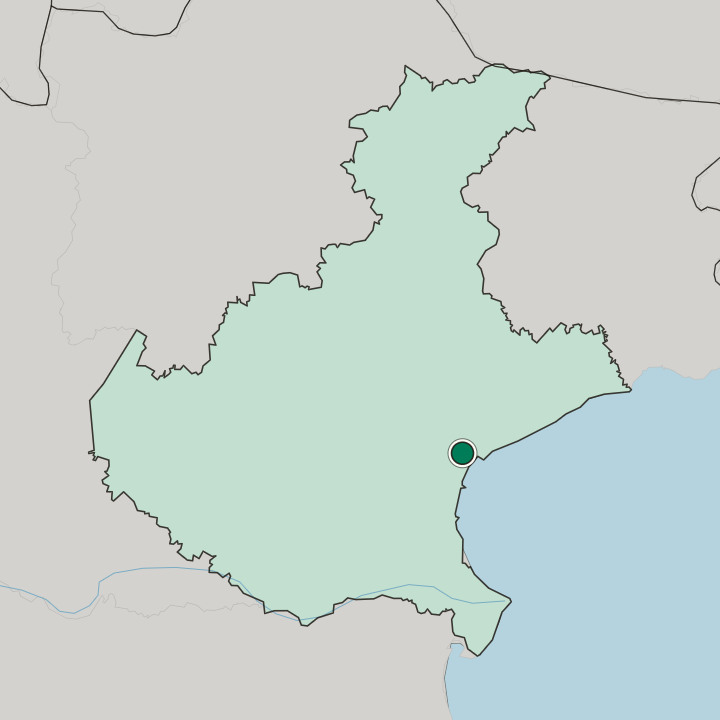
Water defines the map of Venice. The city sits in a shallow lagoon off the coast of northeastern Italy, spread across 126 islands that open water and a web of canals divide from one another. Some 472 bridges join those islands on foot.
The Grand Canal curves through the middle in a broad reversed-S, the main artery for boats. Veneto spreads inland beyond the lagoon, with the mainland edge close to the west.
What is the climate of Venice?
The lagoon tempers the seasons. Venice has a temperate climate, with warm and humid summers over the lagoon and cool, damp winters when mist often settles low across the water and the canals. Rain comes mostly in autumn and spring.
The surrounding water keeps the temperature steadier than the open plains of Veneto inland. Snow is rare on the islands.
How do you get to Venice?
No cars reach the old city. Trains and buses arrive at the western edge of the islands, beside the lagoon, and from there every onward journey runs on foot or by water along the Grand Canal. Vaporetti, the public water buses, run the main canals and the lagoon.
Smaller boats serve the outer islands of the lagoon. From the terminals, most hotels lie within reach of a single boat line.
Common questions
What is the best area to stay in Venice?
San Marco: Best if you want the major monuments a short walk away and accept the busiest, costliest part of the city in return.. Cannaregio: Best if you want a quieter, residential base with cafes used by locals and an easy walk to the railway approach.. Castello: Best if you want green space and a calmer evening, still within walking reach of the San Marco sights.. Dorsoduro: Best if you want galleries on the doorstep and evening views across the water to San Giorgio Maggiore..
Good for
More cities in Veneto
Updated October 2026