Italy
Veneto, Italy — Towns & Travel Guide
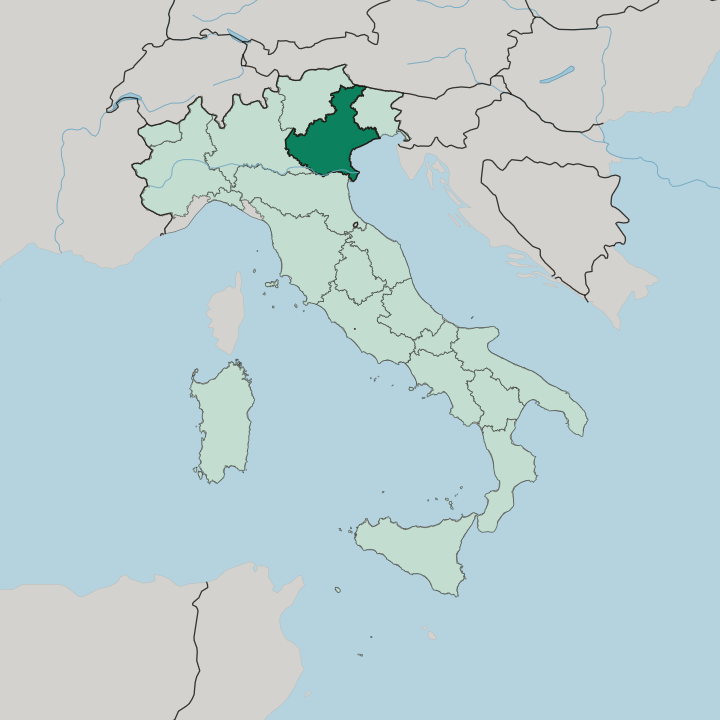
Veneto is the north-eastern Italian region that runs from the Alps and Lake Garda down to the coast, with Venice as its capital.
Hotel links are affiliate links: booking through them may earn us a commission, at no extra cost to you. It never affects how places are ranked. How this works


Towns & cities in Veneto
Pick a town or city — each links to where to stay.

 Italy
Italy
Verona
Opera carries across Roman stone at the Verona Arena, in Verona, the largest city of Veneto and the setting Shakespeare gave Romeo and Juliet.Where to stay →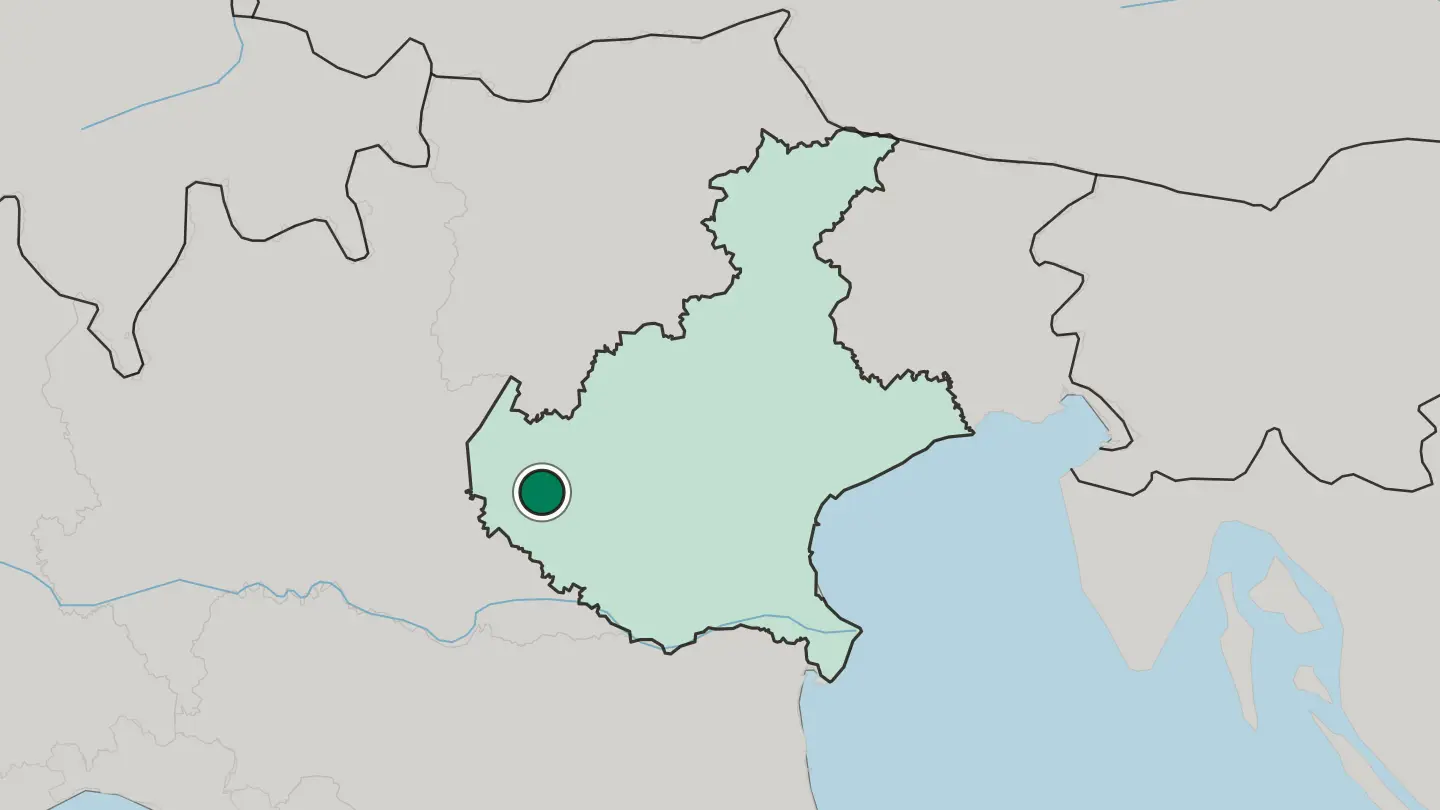
 Italy
Italy
Padua
Padua stands on the river Bacchiglione in the middle of Veneto, a city of churches, chapels, and museums between Venice and Vicenza.Where to stay →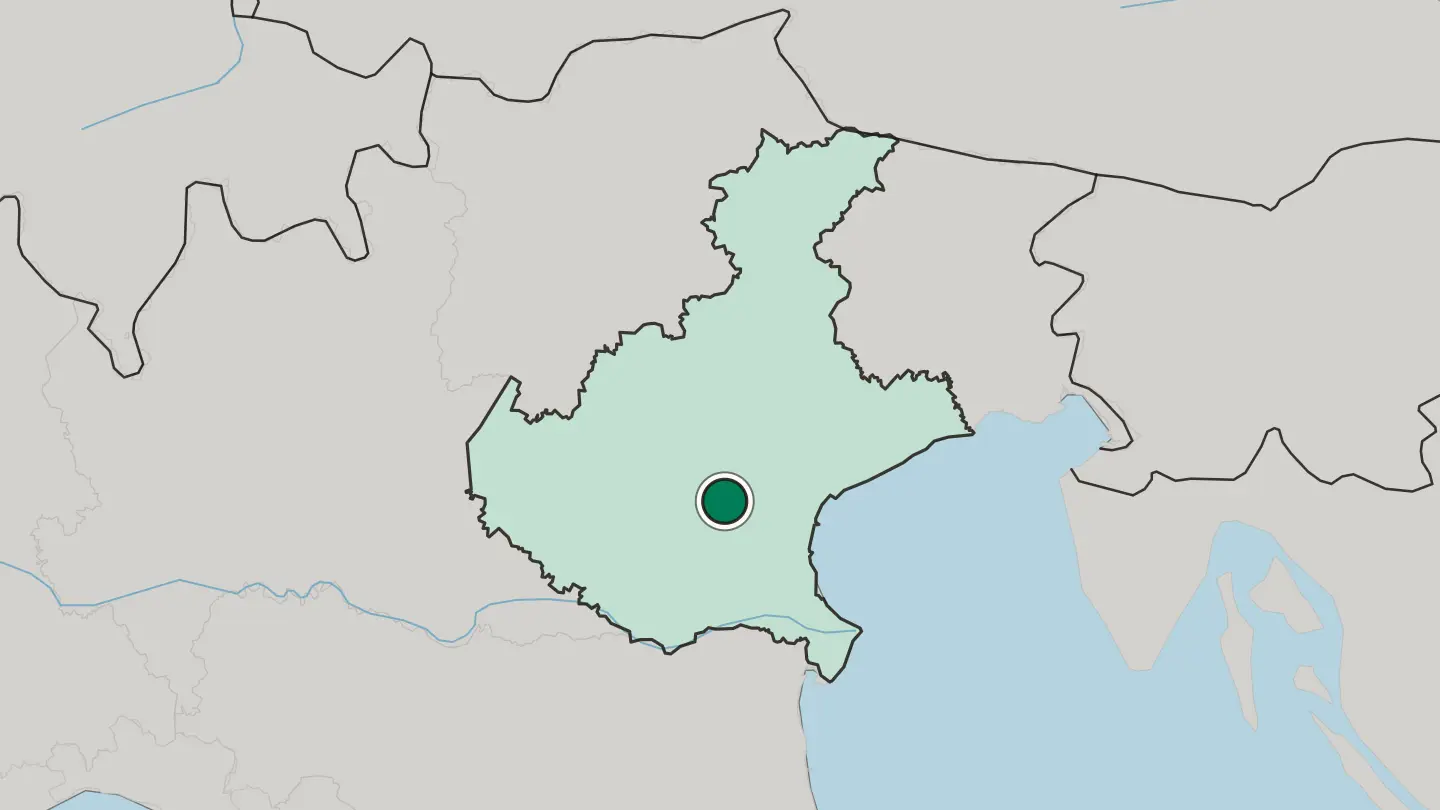
 Italy
Italy
Mestre
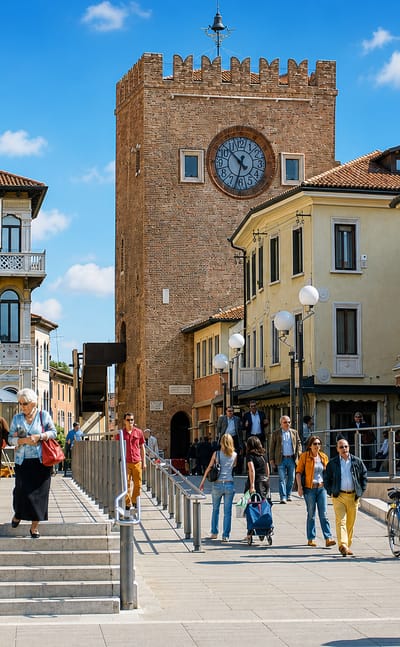
Mestre is the mainland borough of Venice, in the Veneto region of Italy, with the Castello di Mestre and the M9 Museum at its core.Where to stay →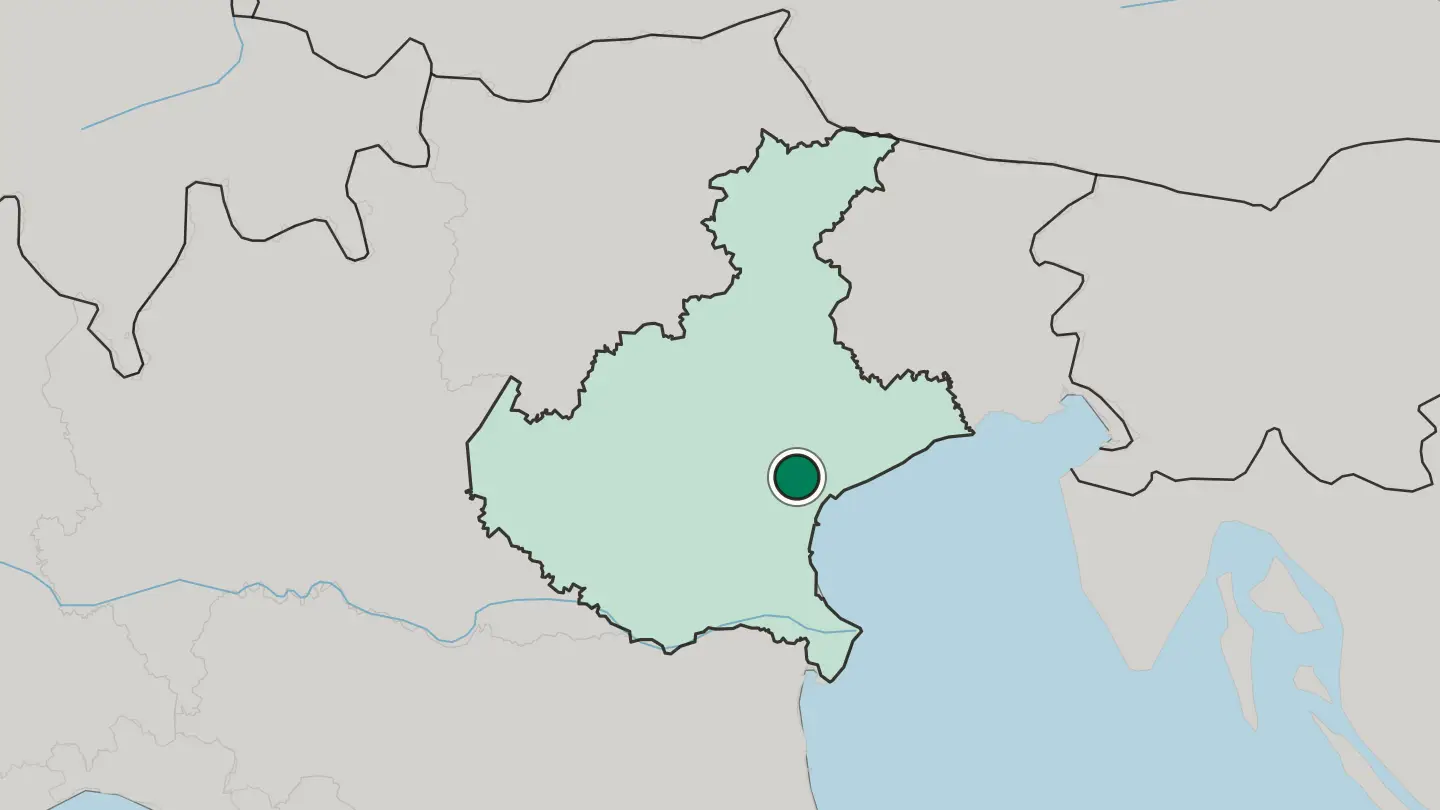
 Italy
Italy
Vicenza
Vicenza is the Palladian city of Veneto, spread below Monte Berico where the Bacchiglione crosses northeastern Italy.Where to stay →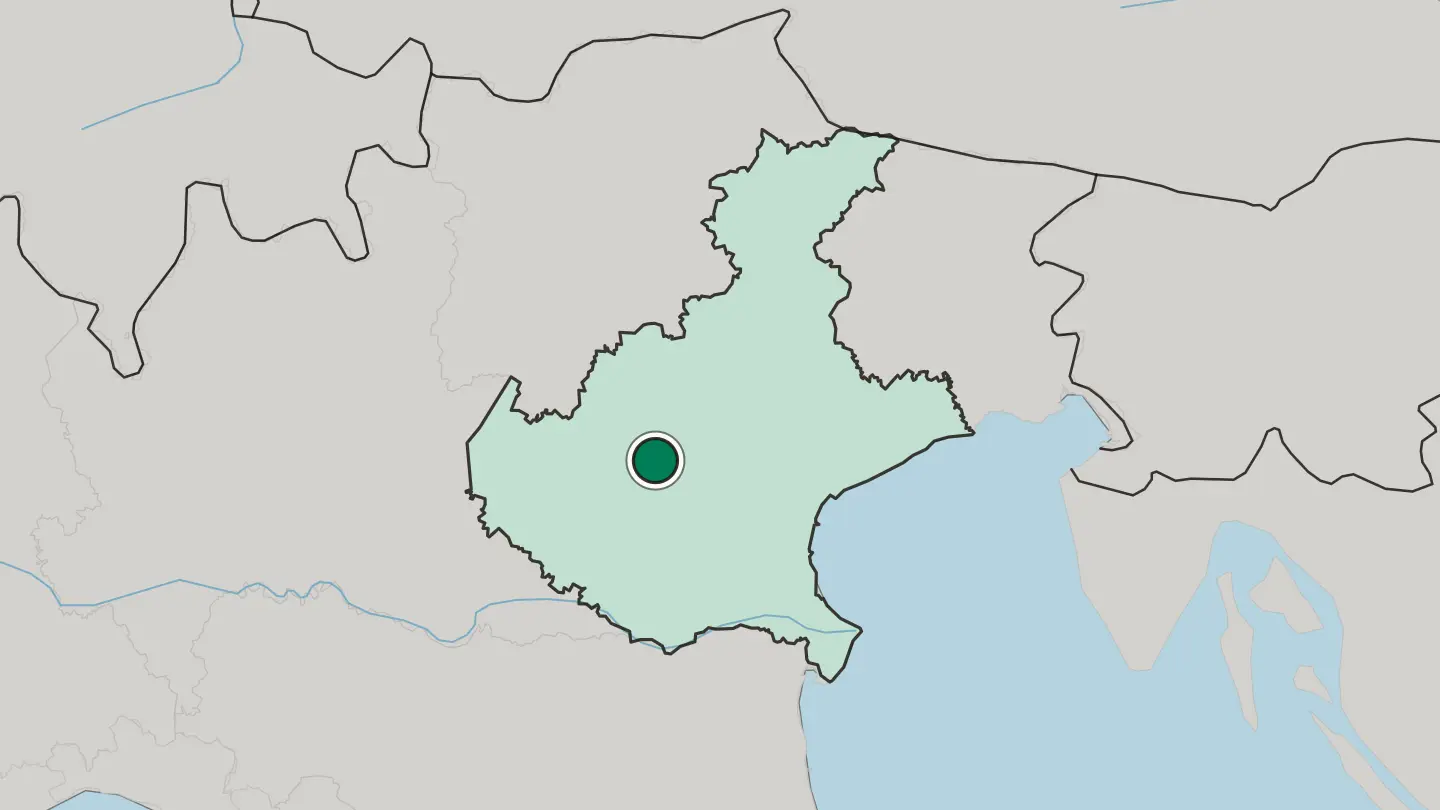
 Italy
Italy
Treviso
Treviso is a walled provincial capital in Veneto, cut through by canals, standing north of Venezia and south of Belluno.Where to stay →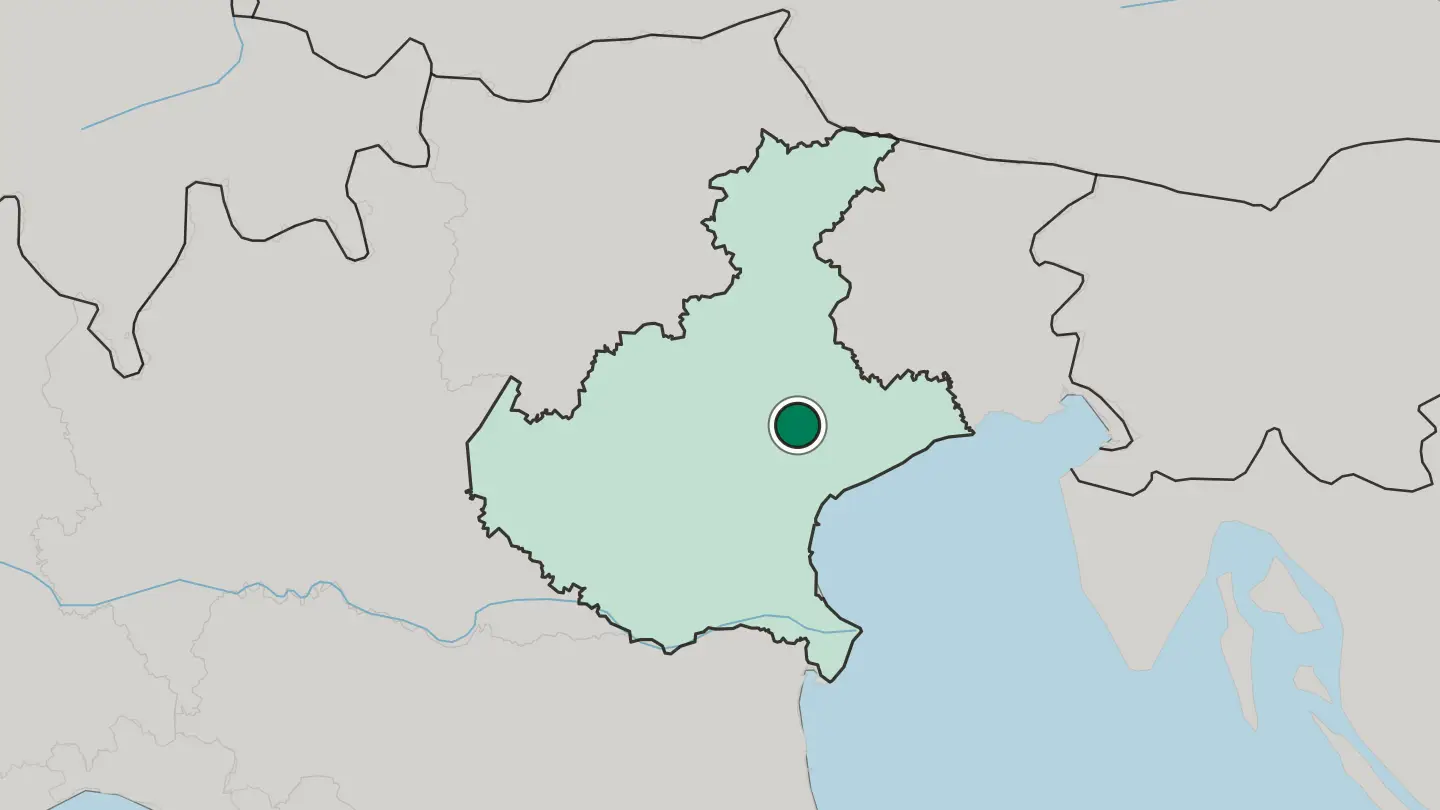
 Italy
Italy
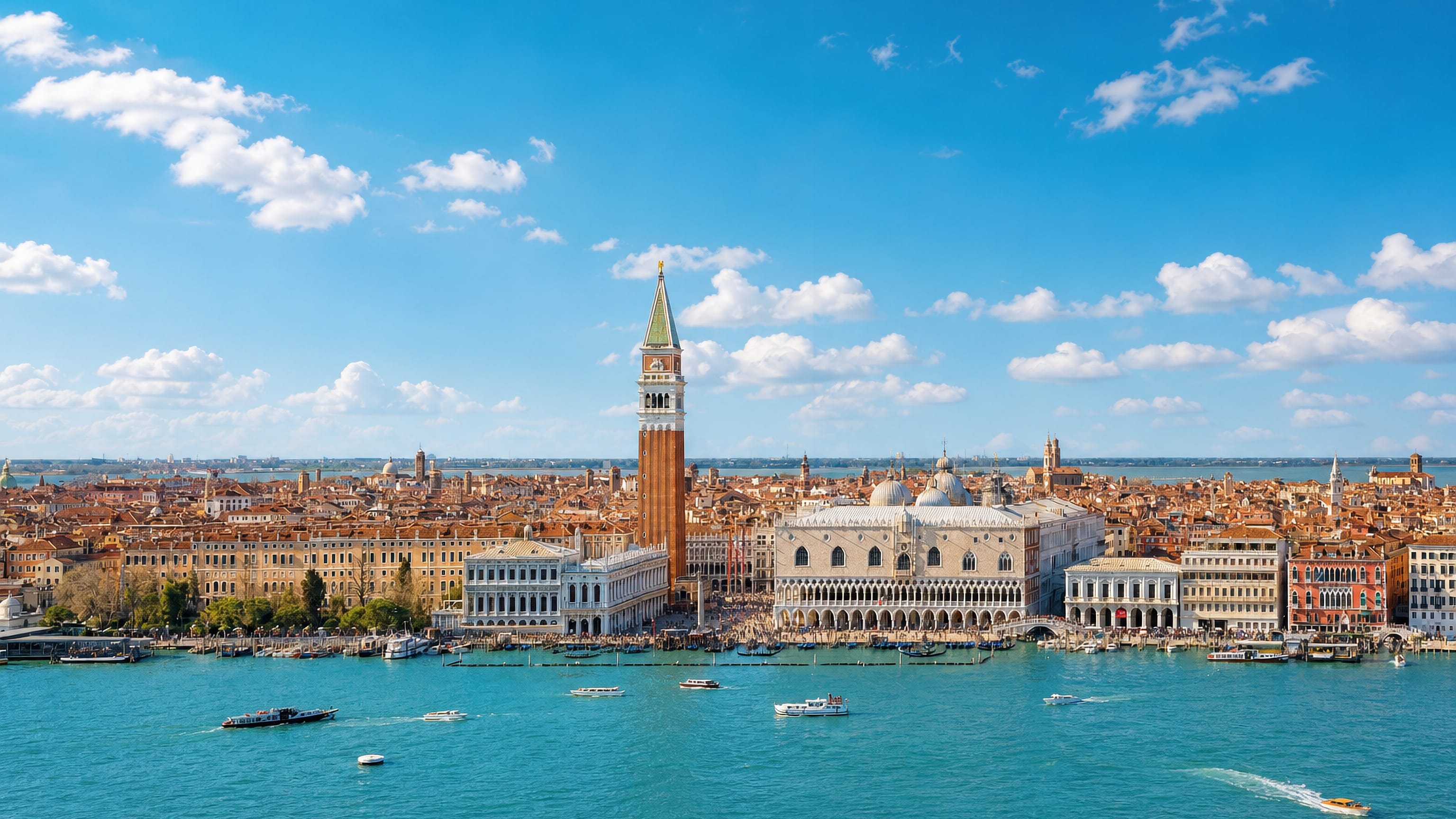
Venice
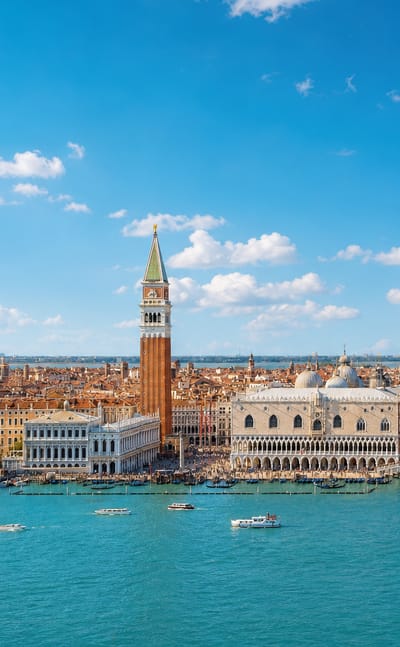
Venice is a lagoon city in northeastern Italy, built across 126 islands threaded by canals and crossed by the Grand Canal at its centre.Where to stay →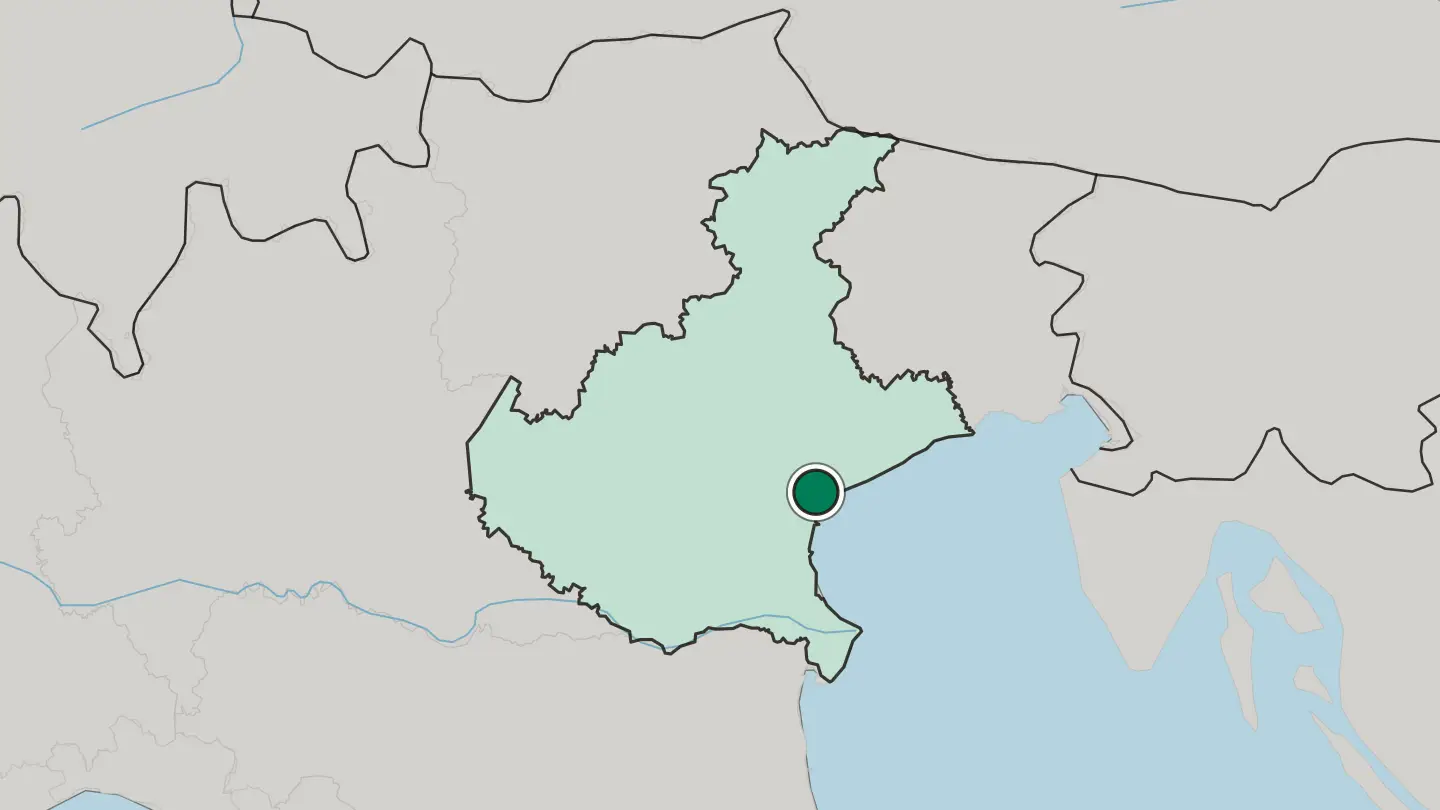
 Italy
Italy
Rovigo
Rovigo is the capital of its province in Veneto, a city of old towers, parish churches, and the collections of the Accademia dei Concordi.Where to stay →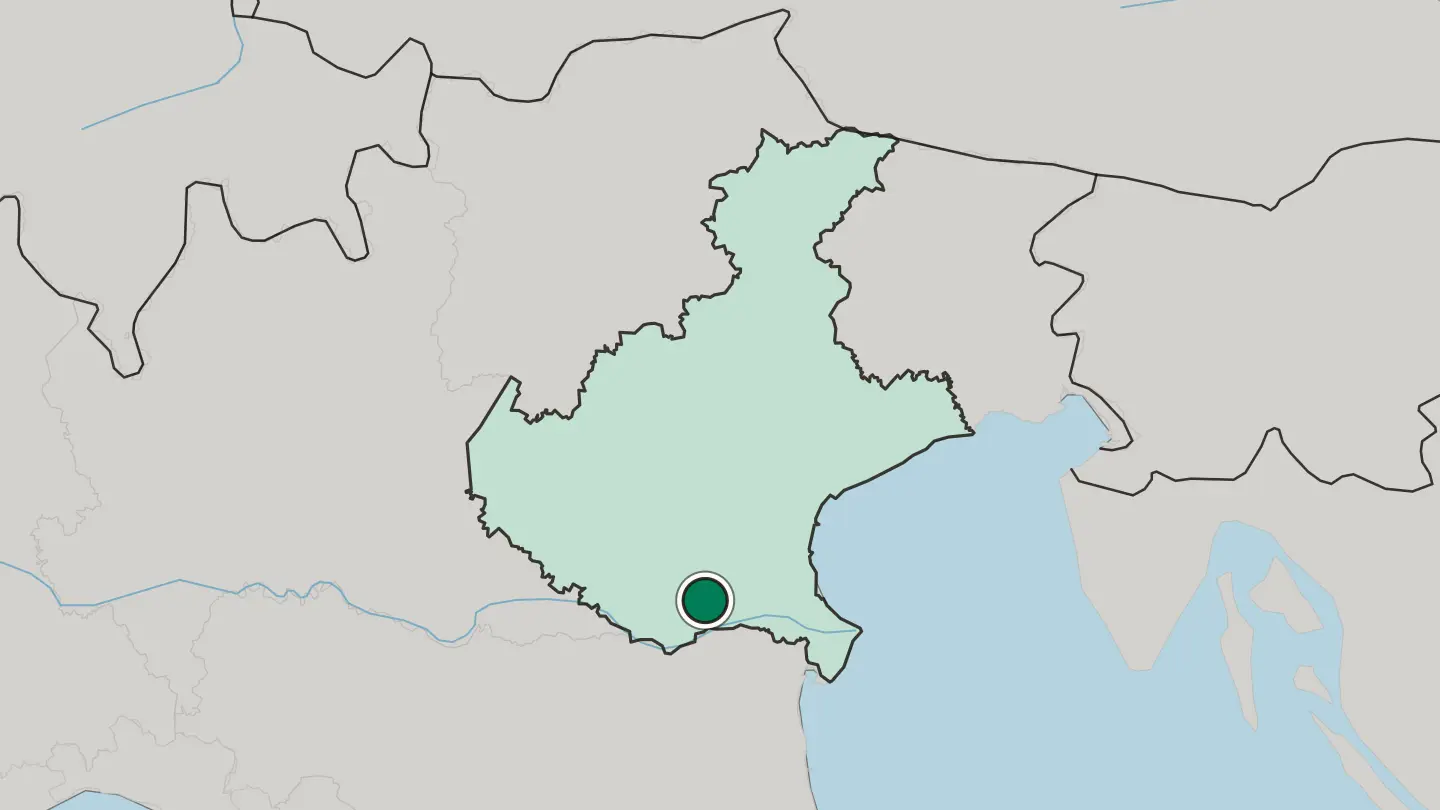
Hotel links are affiliate links: booking through them may earn us a commission, at no extra cost to you. It never affects how places are ranked. How this works
About Veneto
The contrasts come fast.
What is Veneto known for?
Within its borders sit Venice and Verona, the art cities of the plain, the ski slopes and walking trails of the Alps, and the resort towns ringing Lake Garda. Wine and food tours fill the calendar between the vineyards and the coast. Beaches line the south.
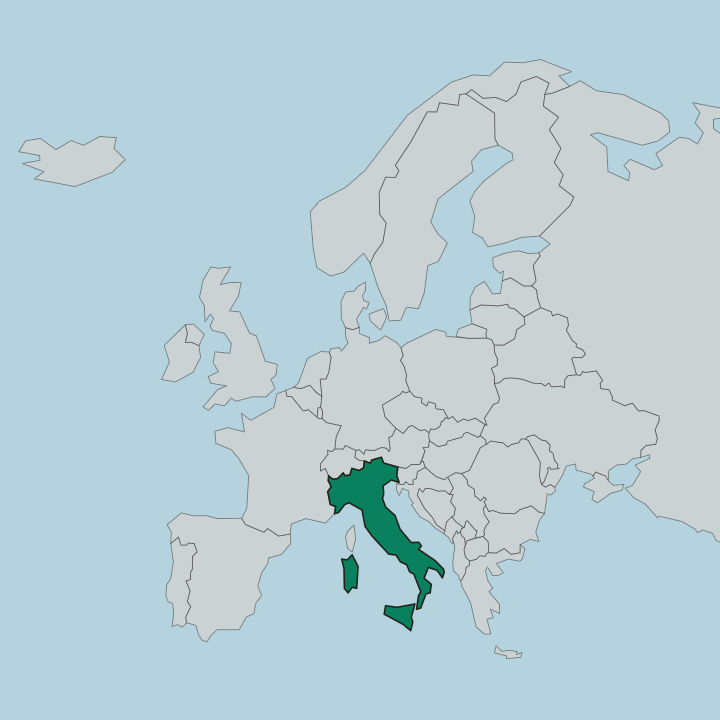
Italy has twenty regions, and this is among the few pairing Alpine passes with lagoon water.
Where is Veneto?
Veneto occupies the north-east of Italy. The land falls in steps. High in the north stand the Alps, their valleys cut by ski runs and walking trails that carry on into the neighbouring ranges along the border.
Below them the slopes ease into a broad plain, the farmland and vineyards that feed the region's wine and food tours. The plain runs east to the coast, where shallow water and long beaches edge the sea. Lake Garda lies to the west, the largest of the lakes that the region shares with its neighbours, its shoreline ringed by resort towns.
Venice sits on the water near the eastern edge, the regional capital built where the rivers reach the sea. Verona, the largest city, holds the inland approach to the lake and the mountains. Rivers thread the whole descent.
Nothing in Veneto lies far apart. A traveller can wake among Alpine peaks and reach the beaches of the coast inside a single day, crossing vineyards and walled towns on the way down. The contrast between mountain, plain, lake, and shore defines the region more than any single feature.
What is Veneto like?
Culture in Veneto gathers in its cities. Art fills them. Venice and Verona draw visitors for the painting, architecture, and music that the region's towns have produced over centuries, and smaller centres across the plain keep their own galleries and squares.
The calendar leans on the table. Wine and food tours move through the vineyards of the plain and the hill country, pairing local bottles with the cooking of each district. Markets and fairs set the rhythm of the week in town after town.
Italian is the working language, spoken across the region from the Alpine valleys to the coast. Mountain communities in the north keep customs shaped by long winters and high pasture, while the lagoon and the lower plain hold to the older trading life of the water. The result is not one regional culture but several, loosely tied together.
A short drive changes the dialect, the dish, and the festival. Venice carries the weight of the region's name abroad, yet the inland cities and the lake towns each guard a distinct identity that rewards a slower visit.
What is the history of Veneto?
Veneto carries an old name. The territory drew its identity from Venice, the city that governed the lagoon and the towns ringing it for much of the past thousand years. Verona and the inland centres kept their own stories.
The modern Region of Veneto was constituted in 1970, when Italy gave its ordinary regions elected councils. Those borders gathered mountain, plain, lake, and coast under one government.
What is the climate of Veneto?
Climate splits with the land. Up in the Alps winters bring deep snow and the season that fills the ski runs, while spring comes late to the high valleys. Lake Garda moderates its own shore, holding warmth that lets olives and citrus grow well inland from the sea.
The plain swings wider between hot summers and cold, damp winters. Down on the coast the beaches draw their crowd in the warm months, when the sea stays gentle and the air turns humid.
How do you get to Veneto?
Most arrivals land at Venice or Verona. From either city the rail lines run straight across the plain, linking the coast with the inland towns and the approaches to the lake. Roads climb north from the same hubs into the Alps, where the high valleys open to skiers in winter and walkers in summer.
Lake Garda sits within easy reach of both cities. The coast and its beaches lie at the eastern end of the network.
Good for
More regions in Italy
Updated September 2026