Japan · Ehime
Where to Stay in Imabari, Ehime
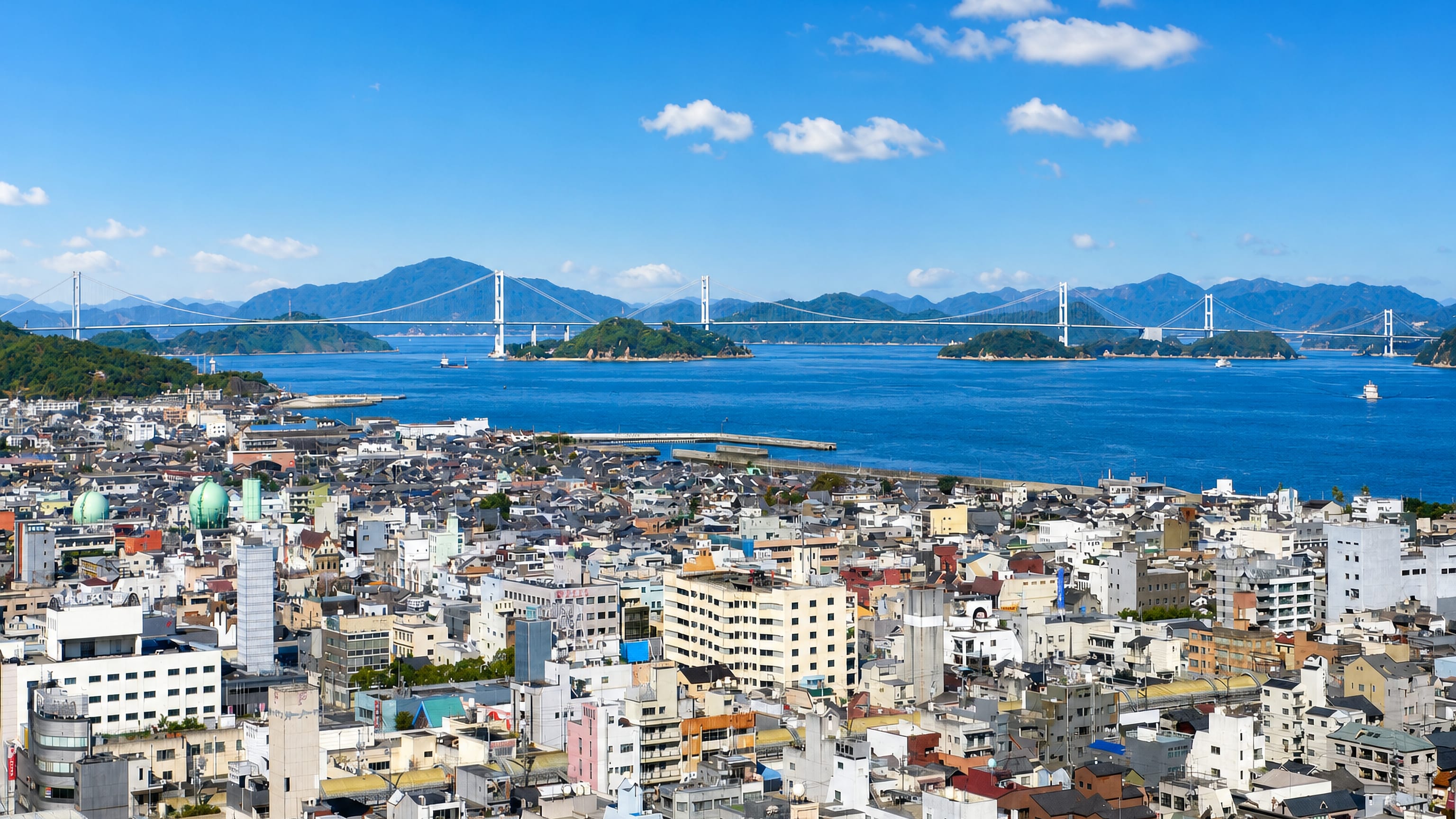
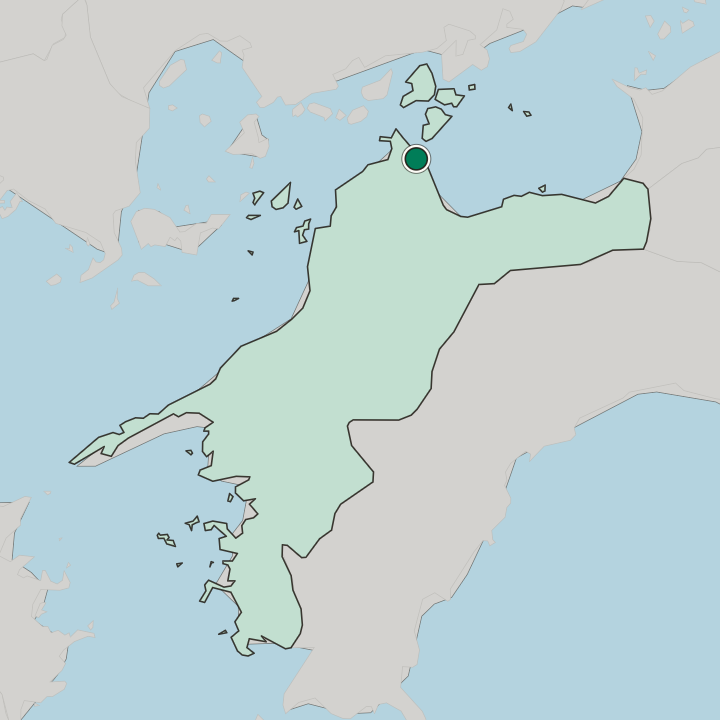
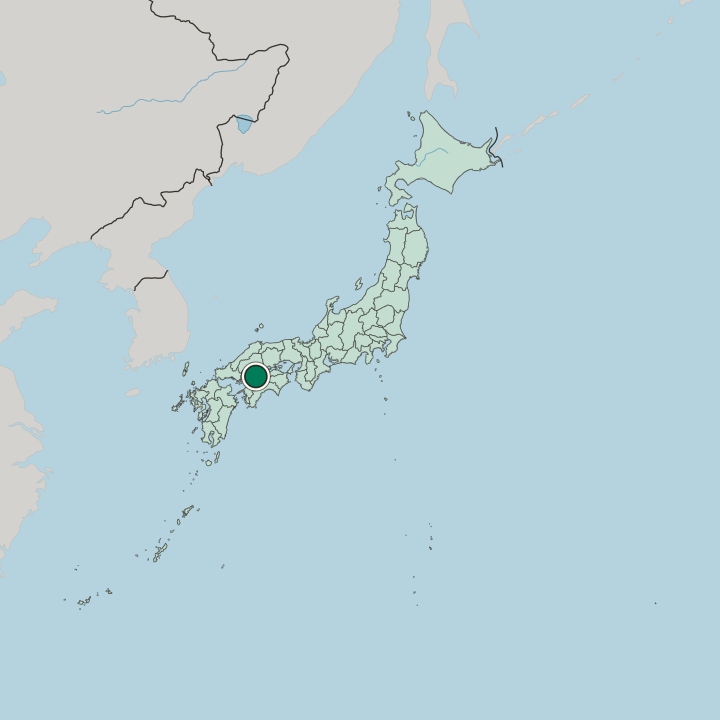
Imabari is the second city of Ehime Prefecture on Shikoku, a coastal place whose boundary carries on into the islands offshore.
Hotel links are affiliate links: booking through them may earn us a commission, at no extra cost to you. It never affects how places are ranked. How this works


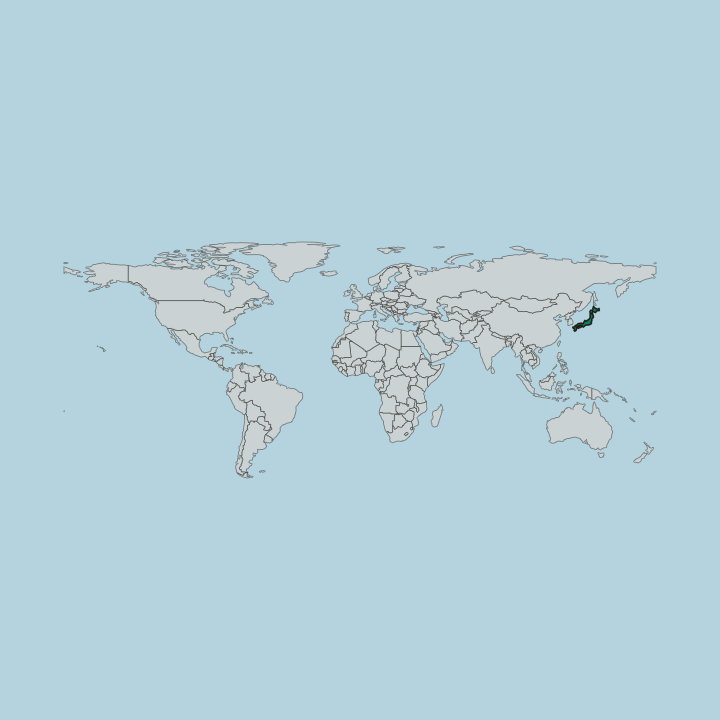
Where to stay in Imabari
The practical side of choosing where to sleep.
Imabari divides into a built-up coastal city and the islands its boundary takes in, and where a visitor sleeps follows that division more than anything else. The city side is the practical one. Rooms there put the Kōno Museum of Art, Imabari, Ehime Bunkakan and the Jōzen-ji treasure hall within an ordinary day's reach.
Imabari became a city in 1920, and the mainland core has carried the ordinary municipal business of Ehime Prefecture's second city ever since, which is why the beds, the shops and the transport all concentrate there. Everything sits close on that side. The island half is the other case.
Quiet and water replace museums out there, and a stay makes sense for anyone whose interest in Imabari runs to the islands rather than to its collections. Sugi no Osugi sits on the list of things worth a dedicated outing, as does the museum listed as World Food Culture Museum, and neither belongs to a single evening in town. Matsuyama is the alternative inside Ehime Prefecture, the one city there of greater size.
Anyone weighing the two should note that the named sites and the daily business belong to the mainland, while the islands supply the water and the quiet, and Matsuyama stands ready as a larger Ehime base.
Find hotels in Imabari
Direct booking searches for these neighbourhoods.
The mainland core
Ehime Bunkakan and the Jōzen-ji treasure hall fall inside the same walkable stretch of the coastal cityFind hotels in The mainland coreWater-facing stays out among the islands Imabari takes inThe island half
The offshore part of the municipality trades the museum roster for open water and quiet. Rooms are few around here — worth securing early.Find hotels in The island halfLonger stays wanting the largest city of Ehime Prefecture as a baseMatsuyama
The one Ehime city bigger than Imabari, held in reserve for visitors who want more than a second cityFind hotels in MatsuyamaHotel links are affiliate links: booking through them may earn us a commission, at no extra cost to you. It never affects how places are ranked. How this works
About Imabari
Size is the first fact here.
What is Imabari known for?
Only Matsuyama outranks it inside Ehime Prefecture, and the ground Imabari administers runs from a built-up coastal core out to the islands that lie off the Shikoku shore. Museums account for much of the named heritage. The Kōno Museum of Art, Imabari and Ehime Bunkakan sit among them, with the Jōzen-ji treasure hall and a museum listed as World Food Culture Museum alongside.
Sugi no Osugi completes the roster.
What are the main landmarks in Imabari?
Five names carry the heritage list. Sugi no Osugi heads it, the Kōno Museum of Art, Imabari and Ehime Bunkakan follow, and the Jōzen-ji treasure hall and World Food Culture Museum close a list that is short for a city of this rank in Ehime Prefecture. Most of those names are museums.
A treasure hall attached to Jōzen-ji, an art museum carrying the Kōno name, and a hall carrying the prefecture's name make a heritage that reads civic rather than monumental.
What is the history of Imabari?
The city dates from 1920. That year gave Imabari its municipal charter, and the offices, the boundary reaching out to the islands and the standing of a city all date from it rather than from anything older. Settlement ran far ahead of the charter.
Jōzen-ji keeps a treasure hall, a religious institution of a kind that predates municipal government. Sugi no Osugi belongs to the same older layer. What the charter did was draw one municipal boundary around ground that had already been settled, worked and worshipped on.
Ehime Prefecture has framed the city's story throughout. Matsuyama grew larger and stayed larger, which makes Imabari's record that of a second city inside Ehime Prefecture: substantial in its own right, and always measured against a bigger city in the same prefecture. Second rank has been the constant.
Shikoku is the wider frame. The municipality's ground includes islands, and that combination of mainland coast and offshore land has shaped what Imabari could become at every stage. Its museums are a recent layer.
The Kōno Museum of Art, Imabari, Ehime Bunkakan and World Food Culture Museum are institutions of the modern city, and with the older temple heritage they make up the historical record a visitor can actually see.
Where is Imabari?
Imabari occupies a coastal stretch of Ehime Prefecture together with the islands lying off it, which gives the municipality a shape closer to an archipelago than to a compact inland town. The mainland part sits on the Shikoku shore. Land and water interleave.
Matsuyama, the largest city of Ehime Prefecture, shares the same island and the same administrative frame.
What is the climate of Imabari?
Water around the islands evens the year. Imabari sits in the subtropical band of the northern hemisphere, and the water around its islands works on the mainland core all year, softening both ends of the calendar. Summers run warm and humid.
Winters stay short of severe, and the difference between a room on the coast and one out among the islands is small enough to ignore when choosing a season.
How do you get to Imabari?
Matsuyama is the reference point. Ehime Prefecture's largest city sits on the same island, and any overland approach to Imabari crosses Shikoku, while the islands within the municipality are reached across the water that separates them from the mainland core. The mainland core is the arrival point.
A day trip from Matsuyama to the Kōno Museum of Art, Imabari and back is a common shape for a visit.
Common questions
What is the best area to stay in Imabari?
The mainland core: Museum days built around the Kōno Museum of Art, Imabari. The island half: Water-facing stays out among the islands Imabari takes in. Matsuyama: Longer stays wanting the largest city of Ehime Prefecture as a base.
Good for
More cities in Ehime
Updated September 2026