Japan · Ehime
Where to Stay in Shikokuchūō, Ehime
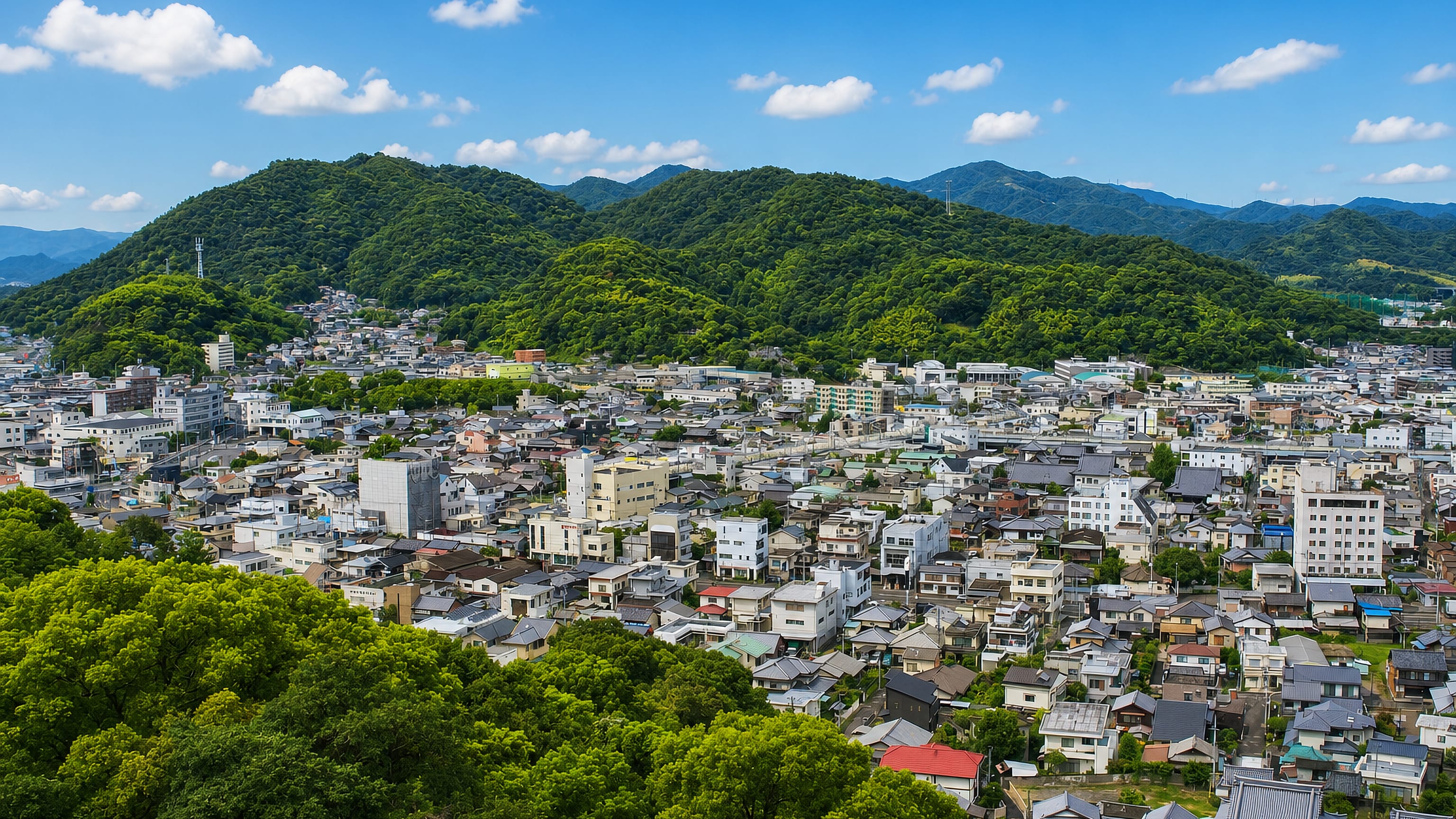
Paper made Shikokuchūō, the leading producer of paper and paper products in Japan and a port city among Ehime Prefecture's industrial centres.
Hotel links are affiliate links: booking through them may earn us a commission, at no extra cost to you. It never affects how places are ranked. How this works


Where to stay in Shikokuchūō
Where the beds are, and what that means for the visit.
Kawanoe Castle marks the part of Shikokuchūō with something to look at, and a room near it puts the museums, the older Kawanoe name and the working port within one day's reach. This is an industrial city. Beds serve the paper trade before they serve visitors, which leaves two workable positions: the port and castle side, or the outlying ground held by Sky Field Tomisato and Kawanoe Kogen Furusato Hall.
Most stays land near the port. Kawanoe Castle and the port between them account for most of what a visitor walks to, and the rest of the municipality spreads out the way an industrial city of this size does. The outlying side is quieter.
Sky Field Tomisato and Kawanoe Kogen Furusato Hall sit away from the mills, and a base out there suits anyone whose interest in Shikokuchūō is the ground rather than the industry that made the city. Ima wa Mukashi Museum and Gyōukan add two more stops to a day here, and the Umamukaiyama Kofun gives the itinerary something far older than 2004. Ehime Prefecture holds bigger bases. Anyone treating Shikokuchūō as a stop between other Ehime cities loses little, since the paper city rewards a working day more than a long stay, but the castle and the kofun both repay an unhurried morning.
Find hotels in Shikokuchūō
Direct booking searches for these neighbourhoods.
The port and castle side
Kawanoe Castle and the Kaminomachi Museum give this side of Shikokuchūō what sightseeing it hasFind hotels in The port and castle sideQuiet nights out towards Sky Field TomisatoThe Kawanoe Kogen side
Kawanoe Kogen Furusato Hall and Sky Field Tomisato sit clear of the paper mills that run the rest of the city. Beds are limited here, so book early.Find hotels in The Kawanoe Kogen sideHotel links are affiliate links: booking through them may earn us a commission, at no extra cost to you. It never affects how places are ranked. How this works
Things to do in Shikokuchūō
Ranked by global recognition; descriptions from Wikidata (CC0).
Museums & Galleries
3- Kaminomachi Museum
- かわのえ高原ふるさと館
- Gyōukan
Castles & Historic Sites
1- Kawanoe Castle
Stadiums & Sports
1- スカイフィールド富郷
worth knowingacross 3 categories in Shikokuchūō
About Shikokuchūō
Paper is the whole story.
What is Shikokuchūō known for?
No city in Japan produces more paper and paper products, which puts Shikokuchūō among Ehime Prefecture's major industrial centres and gives its port a working purpose rather than a decorative one. Kawanoe Castle is the counterweight. The Umamukaiyama Kofun, the Kaminomachi Museum and Kawanoe Kogen Furusato Hall hold what the mills do not, while the official name Shikokuchuo-shi states an ambition to sit at the middle of Shikoku.
What are the main landmarks in Shikokuchūō?
Seven names, and no two alike. Kawanoe Castle is the one with a silhouette, the Umamukaiyama Kofun is the one with age, and the Kaminomachi Museum, Ima wa Mukashi Museum and Gyōukan carry the collections between them. Kawanoe Kogen Furusato Hall keeps the older Kawanoe name in use.
Sky Field Tomisato completes a list that leans local rather than national, which fits a city assembled in 2004 out of places that each had their own.
What is the history of Shikokuchūō?
The Umamukaiyama Kofun is the oldest thing here. It marks the earliest occupation the record carries, placing people on this stretch of Ehime Prefecture long before any name the city now uses. Kawanoe Castle came far later.
The castle and Kawanoe Kogen Furusato Hall both carry the Kawanoe name, which belonged to a town in its own right before it was folded into something larger. Paper changed the scale. Mills made this the leading producer of paper and paper products in Japan, and the port grew to move what they made, which is how a modest corner of Ehime Prefecture became one of its major centres of industry.
The city itself dates from 2004. That year produced Shikokuchūō and the official name Shikokuchuo-shi, a claim to the middle of Shikoku that no older town on this ground could have made alone. The name was an argument.
Older identities survive it: the Kawanoe name in the castle and the folk hall, the kofun on its own ground, and the small museums, the Kaminomachi Museum, Ima wa Mukashi Museum, Gyōukan, built to hold particular local pasts. Sky Field Tomisato is the newest addition. Paper remains the through-line, running from the mills that made the city's reputation to a municipality whose identity was assembled rather than inherited.
Where is Shikokuchūō?
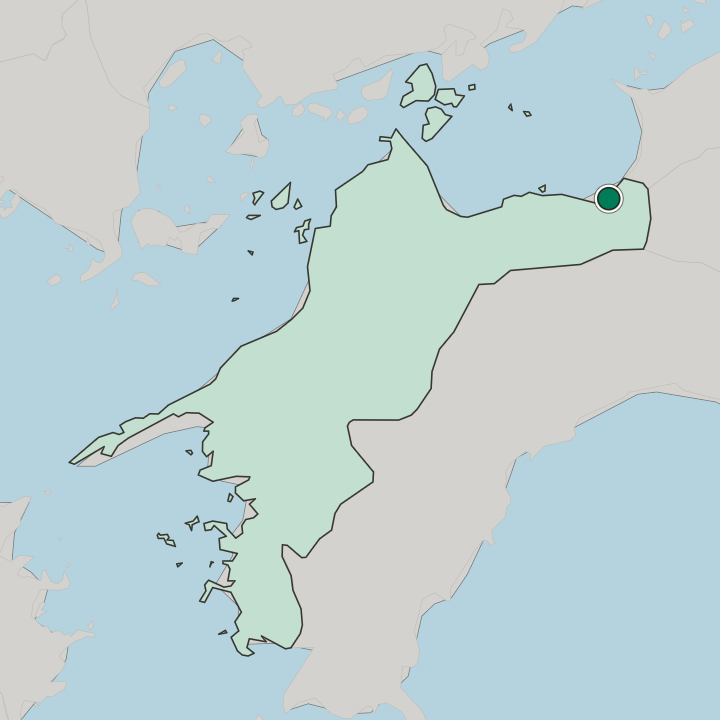
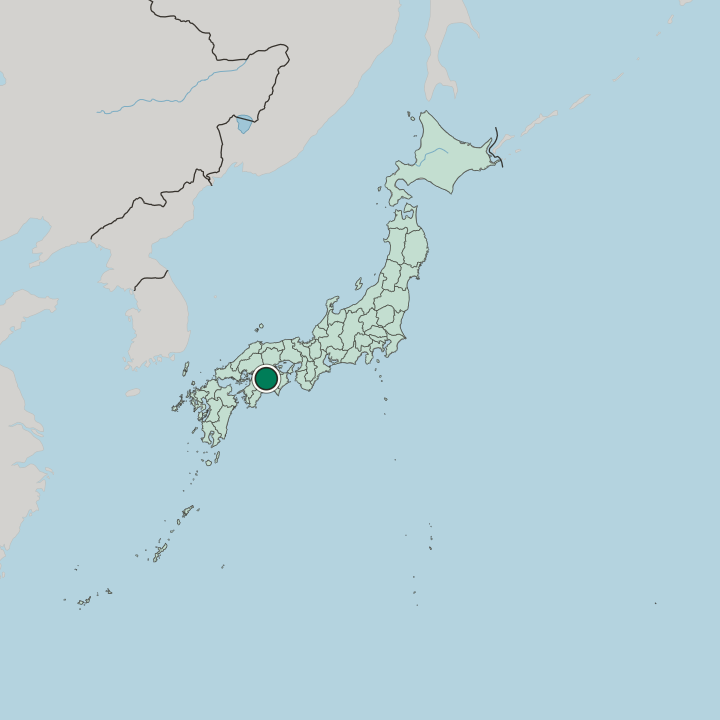
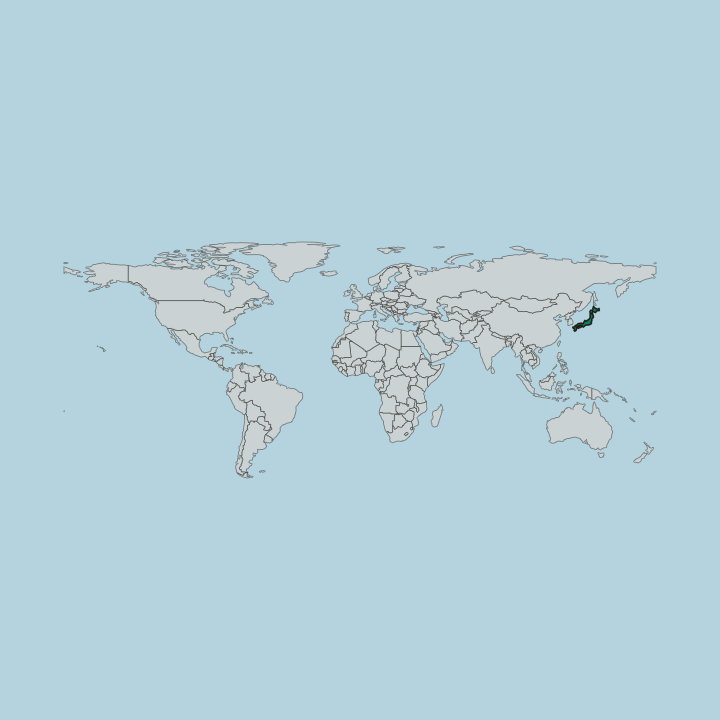
The city takes in a wide spread of Ehime Prefecture, from the port frontage to the ground held by Kawanoe Kogen Furusato Hall and Sky Field Tomisato. Water is on one side. Shikokuchuo-shi names the middle of Shikoku, and the municipality's spread across so much ground makes the claim geographic as much as ambitious, since one boundary holds what several towns once held separately.
Kawanoe Castle sits within it.
What is the climate of Shikokuchūō?
The subtropical band reaches this coast. Shikokuchūō sits within it, north of the equator, which means humid summers, winters that stay mild and a working port rarely stopped by weather. Rain comes in warm bursts.
A day at Kawanoe Castle asks for shade in summer more than shelter in winter.
How do you get to Shikokuchūō?
The port does real work. Paper and paper products move out through it, and the same position that makes Shikokuchūō useful to industry puts it on the routes that run along Ehime Prefecture's coast. Shikokuchuo-shi states the position plainly.
A city named for the middle of Shikoku is one most travellers reach on the way to somewhere else, and Kawanoe Castle is the stop that makes the break worthwhile.
Common questions
What is the best area to stay in Shikokuchūō?
The port and castle side: Working stays with Kawanoe Castle and the paper port at hand. The Kawanoe Kogen side: Quiet nights out towards Sky Field Tomisato.
Good for
More cities in Ehime
Updated September 2026