Japan · Ehime
Where to Stay in Matsuyama, Ehime
Matsuyama is the largest city of Shikoku in western Japan, known for a hilltop castle and one of the country's oldest hot springs.
Hotel links are affiliate links: booking through them may earn us a commission, at no extra cost to you. It never affects how places are ranked. How this works


Where to stay in Matsuyama
Not every neighbourhood fits every trip — here's what each one is good for.
 MatsuyamaJapan
Sanbanchō
Sanbanchō is a quarter of Matsuyama where the Saka no Ue no Kumo Museum, the Museum of Art, Ehime and Shikidō share one short register.Where to stay →MatsuyamaJapanAmayama
Amayama is a chō of Matsuyama in Ehime whose single filed address, the Itami Jūzō Museum, does the work of a whole landmark list.Where to stay →MatsuyamaJapanSancho
Sanchō sits inside Matsuyama. Its one recorded entry is Iyotetsu Sports Centre, standing in Ehime among the ordinary streets of the chō.Where to stay →Hotel links are affiliate links: booking through them may earn us a commission, at no extra cost to you. It never affects how places are ranked. How this works
Find hotels in Matsuyama
Direct booking searches for these neighbourhoods.
The castle centre
Around Matsuyama Castle and the station, within a walk of the shopping streetsFind hotels in The castle centreStays wanting the Dōgo Onsen bathsDōgo Onsen
By the old Dōgo Onsen bathhouse on the edge of town, an easy soak in the ancient springFind hotels in Dōgo OnsenHotel links are affiliate links: booking through them may earn us a commission, at no extra cost to you. It never affects how places are ranked. How this works
Things to do in Matsuyama
Ranked by global recognition; descriptions from Wikidata (CC0).
Museums & Galleries
3- Saka no Ue no Kumo Museum
- Museum of Art, Ehime
- Archaeological Museum at Matsuyama City
Castles & Historic Sites
1- Kodera Site
Stadiums & Sports
2- Matsuyama City General Community Center
- イヨテツスポーツセンター
worth knowingacross 3 categories in Matsuyama
About Matsuyama
Matsuyama is the castle and hot-spring city of Shikoku.
What is Matsuyama known for?
A fine old castle crowns the hill at its centre, and on the edge of town lies Dōgo Onsen, one of the oldest hot springs in Japan, while the poet Shiki and the novel Botchan gave the city its place in letters. Baths and haiku fill the town. Castle and springs mark the city.
What are the main landmarks in Matsuyama?
Matsuyama Castle crowns the hill at the heart of the city. One of the twelve original castles left in Japan, its wooden keep looks down from the wooded height, the emblem of the town, over the plain. Hot springs steam on the edge.
The old Dōgo Onsen bathhouse draws bathers to its wooden halls, while the temple of Ishite-ji and the Shiki Museum keep the faith and letters of the town.
What is the history of Matsuyama?
Matsuyama grew up around its hilltop castle. In the early seventeenth century a feudal lord built a great castle on the hill of Katsuyama, and a castle town spread out below it on the plain to serve the domain. The hot springs were older still.
People had bathed at Dōgo Onsen since ancient times, and old chronicles name it among the oldest springs in the land, drawing bathers for well over a thousand years. The city bred famous poets. In the modern age Matsuyama gave birth to Masaoka Shiki, who remade Japanese haiku, and the novelist Sōseki set his famous Botchan in the town.
War and time spared the old keep. The castle survived to stand among the twelve original castles left in Japan, its wooden towers looking down on the streets. The old baths still steam by the temples.
Matsuyama keeps its castle and its hot springs on the Shikoku plain.
Where is Matsuyama?
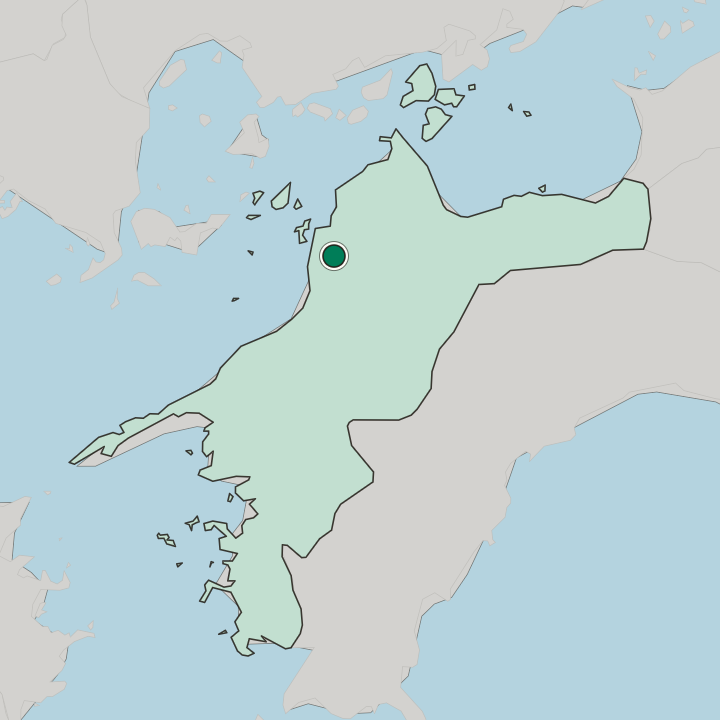
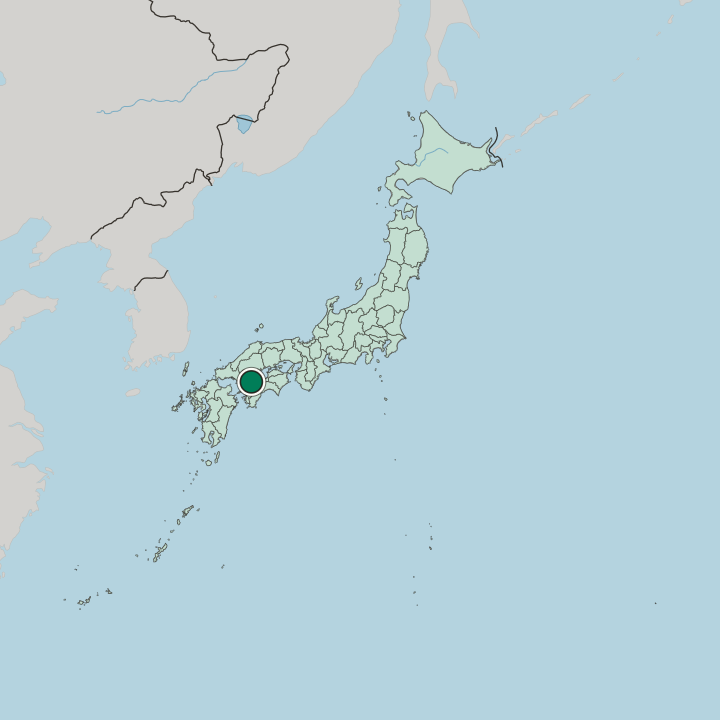
Matsuyama lies on a coastal plain in the northwest of Shikoku. The city spreads across a flat basin of rice fields between low hills and the Seto Inland Sea, on the largest plain of the island, with a castle hill rising at its heart. Green hills ring the plain.
The inland sea stretches away to the north.
What is the climate of Matsuyama?
Matsuyama has a mild, sunny inland-sea climate. Warm summers and gentle winters mark the sheltered plain, and the Inland Sea keeps the weather dry and clear for much of the year, with a wet spell in the early summer. Rain comes with the June monsoon.
The coast stays mild and bright.
How do you get to Matsuyama?
Matsuyama lies on the northwest coast of Shikoku. Trains run to it over the mountains and bridges from Honshu, and the city has an airport and a ferry port on the Inland Sea. Buses reach the island towns around.
Most arrive by train or ferry to the coast.
Common questions
What is the best area to stay in Matsuyama?
The castle centre: Visitors here for the castle, shops, and tram. Dōgo Onsen: Stays wanting the Dōgo Onsen baths.
Good for
More cities in Ehime
Updated September 2026