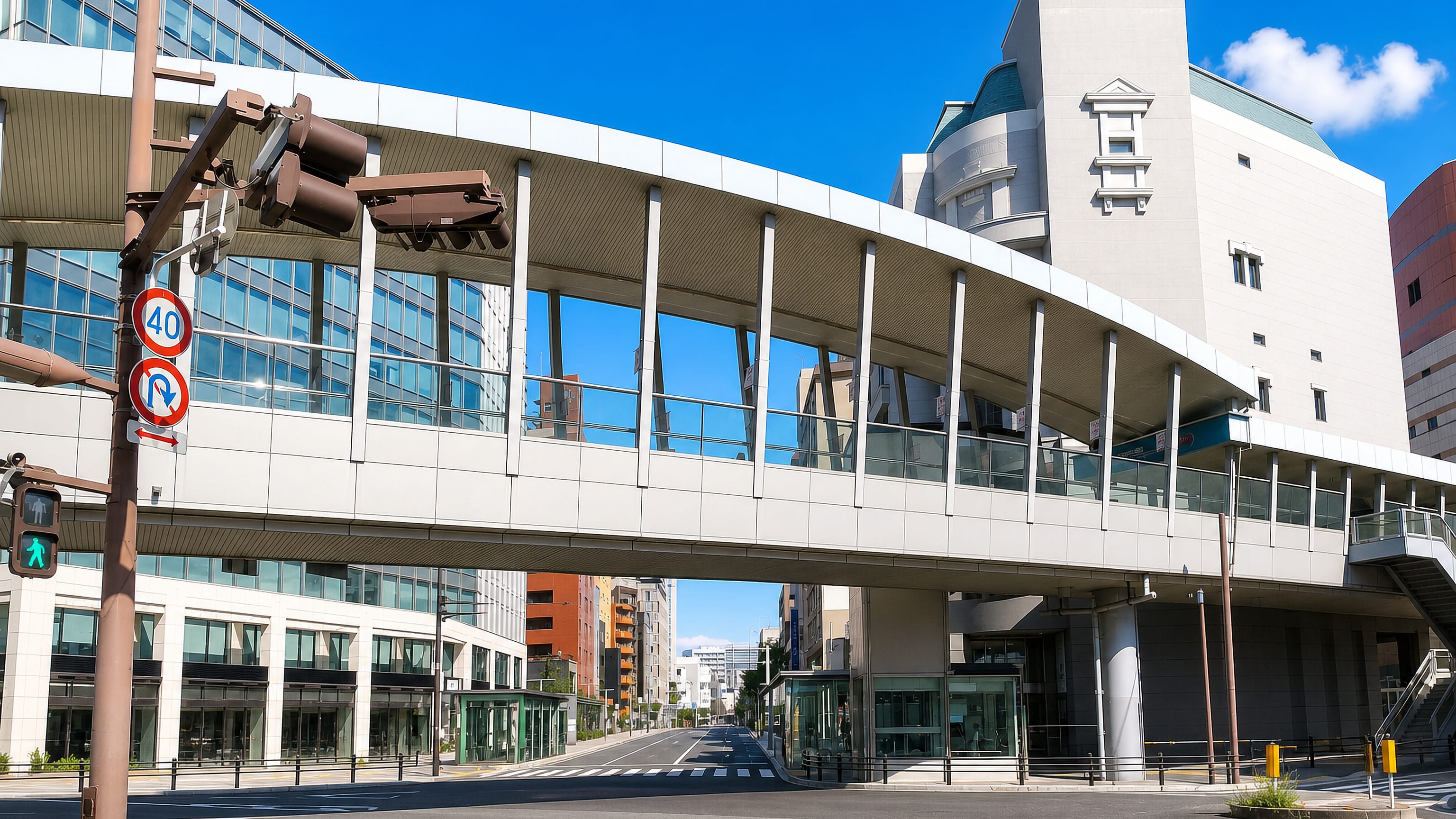
Japan · Fukuoka Prefecture · Fukuoka
Gionmachi, Fukuoka — Area Guide & Where to Stay
Gionmachi, written Gionmachi, is a Fukuoka quarter whose stela marks the birthplace of the Kyūshū Railway.
Hotel links are affiliate links: booking through them may earn us a commission, at no extra cost to you. It never affects how places are ranked. How this works


Where to stay in Gionmachi
Where visitors usually base themselves, and why.
Rail history is the local claim. Gionmachi carries the stela for the birthplace of Kyūshū Railway, another for former Kawaramachi, and the Fukuoka City Sewerage Museum, which together make a quarter of markers rather than of headline sights. Travellers who base here get an unshowy Fukuoka address, with the Hakata Bay side of the city reached from outside the block.
Gionmachi dates to 1966.
Find hotels in Gionmachi
Direct booking search for this neighbourhood.
Hotel links are affiliate links: booking through them may earn us a commission, at no extra cost to you. It never affects how places are ranked. How this works
About Gionmachi
What are the main landmarks in Gionmachi?
Two stelae and a museum make the whole list. One stela marks the birthplace of Kyūshū Railway, the other the former Kawaramachi, and the Fukuoka City Sewerage Museum takes on the pipework under a port city on Hakata Bay. Small subjects, plainly marked.
Gionmachi keeps its interest in infrastructure and in the names Fukuoka used before Gionmachi.
What is the history of Gionmachi?
The record dates Gionmachi to 1966. Ground here is older than the name: a stela in the quarter marks the birthplace of Kyūshū Railway, and a second remembers Kawaramachi, the name this ground carried before. Water services get their own account at the Fukuoka City Sewerage Museum.
Gionmachi is the form the map carries, in a Fukuoka that had traded through Hakata Bay since ancient times.
Where is Gionmachi?
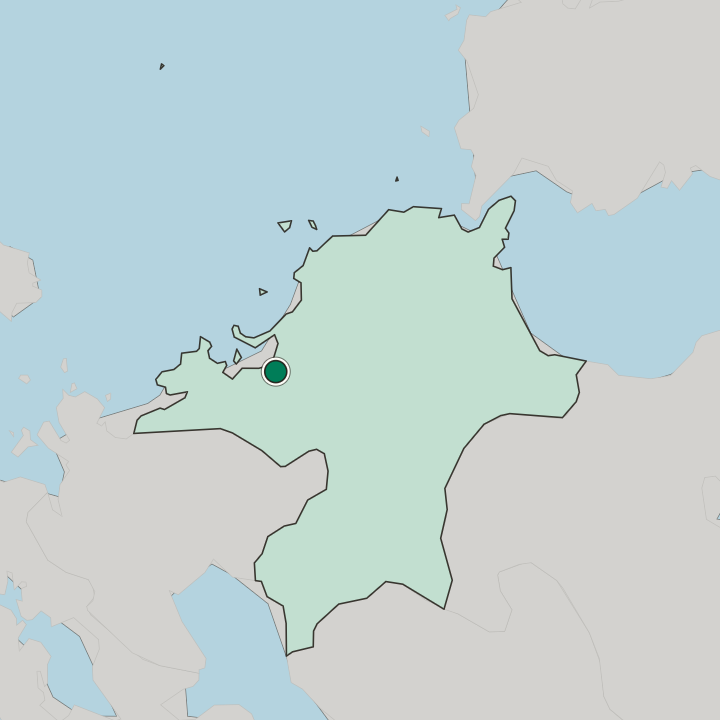
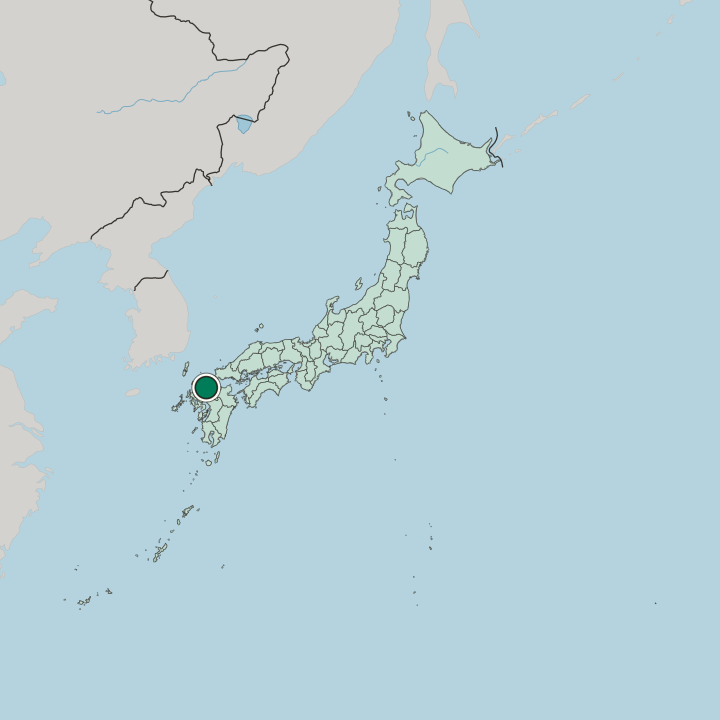
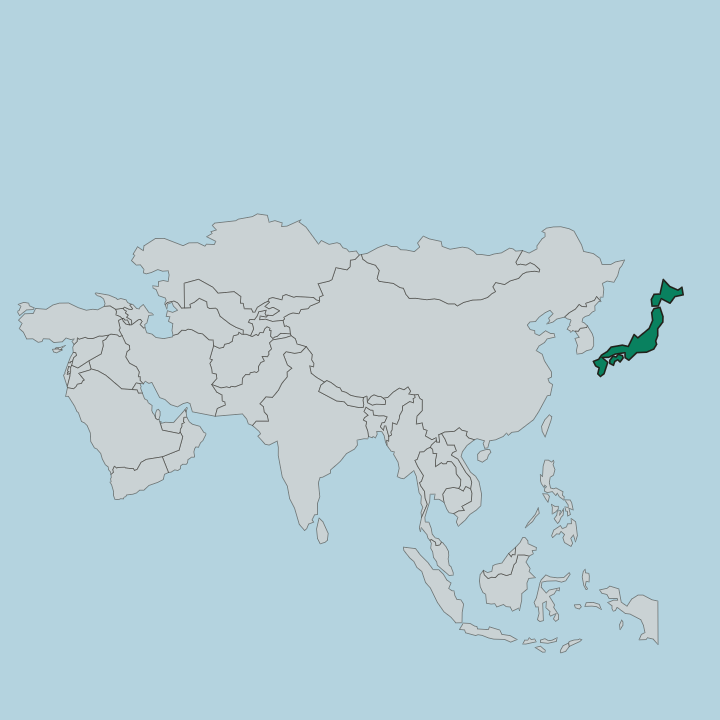
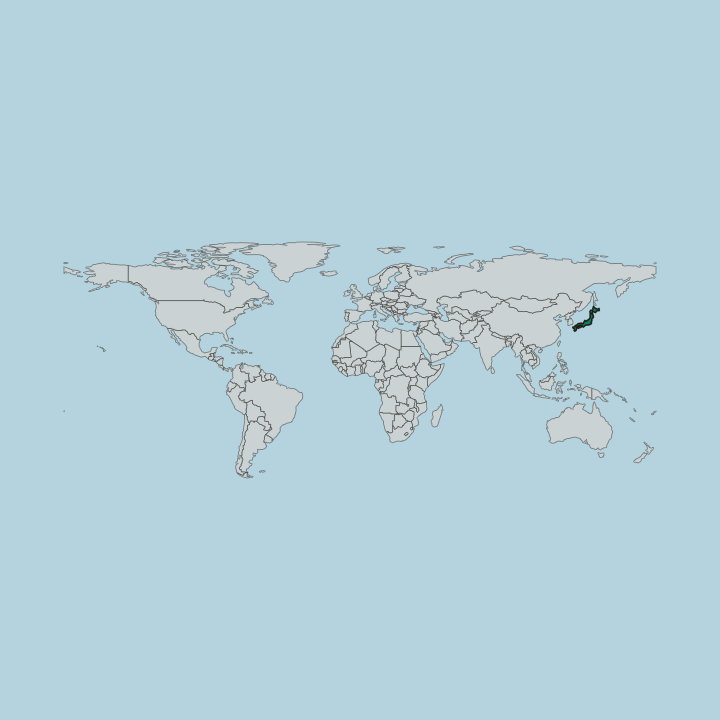
Gionmachi is one named block in the street grid of Fukuoka, the Kyushu city that grew as a port on Hakata Bay.
Common questions
What is the best area to stay in Gionmachi?
Gionmachi: Visitors drawn to the stela for the birthplace of Kyūshū Railway rather than to a room facing the water.
More areas in Fukuoka
Updated September 2026