Japan · Fukuoka Prefecture · Fukuoka
Haruyoshi, Fukuoka — Area Guide & Where to Stay
Haruyoshi is a district of Chuo ward in Fukuoka on the left bank of the Naka, made a Naka district village in 1602 and settled with foot soldiers later.
Hotel links are affiliate links: booking through them may earn us a commission, at no extra cost to you. It never affects how places are ranked. How this works


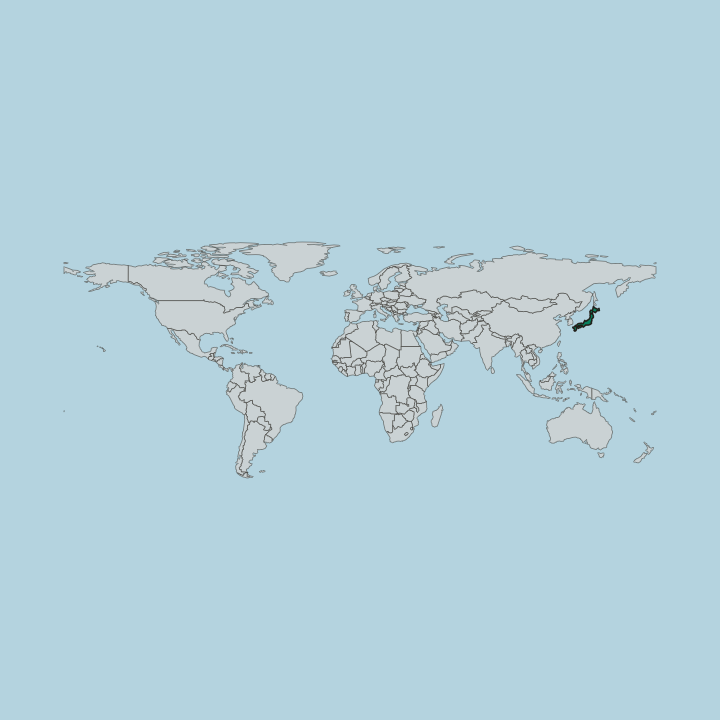
Where to stay in Haruyoshi
How the choice of base plays out on the ground.
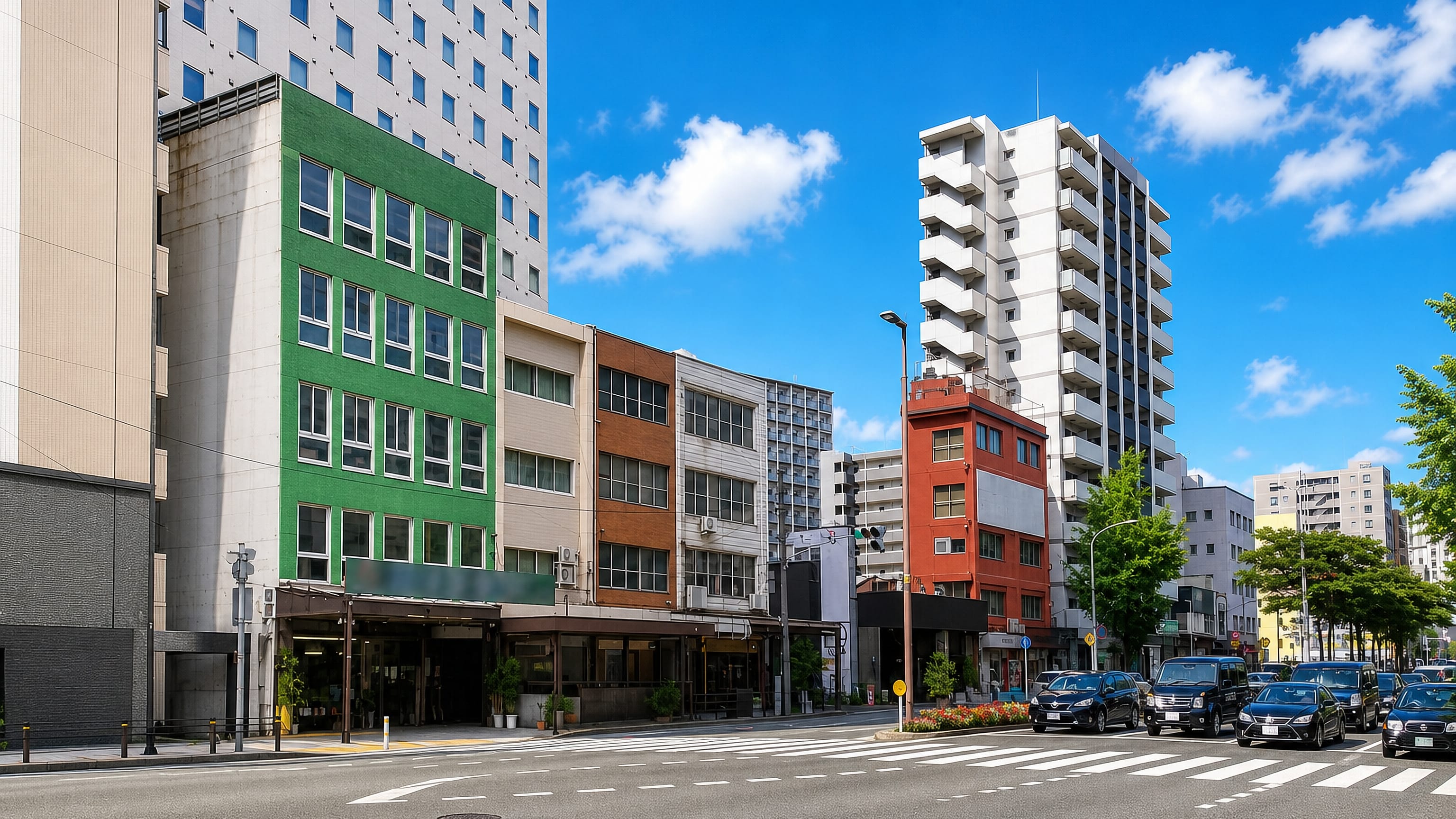
The Naka river runs along the eastern side. Haruyoshi lies between national route 202 to the north and the Sumiyoshi-dori to the south, with the Haruyoshi Naka-dori crossing it from north to south. Hotels line the river.
The northern part is close to Tenjin and Nakasu and holds a good many restaurants, and the Naka bank looks across to Shinchi and Canal City Hakata. The Yanagibashi market is at the southern end.
About Haruyoshi
What are the main landmarks in Haruyoshi?
Seven cross-streets survive from the Edo period. The district was not burned in the Fukuoka air raid, so the east to west lanes laid out then are still on the ground, which is rare in the middle of the city. Yanagibashi market is the other survival.
The united market at the southern end is one of the fixed points of daily life here, along with the primary school and the kindergarten. A hotel of some note stands here. The Hotel Il Palazzo is in Haruyoshi, and a vocational college occupies part of the same ground.
What is the history of Haruyoshi?
Haruyoshi became a village in 1602. It had been part of Sumiyoshi village in Naka district, and at first there were no houses on it, only the fields of farmers living in Hakata. Kuroda Tadayuki settled it.
The lord of the Fukuoka domain turned the ground into housing plots for foot soldiers around 1639 and 1640. An embankment came in 1678. It was built to keep the Naka river out, which is what made the ground usable.
The name may be about barley. So many people gathered at the market during the autumn festival of Sumiyoshi shrine that the ripening grain was trampled, so it was thought better to grow only barley, harvested in spring, though Kaibara Ekiken called that a popular etymology when he reported it. Fukuoka absorbed it in 1922.
Haruyoshi had merged with Sumiyoshi village in 1889, Sumiyoshi town went into the city in 1922, and the boundary reorganisation of 1966 split part off as Watanabe-dori and Nishi-Nakasu, leaving the three chome the district now has.
Where is Haruyoshi?
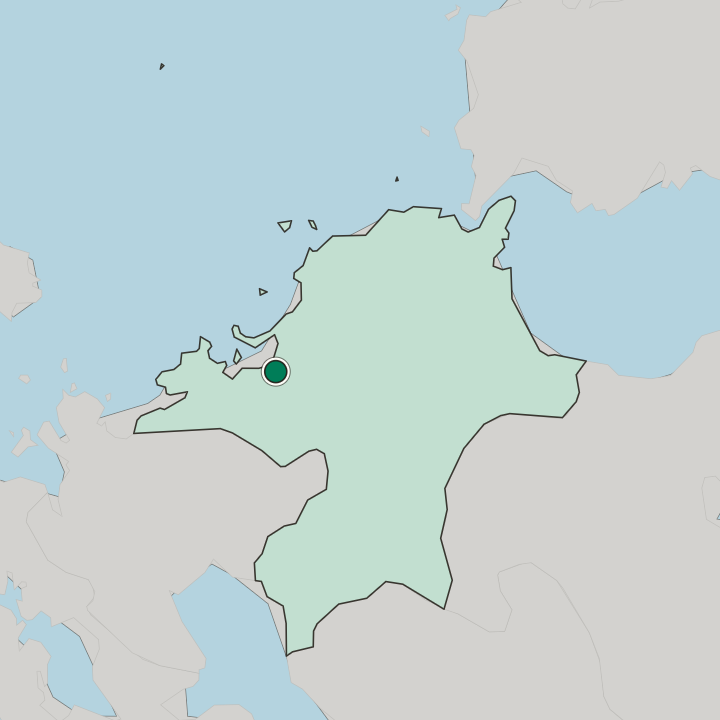
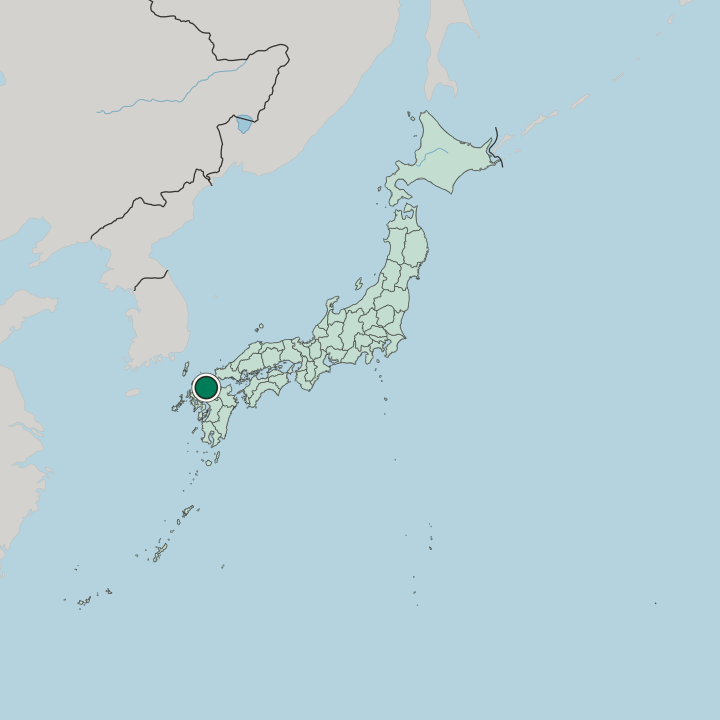
Haruyoshi covers about twenty-seven hectares in Chuo ward in Fukuoka on the left bank of the Naka river, bounded by national route 202 to the north and the Sumiyoshi-dori to the south, with Watanabe-dori to the west.
More areas in Fukuoka
Updated September 2026