Japan
Fukuoka Prefecture, Japan — Towns & Travel Guide
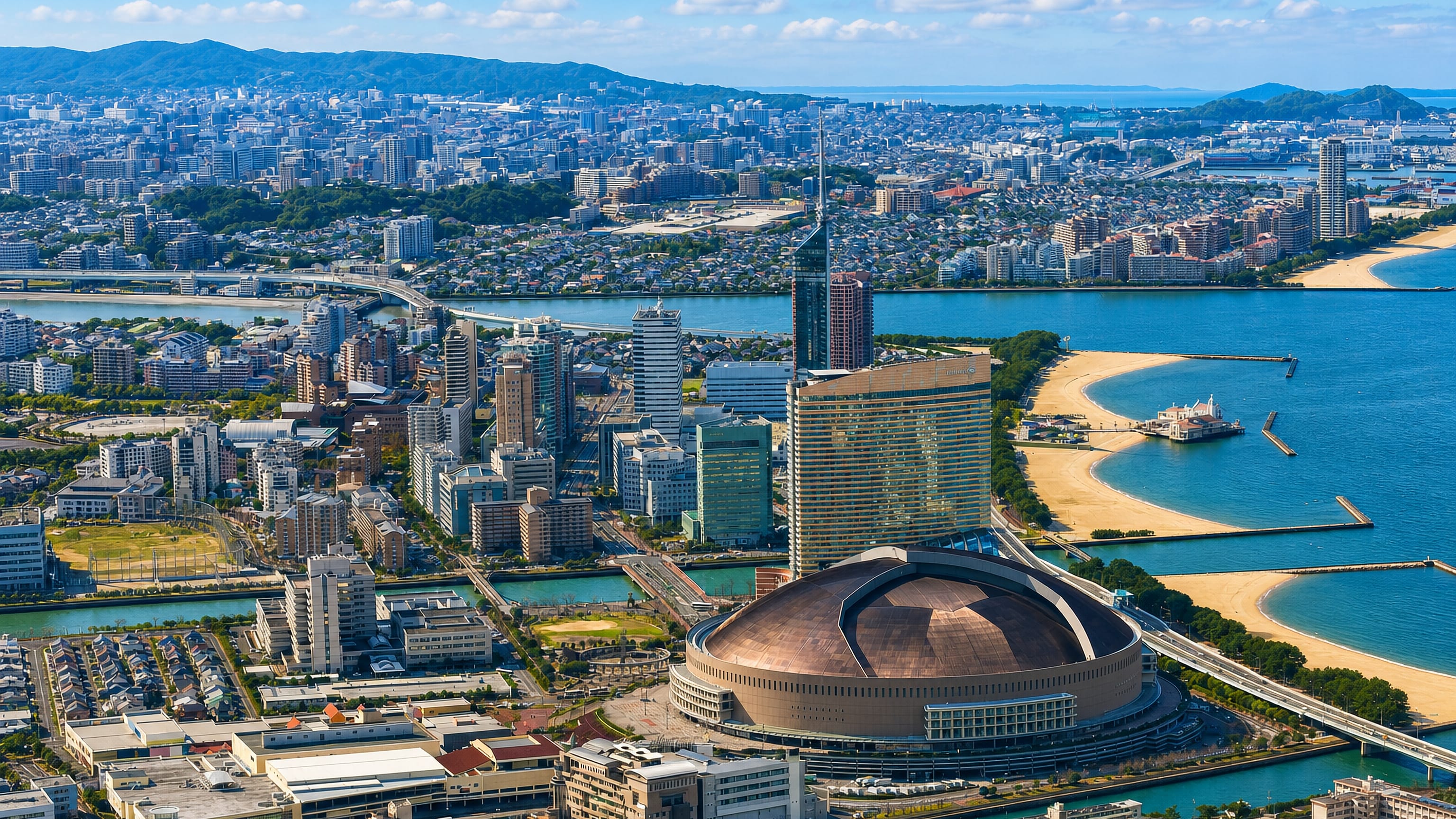
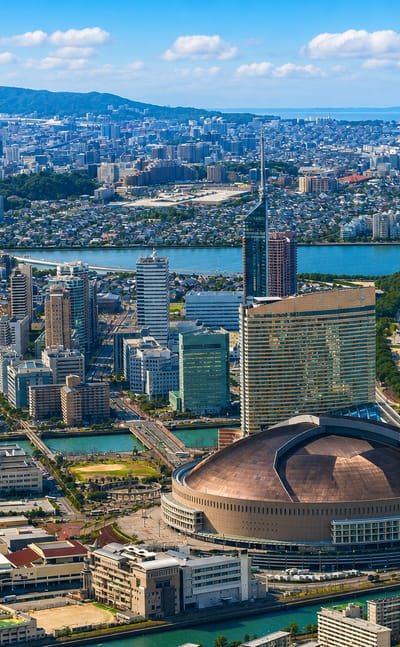
Fukuoka Prefecture anchors northern Kyushu, where the port city of Fukuoka faces the Asian mainland across the Genkai Sea.
Hotel links are affiliate links: booking through them may earn us a commission, at no extra cost to you. It never affects how places are ranked. How this works


Towns & cities in Fukuoka Prefecture
Pick a town or city — each links to where to stay.
 Japan
Japan
Fukuoka
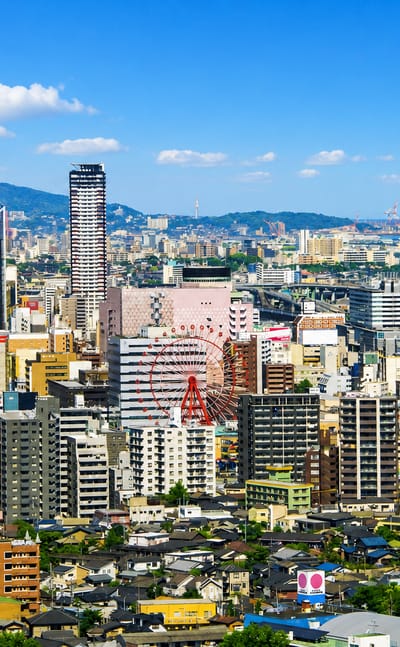
Ferries and container berths line Hakata Bay, the largest city on Kyushu, capital of Fukuoka Prefecture, known for the Hakata quarter and Kushida Shrine.Where to stay →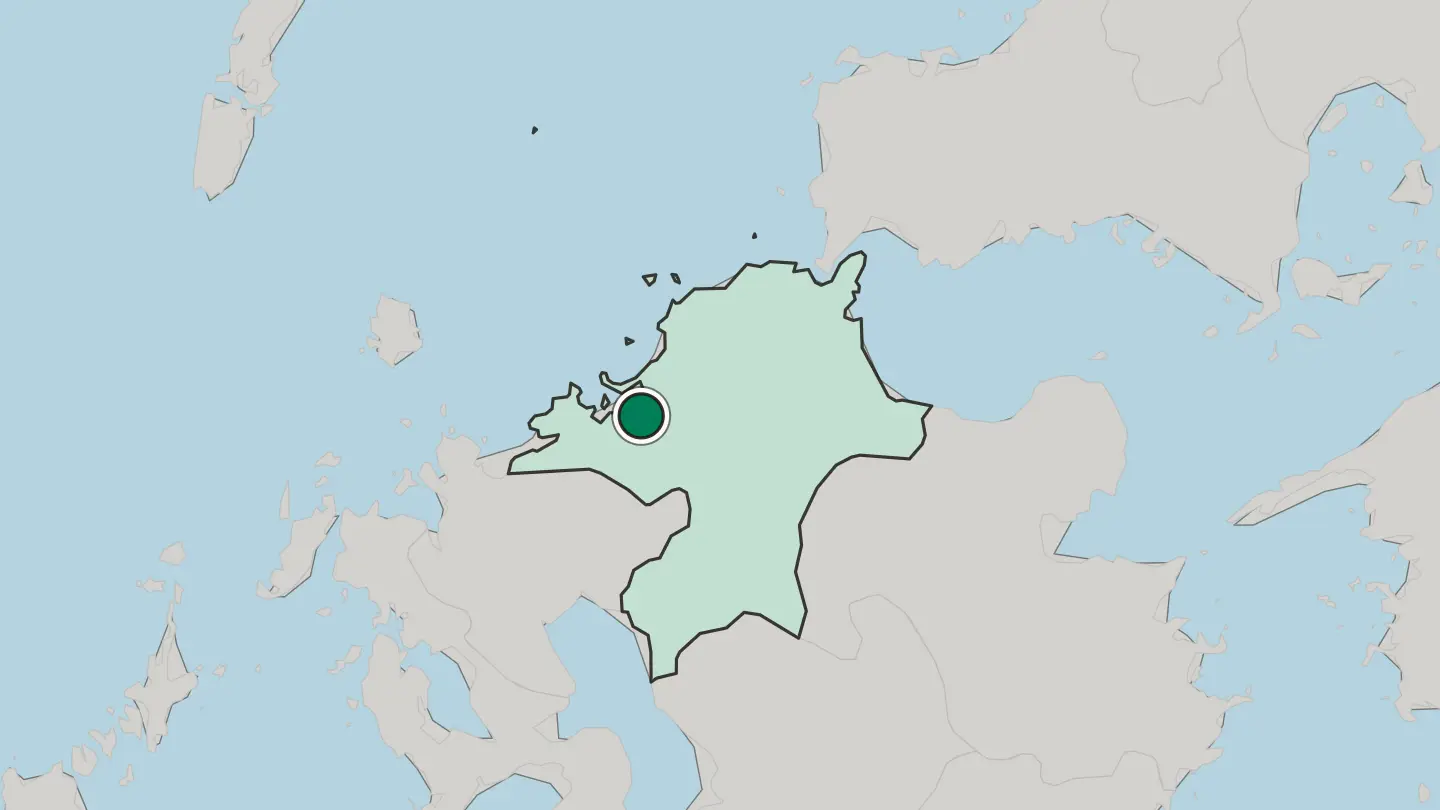
 Japan
Japan
Kitakyushu
Ships pass the Straits of Shimonoseki at Kitakyūshū, a port city in Fukuoka Prefecture on the island of Kyushu, known for the old castle town of Kokura.Where to stay →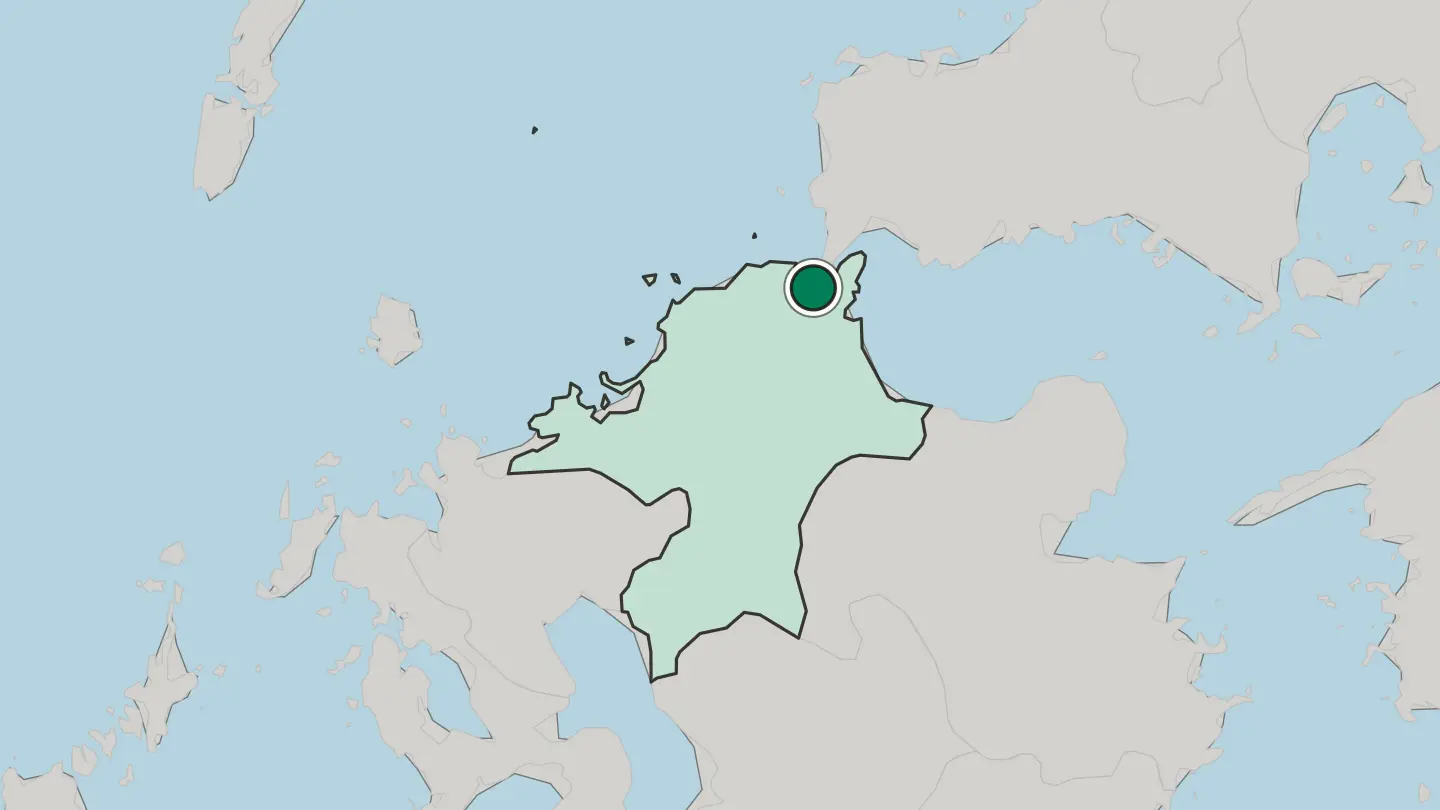 Japan
Japan
Kurume
Kurume is a city of Fukuoka Prefecture on Kyushu, keeper of Kōra Taisha and of Bairin-ji Temple. Museums fill its centre.Where to stay →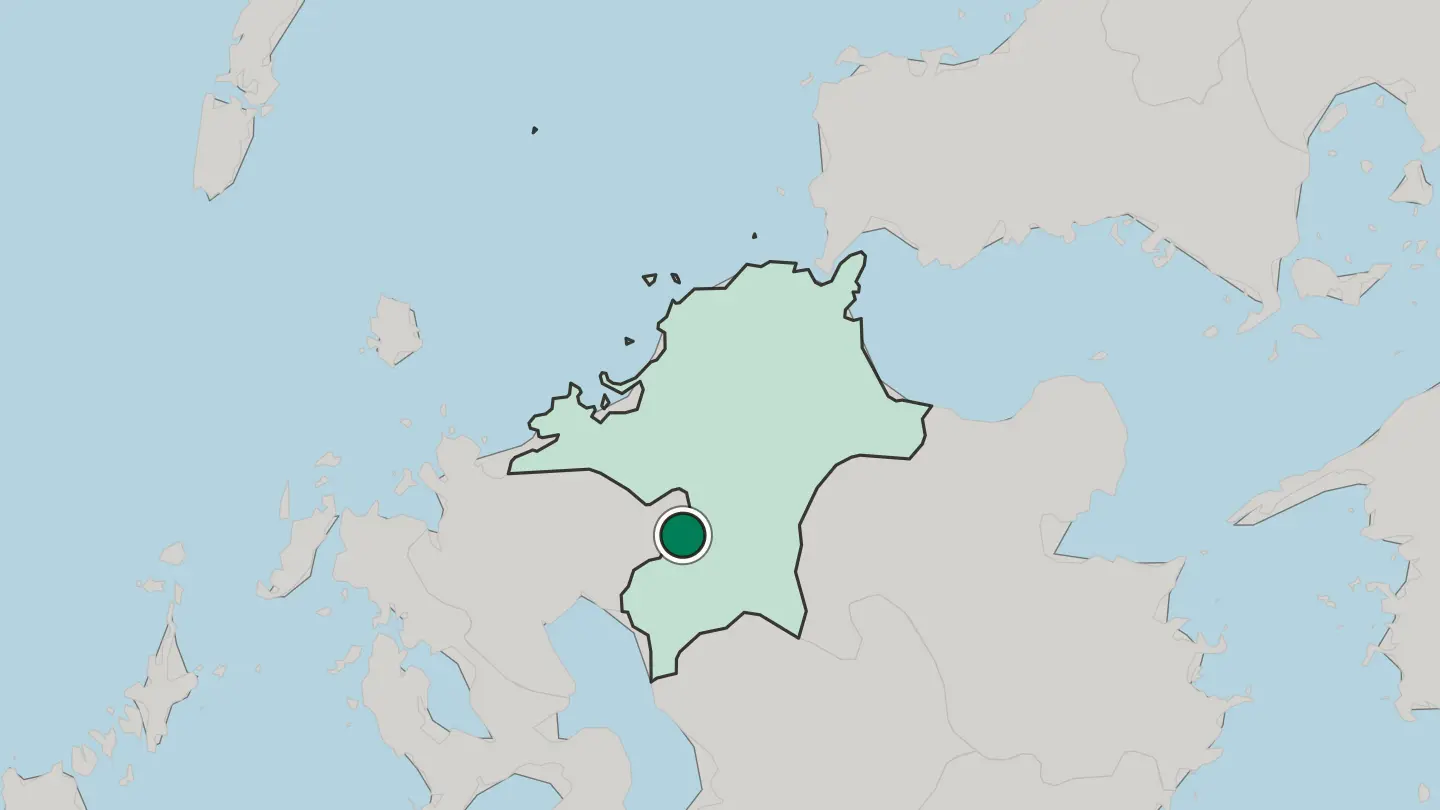 Japan
Japan
Ōmuta
Ōmuta is a coal city of Fukuoka Prefecture on Kyūshū, where the Port of Miike and the Miike Railway served the mines. The museum keeps the record.Where to stay →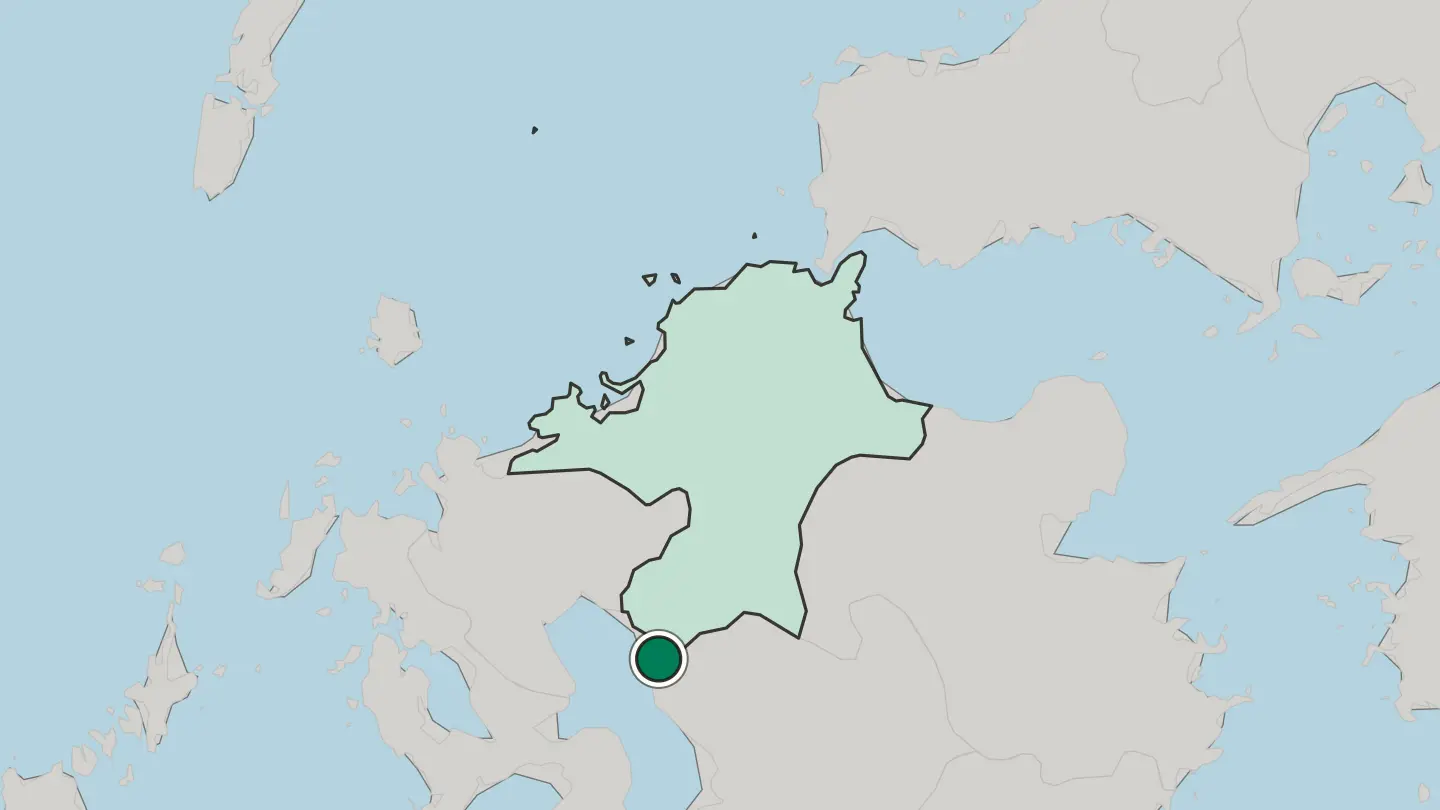
 Japan
Japan
Iizuka
Iizuka is a city of Fukuoka Prefecture on Kyushu, where the Tateiwa Site, Kagenouma Kōgoishi and the Old Ito Den-emon Residence carry its history.Where to stay →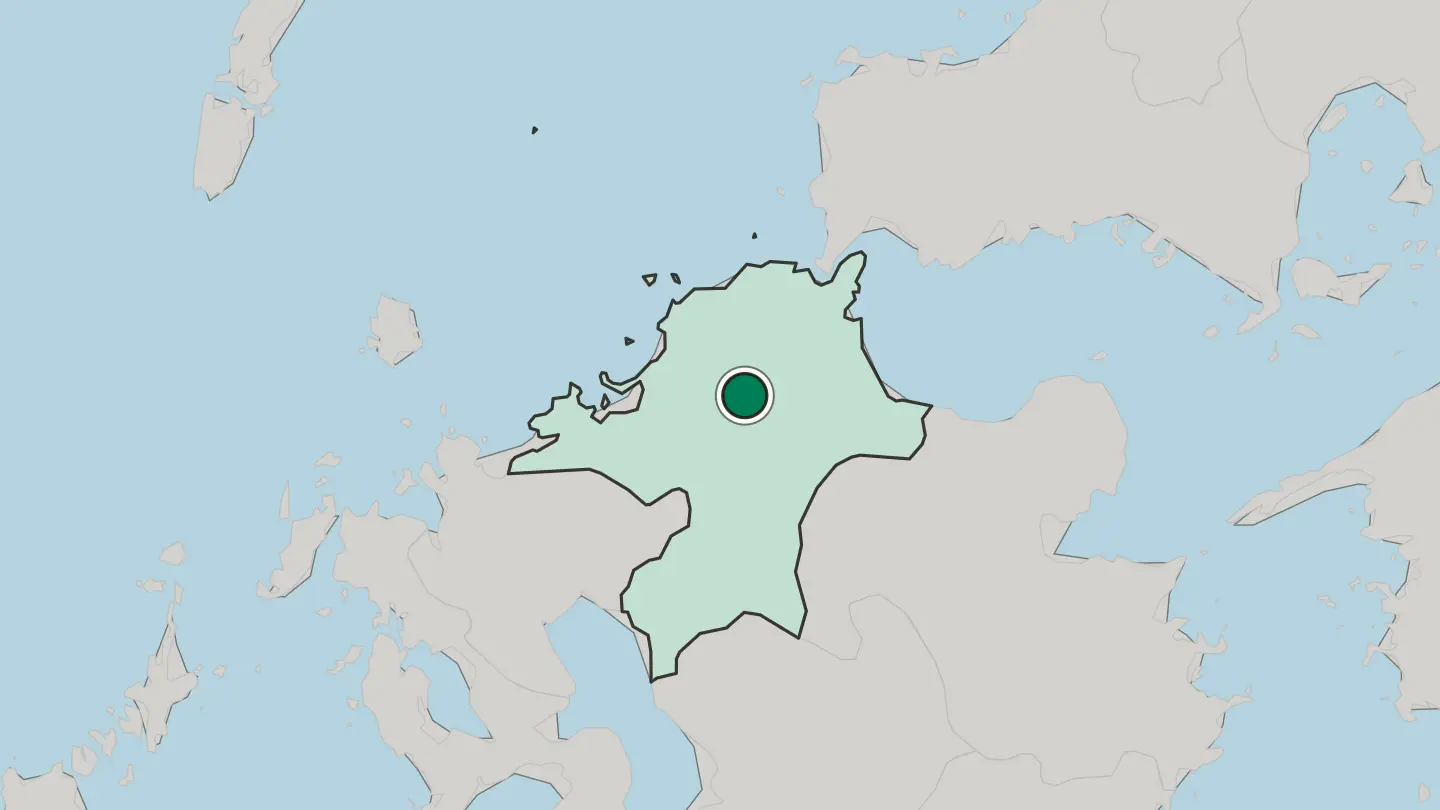
 Japan
Japan
Kasuga
Kasuga is a small city of Fukuoka Prefecture, Japan, dating to 1889 and written Kasuga Village, with six excavated sites on its ground.Where to stay →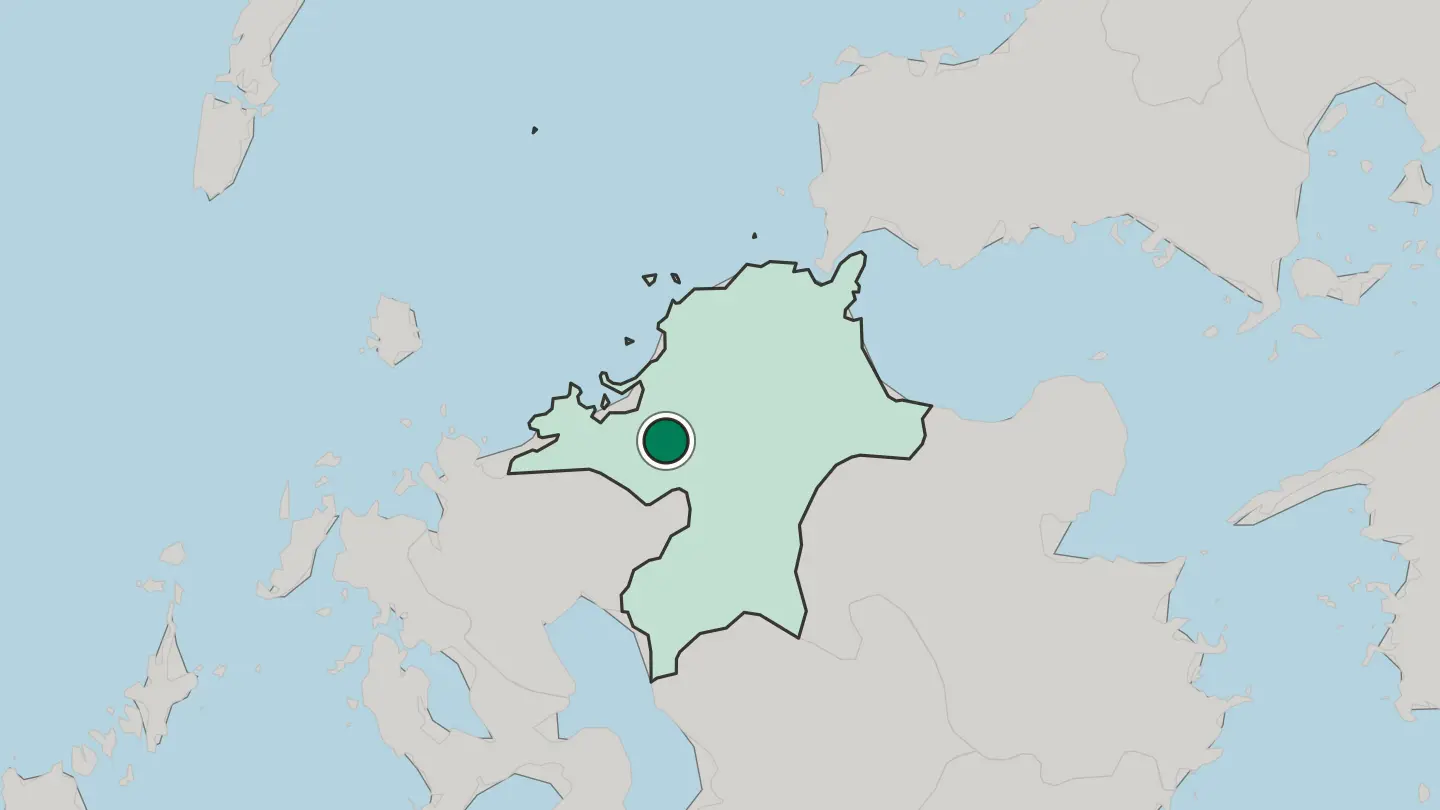 Japan
Japan
Chikushino-shi
Chikushino is a city of Fukuoka Prefecture, Japan, made in 1955, with the Kyushu National Museum and Urano Castle on the register around it.Where to stay →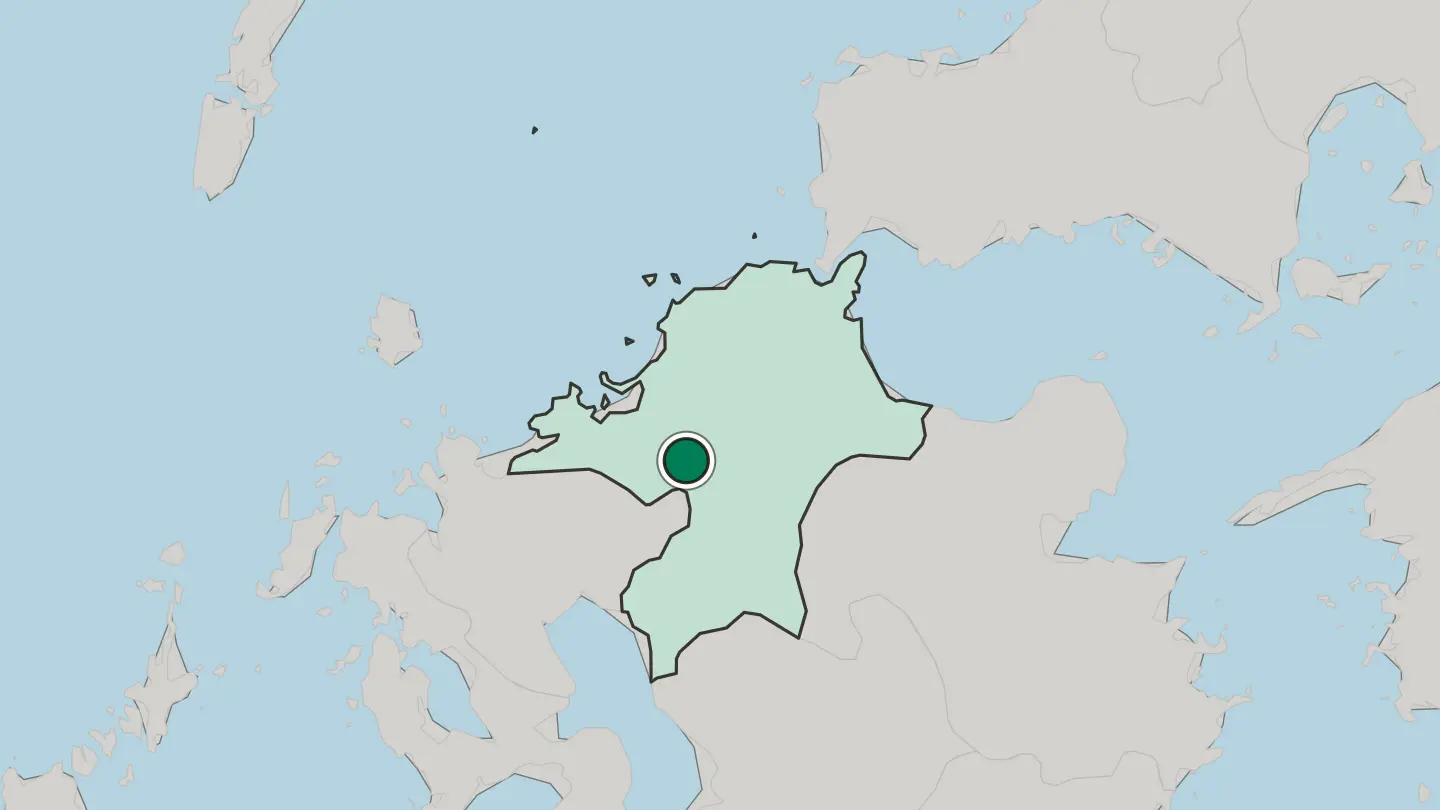 Japan
Japan
Ōnojō
Ōnojō, in Fukuoka Prefecture, Japan, sits on ground holding the Sugu-Okamoto Site, the Kanenokuma Site and the Kokubu Tile Kiln ruins.Where to stay →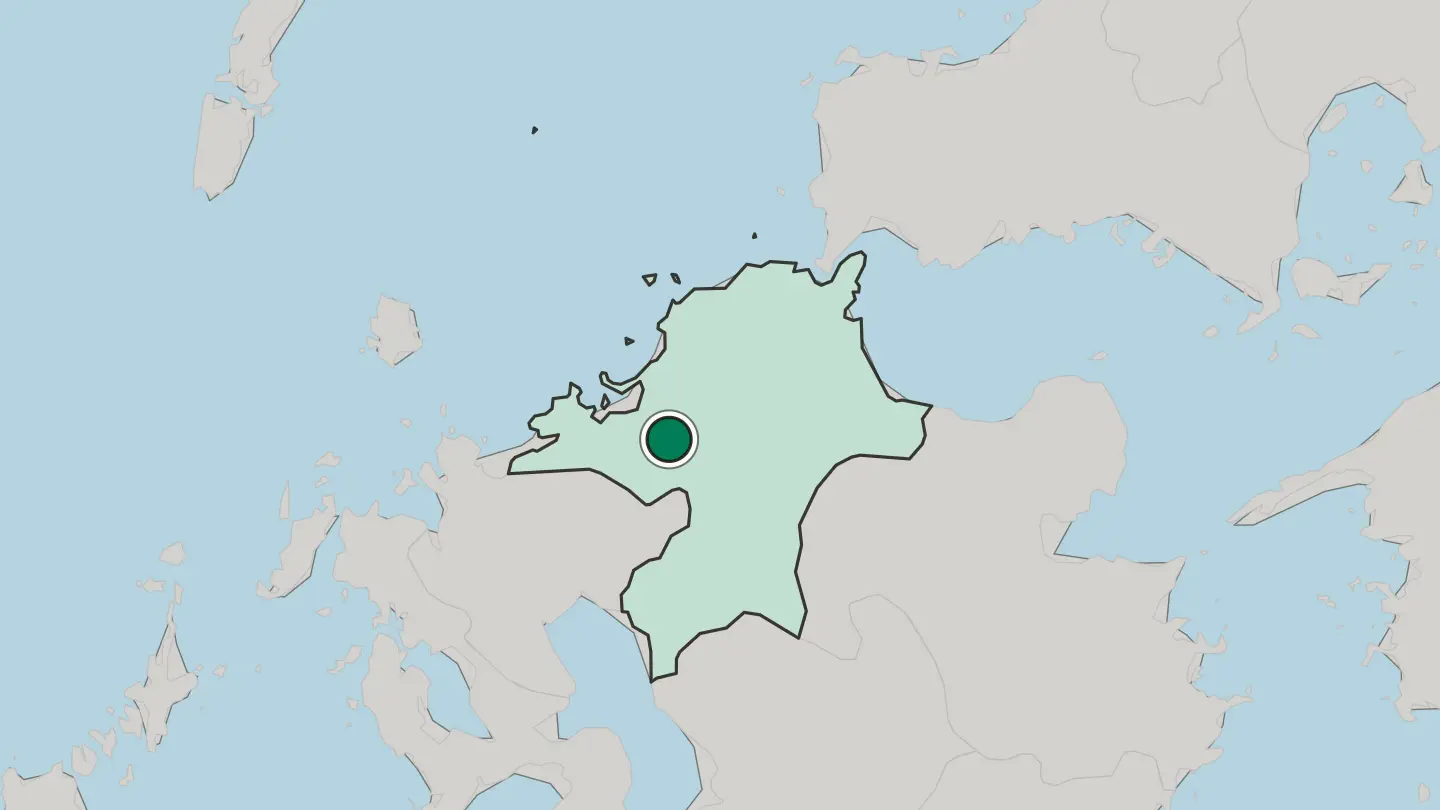
All towns & cities (13)
 Japan
Japan
Dazaifu
Dazaifu is a historic town near Fukuoka in Kyushu, Japan, seat of the great shrine to the god of learning.Where to stay →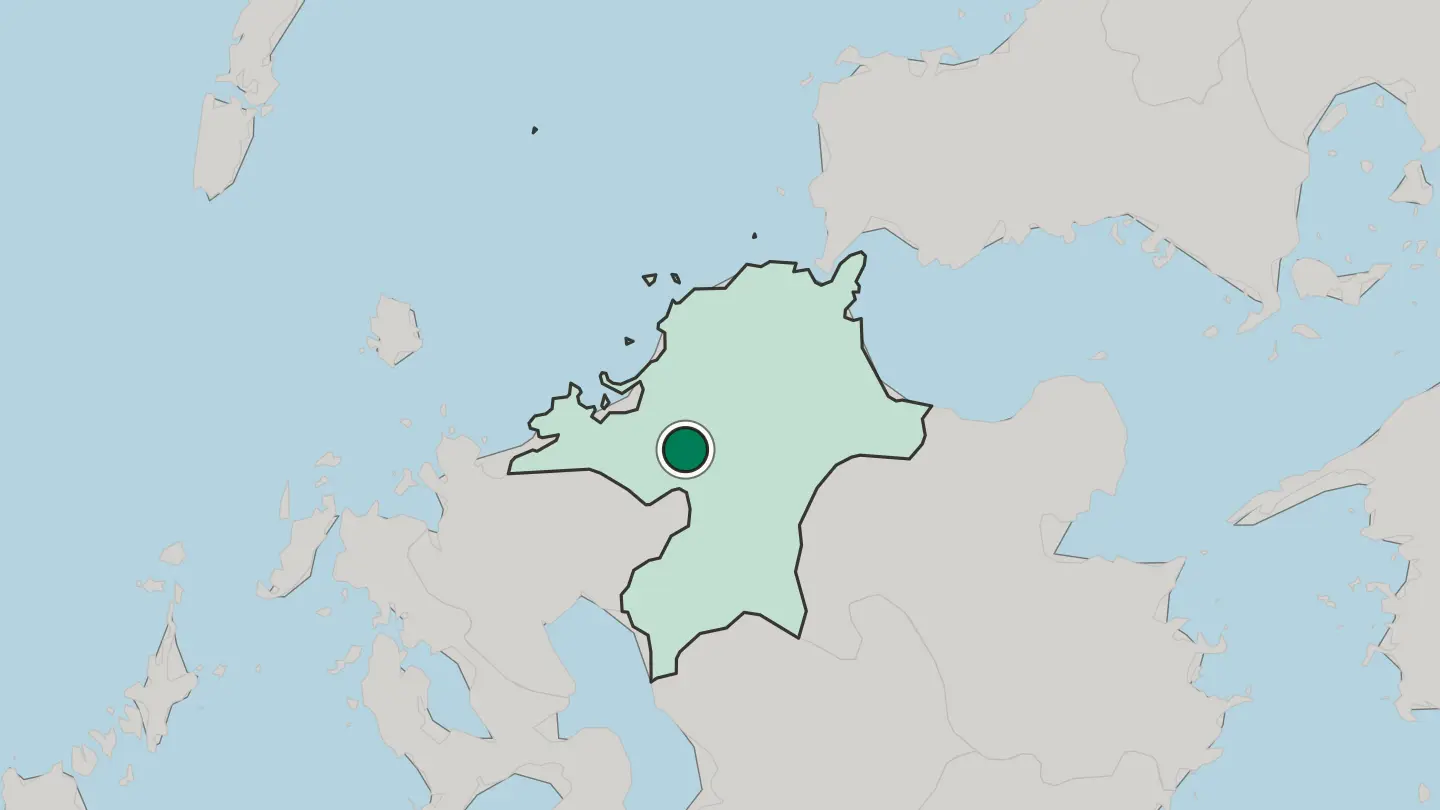 Japan
Japan
Yukuhashi
A Fukuoka Prefecture city in Japan, Yukuhashi carries its past in the Yukuhashi Red Brick Building and the Yukuhashi City Historical Museum.Where to stay →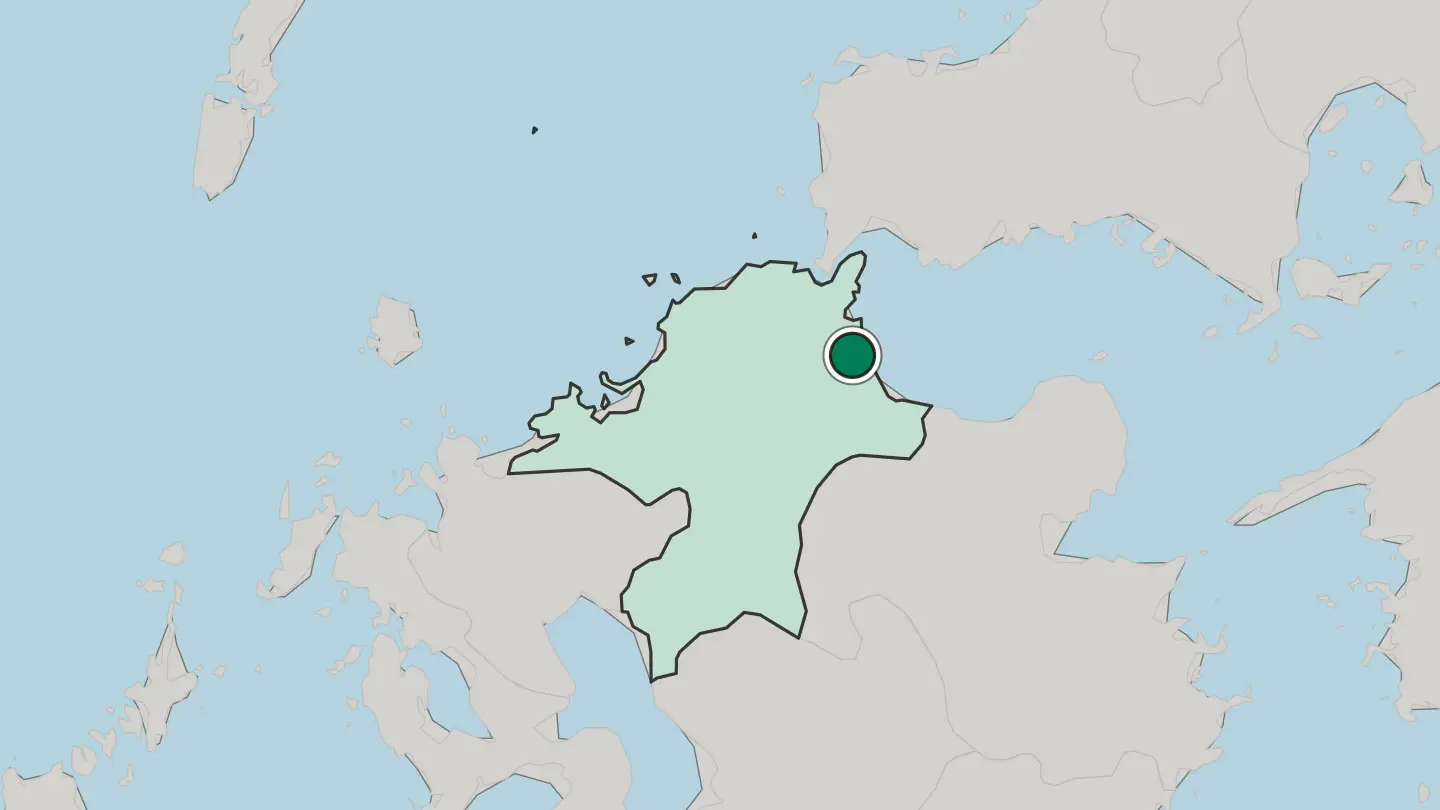 Japan
Japan
Yanagawa
Yanagawa is a city of Fukuoka Prefecture built around its waterways, known in Japan as the City of Water. Hakushū Kitahara was born here.Where to stay →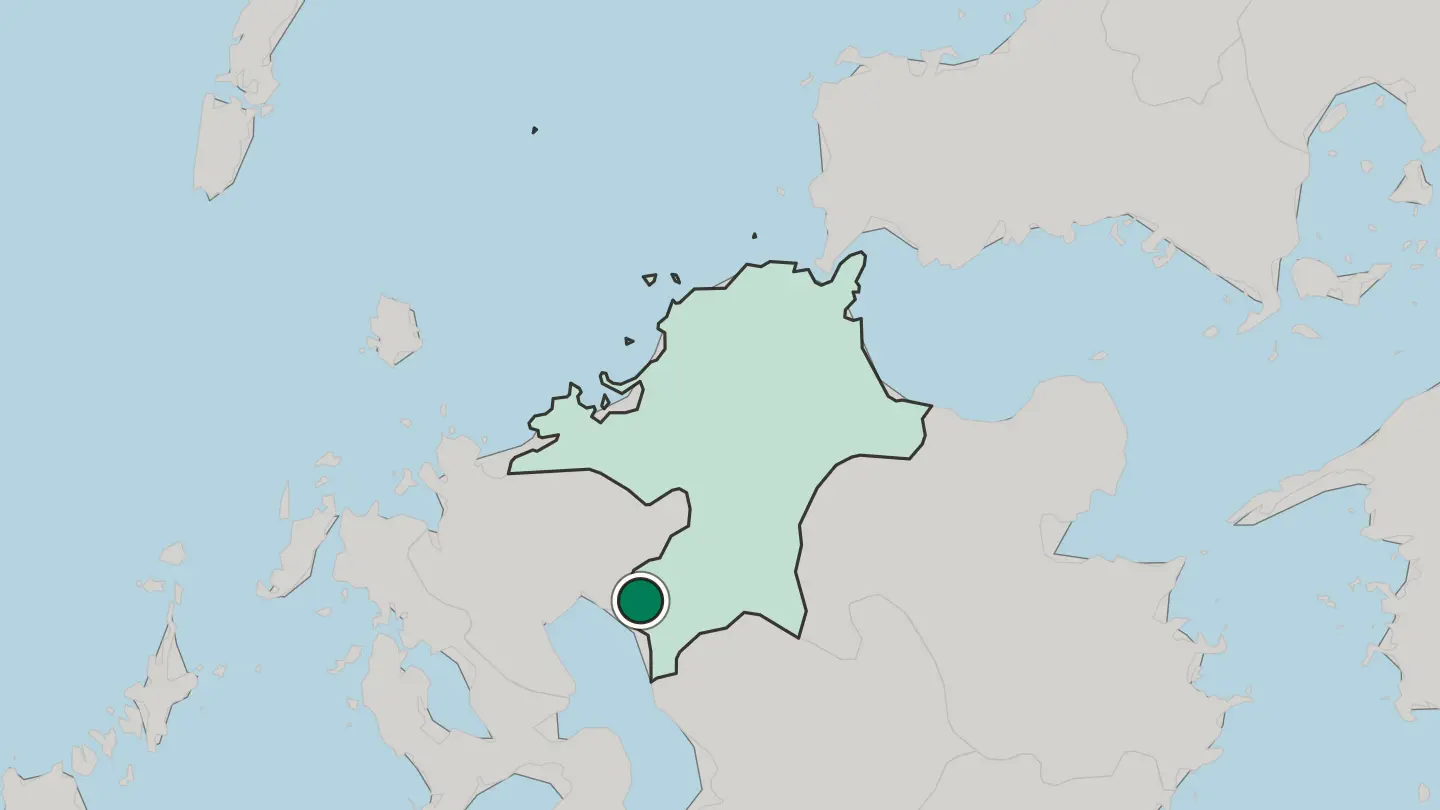
 Japan
Japan
Yame
Yame grows Yamecha, one of Japan's largest tea crops, in a corner of Fukuoka Prefecture. Iwatoyama Kofun is older still.Where to stay →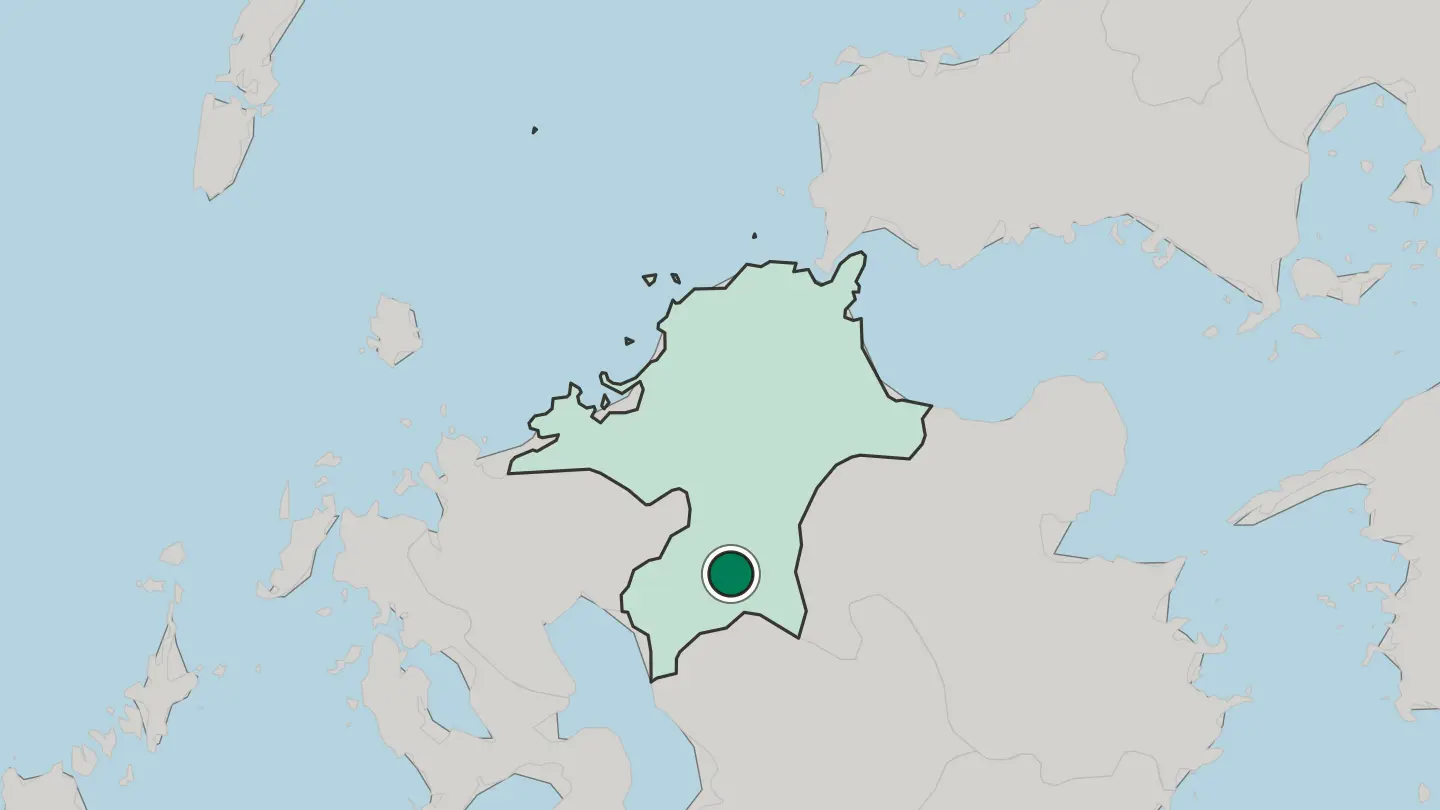 Japan
Japan
Nōgata
Nōgata, a city of Fukuoka Prefecture in Japan, keeps its coalfield record in the Nōgata Municipal Coal Mine Museum and its tulips in April.Where to stay →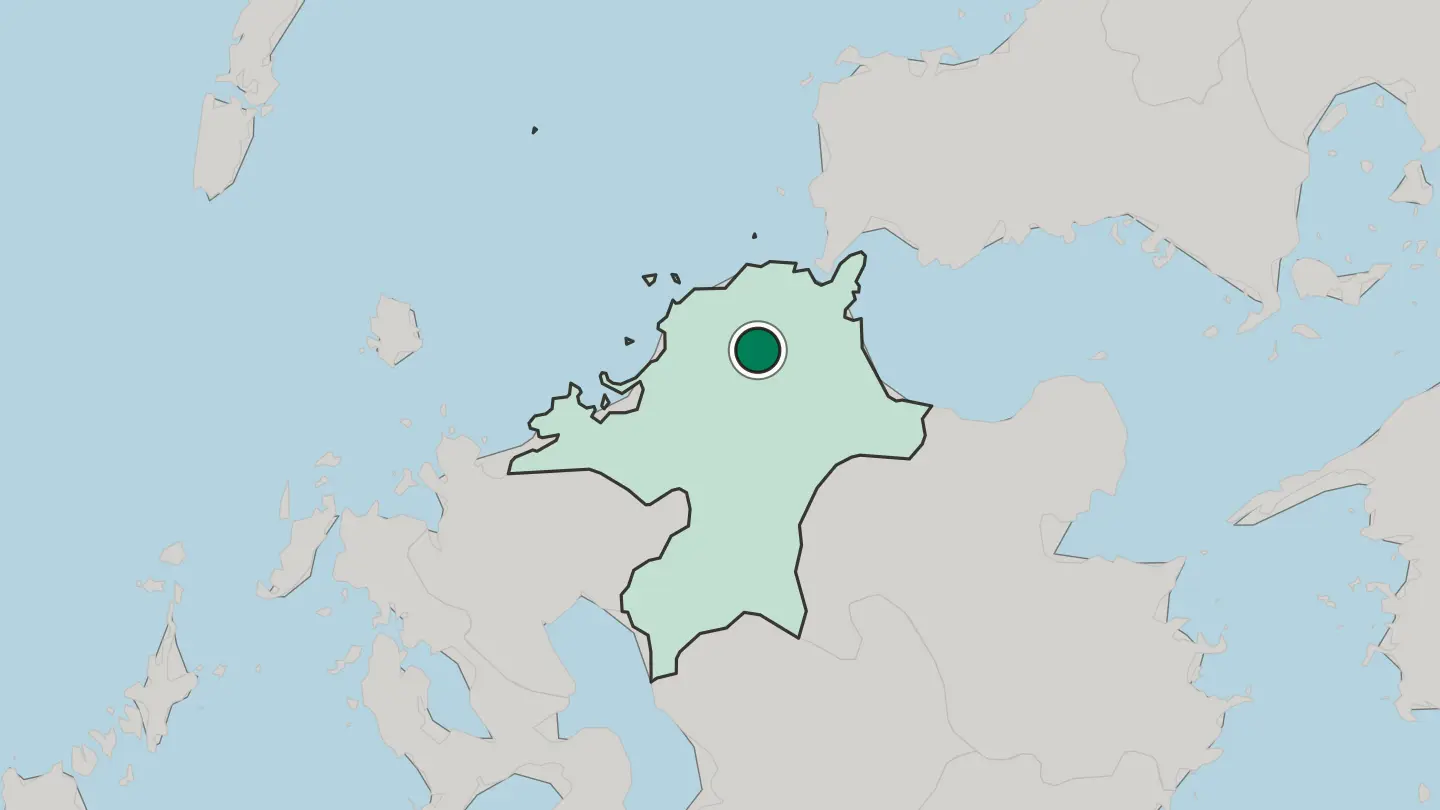
Hotel links are affiliate links: booking through them may earn us a commission, at no extra cost to you. It never affects how places are ranked. How this works
About Fukuoka Prefecture
Two big cities define it.
What is Fukuoka Prefecture known for?
Fukuoka, the largest city on Kyushu, grew from the old merchant port of Hakata and still looks outward toward Korea and China across the Genkai Sea. Kitakyushu, at the strait facing Honshu, carries the region's heavy industry. Food is the other signature.
The pork-bone tonkotsu broth that travelled the world began in Kurume, while open-air yatai stalls still line the river channels of central Fukuoka after dark. Learning has its shrine too. Dazaifu Tenmangu, honouring the scholar-official Sugawara no Michizane, draws pilgrims to its plum-planted grounds.
Where is Fukuoka Prefecture?
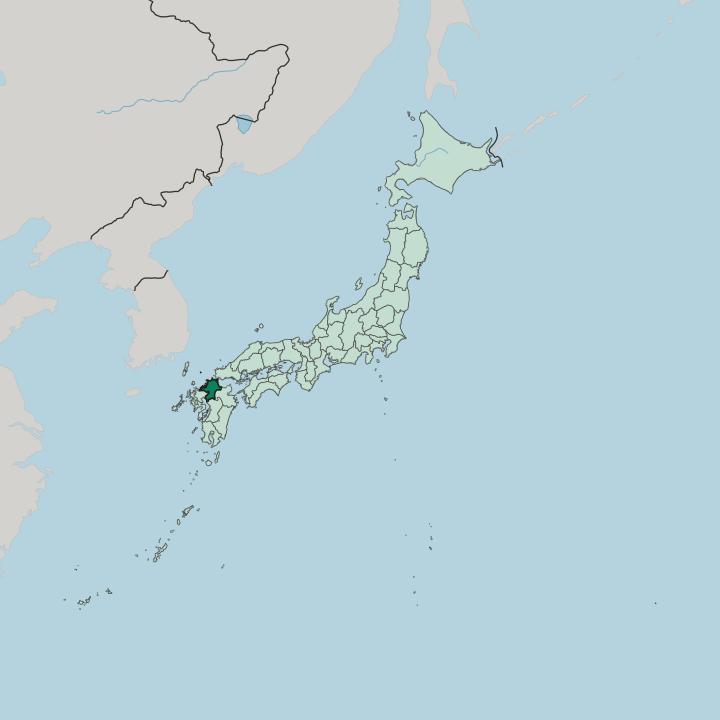
Fukuoka Prefecture fills the northern tip of Kyushu. Three seas wrap its coasts: the Genkai Sea along the northwest, the shallow Ariake Sea reaching in from the south, and the Seto Inland Sea opening to the northeast toward Honshu. Only a strait separates it from Honshu.
At Kitakyushu the land pinches to the narrow Kanmon Straits, the crossing between Kyushu and the main island of Japan. Fukuoka sits on Hakata Bay. Inland, the Chikugo River, the longest on Kyushu, gathers water off the mountains and spreads it across the flat Chikugo plain before draining into the Ariake Sea.
That plain grows the prefecture's rice. Kurume stands on it, upriver from the coast. Low alluvial plains near the Genkai Sea hold most of the towns, and forested hills fill the interior between the river valleys.
The prefecture is closer to Busan in Korea than to much of its own country. Ferries cross that water daily. South and east, ranges of low mountains mark the boundary with Oita and Kumamoto, so the prefecture reads as a broad coastal lowland hemmed by hills on its inland side.
What is Fukuoka Prefecture like?
Fukuoka wears its own identity lightly. Centuries as a trading port, nearer to Korea and China than to the old capitals, gave the region a dialect, a cuisine and a festival calendar that feel distinct from the rest of Japan. The Hakata dialect is part of that.
Summer belongs to the Hakata Gion Yamakasa, when teams race one-tonne festival floats through the streets at dawn. Food carries the same local stamp. Tonkotsu ramen, mentaiko cured from spicy pollock roe, and the nightly yatai stalls are all Fukuoka inventions, eaten standing at a counter or on a stool set by the water.
Crafts run deep as well. Hakata weavers still make the silk Hakata-ori sashes, and Hakata dolls are shaped in fired clay by hand. At Dazaifu, students still buy paper charms at the shrine of Sugawara no Michizane, the courtier the region reveres as the patron of scholarship.
Kitakyushu tells a different story. Its blast furnaces and steel mills built much of modern Japan, and that industrial past feeds a run of factory museums and reclaimed waterfronts along the Kanmon Straits.
What is the history of Fukuoka Prefecture?
The coast here has always watched the sea. In the Nara and Heian eras the Dazaifu government office ran Kyushu and screened all traffic to and from the Asian mainland, making this the empire's front door. Kublai Khan's fleets tried to land at Hakata Bay in 1274 and again in 1281, and both times storms wrecked them.
Defensive walls still trace that shore. The Kuroda lords raised Fukuoka Castle from 1601 and gave the samurai town beside the Hakata merchants its name. The two later merged.
Feudal rule ended in 1871, when the old domains were redrawn into the modern prefecture.
What is the climate of Fukuoka Prefecture?
Winters stay mild here. The prefecture sits in Japan's humid subtropical belt, so summers turn hot and sticky while the cold season rarely bites, tempered by the surrounding seas. A long rainy spell, the tsuyu, soaks the region through June and into July.
Then the typhoons can arrive. Late summer and autumn bring the heaviest storms up from the Pacific, and rain peaks then rather than spreading evenly across the year. Snow is rare on the Genkai Sea coast, though it dusts the inland hills in midwinter.
How do you get to Fukuoka Prefecture?
Most travellers arrive through Fukuoka. Fukuoka Airport sits almost inside the city, two subway stops from Hakata Station, which gives it one of the shortest airport-to-downtown hops of any major Japanese hub. From the same station the Sanyo and Kyushu Shinkansen lines run north under the Kanmon Straits to Honshu and south through the island.
Ferries fill in the rest. Boats cross the Genkai Sea to Busan in Korea, and coastal services link the ports around Hakata Bay. Kitakyushu keeps its own airport too.
Good for
More regions in Japan
Updated September 2026