Japan · Fukuoka Prefecture
Where to Stay in Fukuoka, Fukuoka Prefecture
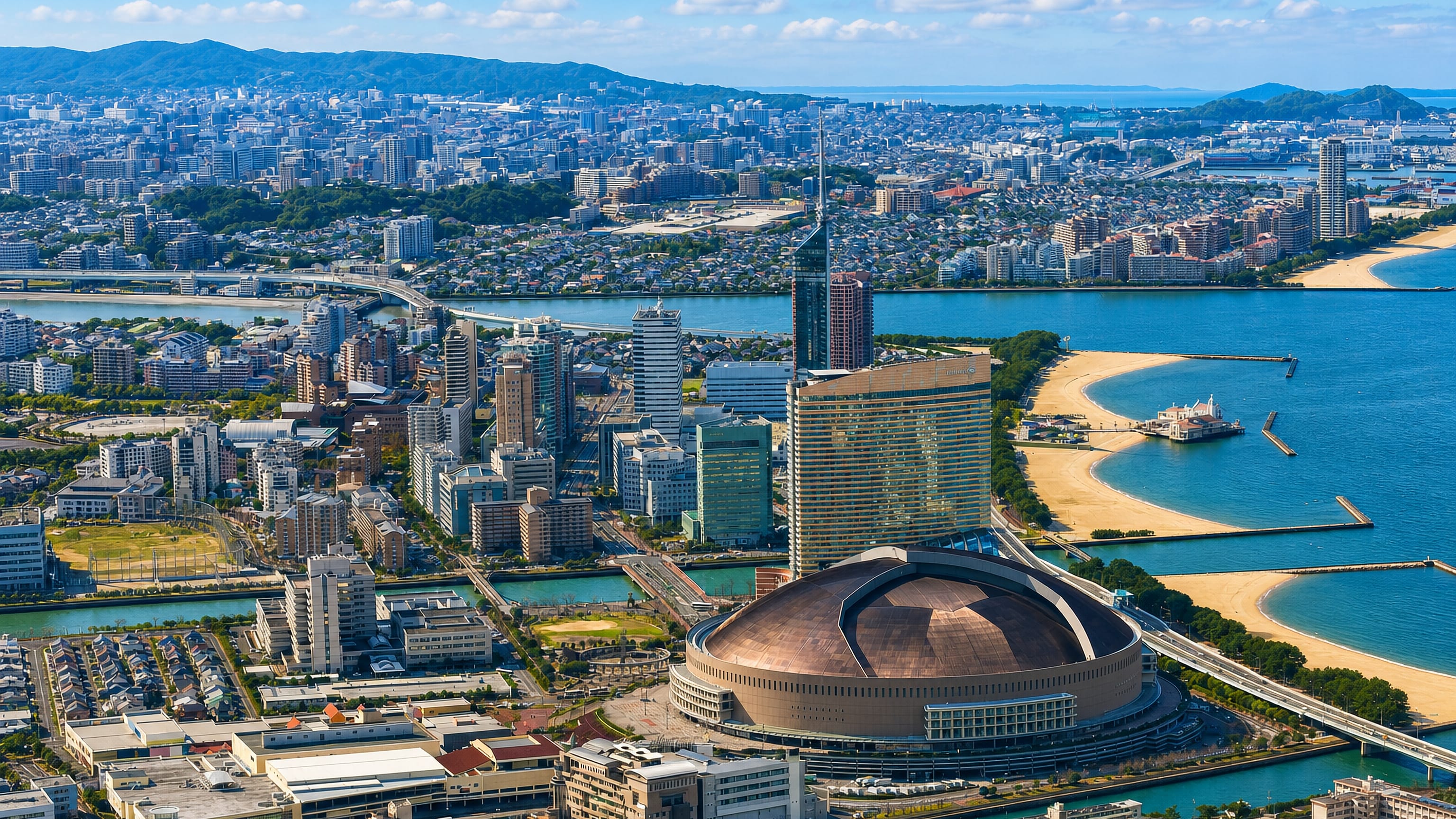
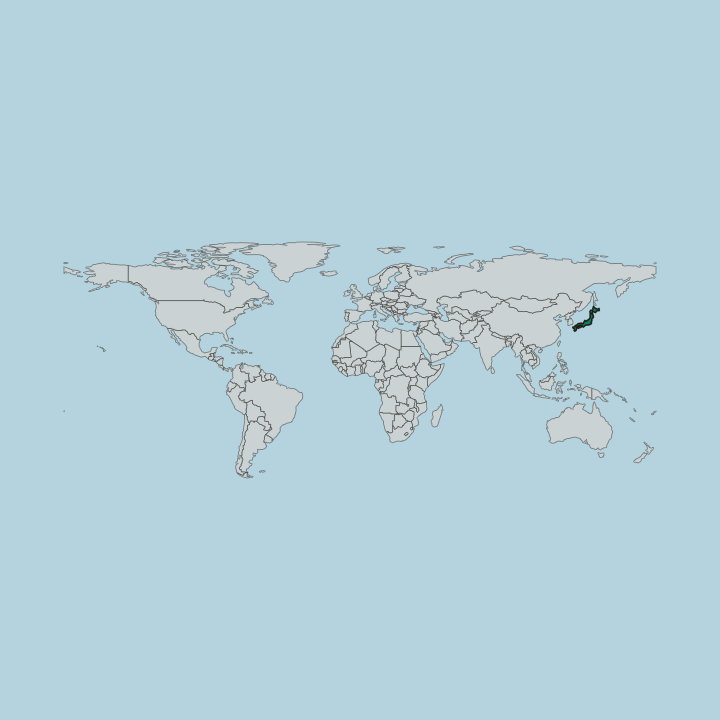
Ferries and container berths line Hakata Bay, the largest city on Kyushu, capital of Fukuoka Prefecture, known for the Hakata quarter and Kushida Shrine.
Hotel links are affiliate links: booking through them may earn us a commission, at no extra cost to you. It never affects how places are ranked. How this works


Where to stay in Fukuoka
Each area has its own feel; here's who each one suits.

 FukuokaJapan
Tenjin
Tenjin is a district of Fukuoka whose two listed addresses are the Fukuoka Prefectural Museum of Art and the Fukuoka City Akarenga Cultural Center.Where to stay →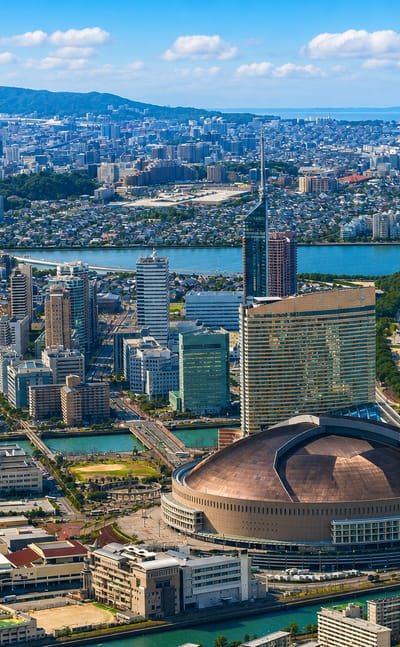 FukuokaJapan
Nishi-nakasu
Nishi-nakasu is a compact Fukuoka district registered as Nishi-nakasu, holding the Former Fukuoka Prefecture Public Hall Distinguished Guest House.Where to stay → FukuokaJapan
Nakasu
Nakasu is an island in Fukuoka City, set between the Naka River and the Hakata River, and the city's entertainment and red-light quarter.Where to stay → FukuokaJapan
Nakasu-nakashimamachi
Nakasu-nakashimamachi is one of Fukuoka's longer district names, written Nakasu-Nakashimamachi, and it covers a correspondingly small piece of the city.Where to stay → FukuokaJapan
Watanabe-dōri
Watanabe-dōri is a named quarter of Fukuoka, the capital of Fukuoka Prefecture and the largest city on the island of Kyushu.Where to stay → FukuokaJapan
Haruyoshi
Haruyoshi is a district of Chuo ward in Fukuoka on the left bank of the Naka, made a Naka district village in 1602 and settled with foot soldiers later.Where to stay → FukuokaJapan
Imaizumi
Imaizumi, or Imaizumi, is a compact quarter of Fukuoka, with Tenjin, Daimyō and Yakuin only a few blocks away.Where to stay → FukuokaJapan
Susakimachi
Susakimachi is a Fukuoka district recorded from 1966, written 須崎町, and marked by the Japan Evangelical Lutheran Hakata Church.Where to stay → FukuokaJapan
Daimyō
Daimyō is a district of Fukuoka registered as Daimyo 1-chome, marked by two churches and a stela to the former Kōyamachi.Where to stay → FukuokaJapan
Komondomachi
Komondomachi is a merchant town of Hakata in Fukuoka whose name has run from the Edo period to the present, and the birthplace of Kawakami Otojiro.Where to stay → FukuokaJapan
Tenyamachi
Tenyamachi is a merchant town of Hakata in Fukuoka whose name records the shops that opened around the fish market of neighbouring Uonomachi.Where to stay → FukuokaJapan
Tsunabamachi
Tsunabamachi, Tsunabamachi in the city register, is a block of Fukuoka marked by the Stela for former Kata-doimachi.Where to stay →All neighbourhoods (105)
 FukuokaJapan
Tsumashōji
Tsumashōji, Tsumashoji in Japanese, is a small district of Fukuoka among machi-named quarters such as Kamiyamachi and Susakimachi.Where to stay → FukuokaJapan
Gionmachi
Gionmachi, written Gionmachi, is a Fukuoka quarter whose stela marks the birthplace of the Kyūshū Railway.Where to stay → FukuokaJapan
Reisenmachi
Reisenmachi is a district of Fukuoka where the Hakata Machiya Folk Museum and the Kushida Ginkgo stand among old street-name stelae.Where to stay → FukuokaJapan
Narayamachi
Narayamachi is a Fukuoka district set down as Narayamachi and marked by two stelae recording the former Saihōjimaemachi and the former Narayaban.Where to stay → FukuokaJapan
Maizuru
Maizuru is a district of Fukuoka registered as Maizuru 1-chome, a compact grid of streets lying between Nagahama and Daimyō.Where to stay → FukuokaJapan
Sumiyoshi
Sumiyoshi, written Sumiyoshi, is the Fukuoka district built around Sumiyoshi Shrine and a protected stand of green space.Where to stay → FukuokaJapan
Kego
Kego is a district of Fukuoka filed as Kego 1-chome, whose single listed building, the Fukuoka Keigo Church, spells the name another way.Where to stay → FukuokaJapan
Yakuin
Yakuin is an inner district of Fukuoka, written Yakuin, hemmed in by the neighbouring blocks of Imaizumi, Kego, and Jōsui-dōri.Where to stay → FukuokaJapan
Kamiyamachi
Kamiyamachi is the district of Fukuoka in which the Fukuoka Kokusai Center stands, and that hall is its one recorded landmark.Where to stay → FukuokaJapan
Nagahama
Nagahama, registered as Nagahama 1-chome, is a quarter of Fukuoka, the Kyushu port city whose ground faces Hakata Bay.Where to stay → FukuokaJapan
Naka-gofukumachi
One monument stands in the record for Naka-gofukumachi: a stela for former Higashimachi, in the Fukuoka quarter written Naka-gofukumachi.Where to stay →FukuokaJapanKami-gofukumachi
Kami-gofukumachi is a Fukuoka quarter written Kami-gofukumachi, and its record holds the Yoshizumi Family Residence and two commemorative stelae.Where to stay →FukuokaJapanTakasago
Takasago is a Fukuoka quarter little more than a kilometre from the middle of the city, ringed by Shirogane, Kiyokawa and Ōmiya on the address plan.Where to stay → FukuokaJapan
Shirogane
Shirogane runs across two chōme of Fukuoka as Shirogane 1-chome and 2-chome, packed in tight against Ōmiya and Takasago.Where to stay → FukuokaJapan
Gokushomachi
Gokushomachi is a district of Hakata ward in Fukuoka named for having prepared the offerings for the Hakozaki Hachimangu, and known as the temple town.Where to stay → FukuokaJapan
Shimo-gofukumachi
In the Fukuoka quarter written Shimo-gofukumachi, the record keeps the Takahashi Family Residence and Shop alongside one stela for former Shimotatechō.Where to stay → FukuokaJapan
Ōmiya
Ōmiya is a named quarter of Fukuoka, the Fukuoka Prefecture capital that grew along Hakata Bay on Kyushu.Where to stay → FukuokaJapan
Akasaka
Akasaka, registered as Akasaka 1-chome, is the quarter of Fukuoka that holds the Kōrokan and the Kōrokan Historical Museum.Where to stay → FukuokaJapan
Kiyokawa
Kiyokawa runs from 1-chōme to 3-chōme at the southeast corner of Chūō-ku in Fukuoka, and it grew out of the Shin-Yanagimachi quarter that was moved here.Where to stay → FukuokaJapan
Taihakumachi
Taihakumachi is a single-name district of Hakata ward in Fukuoka that once held a pleasure quarter, Yanagimachi, named after the Yanagimachi of Kyoto.Where to stay → FukuokaJapan
Nanotsu
Nanotsu enters the register as Nanotsu 1-chome, a numbered block of Fukuoka, the Kyushu city on Hakata Bay in Fukuoka Prefecture.Where to stay →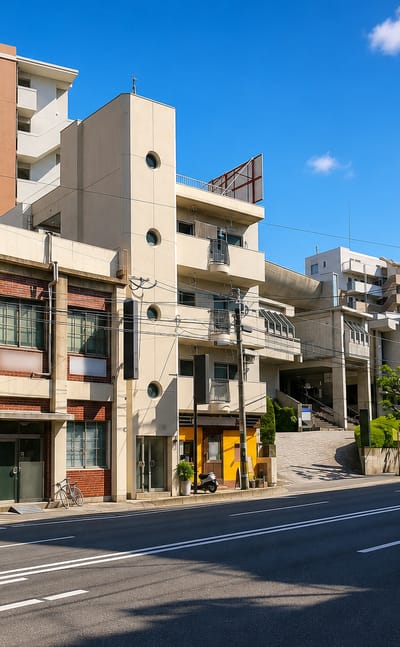 FukuokaJapan
Furukogarasumachi
Furukogarasumachi is a small district of Chūō-ku in Fukuoka, Japan, named for a shrine that left it for Kego Shrine in 1608.Where to stay →FukuokaJapanSekijōmachi
Sekijōmachi, written Sekijomachi, is the district of Fukuoka that holds the Fukuoka Convention Center, in Fukuoka Prefecture on Kyushu.Where to stay →FukuokaJapanChikkō-honmachi
Chikkō-honmachi is a district of Fukuoka recorded as Chikko-honmachi, and the Hakata Port Tower stands on its ground.Where to stay → FukuokaJapan
Jōsui-dōri
Jōsui-dōri is a district of Fukuoka whose single recorded landmark is the Fukuoka Kyudenkinen Gymnasium. The Japanese form is Josui-dori.Where to stay →FukuokaJapanHakata-eki-chūōgai
Hakata-eki-chūōgai, written Hakata-eki-chuogai, is a registered quarter of Fukuoka carrying the Hakata name found across the city.Where to stay → FukuokaJapan
Ōtemon
Ōtemon is a single chōme of Fukuoka registered as Otemon 1-chome and ringed by Minato, Arato and Akasaka.Where to stay →FukuokaJapanGoshogadani
Goshogadani, Goshogadani in Japanese, is a district of Fukuoka, the Kyushu port city that has traded with the Asian mainland since ancient times.Where to stay →FukuokaJapanHiraokamachi
A quarter of Fukuoka on Kyushu, Hiraokamachi appears in the municipal register as Hiraokamachi, its sights left to the wider city.Where to stay → FukuokaJapan
Chiyo
Chiyo, written Chiyo 1-chome, is a Fukuoka quarter holding the Genkō Historical Museum and the Medical Museum of Kyushu University.Where to stay → FukuokaJapan
Sakurazaka
Sakurazaka is a quiet residential quarter of Chuo ward in Fukuoka, near Fukuoka castle and once called Shimo-Kego, its name from a shrine on the slope.Where to stay →FukuokaJapanSansōdōri
Sansōdōri is a district of Fukuoka carried in the register under the official form Sanso-dori 3-chome, and no landmark is filed against it.Where to stay → FukuokaJapan
Minato
Minato is a Fukuoka district recorded under the name 港, a stretch of the city known by its address rather than by any listed sight.Where to stay → FukuokaJapan
Okihamamachi
Okihamamachi, written Okihamamachi, is one of the named quarters on Fukuoka's municipal plan, recorded with no landmark of its own inside it.Where to stay → FukuokaJapan
Minoshima
Minoshima, written Minoshima, is a quarter of Fukuoka, the Kyushu city on Hakata Bay that has drawn traffic across the sea since ancient times.Where to stay → FukuokaJapan
Hakata-eki-higashi
Hakata-eki-higashi is the district behind the Chikushi exit of Hakata station in Fukuoka, laid out on paddies when the station was moved in 1963.Where to stay → FukuokaJapan
Tani
Tani is a district of Chuo ward in Fukuoka named for the steep peaks and valleys that once ran along the lower right bank of the Hii river.Where to stay → FukuokaJapan
Arato
Arato is a chōmei in Chūō-ku, Fukuoka, running from Arato 1-chōme to 3-chōme over about thirty hectares. The Man'yōshū knew the headland here as Aratsu.Where to stay → FukuokaJapan
Katakasu
Katakasu, registered as Katakasu 1-chome, is a block of Fukuoka on Kyushu, with Ishikura-shuzō the one name entered against it.Where to stay → FukuokaJapan
Ropponmatsu
Ropponmatsu is a district of Fukuoka registered as Ropponmatsu 1-chome, known for the Fukuoka City Science Museum standing among its blocks.Where to stay →FukuokaJapanHakata-eki-minami
Hakata-eki-minami is a district of Hakata ward in Fukuoka created when the station was moved and new streets were laid out on the paddies behind it.Where to stay → FukuokaJapan
Aratsu
Aratsu is a district of Chuo ward in Fukuoka made of land filled from the sea between 1938 and 1970, and now the oil terminal of the port.Where to stay →FukuokaJapanŌhori
Ōhori is a residential district of Chūō-ku in Fukuoka, Japan, lying west of Tenjin against Ōhori Park and the Fukuoka Art Museum.Where to stay →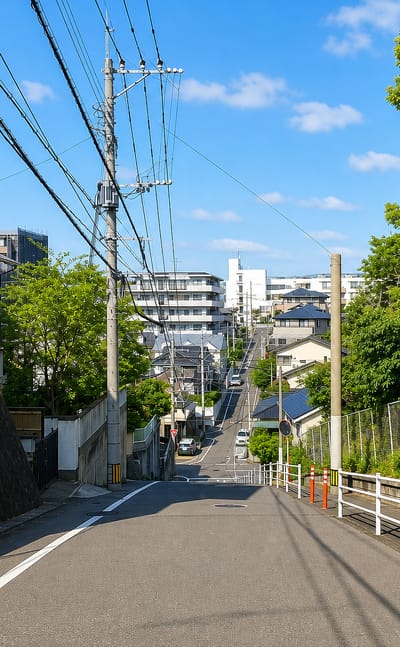 FukuokaJapan
Heiwa
Heiwa is a hillside residential area across Chuo and Minami wards in Fukuoka, laid out in the city's first land readjustment scheme between 1953 and 1964.Where to stay →FukuokaJapanTerukuni
Terukuni is one of the named quarters of Fukuoka, capital of Fukuoka Prefecture, and the city register enters it as Terukuni 1-chome and 2-chome.Where to stay →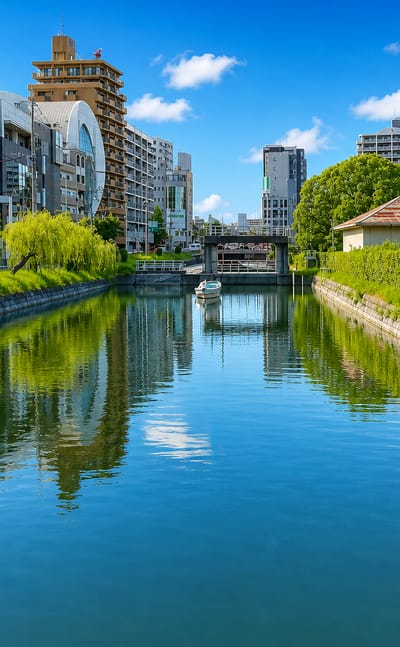 FukuokaJapan
Kuromon
Kuromon is a district of Chūō-ku in Fukuoka, Japan, named for a gate of Fukuoka Castle that stood by the bridge over the Kuromon River.Where to stay →FukuokaJapanHigashihama
Higashihama is a district of Higashi ward in Fukuoka made entirely of reclaimed land, filled from the sea between 1915 and 1994.Where to stay → FukuokaJapan
Kusagae
Kusagae covers two paired chōme of Fukuoka under the address Kusagae 1-chome and 2-chome, close in to Ropponmatsu and Ōhori.Where to stay → FukuokaJapan
Izaki
The Fukuoka address plan files Izaki as Izaki, a small residential quarter among Fukuhama, Tōjinmachi and Arato with nothing listed inside it.Where to stay → FukuokaJapan
Tōjinmachi
Tōjinmachi is a residential district of Fukuoka, filed as Tojinmachi 1-chome, sharing edges with Kuromon, Arato, and Jigyō.Where to stay → FukuokaJapan
Yoshizuka
Yoshizuka is a named quarter of Fukuoka, the designated city on Kyushu whose commerce has crossed Hakata Bay since ancient times.Where to stay →FukuokaJapanBaikōen
Baikōen carries the written form Baikoen on Fukuoka's district roll, with Ropponmatsu and Tani inside a kilometre of it.Where to stay → FukuokaJapan
Fukuhama
Fukuhama is a quarter of Fukuoka in Fukuoka Prefecture, entered on the city register as Fukuhama 1-chome and 2-chome.Where to stay → FukuokaJapan
Imagawa
Imagawa is a district of Fukuoka packed in among Jigyō, Kuromon and Ōhori, with no landmark of its own on the city record.Where to stay → FukuokaJapan
Torikai
Torikai straddles Chūō-ku and Jōnan-ku in Fukuoka, from Torikai 1-chōme to 7-chōme across eighty-three hectares. The Jōnan ward office stands in 6-chōme.Where to stay →FukuokaJapanHakozaki
Hakozaki is a district of Fukuoka built around Hakozaki Shrine, with Najima Bridge and the Kyushu University Museum among its markers.Where to stay → FukuokaJapan
Jigyō
Jigyō is a district of Fukuoka recorded as Jigyo 1-chome, sharing its name stem with neighbouring Jigyōhama a few streets away.Where to stay → FukuokaJapan
Sasaoka
Sasaoka, written Sasaoka, is a named district of Fukuoka whose entry lists neither a landmark nor a founding date.Where to stay → FukuokaJapan
Takeshita
Takeshita, written Takeshita, is a district of Fukuoka whose bounds hold both Kidzania Fukuoka and the Naka Site.Where to stay → FukuokaJapan
Befu
Befu, written Befu, is a district of Fukuoka, the largest city on Kyushu and a port worked from Hakata Bay.Where to stay → FukuokaJapan
Jigyōhama
The Oh Sadaharu Baseball Museum is the single site the record files under Jigyōhama, a district of Fukuoka entered as Jigyohama 1-chome.Where to stay →FukuokaJapanJōsei
Jōsei, written Josei, is a residential quarter of Fukuoka whose one listed address is the Seinan Gakuin University Museum.Where to stay → FukuokaJapan
Akebono
Akebono 1-chome and 2-chome is the register's name for Akebono, a quarter of the port city of Fukuoka on Kyushu.Where to stay → FukuokaJapan
Sohara
Sohara is written Sohara, a district of Fukuoka whose record carries a name and very little else beside it.Where to stay → FukuokaJapan
Momochihama
Momochihama is the district of Fukuoka that carries Fukuoka Tower, together with the Fukuoka City Museum and the Fukuoka Literature Museum.Where to stay → FukuokaJapan
Arae
Arae is a housing quarter of Fukuoka, the largest city on Kyushu, entered in the municipal register as Jonan Ward, Arae housing estate and Arae 1-chome.Where to stay → FukuokaJapan
Shōdai
Shōdai appears on Fukuoka's address roll as Shodai 1-chome, a numbered block with Takatori, Fujisaki and Arae all close by.Where to stay → FukuokaJapan
Hakomatsu
Among the quarters of Fukuoka on Kyushu, Hakomatsu carries the official form Hakomatsu and no separate listing.Where to stay → FukuokaJapan
Takatori
Takatori is a district of Fukuoka, registered as Takatori 1-chome and 2-chome and known for the Isa Family Residence.Where to stay → FukuokaJapan
Momochi
Momochi is a district of Fukuoka set down as Momochi 1-chome, sharing its name with the adjoining Momochihama.Where to stay → FukuokaJapan
Fujisaki
Fujisaki is a district of Sawara ward in Fukuoka built over a Yayoi burial ground on a coastal dune, whose jar graves may number two hundred.Where to stay → FukuokaJapan
Yayoi
Fukuoka's register lists Yayoi as Yayoi 1-chome and 2-chome, a quarter of the Kyushu capital of Fukuoka Prefecture.Where to stay →
 FukuokaJapan
Muromi
Muromi is a district of Fukuoka. The Japanese writing is 室見, and nothing else has been entered against the name apart from its place within the city.Where to stay → FukuokaJapan
Toyohama
Toyohama is a registered residential quarter of Fukuoka, one of the many address units the Japanese city keeps on its municipal plan.Where to stay →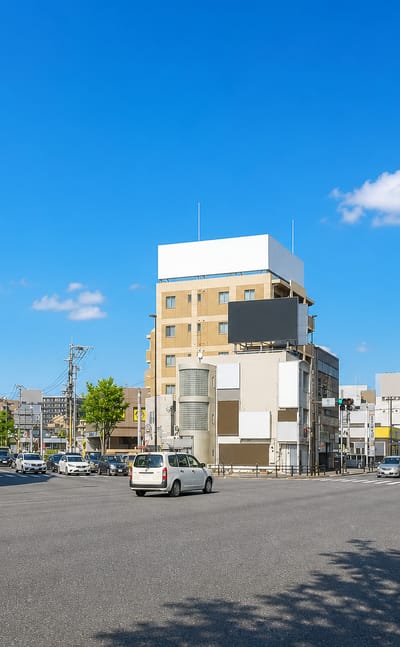 FukuokaJapan
Hara
Hara is a district of Sawara-ku in Fukuoka, Japan, built around the road junction where the old Sawara and Mitsuse highways meet Route 202.Where to stay → FukuokaJapan
Minamishō
Minamisho is a residential district of Sawara ward in Fukuoka between the Muromi and Kanakuzu rivers, whose name records the burning of salt here.Where to stay → FukuokaJapan
Atago
Atago is a district of Fukuoka that lends its name to two neighbours on the city roll, Atagominami and Atago-hama.Where to stay → FukuokaJapan
Atago-hama
Atago-hama is the official name of Nishi-Fukuoka Marina Town, a district reclaimed from Hakata Bay in Nishi-ku, Fukuoka. It runs from 1-chōme to 4-chōme.Where to stay →FukuokaJapanNajima
Najima is a Fukuoka district written 名島, and one structure carries its name in the record: Najima Bridge.Where to stay → FukuokaJapan
Matsuzaki
Under the name Matsuzaki 1-chome, Matsuzaki sits among the quarters of Fukuoka, the Fukuoka Prefecture capital on Kyushu.Where to stay → FukuokaJapan
Atagominami
Atagominami, written Atago-minami in some listings, covers the Atagominami 1-chome and 2-chome blocks of Fukuoka.Where to stay → FukuokaJapan
Wakamiya
Wakamiya is a residential district of Higashi ward in Fukuoka, laid out on the hills of the right bank of the Tatara river.Where to stay →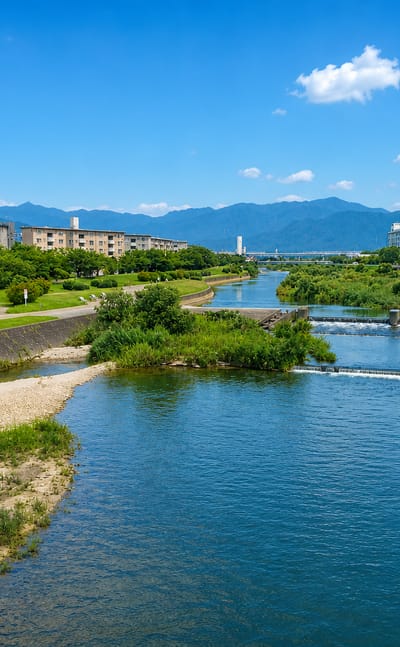 FukuokaJapan
Fukushige
Fukushige is five chōme in Nishi-ku, Fukuoka, 92.63 hectares on National Route 202 and the Muromi River. The Fukuoka Expressway Circular Route runs west.Where to stay → FukuokaJapan
Uchihama
Uchihama, entered as Uchihama 1-chome and 2-chome, is a residential quarter of Fukuoka, some eight kilometres out from the middle of the city.Where to stay → FukuokaJapan
Mizutani
Mizutani, written 水谷, is a district of Fukuoka with one site filed against it: the sports complex スポーツガーデン香椎.Where to stay →FukuokaJapanKashii-hama
Kashii-hama is a district of Higashi ward in Fukuoka made entirely of land filled from Hakata Bay between 1969 and 1976.Where to stay → FukuokaJapan
Odo
Odo is one of the districts Fukuoka files by name, written 小戸 in Japanese. No landmark stands against it.Where to stay →FukuokaJapanMinato-kashii
Minato-kashii is the port half of Fukuoka Island City, the island raised in Hakata Bay off Higashi-ku: 204.13 hectares of quays from September 2003.Where to stay →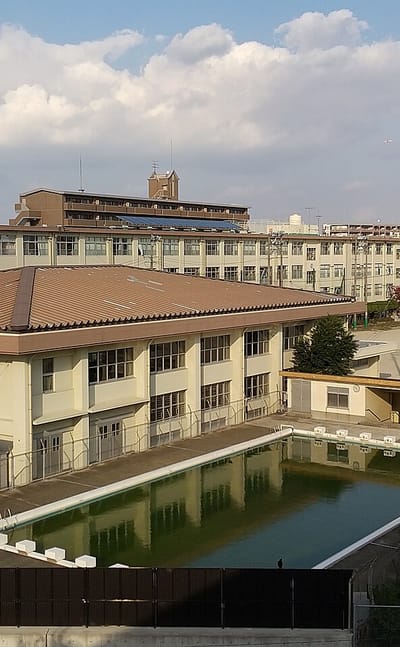 FukuokaJapan
Shimo-yamato
Shimo-yamato is a district of Nishi-ku in Fukuoka, Japan, on the Jūrō River, the lower half of a medieval manor whose upper half is still its neighbour.Where to stay → FukuokaJapan
Kashii-teriha
Kashii-teriha, written Kashii-teriha, is an address quarter of Fukuoka, the port city on Hakata Bay in Fukuoka Prefecture.Where to stay → FukuokaJapan
Ikinomatsubara
Ikinomatsubara names a district of Fukuoka, the Kyushu port city that serves as capital of Fukuoka Prefecture.Where to stay →FukuokaJapanKasumigaoka
A university museum marks Kasumigaoka. The Fukuoka district writes itself Kasumigaoka and carries the Museum of Kyushu Sangyo University.Where to stay →Hotel links are affiliate links: booking through them may earn us a commission, at no extra cost to you. It never affects how places are ranked. How this works
Find hotels in Fukuoka
Direct booking searches for these neighbourhoods.
Hakata port quarter
The old merchant streets around Kushida Shrine and the Hakata Machiya Folk Museum meet the main station and the bay berths.Find hotels in Hakata port quarterParks and art hallsWestern castle grounds
The Fukuoka Art Museum and the Fukuoka City Science Museum sit among the parks of the old castle side.Find hotels in Western castle groundsHarbour views and the ferry pierBay waterfront
The Hakata Port Tower marks the waterfront where the harbour opens onto Hakata Bay.Find hotels in Bay waterfrontHotel links are affiliate links: booking through them may earn us a commission, at no extra cost to you. It never affects how places are ranked. How this works
Things to do in Fukuoka
Ranked by global recognition; descriptions from Wikidata (CC0).
Museums & Galleries
3- Fukuoka Art Museum
- Genkō Historical Museum
- Fukuoka Prefectural Museum of Art
Churches & Religious Sites
3- Fukuoka Keigo Church
- Fukuoka Chūbu Church
- Fukuoka International Church
Castles & Historic Sites
3- Kōrokan Heritage
- Hie Site Heritage
- Hakata Site Heritage
Stadiums & Sports
3- Fukuoka Convention Center
- Fukuoka Kokusai Center
- Fukuoka Kyudenkinen Gymnasium
Parks & Gardens
2- Fukuoka Municipal Zoo and Botanical Garden
- Kidzania Fukuoka
Landmarks & Notable Places
3- Najima Bridge Heritage
- Fukuoka City Sewerage Museum
- Hakata History Museum
worth knowingacross 6 categories in Fukuoka
About Fukuoka
What is Fukuoka known for?
Fukuoka is known as the largest city on Kyushu, a historic port on Hakata Bay and the nearest of Japan's main-island cities to the Asian mainland. Trade shaped it early. Merchants and envoys crossed from the continent through the old Hakata quarter, and the reception hall of the Kōrokan once received them by the shore.
As the capital of Fukuoka Prefecture, it keeps a distinctive dialect and cuisine of its own, along with the Fukuoka Art Museum, the Hakata Machiya Folk Museum, and a port life still centred on Hakata Bay.
What are the main landmarks in Fukuoka?
Kushida Shrine is the historic heart of the Hakata quarter, the shrine whose Kushida Ginkgo has stood in its precinct for generations. Old and new sit close. The reception hall of the Kōrokan and the Hakata Machiya Folk Museum record the port's continental trade, while the Fukuoka Art Museum and the Fukuoka Prefectural Museum of Art keep its collections.
Down at the harbour a marker rises. The Hakata Port Tower stands over the piers on Hakata Bay, near the Genkō Historical Museum that recalls the medieval sea defences of the coast.
What is the history of Fukuoka?
Fukuoka grew from the ancient port of Hakata on Hakata Bay, the nearest landing of Japan's main islands to the Asian mainland and a centre of continental trade since early times. Settlers reached the area in the Yayoi period, and the shore later received envoys and merchants at the reception hall of the Kōrokan. Trade came by sea.
The old Hakata quarter around Kushida Shrine handled the goods and travellers crossing from the continent for centuries. The coast also faced invasion, and the medieval sea defences remembered in the Genkō Historical Museum were raised against fleets from across the water. In 1889 the merchant town of Hakata and the samurai castle town on the western bank joined as the single modern city, taking the castle side's name of Fukuoka.
Two towns became one. Distance from Kyoto, Osaka, and Edo let the port keep a dialect and culture of its own, a Kyushu identity that the Hakata Machiya Folk Museum still records along the shore of Hakata Bay.
Where is Fukuoka?
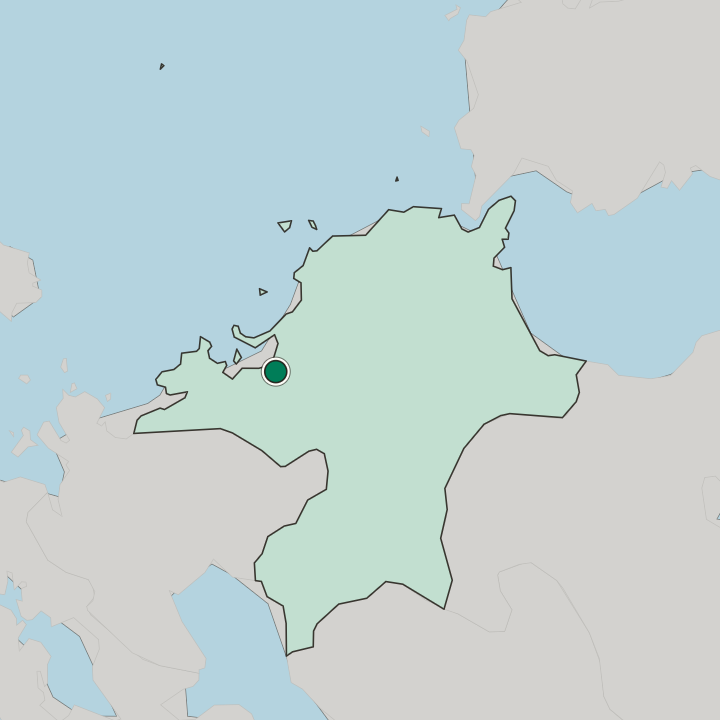
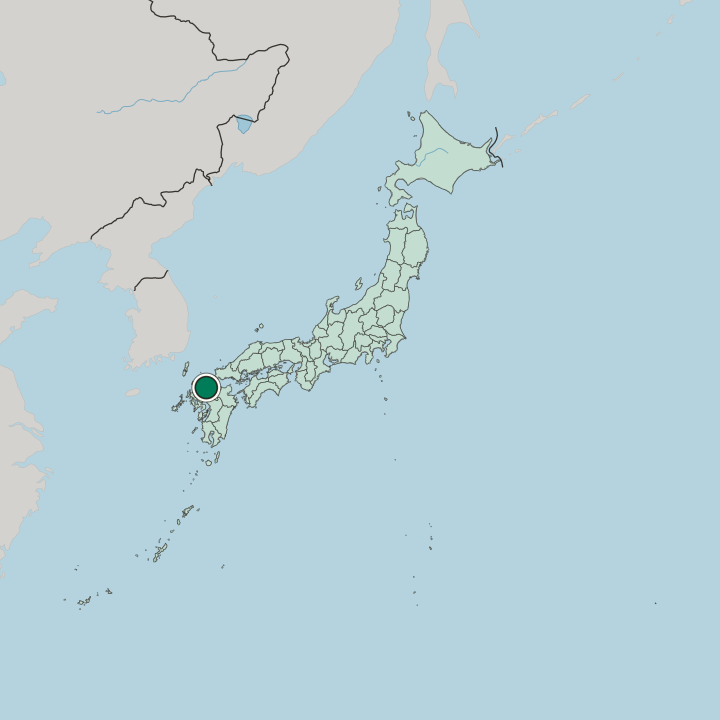
Fukuoka lies along the shores of Hakata Bay on the northern coast of Kyushu, the capital of Fukuoka Prefecture and the largest city of the island. The built-up area spreads across a coastal lowland that a river once split into two towns, opening north onto the sheltered bay and its islands. Low hills frame the plain.
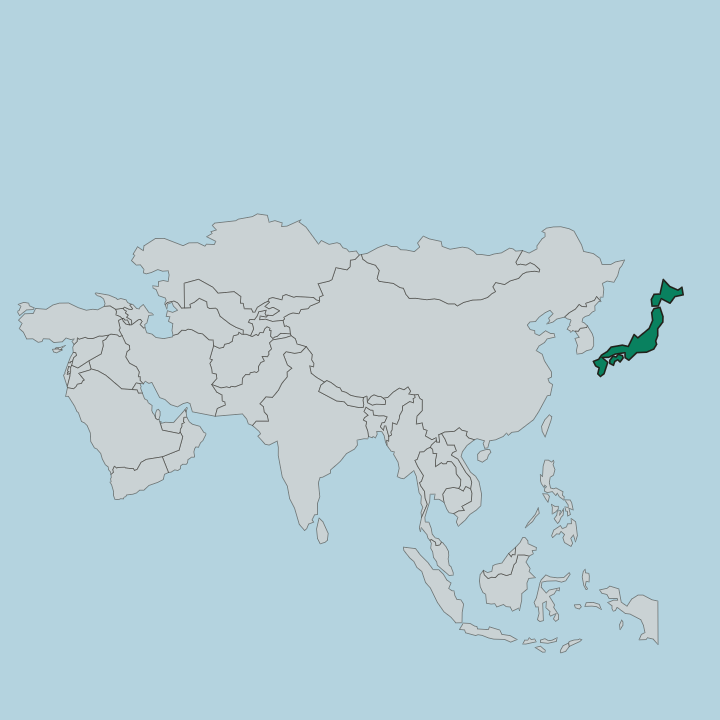
Facing the Asian mainland across the sea, it holds the closest large-city landing among Japan's main islands to the continent.
What is the climate of Fukuoka?
Fukuoka has a warm, humid climate tempered by its place on Hakata Bay on the north coast of Kyushu. Summers turn hot and muggy. The rainy season and the late-summer typhoon months bring the heaviest rain to the bay shore, and warm currents keep the coast mild well into autumn.
Winters stay mild and often grey, with wind and rain off the sea and only rare snow settling on the lowland around Hakata Bay.
How do you get to Fukuoka?
Fukuoka sits at the western end of the main bullet-train line, the fast rail link between Kyushu and the cities of Honshu to the east. Trains terminate at Hakata. The port on Hakata Bay runs ferries to the nearby islands and across to the Asian mainland, while a subway network links the station, the harbour, and the western museum grounds.
Buses and rail fan out from the Hakata quarter to the shrine precincts and the waterfront around the Hakata Port Tower.
Common questions
What is the best area to stay in Fukuoka?
Hakata port quarter: Station, shrine, and ferries. Western castle grounds: Parks and art halls. Bay waterfront: Harbour views and the ferry pier.
Good for
More cities in Fukuoka Prefecture
Updated October 2026