Japan · Fukuoka Prefecture · Fukuoka
Higashihama, Fukuoka — Area Guide & Where to Stay
Higashihama is a district of Higashi ward in Fukuoka made entirely of reclaimed land, filled from the sea between 1915 and 1994.
Hotel links are affiliate links: booking through them may earn us a commission, at no extra cost to you. It never affects how places are ranked. How this works


Where to stay in Higashihama
How the choice of base plays out on the ground.
This is a working port rather than a place to walk. Quays on the west of the district handle sand and gravel, cement and steel, and liquefied petroleum gas, with port facilities and factories on the ground behind them. Roads reach it directly.
A ramp of the Fukuoka expressway inside the wharf connects to the Kyushu expressway and the airport, which is why sea and land transport work together here. Shops and flats stand along national route 3.
About Higashihama
What are the main landmarks in Higashihama?
The approach to Hakozaki-gu crosses the district's northern corner. That stretch, together with the parts in Hakozaki and Maidashi, is treated in the city plan as a historic landscape zone, which is unusual ground to find inside a wharf. The rest is industrial by designation.
The whole district is zoned for industry, and the second chome and part of the first also fall inside the port district under the port and harbour law. One block has its own rules. About five hectares of the first chome are governed by a district plan that sets a minimum plot size, so the large sites are not broken up into poor streets.
What is the history of Higashihama?
Hakata became a treaty port on 4 August 1899. Ships grew larger and cargo increased after that, and the port was expanded by filling public water at the Hakata anchorage, the central wharf and below Nishi park. Higashihama took much longer.
Filling between the mouths of the Ishido and the Najima rivers began in 1916 and stopped several times, so the ground was still waste around 1950. A sugar refinery changed the plan. Kyushu Sugar Refining moved in during 1962, which prompted a scheme for a coastal industrial belt and led to the intensive use of Higashihama that followed.
Two licences ran side by side. One zone was licensed in 1959 and finished in 1960 and 1961, another had been licensed as far back as 1943 and was finished in 1961 and 1964, and works for gas and food, for cement and for feed moved onto the made ground. Coal went out from a wharf here.
The Kasuya coalfield behind Hakata sent its output by sea from a dedicated berth, and the city's first five-year port plan of March 1960 set the pattern for the rest.
Where is Higashihama?
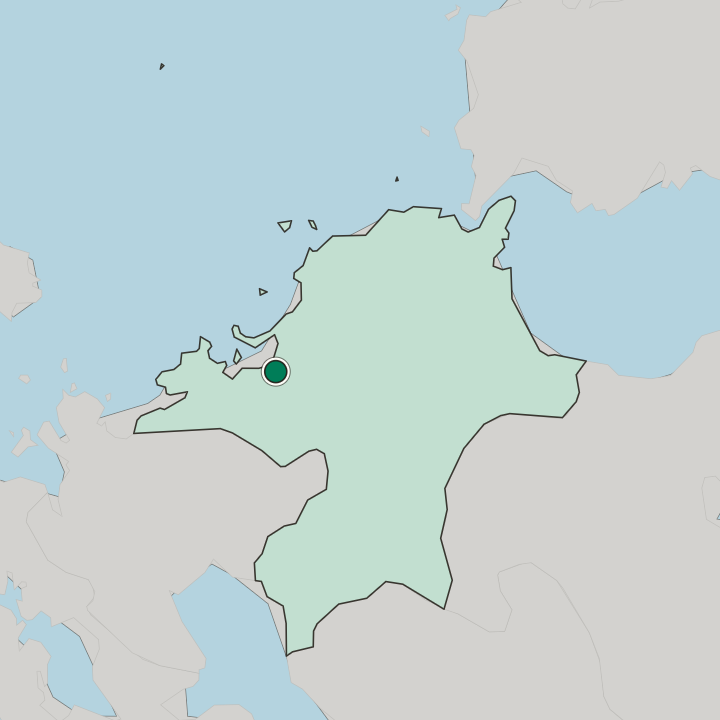
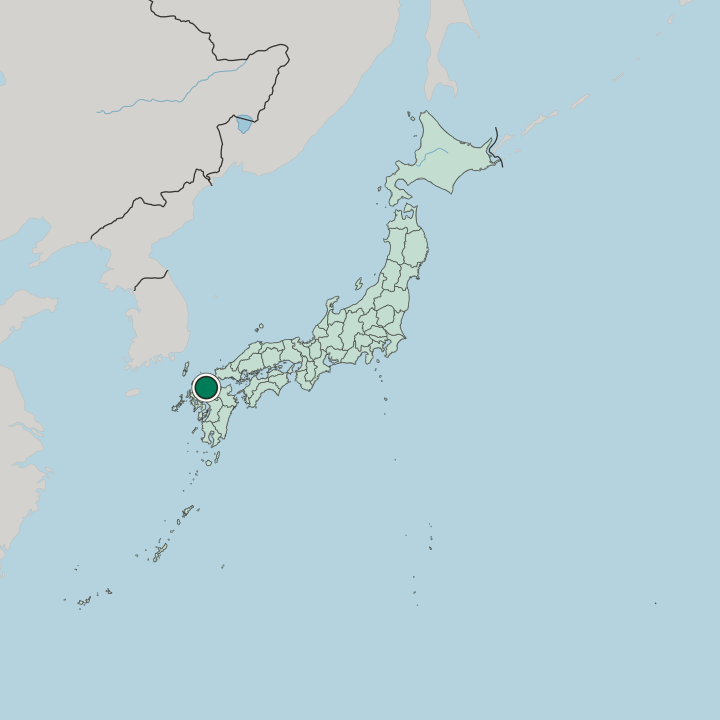
Higashihama covers about ninety-seven hectares of reclaimed land in the south of Higashi ward in Fukuoka, facing Hakata Bay on three sides, with Hakozaki to the north-east, Maidashi to the east and the mouth of the Mikasa river to the south.
More areas in Fukuoka
Updated September 2026