Japan · Fukushima-ken
Where to Stay in Fukushima, Fukushima-ken
Fukushima is the capital of Fukushima Prefecture, a city of the Fukushima Basin whose orchards carry peaches, pears and persimmons.
Hotel links are affiliate links: booking through them may earn us a commission, at no extra cost to you. It never affects how places are ranked. How this works


Where to stay in Fukushima
The practical side of choosing where to sleep.
A central room answers most of the question. The Fukushima Prefectural Museum of Art, the Fukushima City Museum of Photography and the Fukushima Prefectural Archives all belong to the capital's built-up middle, and Komu Komu sits in the same walkable spread for anyone travelling with children. Evenings need less planning than days.
Being the seat of Fukushima Prefecture keeps the centre supplied with rooms, food and late trade in a way an ordinary city of the Nakadōri would struggle to match. The Former Hirose-za Theater marks the older grain. A theatre building of that age gives the streets around it a character the newer blocks lack entirely.
Orchard ground argues for the outskirts. Beds towards the rim of the Fukushima Basin put peaches, pears and persimmons at the door in season and take the museums out of walking range, which is the trade this city asks a visitor to weigh. Archaeology sits out there too.
The Miyahata Site and the Wadai Site occupy ground well away from the centre, the Shimotoriwata Memorial Stele belongs to the same scattered inheritance, and none of the three suits a stay chosen for its restaurants. One night in the middle covers the capital. A week in the basin covers the fruit, the sites and the surrounding country that Fukushima administers from its centre.
Find hotels in Fukushima
Direct booking searches for these neighbourhoods.
The prefectural centre
Capital blocks where the Museum of Art, the Archives and Komu Komu stand within one walkFind hotels in The prefectural centreEvenings near the Former Hirose-za TheaterThe Hirose-za streets
The older entertainment grain of the capital, held by a surviving theatre building. Beds are limited here, so book early.Find hotels in The Hirose-za streetsPeach and persimmon season around the Fukushima BasinThe orchard rim
Fruit ground on the basin floor, out where the orchards replace the streets. Few places to stay nearby — book ahead.Find hotels in The orchard rimHotel links are affiliate links: booking through them may earn us a commission, at no extra cost to you. It never affects how places are ranked. How this works
About Fukushima
Peaches carry the reputation.
What is Fukushima known for?
Fruit growing in the Fukushima Basin gives this city a name that travels further than its administrative role as capital of Fukushima Prefecture ever has, and pears, apples and persimmons follow the peaches through the growing year. Culture answers in the built-up middle. The Fukushima Prefectural Museum of Art and the Fukushima City Museum of Photography take the two halves of the visual record, while the Fukushima Prefectural Archives keep the documents and Komu Komu takes the children.
What are the main landmarks in Fukushima?
Eight entries, no single monument. The Fukushima Prefectural Museum of Art carries the most weight, with the Fukushima City Museum of Photography and the Fukushima Prefectural Archives completing an institutional trio that suits a prefectural capital. Komu Komu works for families.
The Former Hirose-za Theater is the one old building on the list, and the Miyahata Site, the Wadai Site and the Shimotoriwata Memorial Stele put the rest of the record out on open ground.
What is the history of Fukushima?
Excavated ground opens the record. The Miyahata Site and the Wadai Site show that the floor of the Fukushima Basin was worked long before any administration existed to name it, and both lie away from the modern streets that grew up over the rest of that ground. The Shimotoriwata Memorial Stele stands in the same landscape.
A stele of that kind fixes a memory in stone rather than in an archive, which is the older way of keeping a record here. Fukushima City dates from 1907. City status in that year confirmed a settlement of the Nakadōri as the administrative centre of Fukushima Prefecture, and every prefectural institution that followed reinforced the choice.
Entertainment came with the trade. The Former Hirose-za Theater survives from that stage of the town, when a growing capital could support a theatre of its own alongside the offices and the markets. Fruit growing ran in parallel throughout.
Orchards of peaches and persimmons, joined by pears and apples, made the basin productive in a way that administration never could, and the Fukushima Prefectural Museum of Art, the Fukushima City Museum of Photography and the Fukushima Prefectural Archives came much later, once the city had a record worth housing.
Where is Fukushima?
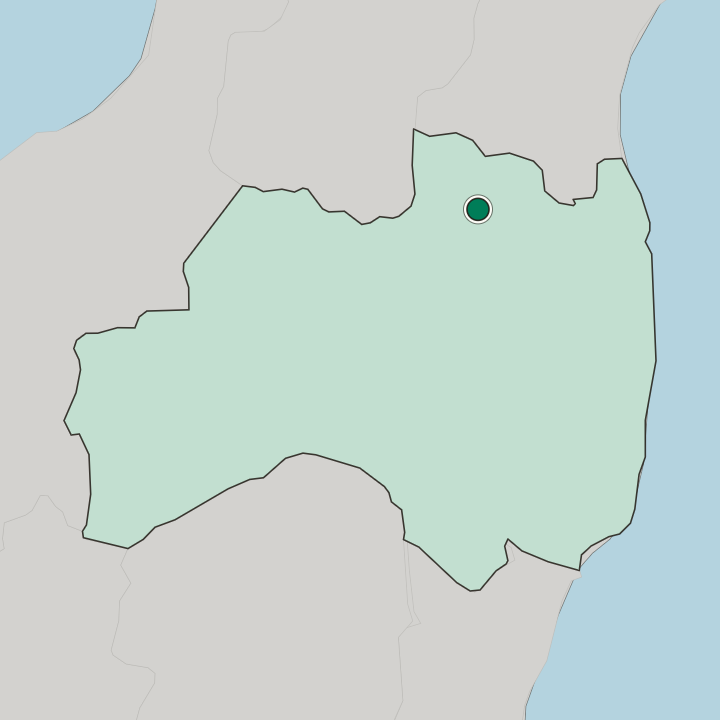
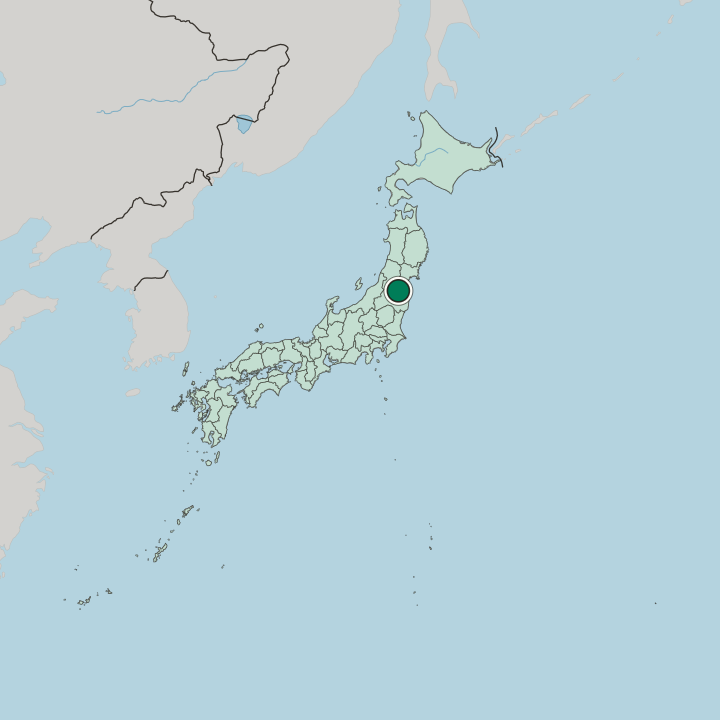
The Fukushima Basin holds the city, and the municipality reaches well past the built-up floor into the higher country around it, which is why orchards, open farmland and two excavated sites all fall inside the same boundary. Honshu supplies the frame. Fukushima belongs to the Nakadōri, the central region of the prefecture, and the basin is what a visitor actually sees from any road into town.
What is the climate of Fukushima?
The Fukushima Basin does the work. Enclosed ground of that shape builds real heat through the summer and holds the cold once winter settles into it, and that annual swing is exactly what peaches and persimmons need to ripen properly. Fruit follows the calendar closely.
Late summer is the season the orchards are picked, while the museums of the centre make better use of a wet or cold day.
How do you get to Fukushima?
Being the prefectural capital does the work here, since routes through the Nakadōri converge on Fukushima rather than pass it by, and arrival puts a visitor within reach of most of the city's institutions immediately. Distances in the middle stay short. Walking links the Fukushima Prefectural Museum of Art, Komu Komu and the Fukushima Prefectural Archives without difficulty.
Reaching the Miyahata Site or the Wadai Site out on the basin floor takes transport and a plan.
Common questions
What is the best area to stay in Fukushima?
The prefectural centre: Museum days across the Fukushima Prefectural Museum of Art and the Prefectural Archives. The Hirose-za streets: Evenings near the Former Hirose-za Theater. The orchard rim: Peach and persimmon season around the Fukushima Basin.
Good for
More cities in Fukushima-ken
Updated September 2026