Japan
Fukushima-ken, Japan — Towns & Travel Guide
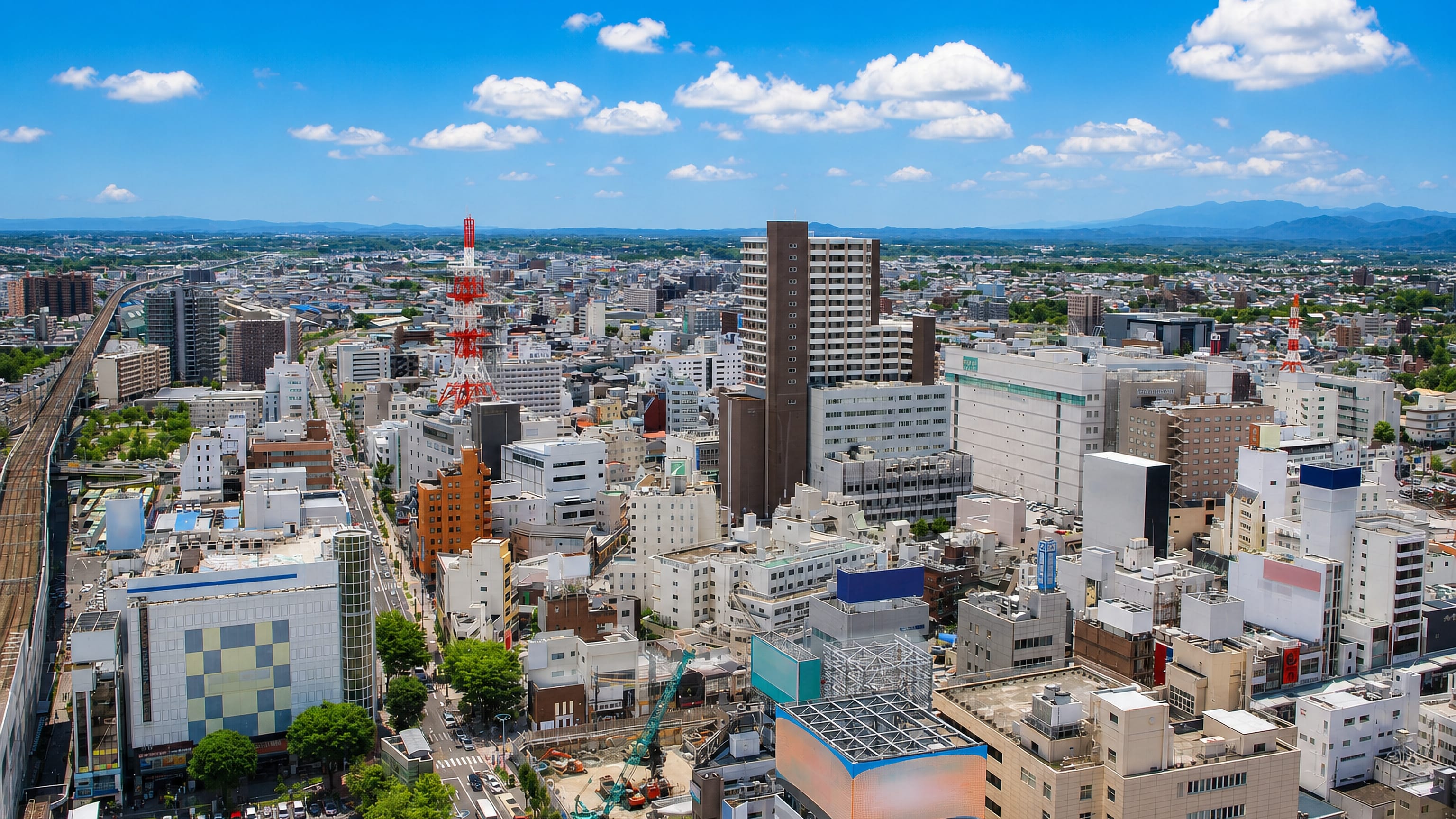
Fukushima is the southernmost prefecture of Japan's Tōhoku region, samurai castle towns, snow-country lakes, and a mild Pacific coast.
Hotel links are affiliate links: booking through them may earn us a commission, at no extra cost to you. It never affects how places are ranked. How this works


Towns & cities in Fukushima-ken
Pick a town or city — each links to where to stay.
 Japan
Japan
Iwaki
Iwaki covers more ground than any other city in Fukushima Prefecture, a Pacific coast merger of 14 municipalities made in 1966.Where to stay →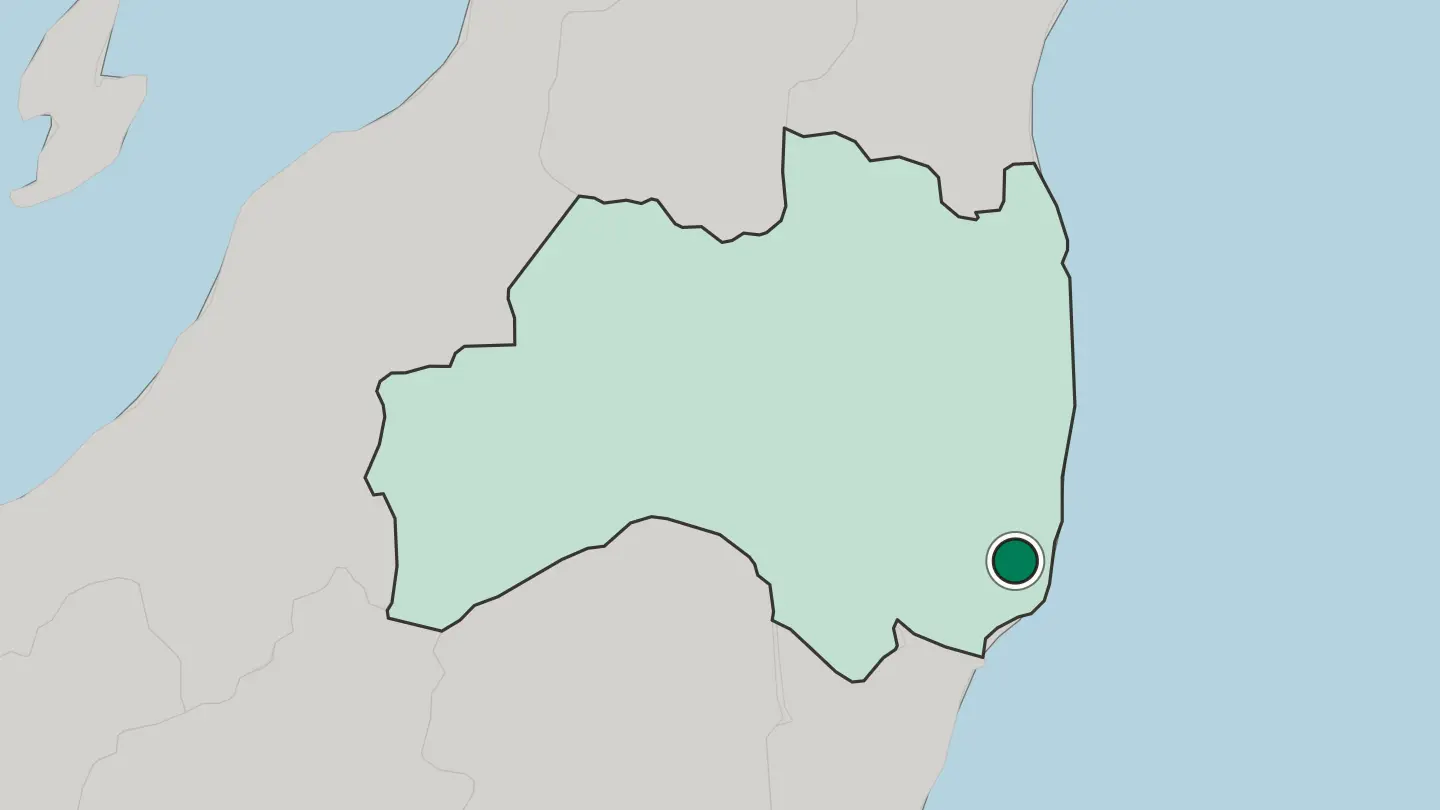
 Japan
Japan
Kōriyama
Kōriyama works as the commercial centre of Fukushima Prefecture and the third-largest conurbation in Tōhoku, a city of museums rather than monuments.Where to stay →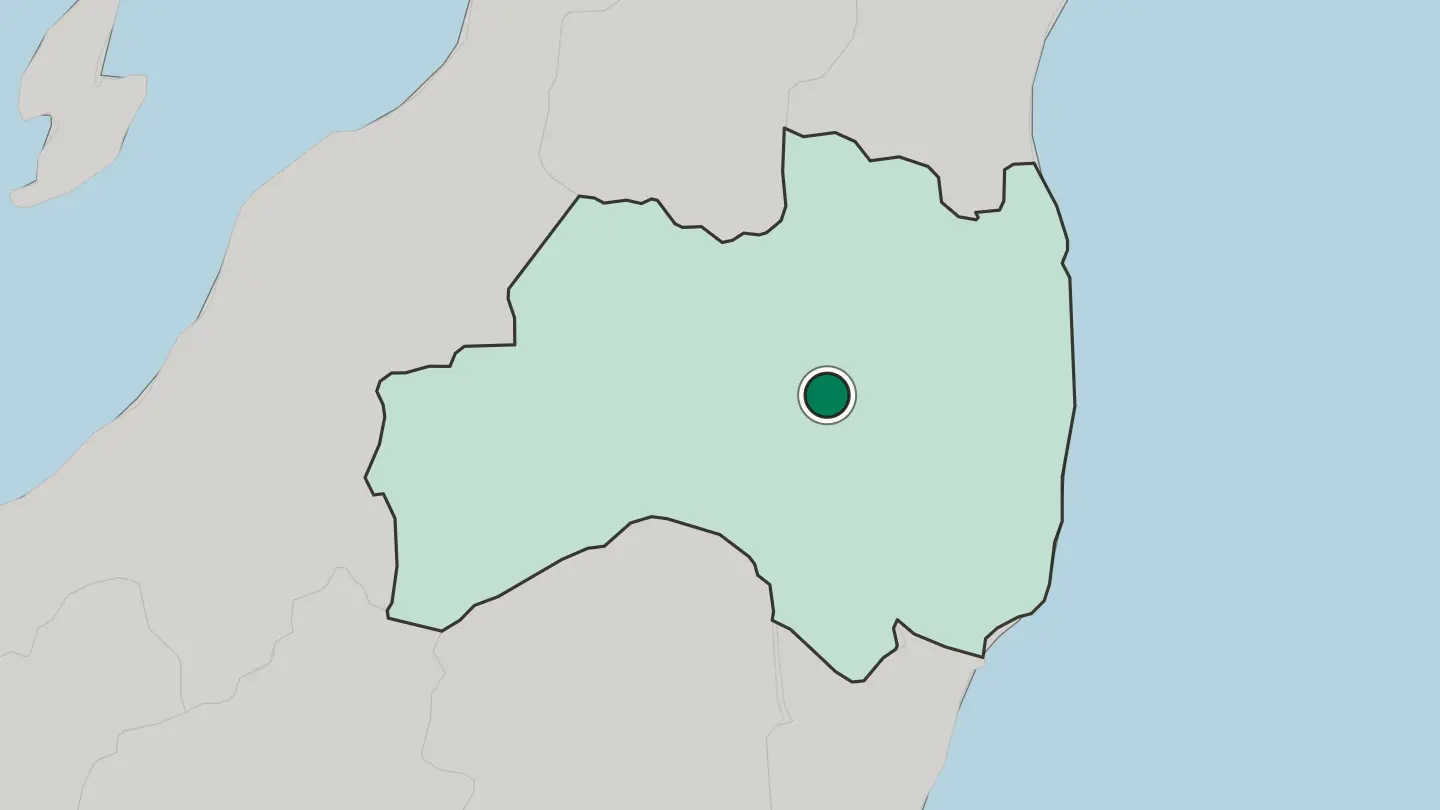 Japan
Japan
Fukushima
Fukushima is the capital of Fukushima Prefecture, a city of the Fukushima Basin whose orchards carry peaches, pears and persimmons.Where to stay →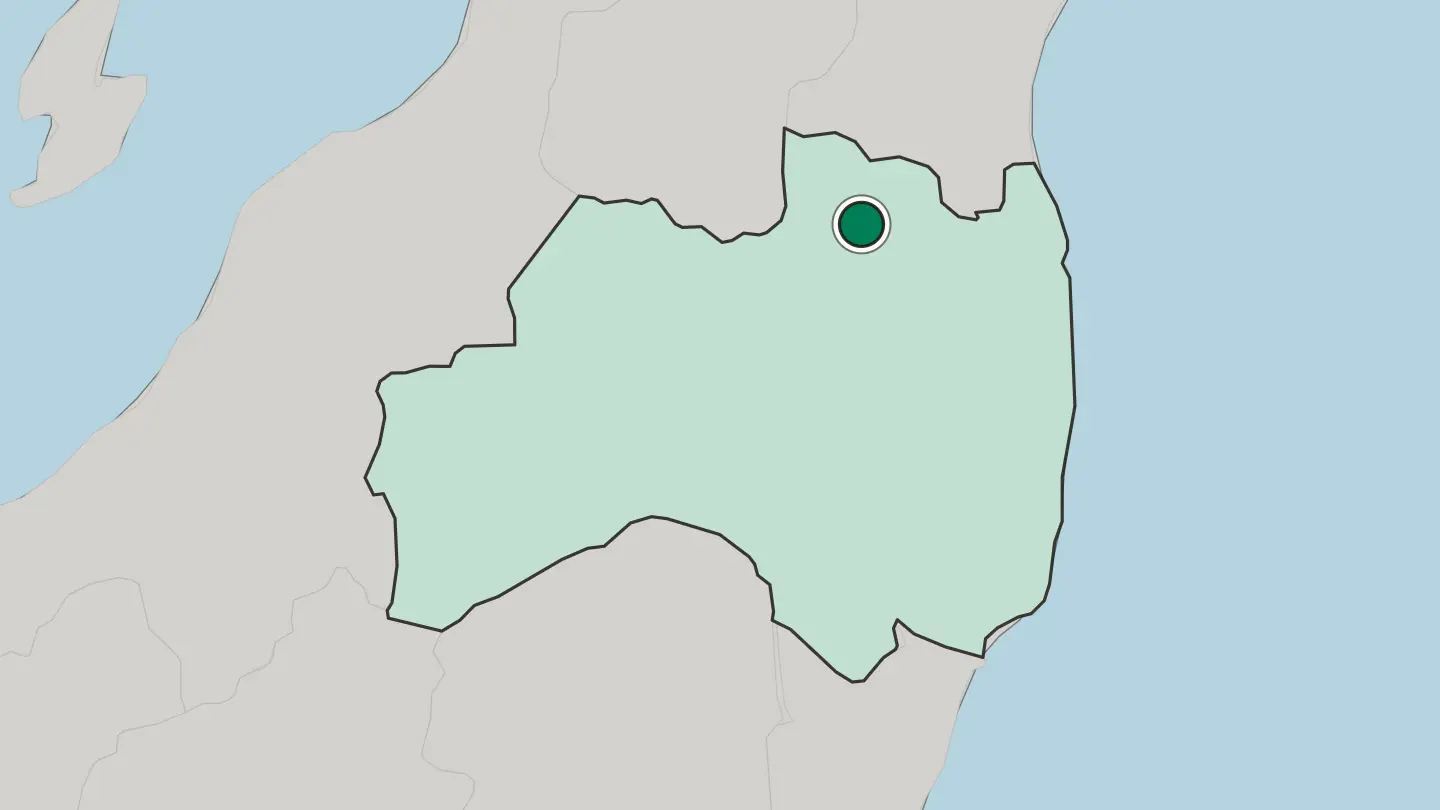
 Japan
Japan
Aizu-Wakamatsu
Aizu-Wakamatsu is the main city of the Aizu region in Fukushima Prefecture, a castle town remembered for the Byakkotai, sake and lacquerware.Where to stay →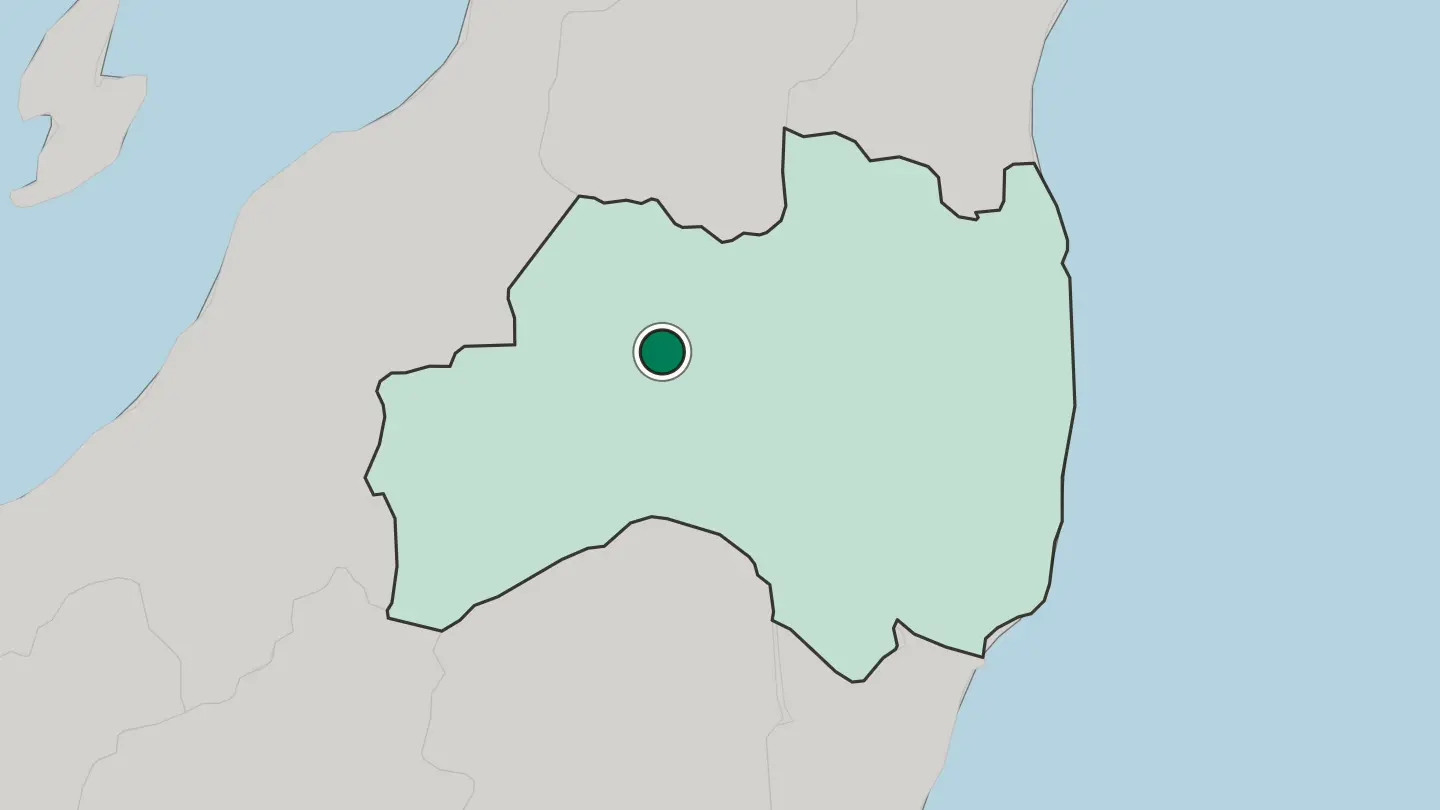 Japan
Japan
Sukagawa
Sukagawa is a city of Fukushima Prefecture, Japan, where a peony garden, sutra mounds, and a centre for graphic art sit within one municipality.Where to stay →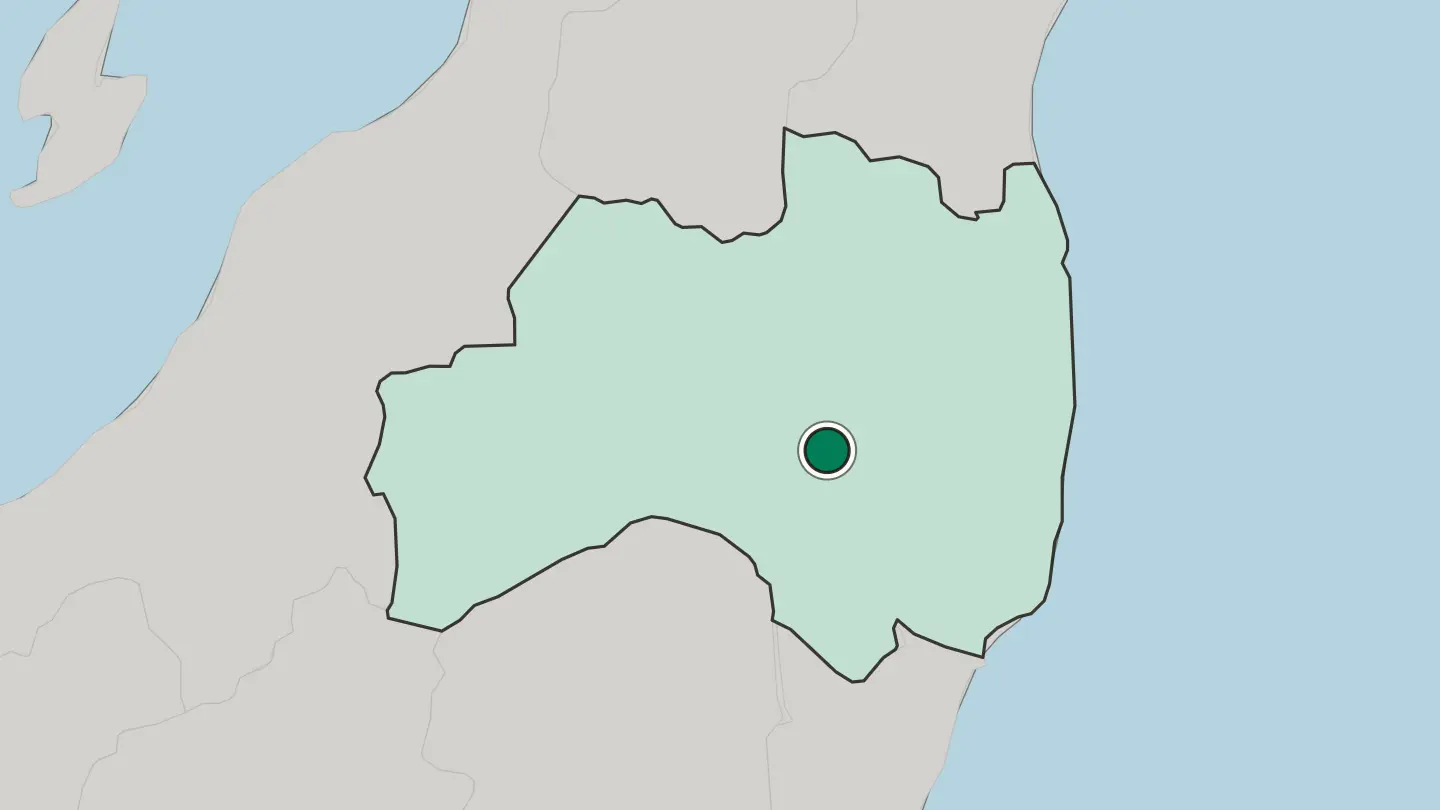 Japan
Japan
Minami-Sōma
Minami-Sōma is a city in Fukushima Prefecture, Japan, spread over ground that holds kofun, a shell mound, and an early steel-production site.Where to stay →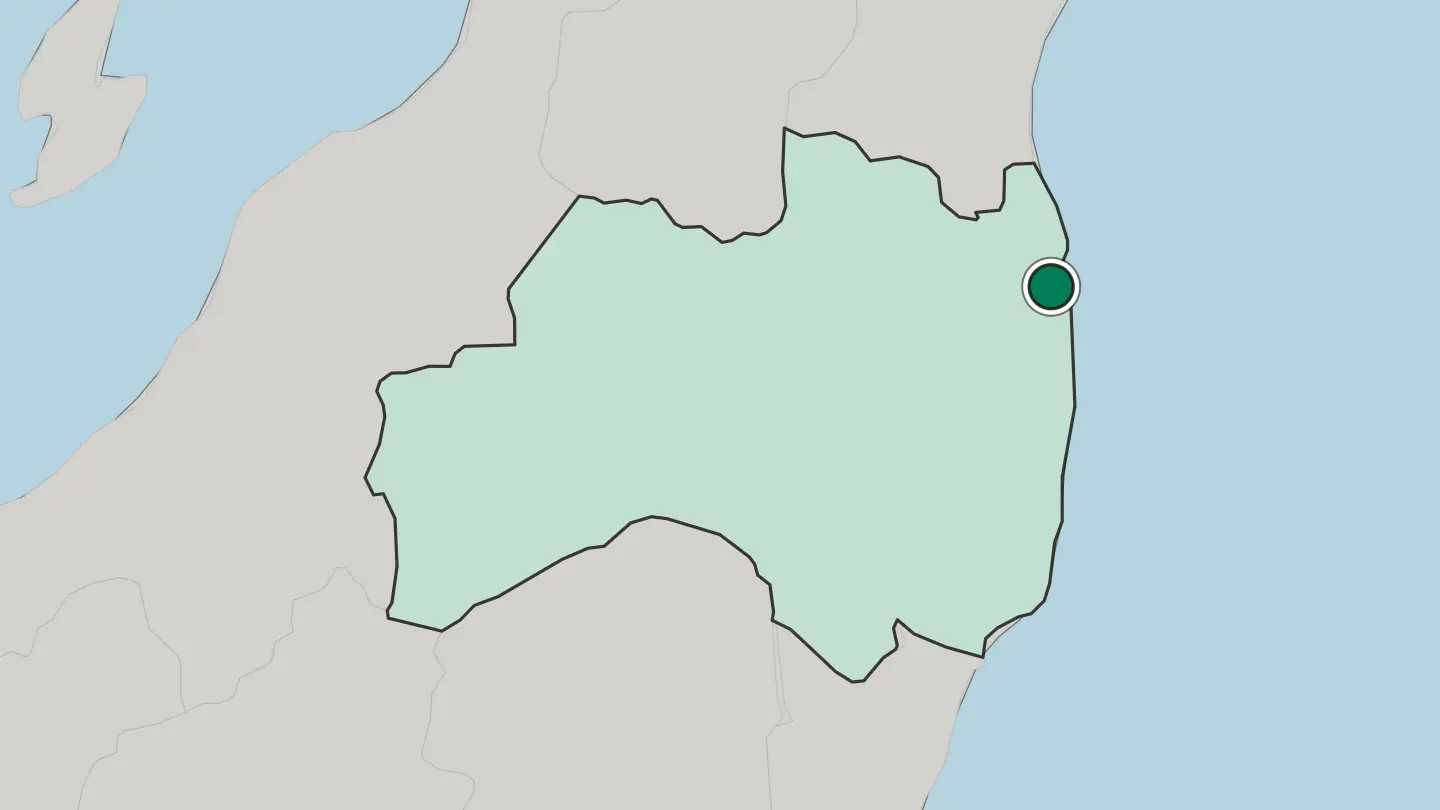
Hotel links are affiliate links: booking through them may earn us a commission, at no extra cost to you. It never affects how places are ranked. How this works
About Fukushima-ken
Three faces make up one prefecture.
What is Fukushima-ken known for?
Aizu in the west is samurai country, where Aizu-Wakamatsu guards its rebuilt Tsuruga Castle beneath the volcano Mount Bandai and the wide waters of Lake Inawashiro. The central Nakadōri corridor holds the capital and the rail junction at Kōriyama, strung along the Abukuma River between the mountains. To the east, the Hamadōri coast runs mild along the Pacific Ocean past the port city of Iwaki.
Aizu lacquerware, heavy snow, and sake from mountain water round out the reputation.
Where is Fukushima-ken?
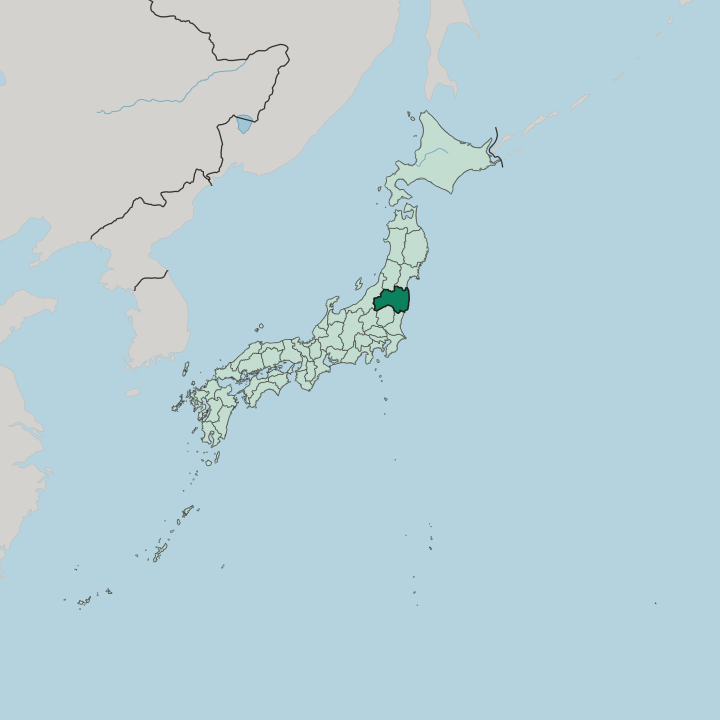
Fukushima fills the southern end of the Tōhoku region, in the north-east of Honshu. It is the third-largest of Japan's prefectures. Two mountain barriers cut it into thirds from west to east: the Ōu Mountains along the spine of Honshu, and the lower Abukuma Highlands nearer the sea.
Those ridges give the prefecture its three worlds, Aizu in the west, Nakadōri in the middle, Hamadōri on the coast. Miyagi Prefecture and Yamagata Prefecture lie to the north, Niigata Prefecture to the west, Gunma Prefecture to the southwest, and Tochigi and Ibaraki to the south. Aizu is the high country. Mount Bandai rises over Lake Inawashiro here, the fourth-largest lake in Japan, and its western valleys drain toward the Sea of Japan.
The volcano tore itself open in 1888. That blast dammed the streams below into the Goshikinuma ponds of the Urabandai plateau. Nakadōri is the settled middle, a chain of basins where the Abukuma River threads north past Kōriyama and the capital at Fukushima City.
Hamadōri is the narrow shelf between the hills and the water. It runs down the Pacific Ocean to the port of Iwaki. Sea and mountain are never far apart.
What is Fukushima-ken like?
The samurai past is the prefecture's proudest thread, and Aizu wears it most openly. Aizu-Wakamatsu still trains children in the old warrior code of the Nisshinkan school, and the tale of the Byakkotai, the teenage White Tiger Brigade, is retold at every turn. Loyalty runs deep here.
The Aizu Nishi Kaidō, the old road west, still passes through Ōuchi-juku, a post town of thatched-roof houses kept as they stood in the Edo period. Hot springs run through the culture too, from the samurai-era baths of Higashiyama Onsen to the mountain resorts under Mount Bandai. Craft and drink carry the same long memory.
Aizu lacquerware has been turned and painted in these humid basins for more than four centuries. The mountain water that feeds the rivers also feeds the sake breweries, and Fukushima's brewers win national prizes with a regularity that locals treat as a birthright. Orchards in the Nakadōri basin ripen into some of the country's best peaches and persimmons.
Food leans hearty and rural: kitakata ramen, grilled mochi, and highland soba. On the Hamadōri coast, mounted riders in real armour still thunder through the Sōma Nomaoi, a samurai cavalry festival many centuries old. Tradition here is lived, not staged.
What is the history of Fukushima-ken?
For much of the Edo period, the Aizu domain was one of the Tokugawa shogunate's firmest allies in the north. That loyalty proved fatal. When the Boshin War turned against the shogunate in 1868, imperial armies besieged Tsuruga Castle at Aizu-Wakamatsu for a month, and the young Byakkotai took their own lives on Mount Iimori believing the fortress had fallen.
Aizu surrendered, its samurai scattered. The modern prefecture was drawn together from these defeated domains in 1876.
What is the climate of Fukushima-ken?
One prefecture keeps three climates. The Aizu highlands sit under a Sea of Japan winter, and the Tadami valley in the south-west can bury itself under four metres of snow. Nakadōri, walled in by mountains on both sides, swings between humid basin summers and cold, frost-bitten winters.
The Hamadōri coast is the gentle one. Warmed by the Pacific Ocean, it sees mild winters and only a handful of snowy days.
How do you get to Fukushima-ken?
Reach it by rail. The Tōhoku Shinkansen runs north from Tokyo and stops at Kōriyama a little over an hour out, then reaches the capital at Fukushima City soon after. Kōriyama is the pivot for the interior: the Ban'etsu West Line climbs west from there past Lake Inawashiro to Aizu-Wakamatsu.
For the coast, the Jōban Line runs up from Tokyo to Iwaki along the Pacific. Fukushima Airport adds a thinner web of domestic flights.
Common questions
What is the best area to stay in Fukushima-ken?
Aizu-Wakamatsu: a samurai castle town with hot springs. Kōriyama: the Shinkansen junction for the interior. Fukushima City: the capital and its orchard valley. Iwaki: the mild Hamadōri coast.
Good for
More regions in Japan
Updated September 2026