Japan · Fukushima-ken
Where to Stay in Minami-Sōma, Fukushima-ken
Minami-Sōma is a city in Fukushima Prefecture, Japan, spread over ground that holds kofun, a shell mound, and an early steel-production site.
Hotel links are affiliate links: booking through them may earn us a commission, at no extra cost to you. It never affects how places are ranked. How this works


Where to stay in Minami-Sōma
Where the beds are, and what that means for the visit.
The Minamisoma City Museum makes the most practical hinge for a stay. From a base near it the Sakurai Kofun, the Izumi Government Offices Site, and the Mano Kofun Cluster each work as a separate half-day outing rather than as one tidy loop. Those distances are not trivial.
The municipality is wide, and anyone travelling without a car should build the day around that fact rather than expect to improvise between sites. A second approach ignores the museum entirely. Rooms taken nearer the Urajiri Shell Mound and the Yokodaidō Steel Production Site trade the convenience of the centre for early starts at the two places that say most about how people here fed and worked themselves before any modern city existed.
Nights are quiet either way. Minami-Sōma is one stop among many in Fukushima Prefecture, and for a single night the area chosen matters less than the hour of departure the next morning. Booking ahead matters more than choosing well.
The Hayama Cave Tomb and the Minamisoma City Museum are the two fixed points most itineraries hang on, and a room within reach of either will serve a two-night visit without argument.
Find hotels in Minami-Sōma
Direct booking searches for these neighbourhoods.
Around the Minamisoma City Museum
The Minamisoma City Museum holds what the kofun and the shell mound gave up, and it doubles as the fixed point a car-free itinerary hangs off.Find hotels in Around the Minamisoma City Museumearly mornings at the mounded tombs and the Mano Kofun ClusterThe Sakurai Kofun side
The Sakurai Kofun and the Mano Kofun Cluster are why most visitors come, and a bed on that side buys the quiet hour before the day warms. Lodging is scarce in this area; reserve in advance.Find hotels in The Sakurai Kofun sidevisitors following the shell mound and the Yokodaidō steel groundNear the Urajiri Shell Mound
The Urajiri Shell Mound and the Yokodaidō Steel Production Site lie out where the municipality thins, so rooms are few and worth securing early. Lodging is scarce in this area; reserve in advance.Find hotels in Near the Urajiri Shell MoundHotel links are affiliate links: booking through them may earn us a commission, at no extra cost to you. It never affects how places are ranked. How this works
Things to do in Minami-Sōma
Ranked by global recognition; descriptions from Wikidata (CC0).
Museums & Galleries
1- Minamisoma City Museum
Castles & Historic Sites
3- Urajiri Shell Mound
- Hayama Cave Tomb
- Yokodaidō Steel Production Site
worth knowingacross 2 categories in Minami-Sōma
About Minami-Sōma
What is Minami-Sōma known for?
The Sakurai Kofun and the Mano Kofun Cluster mark burial ground raised long before any modern boundary, and the Hayama Cave Tomb cuts into rock nearby. Steelmaking left a mark too: the Yokodaidō Steel Production Site records that industry in the ground rather than in any standing building. The Urajiri Shell Mound preserves what people ate.
Administration has its own address at the Izumi Government Offices Site, and the Minamisoma City Museum gathers the finds from across the municipality under one roof. Little of it stands above ground.
What are the main landmarks in Minami-Sōma?
The Sakurai Kofun is the name most visitors arrive with. The Mano Kofun Cluster groups several mounds instead of one, and the Hayama Cave Tomb is a burial cut into rock rather than raised above the ground, so the three together show more than a single site could. Two more sites are not burials.
The Izumi Government Offices Site and the Yokodaidō Steel Production Site record administration and metalworking, and the Minamisoma City Museum keeps the objects that came out of all of them.
What is the history of Minami-Sōma?
The city is younger than almost everything in it. Minami-Sōma took its present form in 2006, a modern municipality of Fukushima Prefecture drawn around ground that people had already been living on, burying their dead in, and working metal on for a very long time. The evidence is in the soil.
Nothing here survives as a continuous streetscape from those centuries, which is why the record is an archaeological one, read from excavated sites scattered across the municipal area rather than from standing buildings. The Urajiri Shell Mound is a domestic record, the debris of meals left where people ate them. Burial takes a different form again at the mounded tombs: the Sakurai Kofun stands on its own, the Mano Kofun Cluster gathers several together, and the Hayama Cave Tomb was cut into rock rather than raised above it.
Administration and industry both left sites of their own. The Izumi Government Offices Site marks where officials once worked, and the Yokodaidō Steel Production Site marks where steel was made, two very different kinds of institution occupying the same municipality. What the ground gave up sits in one place.
The Minamisoma City Museum holds the finds, and it is the one building in the city where the whole span can be read at once.
Where is Minami-Sōma?
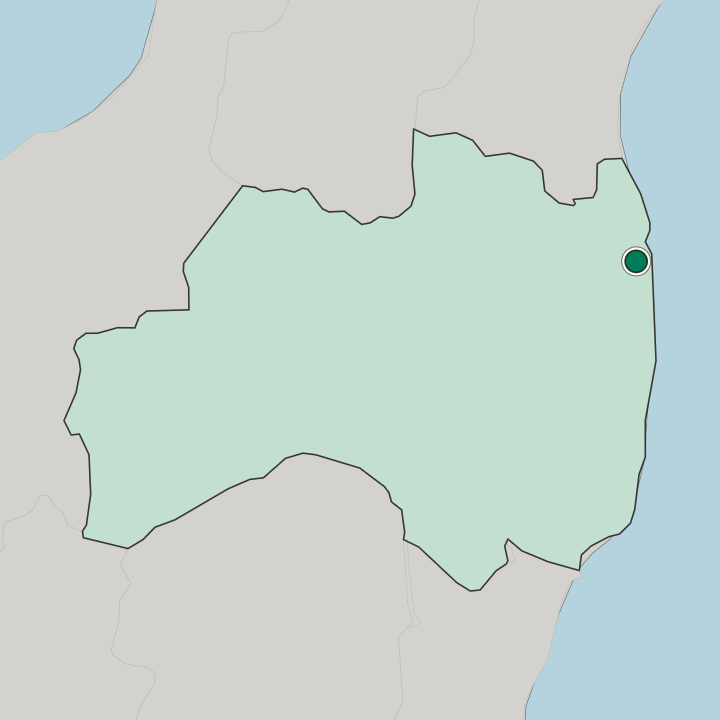
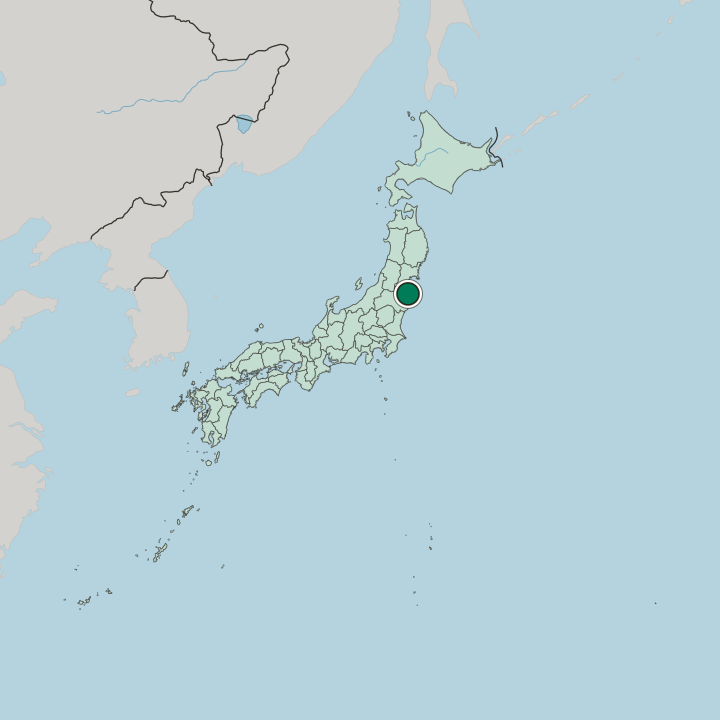
Nearly four hundred square kilometres sit inside the city limits. Minami-Sōma covers a broad stretch of Fukushima Prefecture, and that scale is the first thing to understand about it, because the named sites sit well apart from one another rather than clustering in a single old core. The Mano Kofun Cluster, the Urajiri Shell Mound, and the Yokodaidō Steel Production Site occupy separate ground.
Distance shapes every itinerary here.
What is the climate of Minami-Sōma?
Four seasons, each doing its share. Minami-Sōma sits in the temperate band of the northern hemisphere, which means summers that build slowly and winters that arrive without the extremes of the far north, and a long shoulder on either side. The archaeological ground reads differently by season.
Open sites such as the Mano Kofun Cluster and the Urajiri Shell Mound are plainer to walk when the vegetation is down, while the Minamisoma City Museum carries the wet days.
How do you get to Minami-Sōma?
Approach is overland, through Fukushima Prefecture. The city is one of the prefecture's municipalities rather than a hub, so most arrivals come as a deliberate leg from another town in Fukushima Prefecture instead of as a stop on a longer through route. Getting about once here is the harder half.
A municipality this wide holds the Sakurai Kofun, the Yokodaidō Steel Production Site, and the Minamisoma City Museum far apart, so a car or a carefully read timetable does the real work of a visit.
Common questions
What is the best area to stay in Minami-Sōma?
Around the Minamisoma City Museum: a first stay that puts the excavated finds before the sites themselves. The Sakurai Kofun side: early mornings at the mounded tombs and the Mano Kofun Cluster. Near the Urajiri Shell Mound: visitors following the shell mound and the Yokodaidō steel ground.
Good for
More cities in Fukushima-ken
Updated September 2026