Japan · Fukushima-ken
Where to Stay in Sukagawa, Fukushima-ken
Sukagawa is a city of Fukushima Prefecture, Japan, where a peony garden, sutra mounds, and a centre for graphic art sit within one municipality.
Hotel links are affiliate links: booking through them may earn us a commission, at no extra cost to you. It never affects how places are ranked. How this works


Where to stay in Sukagawa
Where visitors usually base themselves, and why.
The Sukagawa Peony Garden sets the calendar for a stay more than any district does. Beds near it are worth the extra planning when the flowering is on, and worth nothing in particular the rest of the year, which is an unusual thing to be able to say about a small city's accommodation. Timing beats location here.
For the remaining months the Sukagawa City Museum and the Center for Contemporary Graphic Art make a better anchor, both of them indoors, and both indifferent to the weather that would ruin a garden visit. A second base suits a different trip. Rooms taken near the Beizanji Sutra Mounds and the Shōnindan temple ruins put the older, quieter half of Sukagawa within an easy morning, and they leave the Sukagawa Ichirizuka on the way back rather than as a detour.
No part of Sukagawa lies out of reach. Sukagawa covers less than three hundred square kilometres, so even a badly chosen room costs minutes rather than half a morning, and the choice is really about what a visitor wants to see first thing. Book early for the peony flowering.
Outside it the city's rooms are ordinary in the best sense, and the Sukagawa City Museum is close enough to most of them to fill a wet afternoon without a plan.
Find hotels in Sukagawa
Direct booking searches for these neighbourhoods.
Beside the Sukagawa Peony Garden
The Sukagawa Peony Garden is the one address that fixes the dates of a visit, and a room beside it turns an early opening into a short walk. Beds are limited here, so book early.Find hotels in Beside the Sukagawa Peony Gardenwet-weather stays and print-gallery afternoonsNear the Sukagawa City Museum
The Sukagawa City Museum and the Center for Contemporary Graphic Art sit within reach of one room, which makes a day of rain a non-event.Find hotels in Near the Sukagawa City Museumwalkers heading out to the temple ruins before breakfastToward the Beizanji Sutra Mounds
The Beizanji Sutra Mounds and the Shōnindan temple ruins reward an early start, and the Sukagawa Ichirizuka falls on the way back. Rooms are few around here — worth securing early.Find hotels in Toward the Beizanji Sutra MoundsHotel links are affiliate links: booking through them may earn us a commission, at no extra cost to you. It never affects how places are ranked. How this works
Things to do in Sukagawa
Ranked by global recognition; descriptions from Wikidata (CC0).
Museums & Galleries
1- Center for Contemporary Graphic Art
Castles & Historic Sites
3- Beizanji Sutra Mounds
- Sukagawa Ichirizuka
- Shōnindan temple ruins
Parks & Gardens
1- Sukagawa Peony Garden Heritage
worth knowingacross 3 categories in Sukagawa
About Sukagawa
Peonies come first.
What is Sukagawa known for?
The Sukagawa Peony Garden gives the city its most recognisable draw, and the Center for Contemporary Graphic Art gives it an unexpected second one, since prints are not what most visitors expect from a Fukushima Prefecture town. Older ground survives as well: the Beizanji Sutra Mounds and the Shōnindan temple ruins mark religious sites far older than the municipality that now contains them. The Sukagawa Ichirizuka and the Sukagawa City Museum round out a short list that rewards a slow day rather than a rushed one.
What are the main landmarks in Sukagawa?
Peony beds fill the city's best-known ground. The Sukagawa Peony Garden draws its visitors in a narrow window, while the Center for Contemporary Graphic Art keeps a print collection that works on any day of the year, and the Sukagawa City Museum covers the local record. Three older sites reward a detour.
The Beizanji Sutra Mounds, the Shōnindan temple ruins, and the Sukagawa Ichirizuka each mark something the modern municipality inherited rather than built.
What is the history of Sukagawa?
City status came to Sukagawa in 1954. That date belongs to the administrative record rather than to the place itself, since the ground inside the boundary had carried temples, road markers, and buried scripture long before any charter was drawn up. The oldest layer is religious.
The Beizanji Sutra Mounds and the Shōnindan temple ruins survive as sites rather than as working institutions, and what is left of them is ground and stone instead of standing halls. Travel left its own marker. The Sukagawa Ichirizuka records the practical business of moving people and goods across Fukushima Prefecture, a different kind of history from the devotional sites and a far more mundane one.
Both kinds of site sit inside the same municipal boundary, a few minutes apart by road. The Sukagawa City Museum is where the two strands are held together, since one collection is easier to read than a scatter of sites across nearly three hundred square kilometres. Newer institutions arrived later.
The Center for Contemporary Graphic Art belongs to a different century entirely, and its presence in a city of this size is the least predictable thing about Sukagawa.
Where is Sukagawa?
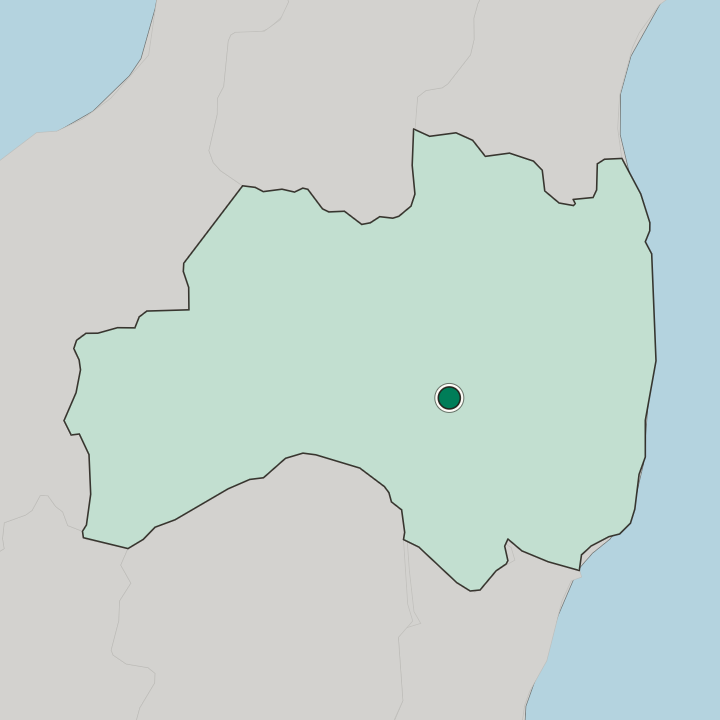
Sukagawa spreads over 279 square kilometres of Fukushima Prefecture. It is enough ground that the Beizanji Sutra Mounds and the Sukagawa Peony Garden do not share a neighbourhood, and little enough that a single day covers both without strain. Getting between them takes minutes.
The Sukagawa Ichirizuka, the Shōnindan temple ruins, and the Sukagawa City Museum fall within the same boundary, which is what makes the city readable on foot and by short drives rather than as a series of expeditions.
What is the climate of Sukagawa?
The Sukagawa Peony Garden is the best guide to the year. Temperate seasons in this part of the northern hemisphere give a clear spring, a warm middle to the year, and a cold end to it, and the flowering follows that pattern rather than the calendar of a visitor. Winter thins the outdoor half of a visit.
The Sukagawa City Museum and the Center for Contemporary Graphic Art carry the months when standing in a garden holds no appeal.
How do you get to Sukagawa?
Fukushima Prefecture surrounds every approach. Sukagawa is reached overland from the towns of the prefecture, and once inside the boundary the useful question is not how to arrive but how to string the Sukagawa Peony Garden, the Beizanji Sutra Mounds, and the Sukagawa City Museum into one day. The sites are not clustered.
A car makes the difference between three stops and one, and a visitor without one does best to pick a single anchor and walk out from it.
Common questions
What is the best area to stay in Sukagawa?
Beside the Sukagawa Peony Garden: trips built around the peony flowering. Near the Sukagawa City Museum: wet-weather stays and print-gallery afternoons. Toward the Beizanji Sutra Mounds: walkers heading out to the temple ruins before breakfast.
Good for
More cities in Fukushima-ken
Updated September 2026