Japan · Kanagawa
Where to Stay in Kamakura, Kanagawa
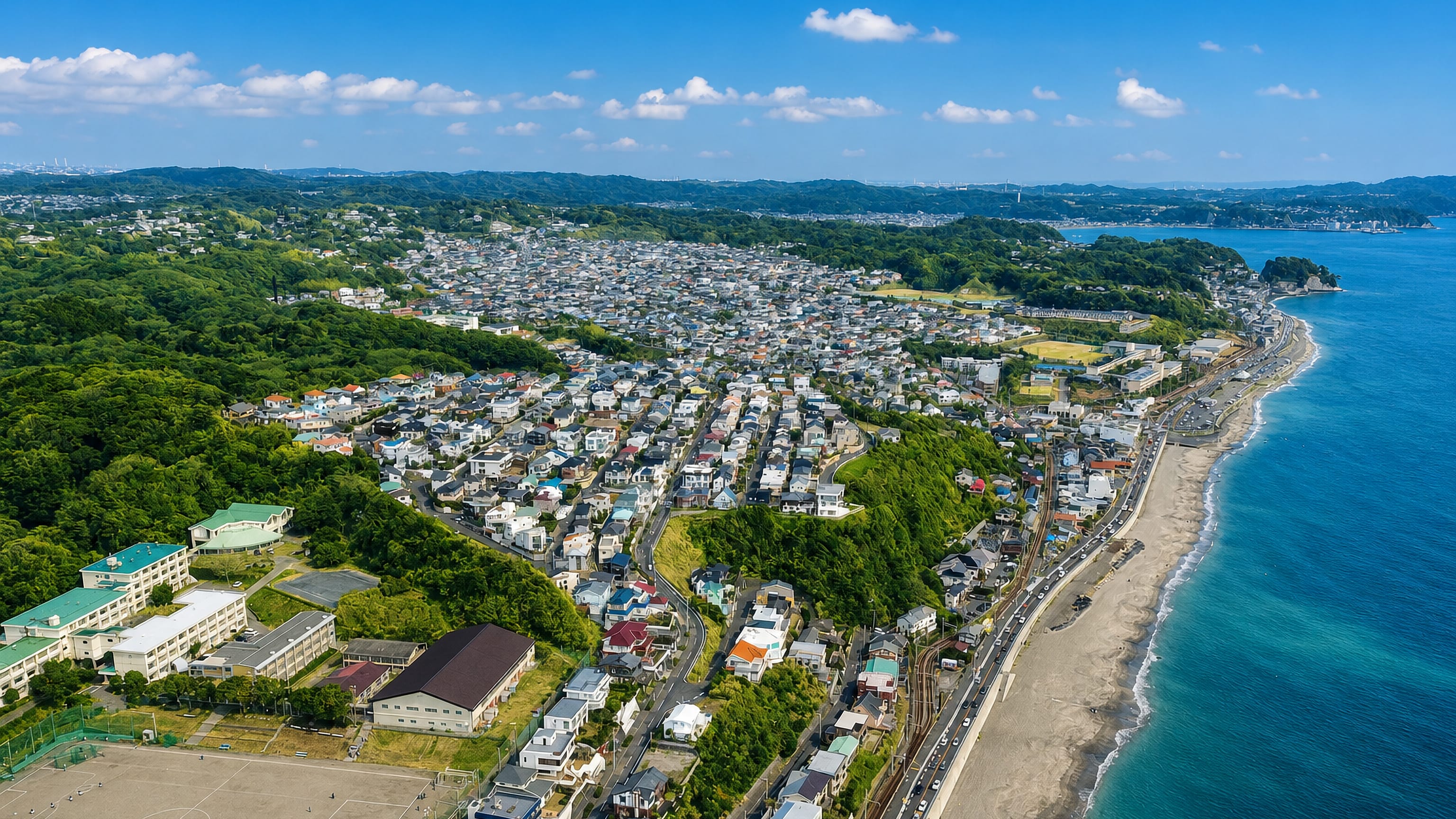
Temple bells and surf mark the days in Kamakura, a coastal city in Kanagawa Prefecture south of Tokyo, known for its beaches and its many temples.
Hotel links are affiliate links: booking through them may earn us a commission, at no extra cost to you. It never affects how places are ranked. How this works


Where to stay in Kamakura
Where visitors usually base themselves, and why.
Kamakura is small, and where you stay turns on how close you want to be to the temples, the center, or the sea. The lively center holds the shops and the museums, and it puts the Kamakura Museum of National Treasures and the Kamakura Museum of History and Culture within an easy walk. For a first trip to Kamakura, the center is the obvious base.
If you have come to browse and eat between temple stops, base yourself near the center, where the streets stay busy through the day and the trains run back toward Tokyo. The beaches draw a different traveller. Along the shore, the sand and the surf set the pace, and a room near the water rewards an early start before the day crowds arrive from Kanagawa Prefecture and beyond.
Others look inland toward the quieter temple lanes, away from the center, where the Kamakura Museum of Literature keeps its collection in a calmer pocket of the city. Kamakura's quarters each set their own pace. In Kamakura the choice is yours to make.
Find hotels in Kamakura
Direct booking searches for these neighbourhoods.
The lively center
The center of Kamakura gathers the shops, the eating streets, and the Kamakura Museum of National Treasures within an easy walk of the trains back toward Tokyo.Find hotels in The lively centerDays by the surf on the Kanagawa Prefecture shoreThe Kamakura beachfront
Along the Kamakura shore the sand and the surf set the pace, and a room near the water rewards an early start before the day crowds arrive.Find hotels in The Kamakura beachfrontQuiet mornings near the Kamakura Museum of LiteratureThe inland temple lanes
Inland from the center, the quieter temple lanes hold the Kamakura Museum of Literature in a calmer pocket away from the busy streets.Find hotels in The inland temple lanesHotel links are affiliate links: booking through them may earn us a commission, at no extra cost to you. It never affects how places are ranked. How this works
Things to do in Kamakura
Ranked by global recognition; descriptions from Wikidata (CC0).
Museums & Galleries
3- Tsurugaoka Museum, Kamakura Heritage
- Kamakura Museum of History and Culture
- British Antique Museum Kamakura
Castles & Historic Sites
3- Ōmachi Shakadō Pass Site Heritage
- 和田塚
- 由比ヶ浜南遺跡
Landmarks & Notable Places
1- Former residence of Marquis Kacho Heritage
worth knowingacross 3 categories in Kamakura
About Kamakura
What is Kamakura known for?
Kamakura is known for its temples, its beaches, and a compact center that draws day-trippers from Tokyo. It sits in the Kantō region of Honshu. Within a short walk, the Kamakura Museum of National Treasures and the Kamakura Museum of History and Culture hold the objects and documents of that long story, from the older heritage to the wider civic record.
Newer work fills the Museum of Modern Art, Kamakura & Hayama. Short trips fill a day.
What are the main landmarks in Kamakura?
Kamakura keeps much of its heritage in a run of museums close to the center. The Kamakura Museum of National Treasures holds the objects of the city's older history, and the Kamakura Museum of History and Culture sets that record in a wider frame. The Museum of Modern Art, Kamakura & Hayama turns to newer work, while the Kamakura Museum of Literature gathers writing tied to the place.
Film has its own house at the Kawakita Film Museum. Small collections reward a slow route.
What is the history of Kamakura?
Kamakura's recorded modern history turns on one date: the city was formally designated on 3 November 1939. The settlement is far older than that charter. Archaeological sites across the city, among them the Ōmachi Shakadō Pass Site and the Isshōmasu Site, mark where earlier life left its record in the soil of Kanagawa Prefecture.
The museums hold what the earth and the archives preserved. The Kamakura Museum of National Treasures gathers the older objects, and the Kamakura Museum of History and Culture reads the longer arc of the place. Within the Kantō region of Honshu, south of Tokyo, the city grew as a coastal seat with temples ringing its narrow valleys.
The past still shapes it.
Where is Kamakura?
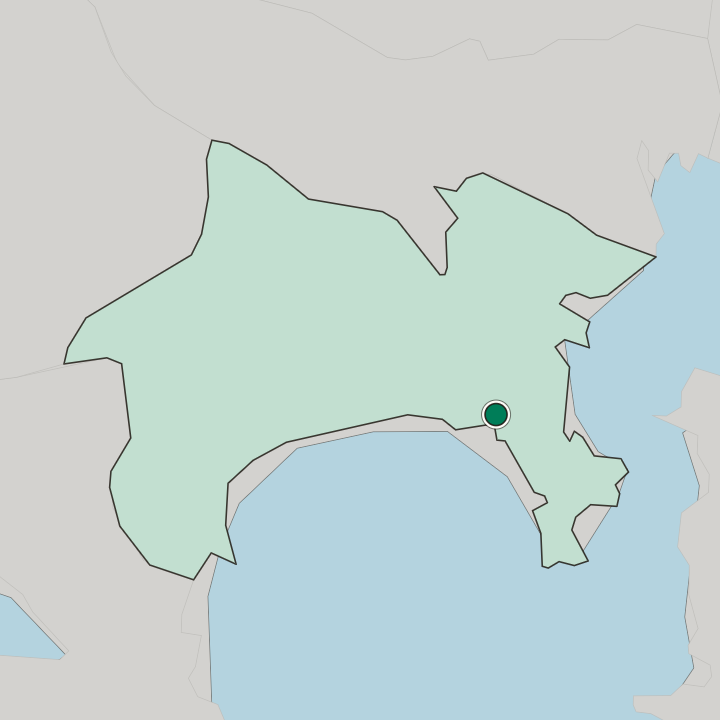
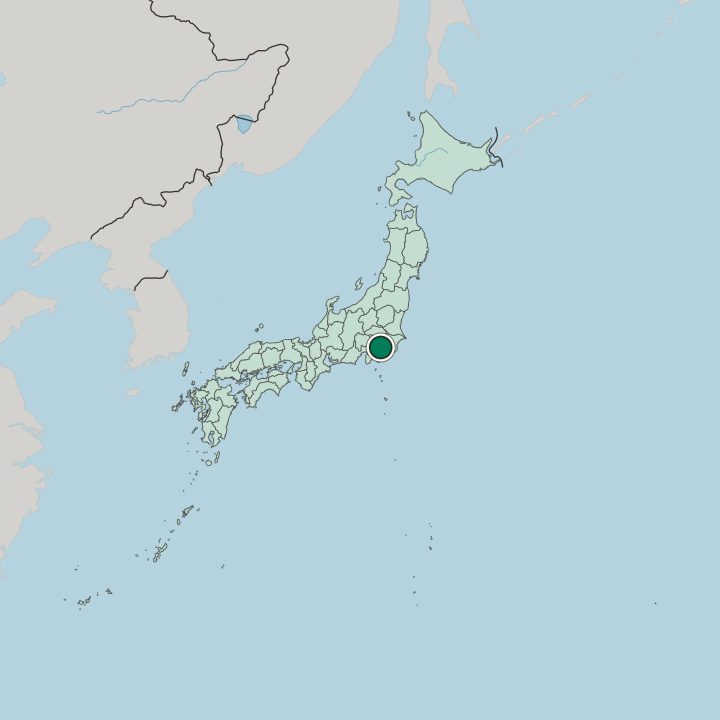
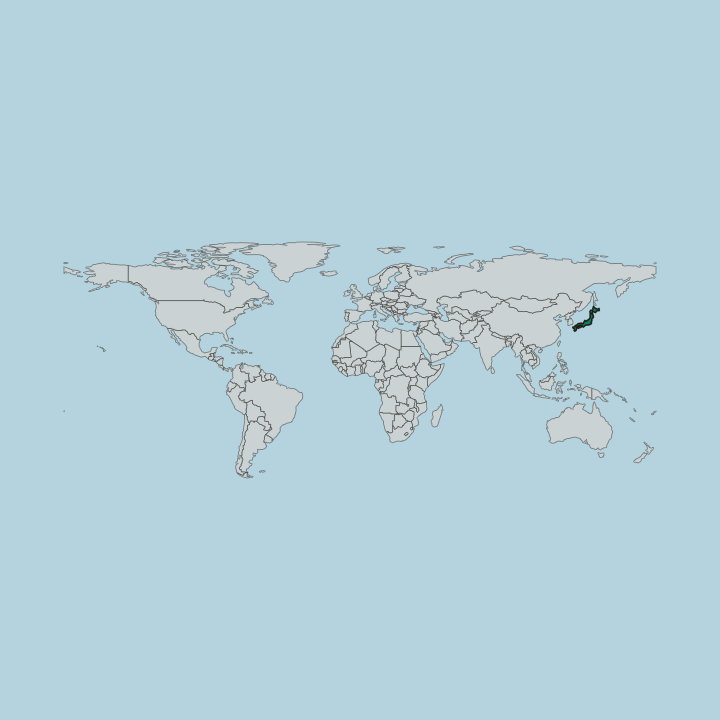
Kamakura sits on the coast of Kanagawa Prefecture, in the Kantō region of the island of Honshu, south of Tokyo. Hills and narrow valleys press close to the shore, and beaches run along the water's edge. The compact form keeps the center, the temple lanes, and the sea within a short walk of one another.
That closeness defines the city.
What is the climate of Kamakura?
Kamakura has a temperate coastal climate on the shore of Kanagawa Prefecture. Summers run warm and humid, drawing swimmers to the beaches. Winters stay mild by the standards of Honshu, with the sea moderating the cold along the coast south of Tokyo.
Rain arrives with the early-summer season. The water keeps the extremes in check.
How do you get to Kamakura?
Kamakura is an easy trip from Tokyo, which is why so many make it a day out. Trains run south from the capital through Kanagawa Prefecture to the city, a ride short enough to leave the whole day for the temples and the shore. Once you arrive, the center is walkable, and the beaches lie a short way off.
Local lines thread the valleys. The train is the way in.
Common questions
What is the best area to stay in Kamakura?
The lively center: First-time visitors close to the Kamakura Museum of National Treasures. The Kamakura beachfront: Days by the surf on the Kanagawa Prefecture shore. The inland temple lanes: Quiet mornings near the Kamakura Museum of Literature.
Good for
More cities in Kanagawa
Updated September 2026