Japan · Kanagawa
Where to Stay in Kawasaki, Kanagawa
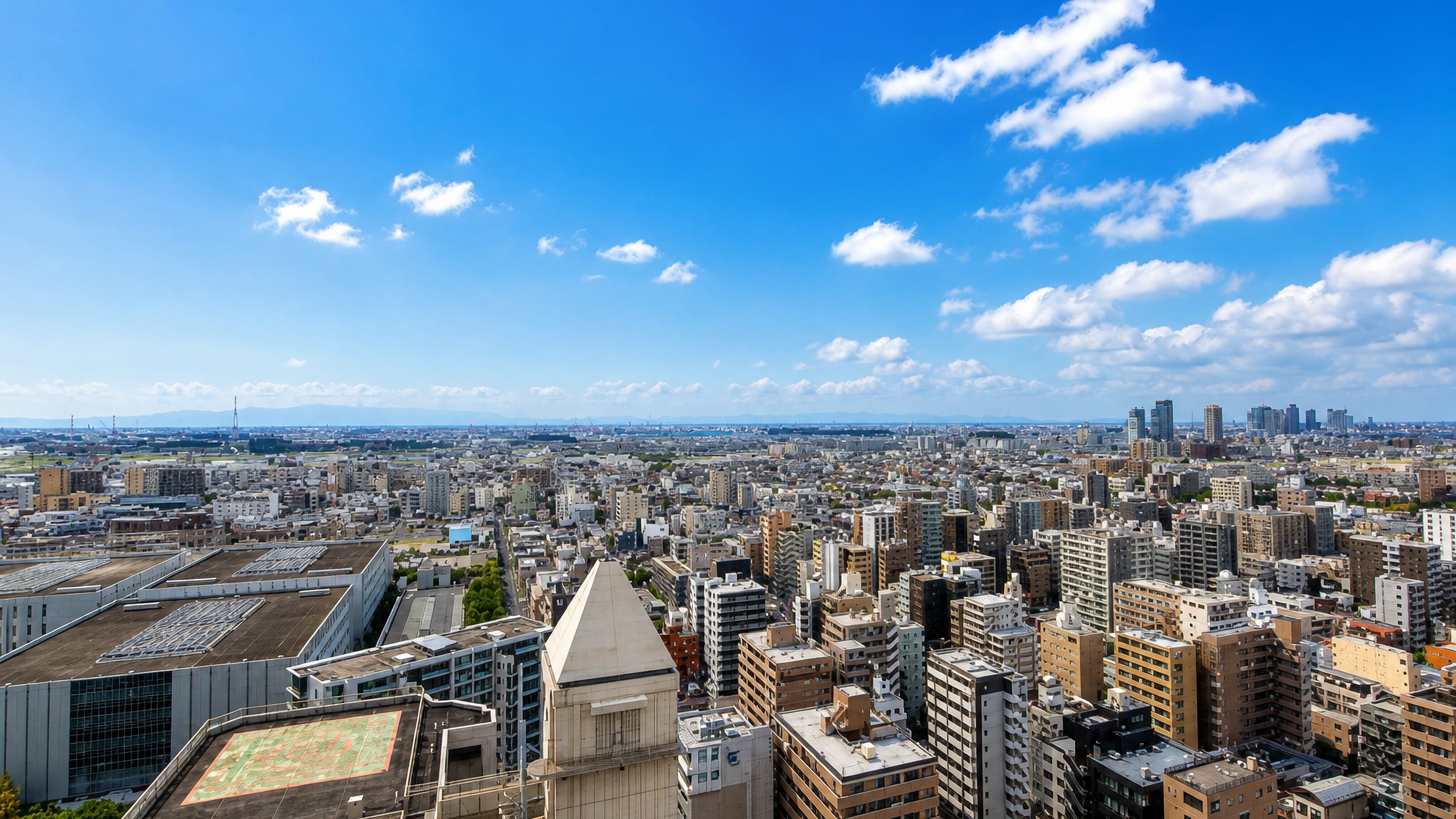
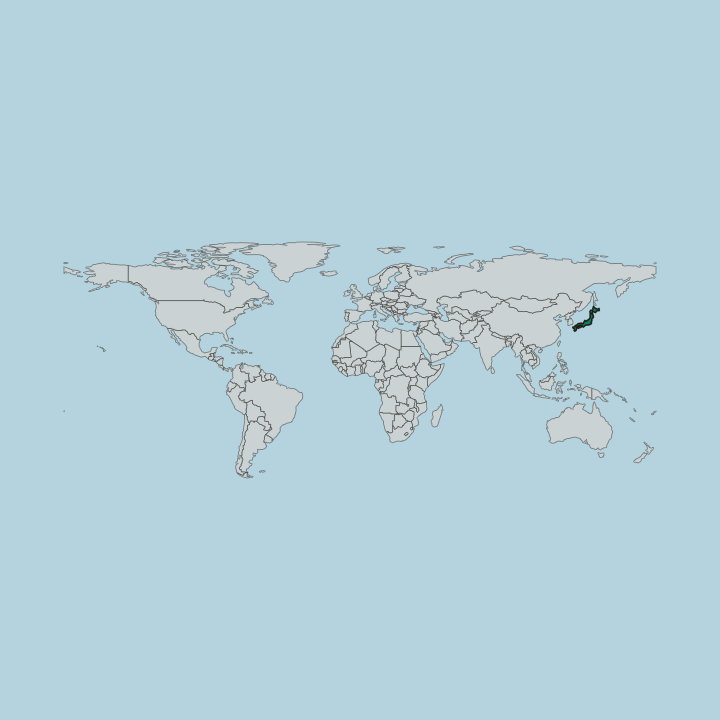
Kawasaki is a Kanagawa Prefecture city wedged between Tokyo and Yokohama, a municipality since 1924 and a working part of the Keihin Industrial Area.
Hotel links are affiliate links: booking through them may earn us a commission, at no extra cost to you. It never affects how places are ranked. How this works


Where to stay in Kawasaki
The right area depends on your trip — here's what each neighbourhood is best for.

 KawasakiJapan
Isago
Isago is a district of Kawasaki ward at the centre of the old Kawasaki-shuku, one of the four towns that made up the post station on the Tokaido.Where to stay → KawasakiJapan
Nakaze
Nakaze is a Kawasaki district set closer to Daishigawara than most quarters get to a neighbour, with Tonomachi and Isago close behind.Where to stay → KawasakiJapan
Furuichiba
Furuichiba is one of the named districts of Kawasaki, in Kanagawa, sharing the city roll with quarters such as Isago, Nakaze, and Daishigawara.Where to stay →KawasakiJapanDaishigawara
Daishigawara, also written Daishi-gawara, is a Kawasaki district a short walk from Nakaze and Tonomachi, with Watami Dream Street its one landmark.Where to stay →KawasakiJapanTonomachi
Tonomachi is a district of Kawasaki ward on the right bank of the Tama, split off from Daishigawara in 1965 and now the King Skyfront research campus.Where to stay →KawasakiJapanShinsaku
Shinsaku sits in a tight cluster of Kawasaki districts, barely a kilometre from Hisamoto and little more from Mizonokuchi, Futago, and Kuji.Where to stay → KawasakiJapan
Hisamoto
Hisamoto sits at the centre of Kawasaki's tightest run of districts, with Mizonokuchi, Futago, Shinsaku, and Kuji all inside two kilometres.Where to stay →KawasakiJapanFutago
Futago is a district of Takatsu ward in Kawasaki whose village is said to date from 1641, when a temple moved to the highway after a Tama river flood.Where to stay → KawasakiJapan
Mizonokuchi
Mizonokuchi is a district of Takatsu-ku in Kawasaki, Kanagawa, named for the mouth of a narrow stream running down from the Tama hills.Where to stay →KawasakiJapanKuji
Kuji is a district in the north of Takatsu ward in Kawasaki, at the point where the Nikaryo Yosui divides four ways.Where to stay →KawasakiJapanShimosakunobe
Shimosakunobe, written Shimo-Sakunobe in some records, is a district of Kawasaki in Kanagawa Prefecture.Where to stay →KawasakiJapanTsuchihashi
Tsuchihashi belongs to Kawasaki, in Kanagawa, and shares its stretch of the city with Shimosakunobe, Kuji, and Masugata.Where to stay →KawasakiJapanMasugata
Masugata is the Kawasaki district that holds Nihon Minka-en and the Taro Okamoto Museum of Art, out on the Kanagawa side of the city.Where to stay →KawasakiJapanKurokawa
Kurokawa is the north-westernmost part of Kawasaki, in Asao ward, on the Tama Hills at the source of the Misawa river.Where to stay →Hotel links are affiliate links: booking through them may earn us a commission, at no extra cost to you. It never affects how places are ranked. How this works
Find hotels in Kawasaki
Direct booking searches for these neighbourhoods.
The aquarium quarter
Kawasui Kawasaki Aquarium anchors the densest streets of the central cityFind hotels in The aquarium quarterStays planned around the Tokaido Kawasaki Shuku KoryukanThe old post-road side
Tokaido Kawasaki Shuku Koryukan and Yumemigasaki Zoological Park sit out from the core, with transfers back. Beds are limited here, so book early.Find hotels in The old post-road sideHotel links are affiliate links: booking through them may earn us a commission, at no extra cost to you. It never affects how places are ranked. How this works
Things to do in Kawasaki
Ranked by global recognition; descriptions from Wikidata (CC0).
Museums & Galleries
3- Gotoh Museum
- Taro Okamoto Museum of Art
- Kawasaki Ukiyo-e Gallery
Castles & Historic Sites
3- 三ツ池古墳
- 稲荷丸北遺跡
- 鶴見神社境内貝塚
Stadiums & Sports
1- 鶴見中継所
Parks & Gardens
1- Yumemigasaki Zoological Park
worth knowingacross 4 categories in Kawasaki
About Kawasaki
The corridor is the story.
What is Kawasaki known for?
Kawasaki fills the ground between Tokyo and Yokohama, a component of the Greater Tokyo Area and of the Keihin Industrial Area, and that position accounts for most of what the city became. Visitor attractions follow the same logic. Kawasui Kawasaki Aquarium and Yumemigasaki Zoological Park work as city-scale days out, while the Electric Power Historical Museum and the Kawasaki Ukiyo-e Gallery split the difference between industry and art.
The old road left a hall of its own, the Tokaido Kawasaki Shuku Koryukan.
What are the main landmarks in Kawasaki?
Kawasui Kawasaki Aquarium is the headline. Yumemigasaki Zoological Park holds the other family day, while the Electric Power Historical Museum and the Kawasaki Ukiyo-e Gallery pull in opposite directions, one toward electricity, the other toward the woodblock print. The old highway has its own hall.
Tokaido Kawasaki Shuku Koryukan explains the post station, and Kawasaki Isago no Sato Museum sets the local record beside the burial mound at Mitsuike Kofun.
What is the history of Kawasaki?
Shell mounds came first. Long before any road ran through, people left the deposits recorded at Shōsenzukakaizuka and Tsurumi Shrine Shell Midden, and the excavated ground at Kamidai Site and Kamidai-kita Site adds to what the earliest settlement here can be shown to have been. Burial mounds followed them.
Mitsuike Kofun and Suwazaka Kofun remain as the graves of a later society, and Kawasaki Isago no Sato Museum is where that local record is set out. Kanagawa Prefecture holds the administrative frame around all of it. A post station changed the scale.
The Tokaido Kawasaki Shuku Koryukan carries the name of the post station that stood on the old road, and that traffic gave the settlement its first commercial reason to exist. City status arrived in 1924. Factories filled the ground after that, and Kawasaki became a working part of the Keihin Industrial Area, the belt of plants and works that runs through this stretch of the Greater Tokyo Area.
The Electric Power Historical Museum keeps the industrial thread, while the Kawasaki Ukiyo-e Gallery holds the print collection. Yokohama lies on one side, Tokyo on the other, and Kawasaki's history is bound to both. Both names still frame the city.
Where is Kawasaki?
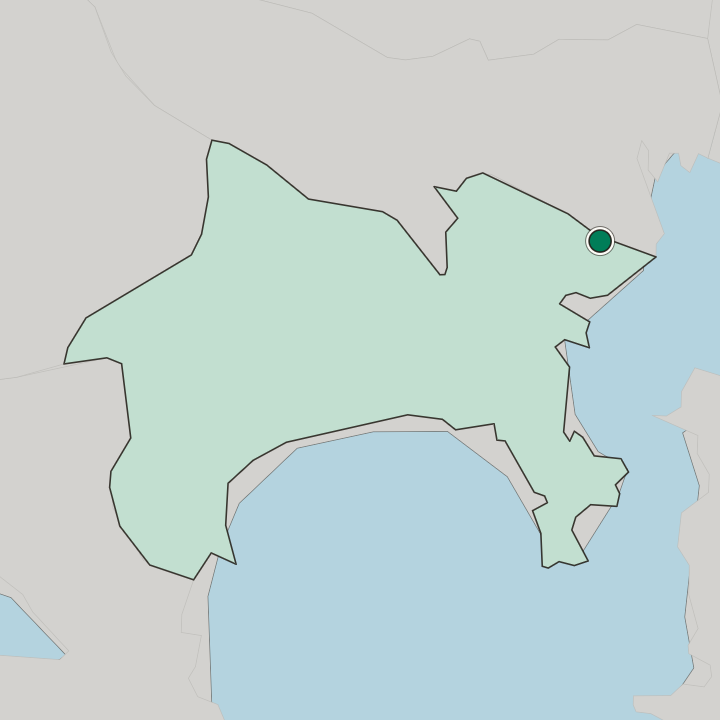
Kawasaki covers about 143 square kilometres. Tokyo sits on one flank and Yokohama on the other, which leaves the city holding the middle ground of the Greater Tokyo Area, an urban strip rather than a town with countryside around it. Old ground survives inside it.
Mitsuike Kofun and Suwazaka Kofun are burial sites kept among the built-up districts, and the shell deposit recorded as Shōsenzukakaizuka speaks of a much older way of living on this ground.
What is the climate of Kawasaki?
Four seasons, no dry season. Kawasaki lies in the temperate band of the northern hemisphere, which gives it hot middle months, a cool rather than severe winter, and rain spread through the calendar instead of concentrated in one stretch. Tokyo and Yokohama share the same weather almost exactly, since the three run together along one strip of the Greater Tokyo Area.
How do you get to Kawasaki?
The old Tokaido ran through here. Kawasaki sits directly between Tokyo and Yokohama in the Greater Tokyo Area, so arrival is a short hop from either, and most visitors reach it as a stop on a journey rather than as a destination in itself. Local transfers cover the rest.
Kawasui Kawasaki Aquarium and the central streets are the easy part, while Yumemigasaki Zoological Park and the Tokaido Kawasaki Shuku Koryukan take a further connection.
Common questions
What is the best area to stay in Kawasaki?
The aquarium quarter: Nights spent within reach of Kawasui Kawasaki Aquarium. The old post-road side: Stays planned around the Tokaido Kawasaki Shuku Koryukan.
Good for
More cities in Kanagawa
Updated October 2026