Japan · Kanagawa
Where to Stay in Sagamihara, Kanagawa
Sagamihara is a wide city of Kanagawa Prefecture inside the Greater Tokyo Area, dense with excavated Stone Age ground, and a municipality since 1941.
Hotel links are affiliate links: booking through them may earn us a commission, at no extra cost to you. It never affects how places are ranked. How this works


Where to stay in Sagamihara
One neighbourhood here has its own guide — here's what it is best for.

 SagamiharaJapan
Shiroyama
Shiroyama was a town of Tsukui District in Kanagawa Prefecture; the roll of Sagamihara carries it as a district of 19.9 square kilometres.Where to stay →Hotel links are affiliate links: booking through them may earn us a commission, at no extra cost to you. It never affects how places are ranked. How this works
Find hotels in Sagamihara
Direct booking searches for these neighbourhoods.
The museum centre
Sagamihara City Museum and the Light and Greenery Art Museum stand in the built-up part of the cityFind hotels in The museum centreTrips treating Machida and the excavated sites as one destinationThe Machida edge
Machida City Archaeological Materials Room lies over the prefectural line from Katsusaka Site and Tanamukaihara Site. Few places to stay nearby — book ahead.Find hotels in The Machida edgeHotel links are affiliate links: booking through them may earn us a commission, at no extra cost to you. It never affects how places are ranked. How this works
Things to do in Sagamihara
Ranked by global recognition; descriptions from Wikidata (CC0).
Museums & Galleries
1- Light and Greenery Art Museum
Castles & Historic Sites
3- Katsusaka Site Heritage
- Tanamukaihara Site Heritage
- Kawajiri Stone Age Site
Landmarks & Notable Places
1- Nakamura House Heritage
worth knowingacross 3 categories in Sagamihara
About Sagamihara
Prehistory is the local specialism.
What is Sagamihara known for?
Katsusaka Site, Tanamukaihara Site, Tabata Site, Kohoto Site, the Kawajiri Stone Age Site and the Suwarashi Stone Age Site give Sagamihara a concentration of excavated ground within one municipal boundary. Sagamihara City Museum ties it together. The Light and Greenery Art Museum covers a different register, while the Ishii Family Residence and the Nakamura House preserve domestic buildings rather than dug ground.
What are the main landmarks in Sagamihara?
Six excavated sites headline the list. Katsusaka Site, Tanamukaihara Site, Tabata Site, Kohoto Site, Kawajiri Stone Age Site and Suwarashi Stone Age Site are the archaeological entries, and Sagamihara City Museum is where the material from that ground is explained. Two houses survive as well.
The Ishii Family Residence and the Nakamura House are the surviving buildings on it, while the Light and Greenery Art Museum handles the other end of the register.
What is the history of Sagamihara?
The deep record is unusually full. Kawajiri Stone Age Site and Suwarashi Stone Age Site carry names that state their period outright, while Katsusaka Site, Tanamukaihara Site, Tabata Site and Kohoto Site add to a body of excavated ground that makes the earliest occupation of this district a matter of evidence rather than inference. Sagamihara City Museum presents that record.
Across the prefectural line, Machida City Archaeological Materials Room keeps a comparable collection for Machida, and the two together cover ground that the modern boundary divides. Older buildings survive as well. The Ishii Family Residence and the Nakamura House stand for the domestic architecture of the district, the ordinary building stock that rarely outlives a century of redevelopment.
Their names are family names. The town of Sagamihara was constituted in 1941, and that is the date the modern municipality counts from. Growth came with the region.
Sagamihara ranks behind Yokohama and Kawasaki among the cities of Kanagawa Prefecture, and Machida, its neighbour over the prefectural line, has been discussed as a partner in a cross-prefectural merger. The Light and Greenery Art Museum is the newest layer of that civic record.
Where is Sagamihara?
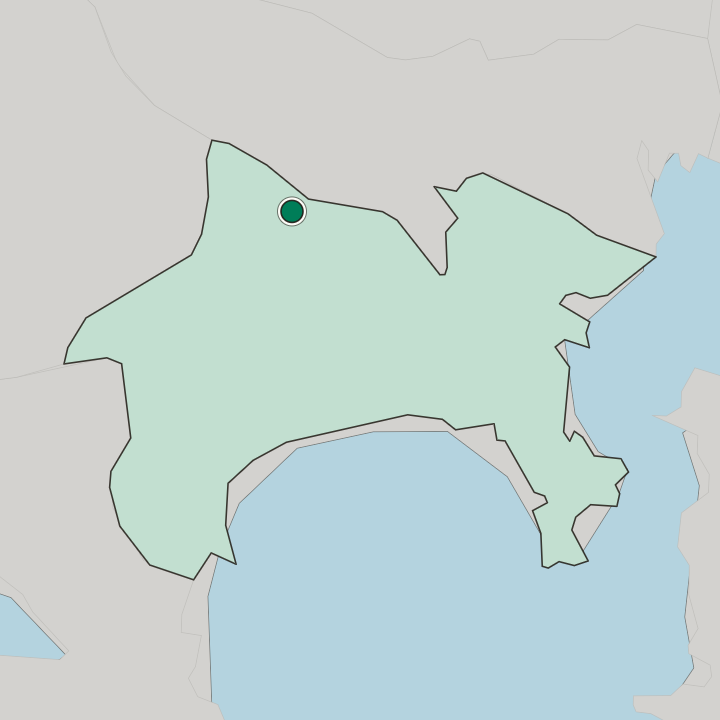
Sagamihara is big by area. The municipality covers about 329 square kilometres, a wide territory by the standards of the Greater Tokyo Area, and Machida sits across the prefectural line to the north. Yokohama and Kawasaki are the bigger Kanagawa Prefecture names.
Excavated sites lie spread through the city rather than gathered into one quarter, which is what the distribution of Katsusaka Site, Tabata Site and Kohoto Site records.
What is the climate of Sagamihara?
Temperate, with four clear seasons. Heat and humidity build through the middle of the year across the whole of the Greater Tokyo Area, and Sagamihara shares that pattern with Yokohama and Kawasaki, so the calendar rather than the map decides when to come. Winters stay manageable.
Rain is a matter of season rather than scarcity, and no month rules out a visit to the excavated sites or the museums.
How do you get to Sagamihara?
Machida is the neighbour to the north. Sagamihara sits inside the Greater Tokyo Area, so arrival almost always runs through the wider network that serves Yokohama and Kawasaki before the final leg into the third city of Kanagawa Prefecture. Distances inside are the catch.
At about 329 square kilometres the municipality is wide enough that the excavated sites and Sagamihara City Museum are separate journeys rather than one afternoon.
Common questions
What is the best area to stay in Sagamihara?
The museum centre: One-day visits pinned to Sagamihara City Museum. The Machida edge: Trips treating Machida and the excavated sites as one destination.
Good for
More cities in Kanagawa
Updated October 2026