Japan · Kanagawa · Yokohama
Ota, Yokohama — Area Guide & Where to Stay


Ota is a ward of Tokyo formed in 1947, its shore museums and factory streets tracing the old seaweed coast.
About Ota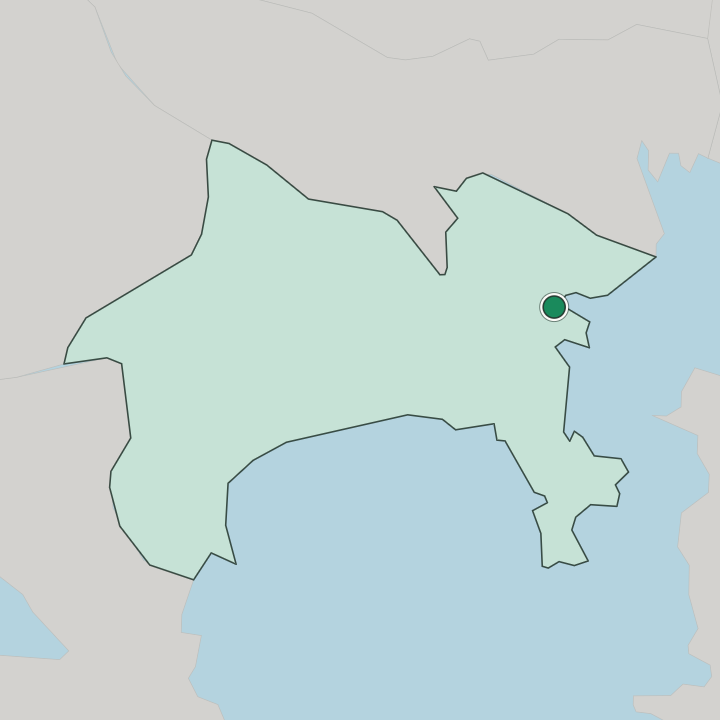
Where to stay in Ota
Not every neighbourhood fits every trip — here's what each one is good for.
Most visitors base themselves near Ota's transit spine, close to the Toshiba Science Museum and the working streets that thread the ward. The area suits travellers who want a quiet, well-connected foothold on the edge of Tokyo rather than a room in the crowded centre. Beds cluster near the stations.
Quieter lodgings sit out toward the old shore around the Omori Nori Museum, where the neighbourhood keeps the calmer feel of the former seaweed districts while staying within easy reach of the wider city.
About Ota
What are the main landmarks in Ota?
The Omori Nori Museum anchors Ota's old shore, recalling the seaweed harvest that once worked these flats. Its galleries face the water. Inland, the Toshiba Science Museum draws families to its hands-on displays, the Ryūshi Memorial Museum keeps the painter's studio and work, and the eating lane of Watami Dream Street gathers the ward's evening crowd along a single stretch of small shops and stalls.
What is the history of Ota?
Ota took its present shape in 1947, drawn together from older shore and factory neighbourhoods on the edge of Tokyo. The coast here once worked the seaweed harvest, a trade the Omori Nori Museum now records for the ward. Industry followed the water.
Workshops and later engineering firms spread across the flats, a shift the Toshiba Science Museum traces through its displays, while the Ryūshi Memorial Museum preserves the studio of a painter who settled among these changing streets.
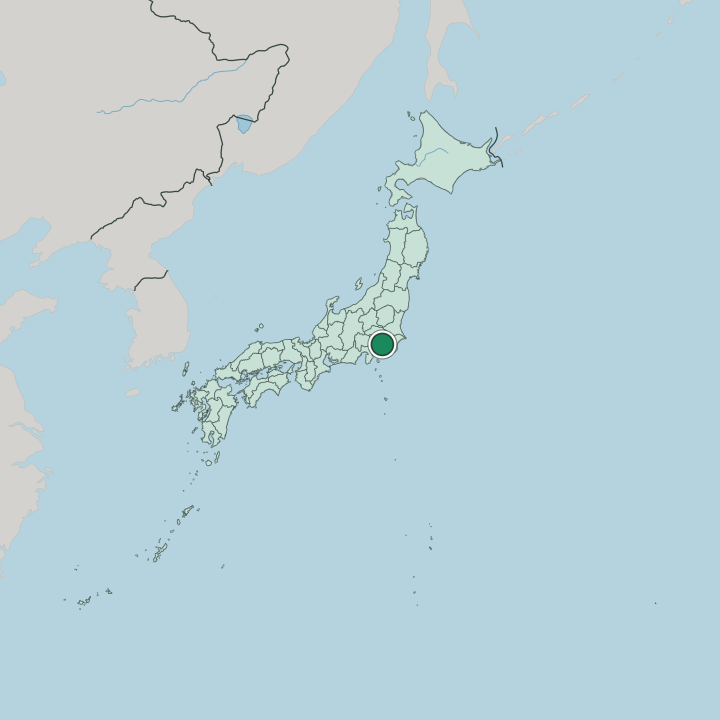
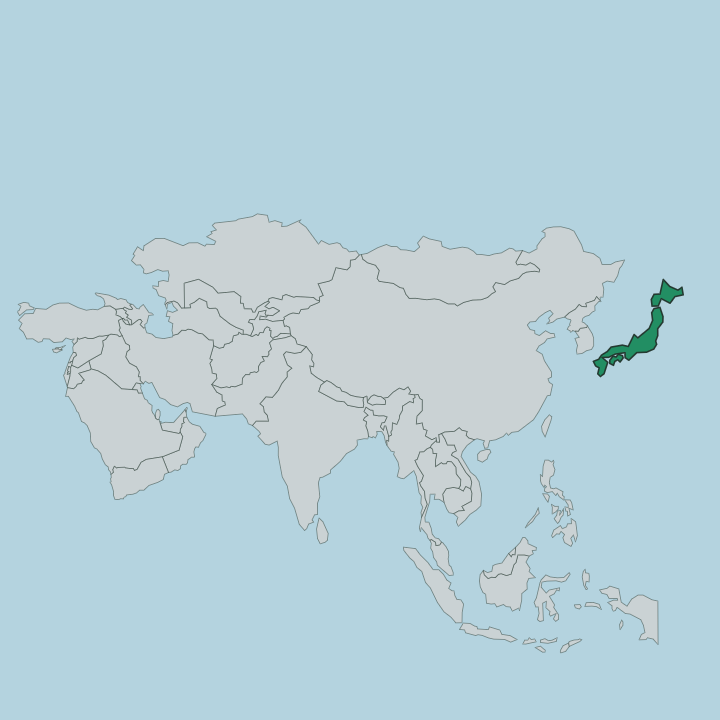
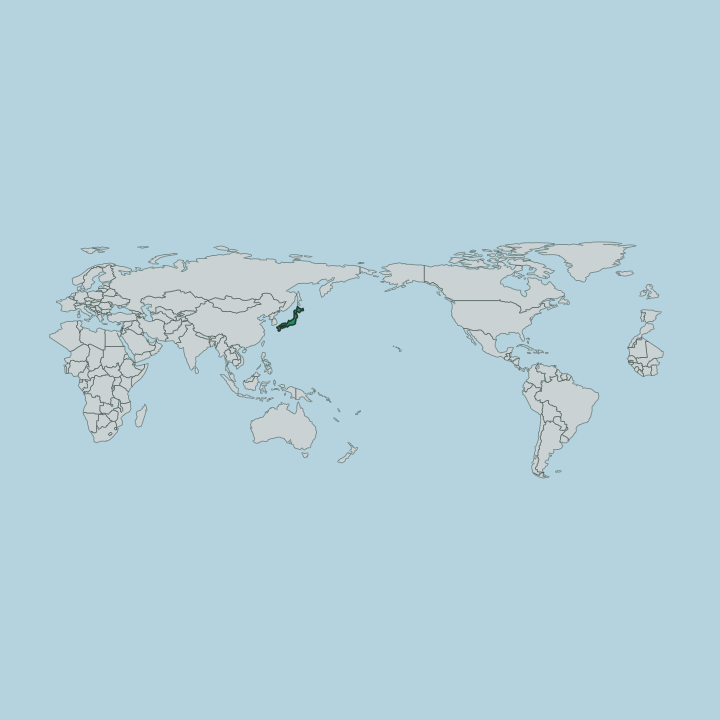
Where is Ota?
Ota spreads across low coastal flats on the seaward edge of Tokyo, its old shore marked by the Omori Nori Museum.
More areas in Yokohama
Updated July 2026