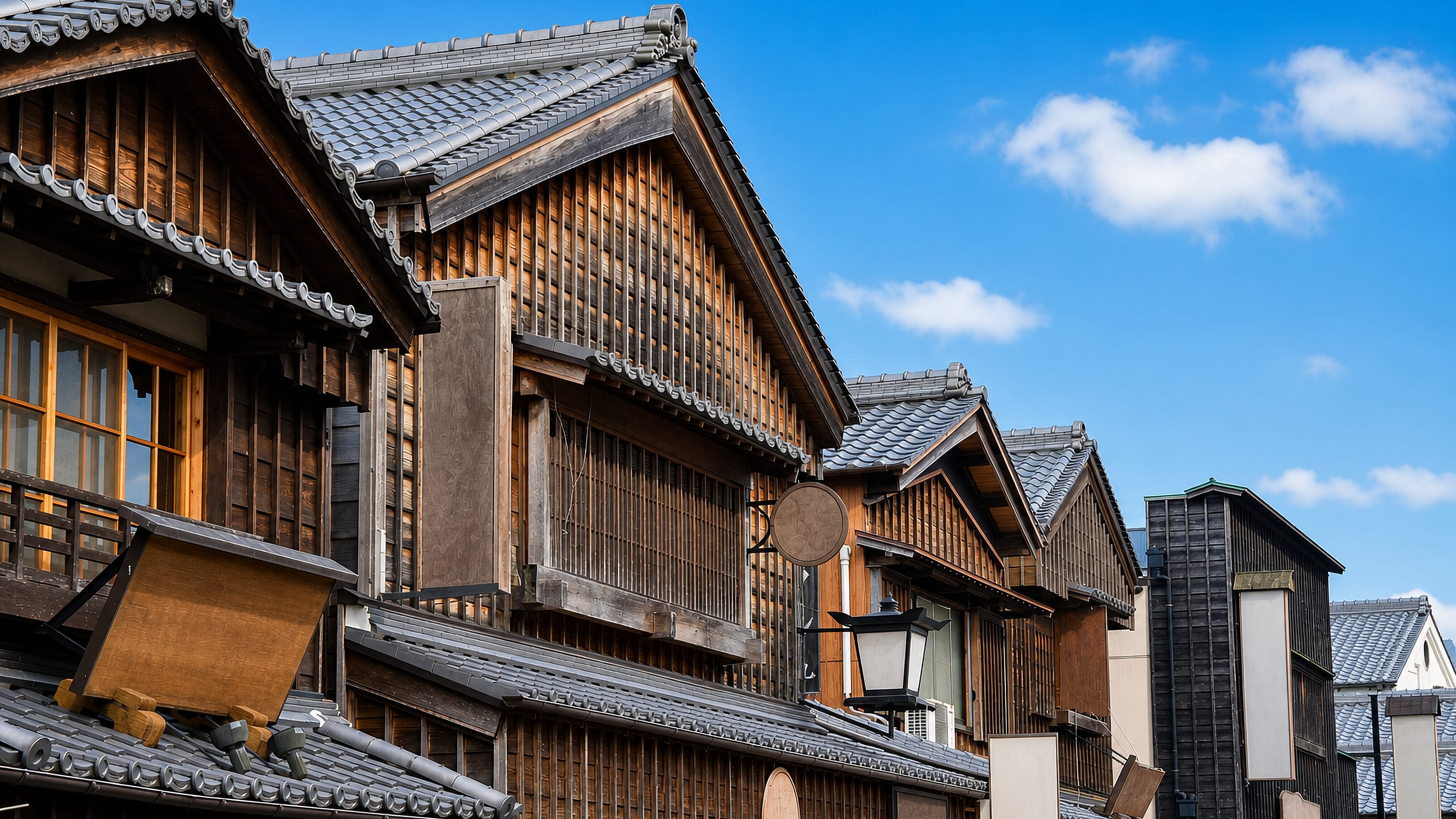
Japan · Mie-ken
Where to Stay in Ise, Mie-ken
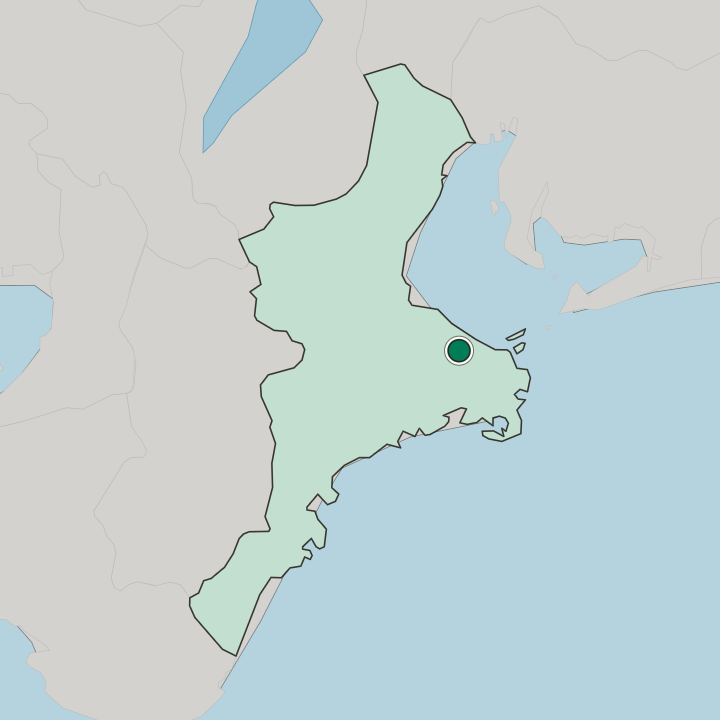
Ise, once Ujiyamada, holds Ise Grand Shrine, the most sacred Shintō shrine in Japan, in central Mie Prefecture. Its old title means Holy City.
Hotel links are affiliate links: booking through them may earn us a commission, at no extra cost to you. It never affects how places are ranked. How this works


Where to stay in Ise
Where visitors usually base themselves, and why.
The shrine sets the map. Rooms near Ise Grand Shrine put the pilgrimage within reach of an early start, and the Jingu Museum, the Jingū Art Museum, and the Sagawa Memorial Museum of Shinto and Japanese Culture belong to the same visit. Pilgrim traffic concentrates there.
The Ise History Museum and Ise Pilgrimage Museum give that traffic its context, and both are easy from a central room, which makes a first night in the middle of the city the simplest plan. A stay on the shrine side suits anyone who wants the approach quiet, before the day's arrivals fill it. Kawasaki is the alternative.
The quarter that gives the Ise Kawasaki Shōninkan its name sits back from the shrine approach, and a room there trades proximity for a different sort of street. Ujiyamada still names part of the city. That older name, written Ujiyamada in the register, belonged to the town before the city of 1955 was formed, and it remains useful for working out which part of Ise a listing means.
Distances between them stay short. Ise is compact, so none of these choices costs much time on foot.
Find hotels in Ise
Direct booking searches for these neighbourhoods.
By Ise Grand Shrine
The shrine approach, with the Jingu Museum and the Jingū Art Museum belonging to the same institution.Find hotels in By Ise Grand Shrinetravellers drawn to the Ise Kawasaki ShōninkanKawasaki
The merchant quarter that names the Ise Kawasaki Shōninkan, set back from the pilgrim approach. Rooms are few around here — worth securing early.Find hotels in Kawasakistays that still go by the Ujiyamada nameUjiyamada
The former town of Ujiyamada, which gave Ise its earlier name and still labels part of the city.Find hotels in UjiyamadaHotel links are affiliate links: booking through them may earn us a commission, at no extra cost to you. It never affects how places are ranked. How this works
About Ise
The shrine explains the city.
What is Ise known for?
Ise Grand Shrine draws pilgrims from across Japan, and the city carries the old title Shinto, read either as the Holy City or as the Capital of the Kami. Museums follow from that. The Jingu Museum, the Jingū Art Museum, and the Sagawa Memorial Museum of Shinto and Japanese Culture all take the shrine and its religion as their material, while Ise Pilgrimage Museum documents the pilgrimage itself.
What are the main landmarks in Ise?
Ise Grand Shrine outranks everything. The Jingu Museum and the Jingū Art Museum hold what the shrine has gathered, and the Sagawa Memorial Museum of Shinto and Japanese Culture widens the subject to the religion as a whole. Two smaller places round it out.
The Ise History Museum covers the city rather than the shrine, Ise Pilgrimage Museum keeps the record of the pilgrimage that shaped both, and the Ise Kawasaki Shōninkan preserves a merchant building of its own.
What is the history of Ise?
The shrine came before the city. Ise Grand Shrine gave the place its reason for existing, and its reputed keeping of the Emperor's Sacred Mirror drew pilgrims long before any municipal boundary was drawn around them. The title records that standing.
Shinto, the Holy City or the Capital of the Kami, is a name Ise has carried for a very long time, and it belongs to the shrine rather than to any administration. That standing is what the wider country still recognises in the place, and it is why the city's identity has never shifted from the shrine to anything else. Ujiyamada is the older municipal name.
Ujiyamada was the entry on the books, and the city of Ise dates only from 1955, which makes the administrative history far shorter than the religious one. Trade grew alongside the pilgrimage. The Ise Kawasaki Shōninkan survives from the merchant side of that traffic, and Ise Pilgrimage Museum now documents the journeys that kept such merchants in business.
Museums carry the rest of the record, with the Ise History Museum on the city itself and the Jingu Museum, the Jingū Art Museum, and the Sagawa Memorial Museum of Shinto and Japanese Culture on the shrine and its religion.
Where is Ise?
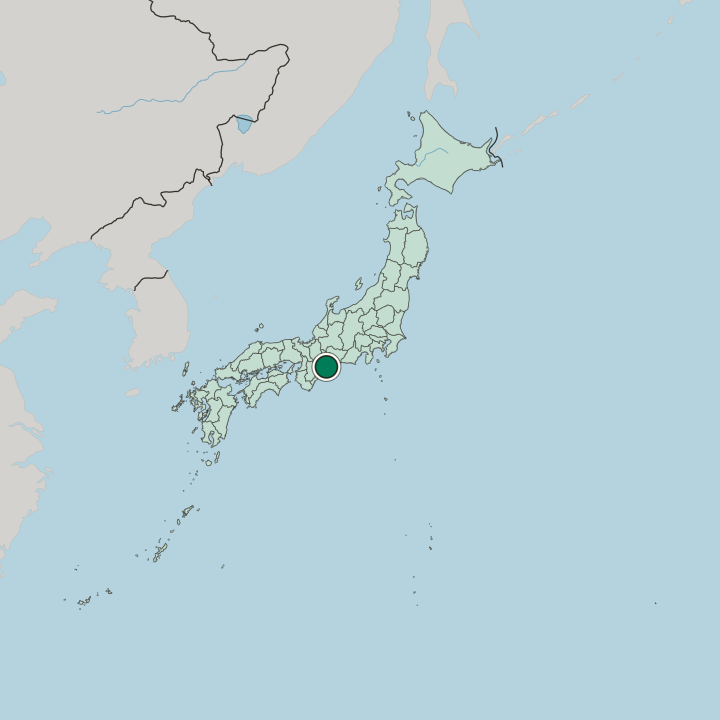
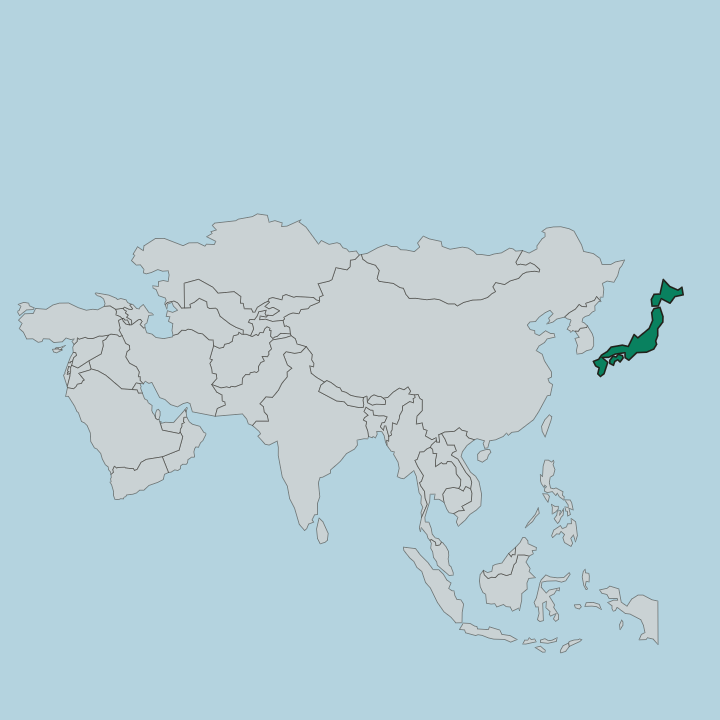
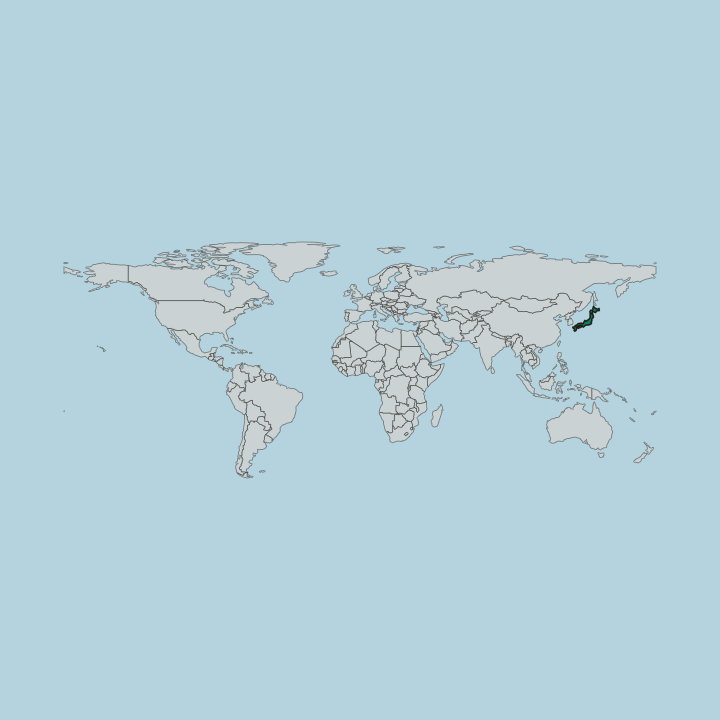
Ise sits in central Mie Prefecture. The city occupies a compact stretch of the island of Honshū, small enough that the shrine, the museums, and the older quarters stay within short reach of one another. Its climate falls on the subtropical side.
Nothing in the city's shape competes with the grounds of Ise Grand Shrine for attention, and the built-up streets work around them rather than the other way about.
What is the climate of Ise?
Damp air never really lifts. Ise falls in the subtropical band, so summer arrives warm and heavy over this part of Honshū, while the cold months stay comparatively brief. Rain shapes a pilgrimage day more than heat does.
Walking the approach to Ise Grand Shrine in the wettest weeks is a different proposition from walking it in clear air, and the museums nearby absorb the difference.
How do you get to Ise?
Ise is a destination, not a waypoint. Travellers reach it from elsewhere in Mie Prefecture and from further along Honshū, and most arrive with the shrine as the single purpose of the trip rather than as one stop among several. The city itself is walkable.
Ise Grand Shrine, the Jingu Museum, and the Ise Kawasaki Shōninkan sit inside a compact municipality, so moving between them asks far less of a visitor than reaching Ise does in the first place.
Common questions
What is the best area to stay in Ise?
By Ise Grand Shrine: pilgrims wanting Ise Grand Shrine at first light. Kawasaki: travellers drawn to the Ise Kawasaki Shōninkan. Ujiyamada: stays that still go by the Ujiyamada name.
Good for
More cities in Mie-ken
Updated September 2026