Japan · Mie-ken
Where to Stay in Suzuka, Mie-ken
Suzuka is a city of Mie Prefecture in Japan, holding the Ōzuka Kofun, Kannon-ji Temple and a scatter of small local museums.
Hotel links are affiliate links: booking through them may earn us a commission, at no extra cost to you. It never affects how places are ranked. How this works


Where to stay in Suzuka
Where visitors usually base themselves, and why.
Beds cluster in the town centre. Streets around Kannon-ji Temple and the Suzuka Municipal Museum of Archaeology carry the everyday shops, the eating places and the bus stops that link the rest of Mie Prefecture, which makes them the simplest base for a stay of a night or two. Choice thins beyond that ring.
What is on offer stays modest, and the walk between one place and the next is short enough that a late arrival is no great problem. The Suzuka Sports Garden sits on its own ground away from the shops. Rooms out that way are quieter.
They suit visitors with a car, an early start or a day given to the sports grounds, since the roads out of the city are easier to reach from there than from the middle, and parking stops being a calculation. Nights are quiet on that side. A third option follows the older ground.
The Ōzuka Kofun, the Inō Jinja Garden and the Shonoshuku Museum stand apart from the commercial centre, and a stay near them puts the walking routes and the small collections at the door in exchange for a ride in for dinner. The Ise Katagami Museum, the Inou Folk Museum and the Kodayu Daikokuya Memorial Hall are all short hops by bus or car from any of the three, so no choice shuts the others out. Nothing in Suzuka is far.
Find hotels in Suzuka
Direct booking searches for these neighbourhoods.
Around Kannon-ji Temple
Shops, food and the prefecture buses sit within a few streets of Kannon-ji TempleFind hotels in Around Kannon-ji TempleDrivers with an early start or a day on the sports groundsBy the Suzuka Sports Garden
Quiet streets and easy parking beside the Suzuka Sports Garden, clear of the shopping streets. Few places to stay nearby — book ahead.Find hotels in By the Suzuka Sports GardenWalkers pairing the Ōzuka Kofun with the Inō Jinja GardenThe Ōzuka Kofun side
Older ground around the Ōzuka Kofun and the Shonoshuku Museum, away from the commercial centre. Rooms are few around here — worth securing early.Find hotels in The Ōzuka Kofun sideHotel links are affiliate links: booking through them may earn us a commission, at no extra cost to you. It never affects how places are ranked. How this works
Things to do in Suzuka
Ranked by global recognition; descriptions from Wikidata (CC0).
Museums & Galleries
3- Shonoshuku Museum
- Suzuka Municipal Museum of Archaeology
- Inou Folk Museum
Stadiums & Sports
1- Suzuka Sports Garden
Parks & Gardens
1- Inō Jinja Garden Heritage
worth knowingacross 3 categories in Suzuka
About Suzuka
Small museums do the work here.
What is Suzuka known for?
Suzuka gathers the Ise Katagami Museum, the Inou Folk Museum, the Kodayu Daikokuya Memorial Hall and the Shonoshuku Museum, four collections that between them hold the crafts, the household life and the local memory of this corner of Mie Prefecture. The Suzuka Municipal Museum of Archaeology sets out what came out of the ground. Sport has its own address, the Suzuka Sports Garden, with grounds laid out for athletics and training.
What are the main landmarks in Suzuka?
Kannon-ji Temple anchors the older core. The Ōzuka Kofun stands among the oldest things here, and the Suzuka Municipal Museum of Archaeology sets the finds of that ground in order a short way off. Ise Katagami Museum keeps a craft collection.
The Inou Folk Museum, the Shonoshuku Museum and the Kodayu Daikokuya Memorial Hall each take a narrower slice of the local record, while the Inō Jinja Garden is a garden rather than a gallery.
What is the history of Suzuka?
The ground came first. Ōzuka Kofun is a burial site raised long before the boundaries of any modern municipality were drawn across this part of Mie Prefecture, and the Suzuka Municipal Museum of Archaeology exists to hold and explain what that ground has yielded. Kannon-ji Temple carries the same long thread forward. Worship, burial and settlement here all predate the administrative name by a very wide margin, which is the first thing the collections make plain to anyone who visits them in order.
The collections are small but specific. Suzuka became a city in 1942. The modern municipality gathers ground that older communities worked long before it, and the museums are scattered accordingly: the Shonoshuku Museum in one quarter, the Kodayu Daikokuya Memorial Hall in another, the Inou Folk Museum keeping household and working life apart from both.
Ise Katagami Museum holds the craft record. Nothing here is gathered into one grand civic hall, and the effect of that is a history read in short stages across the city rather than in a single building. The Inō Jinja Garden and the Suzuka Sports Garden mark two later kinds of public ground.
Where is Suzuka?
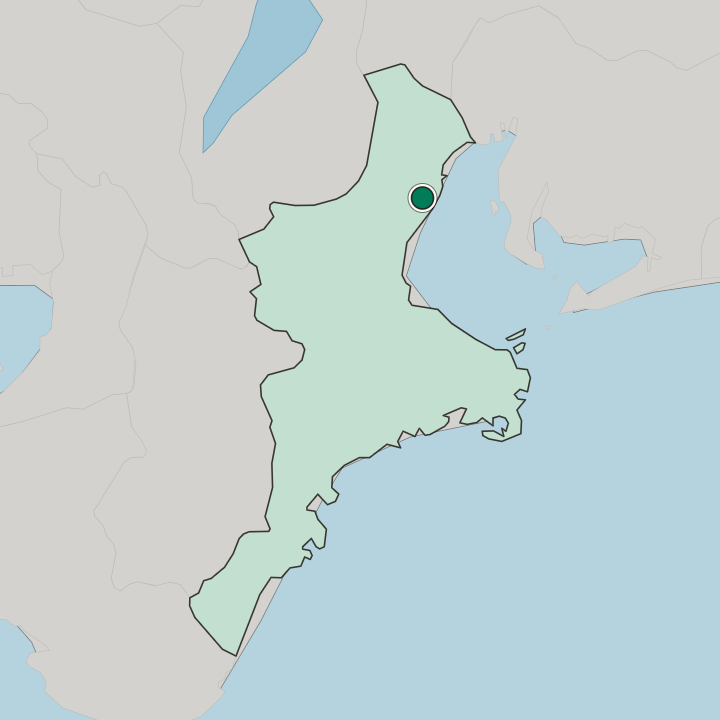
Suzuka spreads across roughly 194 square kilometres of Mie Prefecture. That footprint is wide enough that the Ōzuka Kofun, the Inō Jinja Garden and the Suzuka Sports Garden sit well apart from one another rather than gathering into a single walkable block. The city is not compact.
Kannon-ji Temple and the Suzuka Municipal Museum of Archaeology mark the settled middle of the city.
What is the climate of Suzuka?
The subtropics claim Suzuka, and the year splits accordingly. Summers run warm and humid, and the heat lingers over open ground such as the Suzuka Sports Garden long after the sun has dropped behind the buildings around Kannon-ji Temple. Winters are the shorter, milder half of the year, and hard frost is not the ordinary condition.
Shade matters in August.
How do you get to Suzuka?
Plan the local legs. The city's own distances catch people out, since the Suzuka Sports Garden, the Ōzuka Kofun and the Ise Katagami Museum stand well apart from the centre and from one another across a wide municipal area. A car makes the difference.
Anyone without one should treat the Suzuka Municipal Museum of Archaeology and Kannon-ji Temple as the walkable pair, keep a base close to them, and leave the outlying sites for a single planned run.
Common questions
What is the best area to stay in Suzuka?
Around Kannon-ji Temple: Short stays walking to the Suzuka archaeology collection. By the Suzuka Sports Garden: Drivers with an early start or a day on the sports grounds. The Ōzuka Kofun side: Walkers pairing the Ōzuka Kofun with the Inō Jinja Garden.
Good for
More cities in Mie-ken
Updated October 2026