Japan · Mie-ken
Where to Stay in Tsu, Mie-ken
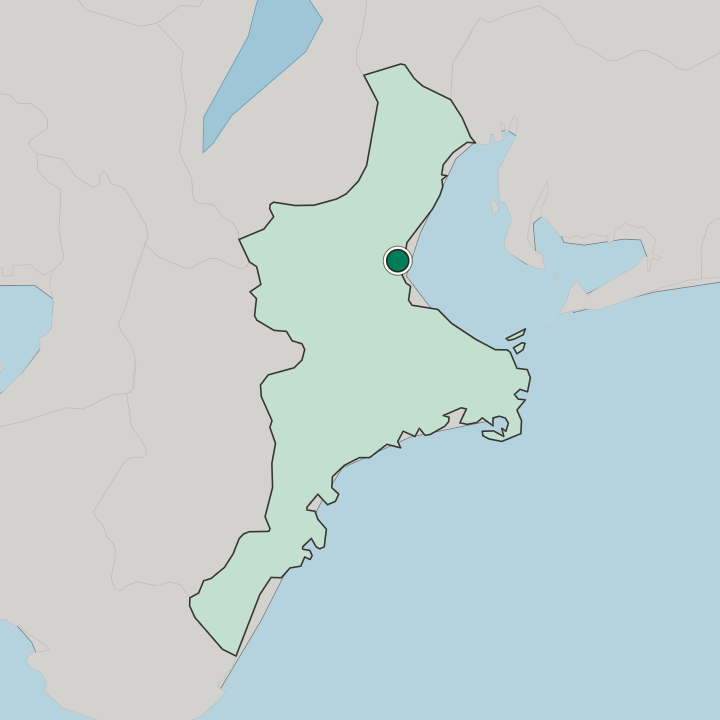
Tsu is the capital of Mie Prefecture in Japan, a city since 1889, whose landmarks run from the Mie Prefectural Museum to Honzan Senju-ji Temple.
Hotel links are affiliate links: booking through them may earn us a commission, at no extra cost to you. It never affects how places are ranked. How this works


Where to stay in Tsu
Where visitors usually base themselves, and why.
Size is the first thing to plan around. Tsu's boundary encloses 711 square kilometres, so the choice of base decides how much of the day goes to travelling rather than to the sites themselves. Most beds sit in the built-up part.
Rooms there put the Mie Prefectural Museum, the Mie Prefectural Art Museum and the government offices in comfortable reach, which is the right trade for a short visit or a working trip. Honzan Senju-ji Temple makes its own case. A stay near the precinct and its Senju-ji Nyoraido and Senju-ji Mieido halls suits anyone here for the temple itself, with the walk back short enough to make an unhurried morning possible.
Quiet comes early on that side. Food and shops thin out away from the office quarter, and that is the trade to weigh before booking. Reaching the rest means driving.
Kitabatake Gardens, the Sekisui Museum and Mukumoto no Omuku are spread through a municipality far larger than its built core, and reaching them from a central room costs less time than hunting for a bed beside any one of them. Rooms out that way are scarce. A car settles the question for anyone planning more than the museums and the temple.
Find hotels in Tsu
Direct booking searches for these neighbourhoods.
By the prefectural offices
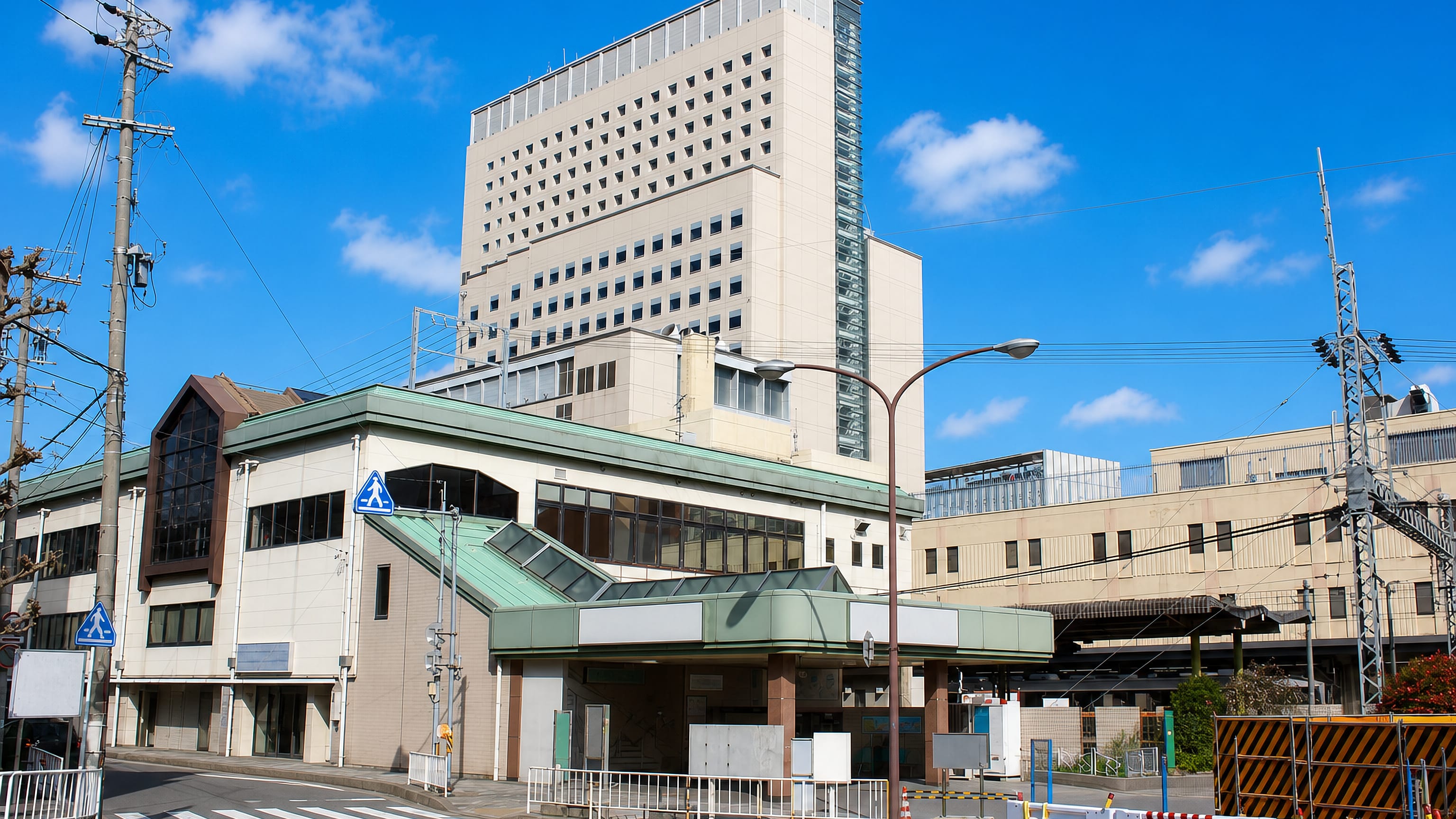
Rooms in reach of the Mie Prefectural Museum, the Mie Prefectural Art Museum and the government officesFind hotels in By the prefectural officesPilgrims and anyone whose reason for coming is the Senju-ji precinctNear Honzan Senju-ji Temple
The precinct and its Senju-ji Nyoraido and Senju-ji Mieido halls set the pace of the streets around them. Rooms are few around here — worth securing early.Find hotels in Near Honzan Senju-ji TempleDrivers taking in Kitabatake Gardens and the Sekisui MuseumThe outer municipality
Beds are few across the 711 square kilometres inside Tsu's boundary, so a car comes first. Lodging is scarce in this area; reserve in advance.Find hotels in The outer municipalityHotel links are affiliate links: booking through them may earn us a commission, at no extra cost to you. It never affects how places are ranked. How this works
About Tsu
Government and schooling set the tone.
What is Tsu known for?
Tsu is the capital of Mie Prefecture, and the concentration of national offices and educational institutions here makes it the administrative and teaching centre of the prefecture rather than its largest city. The Mie Prefectural Museum and the Mie Prefectural Art Museum follow from that role. Honzan Senju-ji Temple pulls a different crowd entirely.
What are the main landmarks in Tsu?
Honzan Senju-ji Temple heads the list. Its halls, Senju-ji Nyoraido and Senju-ji Mieido, are catalogued separately from the temple itself, a sign of how much of the precinct counts as heritage in its own right. Two prefectural museums follow.
The Mie Prefectural Museum and the Mie Prefectural Art Museum cover the prefecture's record and its art between them, while the Sekisui Museum, Kitabatake Gardens and Mukumoto no Omuku are smaller and more particular.
What is the history of Tsu?
Old ground sits under the modern city. Kotsukuri Akasaka Site records use of this stretch of Mie Prefecture from far earlier than any municipal record, and the Mie Prefectural Museum is where that long story is set out for the prefecture as a whole. Honzan Senju-ji Temple belongs to a later layer, though still one that predates the modern city by a long way.
Its Senju-ji Nyoraido and Senju-ji Mieido halls survive as separate listed structures, which marks the precinct as a set of buildings rather than a single hall. Tsu became a municipality in 1889. Its boundary now stretches across 711 square kilometres.
The date marks the founding of the modern city, and what followed mattered more, since the prefectural capital drew in the offices, the schools and the collections that give Tsu its present shape. The Mie Prefectural Art Museum sits inside that institutional weight. So does the concentration of national offices and educational facilities that makes the city the administrative and teaching centre of Mie Prefecture.
Kitabatake Gardens stands outside that story. The Sekisui Museum and Mukumoto no Omuku do too, standing apart from the offices and the prefectural collections.
Where is Tsu?
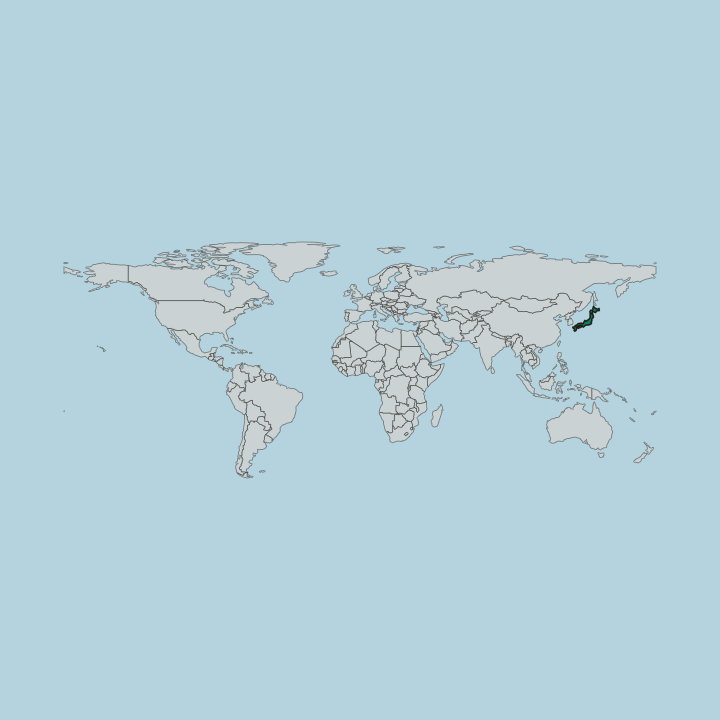
Tsu covers 711 square kilometres. That is a great deal of ground for one city name, and it is why the built quarter around the Mie Prefectural Museum accounts for only a fraction of what the boundary contains. Open country makes up the rest.
Distances inside the boundary are a real consideration, and two points that share the name Tsu can be a long drive apart.
What is the climate of Tsu?
August is the test. Tsu sits in the subtropical band, so the summer runs long, humid and heavy, and the open ground inside the municipal boundary holds warmth well past sunset. Winters stay comparatively mild.
Rain and heat both arrive in the warm half of the year, which shapes when a visit to Kitabatake Gardens is pleasant and when it is not.
How do you get to Tsu?
Arriving is simpler than getting around. Tsu holds the prefectural offices, so the connections that serve Mie Prefecture converge on the capital rather than skirting it, and most visitors reach the built quarter without difficulty. The far parts are another matter.
A municipality of 711 square kilometres does not reduce to one walkable centre, so anything past the Mie Prefectural Museum and Honzan Senju-ji Temple wants wheels and a timetable checked in advance.
Common questions
What is the best area to stay in Tsu?
By the prefectural offices: Working trips and days given to the two prefectural collections. Near Honzan Senju-ji Temple: Pilgrims and anyone whose reason for coming is the Senju-ji precinct. The outer municipality: Drivers taking in Kitabatake Gardens and the Sekisui Museum.
Good for
More cities in Mie-ken
Updated September 2026