Japan · Mie-ken
Where to Stay in Nabari, Mie-ken
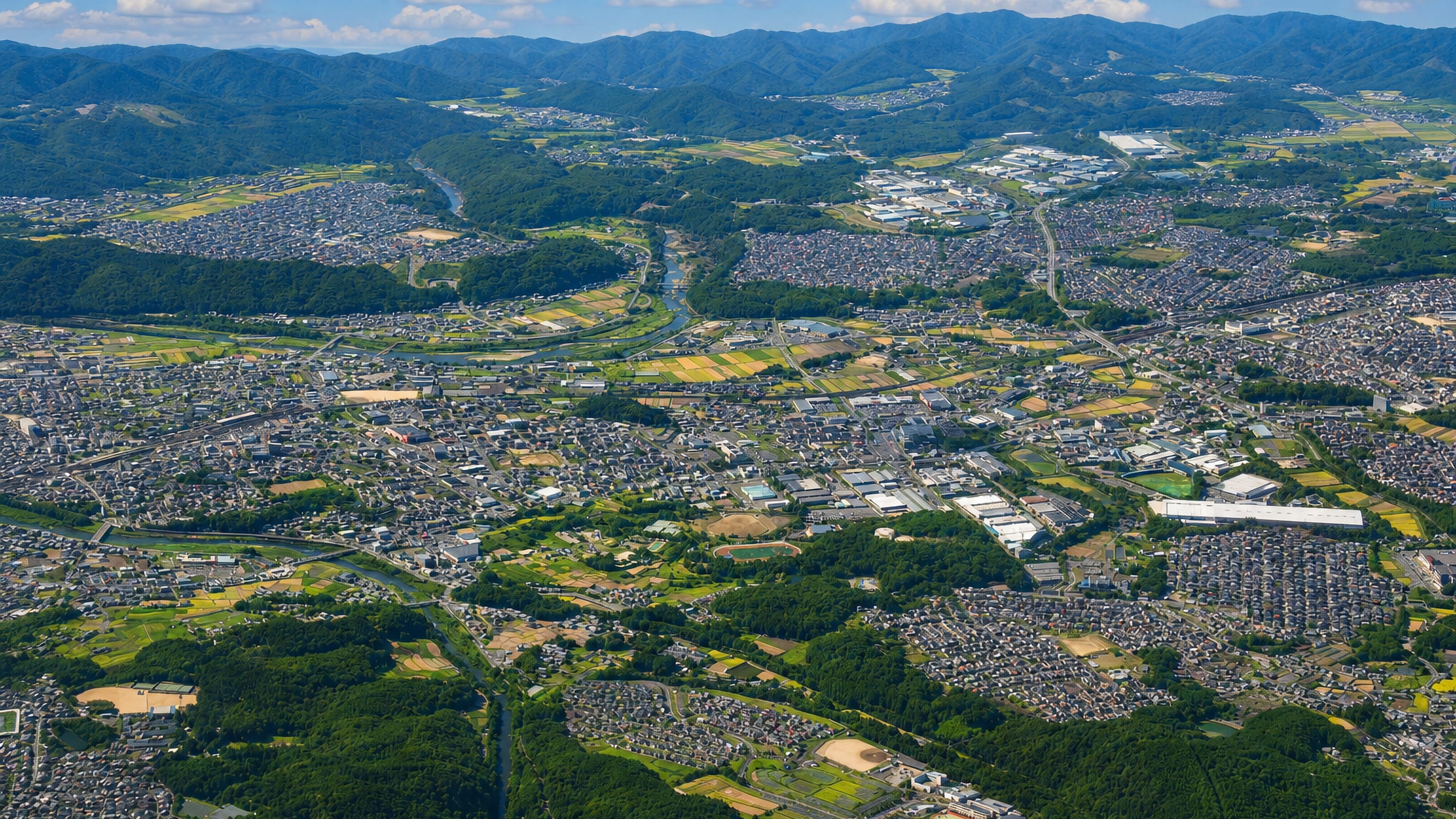
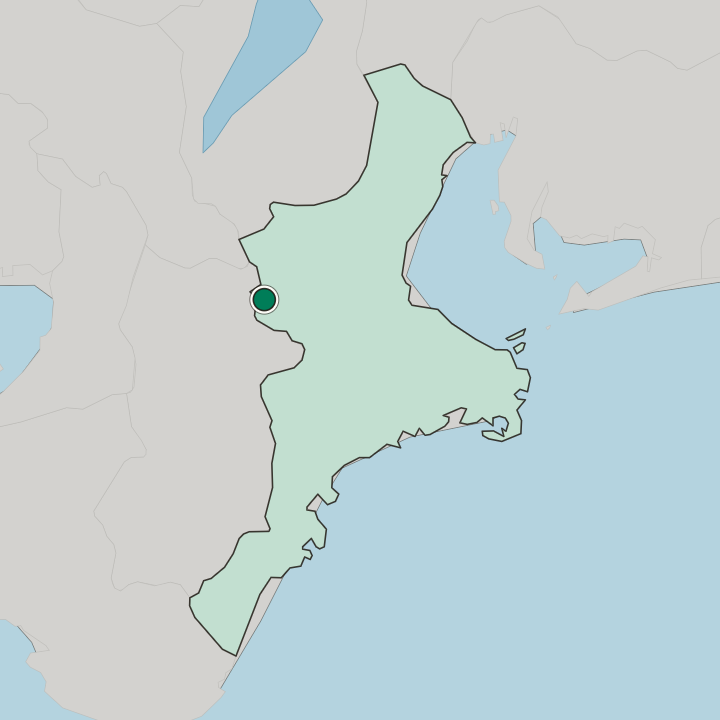
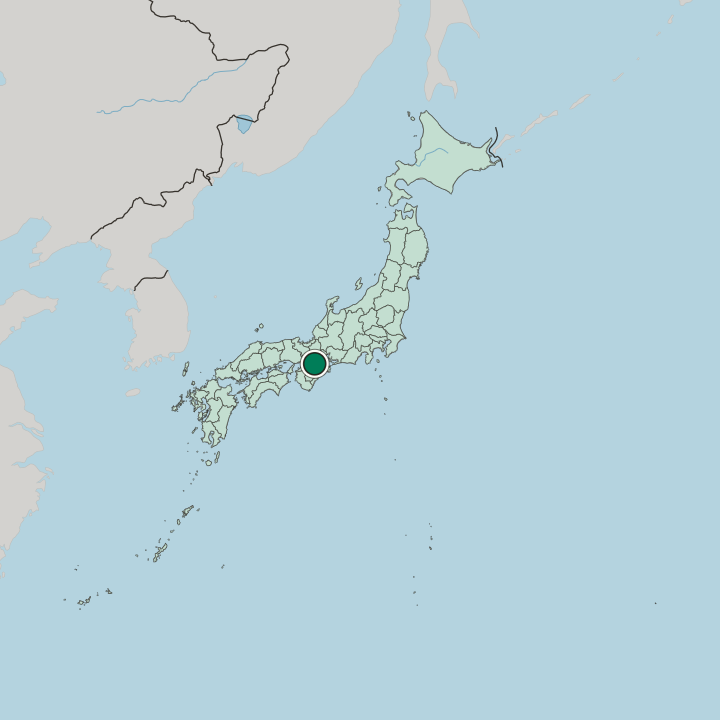
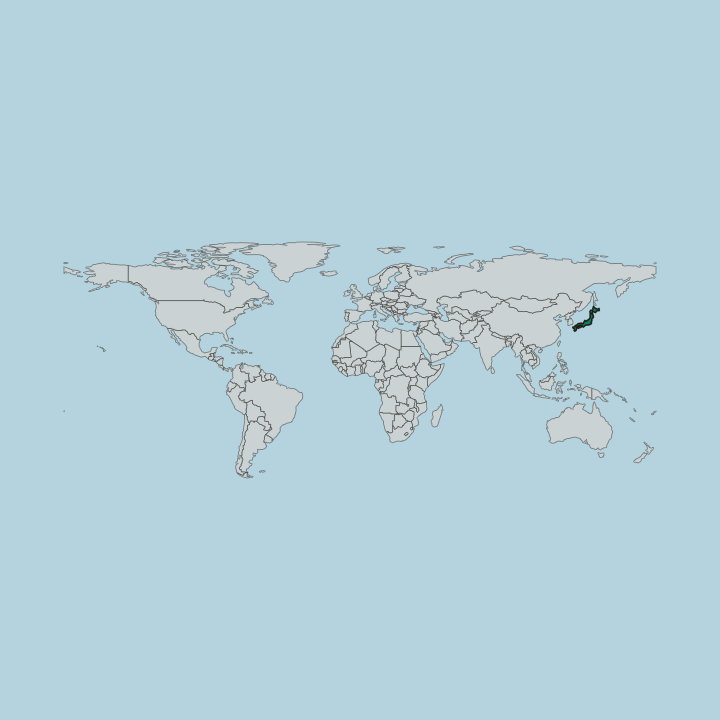
Nabari is a city in central Mie Prefecture, Japan, running west to the Nara Prefecture boundary, with the Jōnokoshi Site inside its limits.
Hotel links are affiliate links: booking through them may earn us a commission, at no extra cost to you. It never affects how places are ranked. How this works


Where to stay in Nabari
How the choice of base plays out on the ground.
Nabari is compact enough that the base matters less than usual. The centre holds the practical side of a stay, the food and the shops and the services, and from there both the Jōnokoshi Site and the Kebara temple ruins are short outings rather than expeditions across a sprawling municipality. That is the easy answer.
Anyone whose interest is archaeological may prefer the quieter ground toward the Jōnokoshi Site, where evenings are darker and the walk to the excavated area is measured in minutes. The western fringe is the third possibility, out where Nabari gives way to Nara Prefecture. Beds are thinner there.
It suits you if the plan involves crossing the boundary in the morning and treating Mie Prefecture as the evening side of the trip rather than the whole of it. Whichever end is chosen, the city's small area keeps the day's driving short, and a stay here works as well for a single night broken on a longer journey as it does for a slower few days spent on the ruins and the ground around them.
Find hotels in Nabari
Direct booking searches for these neighbourhoods.
Central Nabari
The centre of Nabari carries the shops and food, and both the Jōnokoshi Site and the Kebara temple ruins are short runs from it.Find hotels in Central Nabarian unhurried morning at the Jōnokoshi SiteJōnokoshi Site surroundings
Ground around the Jōnokoshi Site is quieter than the centre and puts the excavated area within a walk. Rooms are few around here — worth securing early.Find hotels in Jōnokoshi Site surroundingstrips that cross into Nara Prefecture the next morningWestern fringe toward Nara Prefecture
Nabari's western edge runs up against Nara Prefecture, which shortens the first leg of a crossing but leaves fewer rooms to pick from. Few places to stay nearby — book ahead.Find hotels in Western fringe toward Nara PrefectureHotel links are affiliate links: booking through them may earn us a commission, at no extra cost to you. It never affects how places are ranked. How this works
About Nabari
What survives here is foundations.
What is Nabari known for?
The Jōnokoshi Site and the Kebara temple ruins are both remains rather than standing buildings, which asks a certain patience of anyone who prefers history with a roof still on it. Position counts for as much. Central Mie Prefecture ends at Nabari's western edge, where Nara Prefecture takes over, and a city on a provincial boundary tends to belong a little to both sides and entirely to neither.
Jōnokoshi and Kebara are the two names to know.
What are the main landmarks in Nabari?
Two sites, both of them ruins. The Jōnokoshi Site is the better known, an excavated area whose interest lies in what was uncovered rather than in anything left upright for a camera. Kebara temple ruins mark a religious foundation that did not survive.
Reading either takes a little effort, since neither offers the shortcut of an intact facade, and both reward a visitor willing to stand still and work out what the ground is showing. Nabari keeps them a short distance apart.
What is the history of Nabari?
The oldest evidence is under the topsoil. Excavation at the Jōnokoshi Site produced the kind of record that no building above ground could have preserved, and it establishes occupation here long before any prefecture drew a line across the map. Kebara temple ruins add the religious chapter.
A foundation once stood on that spot and no longer does, which is a common enough fate, though it leaves the ruins carrying the whole weight of an institution that must once have organised a good deal of local life. Administratively, Nabari is recent. The city dates to 1954, when the modern municipality took shape and gathered the surrounding settlements of central Mie Prefecture under a single name.
Borders have mattered here for far longer than that. The line where Nara Prefecture begins, immediately west, is the descendant of much older divisions, and a place sitting on such a division accumulates a different history from one in the middle of its own province. Kebara and Jōnokoshi both predate the boundary in its present form, which is the useful thing to hold in mind while standing on either site.
Where is Nabari?
Nabari occupies a small square of central Mie Prefecture, well under two hundred square kilometres, which by the standards of Japanese municipalities makes it a tight fit rather than a scattered one. West is where it ends. Nara Prefecture begins along that edge, so the city's boundary doubles as a provincial one for part of its length, and the ground does not change character at the crossing even though the administration does.
What is the climate of Nabari?
Summers run long and humid, the subtropical band doing its usual work on central Mie Prefecture, and the western edge of the city where Nara Prefecture begins does not always share the same afternoon as the centre. Seasons are clearly marked. Winter is short but real, and the Jōnokoshi Site reads as a different place under a grey sky than it does in the green months when the ground cover closes in around the excavation.
How do you get to Nabari?
Two approaches present themselves, one from the Mie Prefecture side and one across the boundary from Nara Prefecture, and Nabari's position means neither is a detour for anyone already moving between the two. Arrival is the easy part. The city's small area does the rest, since the Kebara temple ruins and the Jōnokoshi Site are both close in, and no part of a visit here turns into a long transfer.
Common questions
What is the best area to stay in Nabari?
Central Nabari: one night broken on a longer run through Mie Prefecture. Jōnokoshi Site surroundings: an unhurried morning at the Jōnokoshi Site. Western fringe toward Nara Prefecture: trips that cross into Nara Prefecture the next morning.
Good for
More cities in Mie-ken
Updated September 2026