Japan · Nagasaki Prefecture
Where to Stay in Ōmura, Nagasaki Prefecture
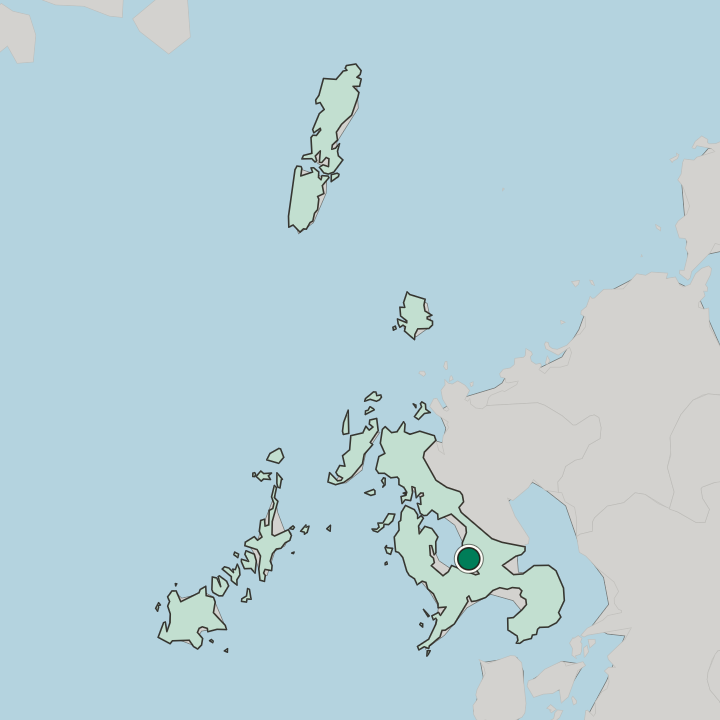
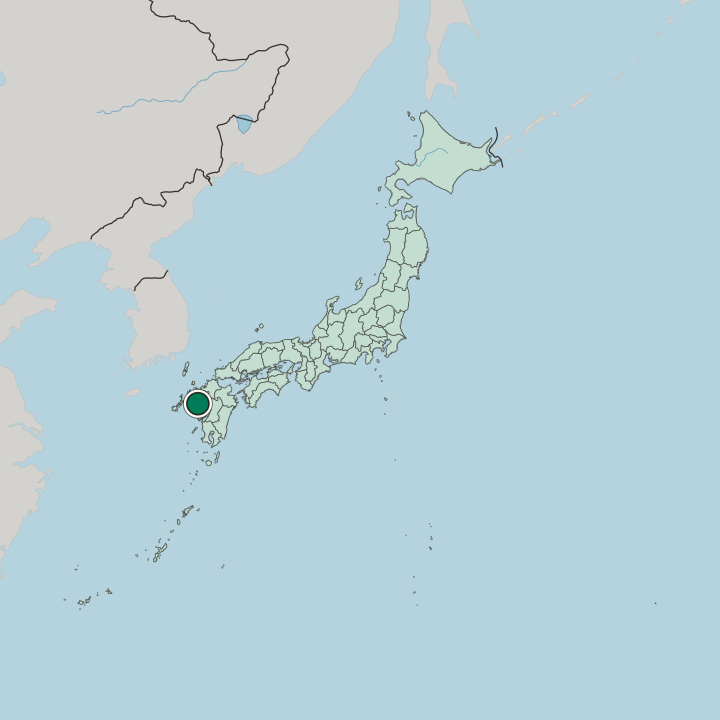
Ōmura stands on the eastern shore of Ōmura Bay in Nagasaki Prefecture, Japan, at the western foot of the Tara mountain range.
Hotel links are affiliate links: booking through them may earn us a commission, at no extra cost to you. It never affects how places are ranked. How this works


Where to stay in Ōmura
Where visitors usually base themselves, and why.
Beds cluster between Ōmura Bay and the slopes, because that strip is where the flat ground is. A room on the bay shore trades interior quiet for open water, and it puts the whole western side of the city, the part that looks across Ōmura Bay rather than up at the Tara mountain range, on the doorstep. Then there is the centre itself.
Staying near the Omura City History Museum keeps the everyday business of a stay close by, and the Former Enyū-ji Temple Garden is reachable from there without moving the car. The mountain foot suits a different visit. Ground rising toward the Tara mountain range sits above the town, quieter than the shore and better placed for anyone whose reason for coming to Nagasaki Prefecture is walking rather than sightseeing. Ōmura is small enough that none of these choices strands anyone.
The compact area means the shore, the centre, and the first slopes are separated by minutes rather than by a serious drive, so the decision comes down to the view from the window and how early the walking starts.
Find hotels in Ōmura
Direct booking searches for these neighbourhoods.
Ōmura Bay shore
The eastern shore of Ōmura Bay is the open side of the city, with the water rather than the ridge in front of the window.Find hotels in Ōmura Bay shorea first stay that pairs the museum with the temple gardenAround the Omura City History Museum
The Omura City History Museum and the Former Enyū-ji Temple Garden can be taken in one outing from here, with the shops of the centre between them.Find hotels in Around the Omura City History Museumwalkers starting into the Tara mountain range at first lightTara mountain foot
The rising ground at the western foot of the Tara mountain range sits above the town and shortens the approach to the hills. Rooms are few around here — worth securing early.Find hotels in Tara mountain footHotel links are affiliate links: booking through them may earn us a commission, at no extra cost to you. It never affects how places are ranked. How this works
About Ōmura
What is Ōmura known for?
The bay comes first. Ōmura Bay lies along the western edge of the built-up ground, and the Tara mountain range closes the view in the other direction, so the city keeps to a narrow band between water and slope. Two named sites carry most of the visiting: the Former Enyū-ji Temple Garden and the Omura City History Museum. Mountains bring a share of the arrivals. Nagasaki gives the wider frame, and Ōmura's place on the bay shore makes it a working base rather than somewhere travellers pass through in an afternoon.
What are the main landmarks in Ōmura?
Two addresses hold the visiting. The Former Enyū-ji Temple Garden is the older of them, a laid-out garden that survived the religious foundation it was made for and can still be walked through as a piece of design. Omura City History Museum does the explaining.
Between them they cover what Ōmura has to show indoors, while the real scale of the place is outside, in Ōmura Bay on one hand and the wall of the Tara mountain range on the other.
What is the history of Ōmura?
A garden outlived its temple. The Former Enyū-ji Temple Garden keeps the plan of a religious foundation that no longer stands, which makes it the oldest thing in Ōmura a visitor can walk into and read directly off the ground. Everything around it changed.
Settlement on this side of the water was fixed well before any modern boundary, because the eastern shore of Ōmura Bay offers flat ground at exactly the point where the Tara mountain range stops short of the sea. Ōmura became a city in 1942, a municipal step rather than a beginning, since the place had carried its own name long before the paperwork caught up. The Omura City History Museum holds that longer account. It is the one address in town where the sequence, from the temple garden through the shore-side settlement to the present municipality of Nagasaki Prefecture, is laid out in order for an outsider.
Names here are older than borders. Ōmura Bay was the near edge of the settled ground long before Ōmura-shi existed as an administrative unit, and the Tara mountain range set the limit on the landward side just as plainly.
Where is Ōmura?
Water on one side, mountains on the other. Ōmura holds the eastern shore of Ōmura Bay, and the western foot of the Tara mountain range presses in behind the town, leaving a strip of workable ground between the two that carries almost everything the city does. Ōmura does not spread far. Its area is small enough that the bay shore and the first slopes belong to the same afternoon, which is unusual for a place with both a sea frontage and a mountain range on its books.
What is the climate of Ōmura?
Ōmura Bay moderates the year. The city sits in the subtropical band, so summers run warm and humid, and having open water on one flank with the Tara mountain range on the other means the shore and the slopes rarely deliver the same afternoon. Winter sits light on this coast.
Wet spells belong to the warm half of the year, a pattern this bay shore shares with the rest of Nagasaki Prefecture.
How do you get to Ōmura?
Approaches follow the shore. The strip between Ōmura Bay and the Tara mountain range is the natural line of movement along this side of Nagasaki Prefecture, so arrivals tend to come in beside the water rather than over the hills behind. Once in Ōmura, the Omura City History Museum and the Former Enyū-ji Temple Garden are close enough to pair inside one outing.
Common questions
What is the best area to stay in Ōmura?
Ōmura Bay shore: waking up to the water of Ōmura Bay. Around the Omura City History Museum: a first stay that pairs the museum with the temple garden. Tara mountain foot: walkers starting into the Tara mountain range at first light.
Good for
More cities in Nagasaki Prefecture
Updated September 2026